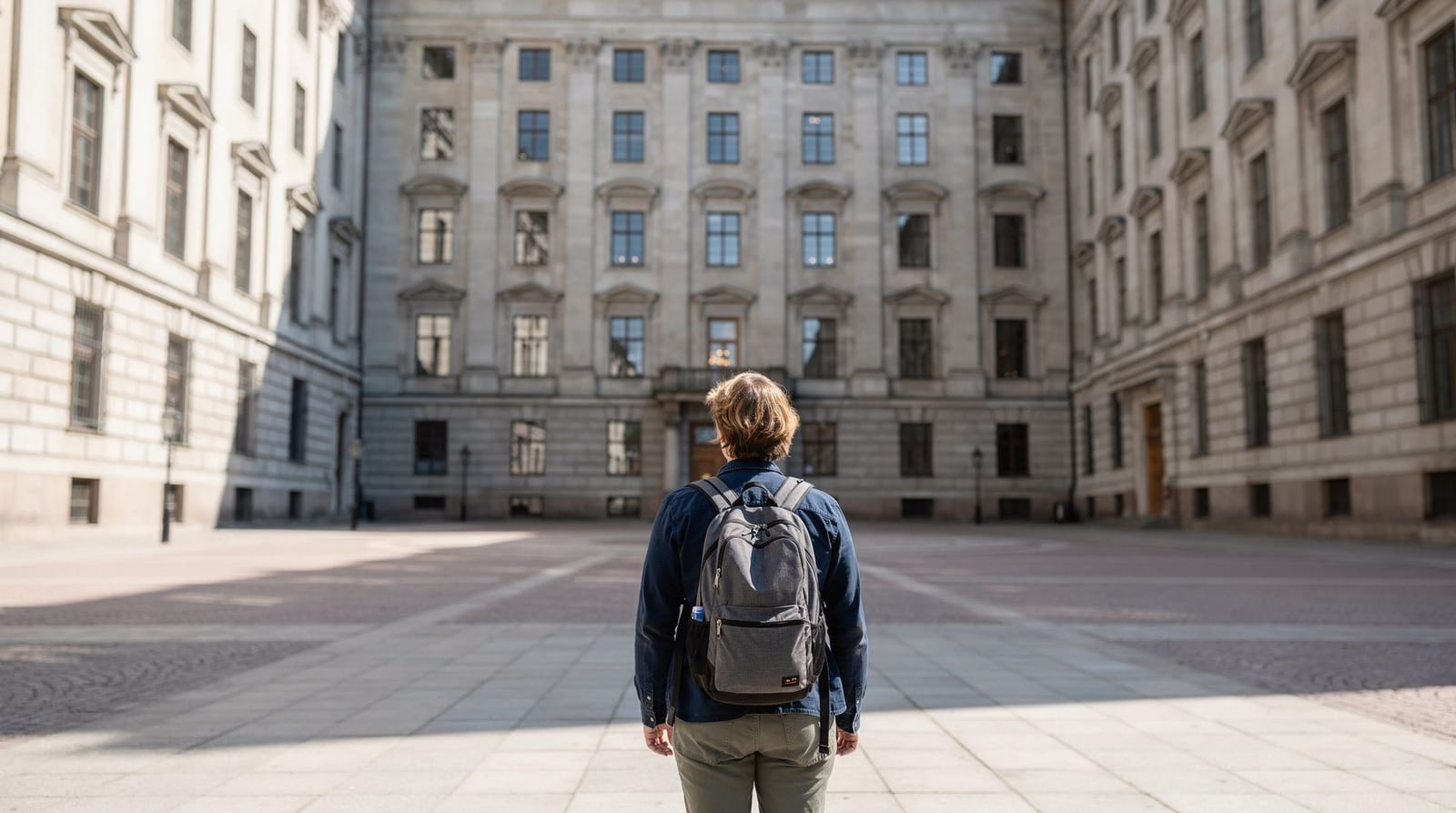
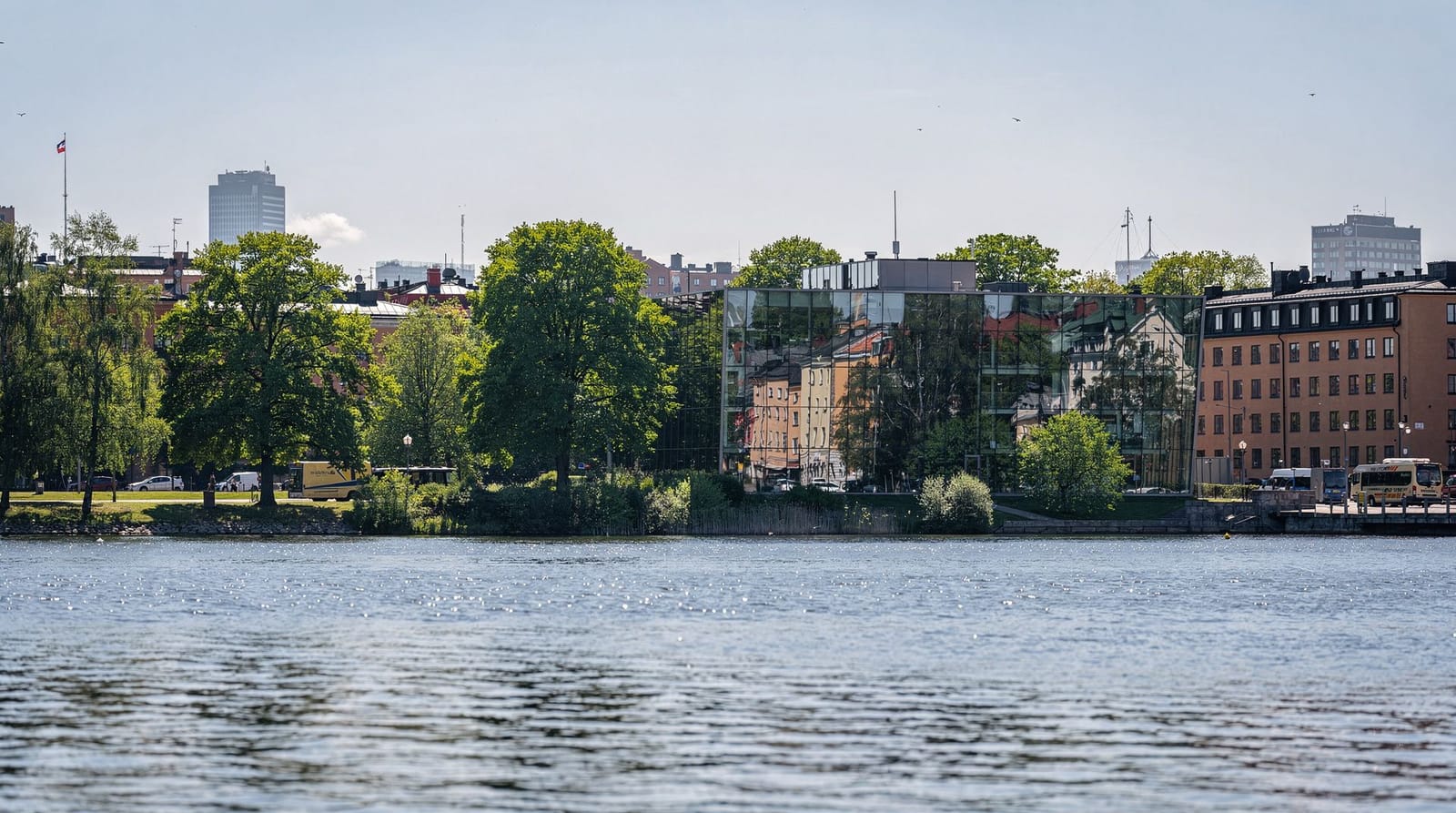
Stockholm in 3 days: the first-timer's complete itinerary
Stockholm: Go City Stockholm Pass — save up to 50%
Three days: the ideal first visit to Stockholm
Three days is the sweet spot for Stockholm. Two days leaves you with a list of things you meant to see; four days tempts you into side trips that dilute the core experience; but three days — if planned well — gives you the full picture of what Stockholm is and why it is worth the reputation.
This itinerary is the one to use if you have never been before. It follows a deliberate sequence: day one builds from the medieval core outward, showing you the historical foundations. Day two shifts to the park island of Djurgården, where some of the world’s most specific and well-executed museums are concentrated. Day three moves to Södermalm, the neighbourhood that shows Stockholm as it actually operates today rather than as it presents itself to visitors.
By the end of day three, you will have walked the medieval streets that predate the Swedish Empire, stood inside a warship that sank because its builders over-armed it on royal orders, eaten well without setting foot on the tourist drag, and watched the sun set over the city from one of the best free viewpoints in Scandinavia.
That is what Stockholm does well. This is how you see it properly.
At a glance
| Day | Morning | Afternoon | Evening |
|---|---|---|---|
| Day 1 | Gamla Stan + Royal Palace + Stortorget | Nobel Museum + canal boat | Östermalm or Gamla Stan dinner |
| Day 2 | Vasa Museum | ABBA Museum + Skansen | Djurgården or Södermalm dinner |
| Day 3 | Södermalm food tour | Fotografiska + Monteliusvägen | Pelikan or Hermans dinner |
Day 1: Gamla Stan, the Royal Palace, and the Nobel Museum
Morning: Gamla Stan at its best
9:00am — Enter Gamla Stan via Gamla Stans T-bana
Gamla Stan station puts you directly on the medieval island at its eastern edge. The island is Stockholm’s oldest settlement, built on a ridge of land between the freshwater Lake Mälaren and the Baltic Sea inlet — the two bodies of water you can see from the bridges on either side.
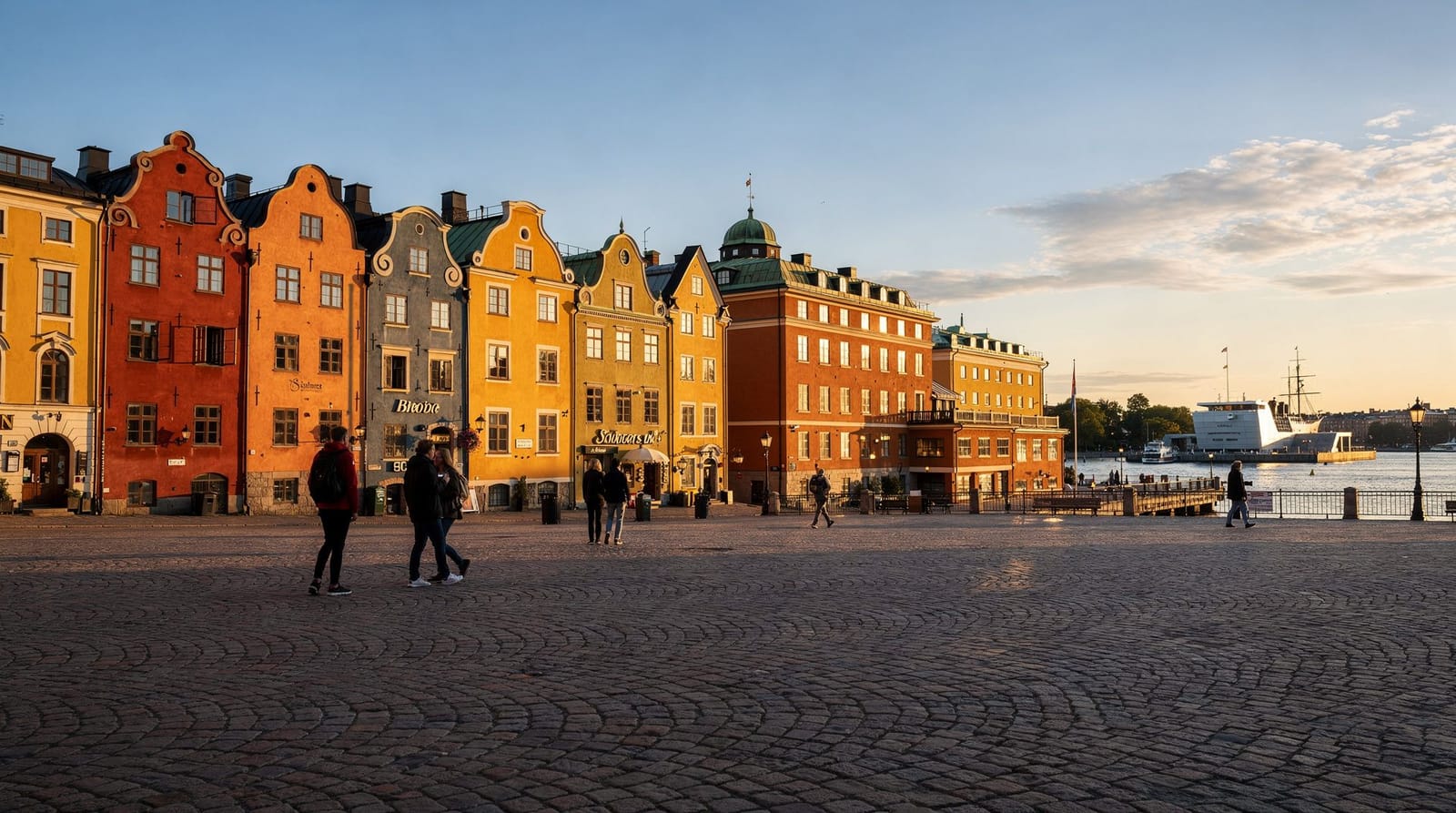
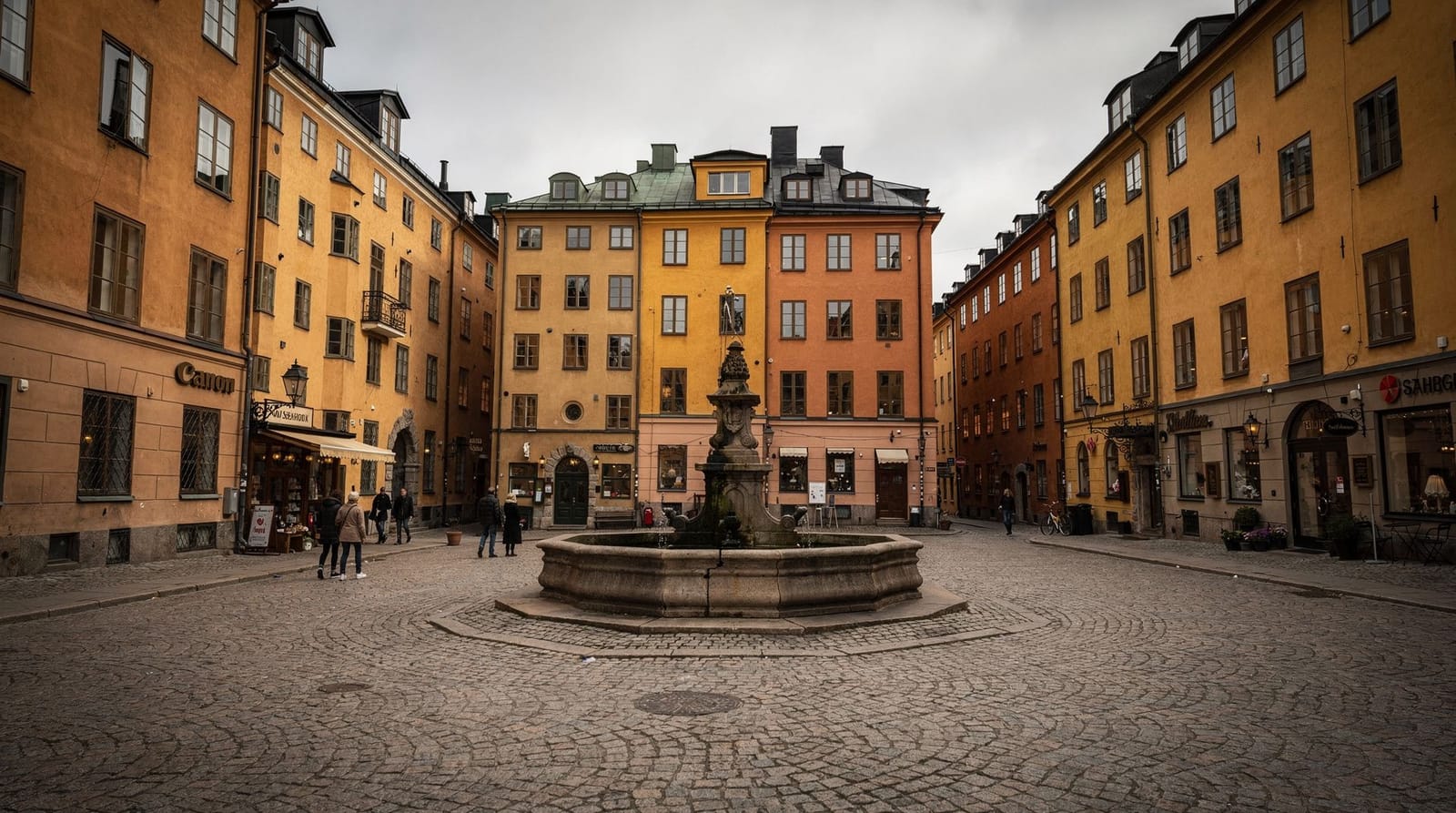
Walk west through the medieval grid. The streets here follow a thirteenth-century plan unchanged by fire or redevelopment: Köpmangatan and Prästgatan running north–south, with narrow alleys (gränder) connecting them laterally. In the early morning, before the tour groups arrive, the light catches the coloured plaster facades of the merchant houses and the streets are quiet enough to notice the worn cobblestones beneath your feet.
Essential stops:
- Stortorget (the main square): The heart of medieval Stockholm. The coloured houses surrounding it date from the late fifteenth and sixteenth centuries. The plaque on the eastern wall of the square marks the Stockholm Bloodbath of 1520, when Danish King Christian II executed 82 Swedish nobles and clergy in an act of political consolidation that backfired spectacularly and triggered the Swedish independence movement. See the Bloodbath history guide.
- Mårten Trotzigs Gränd: Follow Prästgatan south and look for this alley branching west — 90cm at its narrowest, the tightest passage in Stockholm.
- The German Church (Tyska kyrkan): The congregation was established in 1571 for Stockholm’s German-speaking merchant community. The interior is a rare example of German Baroque in Scandinavia.
A guided Gamla Stan tour with fika covers these streets and adds context that makes the architecture meaningful — the distinction between medieval structures and later infill, the sites of the major historical events, the hidden courtyards that are genuinely not visible unless you know where to look.
Tourist trap alert: Västerlånggatan, the main shopping street, is lined with restaurants posting menus with photographs aimed at tourists. The markup is significant and the quality does not match the price. Eat elsewhere.
10:30am — Royal Palace and the Changing of the Guard
The Royal Palace at Gamla Stan’s northern end is the official Swedish royal residence and the largest palace in the world by number of rooms still used by a reigning monarch. Enter the main courtyard free of charge. The changing of the guard ceremony takes place at 12:15pm daily in summer (reduced schedule in winter) — it draws a crowd but is worth positioning for if your timing aligns.
The interior palace museums — State Apartments, Treasury, Armoury, Tre Kronor Museum — are all separately ticketed. If you want the guided experience, a Royal Palace skip-the-line guided tour covers the key apartments and provides the historical context for Sweden’s monarchy in an efficient 3–4 hours.
11:15am — Nobel Museum
Return to Stortorget for the Nobel Museum. The Nobel Prize Museum — housed in the former Stock Exchange building on the square’s north side — is one of Stockholm’s most underrated attractions. Entry costs 160 SEK.
The permanent exhibition profiles individual laureates through personal objects, documents, and video interviews. The display on Albert Camus includes his acceptance speech manuscript. The Marie Curie section covers the scientific and personal dimensions of her two Nobel Prizes. The museum is small (around 90 minutes) but dense with interesting material and never crowded. See the Nobel Museum guide for what to focus on. Pre-book your Nobel Prize Museum entrance ticket if you would rather not queue on a day already carrying the Royal Palace and the canal boat.
Midday: lunch and the canal
12:30pm — Lunch
After the Nobel Museum, walk off Gamla Stan to eat. Two reliable options within 10 minutes:
Tradition (Österlånggatan 1, Gamla Stan): Swedish classics — gravlax, herring, meatballs — at honest prices. The lunch menu is significantly better value than the dinner menu.
Kajsas Fisk (Hötorgshallen basement, Norrmalm, 15 min walk): A fish soup counter in the covered market hall. Around 150 SEK for a bowl that is considerably better than most Stockholm restaurants at any price point.
1:30pm — Royal Canal boat
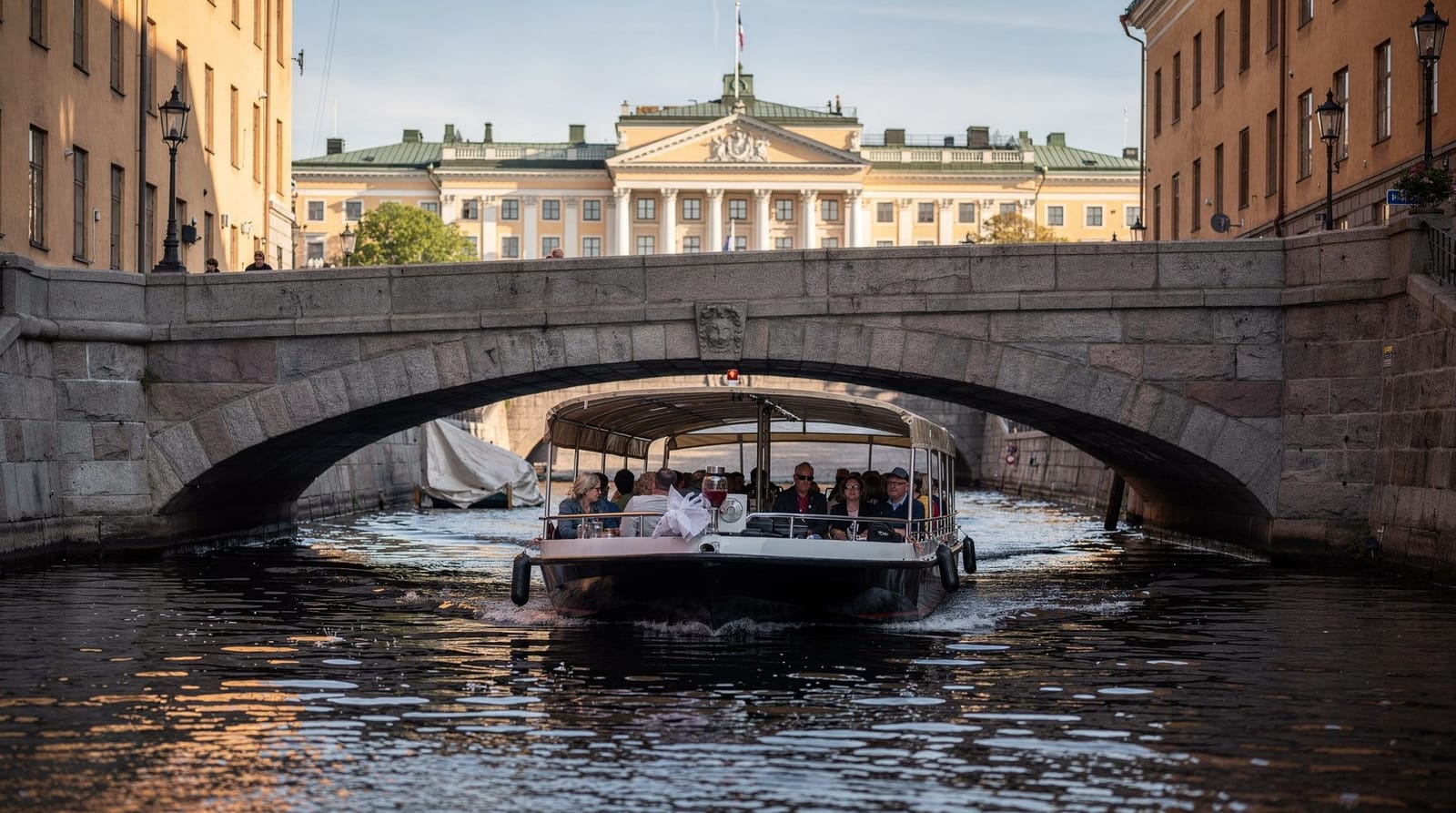
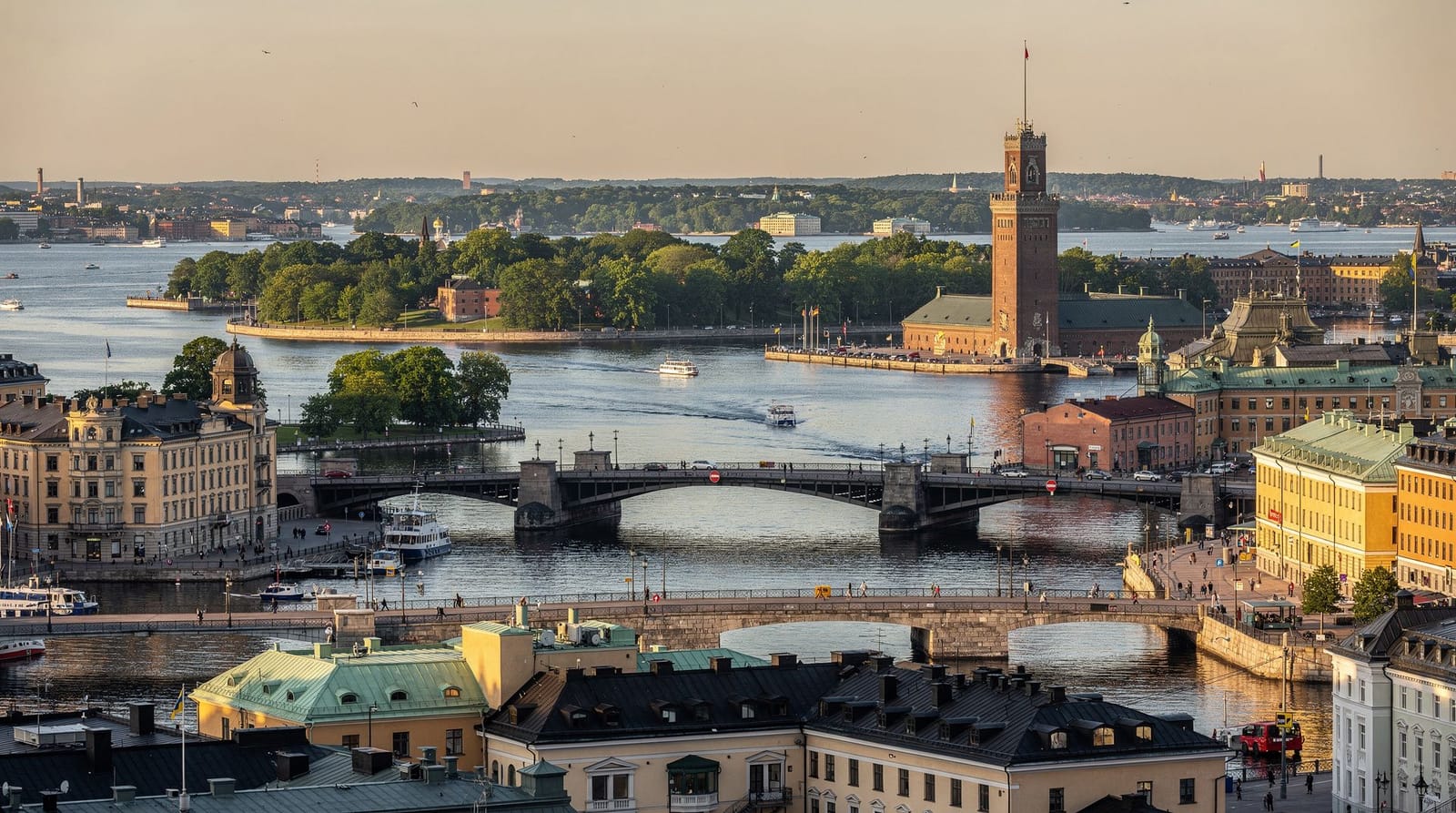
From Stadshusbron (20 minutes by foot from Gamla Stan, or bus 3 from Slussen), take the Royal Bridges canal boat tour. One hour on the inner waterways of Stockholm, with a live guide covering the city’s history, the function of the water system, and the architectural timeline visible from the canal.
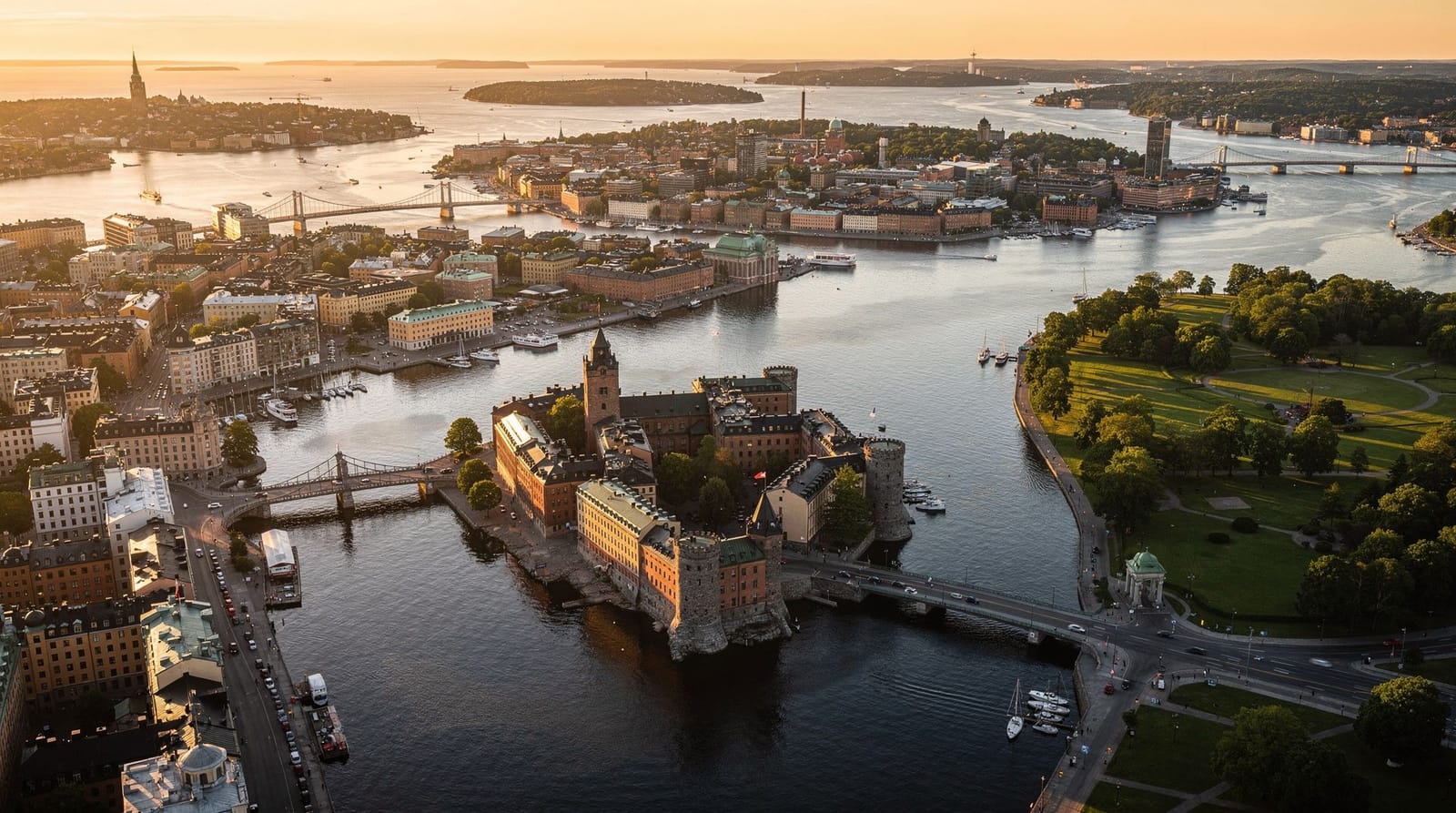
The boat shows you something no walking tour can — how the 14 islands fit together, how the water separates and connects the city’s different districts, and why Stockholm’s geography is so different from other northern European capitals that were built on continuous land. This is particularly valuable on a first visit: it gives you the mental map that makes all subsequent walking more coherent.
Afternoon: Östermalm and the market hall
2:45pm — Östermalm
After the boat, return to Östermalm for a walk through the area around Humlegården park. Östermalmshallen, the covered food market at Östermalmstorg (open since 1888), has some of Stockholm’s best food stalls and is worth visiting even if you are not buying — Swedish cheeses, cured meats, pickled fish, and the market’s famous fish merchants are all on display.
The surrounding streets — Sturegatan, Grev Turegatan, Hedvig Eleonora church — show the Östermalm character that is distinctly different from Gamla Stan: wealthy, restrained, Georgian-influenced, and full of independent design shops that reflect the Swedish design heritage.
Evening: dinner
7:00pm — Dinner
Day one evening options:
Stay in Östermalm: Sturehof (Stureplan 2) for shellfish and classic Swedish dishes in a grand brasserie setting. Riche (Birger Jarlsgatan 4) for similar quality in a more contemporary space. Both around 350–500 SEK per main.
Return to Gamla Stan: Kryp In (Prästgatan 17, Gamla Stan) is a small, non-touristy restaurant on the island’s medieval alley — Swedish home cooking rather than tourist Swedish food. Reservations recommended.
Day 2: A full day on Djurgården
Morning: Vasa Museum
9:30am — Vasa Museum (pre-booked)
Take the ferry from Slussen to Djurgården (SL pass or 43 SEK single fare) and go directly to the Vasa Museum. Pre-book your Vasa Museum entrance ticket — the saving in queue time in summer is real.
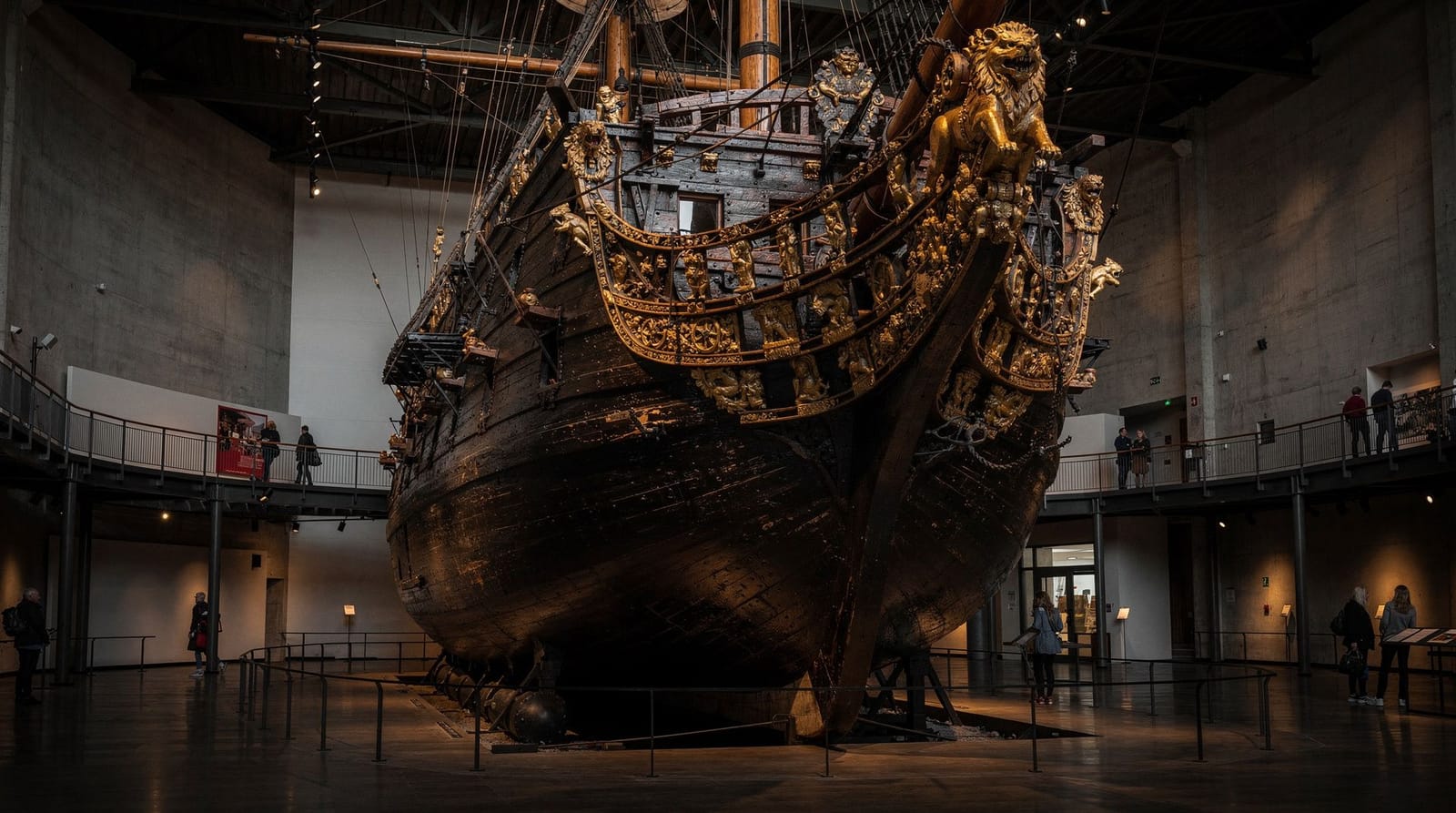
The Vasa warship sank 1,300 metres into its maiden voyage on 10 August 1628, loaded to instability with royal ambition. Raised from Stockholm harbour in 1961 after 333 years on the seabed, it is the world’s best-preserved seventeenth-century ship — 95% of the original wood survives. The scale, the carved decoration (1,200 individual sculptures), and the forensic exhibition about why it sank and who was responsible make this one of the world’s genuinely great museums.
The exhibition surrounding the ship covers the construction, the political context, the salvage operation, and the ongoing conservation challenge. The skeletons of some of the crew members are displayed with forensic analysis of their lives and probable causes of death. Allow 2 full hours.
Cost: approximately 190 SEK adult.
Midday: ABBA Museum
11:45am — ABBA Museum
Walk 10 minutes along Djurgårdsvägen from the Vasa Museum to ABBA The Museum. Pre-book your ABBA Museum timed entry — timed entry is now the standard admission system and in July the museum books out weeks ahead. The museum opens at 10am.
ABBA The Museum is an interactive archive of the band’s career: stage costumes, instruments, recording sessions, the Polar Studios story, and a collection of hologram performances you can join in with. The museum covers the business model of ABBA (extraordinarily commercially sophisticated for the 1970s pop industry), the personal lives (both marriages, both divorces), and the curious arc of a band whose music became more loved after they split than when they were together.
The museum requires active engagement — you will be asked to sing, to dance, to participate. This is not a passive visit. Allow 2–3 hours.
Cost: approximately 290 SEK adult. For a guided tour with pop culture context, the ABBA fast-track and pop culture guided tour adds a local guide’s interpretation to the exhibition.
2:00pm — Lunch on Djurgården
The museum café or a picnic from supplies bought near the ferry terminal. The park itself is pleasant for a 30-minute outdoor lunch before Skansen.
Afternoon: Skansen
2:45pm — Skansen open-air museum
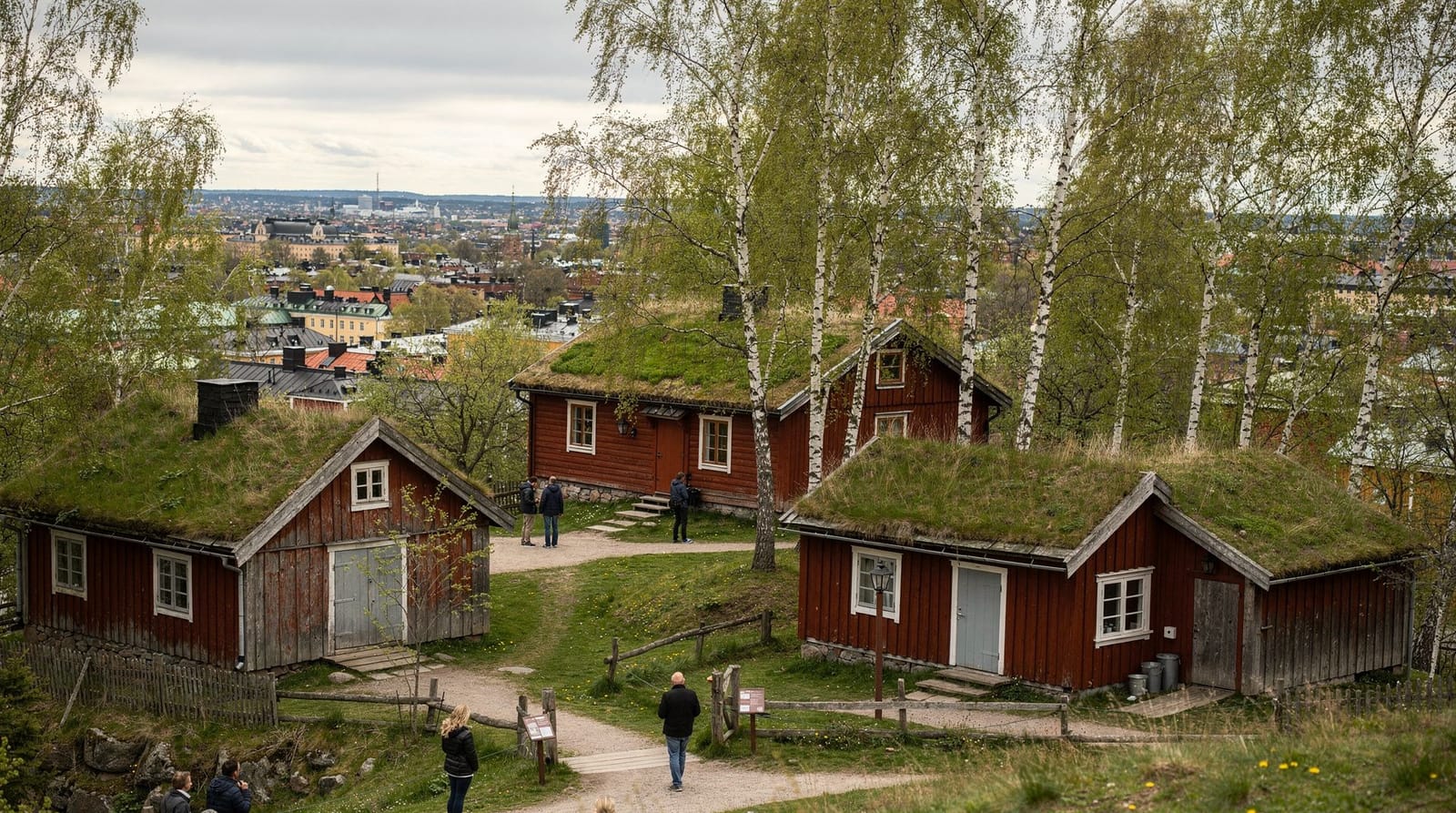
A 15-minute walk through the park from the ABBA Museum, Skansen is the world’s oldest open-air museum (founded 1891) and the model for every open-air museum that followed. The site covers 75 acres of Djurgården’s hilltop and contains 150+ historical buildings relocated from across Sweden and Scandinavia.
A Skansen entrance ticket covers both the open-air museum and the Nordic zoo — about 90 different Nordic animal species in large, well-maintained enclosures. The Lapp village in the northern section of the museum shows traditional Sami housing and reindeer husbandry. The glassblowing workshop and the bakery are the best of the craft demonstrations.
The hilltop position gives Skansen the best panoramic views of Stockholm. In summer, come for the last two hours of the day and watch the light change over the water as the city settles into its long northern evening.
Allow 2–3 hours. See the Skansen guide for the specific buildings and sections most worth your time.
Cost: approximately 260 SEK adult.
Evening: Södermalm or Gamla Stan
6:30pm — Dinner
Return from Djurgården by tram (line 7 to Norrmalmstorg) or ferry (Djurgården–Slussen). For dinner:
Pelikan (Blekingegatan 40, Södermalm): Traditional Swedish beer hall, open since 1906. The meatballs and herring are reliable; the atmosphere — high ceilings, wood panelling, lively locals — is Stockholm at its most unself-conscious. Reserve ahead.
Hermans (Fjällgatan 23B, Södermalm): Vegetarian buffet restaurant on Södermalm’s cliff edge, with outdoor terrace and remarkable views over the water. Budget-friendly and sunset-worthy in June.
Day 3: Södermalm, Fotografiska, and the best free view
Morning: Södermalm food and neighbourhood walk
9:30am — Södermalm food tour
Begin day three in Södermalm with either a guided food tour or a self-guided neighbourhood walk. A Swedish food and walking tour covers the neighbourhood’s food stalls, indoor markets, and the specific eating culture of the area — a useful orientation before exploring independently.
The self-guided alternative: walk from Slussen up Götgatan, turning onto the side streets (Bondegatan, Skånegatan) where the independent cafés, vintage shops, and neighbourhood restaurants are concentrated. Södermalm is more lived-in and less designed than Östermalm; it rewards wandering rather than landmark-seeking.
Fika stop: Café String (Nytorgsgatan 38) or Snotty Sounds Bar (Skånegatan, doubles as a record shop) are neighbourhood institutions. Order a kanelbulle and take your time — the Swedish concept of fika is not just coffee, it is a deliberate pause from forward motion.
Södermalm practical notes: The neighbourhood sits on a plateau 30 metres above water level. The streets running east–west along the cliff edge give views across to Gamla Stan. The T-bana station at Medborgarplatsen is the main hub.
12:00pm — Lunch in Södermalm
Affordable lunch options within the neighbourhood:
Nytorget 6 (Nytorget 6): Swedish classics in a café setting, always busy, reasonable prices.
Falafel Kungen (Hornsgatan): Stockholm’s best falafel — the Swedish city’s unofficial street food, with a large immigrant-origin food culture in Södermalm that produces genuinely excellent inexpensive lunch options.
Östgötagatan market: Walking street with lunch options at 120–180 SEK.
Afternoon: Fotografiska
1:30pm — Fotografiska
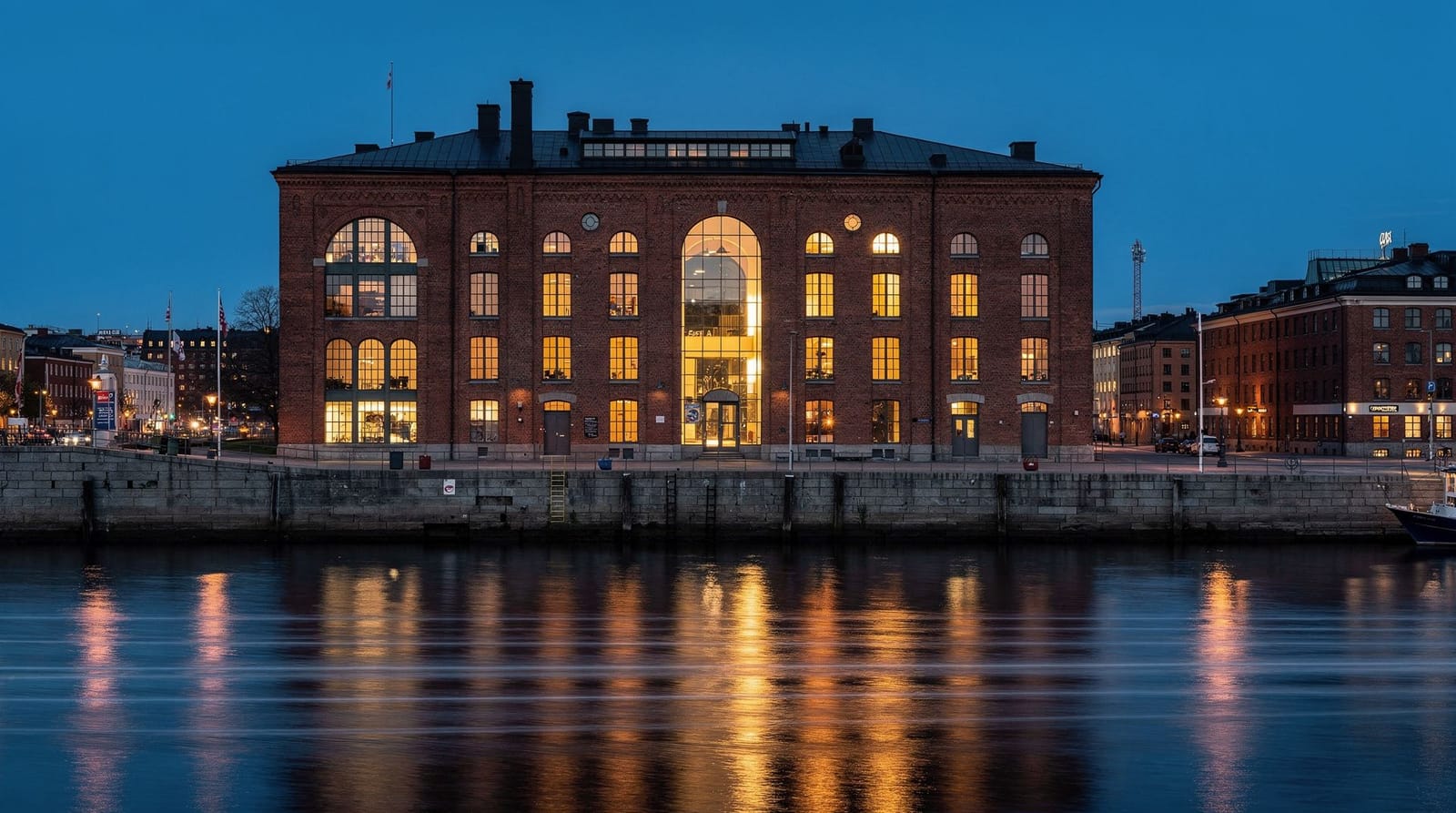
Fotografiska — Stockholm’s international photography museum — occupies a converted customs house on the Södermalm waterfront. The permanent collection is modest; the real draw is the temporary exhibition programme, which typically runs three to four major shows simultaneously and rotates several times a year.
Pre-book your Fotografiska entrance ticket online. Check the current exhibitions at fotografiska.com before your visit to know what you are going to see. The top-floor café and bar has the best views in the building and is open until late.
Cost: approximately 220 SEK adult. The museum opens until 11pm, making it Stockholm’s best evening cultural option if you want to save the afternoon for Södermalm walking.
3:30pm — Monteliusvägen sunset walk (the best free view in Stockholm)
From Fotografiska, walk west along the Södermalm waterfront to the base of the cliff, then climb to Monteliusvägen — a clifftop path running east–west along the top of Södermalm. The view from this path is one of the best in Stockholm: the City Hall tower, Gamla Stan’s roofline, the water, and the city spreading north toward Vasastan and the forest edge.
In summer, this path fills with picnicking Stockholmers in the evening. In May and June, you can sit here until 9 or 10pm in a long, gradual Scandinavian twilight. There is no entry fee, no museum, no tour — just a path along a cliff with a view that explains why Stockholm calls itself the Capital of Scandinavia.
The photography locations guide covers the specific viewpoints on Monteliusvägen and around Södermalm.
Evening: dinner
7:00pm — Final dinner
Two options for the third-night dinner:
Pelikan (Blekingegatan 40): If you did not eat here on day two. The best traditional Swedish dinner in Södermalm.
Woodstockholm (Mosebacketorg 9): A design-forward Swedish restaurant in a glass-walled space with views across the city. More expensive than Pelikan but the setting justifies it for a final evening.
Hermans if you want the sunset view and a lighter, vegetarian-focused meal at the most reasonable price point of any restaurant with that quality of view.
How the three-day structure works
The sequence matters. Day one (Gamla Stan + canal) gives you the historical and geographical framework for the city. Day two (Djurgården museums) is the most museum-dense and benefits from full-energy legs. Day three (Södermalm + Fotografiska) is deliberately more relaxed — neighbourhood walking, good food, a world-class photography show, and an evening on the cliff.
The result is that you understand three different versions of Stockholm: the historical city that preceded the Swedish Empire, the imperial city that built its identity on sea power and exploration, and the contemporary city that operates below the tourist surface.
Three-day budget breakdown
| Item | Budget (SEK) | Mid-range (SEK) |
|---|---|---|
| SL 72h travel pass | 360 | 360 |
| Gamla Stan guided tour | 0 | 230 |
| Nobel Museum | 160 | 160 |
| Royal Canal boat | 230 | 230 |
| Vasa Museum | 190 | 190 |
| ABBA Museum | 290 | 290 |
| Skansen | 260 | 260 |
| Fotografiska | 220 | 220 |
| Food tour Day 3 | 0 (self-guided) | 450 |
| Lunches (×3) | 360 | 600 |
| Dinners (×3) | 600 | 1,200 |
| Fika / snacks | 200 | 300 |
| Total (approx.) | ~2,870 | ~4,490 |
Does not include accommodation. Hotel summer average: ~2,100 SEK/night (mid-range). Exchange rate: 1 USD ≈ 10.5 SEK.
Booking timing
- Vasa Museum: Book 1–7 days ahead in summer. Off-season, same day is usually fine.
- ABBA Museum: Book 2–4 weeks ahead in July–August. Weekday mornings in shoulder season are sometimes walk-in.
- Fotografiska: Walk-in possible most days; pre-book for busy summer weekends.
- Restaurants: Pelikan and Kryp In should be booked at least a day ahead. Hermans is first-come.
- Royal Palace Changing of the Guard: No booking — arrive 15 minutes early for a front position.
If you are arriving jet-lagged
Long-haul arrivals sometimes land the morning of day one running on very little sleep, which makes a 9am Gamla Stan start feel harder than it needs to be. If that is you, push the Royal Palace and Nobel Museum to later in the morning and use the first hour for a slow, low-stakes walk through the quietest part of Gamla Stan instead of trying to absorb dense historical content immediately. The itinerary’s built-in midday lunch and canal boat break on day one function as a natural rest point regardless — the boat, in particular, is a good place to sit down without it looking like you are resting. Do not schedule the ABBA Museum’s interactive, high-energy content for a jet-lagged morning if you can help it; it works far better once you have properly woken up.
Three days versus other lengths
Three days is the recommended minimum for a first visit, but it is not the only option. Here is how it compares to the alternatives on this site:
| Length | What you get beyond this itinerary | What you still miss |
|---|---|---|
| 2 days | Nothing — this is the compressed version | Nobel Museum, full Södermalm depth, breathing room |
| 3 days (this itinerary) | Full city core, unhurried pace | Archipelago, Drottningholm |
| 4 days | One full archipelago day (Vaxholm or Fjäderholmarna) | Drottningholm, second archipelago day |
| 5 days | Archipelago day plus Drottningholm Palace | Birka, an archipelago overnight |
| 7 days | Birka, Drottningholm, and a Grinda overnight option | Little — this is the full slow-travel version |
If you are deciding between three and four days, the honest answer is that the archipelago is genuinely worth an extra day if your schedule allows it — nothing in the three-day city itinerary substitutes for it.
Where this itinerary sleeps you
Three days of walking between Gamla Stan, Djurgården, and Södermalm rewards a central base. Norrmalm puts you a short walk from Gamla Stan and one tram stop from Djurgården’s museum cluster — the most efficient base for this exact itinerary. Östermalm is a close second, with the added benefit of being where several of this itinerary’s dinner suggestions already sit. Södermalm makes more sense if your priority is day three’s food tour and cliff walk rather than the museum-heavy first two days, since you would otherwise cross the city twice. The Stockholm daily budget guide compares nightly rates across all three neighbourhoods, and the tourist traps guide is worth reading before you book anything directly on Gamla Stan itself, where marketing and actual value often diverge.
Making the most of the Stockholm Pass on a three-day visit
The 72-hour Stockholm Pass bundles entry to the Vasa Museum, ABBA Museum, Skansen, and a long list of smaller attractions, plus unlimited SL transit — which matters on a schedule that moves across four different neighbourhoods over three days. Whether it beats buying individually depends entirely on how many extra attractions you add beyond this itinerary’s core six. If you stick strictly to the day-by-day plan above, individual tickets are usually marginally cheaper; the pass earns its price the moment you add the City Hall tower tour, the Nobel Museum, or an extra Djurgården museum like Nordiska Museet. The SL pass versus Stockholm Pass comparison runs the specific numbers, and the transport cost comparator lets you plug in your own attraction list.
Variations
With kids: Replace Fotografiska with Junibacken (Astrid Lindgren museum, Djurgården) on day two. Add a Djurgården sightseeing train pass for the younger ones. See the Stockholm with kids itinerary.
On a budget: Skip the Gamla Stan guided tour, skip the food tour, do ABBA Museum only on the Go City pass, and substitute Hermans for most dinners. Three days can be done for around 1,800 SEK in activities plus food.
In December: Replace Skansen afternoon with the Stortorget Christmas market. Add the Icebar Stockholm experience one evening. See the winter itinerary.
For a romantic trip: Upgrade the Day 3 dinner to Operakällaren or Mathias Dahlgren. Add a private canal boat on the evening of day one. See the romantic weekend itinerary.
Frequently asked questions about three days in Stockholm
Is three days enough for Stockholm?
Three days covers the essential Stockholm — medieval history, world-class museums, neighbourhood life, excellent food, and a proper sense of the city’s geography and character. Four or five days allows you to add the archipelago or a day trip; three days does not. But three days used well leaves you with more Stockholm than most visitors get in five hurried days.
What is the best order for three days in Stockholm?
Gamla Stan and the historical core first, Djurgården museums second, Södermalm and contemporary Stockholm third. This sequence moves from the oldest layer of the city to the newest, and from the most tourist-facing to the most authentically local. By day three, your legs and your knowledge of the city are both ready for more nuanced exploration.
Should I buy the Stockholm Pass for three days?
The 72-hour Stockholm Pass costs approximately 1,850 SEK. The activities in this itinerary cost roughly 1,520 SEK individually. The pass breaks even at one or two additional paid attractions (City Hall, Viking Museum, or a boat tour). The maths depends on your specific programme. Use the transport cost comparator.
What should I not miss in Stockholm with three days?
The Vasa Museum is non-negotiable — nothing else in Scandinavia delivers the same quality of experience for the same investment of time. Gamla Stan at opening time before the crowds arrive. The view from Monteliusvägen at sunset. Everything else is negotiable depending on your interests.
When is the best time to visit Stockholm for three days?
May to early June (long days, pre-peak crowds) and September (Indian summer, lower prices, fewer tourists) are the best windows. July is beautiful but expensive and crowded. December works well for a specific Christmas-focused visit.
Can I do a day trip with three days in Stockholm?
No — adding a day trip means sacrificing one of the three core areas, which leaves significant gaps in your understanding of the city. With three days, commit fully to the city. Add a fourth day if you want to see the archipelago, Drottningholm, or Uppsala. See the four-day itinerary.
How much does three days in Stockholm cost?
Budget travellers: approximately 2,900–3,500 SEK (activities + food, not accommodation). Mid-range: 4,500–6,000 SEK. Accommodation adds 1,500–2,500 SEK/night for a mid-range hotel. Stockholm is one of Europe’s more expensive cities but the value-per-quality is high — the museums justify their entry prices and the free resources (Monteliusvägen view, Skansen grounds, canal walks) are genuinely excellent.
Where should I stay for a three-day Stockholm itinerary?
Norrmalm or Östermalm for the shortest total walking and transit time across all three days of this itinerary. Södermalm if day three’s food tour and cliff walk matter more to you than minimising crossings on days one and two. Avoid Gamla Stan itself for accommodation — limited room stock, higher prices, and early-morning tourist noise. See the neighbourhood notes above for the full comparison.
Is the Stockholm Pass worth it for a family with kids on this itinerary?
Usually yes, more so than for solo or couple travellers, because children’s tickets are included at participating attractions and the family swaps Fotografiska for Junibacken plus a Djurgården sightseeing train — both covered by the pass. Run the numbers against your family’s specific attraction list using the transport cost comparator before buying, since pass pricing varies by child age.
Top experiences
Bookable activities with verified prices and instant confirmation on GetYourGuide.