Gamla Stan — Stockholm's medieval Old Town
Explore Gamla Stan, Stockholm's medieval island: Royal Palace, Stortorget, Nobel Museum and honest advice on where not to eat.
Stockholm: secrets of Gamla Stan guided tour with fika option
Duration: ~2 hours
Quick facts
- Size
- 1.5 km end-to-end on foot
- Getting there
- T-bana to Gamla Stan (2 min from T-Centralen)
- Best for
- Medieval architecture, Royal Palace, Nobel Museum
- Time needed
- 2–4 hours
- Entry
- Free to walk; museums paid
Where Stockholm began, 750 years ago
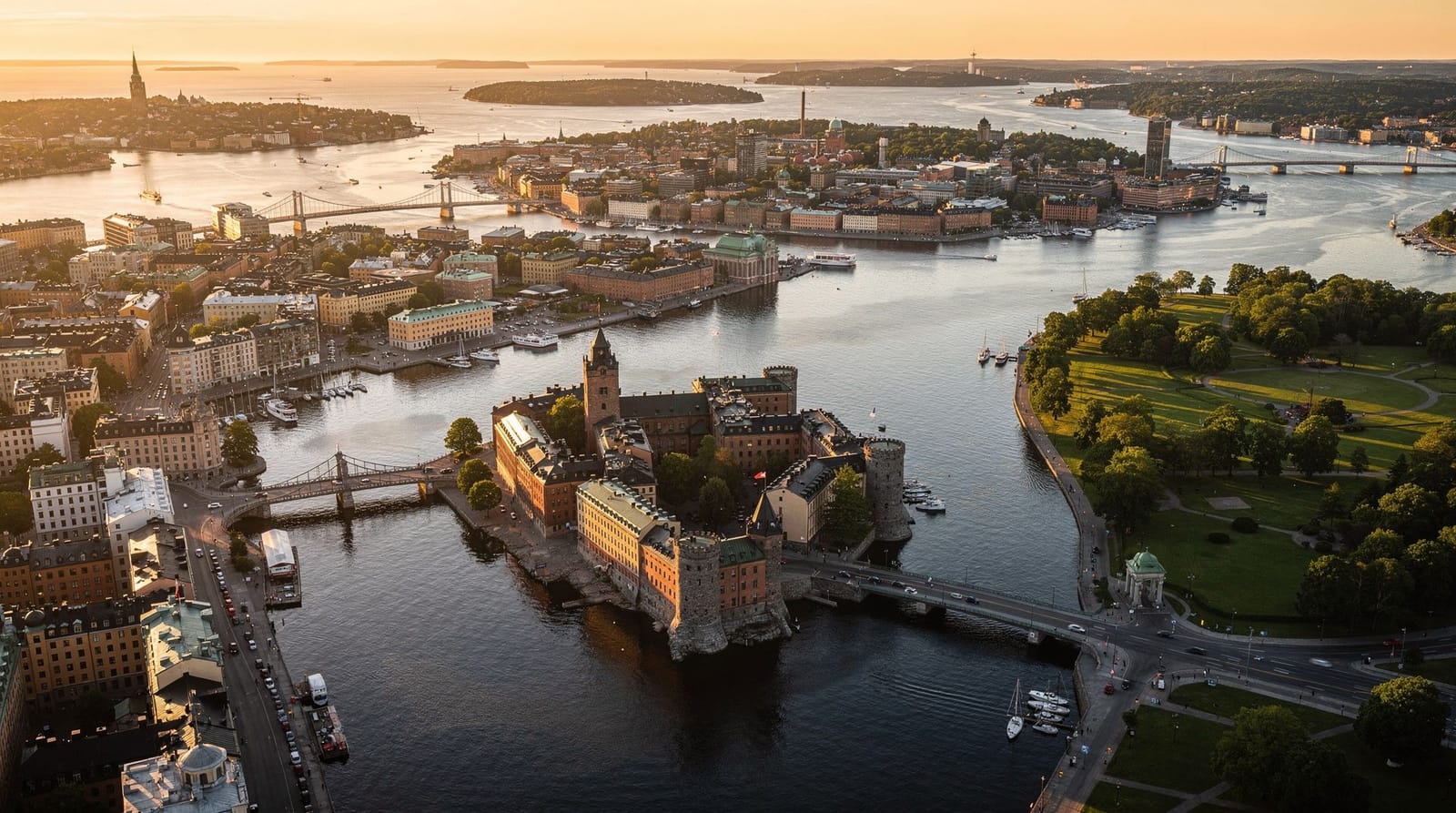
Gamla Stan (literally “the old town” in Swedish, though always referred to by its Swedish name) is the island at the geographic and historical heart of Stockholm. Three bridges connect it to the mainland to the north and the island of Södermalm to the south, and in the 45 minutes it takes to walk from the southern tip at Slussen to the northern edge at Riksbron, you cross nine centuries of Swedish history.
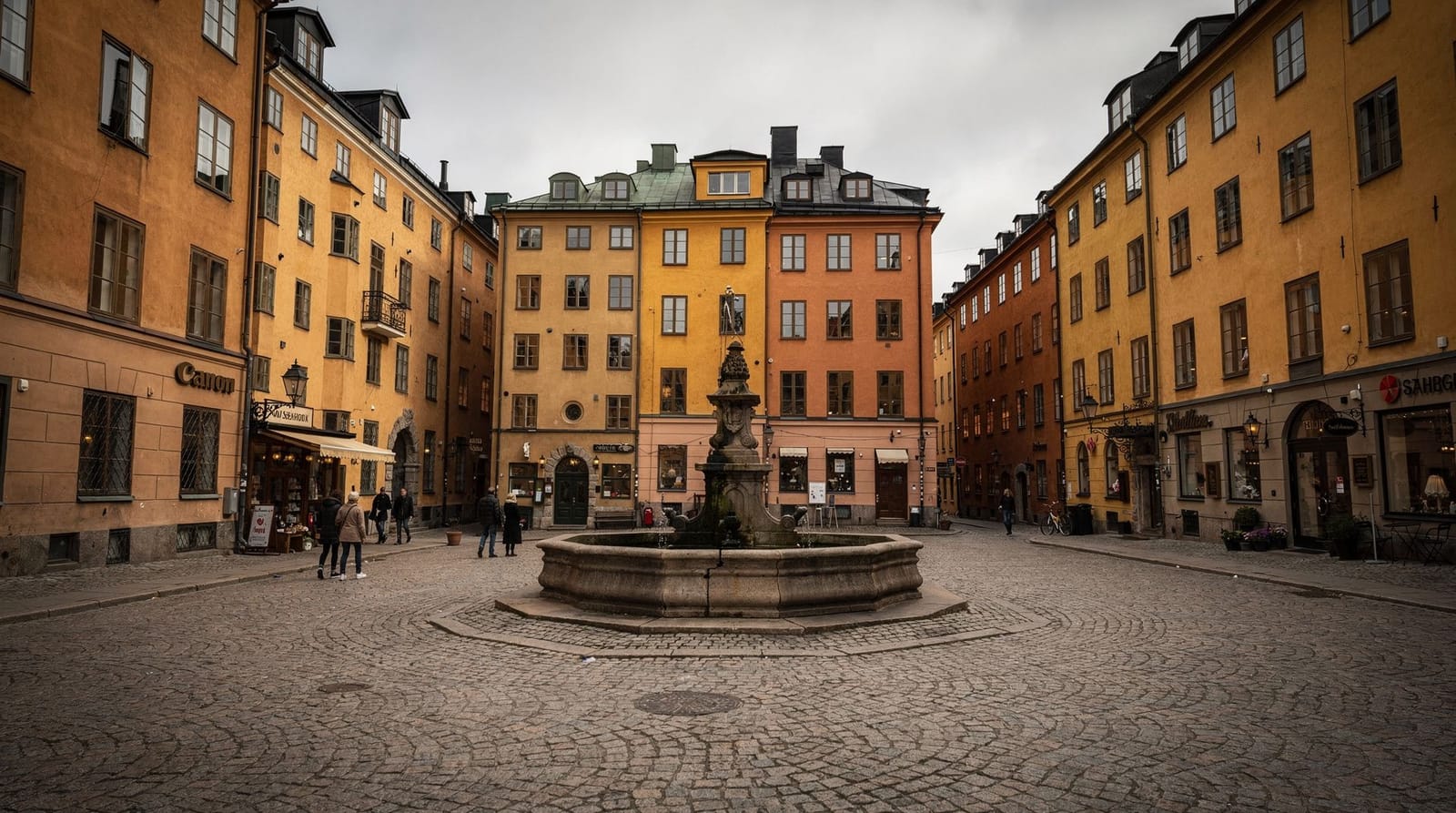
The island was first settled in the 13th century and served as the capital of the medieval Swedish kingdom before the surrounding city expanded to its current scale. Today, despite being one of the most visited areas in Scandinavia, Gamla Stan has managed to retain genuine architectural integrity — narrow lanes of coloured ochre, burnt orange, yellow, and rust-red facades lean over cobblestones worn smooth by millions of feet, the Royal Palace occupies an entire block, and the cathedral that has witnessed Swedish royal coronations since 1164 still holds weekly services.
For first-time visitors to Stockholm, Gamla Stan is usually the first stop, and it deserves that priority. Give it at least half a day on arrival; come back in the evening for a different mood.
If you are still deciding how Gamla Stan fits into the wider trip, the Stockholm destination page puts every neighbourhood side by side, and the first-timer overview of three days shows where the old town usually lands in the sequence.
Getting oriented in Gamla Stan
Gamla Stan is not large, but its medieval street layout is deliberately disorienting. There are essentially three types of streets:
Storgatan — the three main north-south arteries: Västerlånggatan (the tourist drag, discussed honestly below), Österlånggatan (slightly quieter, better restaurants), and Stora Nygatan/Lilla Nygatan running between them.
Tvärgränd and side alleys — the narrow east-west connecting lanes, some barely wide enough for two people passing, where the best architecture and photography is concentrated. Mårten Trotzigs Gränd is 90 cm at its narrowest and is not to be missed.
Stortorget — the main square at the centre of the island, where the Nobel Prize Museum occupies the old Stock Exchange building (completed 1778) and the colourful 15th–17th century facades make this one of the most photographed spots in Sweden.
Orientation tip: the Royal Palace (Kungliga Slottet) anchors the northern end of the island. If you can see the palace, you can find your way.
The Royal Palace
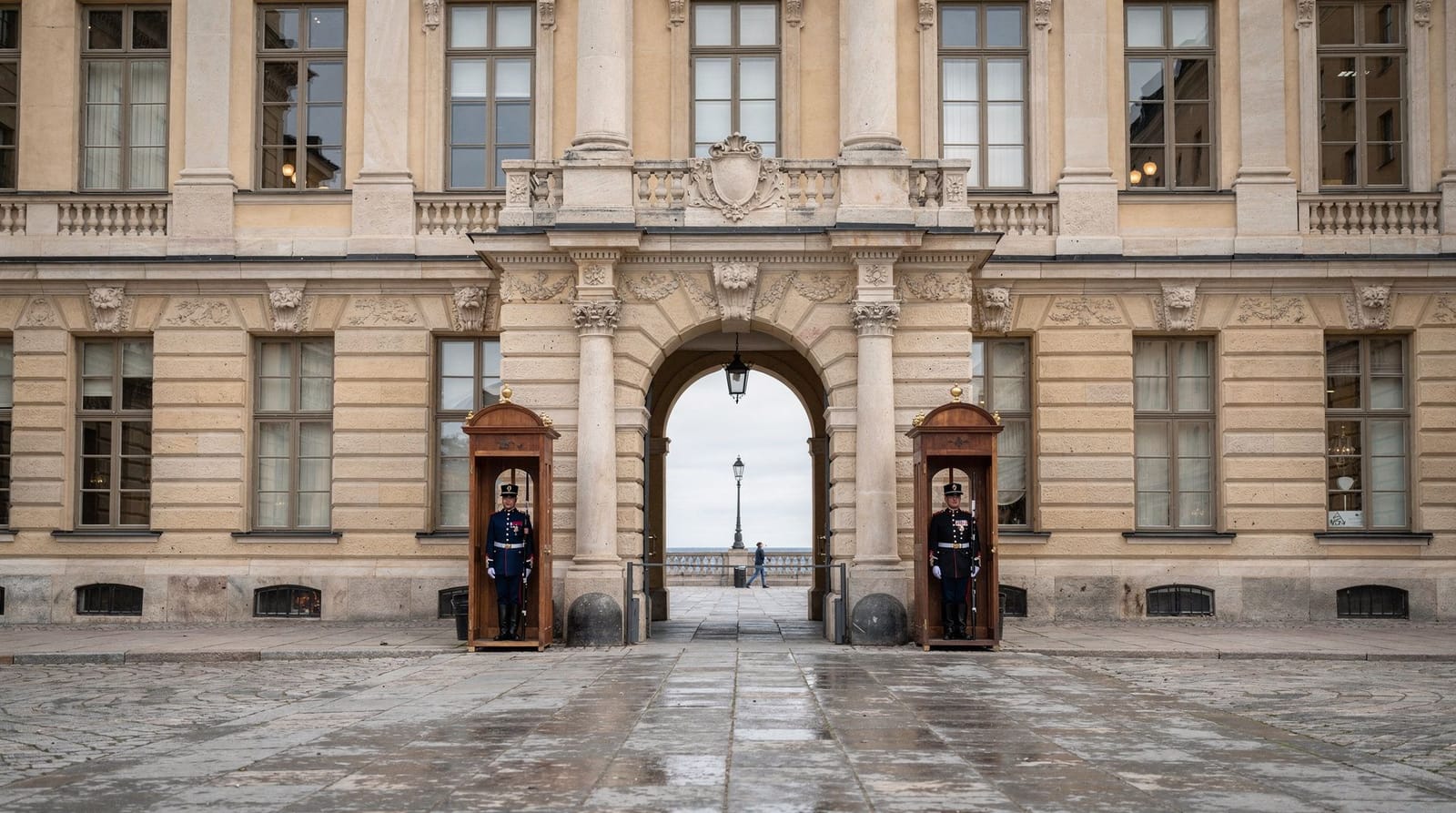
One of the largest royal palaces in the world still used for its original purpose, the Stockholm Royal Palace has 1,430 rooms (fewer than 20 of which are accessible to tourists, but those rooms are genuinely lavish). The palace was built in its current baroque form after the original Tre Kronor castle burned down in 1697; the reconstruction took until 1754. The Swedish royal family now lives at Drottningholm but maintains the palace for official functions, state visits, and the daily Changing of the Guard ceremony.
For visitors, the highlights are the State Apartments (halls used for state banquets and official receptions, the baroque interiors at their most theatrical), the Treasury (crown jewels, regalia going back to the 16th century), and the Armoury (a collection of royal arms, coaches, and ceremonial equipment that is surprisingly engrossing). The Changing of the Guard takes place in the outer courtyard most days — check the palace website for current schedule.
Entry to the palace costs 220 SEK (240 SEK from May to September), and combination tickets covering multiple wings are available. The palace is often less crowded in the morning before 11am.
Book Royal Palace entry in advance — skip the queue and access the State Apartments and TreasuryFor a deeper look at what each wing offers, read the Royal Palace guide, and if you are weighing the palace against Drottningholm, the comparison of Stockholm’s royal palaces lays out the trade-offs. Timing the visit around the ceremony is easier with the Changing of the Guard guide.
Stortorget and the Nobel Prize Museum
The central square of Gamla Stan is Stortorget, surrounded by buildings from the 15th to 17th centuries in the characteristic painted-plaster style. This square is where the Stockholm Bloodbath took place in 1520, when the Danish King Christian II executed more than 90 Swedish nobles and clergy in a purge that ultimately triggered the Swedish War of Liberation and the founding of modern Sweden under Gustav Vasa. The small stone set into the pavement near the well marks one of the most significant events in Swedish history.
Today the square is considerably more cheerful: a Christmas market (one of Stockholm’s most photogenic) takes over in December, and the rest of the year it serves as an outdoor café terrace.
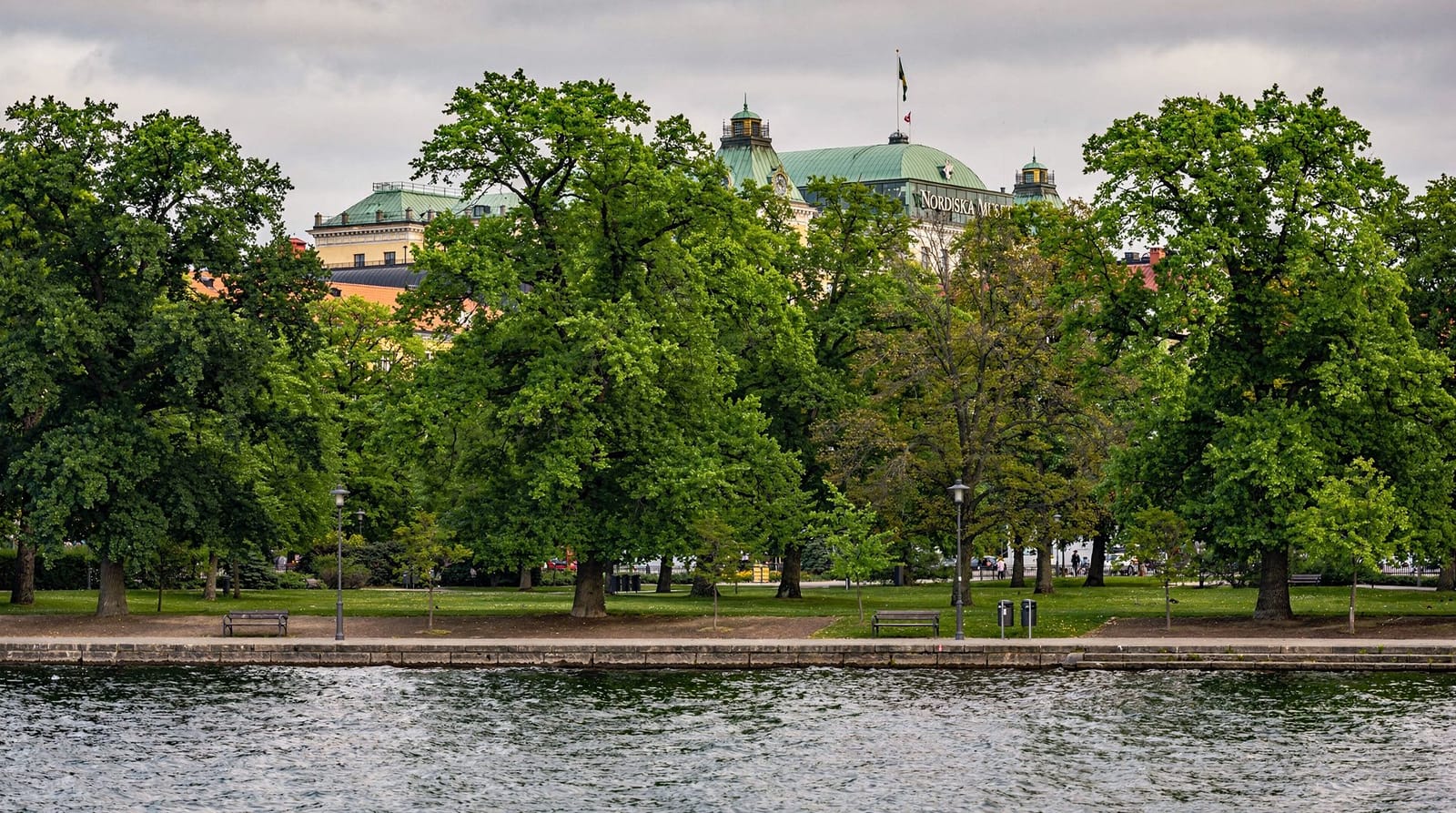
The Nobel Prize Museum occupies the old Stock Exchange building on the north side of the square. The museum does what sounds like an impossible task — making prize-winning economics and chemistry interesting — through clever interactive displays, personal artefacts donated by laureates, and a café that famously serves ice cream made from the recipe used at the Nobel banquet. The museum is worth 90 minutes of anyone’s time, whether or not you had any particular interest in the Nobel Prizes when you arrived.
Reserve your Nobel Prize Museum entry ticket — includes the famous Nobel ice cream caféThe Nobel Prize Museum guide goes through the exhibits in more detail, and the story behind the square’s darkest day is told in the Stockholm Bloodbath history guide. The lanes around Stortorget also appear in the medieval secrets of Gamla Stan, which is a good companion read before you arrive.
Storkyrkan — Stockholm’s cathedral
Just north of Stortorget stands Storkyrkan (literally “the Great Church”), the oldest church in Stockholm and the site of every Swedish royal coronation since the 13th century. The exterior is relatively understated, but the interior is a genuine surprise: a large gilded altarpiece, a medieval wooden sculpture of Saint George and the Dragon considered one of the finest in northern Europe, and the astronomical clock (Solur) built in 1743. The church is still in active use and hosts weekly services, concerts, and occasional royal ceremonies.
Entry is free or involves a small suggested donation; check for services before visiting.
Mårten Trotzigs Gränd and the lanes
The most famous of Gamla Stan’s alleys, Mårten Trotzigs Gränd, runs between Prästgatan and Västerlånggatan and narrows to 90 centimetres at its tightest point. It is always slightly damp and dramatically lit in evening light. Even in high summer, it rarely feels crowded because it connects two streets rather than serving as a destination itself — walk it in both directions.
Beyond Mårten Trotzigs, the entire network of gränder (alleys) west of Österlånggatan rewards wandering. Prästgatan (Priest Street) is the longest of the east-west lanes and passes through some of the best-preserved 17th-century streetscapes on the island. Kindstugatan, connecting the Storkyrkan area to the western embankment, has some of the best light in late afternoon.
For a guided introduction to these less-visible corners, the walking tours that specifically focus on the island’s secrets and hidden history are genuinely informative — the medieval drains, plague pits, and stories embedded in the architecture are things you would not find on your own.
Explore Gamla Stan’s hidden history with a local guide — includes a traditional fika stopPrefer to go after dark? The ghost walking tour of Gamla Stan covers the same streets with a more theatrical edge. And if a coffee break is what you are after, the guide to fika culture in Stockholm explains what to order and how locals treat the ritual.
Honest note: Västerlånggatan tourist trap
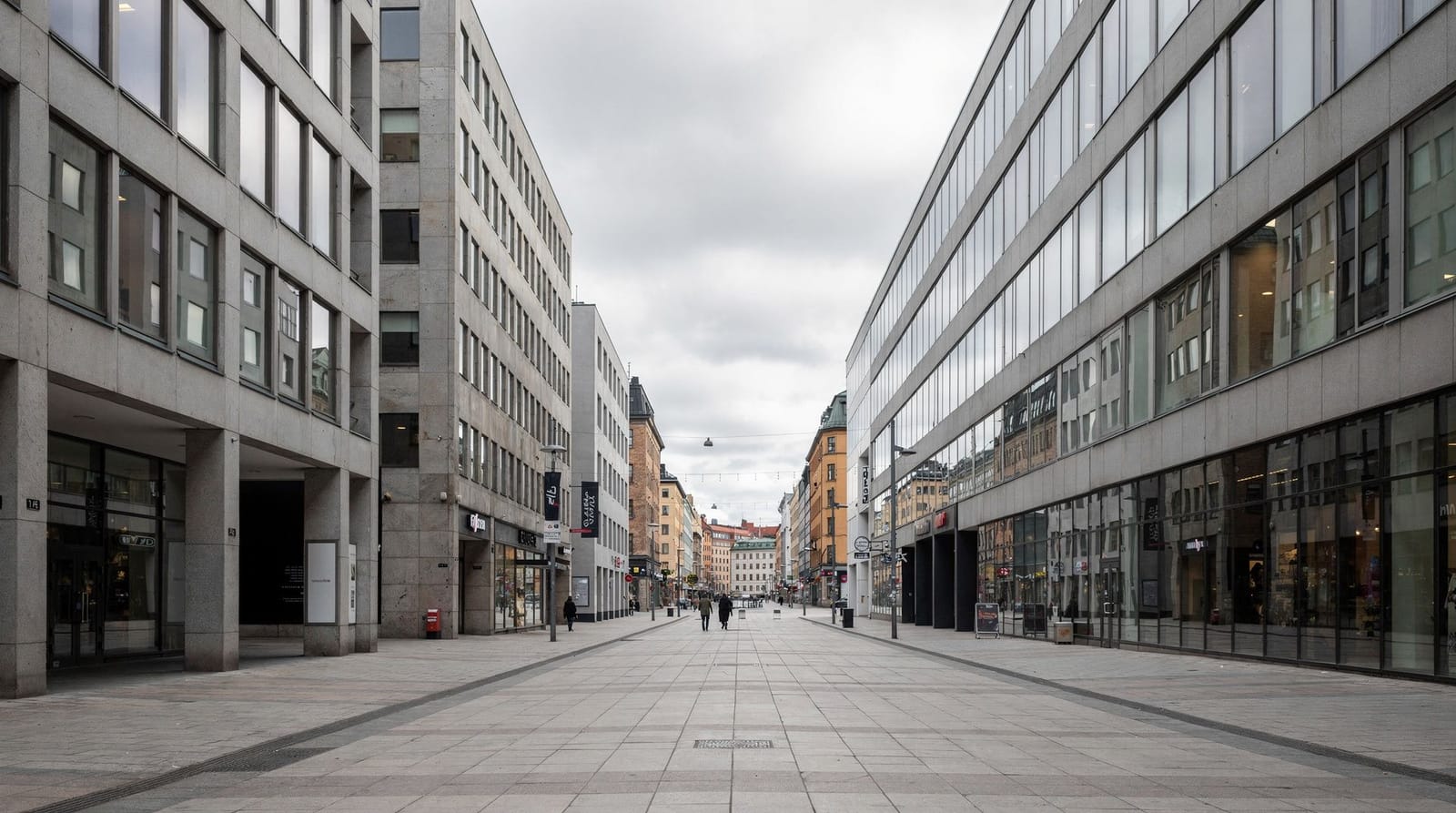
Västerlånggatan is Gamla Stan’s main commercial street, and it runs the full length of the island packed with souvenir shops, restaurants with outdoor menus, and Viking-themed novelty stores. The street is worth walking for the architecture and the sense of scale, but the restaurants on it are among the most overpriced in Stockholm — menus are sometimes unclear on whether prices include taxes and service, and the quality rarely matches what you pay.
Better alternatives are Österlånggatan (the parallel street one block east) or the restaurants on Lilla Nygatan and Stora Nygatan. If you see a menu in multiple languages displayed aggressively outside a restaurant with photos of food, that is your signal to keep walking.
Den Gyldene Freden — Sweden’s oldest restaurant
One legitimate exception to the tourist-trap caution: Den Gyldene Freden on Österlånggatan, founded in 1722 and considered the oldest restaurant in Sweden still operating in its original premises. The Swedish Academy (which awards the Nobel Prize in Literature) has a room there, and the menu is a serious Swedish kitchen rather than a tourist facsimile. It is not cheap — mains 250–450 SEK — but it is the real thing. Reservations recommended for dinner.
Where to eat near Gamla Stan
Tradition on Österlånggatan serves a traditional Swedish smörgåsbord lunch that is significantly better value and quality than anything on Västerlånggatan — 295 SEK for the full spread, including herring six ways, gravlax, meatballs, and the essential Jansson’s Temptation.
Fem Små Hus (Five Small Houses) on Nygränd is one of Gamla Stan’s most atmospheric restaurants, housed in five connected medieval cellars. The menu is Swedish with French influence and the wine list is serious. Mid-range to high for the area.
Den Gyldene Freden (above) for a special occasion or a genuine historical experience.
Kryp In on Prästgatan is a small, consistently excellent modern Swedish restaurant with a short menu that changes regularly. Arguably the best food on the island at a reasonable price point.
Where to stay in Gamla Stan
Hotel Reisen — on the waterfront facing Skeppsholmen, 4-star, Stockholm’s second-oldest hotel (1819), strong on atmosphere and location. Rates 2,500–4,500 SEK/night.
Lord Nelson Hotel — 18th-century building on Västerlånggatan, narrow and historic, nautically themed. Smaller rooms than modern hotels but genuine character. Rates 1,800–3,200 SEK/night.
Castle House Inn — a budget option on Gamla Stan that is genuinely hospitable, simple rooms in a historic building. Rates 900–1,600 SEK/night.
Comfort Hotel Gamla Stan — newer, slightly outside the island’s inner core, reliable mid-range with good transit access. Rates 1,400–2,500 SEK/night.
Getting there and around
T-bana: Gamla Stan station (Red and Green lines) is in the middle of the island, a 2-minute ride from T-Centralen. This is the easiest way in for most visitors.
On foot: From Norrmalm via the Riksbron or Centralbron bridges, the island is 8–10 minutes walk from T-Centralen. From Södermalm via Slussen, it is 5 minutes.
By water: The Djurgårdslinjen ferry stops at Gamla Stan as part of its route. If you are coming from Djurgården, this is a pleasant option in summer.
Parking: Almost non-existent on the island itself; use the car parks in Norrmalm and walk.
Within Gamla Stan, everything is on foot — the island is pedestrian-priority throughout the historic core, and many of the most interesting streets are too narrow for vehicles in any case.
Best time to visit Gamla Stan
May–September for the full experience: outdoor café terraces, long evenings, the full range of opening hours for museums and the Royal Palace. The summer light at 10pm in June makes the painted facades look extraordinary.
December for the Christmas market at Stortorget: the oldest and most atmospheric in Stockholm, running from late November through 23 December. Mulled wine (glögg), gingerbread (pepparkakor), and hand-crafted goods under strings of lights against the medieval facades. Go on a weekday to avoid weekend crowds.
Avoid peak midday in July if possible — the island’s narrow lanes become very crowded between 11am and 4pm. Come early morning (the light on the houses before 9am is spectacular) or after 6pm when day visitors thin.
Riddarhuset and Riddarholmen
Just west of Gamla Stan, connected by a small bridge, is Riddarholmen — an even smaller island that has been the burial place of Swedish monarchs since the 13th century. The Riddarholmen Church (Riddarholmskyrkan) was a Franciscan monastery church, later converted to a royal burial chapel, and contains the tombs of almost all Swedish monarchs from Gustav II Adolf (1632) through Gustav V (1950). The church is open to visitors in summer and is one of the most genuinely solemn and historically significant spaces in Stockholm — less visited than Gamla Stan’s main attractions but arguably more moving.
Adjacent to the church is Riddarhuset (the House of Nobility), a Dutch baroque palace from 1674 that was the meeting hall of the Swedish nobility. The building’s ornate facade facing Riddarhustorget is one of the finest baroque architectural statements in Stockholm and can be admired for free from the exterior.
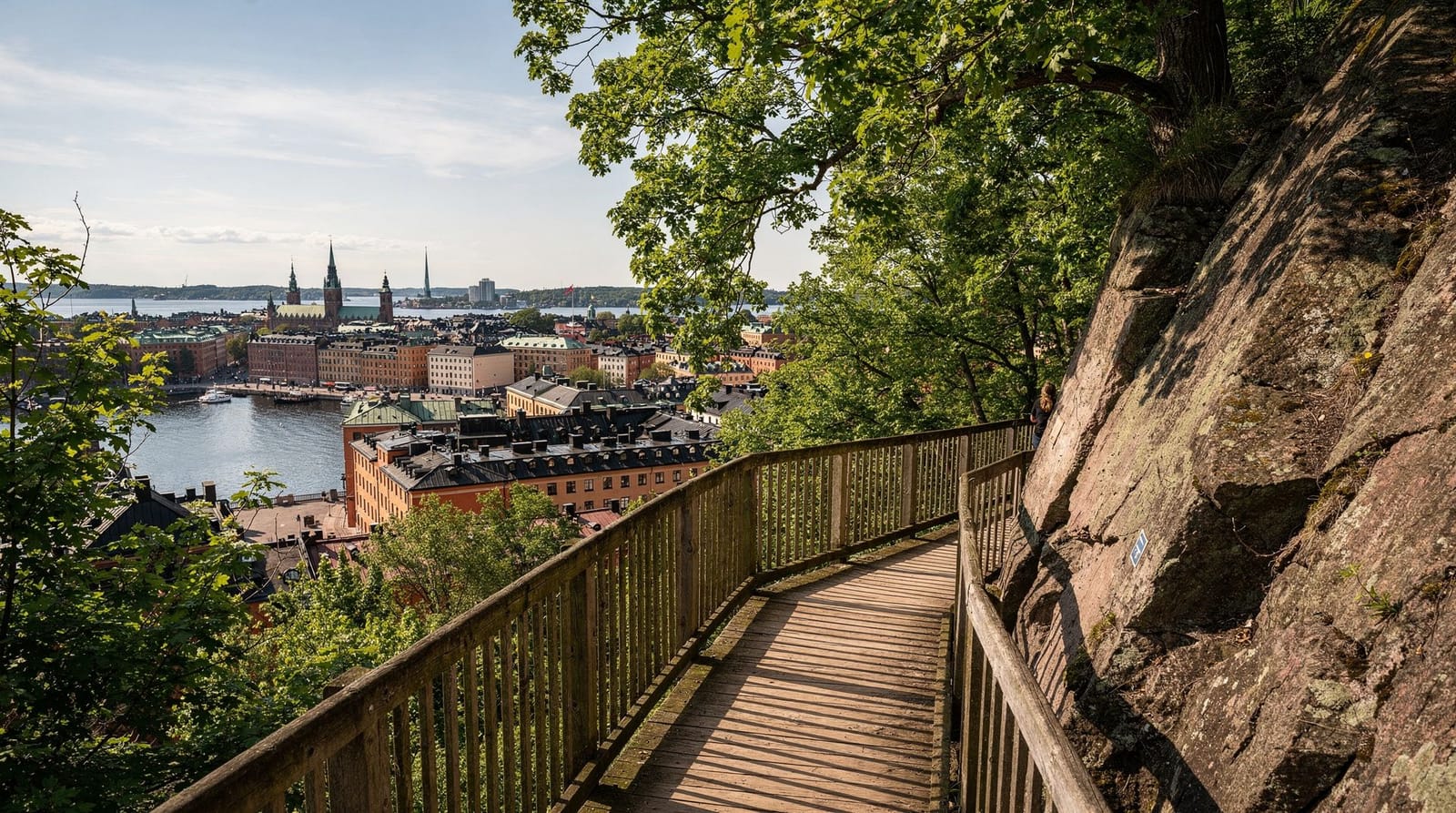
The walk from Stortorget to Riddarholmen and back takes approximately 30–40 minutes and adds significant historical depth to the Gamla Stan circuit. The views from the Riddarholmen waterfront across Riddarfjärden toward the City Hall (Stadshuset) and Kungsholmen are excellent, particularly in late afternoon light.
Gamla Stan in December: the Christmas market
The Stortorget Christmas market is the oldest in Stockholm (dating to the 19th century) and the most photogenic — the combination of the medieval painted facades, string lights across the square, and the amber glow of the glögg (mulled wine) stalls creates the kind of atmospheric tableau that winter-travel marketing relies on, and that actually exists in person.
Practical notes for the December market: it runs from late November through 23 December, typically 11am–6pm on weekdays and 10am–6pm on weekends. The market is at its best on weekday mornings before midday and on the first two weekends of December before weekend crowds peak. Weekend afternoons in mid-December can be genuinely packed — the island’s narrow streets struggle with the volume.
What to buy: the genuine hand-crafted items (wooden toys, knitted goods, ceramics) at the stalls that identify themselves as Swedish-made. The souvenirs that look Viking-adjacent or vaguely Nordic but are obviously mass-produced are not worth buying at market prices; the same items are available cheaper and without the December crowd premium at any point in the year.
What to drink: glögg (always served hot, typically with almonds and raisins) is the appropriate December Gamla Stan drink. The quality varies by stall; the stalls with the longer queues of locals are usually the ones with the better recipes.
For the festive season specifically, the Gamla Stan Christmas market guide and the complete overview of Stockholm’s Christmas markets help you choose between the options.
Nearby connections
Gamla Stan connects naturally to the rest of Stockholm. Norrmalm is directly north across the bridge — the modern commercial district within easy walking distance. Södermalm is south across the Slussen lock — the hip residential island with the best food and coffee scene. Djurgården is reached by ferry from the Gamla Stan waterfront or by walking across Strandvägen — the museum island with Vasa, ABBA, and Skansen.
For a multi-day itinerary that uses Gamla Stan as a base, see the Stockholm 3-day first-timer itinerary. The Gamla Stan walking tour guide has a suggested self-guided route through the alleys mentioned above, and the Gamla Stan restaurants guide expands on the honest dining recommendations here.
Seasons in Gamla Stan at a glance
| Season | Atmosphere | Crowds | Notable |
|---|---|---|---|
| May–June | Long evenings, terraces open | Moderate, rising | Best light on facades before 9am |
| July–August | Full summer, all attractions open | Peak, especially 11am–4pm | Book Royal Palace and Nobel Museum ahead |
| December | Christmas market, glögg stalls | High on weekend afternoons | Best on weekday mornings |
| January–March | Quiet, atmospheric, cold | Low | Museums open, streets nearly empty |
Frequently asked questions about Gamla Stan
How long should I spend in Gamla Stan?
Two to four hours is the right window for most visitors: a walk through the main streets and alleys, a visit to Stortorget, the Nobel Prize Museum, and either the Royal Palace or Storkyrkan. If you want to do the Royal Palace and Nobel Museum on the same day, budget four to five hours. The island is small enough that you will naturally cover most of it just by wandering.
Is Gamla Stan worth visiting?
Without question. The medieval streetscape is one of the best preserved in northern Europe, and the Royal Palace, Nobel Prize Museum, and cathedral are all genuinely excellent attractions. The tourist-heavy atmosphere on Västerlånggatan is real but easy to escape — turn onto any side street and you are immediately in a quieter, more genuine version of the neighborhood.
What is the best tour of Gamla Stan?
The walking tours that cover the island’s hidden history — plague pits, medieval water systems, execution sites — consistently receive better reviews than the generic overview tours. A guide who lives in the neighborhood makes a significant difference. The tours that include a fika stop at a genuine local café rather than a tourist-facing one add real value.
When is the Changing of the Guard at the Royal Palace?
The ceremony runs most days, but the schedule varies by season and day of week. Summer (May–August): daily at 12:15pm on weekdays, 1:15pm on weekends and public holidays. The ceremony lasts approximately 40 minutes. Check the Royal Palace website for the current schedule before visiting.
Are there ghost tours of Gamla Stan?
Yes, and several of them are genuinely good. Gamla Stan’s history — royal intrigues, the 1520 Bloodbath, medieval plague outbreaks, execution grounds — provides material for tours that go well beyond generic ghost-story theatre. The evening tours work better atmospherically than the daytime versions.
What are the best photo spots in Gamla Stan?
Mårten Trotzigs Gränd at dawn or dusk; Stortorget from the northeast corner in morning light; the view from the waterfront south of the Royal Palace looking back toward Storkyrkan; the staircase lanes on the eastern embankment at Österlånggatan; and the view from Gamla Stan station platform toward Riddarfjärden — rarely photographed but striking.
Is Gamla Stan safe to visit?
Yes, with the standard urban precautions. Pickpocketing is the main concern around Stortorget and Västerlånggatan at peak hours in summer — keep bags in front and phones in pockets. The area is very well-lit and busy even late at night in summer; it quiets considerably in winter but remains safe.
Top experiences
Bookable activities with verified prices and instant confirmation on GetYourGuide.