Djurgården — Stockholm's island of museums and parks
Djurgården holds Stockholm's best museums: Vasa, ABBA, Skansen, Nordiska Museet. Plan your day with ferry times and booking tips.
Stockholm: Vasa Museum entrance ticket
Quick facts
- Getting there
- Ferry from Slussen (SL 82); bus 69
- Time needed
- Full day (or two)
- Best for
- Museums, families, history, culture
- Top draw
- Vasa Museum — the 17th-century warship
- Ferry cost
- SL pass valid
The island where Stockholm keeps its greatest treasures
Djurgården is the kind of place that makes you reconsider your itinerary on the first morning. What looks, on a map, like a pleasant green island with a few museums turns out to contain the single most extraordinary artefact in Sweden (the Vasa warship), the most joyful museum in Stockholm (ABBA), the world’s oldest open-air museum (Skansen), an outstanding ethnographic collection (Nordiska Museet), a children’s literature park (Junibacken), and a historic amusement park (Gröna Lund) — all within a one-kilometre stretch of parkland bordering a Royal Deer Park.
Give Djurgården a full day and you will still leave wanting more. If you only have a morning, go directly to the Vasa Museum and plan a second visit.
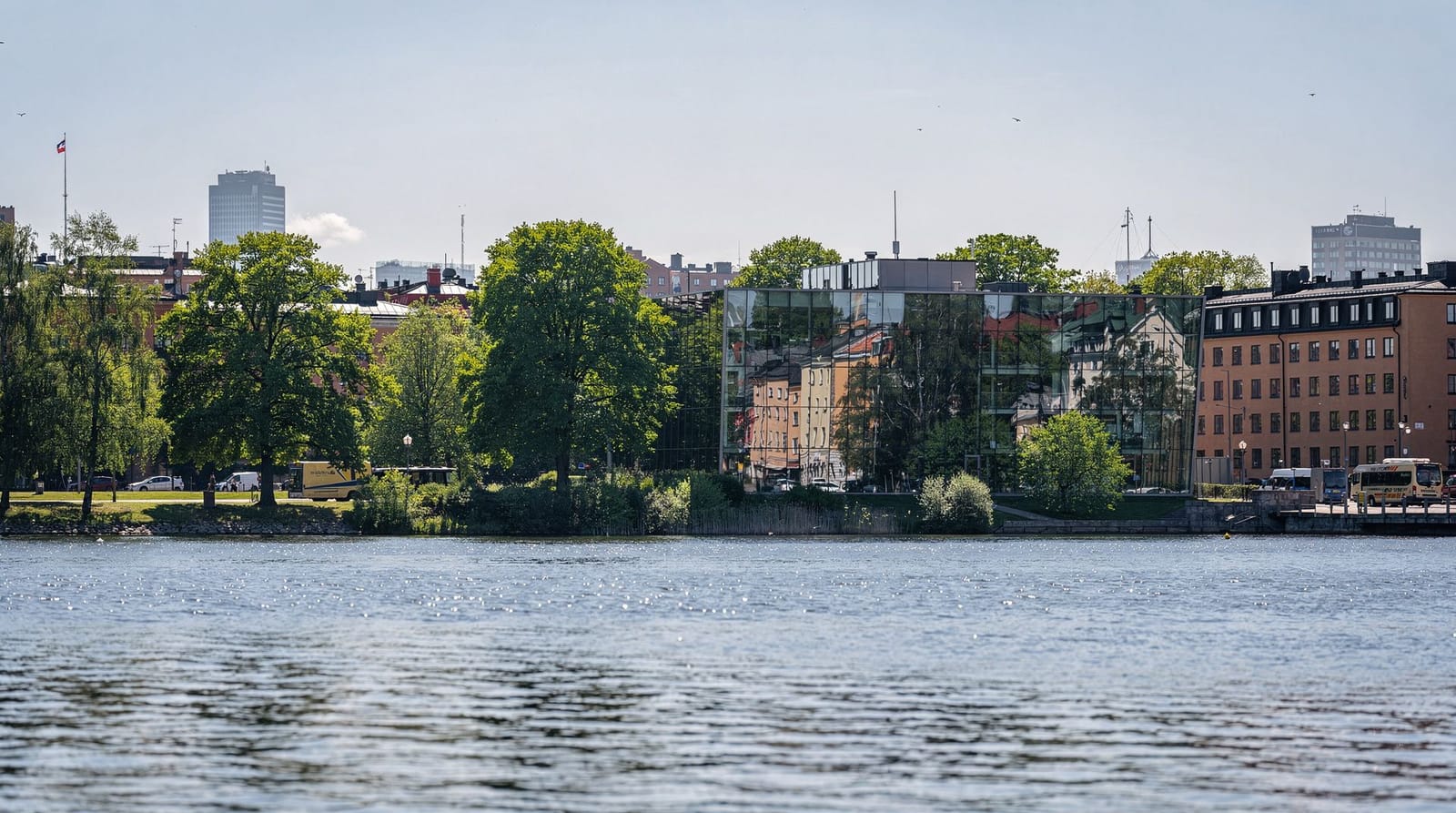
The island lies east of Norrmalm and Östermalm, separated from the city by a narrow channel. Getting there is part of the experience: the Djurgårdslinjen ferry from Slussen accepts SL tickets, and the approach to the island by water, with the Nordiska Museet’s Nordic Renaissance facade rising above the trees, is one of the classic Stockholm arrivals.
The Vasa Museum — what 333 years underwater looks like
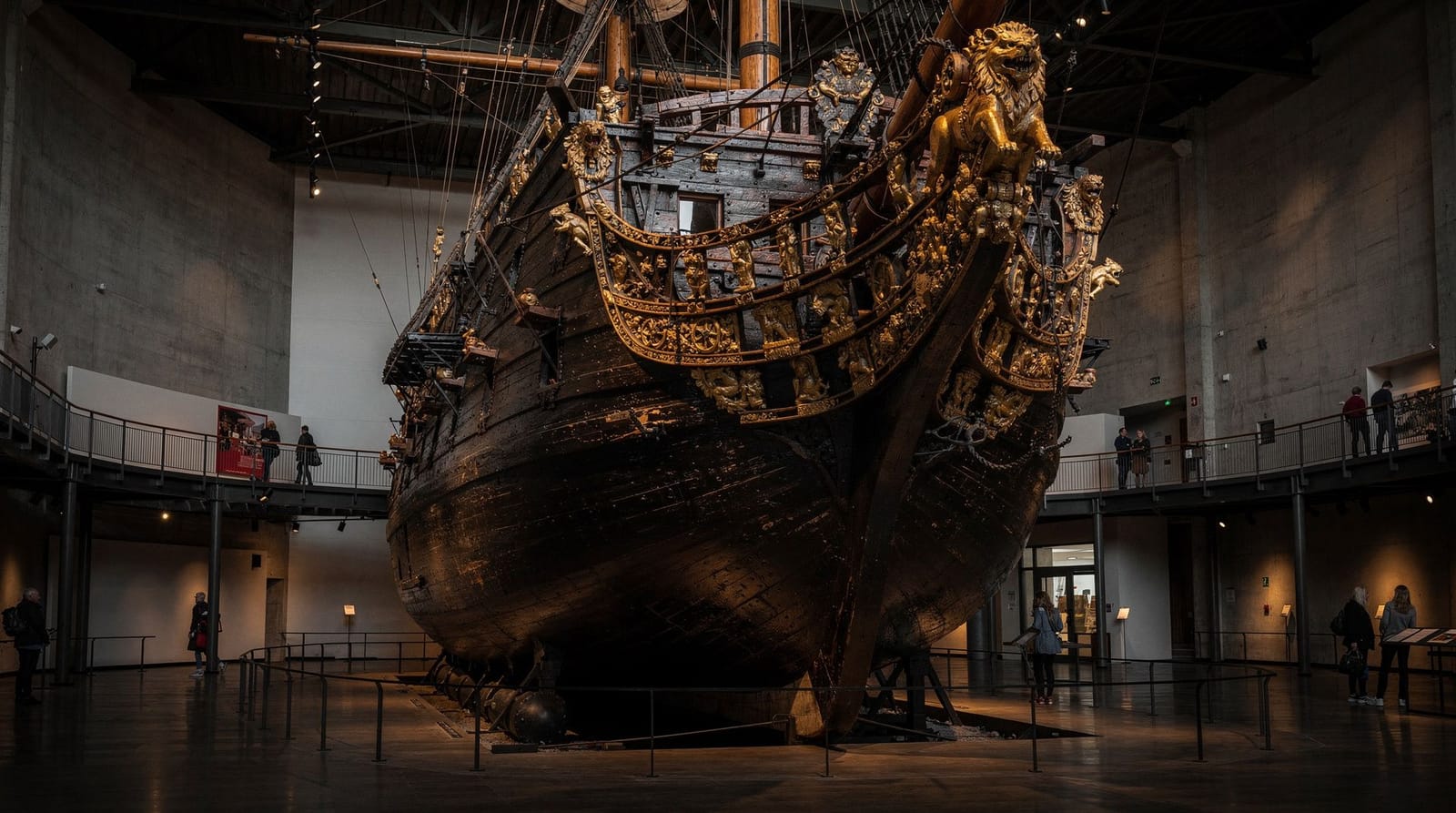
There is no adequate way to describe the first sight of the Vasa. You enter a dark, cathedral-like building, and after a brief orientation passage, you suddenly find yourself looking at the full port side of a 17th-century Swedish warship — all 69 metres of it, 98% original timber, preserved in extraordinary detail because the cold, brackish water of Stockholm harbour provided almost no oxygen or light for the wood-eating organisms that would have destroyed it elsewhere.
The Vasa was the pride of the Swedish Navy when it set sail on its maiden voyage on 10 August 1628. The guns fired a salute. Spectators lined the shore. The ship sailed approximately 1,300 metres, caught a gust of wind, began to heel, and sank in full view of the city. She remained on the seabed for 333 years before being raised in 1961. Today she sits in a climate-controlled hall under careful preservation, and you can walk around the hull at five different viewing levels.
What makes the Vasa exceptional is the survival of the carved figures on the stern: hundreds of mythological, royal, and religious sculptures that were originally painted in vivid colours. Many have been restored to their original polychrome finish in museum reconstructions that are displayed alongside the ship. Lions, sea monsters, Roman emperors, and religious imagery crowd every inch of the ornamentation — and you realize, looking at it, that the 17th century was not the austere, brown-wooden world that history paintings sometimes suggest.
Plan for a minimum of two hours. The guided tours that run throughout the day add context that turns the Vasa from an impressive object into a genuinely moving story. For a deeper look at the ship’s preservation and the salvage operation, the Vasa Museum guide covers the full story in more depth than fits here.
Book your Vasa Museum entrance ticket — skip the summer queues with online bookingPractical notes: The museum opens at 10am (8:30am in summer). In July, queues form before opening; booking online is strongly recommended. Photography is permitted without flash. The café inside the museum is decent and the gift shop unusual in actually selling quality products (the reproductions of Vasa lion bookends are weirdly compelling).
ABBA The Museum — more emotionally involving than you expect
ABBA The Museum opened in 2013 and has maintained a consistent reputation as one of the most interactive and well-curated pop music museums in the world. It helps that the subject matter is inexhaustible — ABBA sold over 400 million records, and the personal story of two couples creating music together while their marriages fell apart is compelling regardless of your relationship to the music.
The collection includes original costumes (those jumpsuits in person are both more and less extreme than in photographs), handwritten lyrics, the ABBA gold and platinum records, the group’s original mixing equipment, and several immersive rooms that recreate specific moments in the band’s history: the 1974 Eurovision win, the Recording sessions at Polar Music studio, the Arrival album era.
The highlight for most visitors is the hologram stage, where you can perform alongside digital versions of the four members — the technology has been refined several times since opening and now actually works convincingly. There is also a recording studio where you can lay down a vocal track.
Booking is essential: the museum operates timed entry with strict capacity limits and sells out weeks ahead in July and August. Visitors deciding between Djurgården’s two headline museums should see the Vasa versus ABBA Museum comparison for a direct breakdown.
Reserve your ABBA The Museum timed entry — sells out weeks in advance in summerSkansen open-air museum
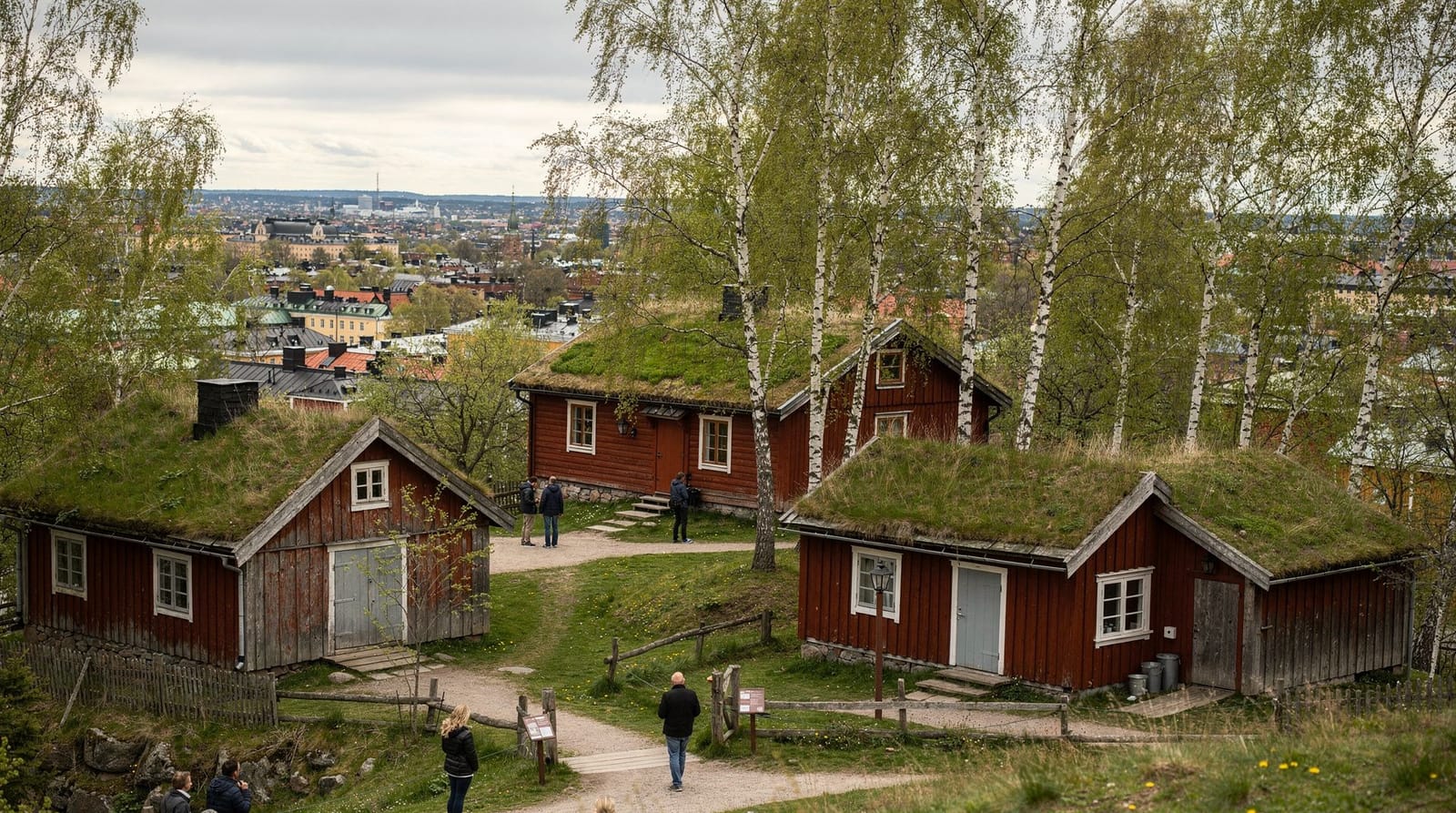
The world’s oldest open-air museum (founded 1891) is a larger, stranger, and more rewarding experience than it appears from the outside. Skansen’s founder, Artur Hazelius, began collecting entire historical buildings from across Sweden in the 1870s and eventually relocated more than 150 of them to this 75-acre hill on Djurgården, along with their traditional furnishings, craft equipment, and in some cases living craftspeople who demonstrate how the buildings would have been used.
The result is a genuinely immersive experience: you can walk through a Sami winter camp, a working farmstead from the 1780s, a 19th-century glassblower’s workshop (glass blowing demonstrations daily), a town from the 1800s where historical buildings from several Swedish cities were combined into a coherent streetscape, and a wooden church from the 1730s that still holds services.
The zoo section is Nordic-specific — wolverines, lynx, brown bears, moose, reindeer, wolves, white-tailed eagles — and considerably more affecting than a standard zoo because the animals are surrounded by the historical landscape that their human contemporaries would have known.
For families, Skansen is exceptional: there is enough variety to hold children’s attention for a full day, the scale is manageable, and the history is presented accessibly. It is also the most atmospheric Christmas market in Stockholm in December, when the whole site is lit with lanterns and the historical buildings are dressed for a 19th-century Swedish Christmas. The Skansen open-air museum guide has a fuller breakdown of the historical buildings and animal enclosures, and the Vasa versus Skansen comparison helps if you are choosing between them on a tight schedule.
Book Skansen admission online — the world’s oldest open-air museum, plan at least 3 hoursAllow a minimum of three hours; a full day is not excessive in good weather.
Nordiska Museet
The Nordiska Museet (Nordic Museum) occupies a vast Nordic Renaissance palace designed by Isak Gustav Clason and opened in 1907. The building alone is worth seeing — 125 metres long, fairy-tale turrets, designed to look more historic than it is. The interior is anchored by a monumental entrance hall containing Carl Milles’ enormous oak sculpture of Gustav Vasa.
The collections cover Swedish and Nordic cultural history from the 16th century to the present, with particular strength in everyday domestic objects: furniture, textiles, clothing, tableware, and the material culture of Swedish life across the social spectrum. The Sami culture collection is one of the best in Sweden. The fashion history section is unexpectedly strong.
The museum is genuinely underrated compared to its neighbours. If you are choosing between Skansen and Nordiska Museet on a limited schedule, Skansen wins on breadth and outdoor scale. But if you have the time, Nordiska Museet adds depth to what Skansen shows. See the Nordiska Museet guide for a room-by-room breakdown of the collection.
Book Nordiska Museet entry — Nordic cultural history from 1520 to the present in a stunning palace buildingJunibacken — for families with children
Junibacken is a children’s museum dedicated to the work of Astrid Lindgren, the author of Pippi Longstocking, Emil of Lönneberga, and Ronja Rövardotter — possibly the most important Swedish cultural export other than ABBA, if you are taking a broad view. The museum includes a small indoor railway that carries visitors through scenes from the books, a full-scale recreation of Pippi’s Villa Villekulla, and play areas themed around Lindgren’s characters.
For families with children roughly aged 3–10, Junibacken is the highlight of Djurgården. Non-readers of Lindgren’s books (the majority of international visitors) still find it charming; readers find it deeply moving. The Junibacken, Skansen and Gröna Lund family guide has a suggested sequence for a full family day combining all three.
Gröna Lund amusement park
Stockholm’s historic amusement park has been operating since 1883 and occupies a narrow strip of waterfront between the Nordiska Museet and the Vasa Museum. It feels more compressed and intense than a full-size theme park, which gives Gröna Lund a particular atmosphere: you can walk from a Viking-era exhibit to a rollercoaster to the Vasa Museum entrance in five minutes.
The rides are genuinely thrilling — the Free Fall tower is 80 metres, the Eclipse gondola swing extends over the water — and the concert venue (Gröna Lund Scen) hosts major international acts throughout summer on one of the most dramatically positioned outdoor stages in Europe. The combination of historic architecture, water views, and roller coasters is unlikely and works extremely well.
Gröna Lund has a separate entrance fee from the museums. Evening visits during the concert season are worth considering.
Getting to Djurgården
Djurgårdslinjen ferry from Slussen (SL ticket valid). This is the most pleasant way to arrive.
Bus 69 from Sergels Torg in Norrmalm runs along the Djurgården main road and stops near all major museums. SL pass valid.
Walking: From Strandvägen in Östermalm, cross the Djurgårdsbroen bridge — 20 minutes from T-Centralen, passing the Nobelparken gardens and the waterfront. Pleasant walk with good views.
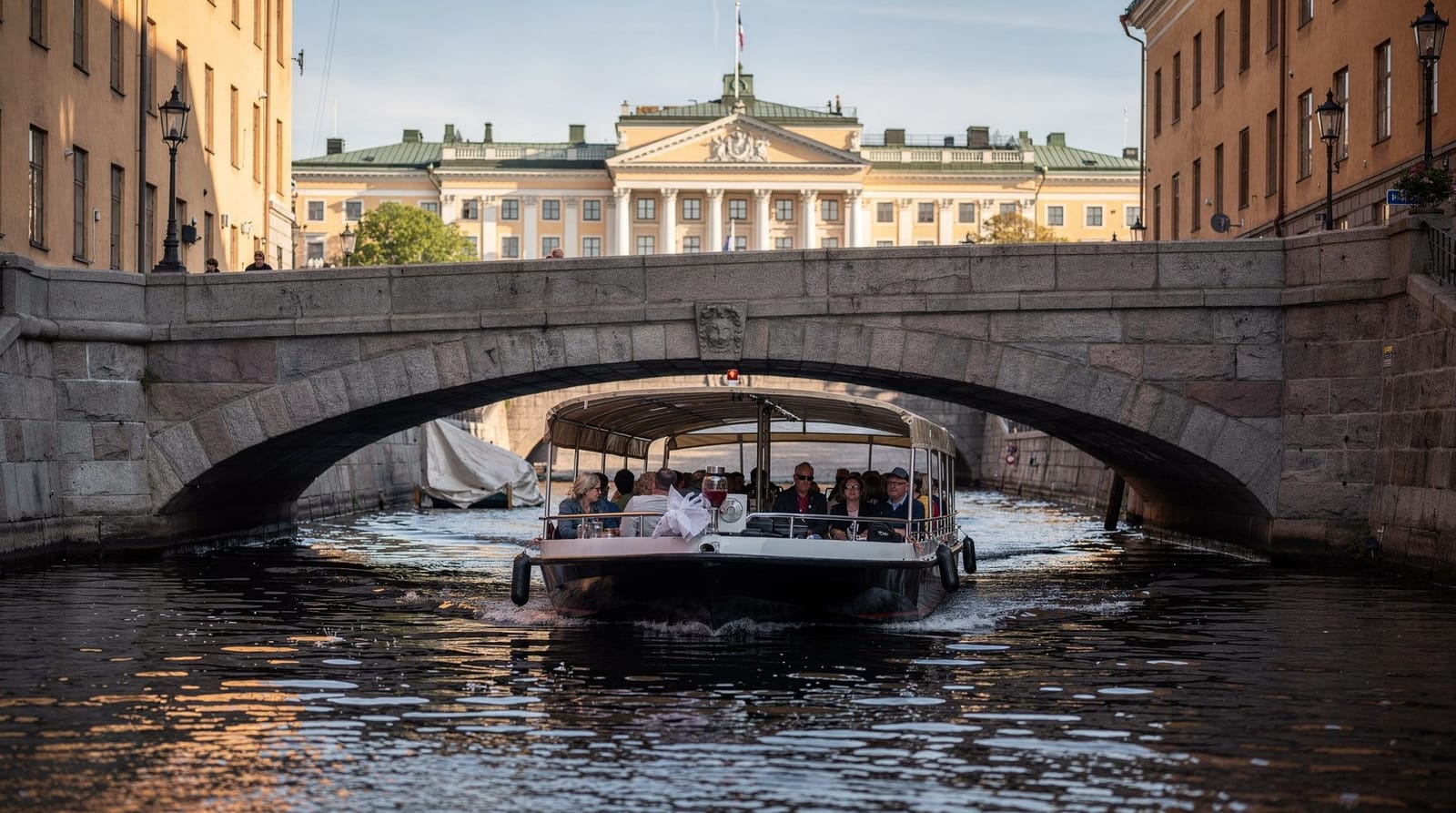
Boat tour combo: Several boat tours from central Stockholm include a pass by Djurgården or a stop there. If you are booking a canal tour, look for routes that pass the island’s waterfront.
How to plan your day on Djurgården
The island’s museums are clustered along one main road, which makes it easy to plan a logical sequence:
A natural Djurgården day starts with the Vasa Museum (arrive early — open 10am, or 8:30am in summer — to beat the crowds). Allow 1.5–2 hours. Then walk five minutes to the ABBA Museum for the mid-morning session (1.5 hours). Lunch at the Hasselbacken Restaurant (historic, housed in a pavilion from 1748) or grab food from the Skansen café before entering. Spend the afternoon at Skansen (3–4 hours). If energy allows, close with Gröna Lund or Nordiska Museet.
The Stockholm Pass includes entry to all four major paid sites on Djurgården and can offer significant savings if you are visiting multiple attractions on consecutive days. See the Stockholm Pass vs SL Pass guide for a cost comparison.
Where to eat on and near Djurgården
Hasselbacken Restaurant — a classic Swedish pavilion restaurant on the Djurgården main road, open since 1748 in various forms. Solid Swedish cuisine, garden seating in summer.
Villa Godthem — set inside a 19th-century garden pavilion on the Djurgården waterfront, with a menu focused on Swedish seasonal ingredients. One of the most atmospheric lunch spots in the city.
Skansen café — a reasonable self-service option if you are spending a full day at Skansen; the traditional Swedish dishes are better here than at most tourist-facing cafés in the city.
Rosendals Trädgård — a biodynamic garden café on the eastern side of the island, slightly off the main tourist circuit but exceptional in late summer when the garden is in full bloom. The cinnamon buns and sourdough bread are among the best in Stockholm.
Where to stay near Djurgården
Djurgården itself has no hotels, but accommodation in Östermalm puts you within a 10-minute walk of the Djurgårdsbroen bridge.
Mid-range: Hotel Diplomat on Strandvägen is directly en route between central Stockholm and the bridge — elegantly positioned, waterfront views, 4-star quality.
Luxury: Stureplan-area hotels in Östermalm like the Nobis Hotel place you 15 minutes on foot from the island with full access to Östermalm’s restaurant scene.
For budget options, staying in Södermalm or Norrmalm and taking the ferry is more practical than looking for cheap accommodation in Östermalm.
Best time to visit Djurgården
Year-round: The Vasa Museum and ABBA Museum are indoor, climate-controlled, and excellent in all weather. Nordiska Museet similarly. Wet days on Djurgården are not wasted days.
May–September: Skansen, Gröna Lund, and the outdoor elements of the island are at their best. Summer evenings, when the ferry returns with the setting light behind it, are particularly memorable.
December: Skansen’s Christmas market (Julmarknad) runs from late November through 23 December and is consistently rated Stockholm’s best. Traditional Swedish handicrafts, glögg, fresh bread, and the historical buildings under snow make it exceptional.
Djurgården’s museums compared
For visitors triaging a single day among the island’s five main attractions:
| Museum | Time needed | Booking | Best for |
|---|---|---|---|
| Vasa Museum | 1.5–2.5 hours | Recommended in July | Everyone — the essential Stockholm sight |
| ABBA The Museum | 1.5 hours | Essential, timed entry | ABBA fans, interactive/pop culture |
| Skansen | 3+ hours | Rarely needed | Families, full-day visits, December markets |
| Nordiska Museet | 1.5–2 hours | Rarely needed | Design, textiles, Nordic cultural depth |
| Junibacken | 1–1.5 hours | Rarely needed | Families with children 3–10 |
If you can only manage one museum, the Vasa is the non-negotiable choice. If you can manage two, add Skansen for scale and variety or ABBA for a completely different, more playful register.
First-time visitor tips for Djurgården
A few practical notes that save time and frustration. Buy Vasa and ABBA tickets online before you leave your accommodation — both sell timed slots and walk-up availability is unreliable in July and August. Wear comfortable shoes: the museum strip looks short on a map but a full day covers several kilometres between buildings, gardens, and the ferry pier. Bring a refillable water bottle — Skansen in particular is spread across a large hillside site with limited shaded seating between exhibits. If visiting with young children, sequence Junibacken or Skansen’s zoo section earlier in the day when energy is highest, and save the more contemplative Nordiska Museet for later or for a separate visit. The Ostermalm neighbourhood across the Djurgårdsbroen bridge is the most convenient base for a Djurgården-focused stay.
Frequently asked questions about Djurgården
Do I need to book Djurgården museums in advance?
For the Vasa Museum, advance booking is recommended in July and strongly recommended in peak July and August weeks — queues form before the museum opens. ABBA The Museum requires advance booking for specific time slots; it sells out regularly in summer. Skansen and Nordiska Museet are larger and rarely sell out, but booking ahead can save queue time.
How long does the Vasa Museum take?
Most visitors spend 1.5 to 2 hours. Serious history enthusiasts or anyone doing a guided tour should budget 2.5 hours. The guided tours run daily and are included in the entry price — they add substantial context to what you are seeing.
Can children visit the Vasa Museum?
Yes, and it tends to fascinate them more than adults expect. The scale of the ship is impressive for children, the carved figures hold their attention, and the museum’s interactive sections engage younger visitors well. Children under 18 enter free.
Is Djurgården walkable?
The main museum strip along the island’s western and southern shores is easily walkable — Vasa Museum to ABBA Museum is 400 metres, ABBA Museum to Skansen is 600 metres. The eastern and northern parts of the island (the Royal Deer Park) are more open parkland and best explored on foot or by bicycle. Rental bikes are available near the bridge entrance.
How do I get a combined ticket for Djurgården museums?
The Stockholm Pass includes Vasa, Skansen, Nordiska Museet, and many other Stockholm attractions. Individual combined tickets (Vasa + ABBA, Vasa + Vrak Museum of Wrecks) are also sold at the museums and via GetYourGuide. The Vasa+Vrak combo is worthwhile if you have three or more hours on the island.
Top experiences
Bookable activities with verified prices and instant confirmation on GetYourGuide.