Stockholm budget per day: honest costs for 2026
Stockholm: Swedish food tasting tour in Old Town restaurants
Duration: 2.5–5 hours
How much does Stockholm cost per day?
Expect roughly 800–1 200 SEK (75–115 USD) per person per day on a moderate budget: hostel or budget hotel, lunch specials, one museum, SL transit pass. A comfortable mid-range day runs 1 500–2 500 SEK (143–238 USD). Backpacker minimum (hostel dorm, picnics, free sites) is about 500–700 SEK (48–67 USD). Stockholm is expensive but manageable with planning.
Setting realistic expectations
Sweden is an expensive country — there is no way around it. Stockholm consistently ranks among Europe’s most expensive cities alongside Oslo, Zurich, and London. The SEK exchange rate can work in your favour or against you depending on your home currency, but the local cost structure reflects Nordic labour costs, high taxation, and premium hospitality standards.
That said, Stockholm is not uniformly expensive. The gap between budget and mid-range travel here is large — and knowing where to spend and where to save makes a real difference.
| Backpacker | around 500–700 SEK/day |
| Moderate | around 1 200–1 600 SEK/day |
| Comfortable | around 2 000–2 800 SEK/day |
| Biggest saving | dagensrätt lunch specials, weekdays 11:00–14:00 |
| Biggest cost | accommodation, especially July–August |
For how these daily figures interact with your first-day airport transfer and transit setup, see the Stockholm airport arrival guide and the SL pass guide.
Currency and exchange rates
Swedish krona (SEK) is the currency. In 2026:
- 1 USD ≈ 10.5 SEK
- 1 EUR ≈ 11 SEK
- 1 GBP ≈ 13 SEK
For quick mental maths: divide SEK by 10 for an approximate USD equivalent. A 150 SEK lunch is about 14 USD; a 230 SEK museum ticket is about 22 USD.
Accommodation costs
Accommodation is the biggest variable in a Stockholm budget.
| Type | Price range per night |
|---|---|
| Hostel dorm (shared) | 300–500 SEK (~29–48 USD) |
| Budget double hotel | 900–1 400 SEK (~86–133 USD) |
| Mid-range hotel (3-star equivalent) | 1 500–2 500 SEK (~143–238 USD) |
| Summer average (all hotels) | ~2 100 SEK (~198 USD) |
| Winter average (Nov–Feb) | 750–1 100 SEK (~72–106 USD) |
Booking timing matters enormously. July and August hotels in Stockholm are 2–3 times their winter prices. Book as early as possible for summer. For December Christmas markets, accommodation fills quickly from October.
Location trade-offs: Hotels in Gamla Stan are expensive and noisy on weekends. Södermalm offers better value with excellent transit connections. Norrmalm near Central Station is practical but more expensive than Södermalm. Vasastan and Kungsholmen offer mid-range hotels in quieter neighbourhoods.
Food and drink costs
Breakfast
- Hostel breakfast (if included): 0 SEK
- Café breakfast (coffee + pastry): 70–120 SEK
- Supermarket breakfast: 40–60 SEK
Most mid-range hotels include breakfast in the rate. If yours does not, a supermarket (ICA, Hemköp, Coop) breakfast is the most economical option.
Lunch
Dagensrätt (lunch special): 120–165 SEK. The single best food value in Stockholm. Weekday-only at most venues, 11:00–14:00. Typically includes a main course, bread, salad, water, and sometimes coffee. Quality is genuine — not tourist-grade food.
Fast food / casual:
- Burger: 120–160 SEK (Big Mac index: Stockholm is one of Europe’s most expensive)
- Kebab / falafel: 80–120 SEK
- Hot dog / korv: 50–80 SEK (at tunnbrödsrulle kiosks — a Stockholm institution)
Supermarket lunch: 60–100 SEK for a prepared meal, sandwich, and drink from ICA or Coop.
Dinner
Restaurant dinner costs vary significantly by area and type:
| Type | Main course price | Budget for 2 with drinks |
|---|---|---|
| Traditional Swedish restaurant | 180–280 SEK | 700–1 200 SEK |
| Modern casual | 160–240 SEK | 600–1 000 SEK |
| Gamla Stan tourist restaurant | 200–350 SEK | 900–1 600 SEK |
| High-end / Michelin vicinity | 350–600 SEK | 1 500–3 000 SEK |
Gamla Stan tourist restaurants are the ones most likely to disappoint on value — see our honest Gamla Stan guide for recommendations on where to actually eat in the Old Town.
Drinks
Beer at a bar: 75–100 SEK for a 40cl Glass of wine: 90–150 SEK Coffee (espresso / filter): 45–65 SEK Lunch-special non-alcoholic drink: usually included
The Systembolaget strategy: Sweden’s state alcohol monopoly sells wine, beer, and spirits at lower prices than bars and restaurants (roughly 1/3 of bar price). For a picnic evening in Djurgården or on a waterfront bench — a genuinely Swedish way to spend a summer evening — buying from Systembolaget is the local approach. Open Mon–Fri until 18:00–19:00, Sat until 15:00, closed Sundays.
Spending on food without wasting it
A useful habit is to make lunch your main restaurant meal and keep the evening lighter. The dagensrätt gives you a proper cooked plate at a fraction of the dinner price, and a simple supper afterwards, perhaps from a supermarket or a casual counter, keeps the day on track. If you want one memorable food experience rather than several mediocre ones, a guided tasting is a sensible way to spend it: a Swedish food walking tour in the Old Town replaces a meal and teaches you what to order afterwards, and a tasting walk through Gamla Stan with several Swedish bites can stand in for dinner on a day when you are otherwise saving.
For more affordable local favourites, the Swedish meatballs guide and the Södermalm food scene guide point to places that do not charge Old Town prices, and the fika culture guide explains why a coffee and a bun is the most Swedish cheap pause you can take. Our local’s account of eating cheaply is also worth a read before you plan your meals.
Transport costs
| Option | Cost |
|---|---|
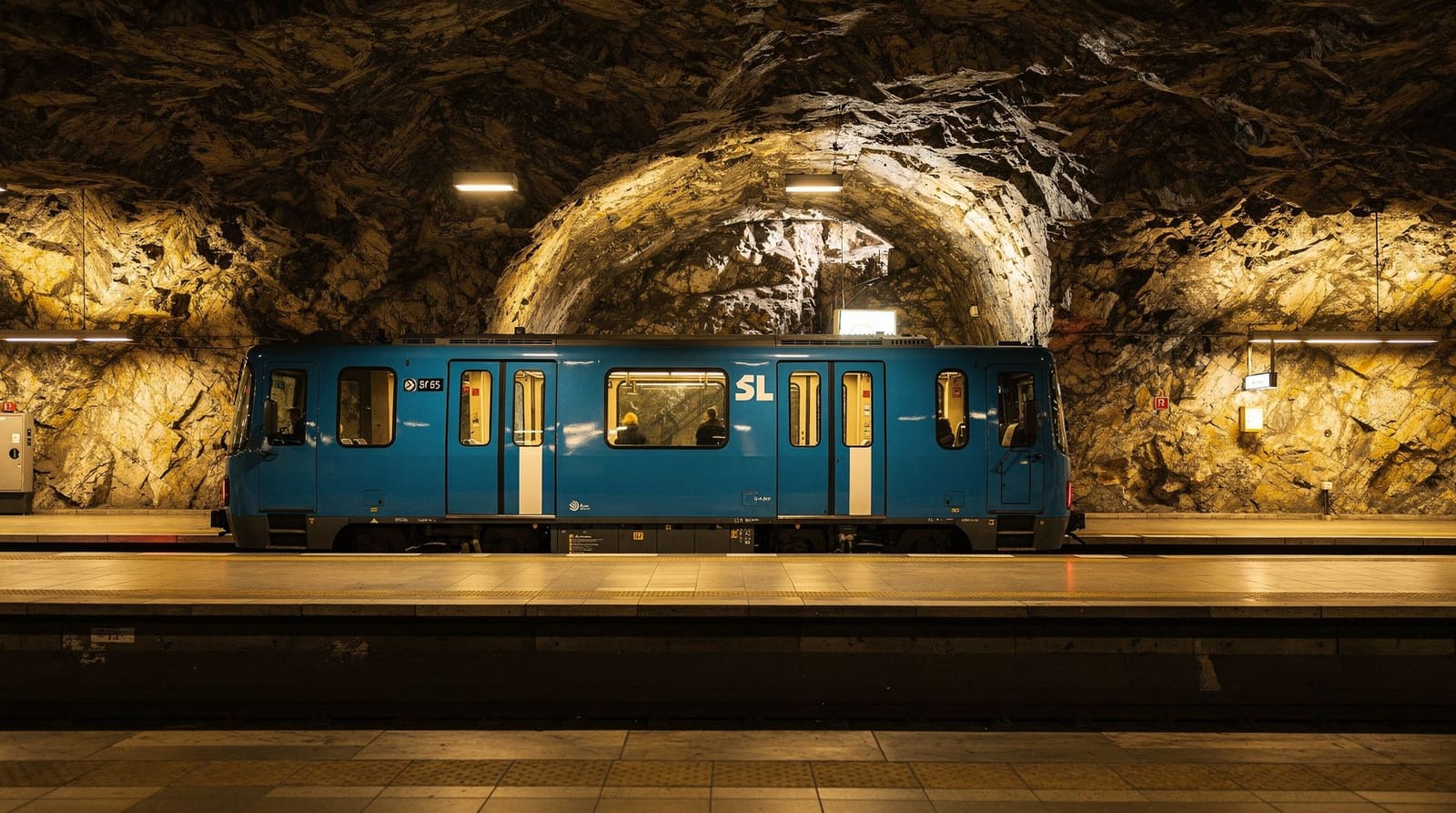
| SL single ticket (75 min) | 43 SEK |
| SL 24h pass | 180 SEK |
| SL 72h pass | 360 SEK |
| SL 7-day pass | 470 SEK |
| Arlanda Express (single) | 340 SEK |
| Flygbussarna (airport coach) | 119 SEK |
| Uber T-Centralen → Djurgården | 100–150 SEK |
For most visitors doing 3–5 SL journeys daily, the 24h pass (180 SEK) is the right choice. For a week-long stay with frequent transit use, the 7-day pass (470 SEK / ~65 USD for a week of transport) is good value.
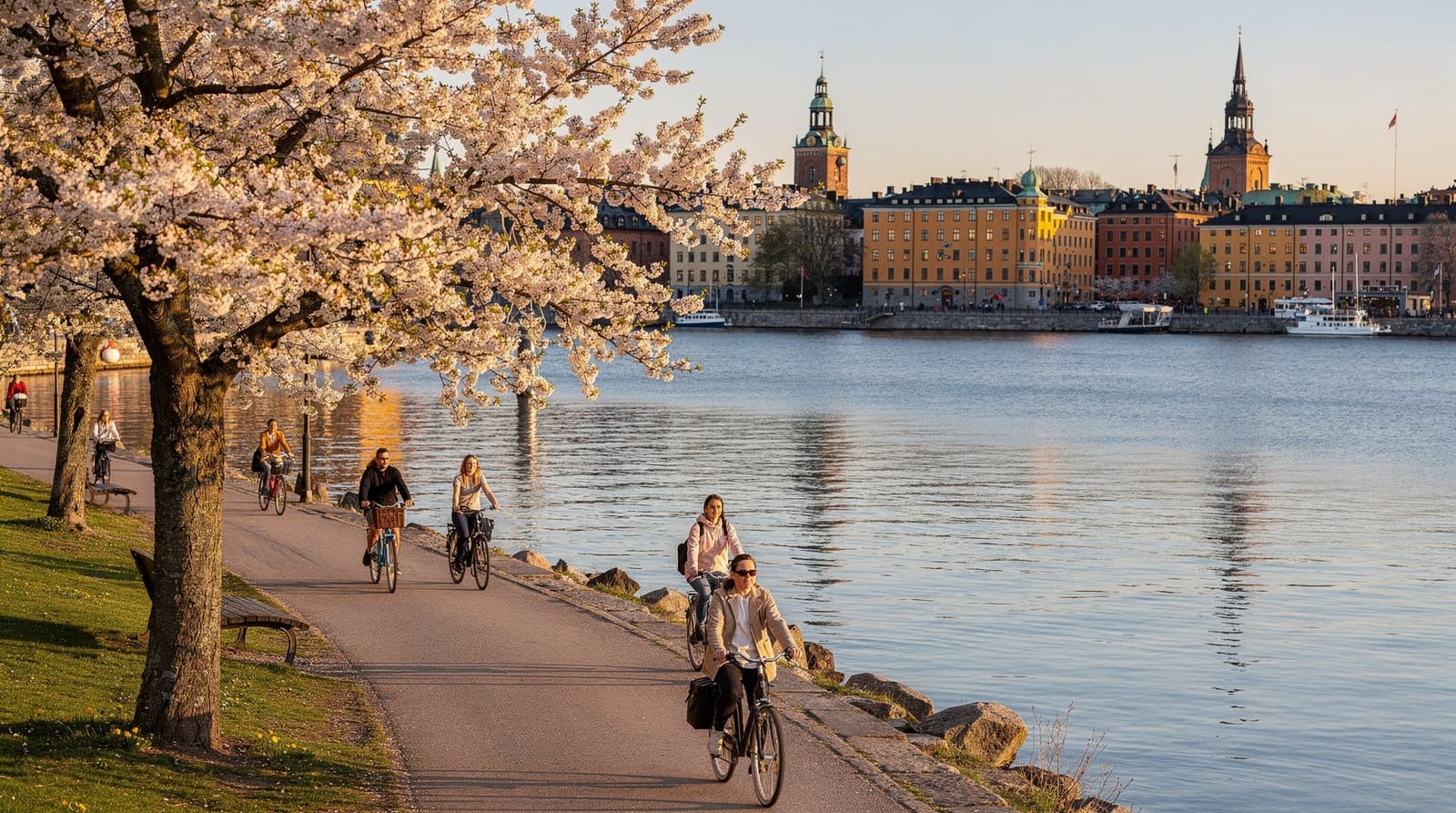
Walking is free and pleasant between many tourist areas. Gamla Stan → Djurgården is a 25-minute walk along beautiful waterfront. T-Centralen → Gamla Stan is 12 minutes on foot.
Choosing which museums deserve your money
Museum entry is the line most visitors underestimate, because each ticket looks reasonable on its own and the total creeps up. The better approach is to pick the two or three places you would genuinely regret missing and treat everything else as optional. For most first-timers that shortlist is the Vasa, plus one of ABBA or Skansen depending on whether you prefer pop culture or open-air history. The Vasa Museum guide and the Vasa vs ABBA comparison help you decide, and entry to the Vasa Museum is easy to arrange ahead of time so you are not queuing on the day. If you are weighing the open-air option, the Vasa vs Skansen comparison lays out the trade-offs, and the museum pass guide shows when a bundled ticket is worth considering. On rainy days the museum rainy day guide is useful for filling time with free or already-paid-for visits.
| Attraction | Individual price |
|---|---|
| Vasa Museum | 240 SEK |
| ABBA The Museum | 290 SEK |
| Skansen (summer) | 250 SEK |
| Royal Palace | 240 SEK (220 SEK Oct–Apr) |
| Fotografiska | 195 SEK |
| Nobel Prize Museum | 160 SEK |
| Nordiska Museet | 170 SEK |
| Moderna Museet | 170 SEK (free Fridays 18:00–20:00) |
| Nationalmuseum | Free |
| SkyView gondola | 200 SEK |
| Gröna Lund entry | 145 SEK (rides extra) |
Stockholm Pass (Go City): At roughly 1 000–1 100 SEK for 2 days, the pass pays for itself if you visit 4+ attractions. See our Stockholm Pass comparison for the detailed math.
Check current Stockholm Pass pricing and included attractionsThree sample daily budgets
Backpacker budget: ~550–700 SEK per day
- Hostel dorm: 350 SEK
- Supermarket breakfast + lunch: 100 SEK
- Free museum (Nationalmuseum, or Moderna Museet on Free Friday): 0 SEK
- SL single tickets (2): 84 SEK
- Supermarket / korv dinner: 120 SEK
- Systembolaget beer: 25–35 SEK
- Total: ~680–700 SEK (~65 USD)
Moderate budget: ~1 200–1 600 SEK per day
- Budget double hotel: 1 200 SEK (60% of per-night cost allocated per person)
- Café breakfast: 95 SEK
- Dagensrätt lunch: 145 SEK
- One paid museum: 230 SEK
- SL 24h pass: 180 SEK (shared across two days)
- Restaurant dinner (main course, beer, no dessert): 350 SEK
- Total per person: ~1 200–1 400 SEK (~115–133 USD)
Mid-range comfortable: ~2 000–2 800 SEK per day
- Mid-range hotel: 1 800–2 500 SEK per night (split per person)
- Hotel breakfast included
- Two museum visits (Stockholm Pass): 550 SEK per day (2-day pass spread)
- SL 72h pass: 117 SEK/day
- Good restaurant lunch: 200 SEK
- Restaurant dinner with drinks: 600–800 SEK
- Total per person: ~2 000–2 500 SEK (~190–238 USD)
Where the budget usually goes wrong
Most overspending in Stockholm is not one big mistake but a string of small, unplanned ones: a taxi because the weather turned, a coffee-and-pastry stop on every corner, a souvenir bought in the first shop you saw. Knowing the common traps in advance is cheaper than learning them. The tourist traps guide lists the places where prices are inflated for visitors, the souvenir shops guide explains where not to buy gifts, and the taxi scam prevention guide covers the one transport mistake that can wipe out a day’s budget. If you do need a car, taxi vs Uber is the comparison to read first.
It also helps to decide your splurge in advance. Rather than drifting into expensive choices, pick one thing per trip, whether that is a good dinner, a boat trip or a major museum, and let everything else run lean. That way the money goes to something you actually wanted, and you do not finish the trip wondering where it went. The cost-saving itinerary for a budget weekend shows how this plays out across a real schedule, and the Stockholm vs Copenhagen vs Oslo comparison is handy if you are still deciding which Scandinavian capital suits your wallet.
Money-saving tips
- Eat the dagensrätt — best value meal in Stockholm, available weekdays
- Buy the Stockholm Pass only if doing 4+ paid attractions in 2 days
- Walk between central attractions — Gamla Stan, Södermalm, Norrmalm are walkable
- Use SL ferries to reach in-zone archipelago islands — no extra cost with a 72h pass
- Picnic in Djurgården or Rålambshovsparken in summer — groceries from ICA, eating in the park is free and genuinely Swedish
- Visit free museums first — Nationalmuseum is world-class and costs nothing, and Moderna Museet is free on Fridays 18:00–20:00
- Book accommodation for summer at least 3 months ahead — prices rise dramatically as July approaches
- Avoid Gamla Stan tourist restaurants for dinner — better food and lower prices in Södermalm and Vasastan
- Avoid airport taxis — use Flygbussarna, Arlanda Express, or pre-booked transfers; see the airport arrival guide for the full cost comparison
- Compare Uber and Bolt before booking — Bolt is often 15–20% cheaper for the same journey
- Understand Swish and card payments before you arrive — Sweden is close to fully cashless, and knowing this in advance avoids wasted currency exchange fees; see the Swish and card payments guide
- Join a free walking tour on day one — tip-based, a genuinely good value orientation to the city; see the free walking tours guide
How your daily budget shifts across a longer trip
A single splurge day — a Stockholm Pass day covering three or four museums, or a nice dinner — is easier to absorb if the surrounding days run lean. Most visitors on a 3-day Stockholm itinerary find it more realistic to budget for one moderate day, one backpacker-style day (free museums, picnic), and one comfortable day, rather than aiming for the same spend level every day. Timing also matters more than any single tactic: visiting in the autumn or spring shoulder seasons rather than July can cut accommodation costs by 40% or more on its own — see the best time to visit Stockholm guide for the full seasonal cost picture.
Free and low-cost ways to fill a day
Some of the best hours in Stockholm cost nothing. A walk through Gamla Stan in the early morning, before the crowds arrive, shows you the medieval lanes without a single ticket. The waterfront paths and parkland of Djurgården reward a slow day, and the self-guided walking guide gives you a route if you would rather not pay for a tour. In summer, the swimming spots guide points to places where a swim is the whole activity, and the hiking near Stockholm guide covers longer outings that need little more than a transit ticket. For a full plan that stitches these together, see the Stockholm in 24 hours itinerary and the 2-day essential itinerary.
Frequently asked questions about Stockholm budget per day
Is Stockholm more expensive than other Scandinavian capitals?
Stockholm is broadly comparable to Oslo and Copenhagen — all three are among Europe's most expensive cities. Stockholm is slightly cheaper than Oslo on average, particularly for alcohol (Norwegian taxes are exceptionally high). All three are significantly more expensive than most of Western Europe.What is the cheapest way to eat in Stockholm?
The dagensrätt (today's lunch special) is the best value in Stockholm — typically 120–160 SEK for a main course with bread, salad, and sometimes coffee. Available weekdays at most restaurants, usually 11:00–14:00. Supermarkets (ICA, Hemköp, Lidl) provide picnic supplies cheaply. Avoid tourist-area sit-down dinners for most meals.Are there free museums in Stockholm?
Yes, though fewer than you might expect. Moderna Museet is free on Fridays 18:00–20:00 and for under-19s; Nationalmuseum is free. Historiska Museet is half price (90 SEK) on Wednesday evenings and 16:00–17:00 daily. Many parks, Djurgården's nature, Gamla Stan streets, and Södermalm's viewpoints cost nothing. Free walking tours exist (tip-based). The Fotografiska app sometimes has free preview events.How much is a beer in Stockholm?
Beer at a restaurant or bar: 75–100 SEK for a half-litre (about 7–9 USD). Craft beer can reach 120–150 SEK. The cheapest legal option is Systembolaget (the state alcohol shop): a can of beer is 15–25 SEK. Drinking at Systembolaget prices in a park (Allemansrätten allows this at public parks) is a local custom in summer.Is it possible to visit Stockholm on a tight budget?
Yes but it requires discipline. Free museums, picnic lunches from supermarkets, SL transit pass instead of taxis, and avoiding tourist-trap restaurants in Gamla Stan make a significant difference. A hostel dorm costs 300–450 SEK per night. Budget visitors spending 500–700 SEK per day can have a genuinely good Stockholm experience.Is a city pass like the Stockholm Pass worth it for a tight budget trip?
Only if you're visiting 4 or more paid attractions in 2 days — otherwise paying individual entry fees or sticking to free museums works out cheaper. Budget travellers doing 1–2 museums plus mostly free activities (parks, walking, archipelago views) rarely break even on a pass. Do the math on your specific itinerary before buying.