Nobel Prize Museum guide: Gamla Stan's intellectual gem
Stockholm: Nobel Prize Museum and exhibition entry ticket
Is the Nobel Prize Museum worth visiting in Stockholm?
Yes, especially on a Friday evening, when the museum stays open until 21:00. The museum is small — budget 45–90 minutes — but thoughtfully curated, covering the history of the Nobel Prizes, the science and ideas behind them, and the personal stories of laureates. The café under the prize-winning chairs is a Stockholm institution.
Ideas on display in Stockholm’s old square
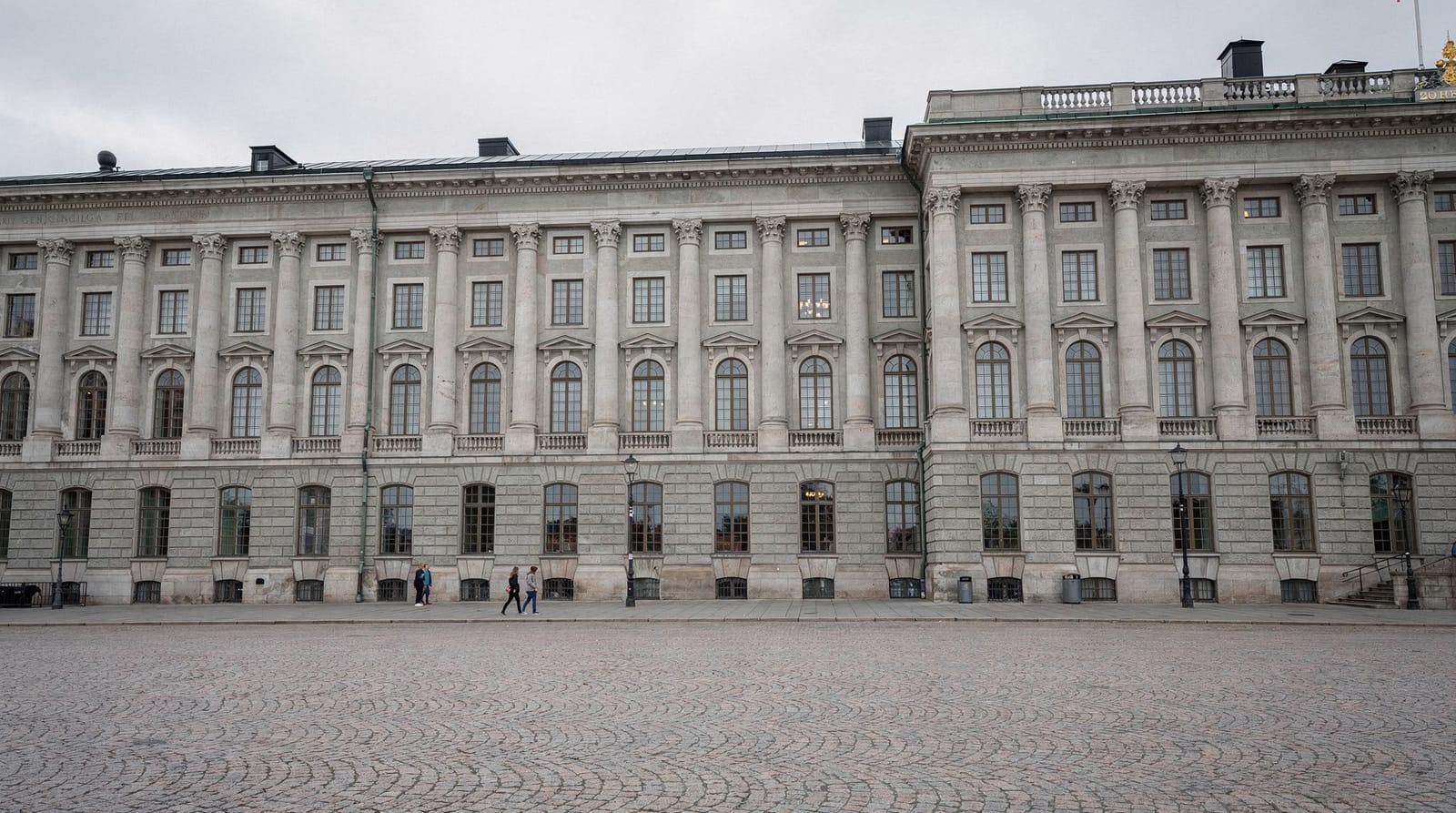
The Nobel Prize Museum sits on Stortorget — the main square of Gamla Stan — in the old Stockholm Stock Exchange building, a handsome 18th-century structure that feels entirely right as a home for one of the world’s most significant intellectual institutions. The prizes were established by Alfred Nobel’s will in 1895; the first Nobel Prizes were awarded in 1901; this museum, opened in 2001, covers the history, science, literature, and peace-building work that the prizes have recognised over 125 years.
It is a compact museum — not the overwhelming scale of the Vasa or Skansen — but it is one of Stockholm’s most intellectually satisfying experiences. The permanent exhibition focuses on the ideas behind the prizes rather than simply the list of laureates, and the temporary exhibitions have a high reputation for making complex scientific and literary ideas accessible to non-specialist visitors.
On Fridays it stays open until 21:00, which makes it one of Stockholm’s best evening museum options.
Practical essentials
| Detail | Information |
|---|---|
| Address | Stortorget 2, Gamla Stan |
| Opening hours | Tue–Thu 11:00–17:00, Fri 11:00–21:00, Sat–Sun 10:00–18:00 |
| Adult ticket | 160 SEK |
| Students and seniors | 120 SEK |
| Children under 18 | Free |
| Recommended time | 45–90 minutes |
| T-bana | Gamla Stan station (Red/Green lines), 5 min walk |
What to see inside
The permanent exhibition: ideas that changed the world
The ground floor permanent exhibition presents Nobel Prize-winning work through a combination of biographical material, scientific explanation, and artefacts. The focus is deliberately on the ideas themselves rather than just the celebrities of science and literature — the exhibition asks what each prize-winning work actually meant and why it mattered.
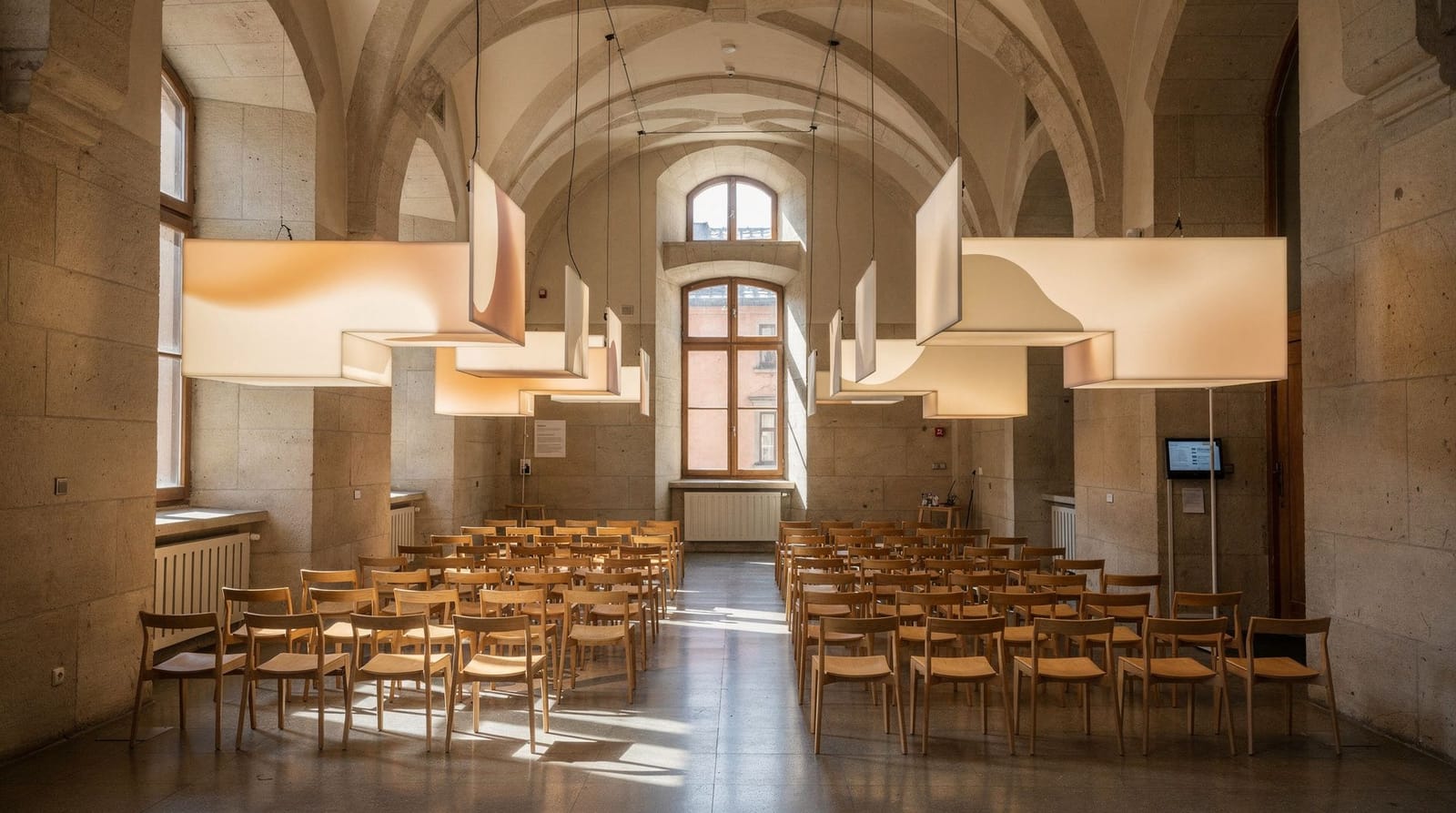
The installation by the artist Benedikta Bjørnstad — a slowly moving conveyor system carrying small portraits and objects related to all Nobel laureates — runs along the ceiling of the main hall and is the visual signature of the museum. It has a slightly hypnotic quality once you notice it.
Laureate profiles: Selected laureates are presented in depth through film, text, and personal objects. The selection rotates to reflect the current year’s prizes alongside historical figures. The personal stories are often more interesting than the formal science: Marie Curie’s letters in the exhibition reveal a mind simultaneously navigating the physics of radioactivity and the hostility of the male scientific establishment.
The Nobel Prize ceremony: An installation shows the annual ceremony in Stockholm’s Konserthuset (December 10th), where laureates receive their medals and diplomas. The connection to the Nobel Peace Prize ceremony (held in Oslo, not Stockholm) is explained — this distinction surprises many visitors.
Temporary exhibitions
The Nobel Prize Museum has a strong reputation for temporary exhibitions that explore science, literature, and ideas at the intersection of Nobel Prize work and contemporary relevance. Topics in recent years have included climate science, the physics of materials, and the history of peace negotiations. The temporary exhibition space on the upper floor is worth checking in advance.
The Nobel café
The museum café under the prize-winning chairs is one of Stockholm’s most characterful spaces. The chairs hung upside-down from the ceiling are signed by Nobel laureates who have visited — the tradition of laureate chairs began in 1998 and now covers several hundred signatures. The café serves Swedish lunch and fika; the Nobelpristagelassen (Nobel Prize ice cream, created for the annual banquet) is available on the menu year-round.
Alfred Nobel’s life and the origin of the prize
A section of the museum covers Alfred Nobel himself — the Swedish chemist and inventor who patented dynamite in 1867, accumulated substantial wealth from the explosives and armaments industries, and left the bulk of his fortune to establish the prizes in his 1895 will. The popular story that Nobel was motivated by guilt over a newspaper obituary prematurely published under the headline “the merchant of death is dead” is apocryphal but widely repeated; the museum presents the more nuanced historical record.
Insider tips
Friday evenings are the smart choice. The museum is open until 21:00. The evening crowd is different from the daytime — more Stockholmers, fewer group tours, a more relaxed atmosphere. The café stays open until 20:00.
Combine with the Royal Palace. The palace is a five-minute walk north on Stortorget. A morning at the Royal Palace followed by the Nobel Museum in the afternoon (or a Friday evening visit) covers Gamla Stan’s two most substantial museum experiences. See the Royal Palace guide.
The Nobel Peace Prize is in Oslo. A source of confusion for many visitors — the Physics, Chemistry, Medicine, Literature, and Economics prizes are awarded in Stockholm; the Peace Prize is awarded in Oslo. Both ceremonies are on 10 December (the anniversary of Alfred Nobel’s death in 1896). The museum explains this clearly and covers the Peace Prize winners alongside the Stockholm prizes.
Stockholm Pass includes entry. If you have the Stockholm Pass, entry is included regardless of day. Check nobelprizemuseum.se for current prices and offers — see the Stockholm museum pass guide for whether a pass makes sense for your trip overall.
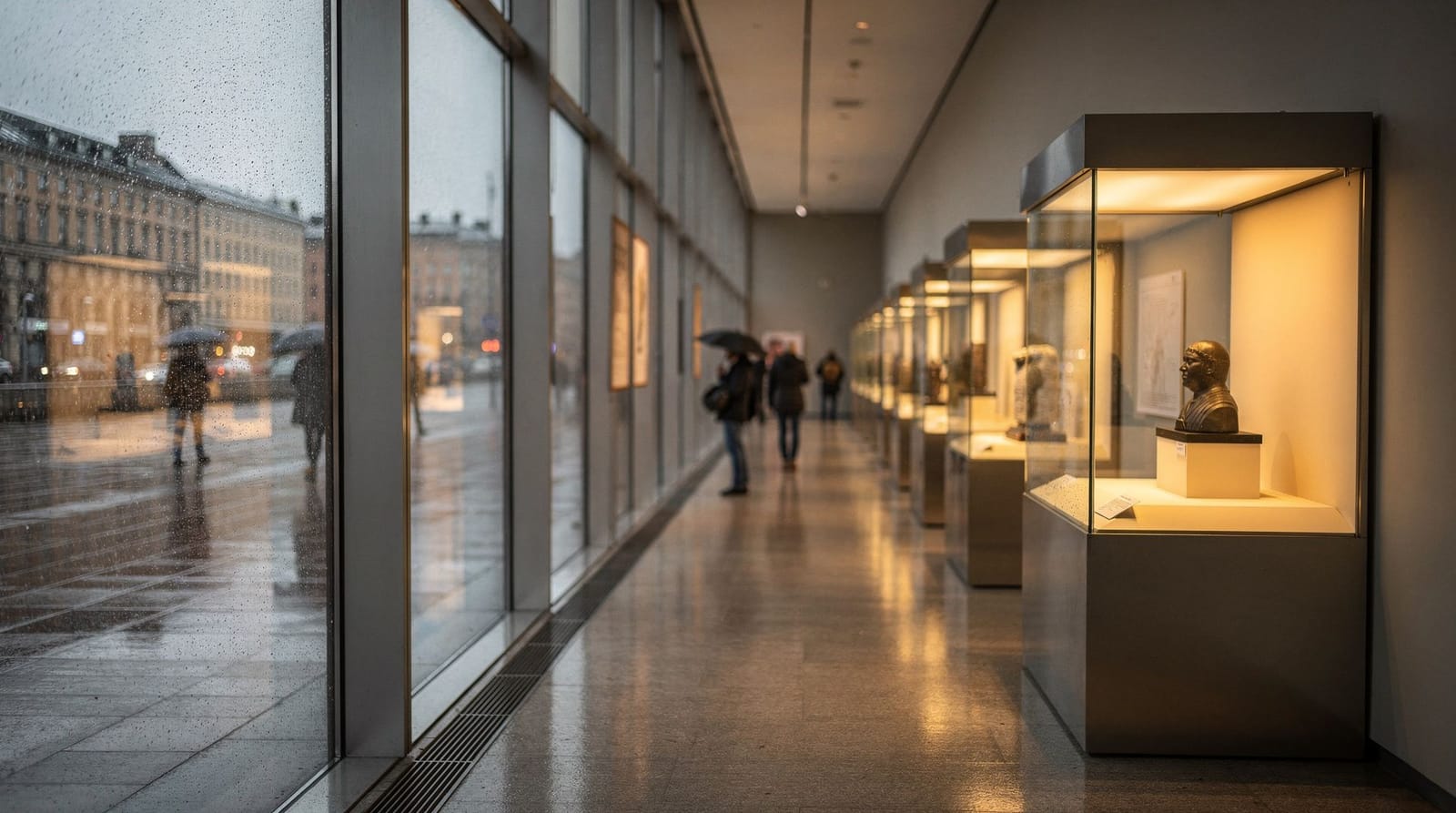
A natural rainy-day stop. Being small, indoor, and centrally located in Gamla Stan, the Nobel Museum slots easily into a wet-weather day alongside the Royal Palace. See the rainy day museums guide for a full indoor itinerary built around it.
The Nobel Prize: a brief history
Alfred Nobel was born in Stockholm in 1833. He studied chemistry in Paris and worked in his father’s factory manufacturing nitroglycerin, a highly unstable explosive compound. His brother Emil was killed in a nitroglycerin explosion in 1864; in response, Nobel focused his research on stabilising the compound. The result was dynamite (patented 1867) — a mixture of nitroglycerin with kieselguhr that was far safer to handle. He subsequently invented gelignite and ballistite, earning him enormous wealth and making Swedish weapons exports a significant industry.
Nobel’s 1895 will, written one year before his death in San Remo, allocated the majority of his estate — approximately 31 million Swedish kronor, an enormous sum — to a foundation that would award annual prizes in Physics, Chemistry, Medicine or Physiology, Literature, and Peace. The inclusion of Peace (and the unusual choice of Oslo as its location, reflecting Sweden-Norway relations of the era) was an explicit statement from a man who had spent his life in the armaments industry.
The first Nobel Prizes were awarded in 1901. The Economics prize (the Sveriges Riksbank Prize in Economic Sciences in Memory of Alfred Nobel) was added in 1968.
Tickets and passes
Standard admission: 160 SEK adult, 120 SEK students and seniors. Under 18 free.
Late opening: Fridays until 21:00. Check nobelprizemuseum.se for current hours and offers.
Stockholm Pass: Included.
Alfred Nobel tour with City Hall: The Alfred Nobel guided tour with City Hall and Nobel Museum combines a visit to Stadshuset (where the Nobel Banquet is held) with the museum — a logical pairing that most tour guides handle well.
Accessibility
The museum is accessible by lift. Wheelchair-accessible toilets are available. The café is fully accessible. Audio guides are available at the ticket desk.
Getting there
T-bana: Gamla Stan station (Red lines 13/14, Green lines 17/18/19). Walk north along Österlånggatan for approximately 5 minutes; turn left to reach Stortorget.
On foot from the Royal Palace: Five minutes’ walk south through Gamla Stan’s main lanes.
From Central Station: Walk across Centralbron and into Gamla Stan; approximately 15 minutes.
Where to eat nearby
Kvarnen (on Stortorget): The square itself has several cafés with outdoor seating in summer — variable quality, but the setting compensates considerably.
Grillska Huset (Stortorget 3): Run by the Stockholm City Mission, this café and bakery adjacent to the Nobel Museum serves simple Swedish lunches at reasonable prices. The cinnamon buns are very good.
Under Kastanjen (Kindstugatan 1): A few steps from Stortorget, a pleasant cellar restaurant with a longer Swedish menu and considerably less tourist pricing than the square itself.
Combine with
Royal Palace: Five minutes north, the logical Gamla Stan museum pairing. See the Royal Palace guide.
Medieval Museum: The museum under the Norrbro bridge has been closed since November 2023; a new museum is planned at Börshuset (Stortorget), with no opening date announced. Check the official site for updates and see the Medieval Museum guide.
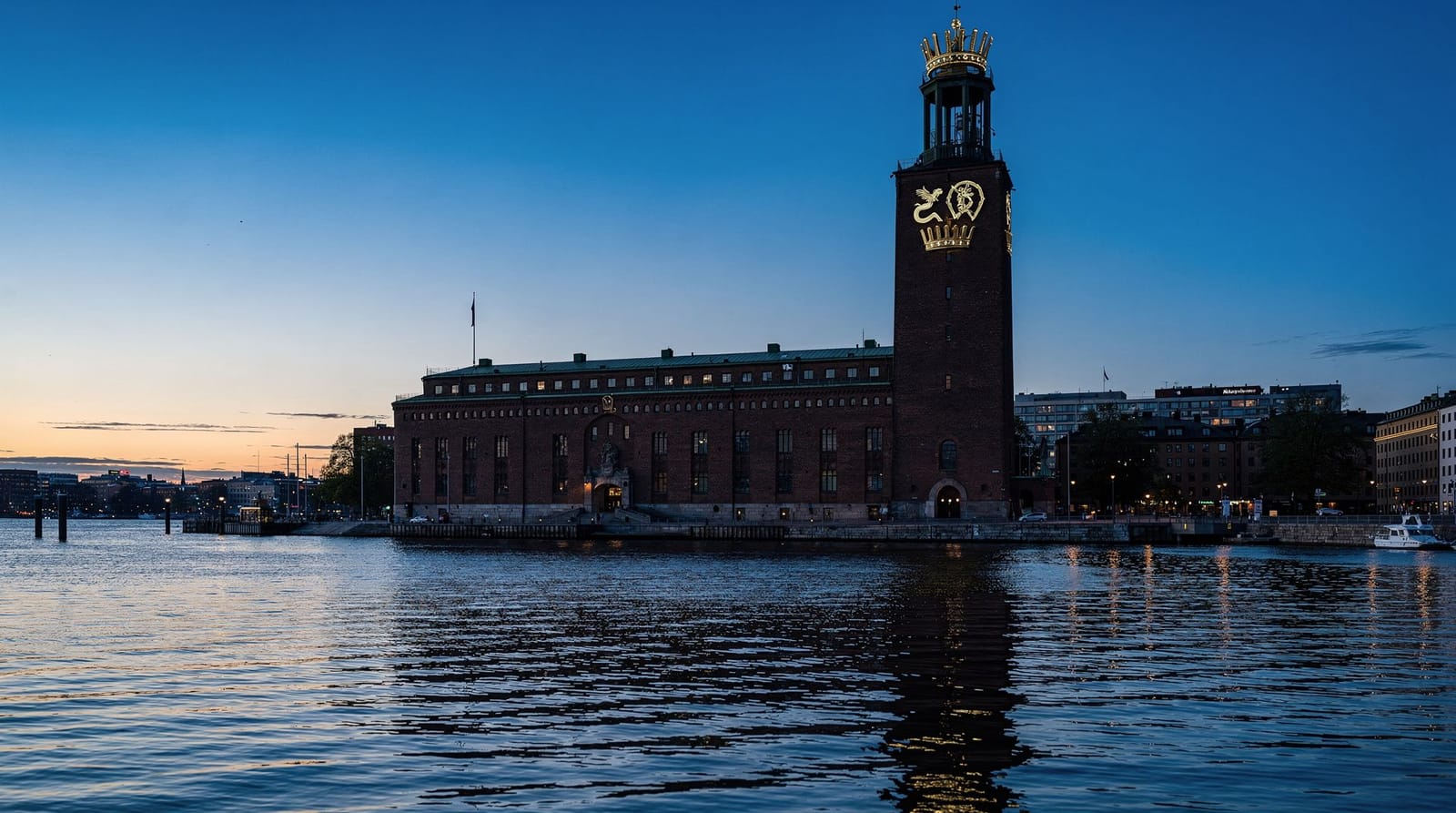
Stockholm City Hall: A 20-minute walk from Gamla Stan, the Stadshuset contains the Nobel Banquet Hall — a natural complement to the Nobel Museum. See the City Hall guide.
Building a Gamla Stan day around it
The museum works best as one anchor among several in the old town rather than a stand-alone trip. Because it sits on Stortorget, almost every route through the island passes its door, which makes it easy to slot in whenever your legs or the weather ask for a break. If you want the neighbourhood’s wider context first, the Gamla Stan neighbourhood deep dive explains how the lanes, squares and waterfront fit together, and the Gamla Stan destination page gives a quick overview of everything on the island.
A self-paced stroll pairs well with the museum. The Gamla Stan walking tour guide follows a route that crosses Stortorget, so you can time your walk to arrive when the museum is quiet, spend your hour inside, and carry on without backtracking. Readers who like their history darker will find the square’s grim past in the Stockholm Bloodbath history guide — the events it describes took place right outside the building, which adds an unexpected layer to the visit.
For something guided, a local-led outing such as a guided walking tour of Gamla Stan’s old town gives you the stories behind the façades, and the museum then makes a natural next stop once the tour ends nearby.
Pairing it with a fika break
The museum café and the bakeries around Stortorget make a fika stop part of the plan rather than an afterthought. The fika culture guide explains the ritual and what to order, which helps if you want to treat the café visit as a proper Swedish pause rather than just a place to sit. Anyone planning a longer museum run across the city can also look at the Vasa Museum guide, the natural heavyweight to balance this smaller, quieter stop.
Who gets the most out of it
Visitors with any interest in science, literature, or international affairs tend to leave impressed — the museum is small but genuinely well-curated rather than padded. Families with young children sometimes find it slower going, since the exhibition leans on reading and film rather than hands-on interaction; if travelling with kids, weigh it against more physically engaging stops covered in the Stockholm with kids guide. Visitors purely chasing Stockholm’s headline sights in a single day should prioritise the Vasa Museum and Royal Palace first and treat the Nobel Museum as a bonus if time allows — its 45–90 minute footprint makes it easy to slot in later.
Frequently asked questions about the Nobel Prize Museum
Is the Nobel Prize Museum only about science?
No. The prizes covered include Literature (the most famous literary prize in the world) and Peace alongside Physics, Chemistry, and Medicine. The museum treats all categories with equal depth. Visitors with interests in literature, international relations, or economics will find substantial material.
Can I see Nobel medals at the museum?
Occasionally. The museum holds a small collection of original Nobel medals and diplomas. The majority of medals are in private hands — awarded to laureates who retain them. Some families have donated or loaned medals to the collection; check the current exhibition for what is currently on display.
What is the Nobel Banquet and where does it happen?
The Nobel Banquet is an annual dinner held on 10 December in the Blue Hall of Stockholm City Hall (Stadshuset). The Nobel Prize ceremony takes place earlier the same day at the Stockholm Concert Hall (Konserthuset). The Nobel Museum covers both events in its exhibition. The City Hall guide covers how to visit Stadshuset including the Blue Hall.
Is the Nobel Peace Prize awarded in Stockholm?
No — the Nobel Peace Prize is awarded in Oslo, Norway. All other Nobel Prizes (Physics, Chemistry, Medicine, Literature, and Economics) are awarded in Stockholm. Alfred Nobel specified Oslo in his will, reflecting the political relationship between Sweden and Norway in the 1890s.
How recent are the exhibitions?
The museum updates its temporary and permanent exhibitions regularly to reflect the most recent laureates. The permanent exhibition is refreshed annually; the temporary exhibitions change approximately twice per year. The specific prizes from the current year are typically incorporated into the exhibition by the following spring.
Is the Nobel Prize Museum good for a first-time visit to Gamla Stan?
Yes, as a secondary stop rather than the headline attraction. Most first-time visitors prioritise the Royal Palace and a walk through the medieval lanes first; the Nobel Museum fits naturally afterward, especially since it sits directly on Stortorget, the square most Gamla Stan walking routes already pass through. Its compact size means it doesn’t compete for a full time slot the way the Royal Palace or Vasa Museum does.
Does the gift shop sell anything worth buying?
The museum shop stocks a well-curated selection of science and literature-themed books, Nobel-branded stationery, and reproductions connected to specific laureates’ work — better curated than the typical museum gift shop, and a reasonable stop for a thoughtful souvenir rather than the generic Viking merchandise sold elsewhere in Gamla Stan. Prices are moderate rather than cheap, consistent with the museum’s overall positioning.
Top experiences
Bookable activities with verified prices and instant confirmation on GetYourGuide.