Nordiska Museet guide: Sweden's largest cultural history museum
Stockholm: Nordiska Museet entry ticket
What is the Nordiska Museet and what does it cover?
Nordiska Museet (The Nordic Museum) is Sweden's largest museum of cultural history, housed in a vast Renaissance-revival building directly opposite the Vasa Museum. It holds 1.5 million objects covering 500 years of Swedish everyday life — folk costumes, furniture, textiles, glass, silver, and domestic artefacts from the 16th century to the present day.
The museum that holds Swedish everyday life
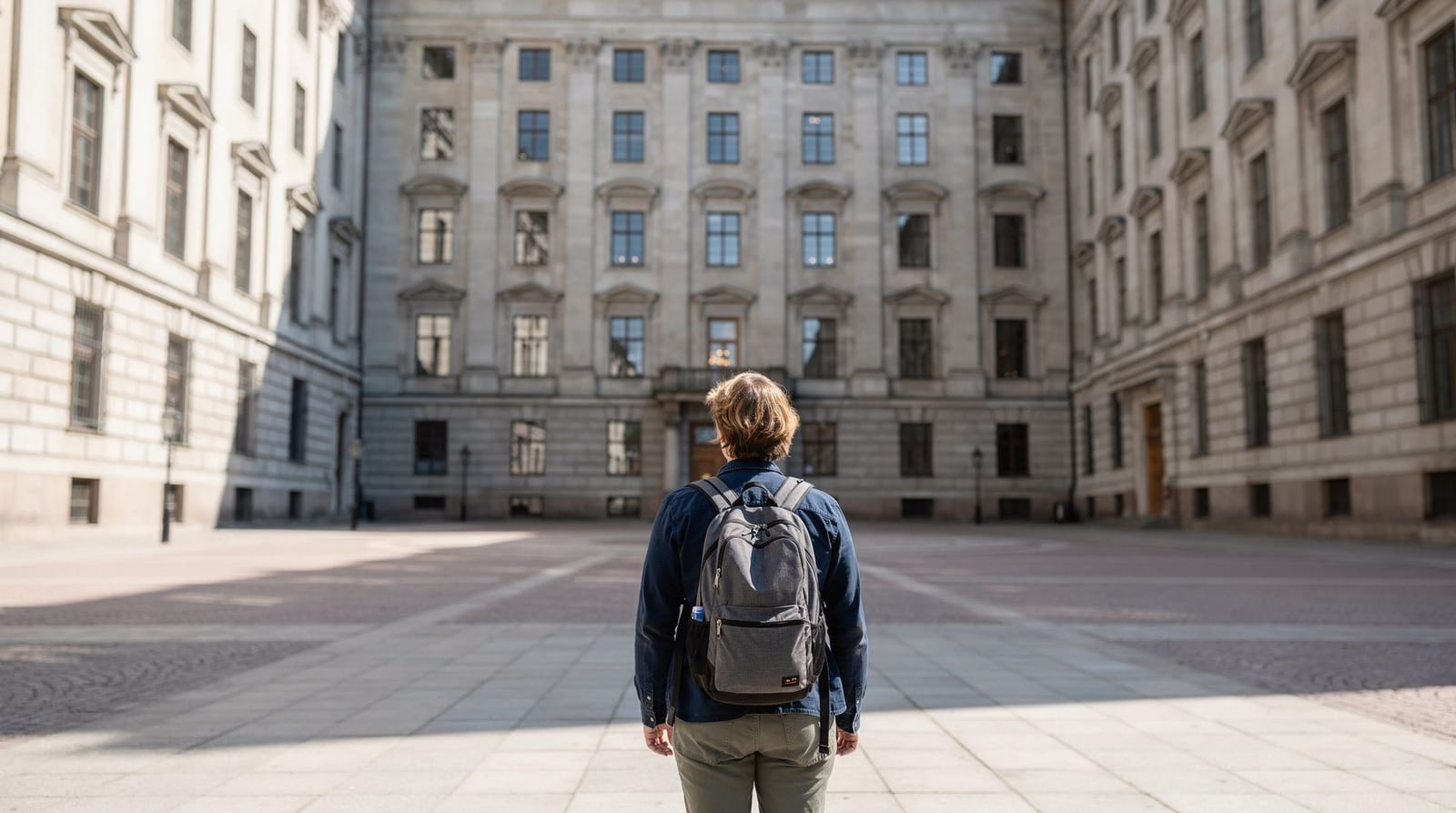
The Nordiska Museet looks, from the outside, more like a cathedral than a museum. The building — designed by Isak Gustaf Clason in a combination of Northern Renaissance and neo-Gothic styles and completed in 1907 — is one of the most extraordinary pieces of architecture on Djurgården, a 125-metre-long structure with towers, spires, and a monumental entrance vestibule that opens onto a hall dominated by a 14-tonne carved oak statue of King Gustav Vasa.
The statue was meant to intimidate. Gustaf Vasa (reigned 1523–1560) founded the independent Swedish state after breaking with the Pope and the Hanseatic League, and the museum’s founder Artur Hazelius placed the statue here as a symbolic anchor for a collection he had spent thirty years assembling — 1.5 million objects spanning five centuries of Swedish everyday life, from folk costumes and furniture to textiles, silverware, Christmas decorations, and the material culture of Sami peoples.
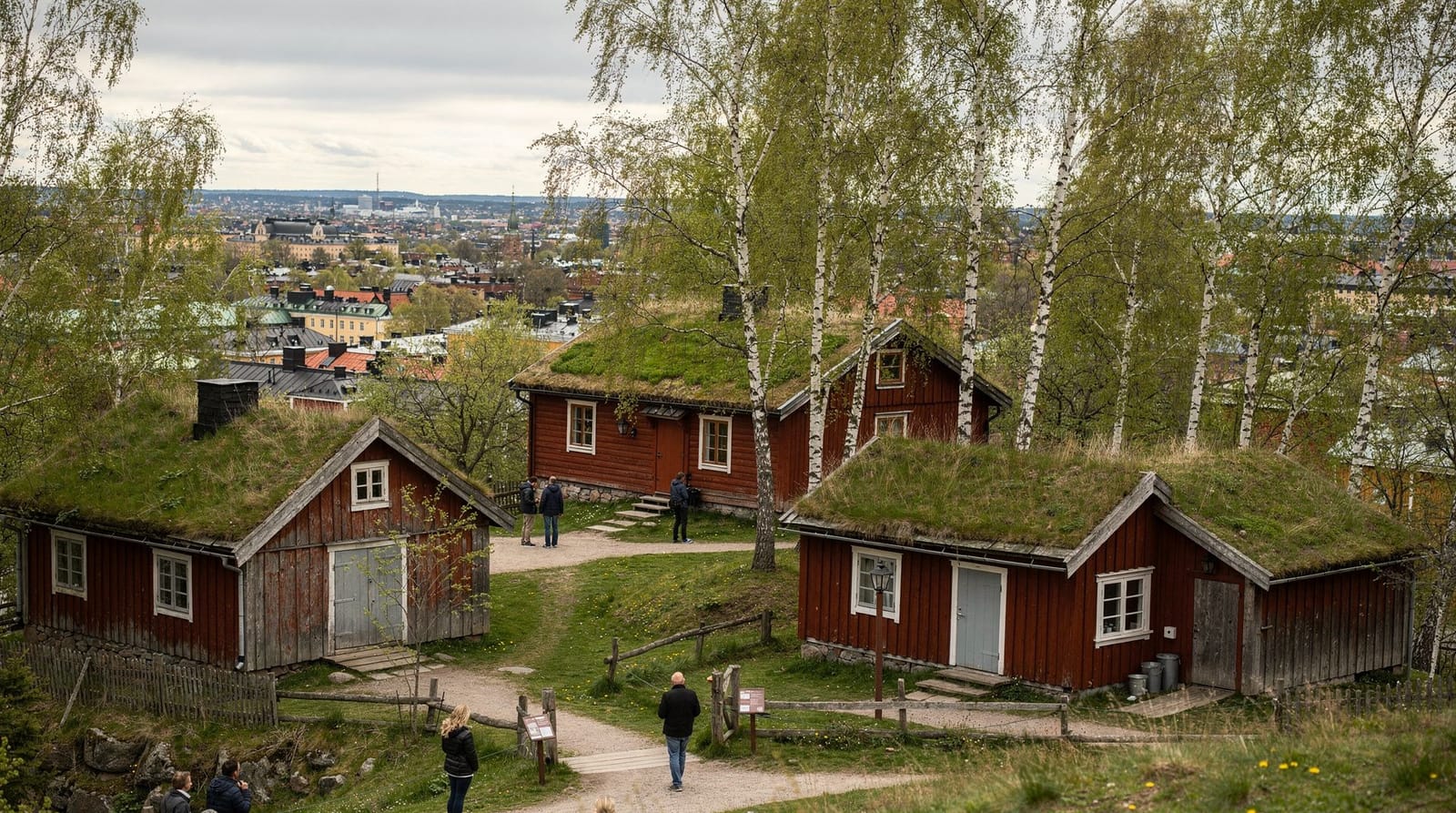
The Nordiska Museet is the indoor companion to Skansen. Where Skansen relocates entire buildings and animates them, the Nordiska Museet stores, catalogues, and displays the objects that filled those buildings. Together they give the most complete picture of Swedish cultural history available to visitors in Stockholm.
If you are still deciding how Djurgården fits into your trip, the Djurgården destination page and the Djurgården neighbourhood deep dive show what else sits within walking distance. For a first visit to the city, the Stockholm in 3 days overview places the museum in a wider plan.
Practical essentials
| Detail | Information |
|---|---|
| Address | Djurgårdsvägen 6–16, Djurgården |
| Opening hours | Daily 10:00–17:00 (Wed until 20:00, September–May) |
| Adult ticket | 170 SEK (~16 USD) |
| Children 3–18 | 75 SEK |
| Recommended time | 1.5–2.5 hours |
| T-bana/tram | Bus 69 or Djurgårdslinjen tram, alight at Nordiska Museet/Vasamuseet |
What to see
The entrance hall and Gustav Vasa statue
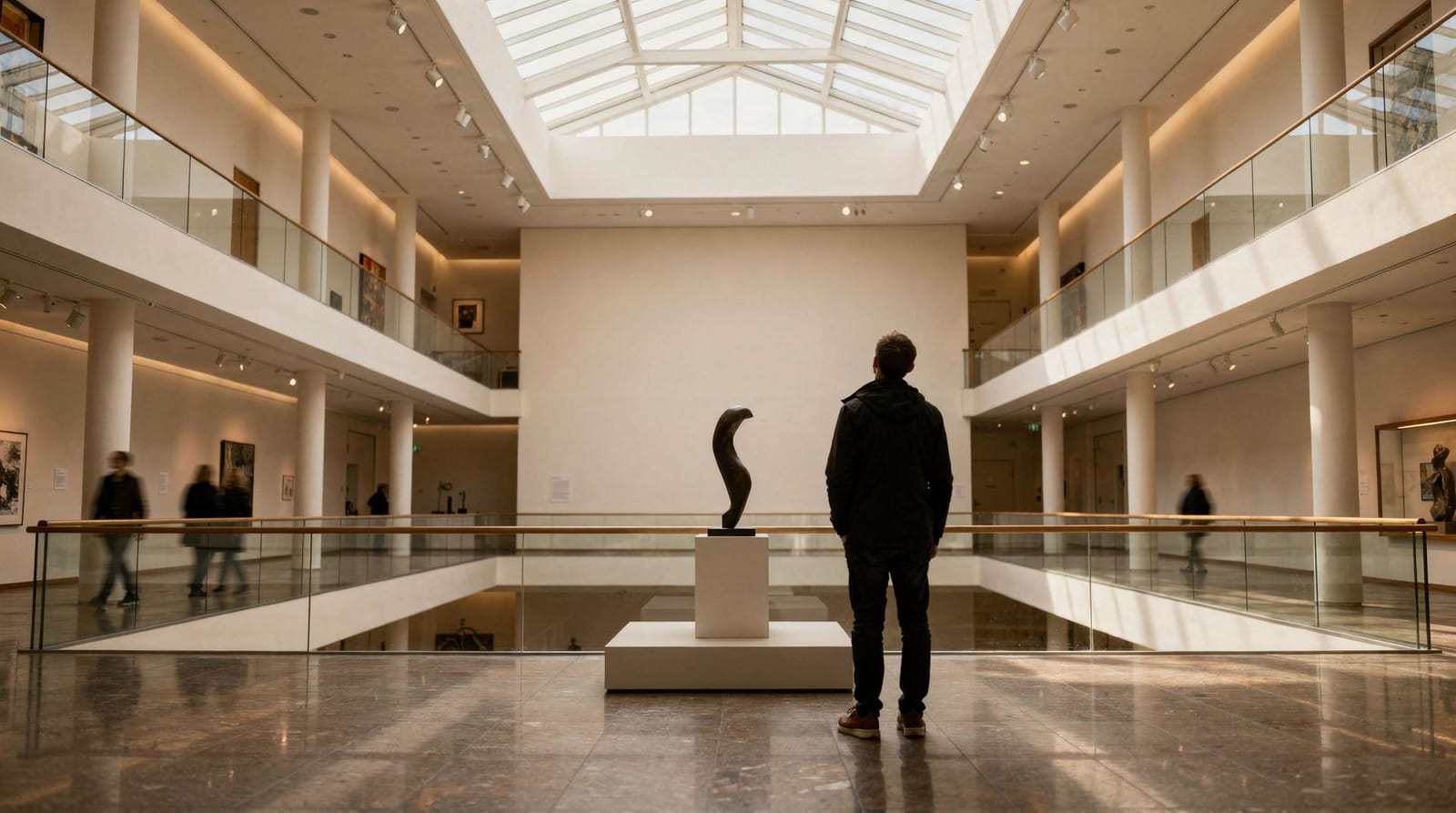
The entrance vestibule is one of the most impressive spaces in any Swedish museum — a double-height hall with a vaulted ceiling, stained glass, and Hazelius’s 14-tonne oak statue of Gustav Vasa occupying the central axis. The statue, carved by Carl Milles (one of Sweden’s most important sculptors), was not completed until 1924, some years after the museum opened. Even visitors who spend ten minutes in the museum and proceed to the Vasa Museum next door frequently cite the entrance hall as memorable.
Fashion and Swedish clothing history (Fashion through the Centuries)
One of the museum’s standout permanent exhibitions, covering Swedish dress from the 17th century to contemporary fashion design. The 17th and 18th-century court dress is exceptionally preserved — brocades, silks, and embroidery that survive better in this climate-controlled collection than similar pieces elsewhere in Europe. The exhibition connects historical dress to contemporary Swedish fashion designers, giving the display a relevance beyond pure history.
Strindberg’s furniture and personal belongings
The museum holds a substantial collection of personal belongings from playwright August Strindberg (1849–1912), including his furniture, paintings (he was also a painter of considerable reputation), and personal effects from his apartment in Stockholm. Strindberg is the most internationally known Swedish literary figure; this section gives cultural weight to a name that visitors may know from theatre but not from biographical context.
Folk art and Swedish regional crafts
The folk art collection covers distinctive regional traditions: the Dala horse (dalahäst) from Dalarna; Kurbits painting (the floral scroll-and-figure tradition from central Sweden); decorative textiles from different counties. These objects are more interesting than they might sound — the best Kurbits painting is as sophisticated as folk art traditions anywhere in Europe, and the context of regional distinctiveness within a single small country is culturally illuminating.
Sami culture
A dedicated exhibition covering the Sami peoples — the indigenous population of Lapland and northern Sweden — and their material culture, including reindeer herding equipment, traditional clothing (kolt), silverwork, and objects relating to the shamanistic tradition. The Nordiska Museet has one of the largest Sami collections outside the Ájtte museum in Jokkmokk. The exhibition treats the Sami heritage as an active living culture rather than a frozen historical display.
Swedish homes through the centuries (Hem och villa)
A popular exhibition presenting fully furnished room interiors from different periods of Swedish domestic life, from modest 17th-century farmhouse interiors to 1960s modernist apartments. The 20th-century sections are particularly resonant for visitors who find Swedish design aesthetics compelling — the interwar functionalism and the 1950s kitchen designs are central documents in the history of Scandinavian design.
Christmas and Swedish seasonal traditions
The museum’s collection of historical Christmas artefacts — decorations, Advent objects, Jul figures — is frequently displayed in dedicated temporary exhibitions in December. The display of historical julenisse, straw decorations, and early Christmas tree ornaments is unusually comprehensive.
Insider tips
Wednesday evenings are extended and quieter. The museum stays open until 20:00 on Wednesdays. Late afternoon on a Wednesday gives you 3–4 uncrowded hours in a building that is genuinely beautiful in evening light.
The building is worth photographing from across the canal. The full facade of Nordiska Museet is best seen and photographed from the south side of Djurgårdsvägen, across the narrow canal — the reflection in the water on still days is exceptional.
Combine with the Vasa Museum. Both are on Djurgårdsvägen literally across the road from each other. A full day on Djurgården allowing 2 hours for Nordiska Museet and 2 hours for the Vasa Museum, with a café break, covers the island’s two most substantial museum experiences. See the Vasa Museum guide.
Children pay only 75 SEK. That is a low child rate by Stockholm’s paid museum standards and makes the Nordiska Museet a very reasonable choice for families. Combined with the free Vasa Museum entry for under-18s, a family with multiple children keeps costs down.
History of the museum
Artur Hazelius founded the Nordic Museum as an extension of his earlier collection work. He had been acquiring Swedish folk objects since the 1860s, originally displaying them in a converted building in Stockholm before the permanent Djurgårdsvägen building was constructed. The collection was built with an explicitly preservationist mission — Hazelius was alarmed by the pace at which industrialisation was destroying regional Swedish material culture, and he acquired objects aggressively during his decades of collecting.
The building was designed by Isak Gustaf Clason and construction began in 1888. The full building was not completed until 1907, some years after Hazelius’s death. The delay was partly financial and partly the result of the building’s extraordinary ambition — the Clason design was one of the most architecturally complex museum buildings constructed in Scandinavia in the period.
Planning around weather and crowds
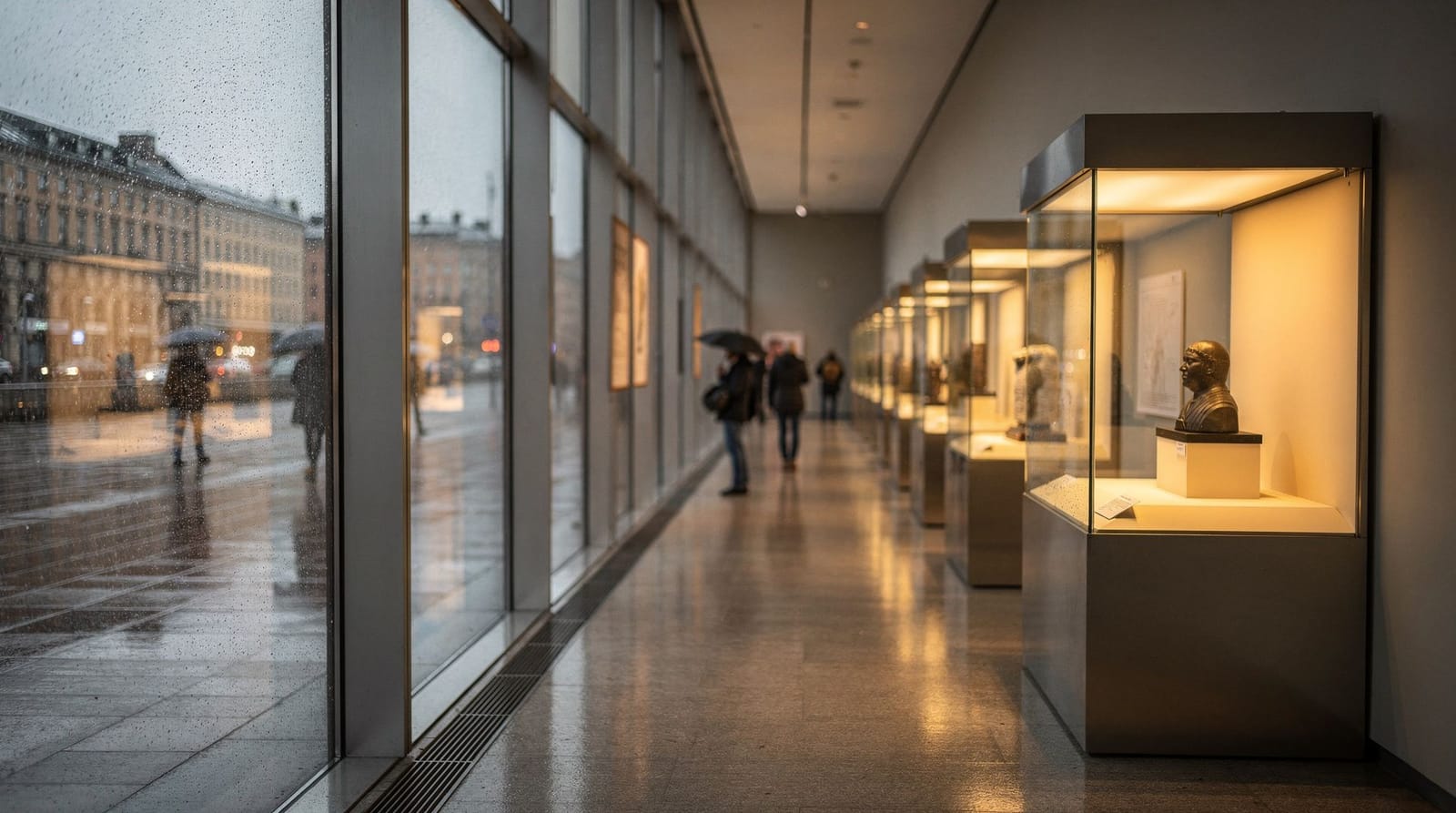
Because the collection is entirely indoors, the museum works as a fallback when the forecast turns. Our rainy day museum guide and the Stockholm with kids family guide both lean on it for that reason. A personal account of choosing it over the open-air option is in the blog post Nordiska Museet: underrated versus Skansen.
If you want a broader view of which days and seasons suit a museum-heavy itinerary, the best time to visit Stockholm guide covers the trade-offs, and the Stockholm winter guide is useful if you are travelling in the dark months, when indoor stops like this one matter most.
Tickets and passes
Online admission: 170 SEK adult, 150 SEK seniors and students, 75 SEK children 3–18 (free on weekdays during autumn and spring school terms).
Stockholm Pass: Included. See the museum pass guide for the full analysis.
Check current Stockholm Pass pricing and inclusionsCombined Djurgården day: No combined discount ticket for Nordiska Museet + Vasa Museum exists, but both are close enough to combine in one day without tour logistics.
Nordiska Museet compared with Djurgården’s other museums
Djurgården has an unusually dense museum cluster, and Nordiska Museet’s pace differs meaningfully from its neighbours:
| Museum | Pace | Best for | Time needed |
|---|---|---|---|
| Nordiska Museet | Slow, exploratory | Swedish design & folk culture enthusiasts | 1.5–2.5 hrs |
| Vasa Museum | Focused, dramatic | Everyone — the single must-see | 1.5–2.5 hrs |
| Skansen | Full-day, active | Families, outdoor time | 3–5 hrs |
| Viking Museum | Quick, thematic | Viking Age specifically | 1–1.5 hrs |
A realistic full Djurgården day pairs Nordiska Museet with the Vasa Museum in the morning, leaving Skansen for a separate visit given its own full-day scope.
If you are weighing a pass against single tickets across several museums, the Stockholm Pass versus Go City versus SL comparison works through the numbers, and the SL pass guide explains the transport side.
Accessibility
The museum has lifts serving all major exhibition floors. The entrance hall is fully accessible; some of the older storage-format exhibition sections have more limited access. Wheelchair-accessible toilets available. Contact the museum for detailed accessibility information.
Getting there
Bus 69: From Nybroplan or Sergels Torg, directly to Djurgårdsvägen/Nordiska Museet.
Tram (Djurgårdslinjen, line 7): From Norrmalmstorg. Nordiska Museet is one of the first stops after crossing Djurgårdsbroen.
On foot from Vasa Museum: Literally across the road — a 2-minute walk.
On foot from Kungsträdgården: A 25-minute flat walk east along Strandvägen and across Djurgårdsbroen.
Where to eat nearby
Nordiska Museet restaurant (on-site): The museum café and restaurant in the lower level serves Swedish lunches and fika.
Rosendals Trädgård: A 15-minute walk into Djurgårdens interior, this biodynamic garden café serves excellent seasonal Swedish food. Very popular in summer — arrive early for outdoor seating.
Museum Café (Vasa Museum): If combining with the Vasa Museum, the café there is good and conveniently located.
Combine with
Vasa Museum: Across the road, the natural same-day pairing. See the Vasa Museum guide.
Skansen: A 15-minute walk east, the open-air museum companion to Nordiska Museet’s indoor collection. Together they make the most comprehensive picture of Swedish cultural history available in Stockholm. See the Skansen guide.
Viking Museum: A short walk east on Djurgårdsvägen, covering the Viking Age period that precedes much of Nordiska Museet’s collection by 600 years. See the Viking Museum guide.
A longer Djurgården day: The Djurgården walking route links the island’s museums and green spaces in a sensible order, and the Stockholm 2 days essential itinerary shows one way to slot a museum morning into a short stay.
Frequently asked questions about Nordiska Museet
What does Nordiska Museet mean?
“The Nordic Museum” — it was founded to collect and preserve the cultural heritage of the Nordic peoples, with a primary focus on Sweden but with holdings from across Scandinavia.
Is the Nordiska Museet underrated?
Consistently, yes. Many visitors to Djurgården prioritise the Vasa Museum and treat the Nordiska Museet as a secondary option. Blog post title comparisons (“Nordiska Museet: underrated vs Skansen”) appear regularly in Stockholm travel writing. The building alone — one of the finest museum buildings in Scandinavia — justifies the visit, and the collections are more interesting than the “folk museum” label implies.
Is Nordiska Museet suitable for children?
Yes, particularly for children interested in Swedish design or folk culture. The 75 SEK child ticket lowers the cost barrier. The fashion exhibition and folk art sections are engaging for older children; the Sami culture exhibition has interactive elements. Very young children may find the space overwhelming; there is no dedicated children’s section equivalent to Skansen’s hands-on areas.
How does Nordiska Museet differ from Skansen?
Both were founded by Artur Hazelius. Skansen presents buildings and living history in an open-air park; Nordiska Museet houses objects in a traditional museum building. Skansen is better for a full day, families with children, and outdoor experiences; Nordiska Museet rewards more leisurely indoor exploration and suits rainy days or visitors with specific interests in Swedish material culture. See the museum rainy day guide for the full indoor comparison.
Is the entrance hall statue actually Gustav Vasa?
Yes — the 14-tonne oak statue depicts King Gustav Vasa, carved by sculptor Carl Milles and installed in 1924, some years after the museum’s 1907 opening. Hazelius chose Gustav Vasa deliberately as a symbolic founder-figure for the Swedish state, anchoring the museum’s mission to preserve national cultural identity. It remains the single most photographed object inside the building, even among visitors who spend most of their time elsewhere in the collection.
Does the museum have a shop worth visiting?
Yes — the ground-floor shop sells Swedish design objects, folk-craft reproductions (including small Dala horses and Kurbits-pattern textiles), and books on Swedish cultural history. It is a more thoughtful souvenir stop than the generic tourist shops on Djurgårdsvägen, with prices reflecting genuine craft quality rather than mass production.
Top experiences
Bookable activities with verified prices and instant confirmation on GetYourGuide.