Stockholm archipelago: complete planning guide
Stockholm's 30,000 islands explained: inner vs outer archipelago, Waxholmsbolaget ferries, SL pass coverage, and which islands suit your style.
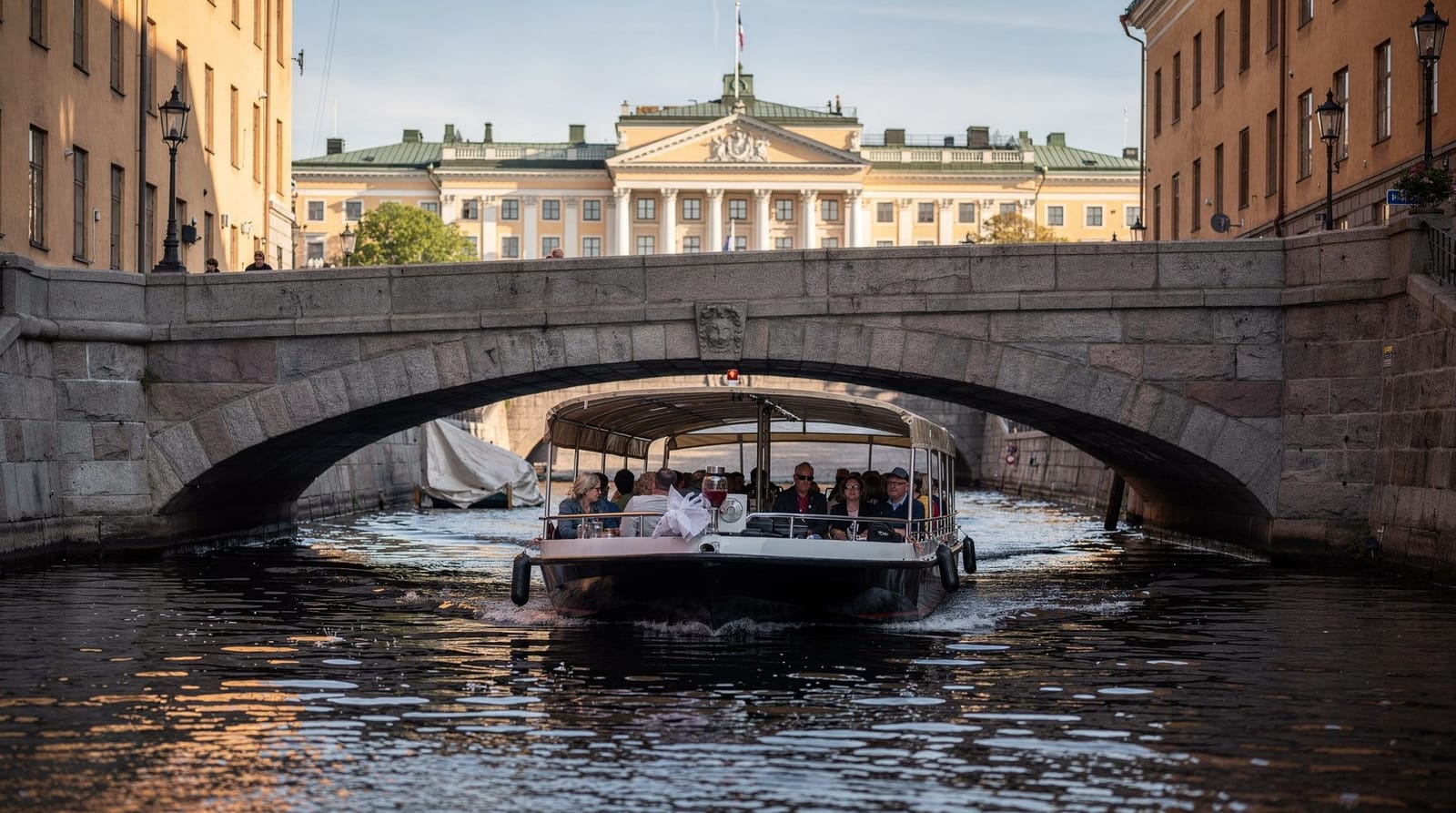
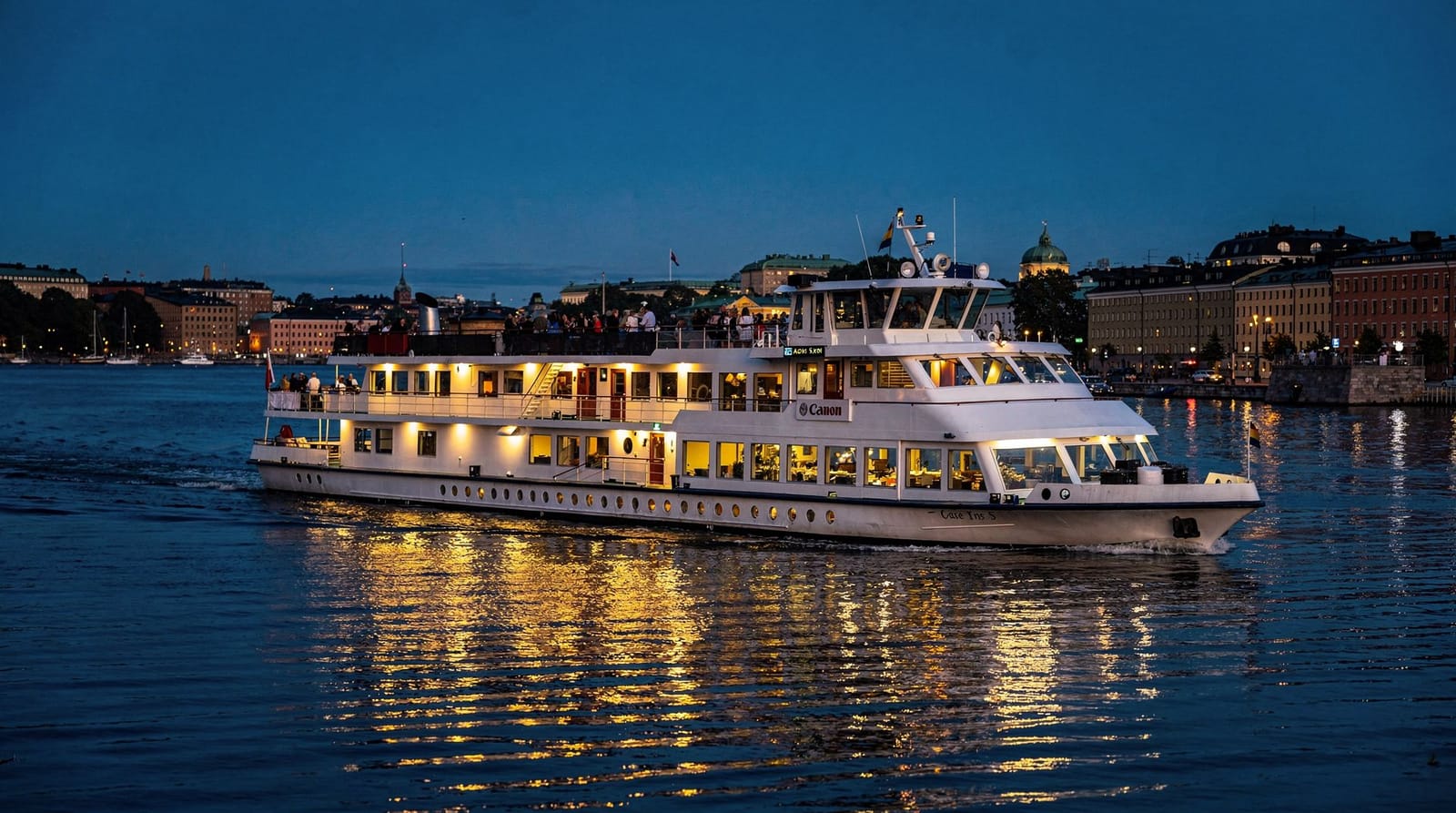
Stockholm: archipelago guided boat tour
Duration: 2 hours
Quick facts
- Islands
- ~30,000 (of which ~1,000 inhabited)
- Season
- May–September (peak ferries); reduced Oct–Apr
- Main terminal
- Strömkajen, central Stockholm
- Ferry operator
- Waxholmsbolaget (public) + Strömma (commercial)
- SL pass valid
- Yes — on Waxholmsbolaget within SL zone
Thirty thousand islands begin here
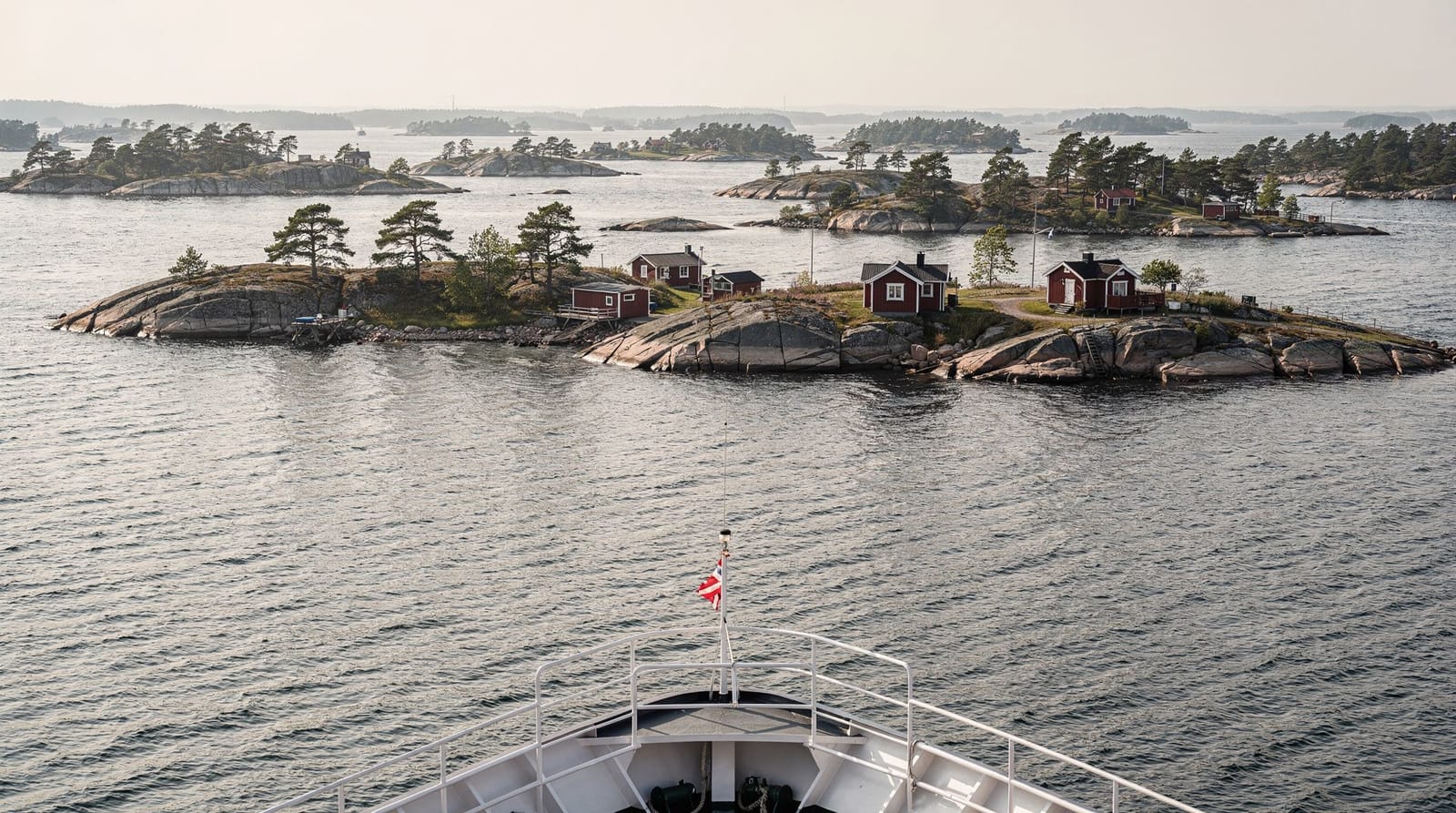
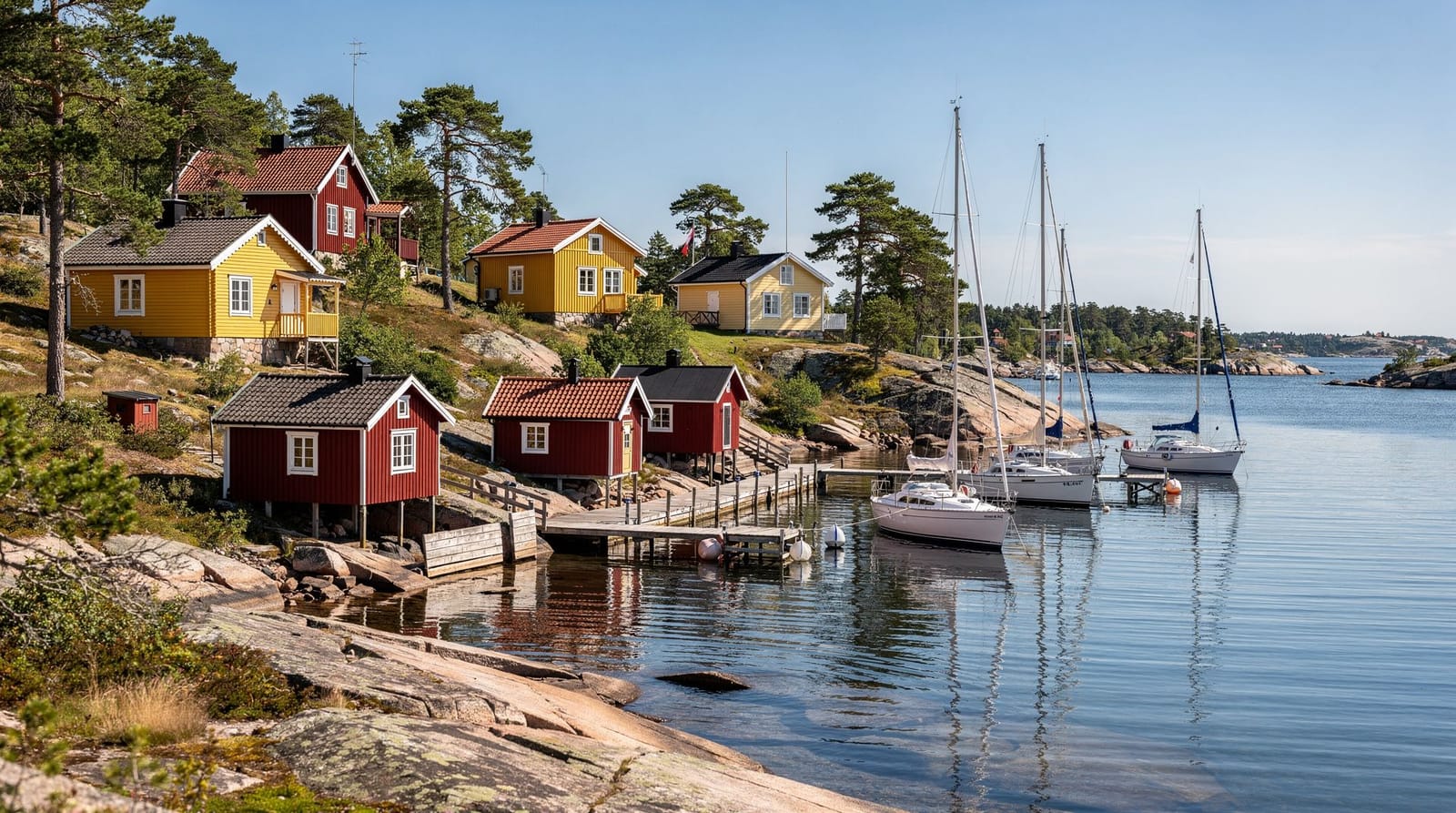
Stockholm occupies a point where Lake Mälaren meets the Baltic Sea, and the result is one of the most complex coastal landscapes in Europe. The Stockholm Archipelago — Stockholms skärgård — stretches roughly 80 kilometres east from the city centre, encompassing approximately 30,000 islands, skerries, and rocks of varying sizes. Around 1,000 of those islands are inhabited, some with year-round residents, many with summer cottages, a few with small towns.
It is the defining geographical feature that separates Stockholm from every other Scandinavian capital, and the single aspect of a Stockholm visit that most surprises first-time visitors. The city does not simply end at the water — it dissolves gradually into the sea through hundreds of islands, each one slightly smaller and flatter and more remote than the last, until the outermost rocks are just granite slabs washed by the open Baltic.
This guide explains the practical structure of the archipelago — how it is divided, which ferries go where, what each zone offers, and how to plan a visit whether you have half a day or three days.
| Islands | ~30,000, of which ~1,000 inhabited |
| Departure point | Strömkajen, central Stockholm |
| Ferry operators | Waxholmsbolaget (SL-covered) + Strömma (commercial) |
| Season | May–September peak; reduced October–April |
| Best for | Half-day tastes to multi-day island hopping |
Inner, middle, and outer archipelago
The archipelago is conventionally divided into three zones by distance and character, though the boundaries are fluid.
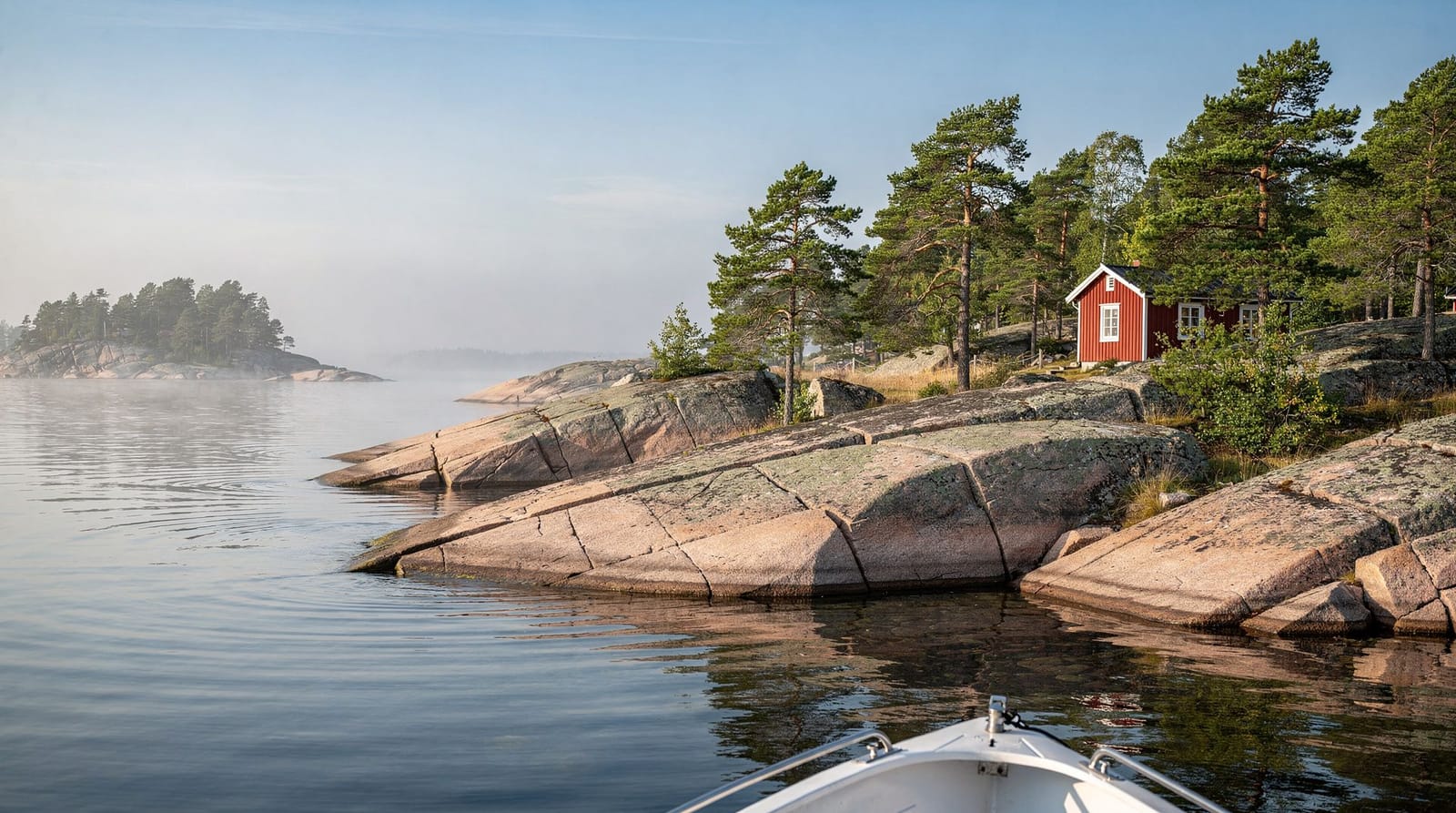
Inner archipelago (inre skärgård): roughly 0–30 kilometres from Stockholm. The islands here are densely forested with pine and birch, often hilly, and connected by relatively frequent ferry services year-round. The water between islands is narrow and sheltered, more like channels than open sea. Vaxholm is the most accessible substantial town. Fjäderholmarna — the Feather Islands — sit barely 25 minutes from Slussen by ferry and count as the closest point of the inner archipelago. The inner zone is covered by SL transit passes.
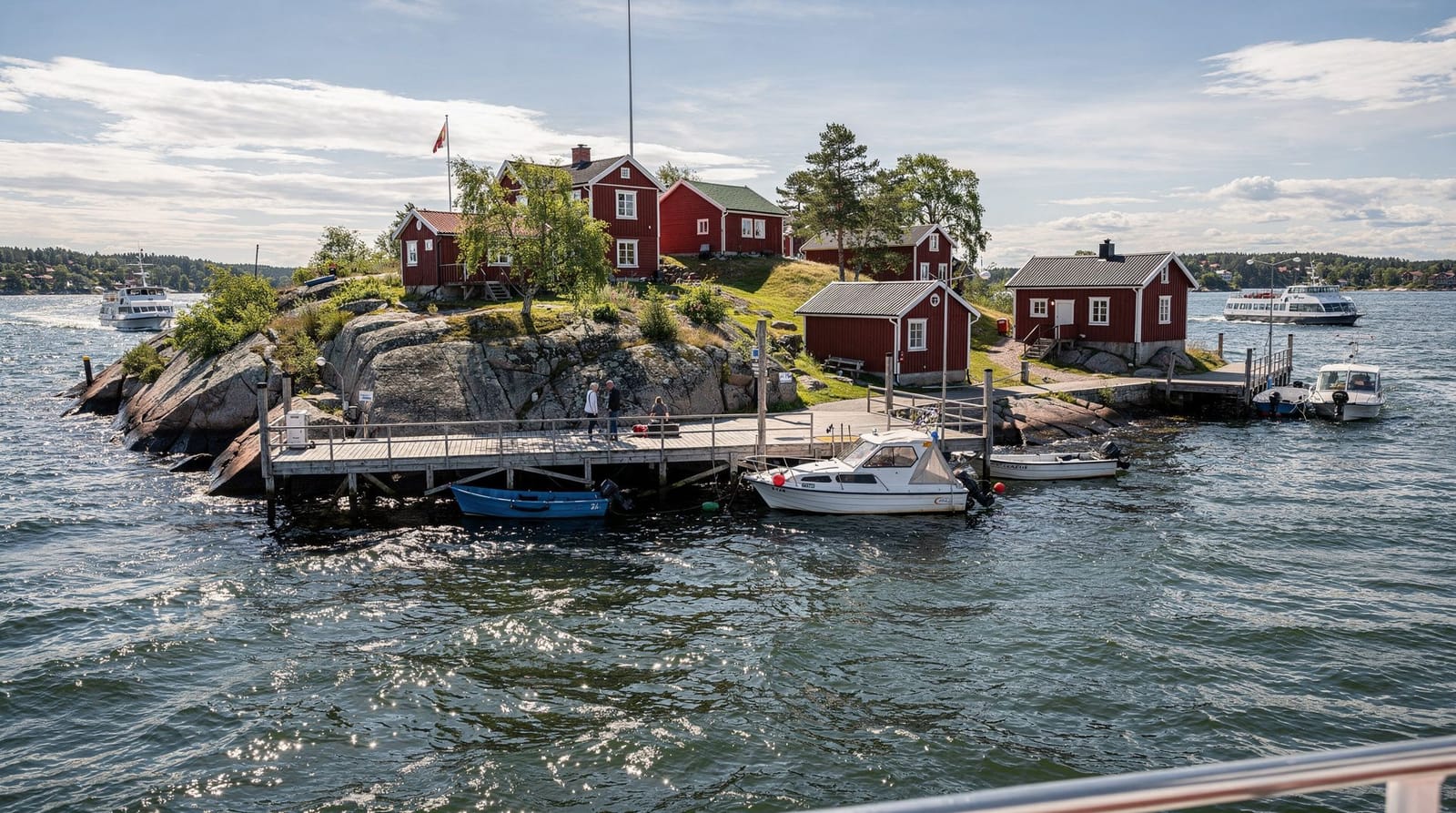
Middle archipelago (mellersta skärgård): roughly 30–60 kilometres out. The islands grow flatter and more exposed, with less tree cover and more granite. Grinda and Möja are characteristic islands of this zone — accessible in about an hour or two by Waxholmsbolaget ferry, with hiking trails, swimming coves, and a handful of guesthouses. The ferry schedule thins out compared to the inner zone, but regular service runs throughout the summer season.
Outer archipelago (yttre skärgård): beyond 60 kilometres, the islands are mostly low, treeless, and exposed to open Baltic weather. Sandhamn is the main destination in the outer zone — a sailing hub and small town at the edge of the navigable outer archipelago. Utö and Landsort are further alternatives. Ferries reach Sandhamn in around two hours from Stockholm in summer, at prices outside the SL pass.
Waxholmsbolaget vs Strömma: which ferry to take
Waxholmsbolaget is the public ferry operator, run by Region Stockholm as part of the public transport system. This matters practically: if you hold an SL 24-hour, 72-hour, or 7-day transit pass, you can use Waxholmsbolaget ferries within the SL zone at no additional cost. The zone covers the inner archipelago and some middle-archipelago routes. Waxholmsbolaget does not require advance reservations — you board at the pier, pay if not using an SL pass, and find a seat. Ferries run year-round on main routes, with a compressed winter schedule.
Strömma is a commercial operator running tourist-oriented cruises and some archipelago services, including the Cinderella boats to destinations including Sandhamn. Strömma boats are larger and more comfortable on long routes but cost considerably more than Waxholmsbolaget, and are not covered by the SL pass. Advance booking is strongly recommended in summer for Strömma boats, particularly at weekends.
For practical travel to inhabited islands — Vaxholm, Grinda, Sandhamn — Waxholmsbolaget serves the first two, and is the cheaper option overall (an SL period card is valid on its boats outside summer; in summer, check the fare). The choice is not about quality (both operators are fine) but about cost and flexibility.
Strömkajen: the departure point
The main embarkation terminal for archipelago ferries is Strömkajen (Strom Quay), on the waterfront directly outside the Grand Hotel and opposite the Royal Palace. This is a central, easy-to-find location — walk out of Gamla Stan across Strömbron bridge and turn right along the waterfront, or walk from T-Centralen metro station in about 10 minutes. The Strömma Cinderella boats and several tourist cruises also depart from Strömkajen. Signs at the quay indicate which boats depart from which berth.
Waxholmsbolaget boats on some routes also depart from Nybrokajen (a 5-minute walk east of Strömkajen along the waterfront) and from Stavsnäs västra further out, depending on route. Check the specific departure pier when planning your route via the SL app or Waxholmsbolaget website.
Best islands by profile
First-time visitors with half a day: Fjäderholmarna. Twenty-five minutes from Slussen, no advance booking needed in summer, smoked fish, a microbrewery, and swimming off the rocks. A genuine archipelago experience without any planning complexity. See the Fjäderholmarna guide.
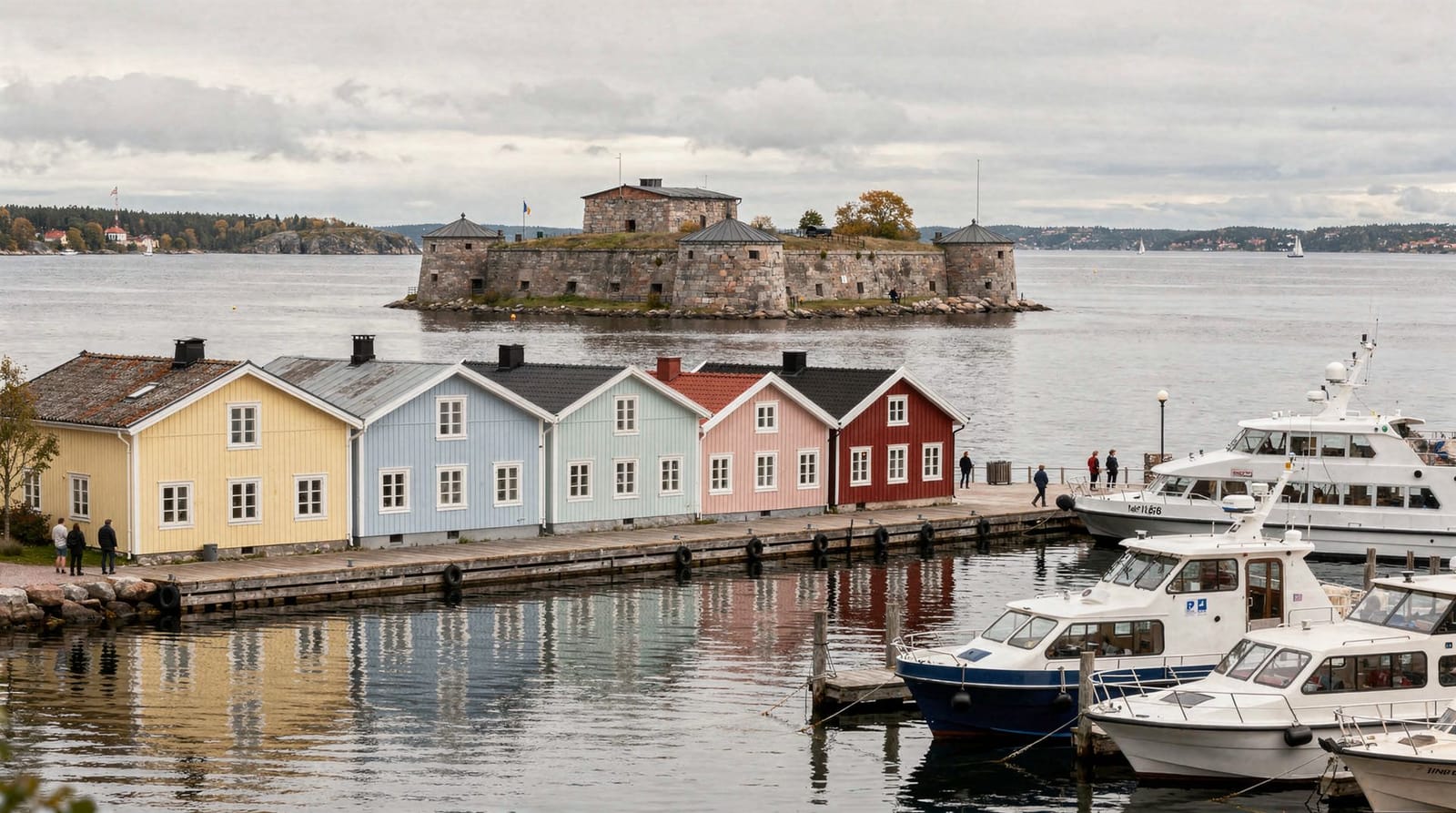
First-time visitors with a full day: Vaxholm. One hour from Strömkajen on the SL pass, a proper town with 19th-century wooden architecture, Vaxholm Fortress on its own islet, waterfront restaurants, and the feeling of being deep in the archipelago without a long journey. See the Vaxholm guide.
Nature and hiking: Grinda. An island with proper hiking trails around the north and south of a substantial forested interior, excellent swimming coves, and Grinda Wärdshus for lunch or overnight. Just over an hour from Stockholm. See the Grinda guide.
Overnight stay and sailing atmosphere: Sandhamn. The outer archipelago town at the mouth of the Stockholm fairway, a key destination for yachts crossing the Baltic, with real restaurants and the setting for Swedish crime drama. Plan 2h+ travel each way and stay at least one night if the ferry schedule allows. See the Sandhamn guide.
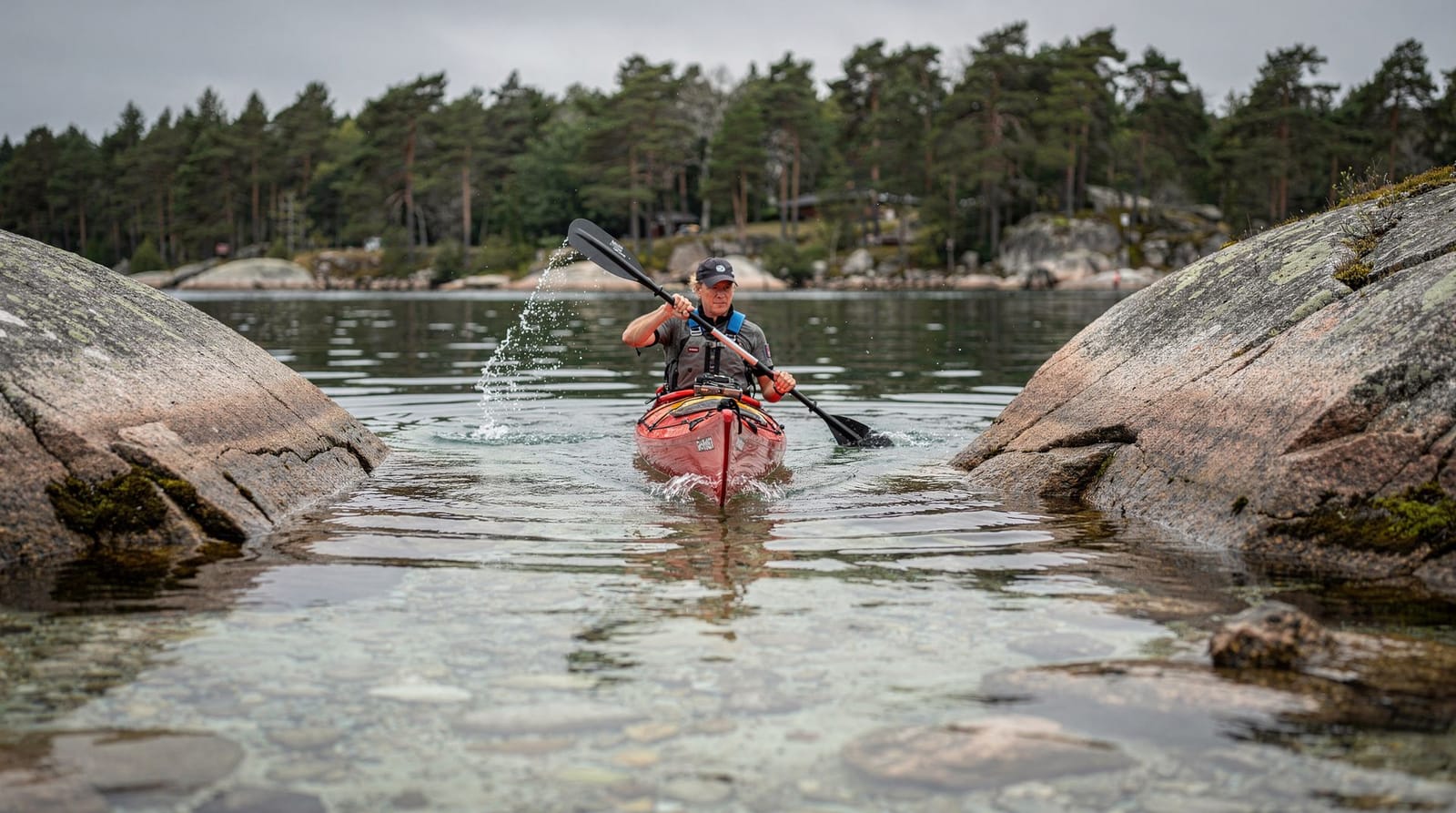
Active adventure: The archipelago’s combination of sheltered water, right-to-roam access, and granite landing points makes it exceptional for sea kayaking. An archipelago kayak tour with island picnic gives a guided half-day to full-day experience from the city. More adventurous visitors can book multi-day kayak and camping trips through specialist operators.
Summer vs winter in the archipelago
May to September is when the archipelago is fully operational. Most island restaurants and guesthouses open from late April or early May, ferry services run at maximum frequency, and the long Scandinavian days give 16–18 hours of usable light in June. The Swedish school summer holiday begins in late June, making July the most crowded month across all islands. If you want summer conditions without the peak crowds, late May to mid-June and the whole of September are the optimal windows.
October to April sees a dramatic reduction in services. The outer archipelago largely shuts down — Sandhamn’s restaurants close, Grinda’s guesthouse operates by arrangement only. The inner archipelago keeps year-round ferry service, and Vaxholm retains its town life, but the mood is entirely different: quiet, often cold, and best suited to travellers who specifically want the winter Baltic atmosphere. Ice occasionally forms on sheltered channels in January and February, creating extraordinary landscapes. Winter kayaking with sauna is offered by specialist operators for those who find this appealing rather than alarming.
Allemansrätten: the right to roam
Sweden’s allemansrätten — the Freedom to Roam — is enshrined in Swedish law and is not merely theoretical. It grants everyone the right to pass through, camp on, swim from, and pick berries and mushrooms on private land, as long as you stay more than 70 metres from inhabited dwellings and do not damage the land or disturb the owners. In the archipelago, this means you can legally land your kayak or dingy on virtually any uninhabited island or skerry, camp for up to two nights, and swim from any granite shoreline.
The practical effect is that the archipelago operates as a vast public natural resource even though much of it is privately owned. Day-trippers landing from public ferries at designated island stops are welcome on the rocks and paths; kayakers can camp on uninhabited islands without booking in advance. The etiquette is to take all litter away, not light fires in dry conditions, and give occupied summer cottages genuine space.
Understanding allemansrätten changes how you think about the archipelago. It is not a collection of tourist attractions that you visit — it is a landscape you move through, with the same right as any Swedish resident.
Guided boat tours from the city
For visitors who want an archipelago experience without the logistics of individual ferry journeys, a Stockholm archipelago sightseeing cruise offers a 1.5–3 hour guided trip into the inner and middle archipelago from the city centre. These tours pass through the narrow channels between wooded islands and include commentary on the landscape, ecology, and history of the skärgård — a useful orientation before committing to a full island day trip.
The two-hour RIB speed boat tour covers more ground in the same time and gives a very different experience — fast, spray-drenched, covering the outer approaches of the inner archipelago in a way that a slower boat cannot.
For a full day in the archipelago without any planning on your part, the full-day archipelago sailing tour takes a group of eight hours through the islands with lunch included — a good choice for visitors who want the genuine sensation of being deep in the skärgård without managing ferries, maps, or packed lunches.
Understanding the ferry timetable
The Waxholmsbolaget timetable is the key document for any archipelago visit. It is available in the SL app under “Archipelago Ferries” and on the Waxholmsbolaget website. Several things are worth understanding about how it works.
Routes: Waxholmsbolaget runs multiple named routes, each serving a specific chain of islands. The most important for standard day-trippers are Line 80 (Strömkajen → Fjäderholmarna → Vaxholm → further islands), Line 83 (toward Grinda), and Line 84 (toward Sandhamn approaches). The destination you want determines which line you board — do not assume all archipelago ferries go to the same places.
Frequency: In summer (approximately June–August), major routes run every 30–60 minutes from Strömkajen in morning and midday hours, with a compressed evening schedule. Off-season frequency drops to 2–4 services per day on some routes. The critical number is the last return ferry — knowing this when you arrive is essential for avoiding an unplanned overnight.
Journey times: These are approximate and vary by vessel and intermediate stops. The same route can take 55 minutes or 90 minutes depending on the boat and how many intermediate piers it serves. Allow buffer time when planning connections.
SL zone boundaries: Not all Waxholmsbolaget routes are covered by the SL pass throughout their entire length. Some routes pass in and out of the SL zone as they proceed further from Stockholm. The SL app shows whether a specific journey is covered. For Grinda, an SL period card is valid on Waxholmsbolaget boats in autumn, winter and spring; in summer, check the fare with the operator (per grinda.se). Sandhamn is not covered (it is a Strömma commercial service anyway).
Kayaking the archipelago
Sea kayaking is arguably the archipelago’s best-suited activity given its combination of sheltered channels, granite landing points, and allemansrätten access. Guided options range from a half-day introductory paddle around the inner islands to multi-day expeditions with wild camping on uninhabited skerries. The kayaking Stockholm archipelago guide covers route options, difficulty levels, and what to expect from a first paddle for visitors with no prior kayaking experience.
For visitors deciding between a guided kayak tour and a self-guided rental, the guided option removes the route-planning and safety judgment calls that matter more in open water than on a lake — a sensible default unless you already have sea-kayaking experience specifically. The archipelago overnight guide covers what a multi-day wild-camping kayak trip actually involves logistically, from food planning to weather contingencies.
The archipelago in cultural context
The Stockholm Archipelago is not merely a geographical feature — it is embedded in Swedish culture, literature, and national self-understanding in ways that a brief visit does not immediately convey.
August Strindberg wrote extensively about the archipelago in the 1880s and 1890s, and his trilogy Hemsöborna (The People of Hemsö, 1887) is the foundational Swedish archipelago literary work — a dark comedy of social disruption set on a real island south of Stockholm. Strindberg spent summers in the archipelago throughout his life, and the outer island landscape is visible in his paintings as much as his prose. Reading Hemsöborna before visiting gives the archipelago landscape an additional layer.
Swedish summer cottage culture (sommarstugekultur) is organised around the archipelago. Approximately one in five Swedish households has access to a summer cottage, and a significant proportion of these are in the Stockholm archipelago. The Swedish school summer holiday (late June–early August) triggers a mass migration from the city to the islands that is one of the defining social rhythms of Swedish life. Visitors who arrive in late July and find the ferry crowded with families carrying large quantities of luggage are witnessing this migration in progress — not tourism, but Swedish summer life at scale.
Allemansrätten (the Freedom to Roam) takes on its full meaning in the archipelago context. The law’s origins are medieval — the right of travellers to cross private land without permission — but its modern application in the archipelago means that tens of thousands of people kayak, camp, and hike across privately owned islands every summer with the full legal and cultural backing of Swedish society. This is not a tolerated exception to property rights; it is an explicit priority: the public’s right to use natural landscape ranks above landowners’ exclusive enjoyment of it.
Comparing the ways to see the archipelago
Visitors approach the archipelago in fundamentally different ways depending on time, budget, and appetite for independent logistics. This comparison covers the main options.
| Approach | Cost | Time | Best for |
|---|---|---|---|
| Waxholmsbolaget to Vaxholm/Fjäderholmarna | SL pass or ~single fare | Half day | Independent travelers, budget-conscious |
| Guided sightseeing cruise | Moderate | 1.5–3 hours | No-planning taste of the inner islands |
| Full-day guided sailing tour | Higher, lunch included | 8 hours | Hands-off full-day experience |
| Strömma to Sandhamn | Higher, no SL coverage | Full day or overnight | Outer-archipelago sailing atmosphere |
| Multi-day kayak and camping | Highest, specialist operator | 2–3 days | Active adventure, allemansrätten immersion |
For a first archipelago experience, the Waxholmsbolaget-to-Vaxholm route or a short guided cruise both give a genuine taste without a large budget or time commitment. Reserve the multi-day kayak options for a second Stockholm trip or a visit specifically built around the archipelago.
Packing for an archipelago day trip
Layers: Even a warm Stockholm summer day can turn cool on open water — bring a windproof or fleece layer regardless of the forecast, especially for middle- and outer-archipelago routes.
Footwear: Sturdy sandals or trainers suit most island paths; granite rocks are excellent for sitting and swimming but can be slippery when wet.
Swimwear: Worth carrying even on a short trip — spontaneous swimming from granite ledges is one of the archipelago’s defining pleasures, and allemansrätten gives you the right to do it almost anywhere.
Cash and cards: Sweden is close to fully cashless; a card is sufficient everywhere, though ATM access thins out beyond the inner archipelago.
Food: Bring a packed lunch for any island beyond Vaxholm or Grinda if you want to avoid the higher food prices on smaller islands, particularly outside July.
Getting to Strömkajen and practical logistics
From T-Centralen, walk south across the Riksdag bridge and continue along the waterfront — about 12 minutes on foot. Alternatively, bus lines serve the waterfront area. In summer, Strömma also runs a shuttle service from Strömkajen to several destinations including Artipelag and some island tours.
SL pass tips: The SL 72-hour pass (approximately 360 SEK) covers unlimited travel on metro, bus, tram, and Waxholmsbolaget ferries within the SL zone. For visitors combining city sightseeing with an inner archipelago day, this is usually better value than buying separate ferry tickets. Check the Waxholmsbolaget website to confirm which specific routes are SL-zone covered before travelling.
Food and supplies: Most inhabited islands have at least a summer café or kiosk, but hours are irregular outside July. Bringing your own lunch and plenty of water is sensible for any island beyond the inner zone. Grinda and Sandhamn have proper restaurants, but prices are higher than in Stockholm.
Swimming: The granite rocks of the archipelago are excellent natural swimming spots throughout the summer. Water temperature in the outer archipelago reaches 18–20°C in July and August. Jellyfish are occasionally present in August in the outer zone.
Winter in the archipelago: a different landscape entirely
Most visitors picture the archipelago in its summer form, but the winter version — quieter, colder, and only reachable in the inner zone with regular ferry service — has its own dedicated following. Ice occasionally forms in sheltered channels in January and February, creating a landscape of frozen water and snow-dusted granite that bears little resemblance to the green-and-blue summer version. Winter kayaking with a sauna stop afterward is offered by specialist operators for visitors who find the contrast appealing rather than uncomfortable. The winter archipelago guide and the archipelago winter vs summer comparison cover what is actually open and reachable outside the May–September season, since most restaurants and guesthouses beyond the inner zone close entirely.
Combining archipelago with city itineraries
The archipelago works best as a dedicated day or half-day within a Stockholm visit rather than something squeezed into a city-focused itinerary. The ferry journey itself is part of the experience — watching Stockholm’s density dissolve into islands over an hour requires a certain commitment of time that rewards rather than punishes.
The Stockholm summer archipelago 5-day itinerary dedicates two full days to island hopping, with Vaxholm and Grinda as the main stops and Sandhamn as an optional overnight extension. The 4-day Stockholm with archipelago itinerary works the islands into a first-visit structure alongside the city’s main museums and Gamla Stan.
For the city side of any visit that includes the archipelago, the Stockholm destinations hub covers Djurgården, Gamla Stan, Södermalm, and the other urban areas in the same depth as the islands.
Frequently asked questions about the Stockholm archipelago
Is the Stockholm archipelago worth visiting for just half a day?
Yes, genuinely. Fjäderholmarna is 25 minutes from Slussen by ferry (April–September) and gives an authentic archipelago experience — granite rocks, pine forest, smoked fish, swimming — in a morning or afternoon. Even a 2-hour archipelago boat tour from Strömkajen gives a meaningful taste of the landscape. The archipelago is not a destination that requires a multi-day commitment to be worthwhile.
Do I need to book archipelago ferries in advance?
For Waxholmsbolaget (public ferries), no — you board at the pier and pay on board or use your SL pass. For Strömma commercial boats (including the Cinderella boats to Sandhamn), advance booking is strongly recommended on summer weekends. Strömma boats are popular and sell out.
Is the SL pass worth buying for the archipelago?
If you are spending 3 or more days in Stockholm and plan at least one archipelago day trip to an inner-archipelago destination, the 72-hour SL pass (approximately 360 SEK) pays for itself including the ferry. The SL 7-day pass (approximately 470 SEK) is excellent value for a longer visit with multiple island trips. Check the Waxholmsbolaget route map to confirm which destinations fall within the SL zone.
What is the best month to visit the Stockholm archipelago?
Late May and early June offer the best combination of long days (16–18 hours of light), reasonable ferry frequency, open island restaurants, and significantly lower crowds than July. September is the local favourite — the tourists have gone, the water is at its warmest (from summer heating), the light is golden, and the birch trees turn. July is peak season and peak crowds; still wonderful, but book accommodations well in advance.
Can I swim in the Stockholm archipelago?
Yes, extensively. The granite ledges and rocks throughout the archipelago are natural swimming platforms. Water temperature reaches 18–22°C in the outer archipelago in July–August. The inner archipelago tends to be a few degrees warmer in sheltered channels. Under allemansrätten you have the right to swim from any shoreline not immediately adjacent to a private dwelling.
Which islands are reachable without a car?
All the main tourist islands — Fjäderholmarna, Vaxholm, Grinda, Sandhamn — are reached by public ferry from Stockholm. No car is needed or useful. Most inhabited islands have no cars at all beyond those belonging to permanent residents.
Is Midsummer (Midsommar) a good time to visit the archipelago?
Midsummer weekend (third weekend of June) is the Swedish national holiday, and many Stockholmers migrate to island summer cottages for it. The islands themselves are atmospheric and full of Swedish families celebrating, but ferry services can be unusually crowded and some tourist facilities in the city close. Plan carefully, book any accommodation months in advance, and consider visiting the archipelago the week before Midsummer instead.
What is the difference between the inner and outer archipelago in practice?
The inner archipelago (Vaxholm, Fjäderholmarna) is wooded, sheltered, SL-covered, and reachable in under an hour — the easy, low-commitment option. The outer archipelago (Sandhamn) is exposed, granite-dominated, not SL-covered, and takes over two hours each way — a bigger commitment better suited to an overnight stay. The middle zone (Grinda) sits between the two in every respect: forested but flatter, just over an hour away, with proper hiking trails.
Top experiences
Bookable activities with verified prices and instant confirmation on GetYourGuide.