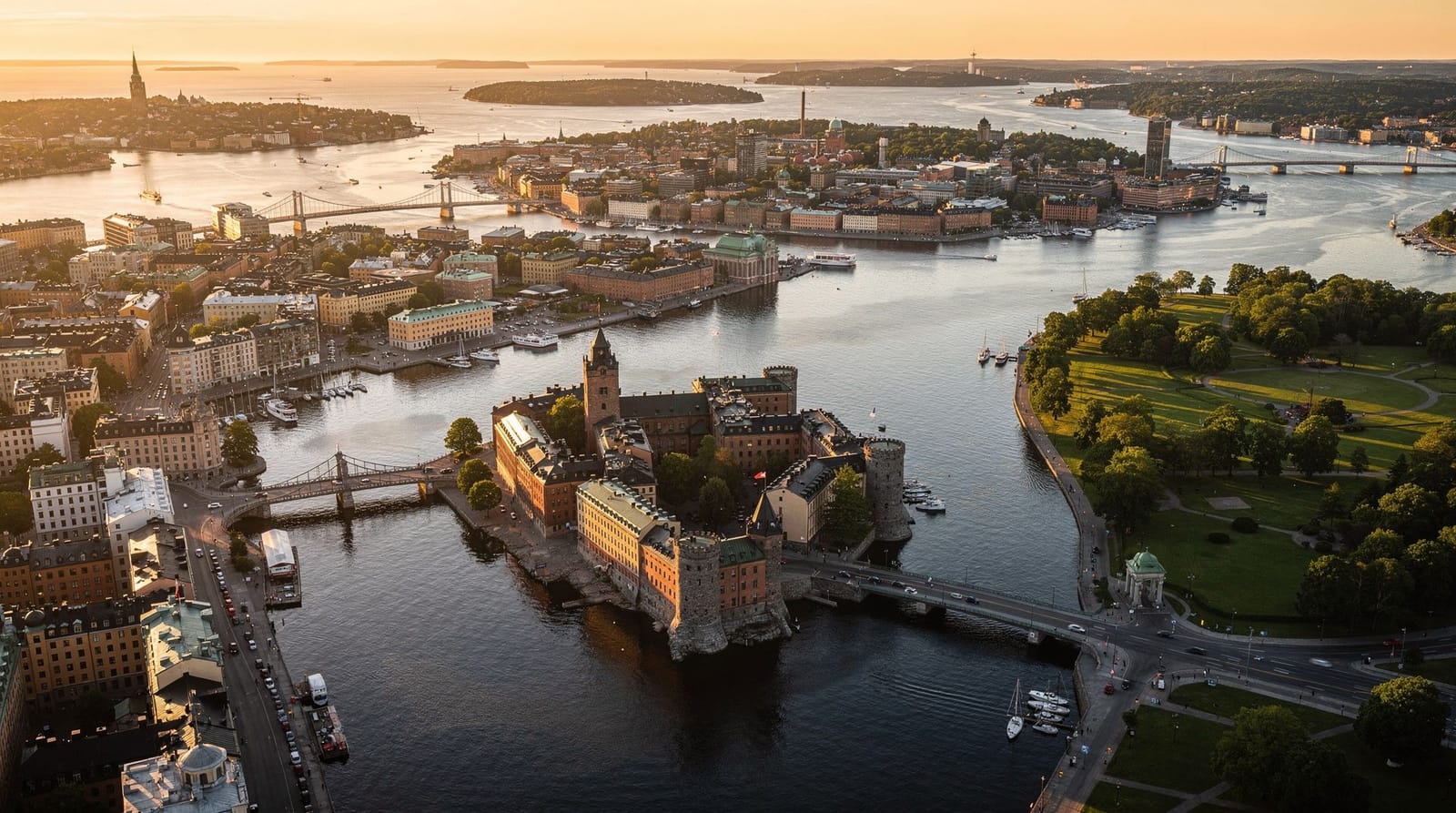
Stockholm in 7 days: the slow-travel immersive itinerary
Stockholm: Go City Stockholm Pass — save up to 50%
Seven days: enough to understand Stockholm on its own terms
The difference between a five-day visit to Stockholm and a seven-day visit is not two more museums — it is a different relationship with the city. With seven days, you stop navigating and start inhabiting. You have a favourite café in Södermalm. You take the long route back from the museum because you are not in a hurry. You spend a morning doing nothing in particular on a granite island and feel no guilt about it.
This itinerary is designed for travellers who want to leave Stockholm with a felt understanding of the city rather than a verified checklist. It uses three days for the city core, two days for the archipelago (including an overnight option), and two days for day trips (Birka and Drottningholm or Sigtuna) that put the city in its wider Swedish context.
The pace throughout is slower than the three- or five-day itineraries. There are gaps in the schedule — deliberate gaps for fika, for sitting on the water, for the kind of exploratory walking that only happens when you are not managing time to the half-hour.
Day-by-day overview
| Day | Focus | Area |
|---|---|---|
| Day 1 | Gamla Stan + the historical core | Gamla Stan, Kungsholmen |
| Day 2 | Djurgården museum day | Djurgården |
| Day 3 | Södermalm neighbourhood + Fotografiska | Södermalm |
| Day 4 | Birka Viking island boat trip | Birka, Lake Mälaren |
| Day 5 | Vaxholm overnight or archipelago day | Stockholm Archipelago |
| Day 6 | Drottningholm + Grinda return | Lake Mälaren, Djurgården |
| Day 7 | Vasastan, Moderna Museet, and slow departure | Vasastan, Skeppsholmen |
Day 1: Gamla Stan and the city’s historical core
Morning: arriving in Gamla Stan
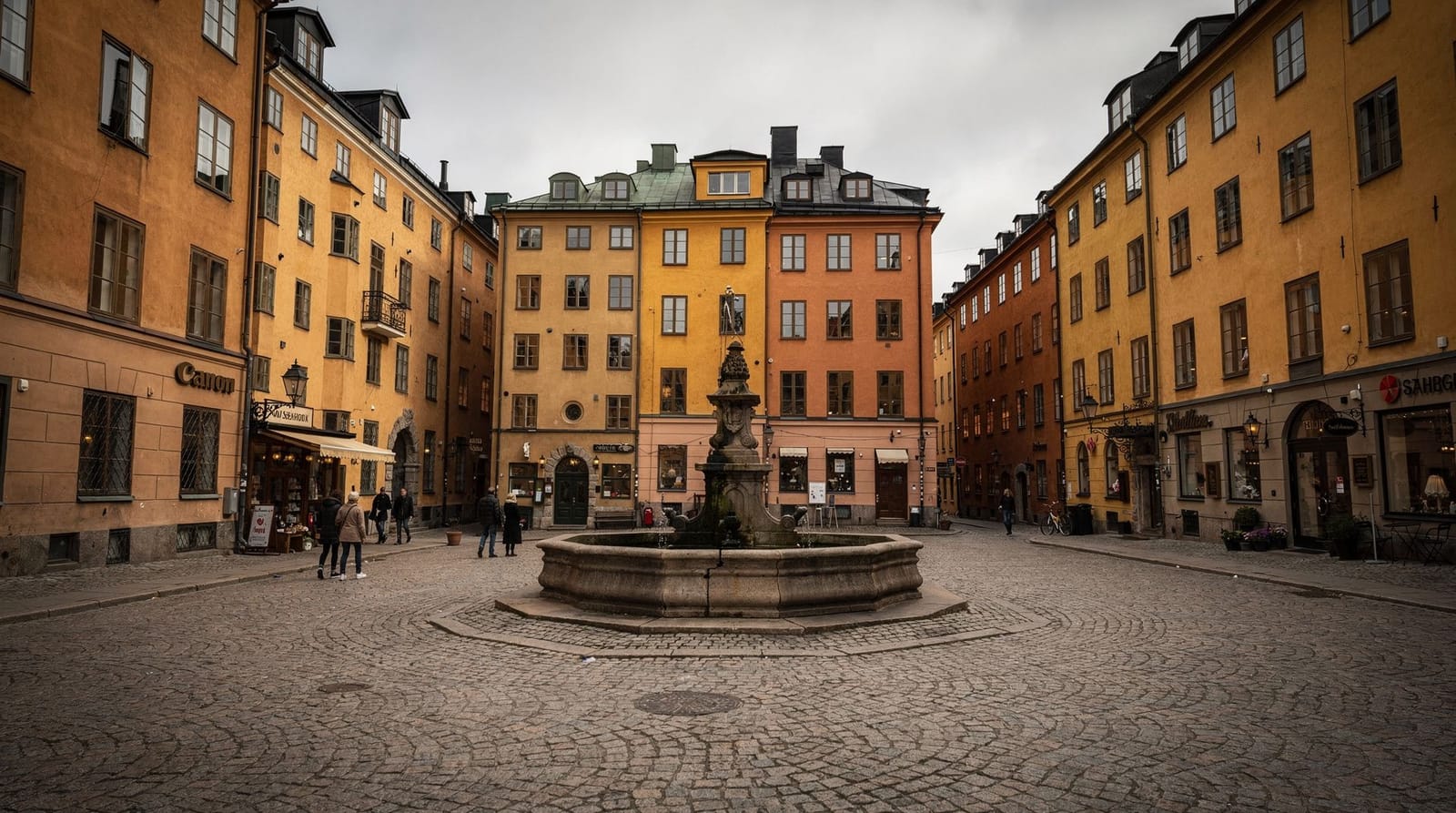
Begin at 9am — Gamla Stan is quietest in the first hour before the tour group buses arrive. Enter from Slussen and walk the medieval grid counterclockwise: south through Köpmantorget with its medieval wells, west along Österlånggatan, north to Stortorget.
Stortorget is where Stockholm’s history concentrates. The Nobel Museum on the north side; the medieval Stock Exchange building; the site of the 1520 Bloodbath. Read the Gamla Stan neighbourhood guide before arriving — the street-level details reward preparation.
10:30am — Royal Palace (exterior and Changing of the Guard)
The palace interior requires 2–3 hours if you visit all wings; on a seven-day itinerary, you have the luxury of skipping the interior on day one (there is time later) and simply experiencing the scale of the building and the guard ceremony. The Changing of the Guard at 12:15pm daily (summer) is one of Stockholm’s genuinely impressive ceremonial traditions.
12:00pm — City Hall (Stadshuset)
Walk west from Gamla Stan along the waterfront to Kungsholmen and Stockholm City Hall. The City Hall — completed in 1923 and the venue for the Nobel Prize dinner since the 1930s — is one of the finest buildings in twentieth-century Scandinavia. Guided tours run on the hour; the Golden Hall (Gyllene salen), with its 18 million gold mosaic tiles, justifies the entrance fee. Book the tower visit for the panoramic view.
2:00pm — Gamla Stan afternoon
Return to Gamla Stan for the afternoon. On a seven-day itinerary, explore what the morning’s pace did not reach: the Riddarhuset (House of Nobility) and the medieval church of Storkyrkan.
7:00pm — Dinner: Old Town or Norrmalm
Reserve at Kryp In (Gamla Stan) or one of the Östermalm restaurants. Day one should not be rushed — eat well, stay late.
Day 2: Djurgården at full depth
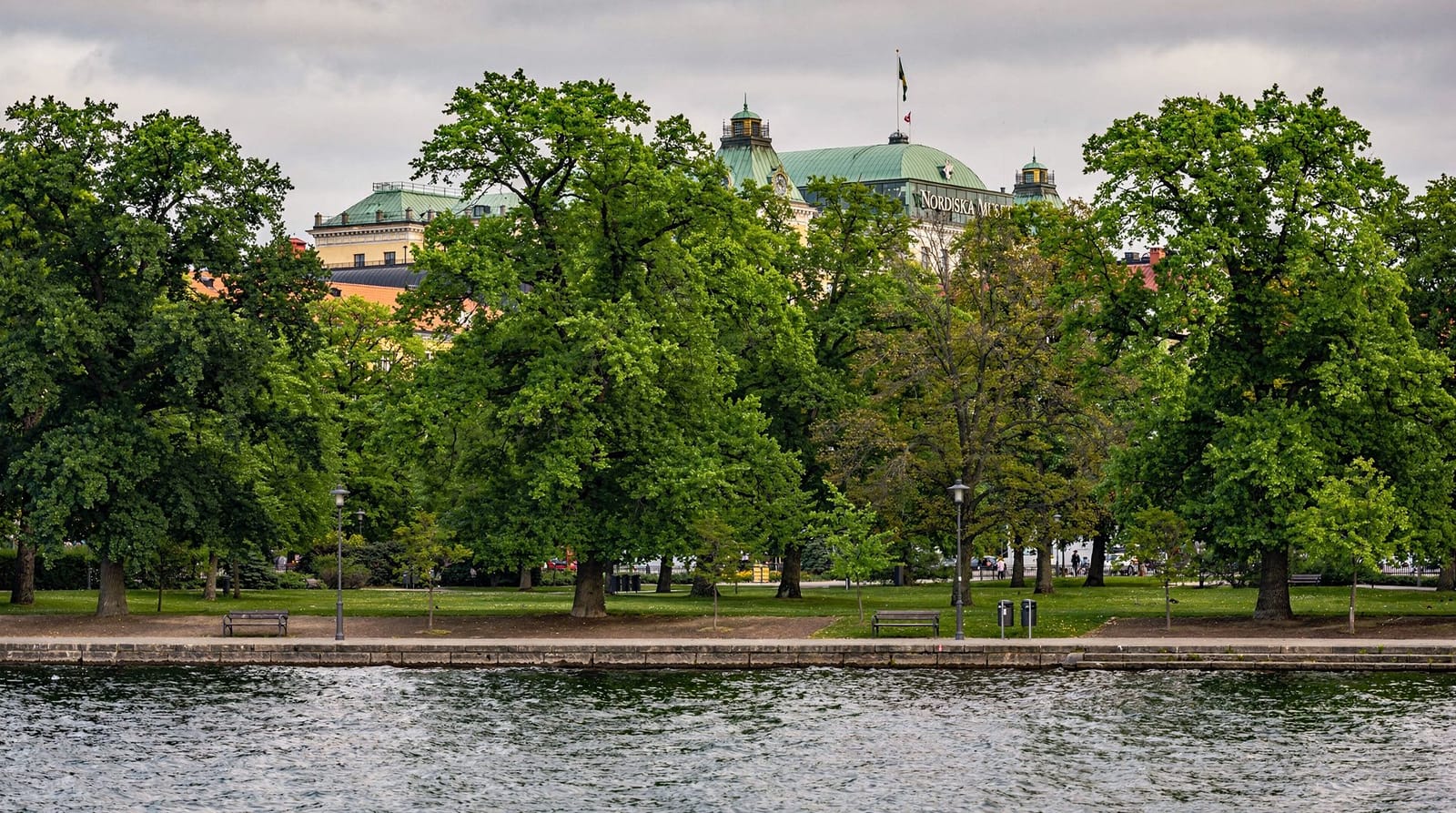
Follow the three-day itinerary’s Day 2 in full, with the addition of Nordiska Museet (the Swedish folk culture museum adjacent to the Vasa) if the morning schedule allows. The Vasa and ABBA Museums are the anchors; Skansen in the afternoon is the capstone.
Note on pacing: on a seven-day itinerary, do not try to compress Djurgården into a half-day. The Vasa Museum alone requires 90 minutes to do justice; ABBA requires 2–3 hours; Skansen runs best over 2.5 hours. The island repays a full day.
Pre-book: Vasa Museum entry and ABBA Museum timed entry.
Day 3: Södermalm in depth
Follow the three-day itinerary’s Day 3, but without the time pressure: add a second café stop, extend the Monteliusvägen walk to include Skinnarviksberget (the highest natural point in Stockholm, with an extraordinary panoramic view), and spend longer at Södermalm’s independent food shops and design studios.
Evening: Pelikan or Hermans for dinner — or try the Södermalm bar scene, which is significantly more interesting than the tourist nightlife in Gamla Stan. Trädgården (Hornsbruksgatan 24) is an outdoor bar that is quintessentially Stockholm in summer.
Day 4: Birka Viking island
The UNESCO Viking site on Lake Mälaren
8:30am — Depart from Stadshusbron (City Hall pier)
The Birka boat departs from the pier beside City Hall. Journey time: 90 minutes across Lake Mälaren to the island of Björkö, where the Viking trading town of Birka existed from approximately 750 to 975 AD.
The Birka Viking island boat trip is the standard excursion: the boat ride, the guided tour of the archaeological site and museum, and the return crossing. Allow a full day — the boat typically returns in the late afternoon.
Birka is not a reconstruction or a theme park. It is a UNESCO World Heritage Site — a genuine archaeological landscape with excavated burial mounds (over 3,000 documented), the remains of the town’s market area, and a museum that presents the Viking Age from the perspective of everyday trading life rather than the battlefield mythology.
The guide on the Birka boat provides historical context that makes the archaeological landscape meaningful. Without interpretation, the site is a field with mounds; with interpretation, it is one of the most important Viking-age sites in Scandinavia. The Birka guide covers the history in detail.
Return: approximately 5:30–6pm at Stadshusbron.
Cost: approximately 530 SEK adult including boat, museum, and guide.
Evening: Low-key dinner in Kungsholmen after the boat — this is a long day and the evening should be relaxed.
Day 5: archipelago (Vaxholm or Grinda)
Option A: full day at Vaxholm
Follow the Day 4 programme from the four-day itinerary (see Stockholm with archipelago). Vaxholm is the logical choice on a seven-day trip after Birka the day before — the contrast between the Viking-age lake island and the present-day archipelago town is instructive.
Option B: Grinda overnight (for slow travellers)
For travellers who want to genuinely experience archipelago island life rather than day-trip it, Grinda island offers overnight accommodation in the form of the historic Grinda Wärdshus guesthouse.
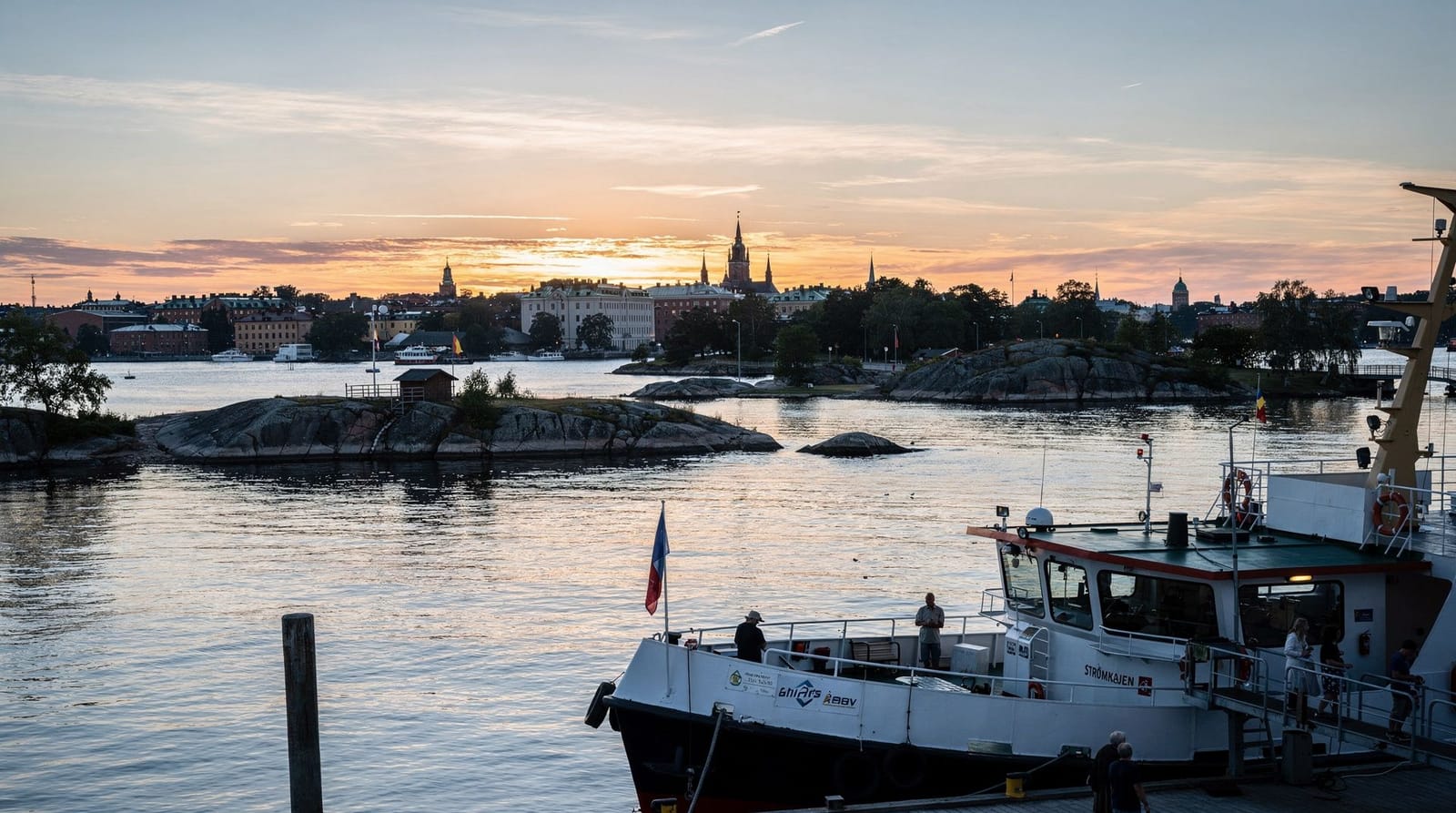
Grinda is 1.5 hours by public Waxholmsbolaget ferry from Strömkajen. The island is larger than Fjäderholmarna (about 3km long) and has enough terrain for a full day of walking. The guesthouse restaurant serves fresh Baltic fish and Swedish home cooking.
An overnight on Grinda turns the archipelago from a concept into a lived experience — waking up to total quiet, walking to the dock at 7am, kayaking around the island before breakfast. Pricing for the guesthouse: approximately 2,200–3,500 SEK per night (room varies by season).
This option requires adjusting day 6 (return from Grinda in the morning, then proceed to Drottningholm or a city afternoon).
Pre-book: Grinda Wärdshus accommodation in advance, especially in summer.
Day 6: Drottningholm Palace
10:00am — Boat from Stadshuskajen
The Drottningholm ferry (60 minutes from City Hall pier) is the traditional approach to the palace. Drottningholm skip-the-line ferry tour includes both the transport and guided entry.
Drottningholm — UNESCO World Heritage, the Swedish royal family’s actual residence — deserves the pace a seven-day visit allows. Spend the morning in the State Apartments, the afternoon in the gardens, and visit the Chinese Pavilion and the Baroque theatre if they are open. This is one of the finest ensemble palace sites in Northern Europe; do not rush it.
See the Drottningholm guide for the specific buildings and gardens.
Return: boat back to Stockholm in the late afternoon.
Evening: final evening meal at a restaurant you did not get to earlier in the week. Oxen Krog on Djurgården for seasonal Nordic cuisine, or a return to Södermalm for dinner at Woodstockholm or Punk Royale for a departure-eve splurge.
The rhythm of slow travel in Stockholm
Seven days in Stockholm works because the city has different speeds. The museums of Djurgården reward the time you give them: the Vasa Museum at 90 minutes is a good visit; at two and a half hours, it is an excellent one. Skansen at 90 minutes is an edited highlight; at four hours, it is a different kind of day — slower, more observant, with time to watch the craftspeople rather than passing their workshops at a walking pace.
Birka (day four) requires its full day simply because of the ferry journey. The 90-minute crossing each way cannot be compressed, and the site itself rewards unhurried attention. The UNESCO designation reflects Birka’s importance as one of Scandinavia’s most significant Viking-age trading towns — the museum and guide provide a depth of interpretation that many visitors miss when they treat it as a brief stop rather than a studied visit.
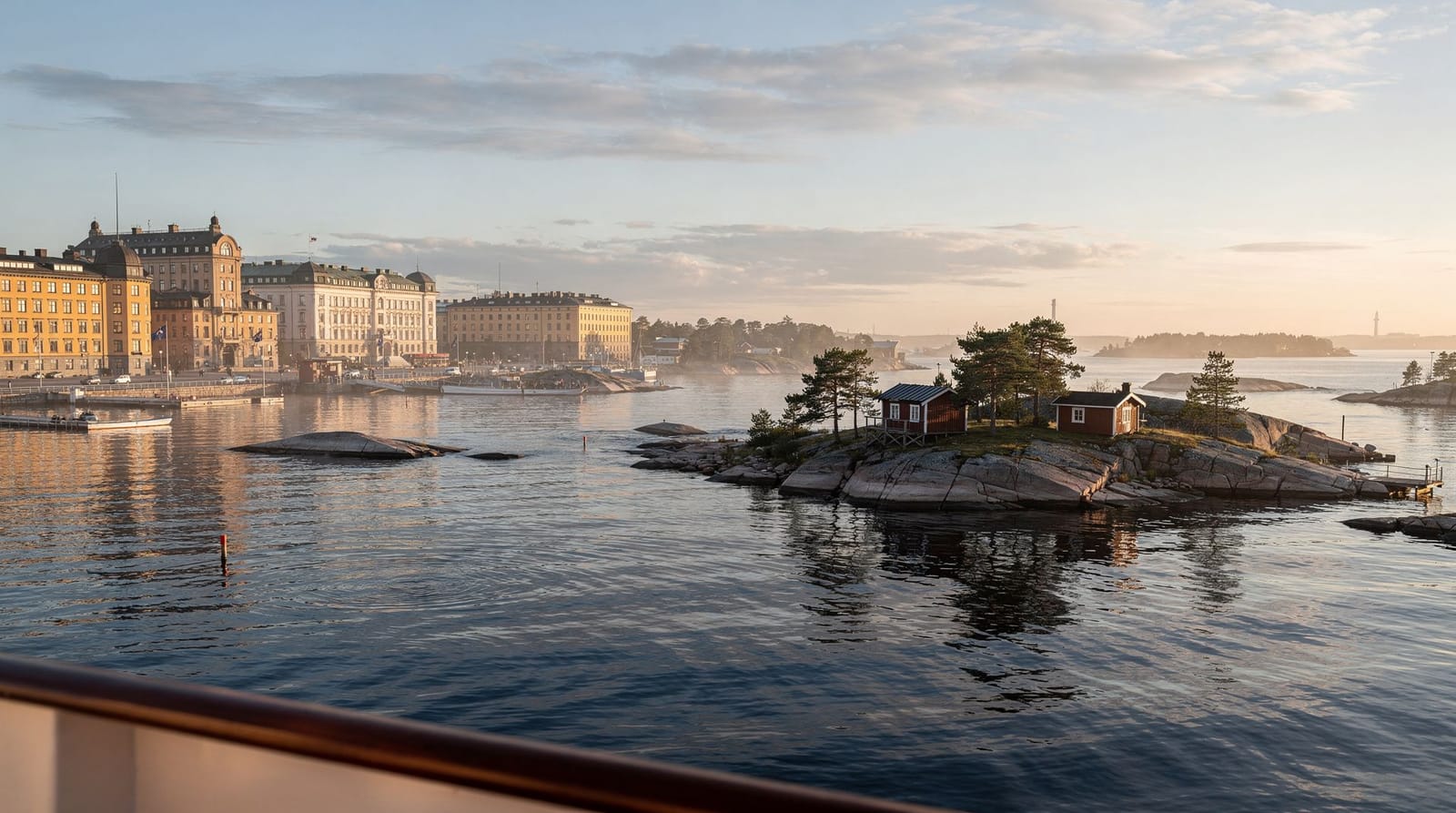
The archipelago days (day five) work best when you stop tracking them as tourist activities and start experiencing them as Swedish people do: as time on water and rock, with no particular programme beyond the landscape. The Swedes have a concept — allemansrätten — that codifies the right to roam, but the practice is older and more felt than any legal framework. On an archipelago island, you are simply in the Swedish outdoors, doing what Swedes do in the outdoors: sitting, walking, swimming, and being present to the specific sensory character of northern light on granite and water.
Drottningholm (day six) is the philosophical counterpart to this outdoor time. Where the archipelago shows Sweden’s natural base, Drottningholm shows its cultural ambition: a royal family that built a Versailles on a lake island in a Protestant northern kingdom, surrounded it with formal gardens, and filled it with Chinese porcelain and baroque stage machinery. The contrast between the day five archipelago and the day six palace is one of the more interesting compressed sequences available within a single week’s travel.
Practical notes for seven days
SL 7-day pass (470 SEK): Covers all T-bana, buses, and Waxholmsbolaget ferries within standard zones. Buy at T-Centralen or via the SL app. Not valid on Strömma commercial boats.
Birka ferry booking: The Birka boat (day four) should be booked in advance, especially in summer. The boat departs from Stadshusbron (City Hall pier) at approximately 9:30am and returns in the late afternoon. Book at birkavikingarnas.se or via GYG.
Grinda accommodation: If you choose the Grinda overnight (day five), book at Grinda Wärdshus directly — the guesthouse books out weeks ahead in July and early August. A Wednesday or Thursday overnight has fewer other visitors than a weekend stay.
The Drottningholm boat season: The palace boat from Stadshuskajen runs May–September. Outside this season, take the T-bana and bus combination to the palace entrance (approximately 40 minutes from central Stockholm).
Weather flexibility: The seven-day structure allows one day to be moved without breaking the sequence. If day four (Birka) coincides with heavy rain, the boat is still comfortable (enclosed cabin) but the outdoor site is less enjoyable. If day five archipelago weather is cold and grey, the inner island experience is diminished. Building flexibility into the end of the week (days six and seven can swap or adjust) means you can chase the best weather for outdoor activities.
Day 7: slow departure day
Vasastan and the city you did not see
9:00am — Vasastan neighbourhood
Vasastan, the district north of the city centre, is where Stockholm’s intellectual and bohemian life concentrates. The Stadsbiblioteket (city library, designed by Gunnar Asplund, 1928) is an architectural masterpiece with a famous circular reading room — free to visit. The streets around Odenplan have excellent cafés and the best independent bookshops in Stockholm.
Walk from Odenplan to Tegnérlunden park — a small hillside park with a statue of August Strindberg and a good view over the district. This is not a tourist itinerary item; it is simply a neighbourhood that shows a different Stockholm than the museum trail.
11:00am — Moderna Museet
Skeppsholmen island, reachable by foot bridge from Norrmalm, holds the Moderna Museet — Sweden’s national museum of modern and contemporary art. The permanent collection includes significant works by Picasso, Matisse, Duchamp, and a strong selection of Scandinavian modern art. Entry is 170 SEK (free up to age 18, and for everyone on Fridays 18:00–20:00).
A Moderna Museet entry ticket covers the temporary exhibitions, which are often the museum’s most valuable current content.
1:00pm — Lunch at Fotografiska café (revisit)
Return to Fotografiska for lunch at the top-floor café with the view of Gamla Stan across the water. A good final-day lunch.
2:30pm — Final walk: Slussen to Södermalm cliff
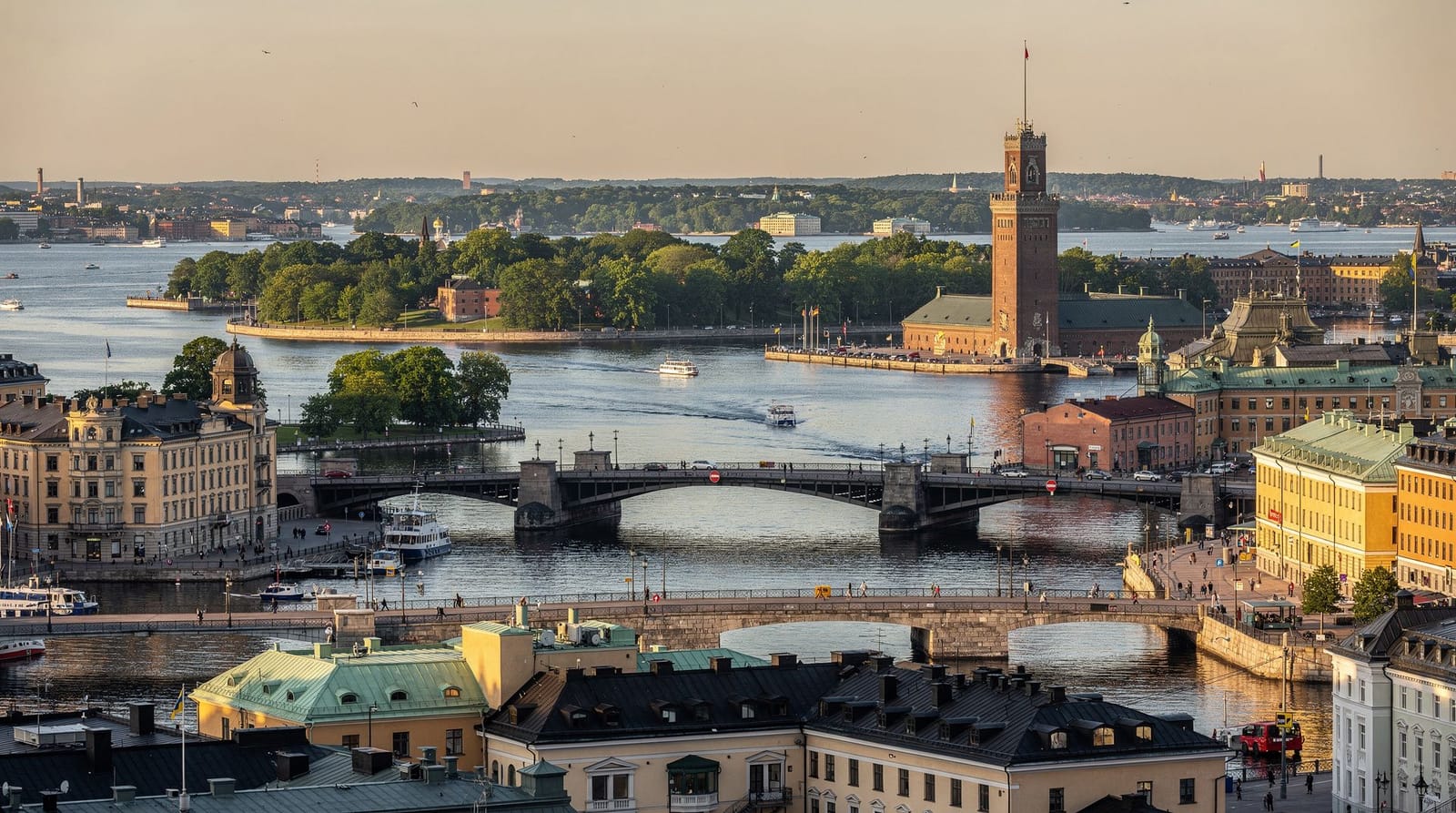
Slow walk from Slussen up to Monteliusvägen one final time. The view from this path has not changed between your first day and your last — the City Hall, the water, the Old Town roofline — but you see it differently at the end of seven days than you did at the beginning.
4:00pm — Pack, transit to airport
SL commuter train from Stockholm Central to Arlanda (183 SEK, 38–45 minutes). Allow 90 minutes from the city to clearing security.
Seven-day budget summary
| Category | Budget (SEK) | Mid-range (SEK) |
|---|---|---|
| SL 7-day travel pass | 470 | 470 |
| Days 1–3 activities | ~2,870 | ~4,490 |
| Day 4 Birka boat trip | 530 | 530 |
| Day 5 Vaxholm (incl. in SL + fortress) | 100 | 900 (sauna option) |
| OR Grinda overnight accommodation | — | 2,500 |
| Day 6 Drottningholm boat + entry | 600 | 800 |
| Day 7 Moderna Museet (temp. show) | 170 | 170 |
| Lunches (×7) | 700 | 1,400 |
| Dinners (×7) | 1,400 | 3,500 |
| Fika / snacks / incidentals | 400 | 600 |
| Total (excl. accommodation) | ~7,200 | ~13,320 |
With Grinda overnight add 2,500 SEK. Accommodation in Stockholm: 1,500–2,200 SEK/night mid-range.
Slow travel in Stockholm: practical principles
The SL 7-day pass (470 SEK) covers all T-bana, buses, and Waxholmsbolaget ferries within the standard zones — including Vaxholm. Buy it at any SL machine or via the SL app.
The cashless reality: Sweden is 90%+ cashless. Every restaurant, museum, and island ferry accepts cards. Do not carry significant cash. Swish (the Swedish mobile payment system) requires a Swedish bank account and is not available to tourists.
Pace: Stockholm is a city that rewards slowness. The long June daylight (18+ hours) means there is always more day available if you want it — but do not fill every hour. The best Stockholm experiences often happen when you stop trying to see everything.
What a week of Stockholm weather actually looks like
Seven consecutive days in Stockholm, in any season, will almost certainly include at least one genuinely bad-weather day — this is worth planning for rather than hoping around. The itinerary’s built-in flexibility (see the practical notes above) means a wet or cold day is best absorbed by day seven’s Moderna Museet and Vasastan content, or by swapping it with day six’s Drottningholm, which works acceptably in poor weather since most of the palace visit is indoor. The days that suffer most from bad weather are day four (Birka, an outdoor archaeological site reached by open water) and day five (the archipelago, whichever option you choose) — if the forecast gives you an obvious best day among days four through six, put the outdoor-heaviest day there and let the others shift.
Where to base yourself for seven days
A week is long enough that neighbourhood choice genuinely shapes the experience rather than just the commute. Norrmalm remains the most practically efficient base — close to both Stadshusbron (Birka and Drottningholm) and Strömkajen (the archipelago) — but seven days is also long enough to justify choosing a neighbourhood for character rather than pure logistics. Södermalm is a strong alternative for slow travellers specifically, since day three’s neighbourhood depth and day seven’s final walk both centre there, and waking up in the neighbourhood you are meant to be inhabiting rather than just visiting fits the itinerary’s own premise. Consider splitting the week — three or four nights in Norrmalm for the city-and-day-trip-heavy first half, then relocating to Södermalm for the final days — if your accommodation budget allows the flexibility.
Choosing between the two day-five archipelago options
Day five offers a genuine choice between a full Vaxholm day and a Grinda overnight, and on a seven-day trip specifically, the overnight option deserves serious consideration:
| Vaxholm (day trip) | Grinda (overnight) | |
|---|---|---|
| Time commitment | One day | One night, spilling into day six morning |
| Travel time | 75 minutes each way | 90 minutes each way |
| What you get | A real town, fortress, restaurants | Total quiet, an early morning with no other visitors |
| Schedule impact | None — day six proceeds as planned | Day six starts later, needs adjusting |
| Best for | Travellers who want breadth across the week | Travellers who specifically want to slow down |
Since the whole premise of a seven-day trip is depth over breadth, Grinda is arguably the more consistent choice with the itinerary’s own philosophy — but it does require accepting a later, adjusted day six, which some travellers find more disruptive than it is worth. If in doubt, default to Vaxholm; it is the lower-risk option and still delivers a genuine archipelago experience.
Frequently asked questions about seven days in Stockholm
Is seven days too long for Stockholm?
Not if you use the archipelago and day trips properly. Seven days in the city alone would feel repetitive, but the combination of the city core, the archipelago, and the cultural day trips (Birka, Drottningholm) fills seven days very naturally. The pace is slower than five days, which is the point.
What day trips work best with seven days in Stockholm?
Birka (Viking history) and Drottningholm (baroque palace) are the two best-value day trips because they provide genuinely different content from the city museums. Sigtuna (medieval town, 45 minutes by commuter train) is a good third option. Uppsala (university city, Viking burial mounds) works well if you have cultural or historical interests beyond what Stockholm alone provides.
Can I do an archipelago overnight in seven days?
Yes — Grinda island is the most accessible overnight option. One night on Grinda (departing day 5, returning day 6 morning) is enough to experience genuine archipelago island life without a lengthy commute back to the city. Sandhamn and Vaxholm also have accommodation options for a more extended stay. See the summer archipelago itinerary for a dedicated multi-island programme.
What is the best museum I might miss with a shorter itinerary?
Nordiska Museet (Swedish folk culture) and Moderna Museet (modern art) are both excellent and typically missed in three- or five-day programmes. With seven days, both can be visited properly. Note that the Medeltidsmuseet (Medieval Museum) under Norrbro has been closed since November 2023 while a new museum is planned at Börshuset, so do not build a day around it.
How does Birka compare to the Viking Museum on Djurgården?
Very different experiences. The Viking Museum (Djurgården) is a curated, theatrical exhibition with a simulated Viking ride — entertainment-forward, excellent for families. Birka is an actual archaeological site with a more serious historical character — the UNESCO designation reflects its genuine scholarly importance. Both are worth visiting; the Viking Museum fits into a Djurgården day, Birka requires a full day for the boat trip.
Should I do the Grinda overnight or stay in Stockholm every night?
Stay in Stockholm every night if you would rather not deal with packing an overnight bag mid-week or the schedule adjustment it forces on day six. Choose Grinda if the idea of waking up on a quiet archipelago island with no other day-trippers around genuinely appeals — it is one of the more distinctive nights available on any Stockholm itinerary. The comparison table above lays out the practical trade-offs.
Is seven days better split across two neighbourhoods?
It can be. Basing the first four or five days in Norrmalm (closest to the Birka, Drottningholm, and archipelago piers) and the final two or three in Södermalm (closest to the day-three and day-seven neighbourhood content) suits the itinerary’s own day-by-day logic well, though it does mean packing and moving accommodation mid-week — worth it only if your budget and patience for logistics allow it.
Top experiences
Bookable activities with verified prices and instant confirmation on GetYourGuide.
Stockholm: Go City Stockholm Pass — save up to 50%
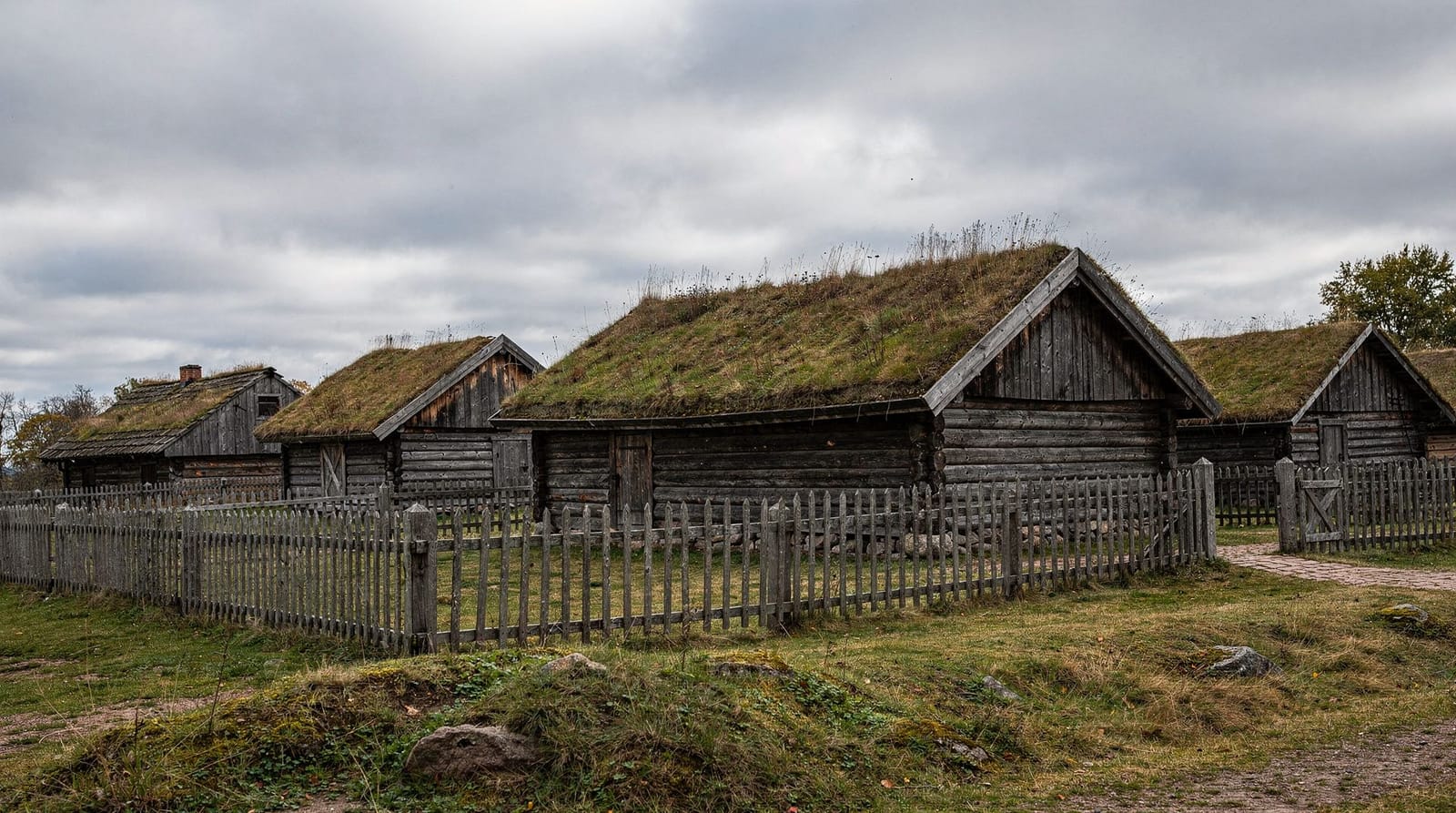
Stockholm: Viking island tour — Birka from Stockholm by boat
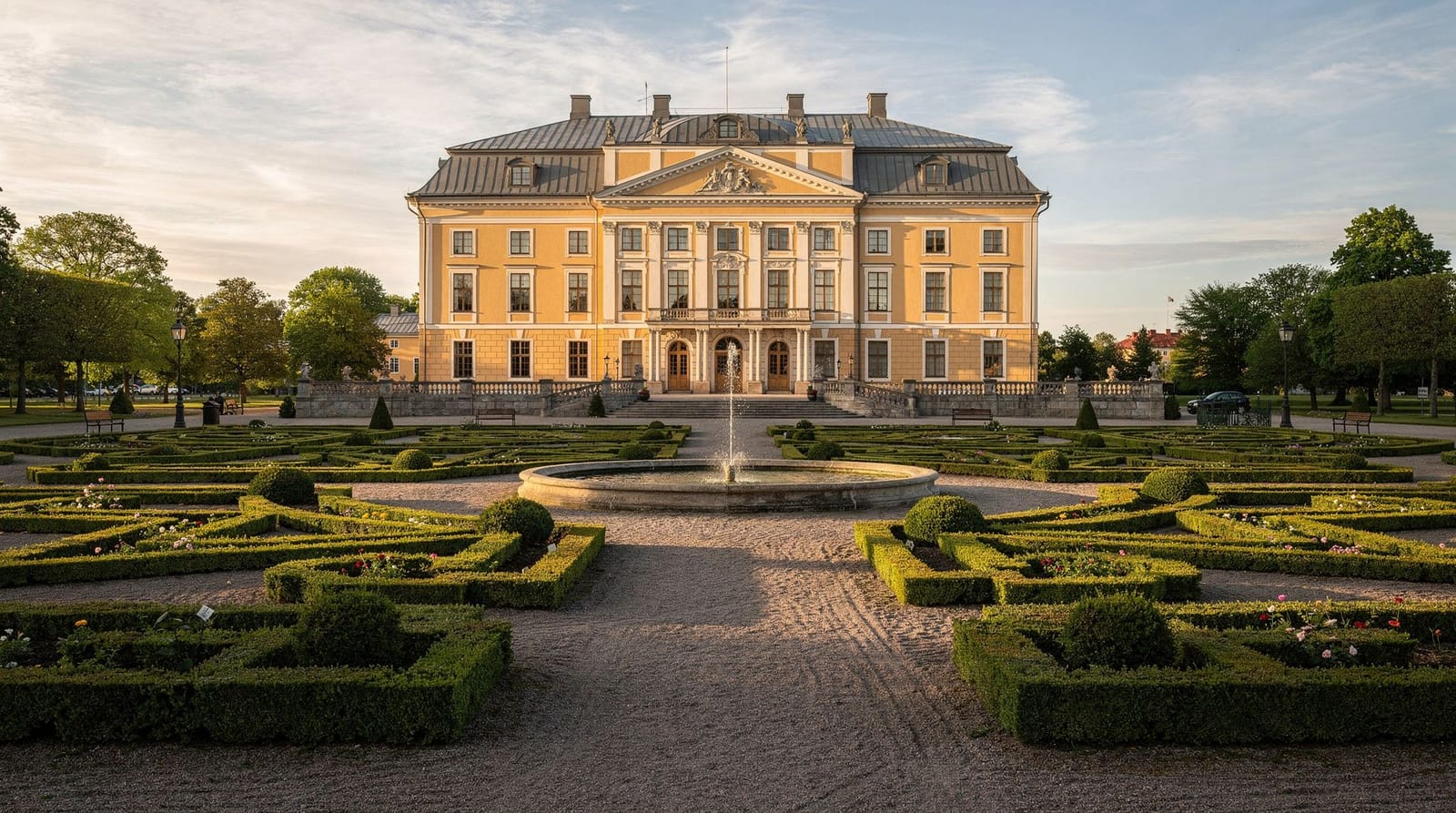
Stockholm: Drottningholm Palace skip-the-line tour by ferry
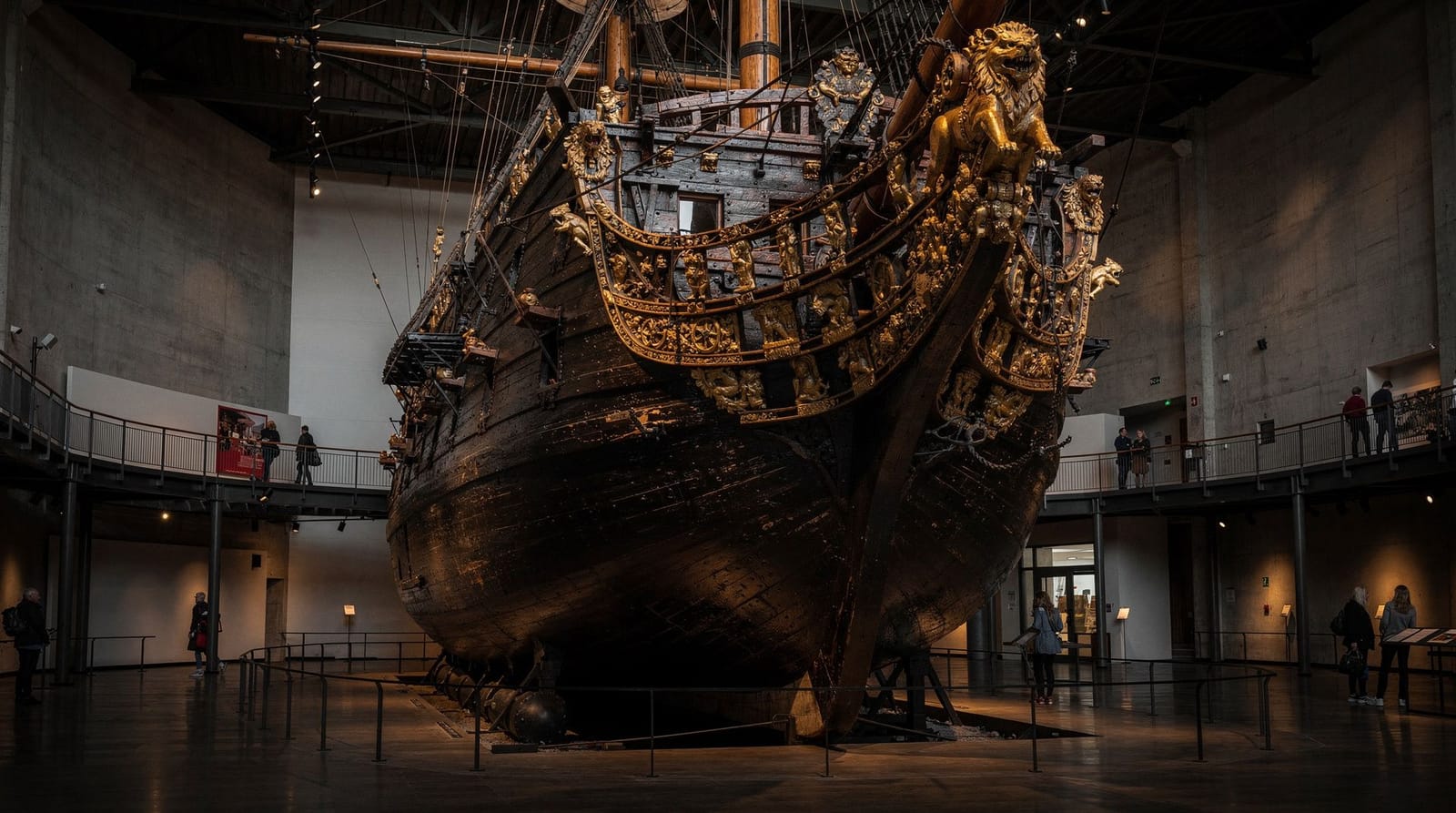
Stockholm: Vasa Museum entrance ticket
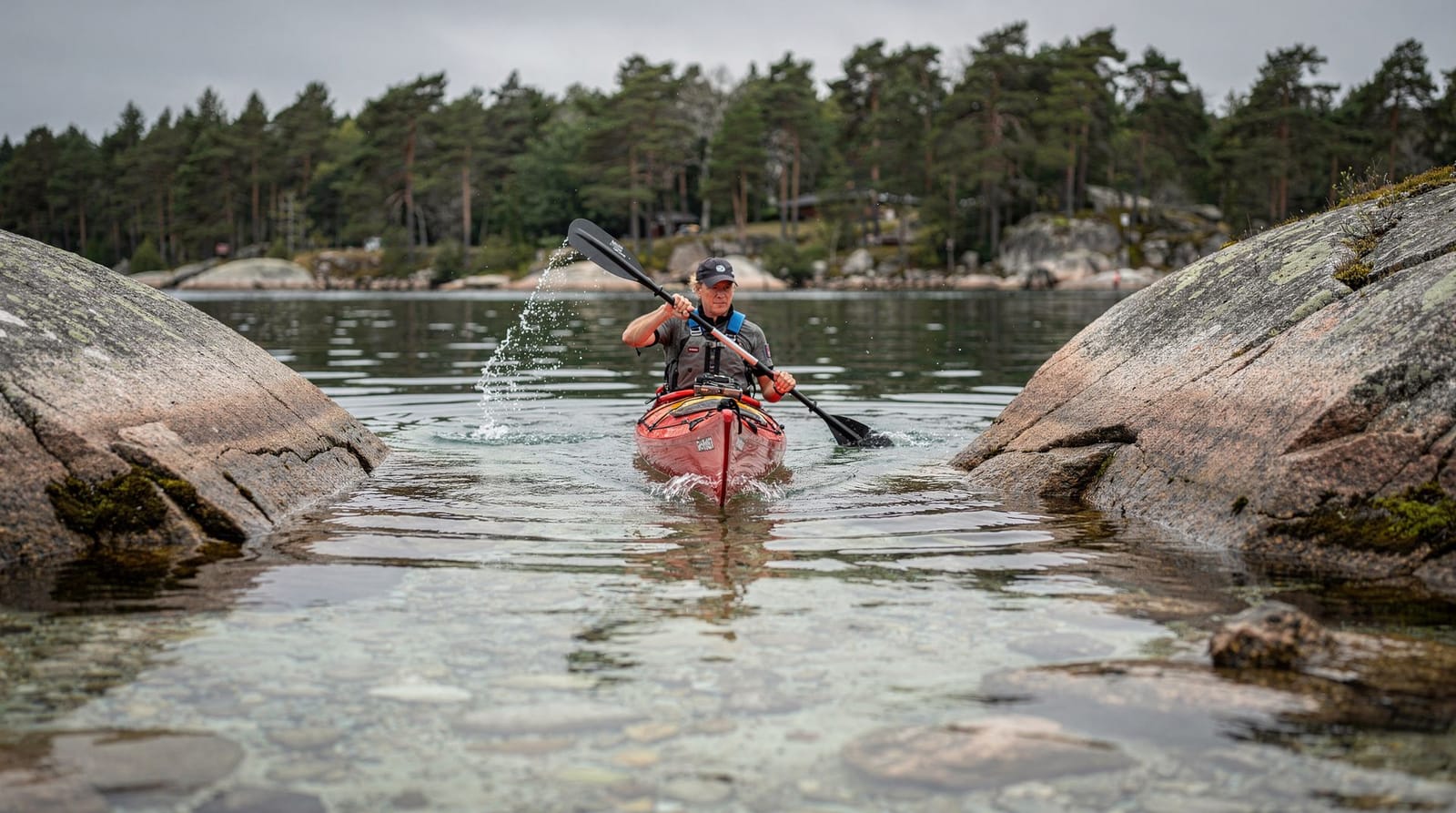
Stockholm: full-day archipelago sailing tour