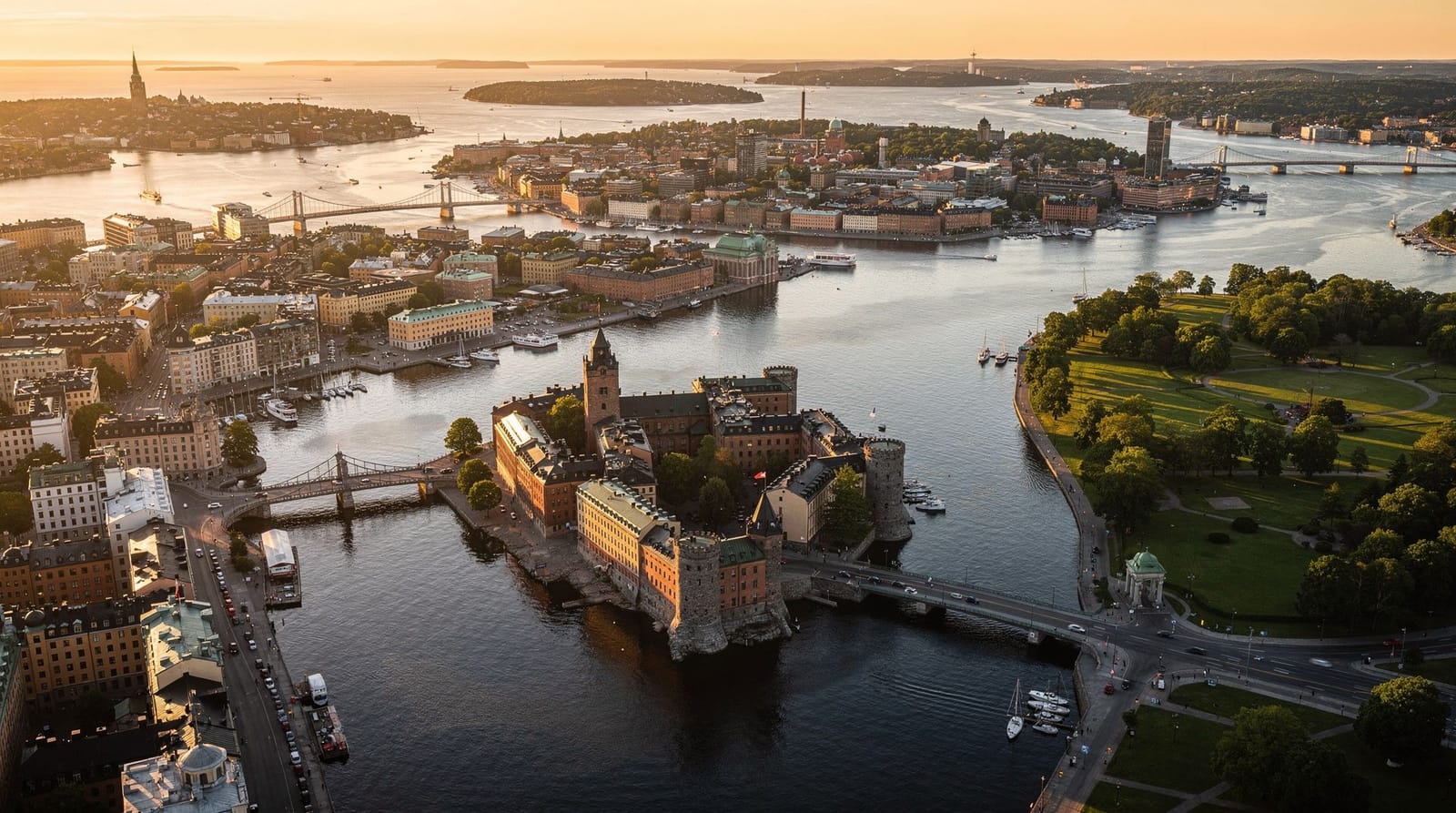
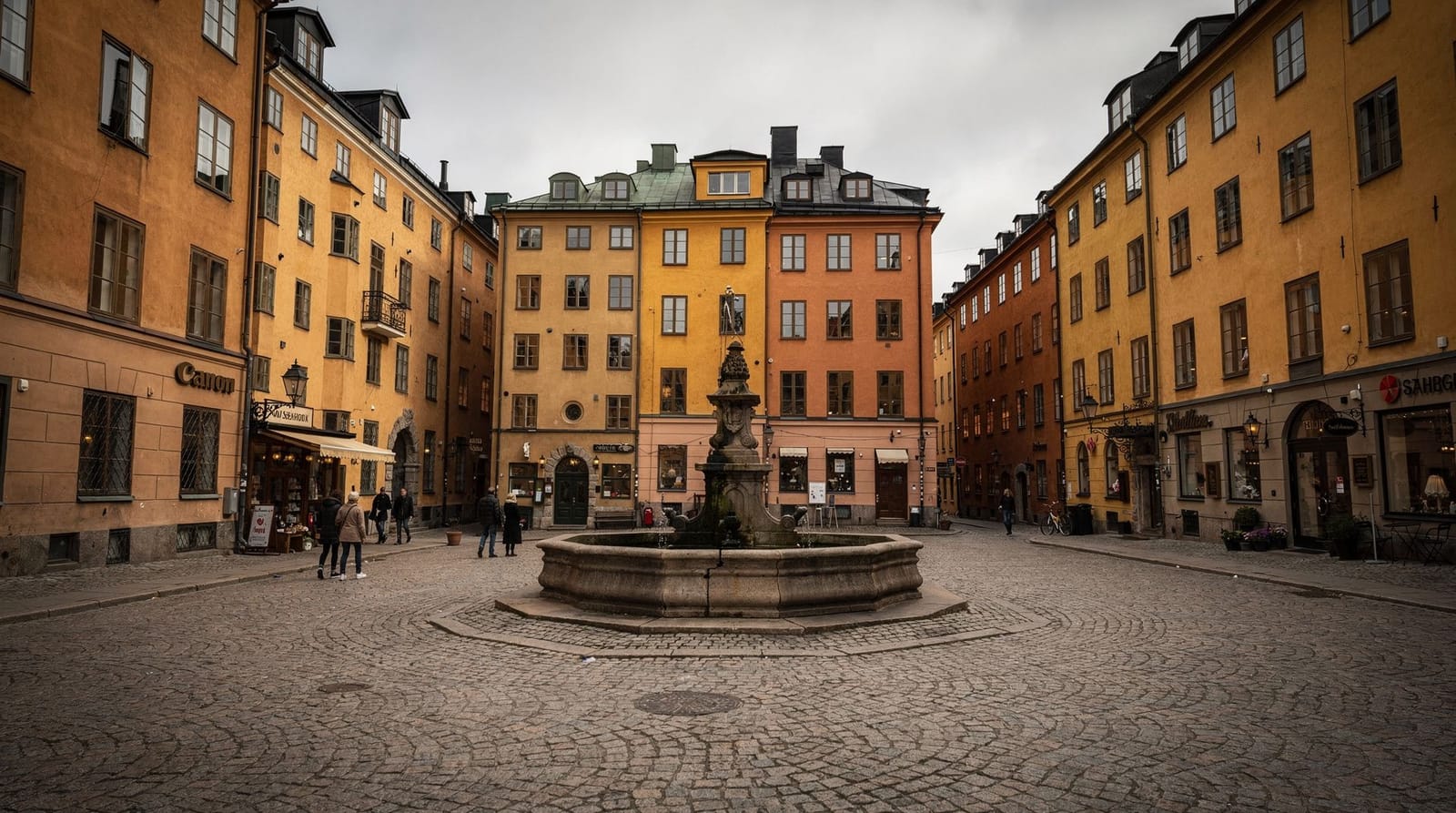
Stockholm and Uppsala: a 3-day cultural history itinerary
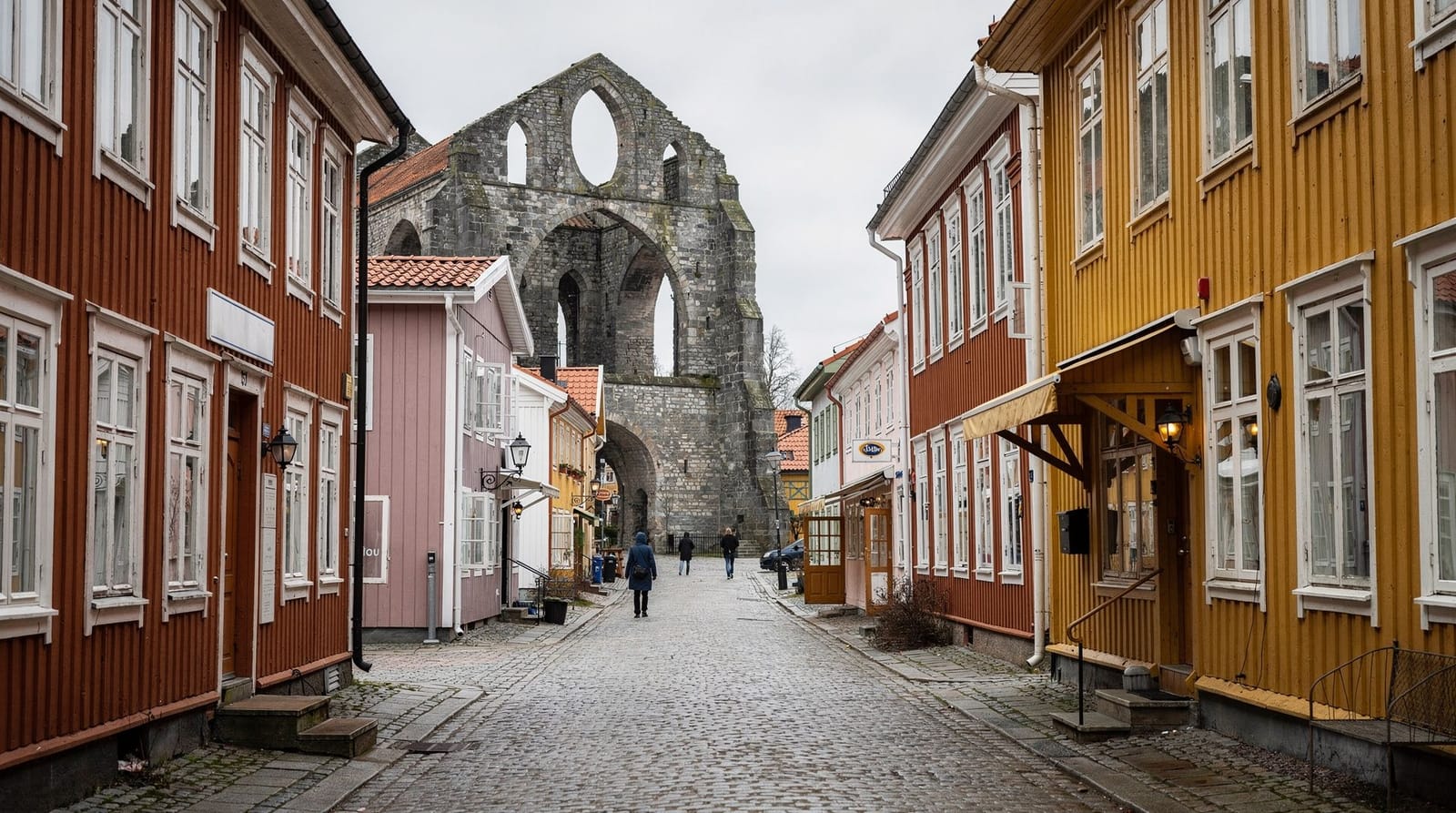
Stockholm: Sigtuna — oldest town in Sweden guided day trip
Three days tracing Sweden’s cultural spine
Stockholm, Sigtuna, and Uppsala are connected by more than geography. They form a chain of Swedish settlement that stretches from the thirteenth-century commercial empire of Stockholm back through Sigtuna — Sweden’s oldest town, founded around 980 AD — to the Uppsala plain, where Bronze and Iron Age burial mounds predate the Viking Age itself.
This itinerary is for travellers who are not primarily here for beaches and fjords, but for the specific texture of Swedish history: the story of a small northern kingdom that emerged from Viking-age trade networks to briefly become one of Europe’s great powers, and whose traces are more legible in the landscape between Stockholm and Uppsala than anywhere else in Scandinavia.
Day one covers Stockholm’s medieval core. Day two takes you to Sigtuna — the forgotten oldest town. Day three puts you on a train to Uppsala for the cathedral, the Linnaeus museum, and the Gamla Uppsala burial mounds that predate written Swedish history.
| Where | Stockholm, Sigtuna and Uppsala |
| Cost | around 2,400–4,400 SEK for 3 days |
| Time needed | 3 days, each a self-contained theme |
| Getting there | Commuter train + bus to Sigtuna; direct train to Uppsala, both from Stockholm Central |
| Best time | Year-round; June is best for outdoor mound walks, avoid Lucia weekend crowds in Uppsala |
Day 1: Stockholm — the medieval core
Morning: Gamla Stan
9:00am — Gamla Stan from the beginning
Begin this history-focused itinerary at the deepest layer of Stockholm’s visible history: Gamla Stan. Enter from Slussen and start with the Stortorget, where the 1520 Bloodbath concentrated the defining crisis of Swedish national identity. The Nobel Museum here, on the square’s north side, is an efficient orientation to Sweden’s modern intellectual history (90 minutes, 160 SEK).
The Gamla Stan neighbourhood guide covers the historical timeline in detail. For guided interpretation of the political and architectural history, a Gamla Stan secrets guided tour with fika places the medieval streets in their proper context.
If the square’s story interests you, the Stockholm Bloodbath history guide and the Gamla Stan medieval secrets guide go deeper than a single morning allows.
Walk north from Stortorget through the alleys. The German Church (Tyska kyrkan), the Franciscan monastery site (now the Royal Palace’s eastern wing), and the medieval water cisterns visible through the grating on Slottsbacken all date from the fourteenth and fifteenth centuries — the oldest surviving fabric in Stockholm.
11:00am — Gamla Stan’s medieval lanes
Keep wandering Gamla Stan’s narrow lanes on foot. The island’s street plan still follows the medieval town that grew behind Stockholm’s thirteenth-century town walls and defensive system. Allow about an hour, then head to the palace.
12:00pm — Royal Palace
The Royal Palace stands on the site of the original Tre Kronor (Three Crowns) castle, which burned in 1697. The current palace was completed in 1754. The archaeological museum in the palace basement — the Tre Kronor Museum — shows the foundations of the medieval castle below the current building, which is directly relevant to this history-focused itinerary.
For the best use of time: exterior courtyard and Changing of the Guard (12:15pm daily in summer), then the Tre Kronor Museum and the Treasury. Skip the State Apartments unless you have particular interest in baroque interior decoration.
Cost: Tre Kronor Museum approximately 120 SEK.
Afternoon: Vasa Museum
2:00pm — Ferry to Djurgården + Vasa Museum
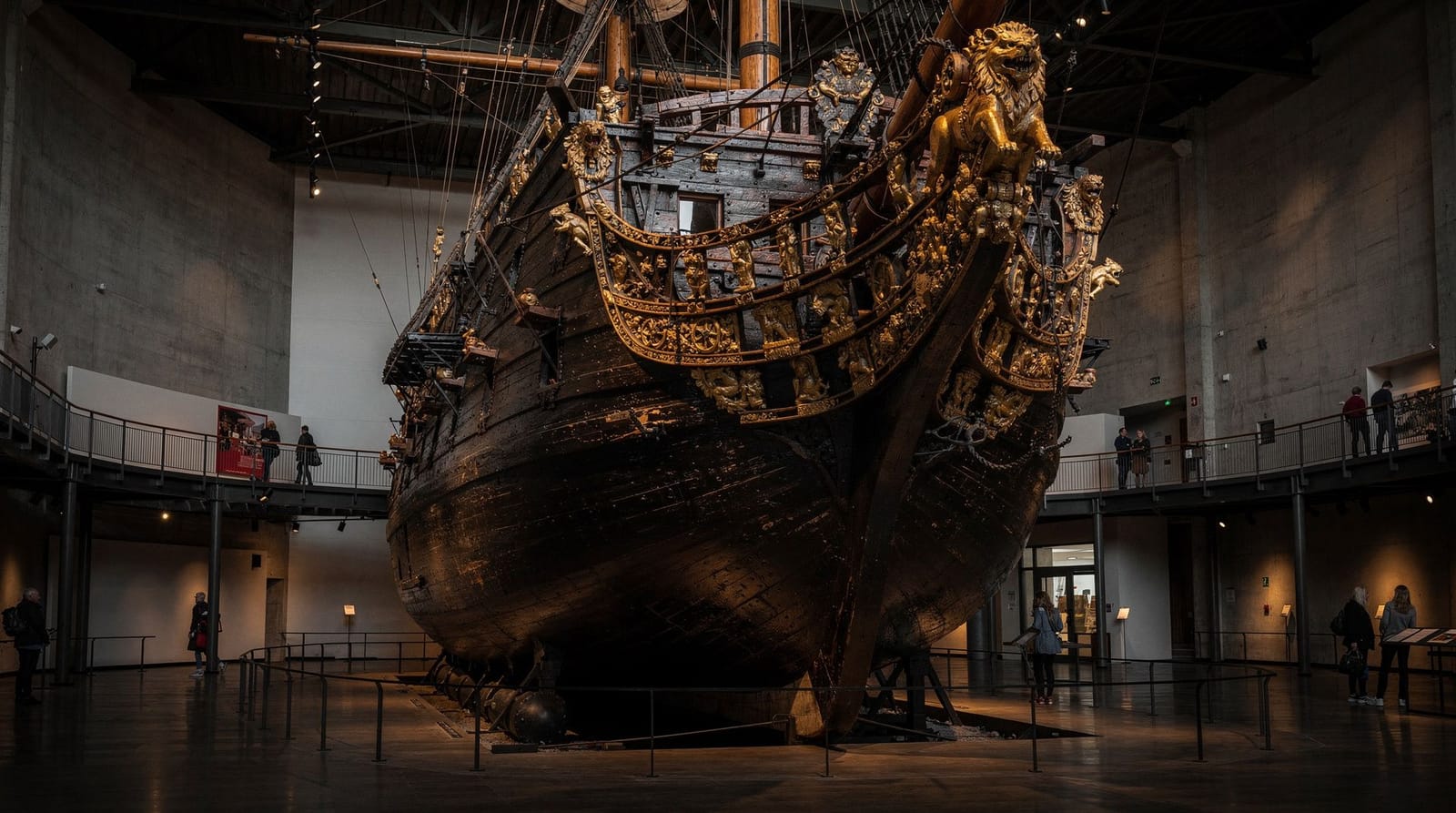
The Vasa Museum is the essential Stockholm museum on a history-focused itinerary: not primarily for the ship’s aesthetics, but for what it tells you about the Swedish Empire at its most ambitious and most overreaching. Gustavus Adolphus, who ordered the Vasa’s construction, was simultaneously Sweden’s greatest military commander and the king whose shipbuilders could not tell him his flagship was dangerously top-heavy.
Pre-book the Vasa Museum entrance ticket online. Allow 2 hours minimum. The Vasa Museum guide explains what to look at first, and Djurgården offers pleasant walking if you have energy left afterwards.
Evening: dinner in Östermalm
Return from Djurgården to Östermalm for dinner. The restaurant strip around Strandvägen and Humlegården — Stockholm’s most elegant residential avenue — is appropriate for a cultural-history-focused first day.
Day 2: Sigtuna — Sweden’s oldest town
Getting there
9:00am — Commuter train Stockholm Central → Märsta, then bus 579 to Sigtuna
Total journey time: approximately 45 minutes by train (Pendeltåg) to Märsta, then 20 minutes by bus 579. Alternatively, a direct bus from Cityterminalen (bus terminal adjacent to Stockholm Central) reaches Sigtuna in approximately 55 minutes. Both are covered by the SL travel pass.
For a guided experience with transport included, a Sigtuna guided day trip from Stockholm handles all logistics and adds a guide who covers the Viking-age and medieval history that gives Sigtuna its significance.
Sigtuna in the morning
For background before you go, the Sigtuna destination page sets out the town’s history and layout.
10:00am — Stora Gatan and the rune stones
Sigtuna’s main street, Stora Gatan, is claimed to be Sweden’s shortest main street — a single block of wooden buildings and small shops running parallel to the waterfront. This is not Stockholm’s tourist-facing heritage presentation: this is what a Swedish market town looked like before it was developed away.
The first thing to notice: rune stones. Several original Viking-age rune stones are built into the walls of buildings and set in the ground throughout the town. These are not replicas; they are the actual carved granite slabs from the tenth and eleventh centuries. The Sigtuna day trip guide maps the rune stone locations.
10:30am — Church ruins
Three medieval church ruins stand within walking distance of the main street:
- St Per’s ruins: The oldest, dating to around 1100 AD.
- St Lars’s ruins: Twelfth-century, larger.
- St Olof’s ruins: The most complete ruins.
All three are open-air, free to access. They represent a density of medieval ecclesiastical architecture that is unusual for a town this size — Sigtuna was clearly a major centre of Christian activity in the conversion period (Sweden converted to Christianity gradually between 1000–1150 AD).
11:30am — Sigtuna Museum
The Sigtuna Museum (approximately 80 SEK entry) holds archaeological finds from the Viking-age town: Viking-age coins (Sweden’s first minted coins were produced in Sigtuna around 995 AD), weapons, jewellery, and everyday objects that give the town’s history a material reality that the outdoor ruins do not.
For Viking-age culture with more visual impact, a full-day Viking culture guided tour with Sigtuna as the focal point covers the Viking landscape between Stockholm and Sigtuna with guide-provided context.
12:30pm — Lunch in Sigtuna
Tant Brun café (Stora Gatan) for traditional Swedish lunch. Sigtuna has several honest cafés at better prices than Stockholm. Budget 150–200 SEK.
Afternoon: Sigtuna lake walk
2:00pm — Lake Mälaren waterfront
Sigtuna sits on the bay of Lake Mälaren — the same lake that connects Stockholm to Birka and Drottningholm. Walk the waterfront path south from the main street for views over the lake and the wooded shoreline. In early summer, the path is bordered by wildflowers and the lake light is extraordinary.
The Mariakyrkan (St Mary’s Church) — the only surviving intact medieval church from Sigtuna’s original thirteen — is worth a visit for its medieval frescoes. Built in the thirteenth century, still in regular use.
4:30pm — Return to Stockholm
Bus 579 to Märsta, then commuter train to Stockholm Central. Total journey approximately 55–65 minutes.
Evening dinner: After a day in medieval Sigtuna, the contrast of Södermalm’s contemporary dining scene is satisfying. Pelikan for traditional Swedish food in a 1906 beer hall setting.
Day 3: Uppsala — cathedral, Linnaeus, and the burial mounds
Getting to Uppsala
8:30am — Train Stockholm Central → Uppsala
Direct trains from Stockholm Central to Uppsala run every 10–15 minutes. Journey time: 38–40 minutes. Return fare: approximately 120 SEK. The commuter train (Pendeltåg line 13) is the most frequent; the X2000 express train is faster but more expensive.
The Uppsala destination page gives the wider picture of the city, and the guide to day trips from Stockholm shows how this trip compares with the alternatives. The Uppsala day trip is one of the most efficient from Stockholm: close enough to leave at 8:30am and return comfortably before dinner, far enough to feel genuinely like a different city with its own distinct character.
Morning: Uppsala Cathedral
9:30am — Uppsala Domkyrkan
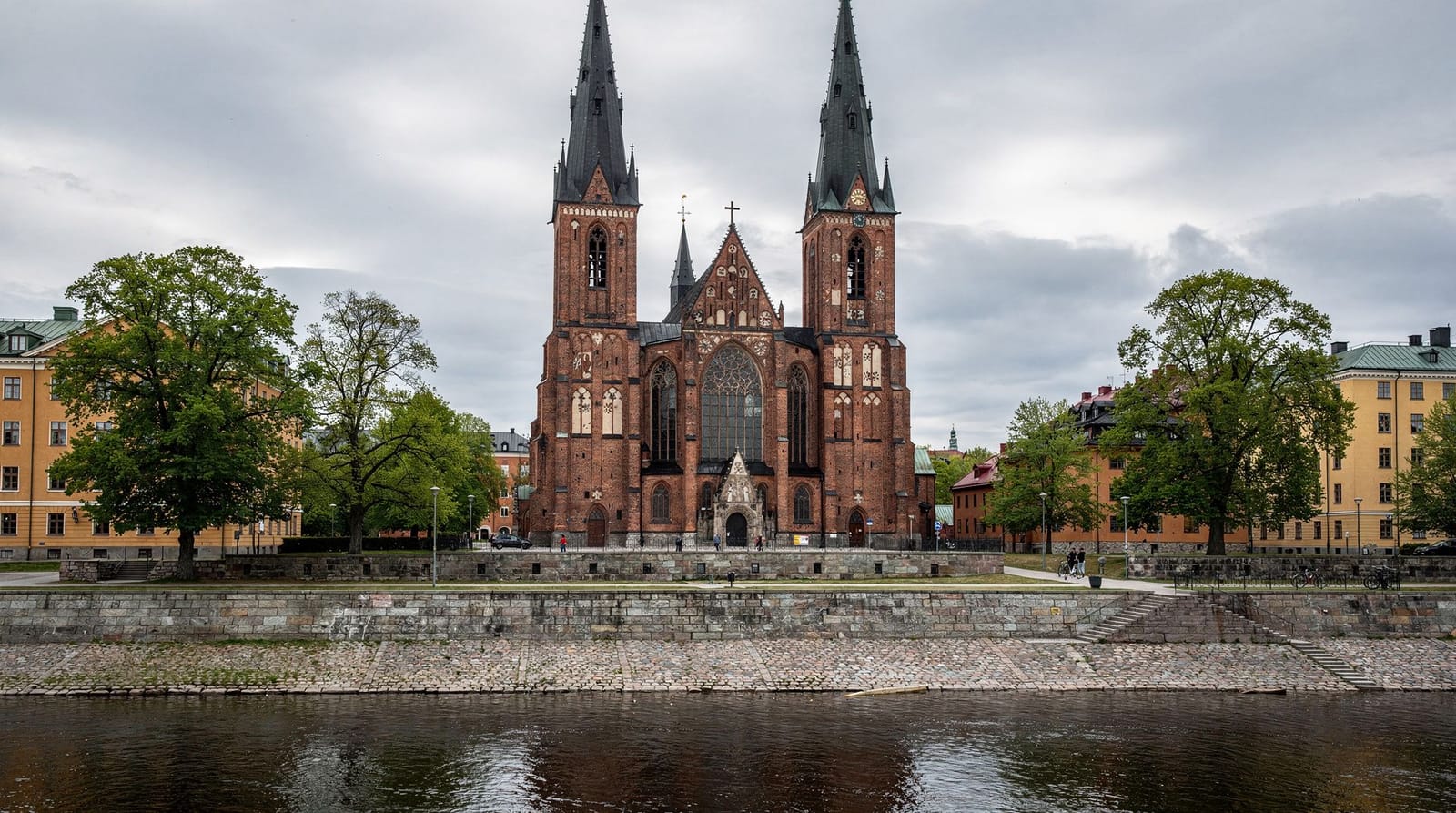
Uppsala Cathedral (Domkyrkan) is the largest cathedral in Scandinavia. Construction began in 1270 and was substantially complete by 1435 — the longest construction period of any Swedish building. The cathedral is still in active use.
Inside: the tombs of Gustav Vasa (the king who used the Stockholm Bloodbath as a pretext for Swedish independence), Saint Erik (Sweden’s patron saint), and the scientist Carl Linnaeus. The reliquary collections are extraordinary in their density and quality for a northern European cathedral. Free to enter.
Allow 90 minutes. See the Uppsala day trip guide for the cathedral’s specific historical and architectural details.
11:00am — Uppsala University and the Gustavianum
Uppsala University was founded in 1477, making it the oldest university in Scandinavia. The university quarter around Övre Slottsgatan is one of the finest university town streetscapes in Northern Europe — a genuine rival to Oxford and Heidelberg.
The Gustavianum, the university’s seventeenth-century main building, holds the Augsburg Art Cabinet (a remarkable 1620s cabinet of curiosities) and an intact anatomical theatre from 1663 — one of the best-preserved in the world. Entry approximately 80 SEK.
12:30pm — Lunch in Uppsala
The student city has excellent affordable lunch options. Café Linné (Svartbäcksgatan) near the Botanical Garden for a proper Swedish lunch. Alternatively, the university hall food options around Sysslomansgatan are cafeteria-priced and good quality.
Budget 120–180 SEK.
Afternoon: Linné Museum and Gamla Uppsala mounds
2:00pm — Linnaeus Garden (Linnéträdgården)
Carl Linnaeus — who invented the binomial nomenclature system that all modern biology uses — was a professor at Uppsala University from 1741 to 1778. His botanical garden (Linnéträdgården, the oldest university botanical garden in Sweden) is still maintained in its eighteenth-century configuration. The adjacent Linnaeus Museum in his former home shows his working environment and the development of his taxonomic system. Entry approximately 60 SEK.
A combined full-day Uppsala Viking culture tour from Stockholm covers the cathedral, university, and Gamla Uppsala burial mounds with a guide — recommended for travellers who want the historical narrative rather than self-guided exploration.
3:30pm — Gamla Uppsala burial mounds
A 15-minute bus ride (bus 2 from Uppsala central) brings you to Gamla Uppsala — the site of Sweden’s most important pre-Viking and Viking-age sacred landscape. Three royal burial mounds (högar) dating from approximately 500–600 AD dominate the landscape; the surrounding area contains around 300 smaller mounds.
This was the centre of the Uppsala cult — the most important pagan religious site in pre-Christian Sweden, where according to the medieval historian Adam of Bremen (c. 1070), sacrificial festivals took place every nine years with human and animal offerings hung from the sacred grove.
The Gamla Uppsala Museum (approximately 80 SEK) provides the archaeological and written source context for what the burial landscape means. The mounds themselves are free to walk among.
Allow 90 minutes for the mounds and museum.
5:30pm — Return train to Stockholm
Train from Uppsala Central to Stockholm Central: 38–40 minutes. Return in time for a final dinner in the city.
Evening dinner: After a day covering Sweden’s pre-Christian and Viking-age history, Hermans in Södermalm (vegetarian, cliff-top views, reasonable prices) or Operakällaren (formal, expensive, a worthy conclusion to a culture-heavy three days).
An alternative for day 2: Birka instead of Sigtuna
Sigtuna is not the only Viking-age day trip within reach of Stockholm. Birka, reached by boat rather than train and bus, was Sweden’s first true trading town — older than Sigtuna in its Viking-age peak and now a UNESCO World Heritage site with excavated house foundations and a burial field of over 3,000 graves. The Birka day trip guide covers the boat journey and archaeological site in detail; a Birka Viking city boat trip from Stockholm handles the crossing and typically includes a guide.
| Sigtuna | Birka | |
|---|---|---|
| How to get there | commuter train + bus, ~45–55 min | boat from central Stockholm, ~2 hours |
| Character | living town, rune stones in situ, cafés and shops | archaeological site only, no modern town |
| Best for | travellers who want a town to walk and eat in | travellers who want the deepest Viking-age immersion |
| Time needed | half day | most of a day (boat included) |
Sigtuna suits this itinerary’s pacing better because it leaves the afternoon free and does not require a full day on the water. Birka is the better choice if Viking-age archaeology specifically, rather than Swedish town history more broadly, is the point of the trip — swap it in for day two if that is your priority, and adjust the day three Uppsala plan to start slightly later.
Getting around without a car
This itinerary runs entirely on Sweden’s rail and bus network, and the Stockholm public transport guide is worth reading before day one if the SL zone system is unfamiliar. A 72-hour SL pass covers all city transit and the Sigtuna leg (commuter train plus bus 579), though the direct Uppsala trains on day three are priced separately and are not included in the SL pass — budget the return fare on top.
Why this order and not another
Some travellers ask whether Uppsala should come before Sigtuna, given Uppsala is the more famous destination. The order in this itinerary is deliberate: Stockholm’s medieval core on day one establishes the youngest layer of the historical chain (thirteenth century onward), Sigtuna on day two takes you a step further back (Viking-age and early Christian, from 980 AD), and Uppsala on day three reaches the oldest layer — the pre-Viking burial mounds at Gamla Uppsala, predating the town of Stockholm by many centuries. Travelling in this sequence means each day goes further back in time than the last, which makes the historical narrative build rather than jump around. Reversing the order works logistically but loses that sense of progression, particularly for children or anyone new to Swedish history who benefits from the layered structure.
Combining with Birka on a longer trip
Travellers with a fourth day available sometimes ask whether Birka can be added rather than substituted for Sigtuna. It can, but it changes the itinerary’s balance: Birka’s boat crossing takes most of a day on its own, so adding it as a fourth day rather than swapping it in for Sigtuna avoids forcing a rushed choice on day two. If a fourth day is available, Birka slots naturally either right after day one (both are Viking-and-medieval-adjacent, keeping the historical thread continuous) or as a closing day after Uppsala, using the boat journey itself as a slow, reflective way to end a history-dense trip.
Three-day budget summary
| Category | Budget (SEK) | Mid-range (SEK) |
|---|---|---|
| SL 72h travel pass | 360 | 360 |
| Day 1: museums + entry | 480 | 680 |
| Day 2: Sigtuna travel (incl. in SL) | 0 | 0 |
| Day 2: Sigtuna museum | 80 | 80 |
| Day 2: guided Sigtuna tour (opt.) | 0 | 800 |
| Day 3: Uppsala train (return) | 120 | 120 |
| Day 3: Uppsala entries (cathedral free, Gustavianum, mounds) | 160 | 160 |
| Day 3: Linnaeus museum | 60 | 60 |
| Lunches (×3) | 450 | 700 |
| Dinners (×3) | 600 | 1,200 |
| Fika | 150 | 250 |
| Total (approx.) | ~2,440 | ~4,390 |
Best time for this itinerary
Year-round: The cathedral is open year-round. Uppsala and Sigtuna are both accessible in winter; the lack of summer crowds makes November–April particularly good for serious historical visits.
Summer (June–August): Long daylight makes the outdoor mound walks and Sigtuna waterfront route more enjoyable. June is the best month — before peak summer prices and crowds.
Avoid: Lucia weekend (13 December) brings crowds to Uppsala Cathedral for the candlelit Lucia ceremony — beautiful but busy.
Frequently asked questions about this itinerary
Is Uppsala worth a day trip from Stockholm?
Yes, strongly. Uppsala in under an hour from Stockholm contains some of Scandinavia’s most important cultural sites: the largest cathedral in the region, the oldest university, and the Gamla Uppsala burial mounds that predate the Viking Age. The day trip format works perfectly — leave Stockholm at 8:30am, return by 7pm.
How is Sigtuna different from other Swedish historic towns?
Sigtuna is the oldest existing urban settlement in Sweden — founded around 980 AD as a Christian missionary centre and one of the first Swedish minting towns. Unlike Stockholm’s Gamla Stan (which is medieval commercial, with origins around 1250 AD), Sigtuna is Viking-age and early Christian in its origins. The rune stones embedded in buildings are genuine artefacts from that period.
Can I do both Sigtuna and Uppsala on the same day?
A combined Sigtuna–Uppsala day trip is possible but long. The Uppsala and Sigtuna 8-hour tour from Stockholm covers both in a single guided day — recommended if you have limited time. Independently, the logistics are manageable but require an early start and return by 7pm.
Do I need to pre-book anything for the Uppsala day trip?
Not strictly. The cathedral, mounds, and public museum all accept walk-ins. A guided tour from Stockholm should be booked a few days ahead. In summer, the commuter train is busy on Friday afternoons — book your seat on the X2000 express if you prefer reserved seating.
What is the best museum in Uppsala for Viking history?
Gamla Uppsala Museum directly adjacent to the burial mounds is the best for the specific pre-Viking and Viking-age archaeology of the site. For broader Swedish history including Uppsala’s medieval period, the Uppsala Cathedral and the Gustavianum provide the most complete picture.
Is this itinerary suitable for children?
The burial mounds at Gamla Uppsala are genuinely exciting for children who are old enough to understand the concept (roughly 8+). The Viking cultural narrative — funeral mounds, rune stones, sacrificial groves — captures children’s imagination in a way that art museums rarely do. The Sigtuna rune stones are also accessible. Adjust pacing for younger children; the Uppsala museums have some interactive elements but are primarily adult-focused.
Should I choose Sigtuna or Birka for the Viking-age day?
Sigtuna if you want a walkable town with cafés, rune stones in situ, and an easy half-day that leaves the afternoon free. Birka if the archaeological site itself — house foundations, a 3,000-grave burial field, boat access only — matters more than a modern town setting. Sigtuna fits this itinerary’s three-day pacing more naturally; Birka needs closer to a full day given the boat crossing.
Top experiences
Bookable activities with verified prices and instant confirmation on GetYourGuide.
Stockholm: Sigtuna — oldest town in Sweden guided day trip
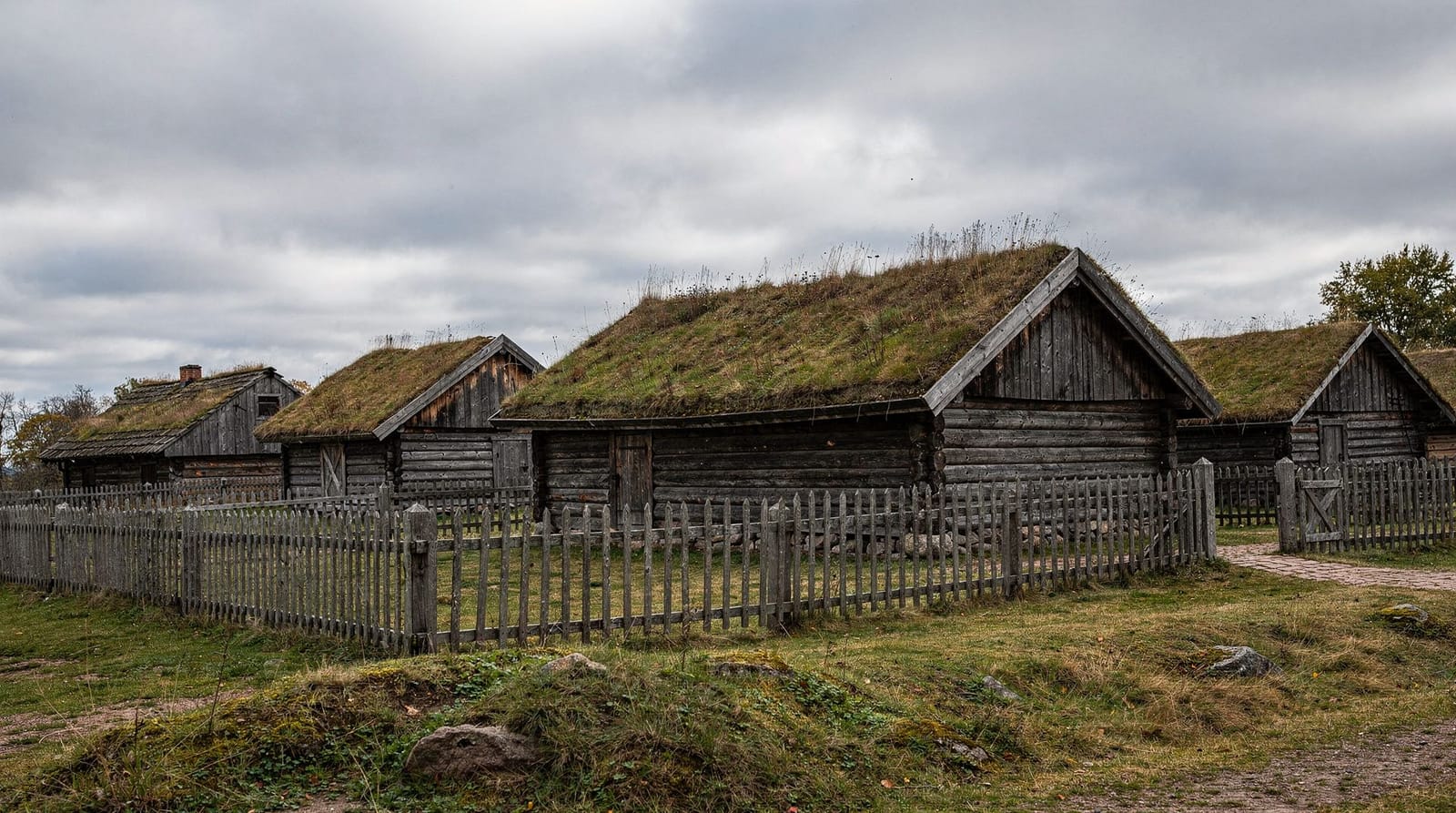
Stockholm: full-day small-group Viking culture tour to Uppsala
Stockholm: Vasa Museum entrance ticket
Stockholm: secrets of Gamla Stan guided tour with fika option
Stockholm: Viking island tour — Birka from Stockholm by boat