Uppsala day trip from Stockholm: cathedral, university & Viking mounds
Stockholm: full-day small-group Viking culture tour to Uppsala
Duration: 8–9 hours
Is Uppsala worth a day trip from Stockholm?
Yes — Uppsala is Stockholm's best full-day trip. In 38 minutes by train you reach Scandinavia's tallest cathedral (with Linnaeus and Gustav Vasa's tombs), Scandinavia's oldest university (1477), and Gamla Uppsala's massive Viking Age burial mounds 3 km north. Ofvandahl's Konditori (open since 1878) is one of Sweden's best traditional cafés. Budget a full day; there is more here than most visitors expect.
Uppsala: the best full day trip from Stockholm
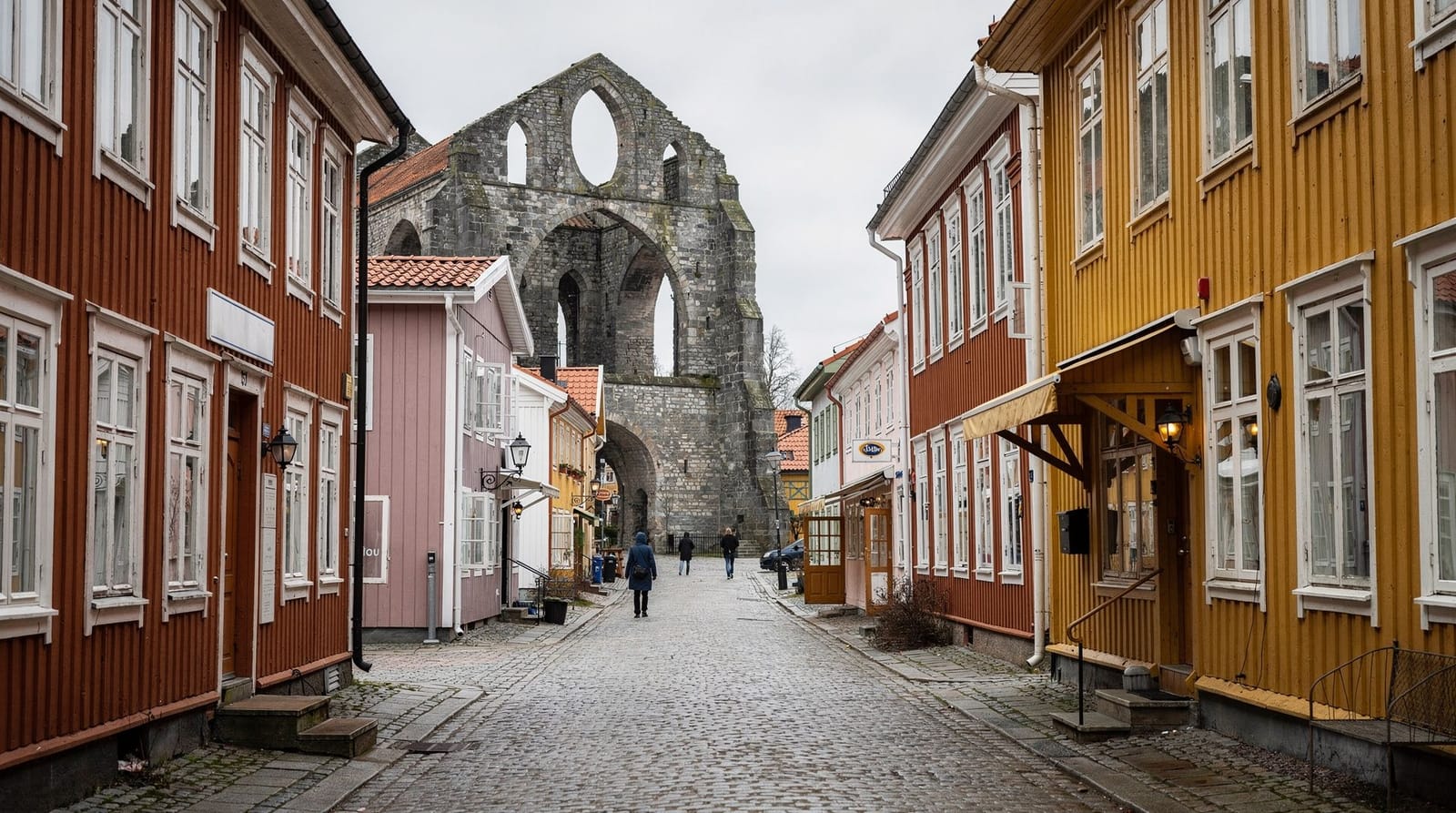
Uppsala punches well above its size — a city of 230,000 with Scandinavia’s tallest cathedral, the continent’s oldest university still on its original site, a castle, and, 3 km to the north, some of the most significant Viking Age burial monuments in existence. It is the kind of place where the density of historically important sites is difficult to predict from outside: visitors expecting a pleasant Swedish provincial city often find themselves overwhelmed by content.
This is the day trip you do if you have one full day to leave Stockholm.
| Where | Uppsala, 38 min north of Stockholm by train |
| Cost | Train fare (check SJ or SL for the current price) + free/low-cost sites |
| Time needed | Full day (7–8 hours including travel) |
| Getting there | SJ regional train from Stockholm Central |
| Best time | Year-round; summer for the Linnaeus garden |
For more background on the city and its surroundings, see the Uppsala destination page.
Getting there
By train (recommended)
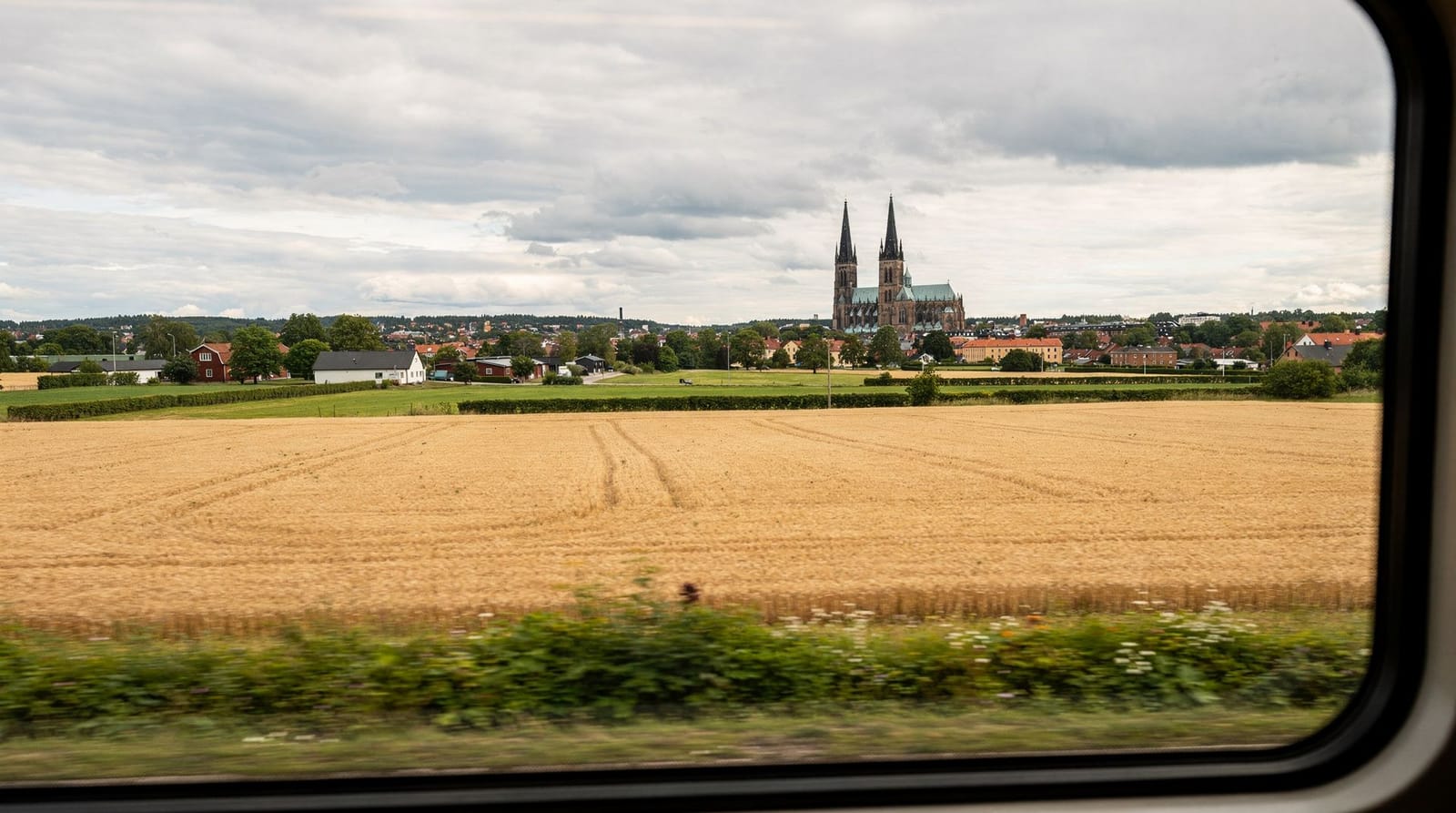
SJ regional trains run Stockholm Central Station to Uppsala Central approximately every 30 minutes throughout the day. The journey takes 38 minutes. Fares vary by operator and by how early you book, so check the current price with SJ, Mälartåg or SL before you travel.
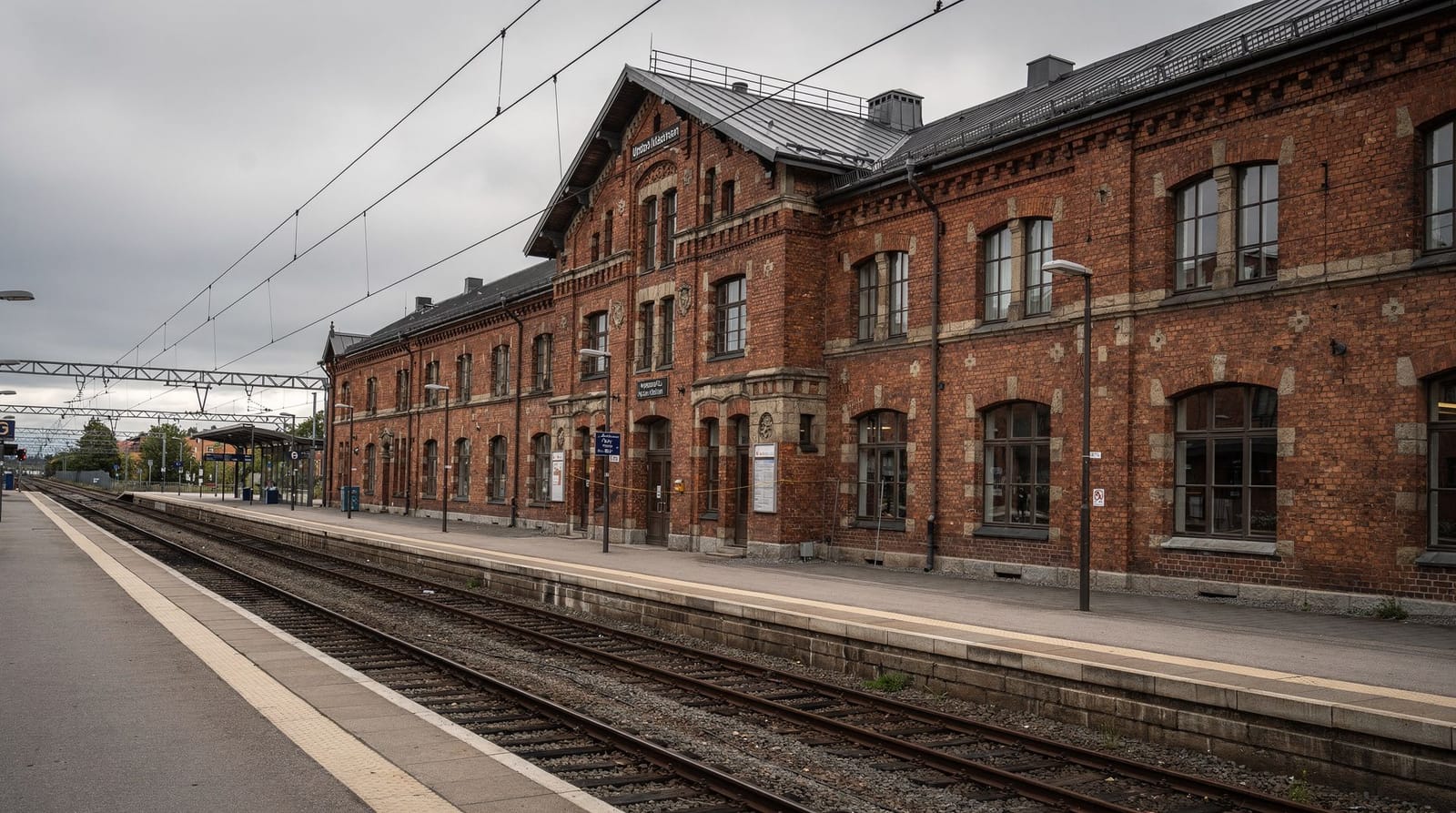
The train deposits you at Uppsala Central, a 10-minute walk from the cathedral.
Note: The commuter Pendeltåg also runs Stockholm–Uppsala but takes 55 minutes and is less comfortable for this distance. The SJ regional train is the correct option.
Organised day tours
Book the full-day Viking culture tour to Uppsala Book the Uppsala and Sigtuna combined 8-hour tourGuided day tours to Uppsala typically include transport, guided walking of the key sites, and sometimes entry to Gamla Uppsala museum. The Viking culture tour specifically covers Uppsala’s pre-Christian history alongside the medieval cathedral.
Travellers who’d rather skip the group format can book a private walking tour of Uppsala with a local guide, timed and routed around their own schedule.
Book a private Uppsala walking tour with a local guideUppsala Cathedral
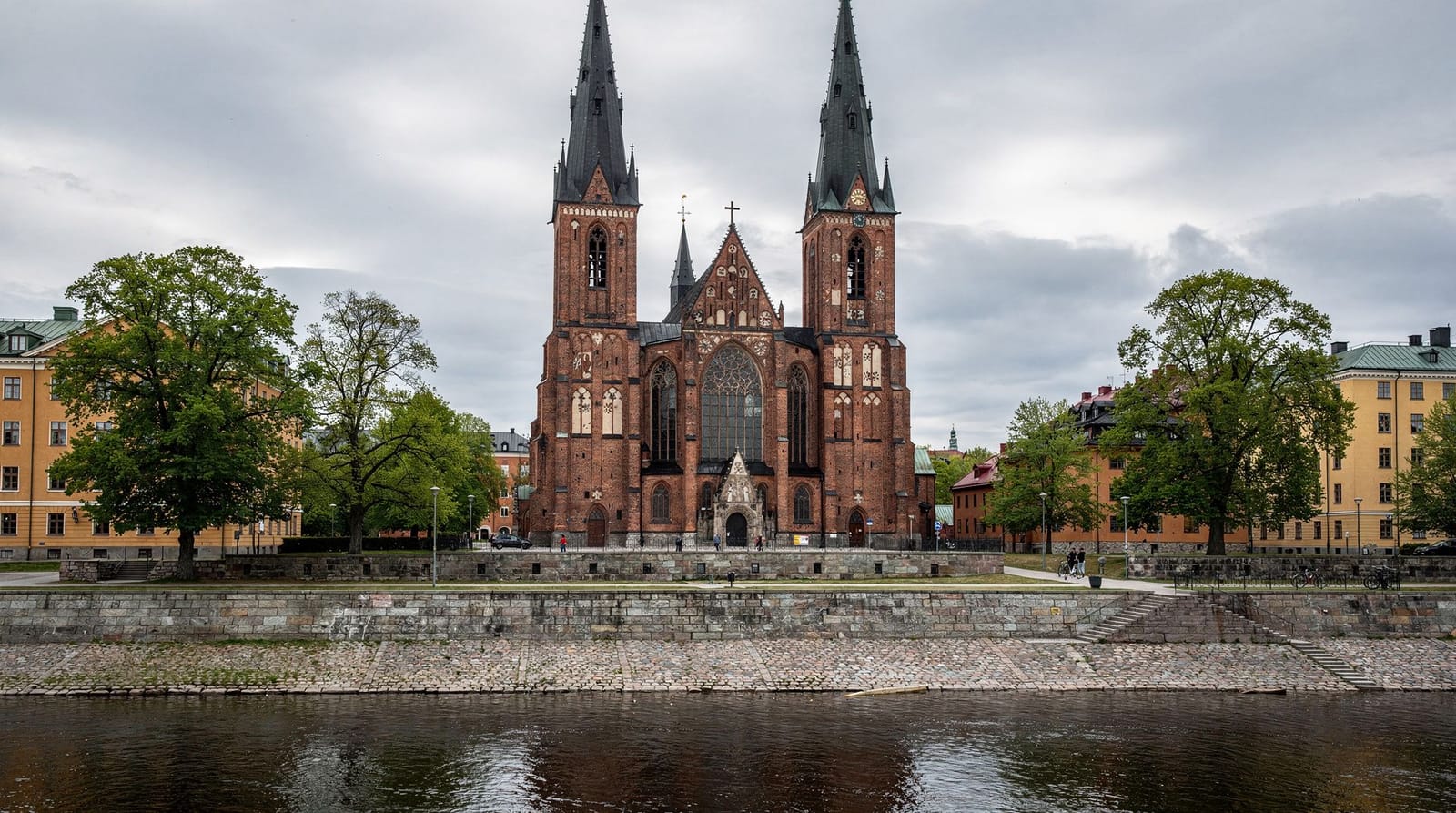
Uppsala Domkyrka is the largest and tallest church in Scandinavia — 118 metres from ground to the top of the spires, and begun in 1270 on the instructions of Archbishop Folke Johansson Ängel. The building took 150 years to complete and has undergone several major modifications since.
Inside, the cathedral is remarkable for several reasons:
Gustav Vasa’s tomb: The king who broke Sweden from the Danish-dominated Kalmar Union and established the Swedish Reformation is buried here, in an elaborate Renaissance monument with his two wives. If you have any interest in Scandinavian political history, standing at this tomb has a particular weight.
Carl Linnaeus’s grave: The botanist who invented the binomial nomenclature system that all scientific taxonomy still uses is buried in the cathedral floor, with a simple marble slab. The cathedral also holds a small Linnaeus display.
The Baroque ceiling: The 19th-century restoration paintings on the nave ceiling are overwhelming in scale and colour. Photographing them requires standing still and pointing the camera upward.
Saint Erik’s shrine: The relics of King Erik (Sweden’s patron saint, murdered in 1160) were kept here until the Reformation. The shrine itself — a heavily ornamented medieval reliquary — is now in the cathedral treasury.
Entry to the cathedral is free. Opening hours vary with the season and church services, so check the cathedral website before you go. The treasury (Skattkammaren) charges 80 SEK for adults.
Uppsala University and the city centre
Uppsala University’s main area occupies the high ground above the city centre. Key sites:
Gustavianum: The university’s original 17th-century main building, housing a museum. The highlight is the anatomical theatre on the top floor — a circular room with tiered seating surrounding a central dissection table, preserved essentially as it was built in 1663. It is one of the oldest surviving anatomical theatres in the world and gives a visceral sense of how 17th-century medicine worked.
Carolina Rediviva: The university library, housing the Codex Argenteus (Silver Bible) — a 6th-century Gothic manuscript written in silver and gold ink on purple parchment. The manuscript is one of the primary records of the Gothic language and among the most visually extraordinary medieval books in existence. Free to view in the dedicated display case.
The university main building: The 19th-century neoclassical main building on Universitetshuset hill overlooks the city and is architecturally impressive. Open for general visiting.
The Linnaeus connection
Carl Linnaeus (1707–1778) studied at Uppsala University and later became professor of botany here. His home, now preserved as the Linnémuseet, is located near the cathedral. The Linnéträdgården (Linnaeus Garden) behind the museum was Linnaeus’s working garden, now restored to approximate its 18th-century layout with the plants Linnaeus used for teaching and research.
Both the museum and the garden are worth 45–60 minutes combined. The garden is particularly pleasant in summer when in full flower.
Gamla Uppsala: the burial mounds
Gamla Uppsala (Old Uppsala) is 3 km north of the city centre — reachable by bus (route 2 from Uppsala city centre, approximately 10 minutes) or by a pleasant bicycle ride along the riverside path.
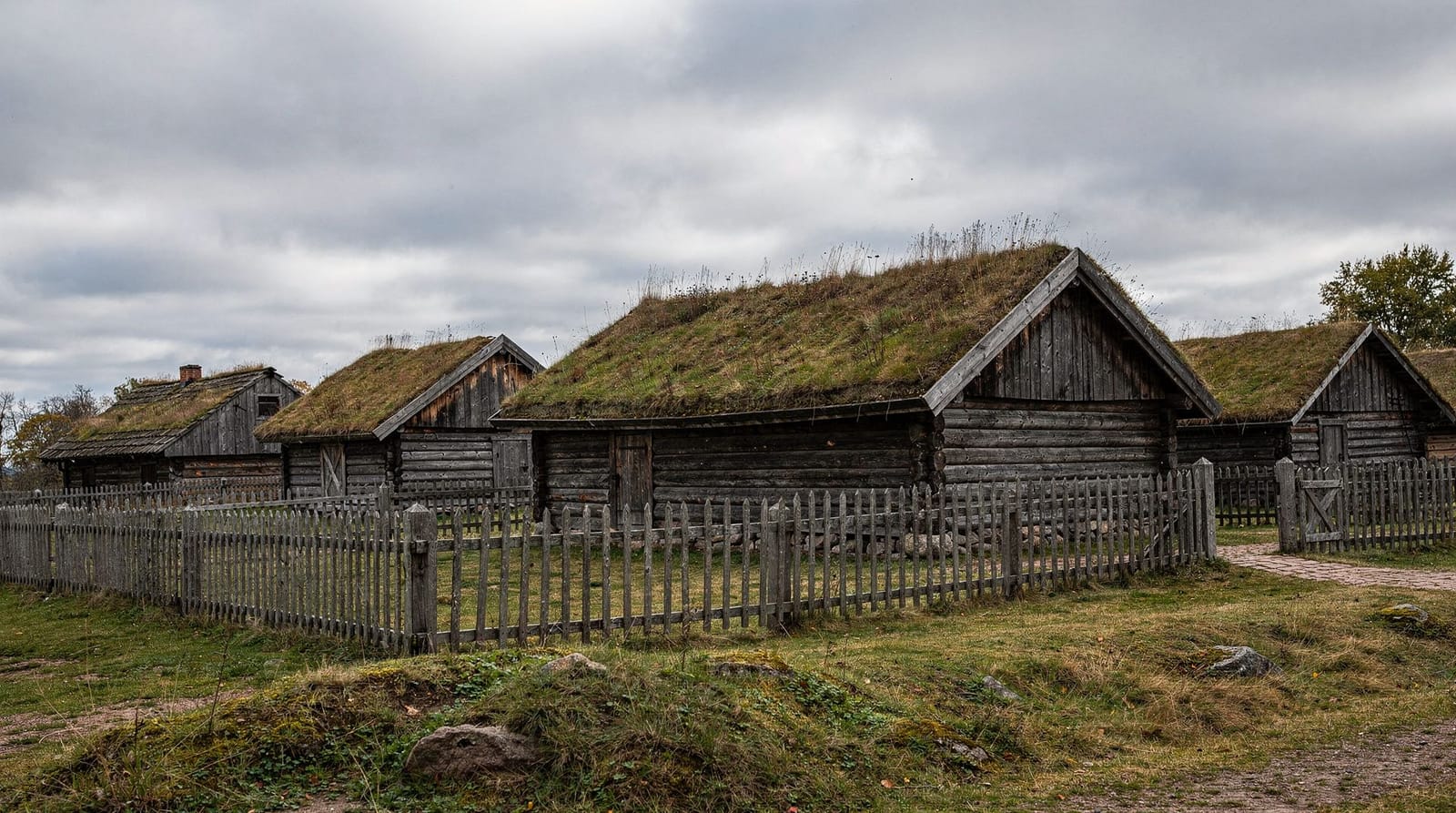
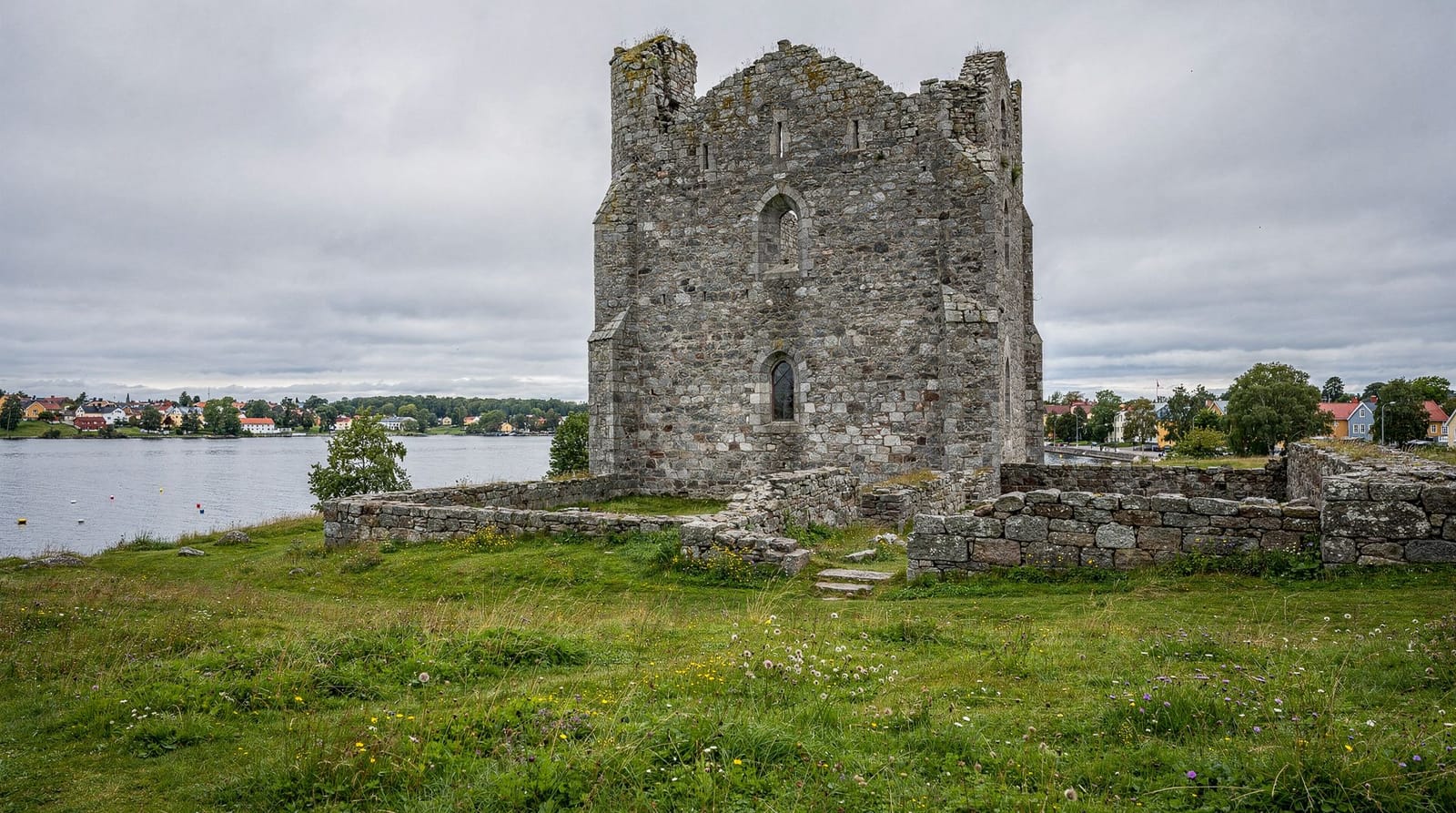
The three Kungshögarna (Royal Mounds) — each approximately 9 metres high and 60 metres in diameter — date from the 5th and 6th centuries AD. Archaeological investigation has confirmed that they are burial mounds, almost certainly for Svea kings. The surrounding area has produced some of the richest archaeological finds in Sweden’s pre-Viking history.
The Gamla Uppsala Museum sits next to the mounds with excellent interpretation of the site’s history and the objects recovered from excavations. A medieval church (built over an older pagan temple site) is still in active use adjacent to the mounds.
The site is free to walk. The museum charges a small entry fee. Allow 2 hours for the round trip including time at the mounds.
Ofvandahl’s Konditori — the fika stop
Sysslomansgatan 5, Uppsala city centre.
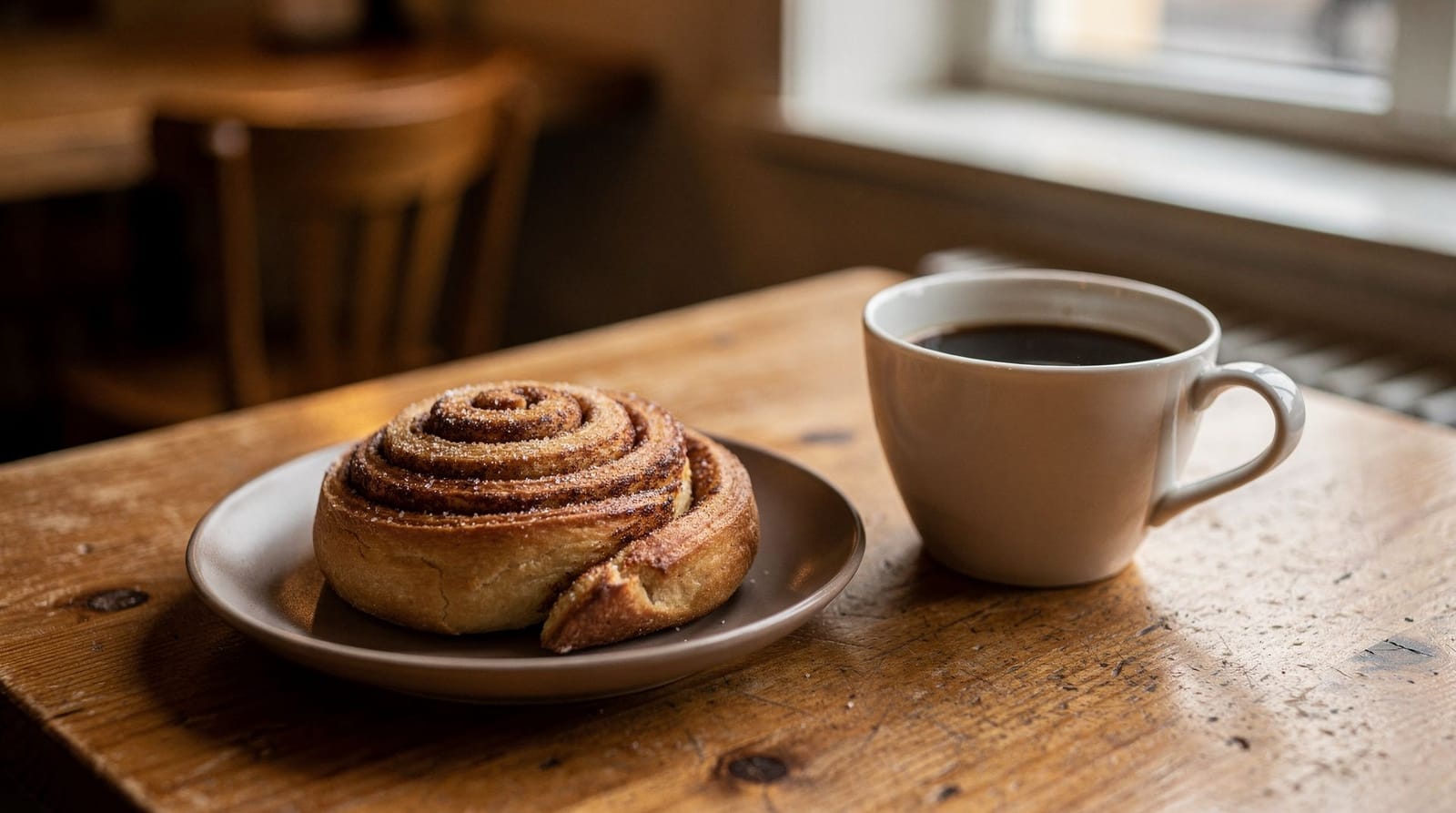
Ofvandahl’s Hofkonditori has been operating since 1878. The interior is extraordinary: carved wood panels, marble-topped tables, tiered glass pastry cases with daily-made Swedish pastries, the accumulated patina of 150 years of café operation. The cinnamon buns are among the best in the Uppsala-Stockholm region.
Plan your visit for mid-morning (around 10:00–11:00) or mid-afternoon (14:30–15:30) — the traditional fika windows. The café fills up but rarely has an unbearable queue. For the wider fika tradition and other recommended stops, see the fika culture guide.
Book a straightforward Uppsala day trip from StockholmThis option suits visitors who want Uppsala on its own, without the Viking or Sigtuna add-ons covered by the other tours above.
Uppsala Castle
Uppsala Castle sits on the hill above the cathedral, built by Gustav Vasa in the 16th century. The current structure is partially 18th century after a fire destroyed much of the original. Uppsala County Museum occupies part of the building. The outdoor terraces offer good views over the cathedral spires and city.
Worth a brief visit if you have time, but lower priority than the cathedral, Gustavianum, and Gamla Uppsala if time is limited.
Combining Uppsala with Sigtuna
Uppsala pairs naturally with Sigtuna, Sweden’s oldest town, about 30–40 minutes away by bus or car. Doing both in one day is possible but tight — it works best if you trim Gamla Uppsala to the mounds only (skip the museum) and keep Sigtuna to its runestones and lakeside high street. If you would rather not rush either, treat them as two separate trips; the day trips from Stockholm overview has other pairings that work well together.
Uppsala vs other day trips from Stockholm
Several Stockholm day trips compete for the same “one full day away” slot. Here is how Uppsala stacks up:
| Option | Best for | Travel time | Vibe |
|---|---|---|---|
| Uppsala | Cathedral, university, Viking mounds | 38 min by train | Dense, historical, walkable |
| Sigtuna | Runestones, lakeside charm | ~40–50 min | Small, relaxed, less to see |
| Birka | Viking Age island settlement | ~2 hrs by boat | Archaeological, boat-dependent |
| Vaxholm | Archipelago fortress town | ~1 hr by boat | Coastal, low-key |
Uppsala wins on density of significant sites reachable by train without weather dependence — useful information if you are choosing based on a forecast. For train-specific logistics across all these options, see the Stockholm day trips by train guide.
Suggested day itinerary
08:00–08:38: Train from Stockholm Central to Uppsala.
09:00–10:30: Uppsala Cathedral (free, thorough visit). Treasury visit (optional, 80 SEK).
10:30–11:00: Fika at Ofvandahl’s Konditori.
11:00–12:30: Gustavianum museum (anatomical theatre + Carolina Rediviva Silver Bible).
12:30–13:30: Lunch in the city centre (several good options on Fyristorg and surrounding streets).
13:30–15:30: Bus to Gamla Uppsala (route 2, 10 min) — burial mounds and museum. Bus back.
15:30–16:30: Linnéträdgården and Linnémuseet (optional based on remaining time and interest).
17:00–18:00: Train from Uppsala Central to Stockholm.
Total active sightseeing time: approximately 7 hours.
If you only have half a day
Skip Gamla Uppsala’s museum (keep the mounds themselves, viewable free from outside) and drop the Linnéträdgården. A tighter half-day covering the cathedral, Gustavianum, and fika at Ofvandahl’s is realistic in about 4 hours, leaving time for an earlier or later train. This is the version worth choosing if you are combining Uppsala with another commitment the same day, rather than trying to force the full itinerary into a shorter window.
Practical information
| Detail | Information |
|---|---|
| Train time | 38 minutes (SJ regional) |
| Train cost | Varies; check SJ or SL |
| Frequency | Every 30 minutes |
| Cathedral entry | Free |
| Gustavianum | 150 SEK |
| Gamla Uppsala Museum | 150 SEK |
| Best for | History, architecture, university culture |
| Season | Year-round |
Frequently asked questions about Uppsala day trip
How do I get from Stockholm to Uppsala by train?
SJ regional trains from Stockholm Central to Uppsala take 38 minutes, approximately every 30 minutes. Check SJ or SL for the current fare.
How much time do I need in Uppsala?
A full day is ideal. Minimum meaningful visit: 4 hours for the cathedral and university area. Include Gamla Uppsala burial mounds by adding 2 more hours.
What are the Gamla Uppsala burial mounds?
Three massive Viking Age burial mounds from the 5th–6th century, almost certainly the graves of Svea kings. Located 3 km north of Uppsala city centre, accessible by bus. Some of the most significant pre-Christian burial monuments in Scandinavia.
What is Uppsala University famous for?
Scandinavia’s oldest university (1477), associated with Carl Linnaeus and Anders Celsius. The Gustavianum has a preserved 17th-century anatomical theatre and houses the Gothic Codex Argenteus manuscript.
What is Ofvandahl’s Konditori?
Uppsala’s oldest café (since 1878), one of Sweden’s best traditional konditori. Excellent cinnamon buns and Swedish pastries in a beautifully preserved 19th-century interior.
Top experiences
Bookable activities with verified prices and instant confirmation on GetYourGuide.