Stockholm in winter: your complete guide to Dec–Mar
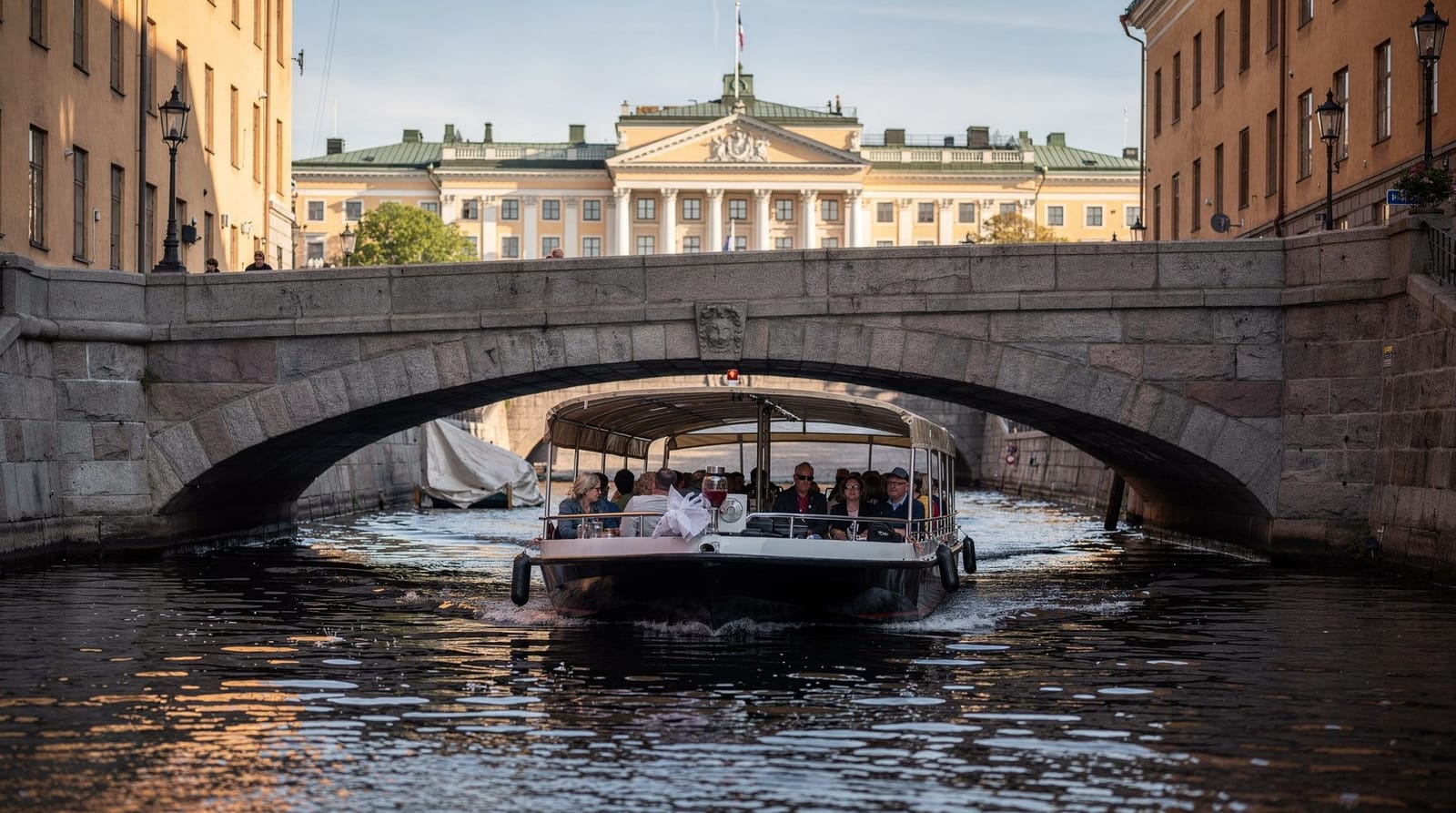
Stockholm: winter boat tour with guide
Is Stockholm worth visiting in winter?
Yes — but with honest expectations. December is magical for Christmas markets and Lucia. January–February are the darkest months (6–8 hours of daylight), very cold (-2 to -5°C), and hotel prices hit their lowest. You get a quieter, more authentic Stockholm with far fewer crowds. Pack waterproof grip boots: cobblestones in Gamla Stan become ice rinks.
What to honestly expect from a Stockholm winter
Stockholm in December through February is not a fairy-tale snow globe. Some winters bring heavy snowfall and dramatic frozen landscapes; others are wet, grey, and slushy with rain at 1°C. The honest reality sits somewhere between Instagram’s Stockholm-in-snow fantasy and the dread of endless Nordic darkness.
What you can reliably count on: extremely low crowds, genuinely low hotel prices, all the museums to yourself, and a city that maintains its distinctive character regardless of season. Stockholm’s residents don’t hibernate — they fika, they skate, they take saunas, and they celebrate Christmas with unusual seriousness. Winter tourism, done right, gets you the authentic Stockholm that summer visitors miss.
| Best value window | January–February |
| Most festive window | December (Christmas markets, Lucia) |
| Daylight range | 6 hrs (Jan) to 10+ hrs (late March) |
| Temperature range | -10°C (cold snaps) to 3°C |
| Essential item | Waterproof grip boots |
| Month | Daylight | Typical temp | Best for |
|---|---|---|---|
| December | ~6.5 hrs | -1 to 3°C | Christmas markets, Lucia |
| January | ~6 hrs | -2 to -5°C | Lowest prices, quiet museums |
| February | ~8 hrs | -2 to -5°C | Ice skating, sauna season |
| March | 8–10+ hrs | 0°C and rising | Transition, Easter run-up |
For deeper detail on the two coldest months specifically, see the January–February guide, and for what to actually pack, the winter clothing guide.
Month-by-month breakdown
December
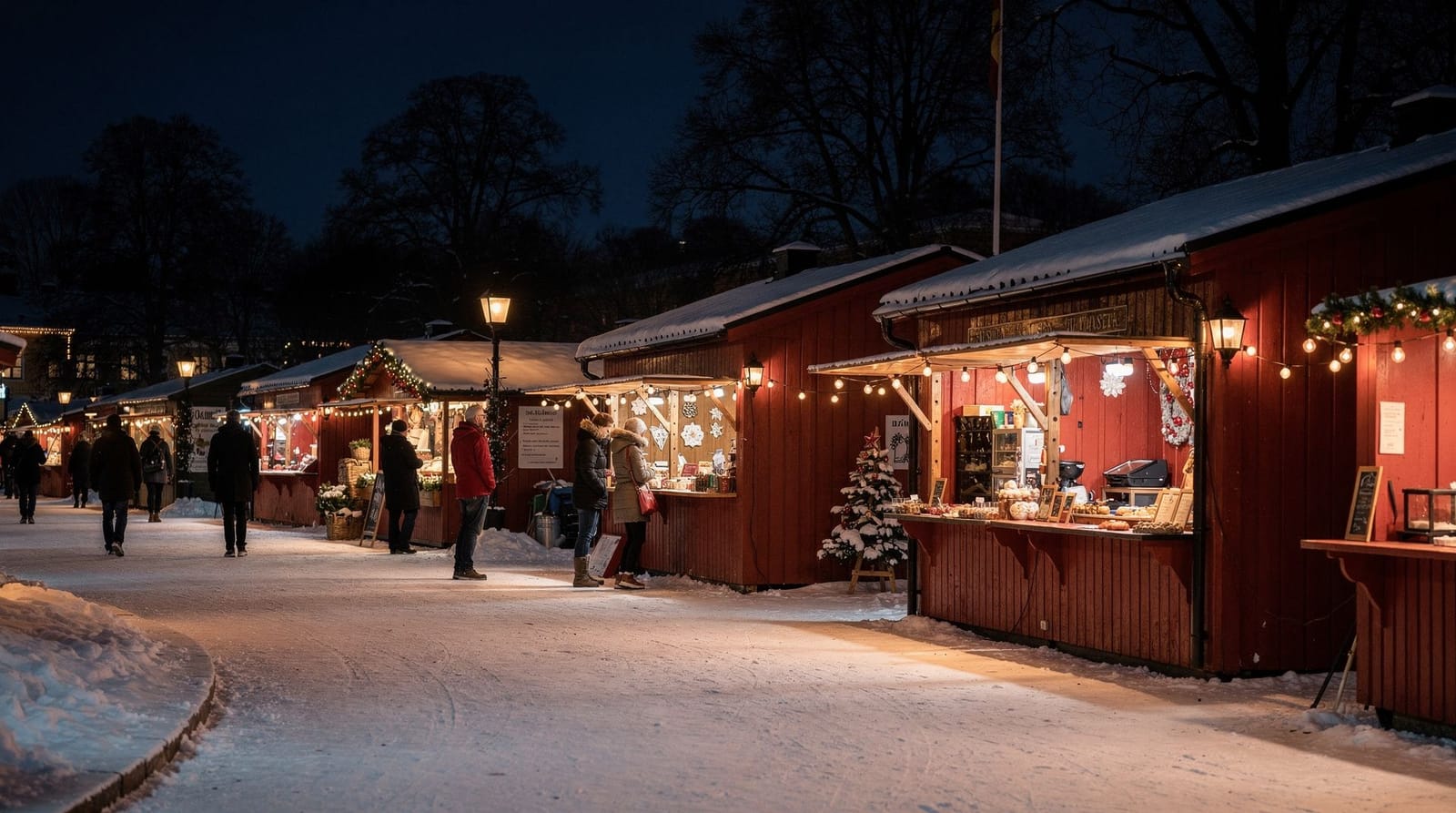
December is the most visited winter month, and for good reason. The Christmas markets (Skansen, Stortorget, several others) run from late November through the 22nd–24th. The city is decorated with outdoor light installations. The biggest cultural event is Lucia on 13 December — candlelit processions in churches across the city, with Storkyrkan (the cathedral in Gamla Stan) hosting ticketed Lucia concerts from 6 to 13 December 2026.
Daylight: about 6.5 hours at the start of December, slightly less by the 21st. Temperatures range from -1°C to 3°C, though colder nights are common.
What to prioritise in December: The Christmas markets are the centrepiece. Skansen’s Julmarknad is the most atmospheric. Stortorget in Gamla Stan is the oldest. Lucia on 13 December needs planning: Storkyrkan sells tickets for its Lucia concerts (6–13 December 2026), so book ahead. For a broader ranking of the season’s markets, see Stockholm’s Christmas markets, complete.
A guided Christmas market walking tour is a good way to see several markets in one evening without navigating between them alone in the dark and cold.
January and February
The two darkest, coldest months. Daylight drops to 6 hours in January and 8 hours in February. Temperatures typically sit at -2 to -5°C with wind chill making it feel colder. Snow becomes more likely in proper cold spells, but neither month guarantees it.
These months offer the lowest prices and fewest tourists. A long weekend in Stockholm in late January, with the Vasa Museum essentially to yourself and hotel rooms at 60% of summer prices, is one of the better-value European city breaks available.
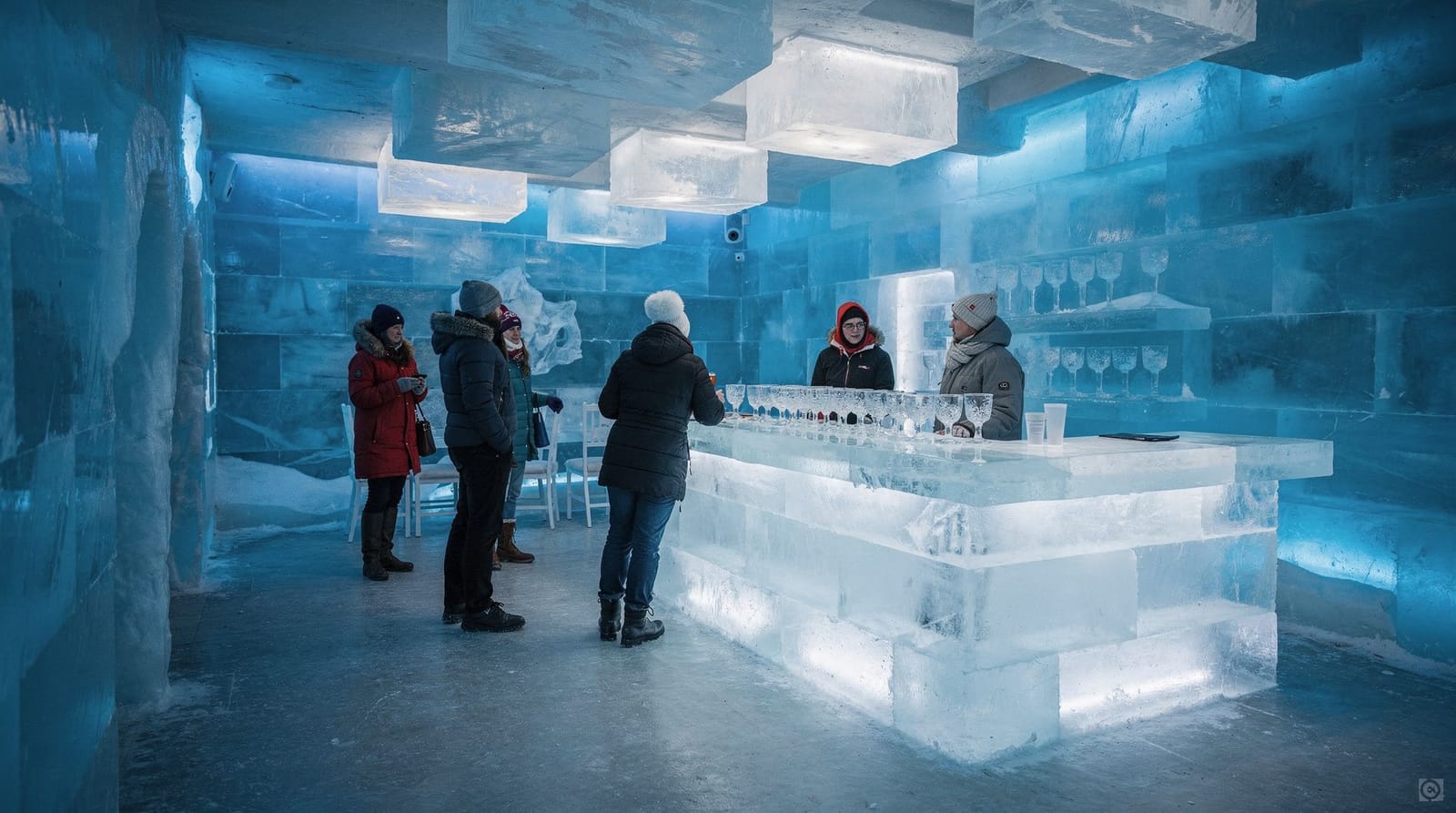
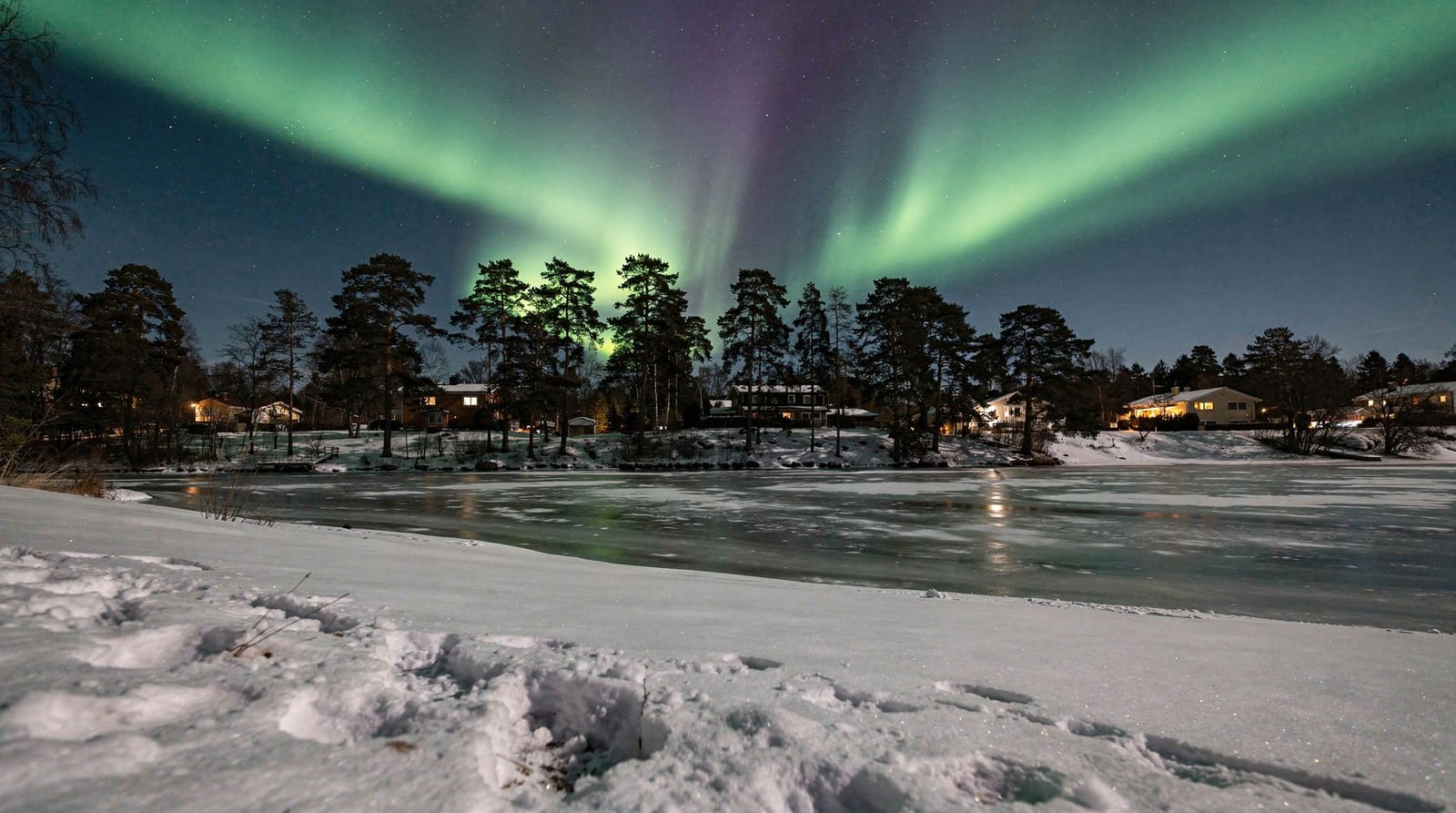
Activities specific to the cold: ice skating on frozen lakes (when conditions allow), sauna culture, the Icebar Stockholm experience, and — if you’re lucky with solar activity — a chance at northern lights from the city’s outer districts or nearby countryside.
March
March is the transition month. Daylight returns noticeably (10 hours by the end of the month), temperatures push toward 0°C and above. Snow is possible but less likely. Museum crowds begin to grow modestly. Prices remain reasonable.
The main seasonal event in March is Påsk (Easter), which in 2026 falls in April but varies annually. Easter in Sweden involves decorated trees with feathers, children dressing as witches (påskkärringar), and a gentle festive atmosphere.
The critical gear question: what to wear
Packing for Stockholm in winter is not complicated, but the stakes are real. The primary risk is not cold — it’s falling on ice. Gamla Stan’s 14th-century cobblestones become skating rinks on freezing mornings.
Non-negotiables:
- Waterproof ankle boots with real grip (Vibram-type soles, or specifically Icebug, Meindl, or Hanwag outsoles)
- Thermal base layers (merino is worth the price for multi-day wear)
- A genuinely warm outer layer rated to -10°C or below
- Wool hat, gloves, and a wind-resistant scarf
Leave home:
- Fashion sneakers or smooth-soled city shoes
- Light jackets intended for +10°C autumn wear
If you’re travelling carry-on only and can’t fit proper winter boots, Stockholm’s outdoor shops (Naturkompaniet at Sergels Torg, Stadium across the city) sell quality gear at reasonable prices. Plan to buy here rather than rent — winter clothing rental is limited.
Winter activities in detail
Ice skating
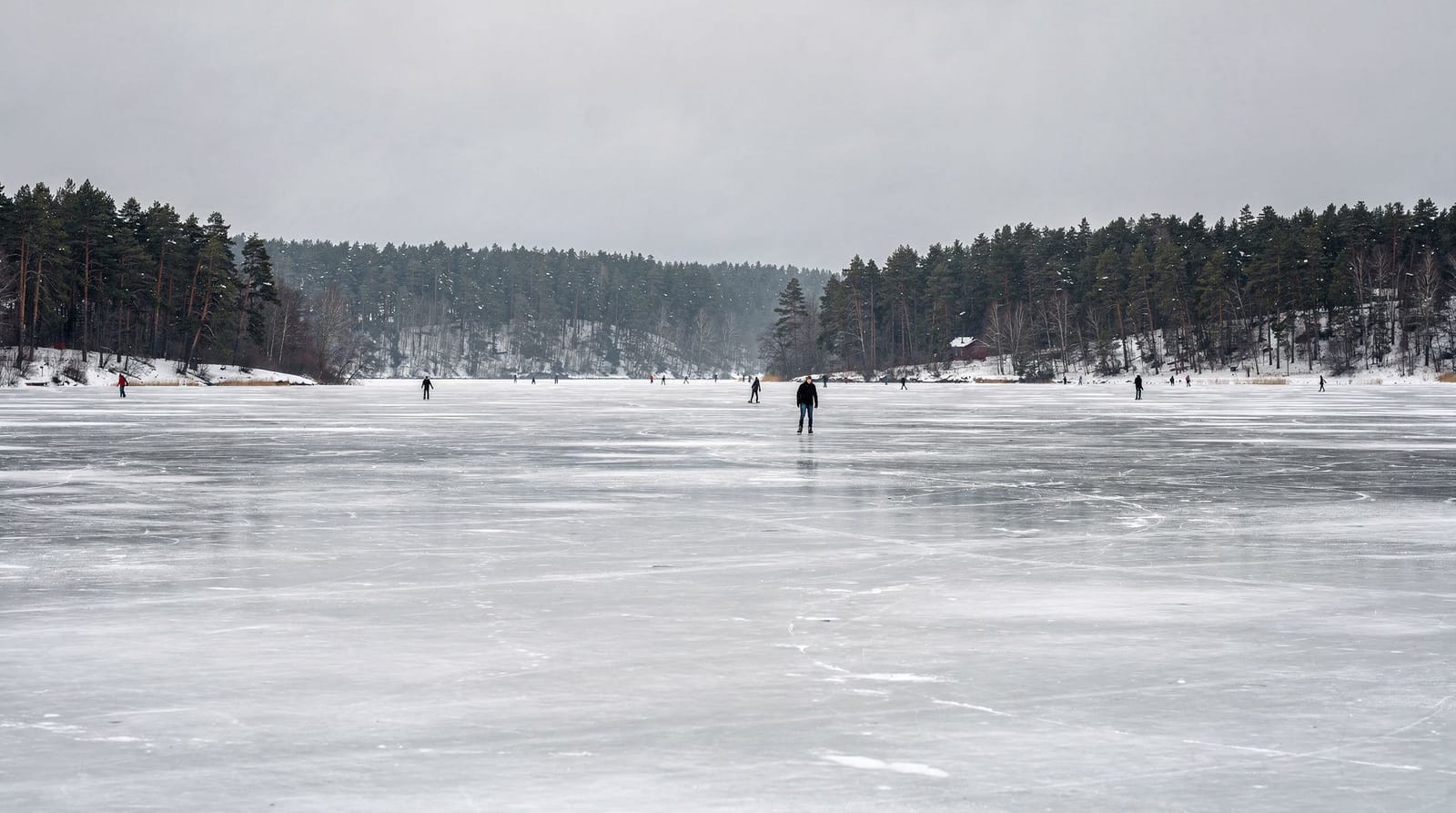
Stockholm has excellent free outdoor rinks. Vasaparken in Vasastan is one of the city’s best — a large rink, floodlit until 22:00, but with no skate rental, so bring your own. Kungsträdgården in the city centre does rent skates (100 SEK per hour for adults, 50 SEK for under-20s) and usually runs from November to March; Medborgarplatsen on Södermalm runs from mid-December to mid-March, weather permitting.
When conditions are cold enough, lake and sea ice on Mälaren opens for long-distance Nordic skating (långfärdsskridskor). This is a more serious undertaking — you need specific long blades, ice picks, and ideally a guide for an introductory session.
Join a guided natural ice skating tour with lunchSauna culture
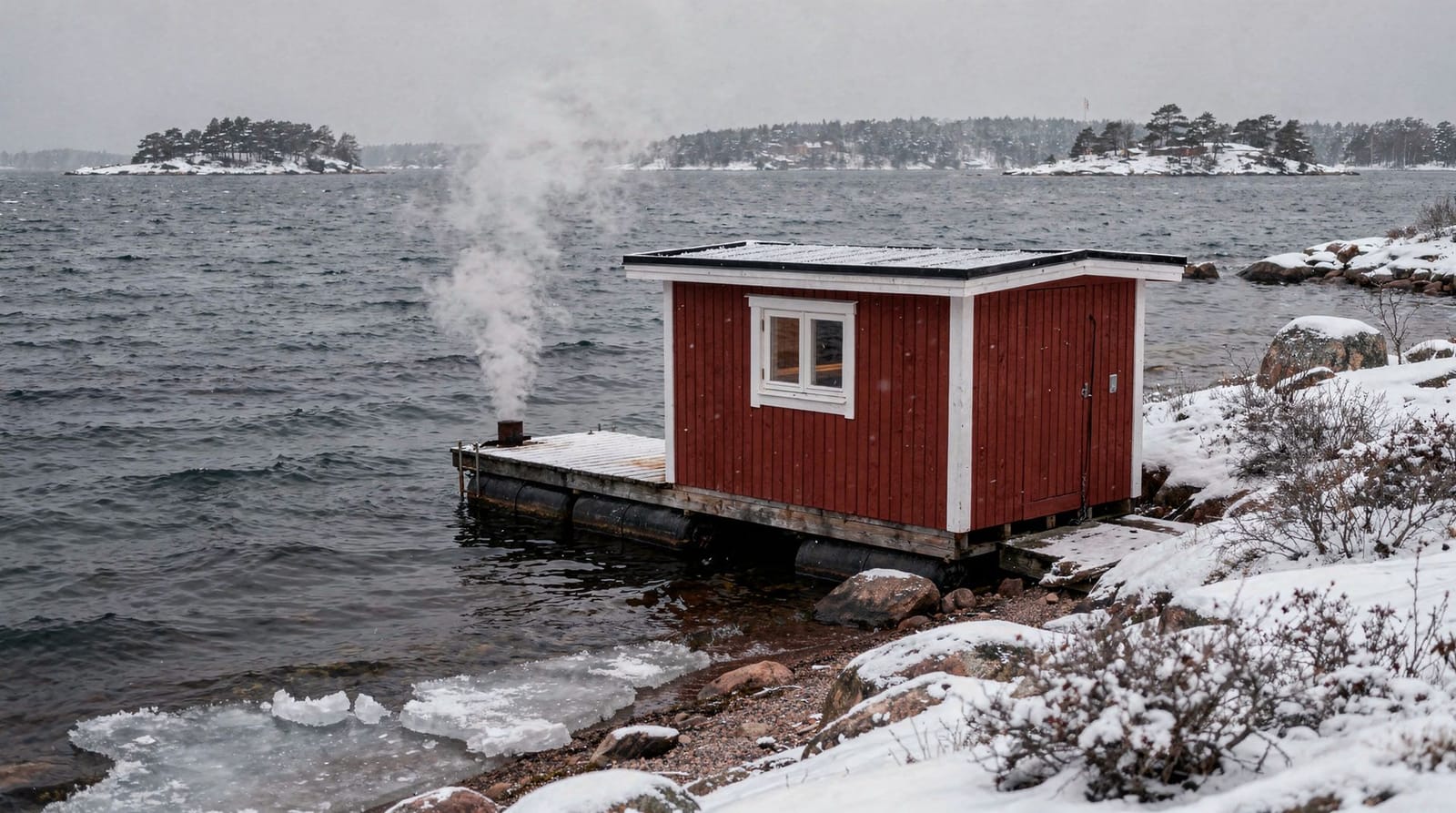
The Swedish sauna tradition is serious and accessible to visitors. Centralbadet in Norrmalm, housed in a stunning 1904 Art Nouveau building, is closed for renovation throughout 2026 (since 2 March; check centralbadet.se for the reopening date). Sturebadet in Östermalm is the upscale option; check sturebadet.se for current packages and prices.
For the full archipelago experience — sauna with a cold plunge into the Baltic — Vaxholm offers packages that combine the traditional heat-and-plunge ritual with views over frozen sea ice.
The Icebar
At Nordic Sea Hotel (Vasaplan), the Icebar Stockholm maintains a permanent -5°C interior constructed entirely from ice. You get an insulated cape on entry, one vodka drink in an ice glass, and a 45-minute slot. It’s touristy and you know it — but for the right person, the photo opportunity and the bragging rights are worth the ticket (check the Icebar booking page for the current price). If you’re on a tight budget, skip it; the free ice skating at Vasaparken is more genuine Stockholm.
Winter canal tour
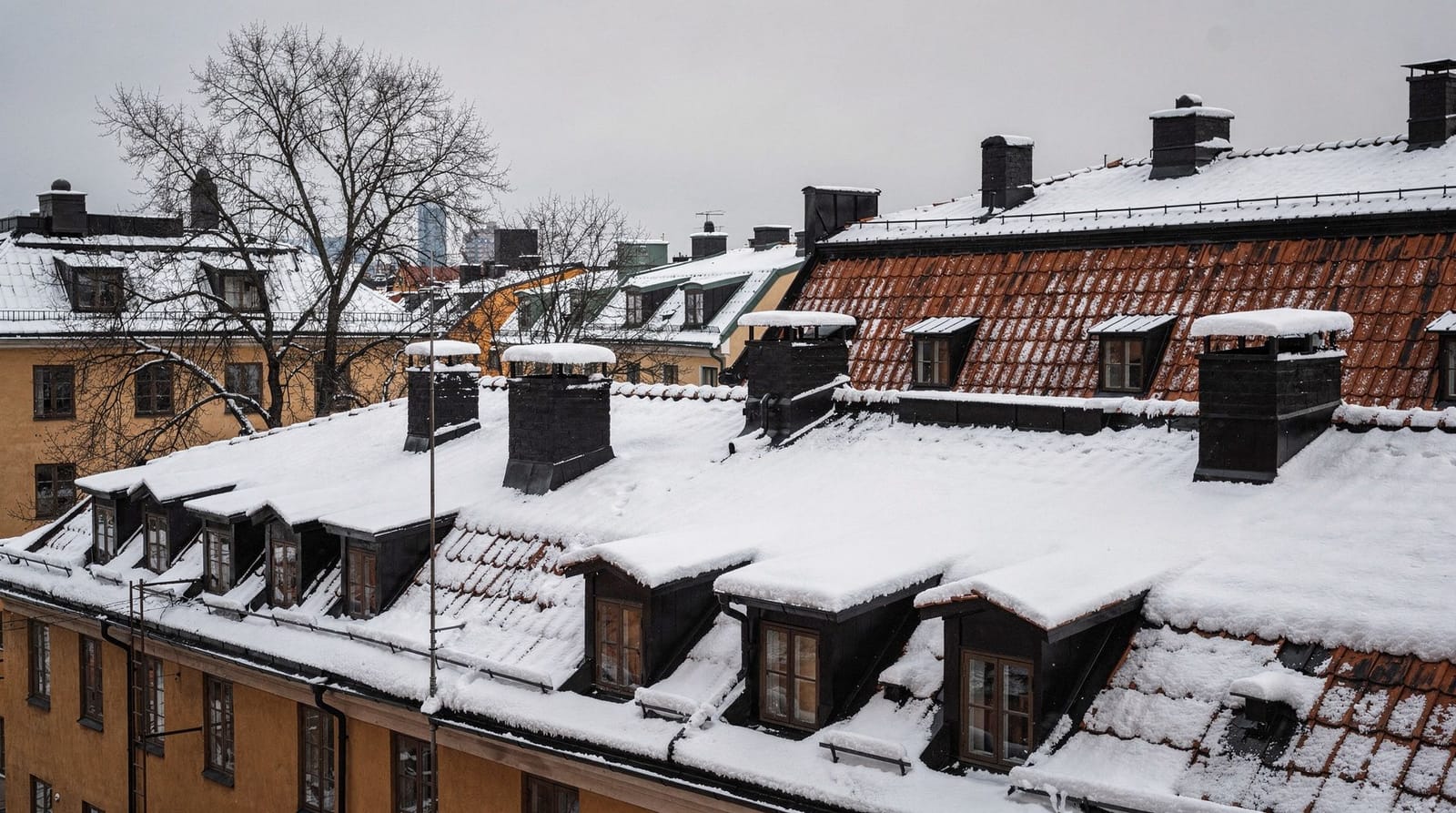
Stockholm’s winter canal boat tour offers a different perspective on the city — the same waterways, lit differently in the low winter sun, often with a dusting of snow on the rooflines. The tour runs year-round and in winter often carries noticeably fewer passengers than the summer equivalent.
Practical winter logistics
Getting around: Stockholm’s T-bana (metro) is climate-controlled and runs on its normal schedule year-round. Surface roads are gritted but not always reliably. Cycling is possible in mild winters but not recommended when ice is present. SL passes work identically in winter.
Museum strategy: January–February is the ideal time to see Vasa without crowds. The museum is open daily year-round. Consider visiting on a weekday morning for the most uncrowded experience.
Restaurants and cafés: Fika culture intensifies in winter — Stockholm’s cafés are full of Swedes treating the warmth and coffee as a genuine daily ritual. The glögg (mulled wine/spiced drink) at Christmas markets and at cafés throughout December is a specific seasonal pleasure.
Daylight strategy: Structure your day around the light. If you’re visiting in January, the window between 9:30 and 14:30 gives the best outdoor photography conditions. Afternoons are beautiful in a different way — the blue twilight that lingers until 16:00 is distinctively Nordic and worth experiencing rather than dreading.
A realistic 2-day winter itinerary
Day one: Morning at the Vasa Museum on Djurgården while the light is best for photography outside, a warm fika break, then an afternoon at Skansen’s Julmarknad if visiting in December, or an hour on the Vasaparken ice rink if January–February. Finish with an early dinner — Stockholm’s short daylight makes an early start to the evening feel natural rather than rushed.
Day two: A sauna session at Centralbadet or Sturebadet mid-morning, when the facilities are quietest, followed by a slow walk through Gamla Stan as the blue twilight sets in around early afternoon. If solar activity is favourable, check the northern lights forecast for the evening — otherwise, the winter canal boat tour makes a good low-effort finish to the day.
This pacing respects the daylight constraints rather than fighting them, and it’s the structure most winter guides skip in favour of a summer-style packed itinerary that doesn’t actually work in a 6–8 hour daylight window.
Frequently asked questions about Stockholm in winter
Is it safe to walk in Stockholm in winter?
Generally yes, but Gamla Stan’s cobblestones require real attention on icy mornings. The city grits major pedestrian routes, but small alleys can be untreated. Wearing proper grip boots is the single most important safety precaution. Falls on ice are the main winter injury risk for tourists.
Should I visit Stockholm in December or January?
They serve different purposes. December offers Christmas markets, Lucia, festive atmosphere, but at slightly higher prices. January is cheaper, quieter, darker, and gives you the museums with almost no competition. If your primary goals are cultural (museums, food, architecture), January is arguably the better choice.
Can you see northern lights in Stockholm?
Occasionally, but the city’s latitude (59°N) is borderline for aurora visibility. During periods of high solar activity (Kp index ≥ 5), the lights are visible from dark outer districts or a short drive from the city. For a reliable northern lights experience, you need to drive 2–3 hours north. See the northern lights guide for detailed planning.
What glögg is worth trying?
Swedish glögg is not the same as German Glühwein — it’s typically spiced with cloves, cinnamon, cardamom, and served with raisins and blanched almonds floating in the cup. Non-alcoholic versions exist. The best glögg at Stockholm’s Christmas markets is often at Skansen, where the recipe follows older Swedish tradition.
What should first-time winter visitors prioritise with only 2 days?
One day around Gamla Stan and Djurgården (Vasa Museum, a Christmas market or ice rink, an early dinner) and one day mixing a sauna session with a canal boat tour or northern lights check — see the itinerary above for the full pacing logic.
Does winter weather ever cancel outdoor activities?
Rarely outright. Natural lake-ice skating depends on sustained cold spells, so it isn’t guaranteed every week, but rink skating, guided tours and canal boats run through ordinary cold and light snow.
Top experiences
Bookable activities with verified prices and instant confirmation on GetYourGuide.