Stockholm in January and February: the honest deep-winter guide
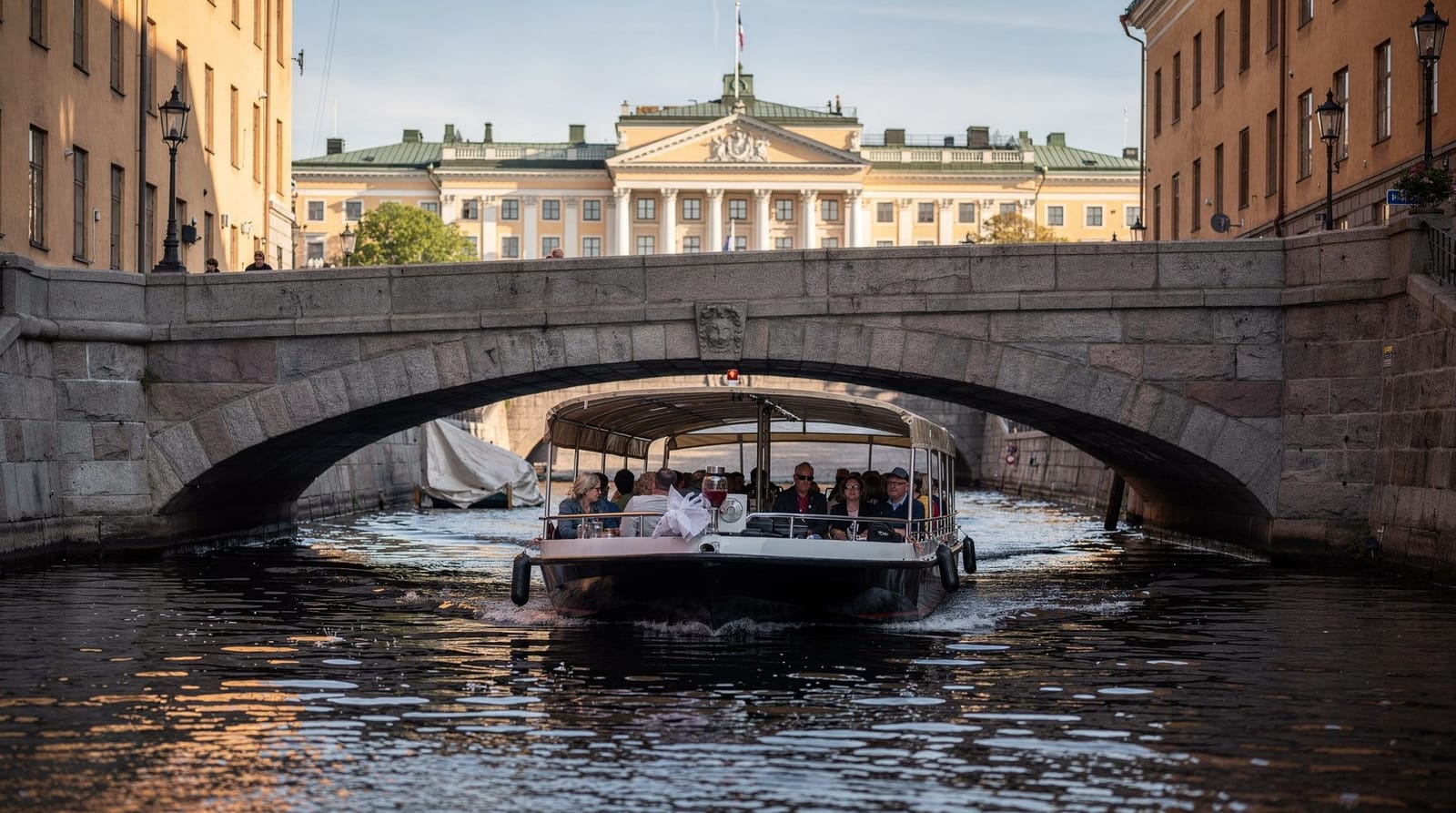
Stockholm: winter boat tour with guide
Should I visit Stockholm in January or February?
Yes, if you genuinely like quiet, low prices, and authentic urban culture without tourist crowds. Hotel rates drop to 60–70% of summer levels. The Vasa Museum, ABBA Museum, and Fotografiska are nearly empty. Cold is real (-2 to -5°C), daylight is limited (6–8 hours), but the city is fully functional, culturally active, and more honest-feeling than in peak summer. January is Stockholm's best-kept budget travel secret.
Why January and February are worth reconsidering
Most travel content dismisses Stockholm in January with a sentence: cold, dark, skip it. This guide argues the opposite position, with honesty about the trade-offs.
January and February are Stockholm at its most raw. Six hours of daylight in January, genuine cold, slushy or snowy streets, the Christmas decorations down and the summer crowds months away. But also: the Vasa Museum with essentially no competition for your attention, hotel rooms at their cheapest, cafés filled with actual Stockholmers rather than tourists, and a city that operates at its authentic winter pace.
This is a trade worth considering. What you give up (daylight, warmth, the summer Stockholm aesthetic) and what you gain (price, quiet, authenticity) depends on your priorities.
| Weather | -2 to -5°C daytime, occasionally colder |
| Daylight | Around 6 hours (January) to 8 hours (late February) |
| Hotel cost | Around 60–70% below July rates |
| Best for | Empty museums, sauna culture, budget travel |
| Bring | Grip boots, layered thermals — see the winter clothing guide below |
Month-by-month: January vs February
| January | February | |
|---|---|---|
| Daylight | ~6 hours, sunrise 8:45 | Up to ~8 hours by month-end |
| Temperature | -2 to -5°C, cold spells to -10°C | Similar, trending slightly milder |
| Crowds | Lowest of the year | Still very quiet |
| Hotel prices | Cheapest month | Nearly as cheap, rising toward month-end |
| Highlights | New Year quiet, deep-winter atmosphere | Design Week, semlor season, Fettisdagen |
The case for January
Economics
Stockholm in summer is expensive. A basic hotel in Norrmalm or Södermalm costs 1,800–2,500 SEK per night in July. In January, the same room is 700–1,000 SEK. Flights from most European cities follow similar patterns — January fares are often 40–50% lower than July.
For a 3–4 night trip primarily focused on museums and city culture, January reduces the total cost significantly.
Museums without crowds
The Vasa Museum sees enormous queues in summer — walk-in visitors can wait 30–45 minutes at peak. In January on a Tuesday morning, you will walk in immediately and potentially have the central hall nearly to yourself. The same is true at the ABBA Museum, Fotografiska, and Moderna Museet.
This isn’t minor. Standing alone in the Vasa Hall — the largest surviving wooden 17th-century warship, raised from the harbour floor in 1961 — with no crowds to navigate around it is a qualitatively different experience from battling shoulder-to-shoulder in July.
Authentic fika culture
Stockholm’s fika culture doesn’t reduce in January. If anything, the pull toward warm cafés with cinnamon buns and dark coffee intensifies. In summer, the best-known fika spots (Café Saturnus, Vete-Katten, Rosendals Trädgård) are packed with tourists. In January, they’re full of Stockholmers working remotely, meeting friends, treating the café as the daily ritual it is for Swedish urban culture.
The winter activities
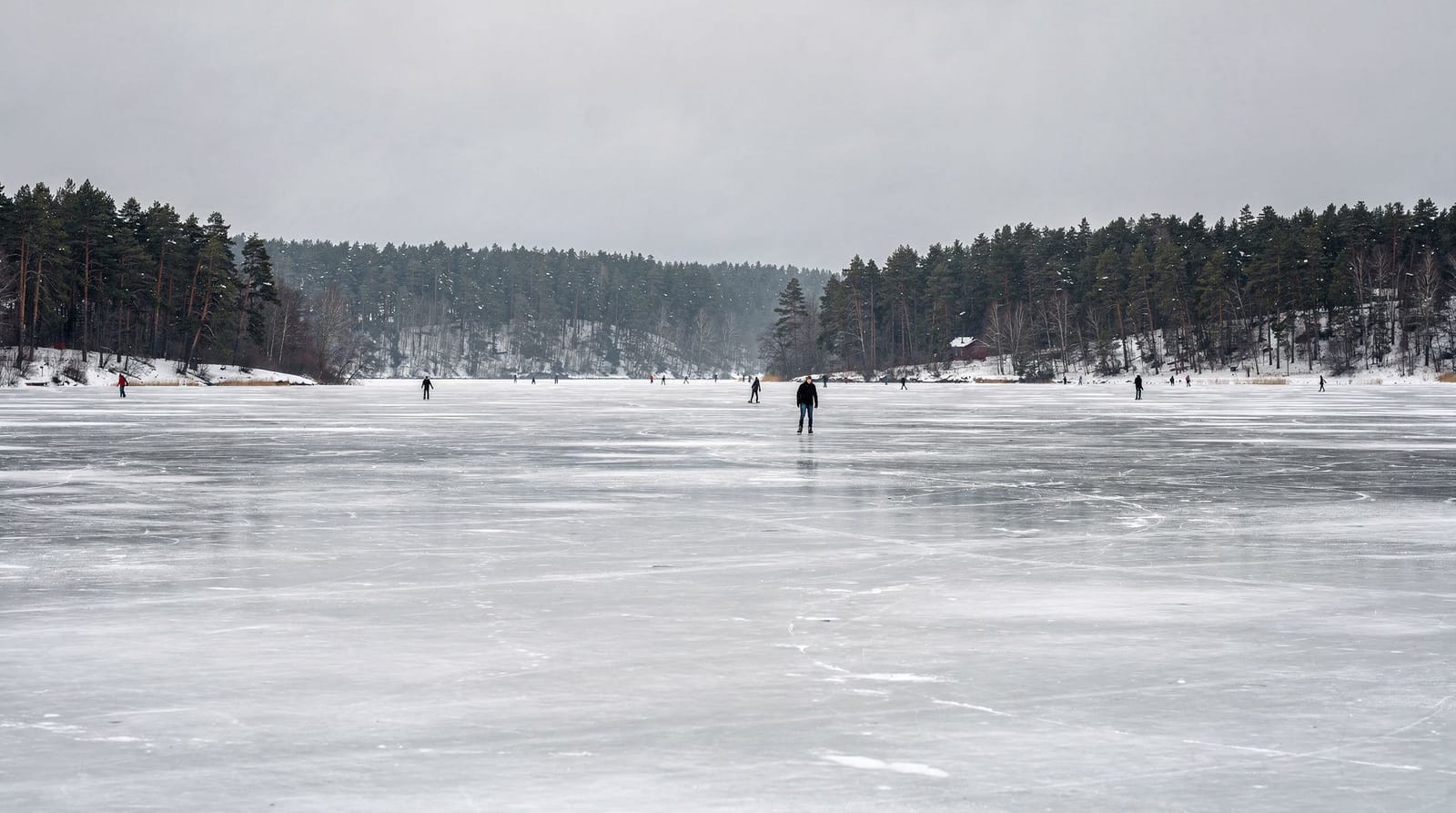
January is when Stockholm’s specifically winter activities peak: outdoor ice skating at Vasaparken, natural ice touring on frozen Mälaren when conditions allow, sauna culture at Sturebadet and in the archipelago. These are things Stockholm does that have no summer equivalent. For the fuller picture of what Stockholm winter looks like beyond just these two months, see the complete Stockholm winter guide.
The case for February
February is marginally better than January on daylight (8 hours by the end of the month), marginally warmer in trend, and sometimes catches Stockholm Design Week (early to mid-February) — the city’s largest design event, drawing creative professionals and opening studio visits across Stockholm.
Carnival (Fettisdagen, around Shrove Tuesday in February/March) brings semlor — the cardamom-cream bun that Swedes eat obsessively in February — to every bakery in the city.
Building a museum-heavy trip
Deep winter is the season when the indoor side of Stockholm earns its reputation, and it is easy to string several museums together without feeling rushed. The Vasa Museum guide covers what to look for inside the hall, and if you want a ticket sorted before you go, entry to the Vasa Museum is the simplest way to avoid standing at a counter in your winter layers. The ABBA Museum guide and the Fotografiska guide help you decide how to spend an evening, since both are comfortable options when the sun has long gone.
If you are weighing the big names against each other, the Vasa versus ABBA comparison is a good way to choose when you only have a couple of dry, warm hours. Smaller collections reward the same patience: the Nordiska museet guide and the Moderna Museet guide both suit a day when the wind off the water makes a long walk unappealing. For wider options on grey days, the museum rainy day guide lists ways to stack indoor stops sensibly.
A practical habit that works well in January and February: put one anchor museum in the middle of the day, walk between stops only when the distance is short, and let a café break reset your hands and feet. Cold tires you faster than you expect, and a trip planned around warm interiors feels generous rather than cramped.
Managing the dark
Six hours of daylight is genuinely challenging if you’re not mentally prepared for it. Strategies that work:
Restructure the day around light. Spend the 9:00–15:00 window outside or doing outdoor activities. Save museums and dinner for the evening hours when darkness is irrelevant.
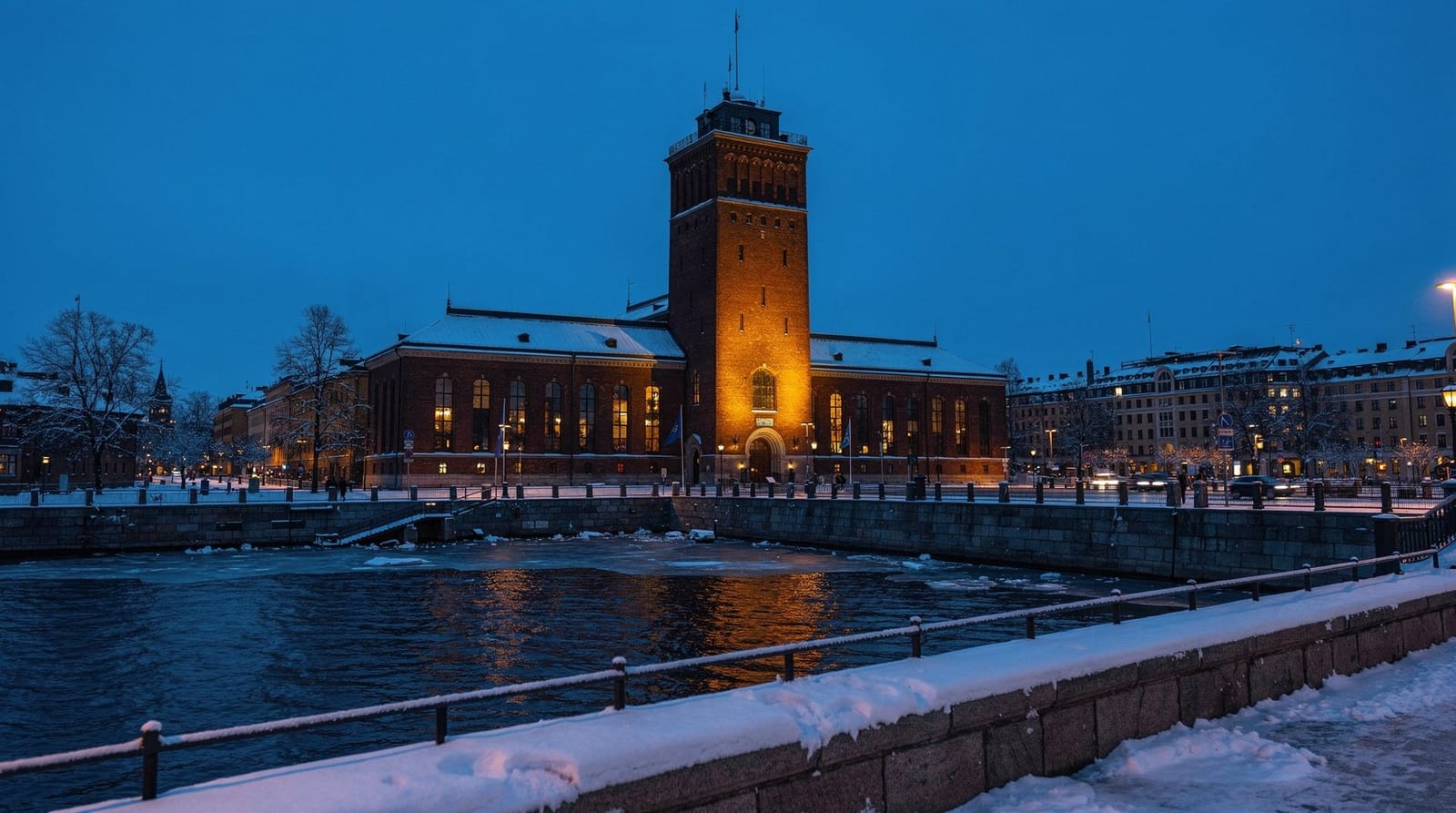
Lean into the blue hour. The period from 15:00 to 16:30 in January, when the sun is below the horizon but deep blue twilight remains, is visually spectacular in Stockholm. The city is beautifully lit — Gamla Stan in particular, with lantern-lit alleyways in that blue dusk, is worth photographing or simply experiencing.
Treat the evening as productive. Restaurants, bars, theatres, and concert halls are all fully active. Stockholm’s cultural life doesn’t slow for winter. This is the season for dinner at a proper restaurant (without the summer wait), drinks at a wine bar, or a concert at Konserthuset.
Avoid fighting the darkness. Visitors who arrive expecting daylight and feel let down by 15:30 sunsets spend January frustrated. Those who accept the short days as part of what the season actually is tend to find it atmospheric rather than depressing.
Outdoor time that actually works in the cold
Not everything outdoors is a sacrifice in winter. When the ice is solid enough, a guided natural ice skating outing with lunch turns the cold into the whole point of the day, and the ice skating guide explains how conditions decide what is possible. Even then, treat any ice plan as flexible, because weather rather than the calendar decides.
Cold-weather walking is also pleasant when you pick the right place. The Djurgården walking route is a sensible choice because museums and cafés are never far away, so you can step inside whenever your fingers complain. The Djurgården neighbourhood deep dive and the Gamla Stan walking tour guide are good companions for planning how long to stay outside before warming up.
Eating, drinking and warming up
Deep winter is the right time for slow food. The fika culture guide and the cinnamon bun guide explain the café ritual that carries most Stockholmers through the dark months, and the Swedish meatballs guide is a reliable pointer for a hot, filling dinner. Build the day so that every outdoor stretch ends at something warm: a bakery counter, a sauna, a restaurant table. That rhythm is what makes the season feel comfortable instead of like an endurance test.
For a longer view of how the two months compare with the rest of the year, the best time to visit Stockholm guide places January and February in context, and the December versus January trade-off is a candid read if you are still choosing between the two. Travellers who prefer a locals-first angle will enjoy the January locals-only experience.
Practical logistics
Getting around
T-bana (metro) and buses run normal schedules year-round. The SL network doesn’t reduce for winter. Surface conditions can make walking slower on icy days, but the metro gets you everywhere efficiently.
What’s closed in winter
Stockholm has very few full winter closures among major attractions. Seasonal closures are more likely among:
- Outdoor tours and boat cruises (some suspend November–March)
- Outdoor market stalls and summer terrace restaurants
- Some archipelago ferry routes and island destinations
- Seasonal guided tours (check specific operator schedules)
All main museums are open. Indoor restaurants and bars are open. Hotels operate normally.
Dress code
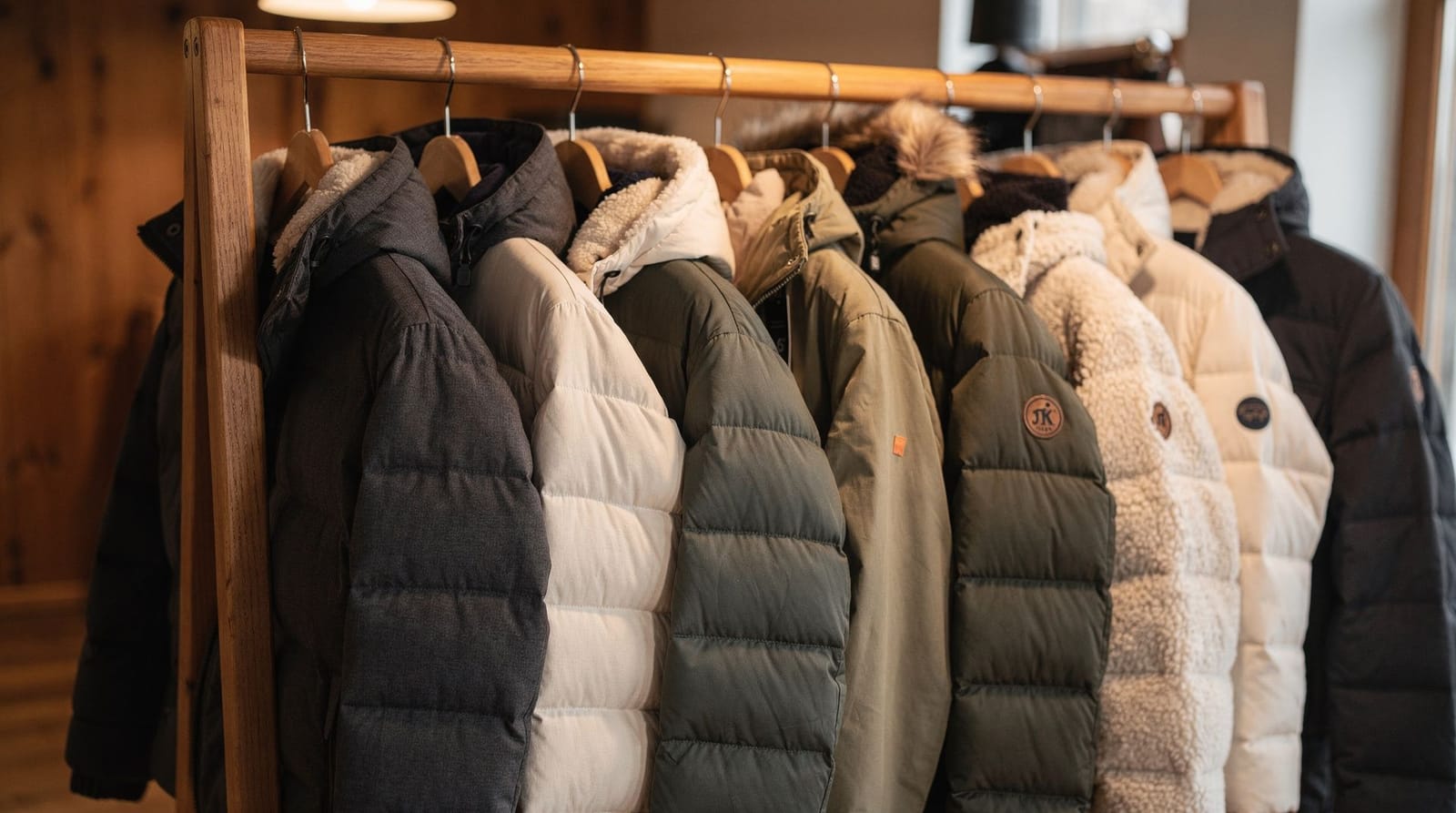
See the winter clothing guide for full gear recommendations. The short version: waterproof grip boots, layered thermals, warm hat and gloves. This is the minimum; being underdressed in January in Stockholm is genuinely uncomfortable.
Day-by-day January–February schedule ideas
Day 1: Gamla Stan (cobblestone ice — grip boots essential), Stortorget, Royal Palace exterior, fika at one of the Gamla Stan cafés, late afternoon blue-hour photography in the narrow alleys.
Day 2: Vasa Museum (near-empty on a weekday morning), walk through Djurgården, Nordiska Museet. Lunch at Rosendals Trädgård (winter greenhouse menu). Evening dinner in Södermalm.
Day 3: Sauna morning at Sturebadet (Centralbadet is closed in 2026), recovery fika, Fotografiska (the winter light through the tall waterfront windows is exceptional), early dinner on the Södermalm waterfront.
Day 4 (if staying longer): Day trip to Vaxholm — sauna, cold plunge, fortress views, winter archipelago ferry ride, early return before dark. See the winter archipelago guide for what’s actually accessible and functioning at this time of year, since some island destinations reduce service between November and March.
Photography and the northern lights question
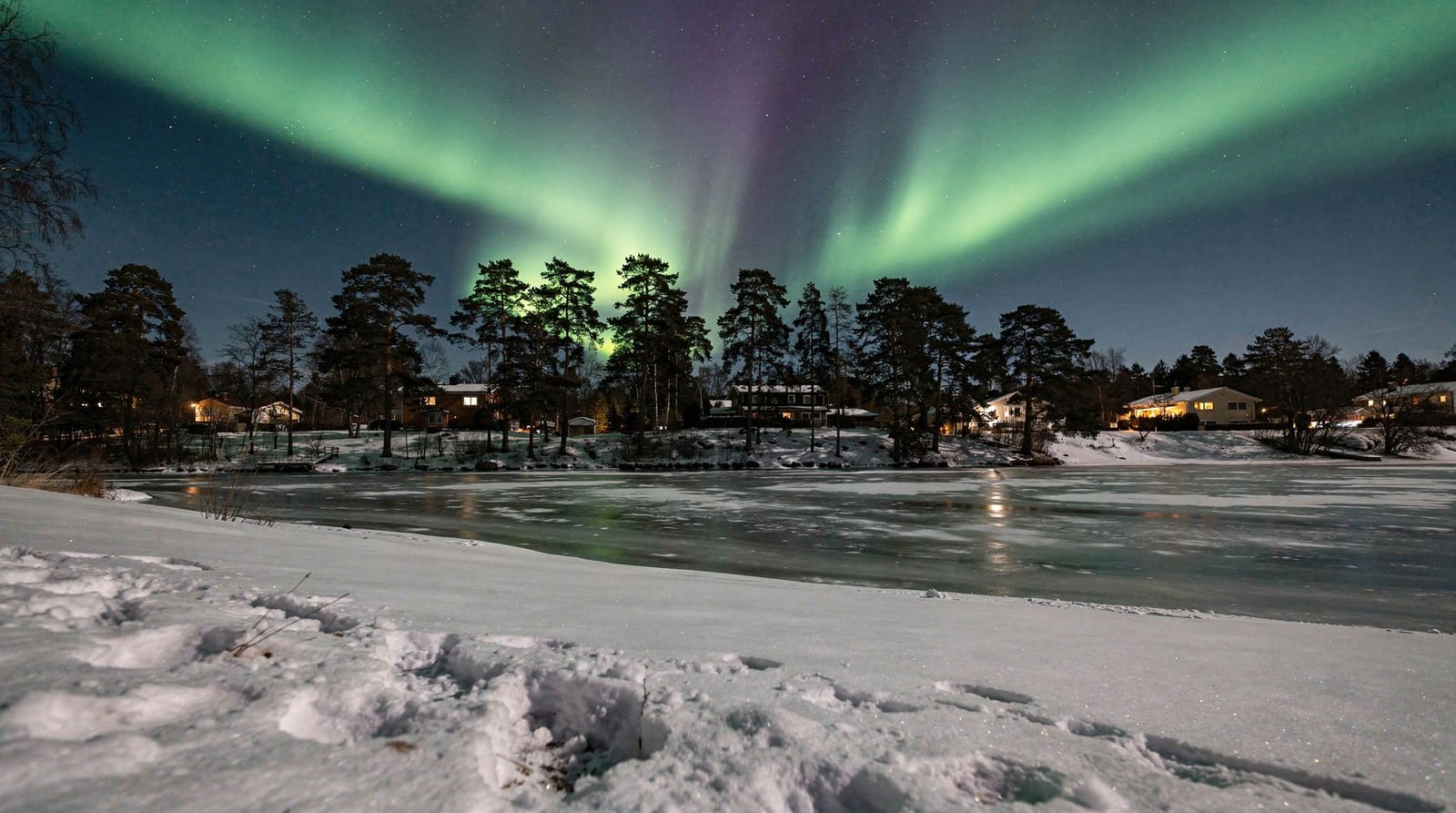
Stockholm’s low winter sun and the 15:00–16:30 blue-hour window (described above) are the city’s real photographic draw in January and February — not the northern lights. Stockholm sits far enough south that aurora sightings are occasional rather than expected; see the northern lights from Stockholm guide for honest odds and where a clear night occasionally rewards patient visitors. Treat it as a possible bonus on top of a trip planned around the blue hour, the museums, and sauna culture — not the reason to book.
What the winter canal tour offers
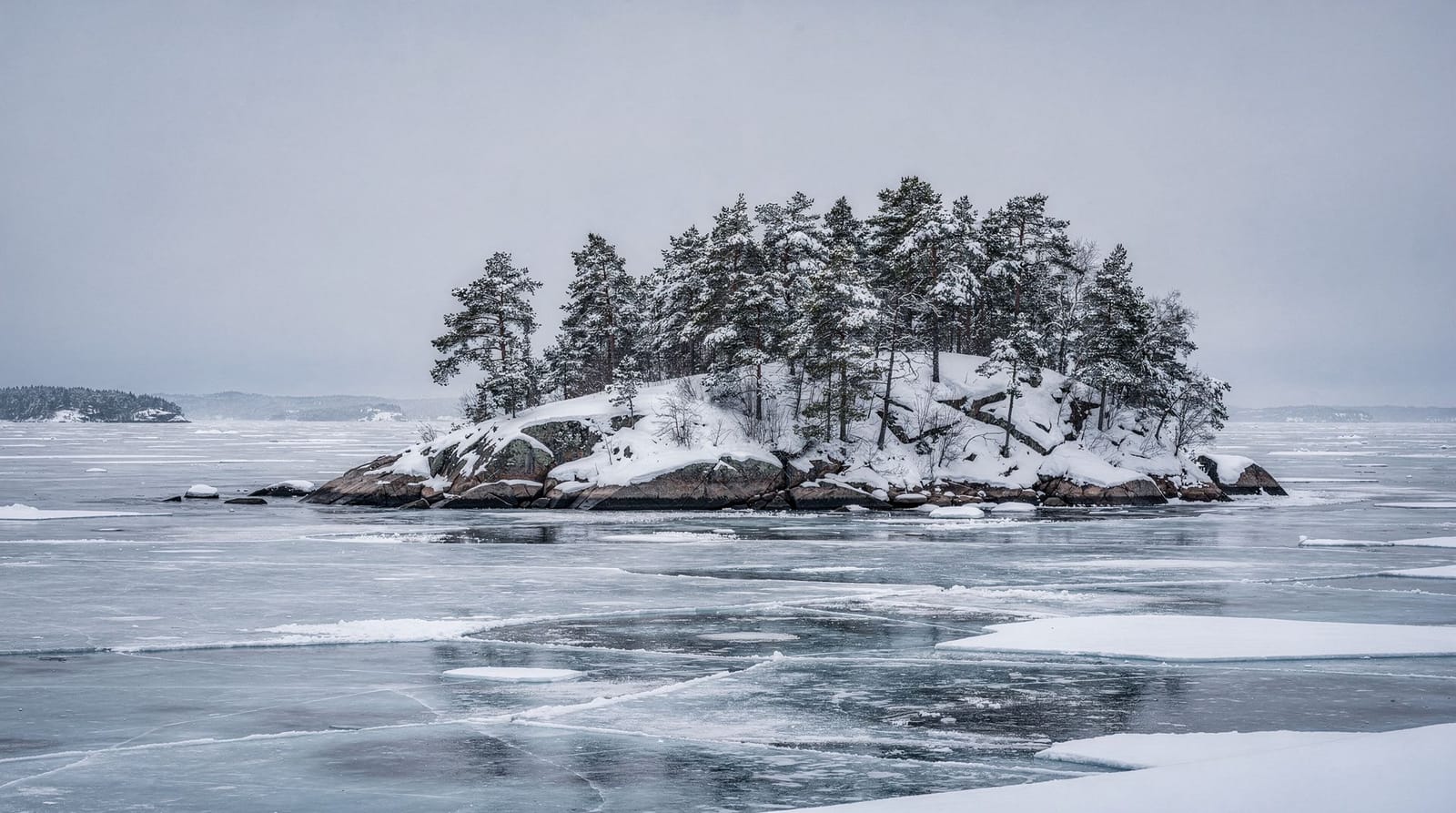
Stockholm’s winter boat tour with guide runs year-round and shows the city from the water during the low-light winter hours. The combination of frozen shoreline details, low winter sun, and far fewer passengers than the summer equivalent makes this worth doing specifically in January–February rather than as a summer alternative.
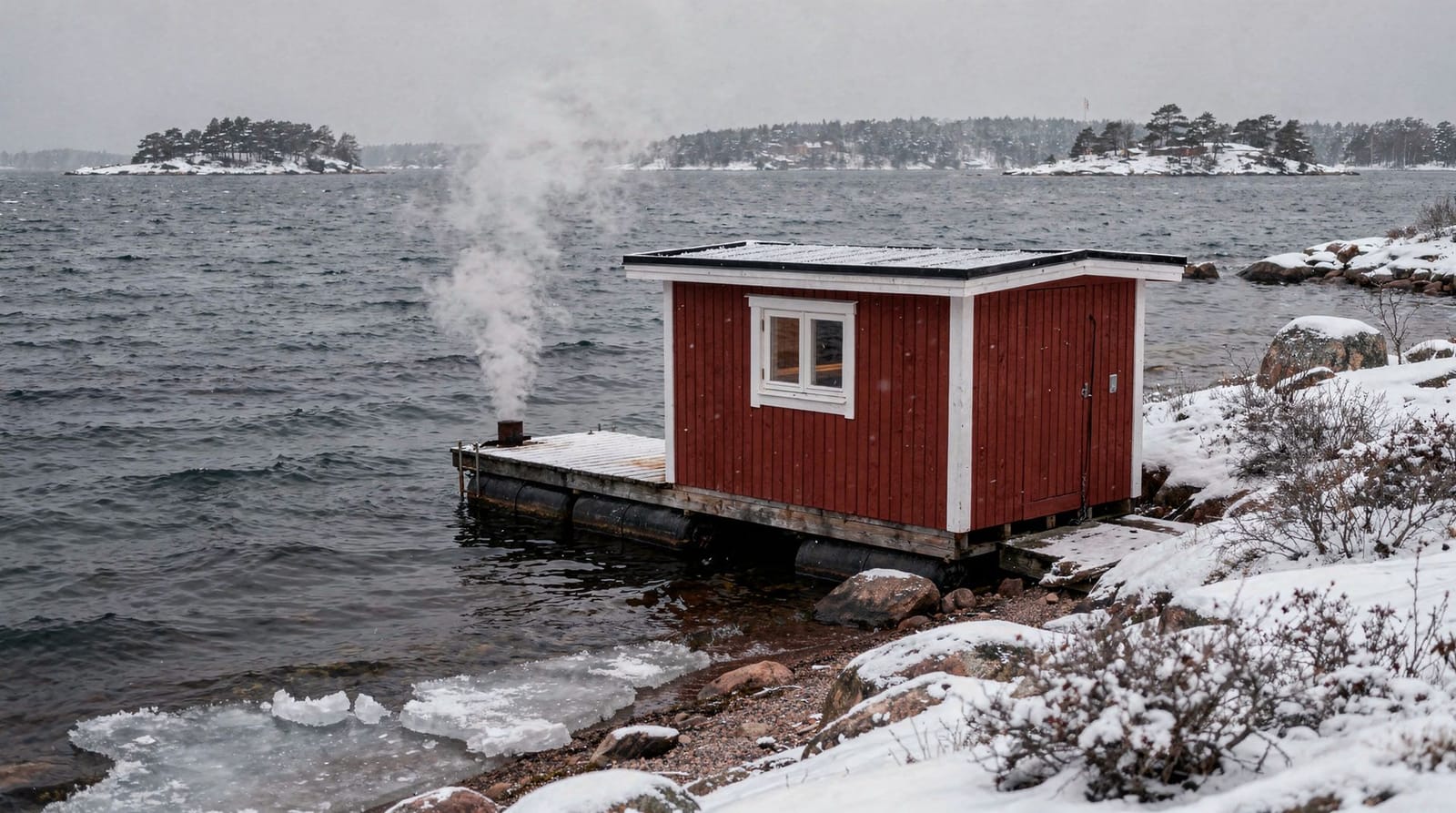
For a warming, calming counterpoint to the cold, a guided sauna session pairs naturally with a winter day — Sturebadet in Östermalm is the city option (Centralbadet is closed for renovation throughout 2026), and the archipelago sauna-and-swim experiences add a genuinely Swedish ritual to a winter itinerary.
Winter kayaking, fika and sauna experienceFrequently asked questions about Stockholm in January and February
Is January or February better for Stockholm?
January is cheaper but darker (6 hours of daylight). February has slightly more daylight and is trending warmer. Both are excellent for value and quiet museums. February has the additional draw of Design Week and semlor season.
What should I prioritise in 3 days in January?
Vasa Museum on day 1 morning (the emptiest conditions). Gamla Stan exploration in the blue-hour afternoon. A sauna session on day 2. Fotografiska or ABBA Museum on day 3. Ice skating at Vasaparken when weather permits. One evening meal at a proper Stockholm restaurant without summer wait times.
Is there anything to do on New Year’s Eve in Stockholm?
New Year’s Eve in Stockholm is centred around a large outdoor celebration at Skansen, where the new year is welcomed at midnight with fireworks over the water. Ordinary Skansen admission applies (see skansen.se for tickets and hours), and the event draws large local crowds. The city centre also has various organised events. January 1st, however, is genuinely quiet — many restaurants are closed or on holiday schedules through the first week of January.
Do Swedes leave Stockholm in winter?
Some — Swedish winter holidays (sportlov, a school ski holiday week in February, varies by county) see families leave the city. But Stockholm empties far less than summer. This is when Stockholmers inhabit their city most intensely, making January and February the most authentically local months to visit.
Top experiences
Bookable activities with verified prices and instant confirmation on GetYourGuide.