Stockholm winter clothing: what to pack, buy, or rent
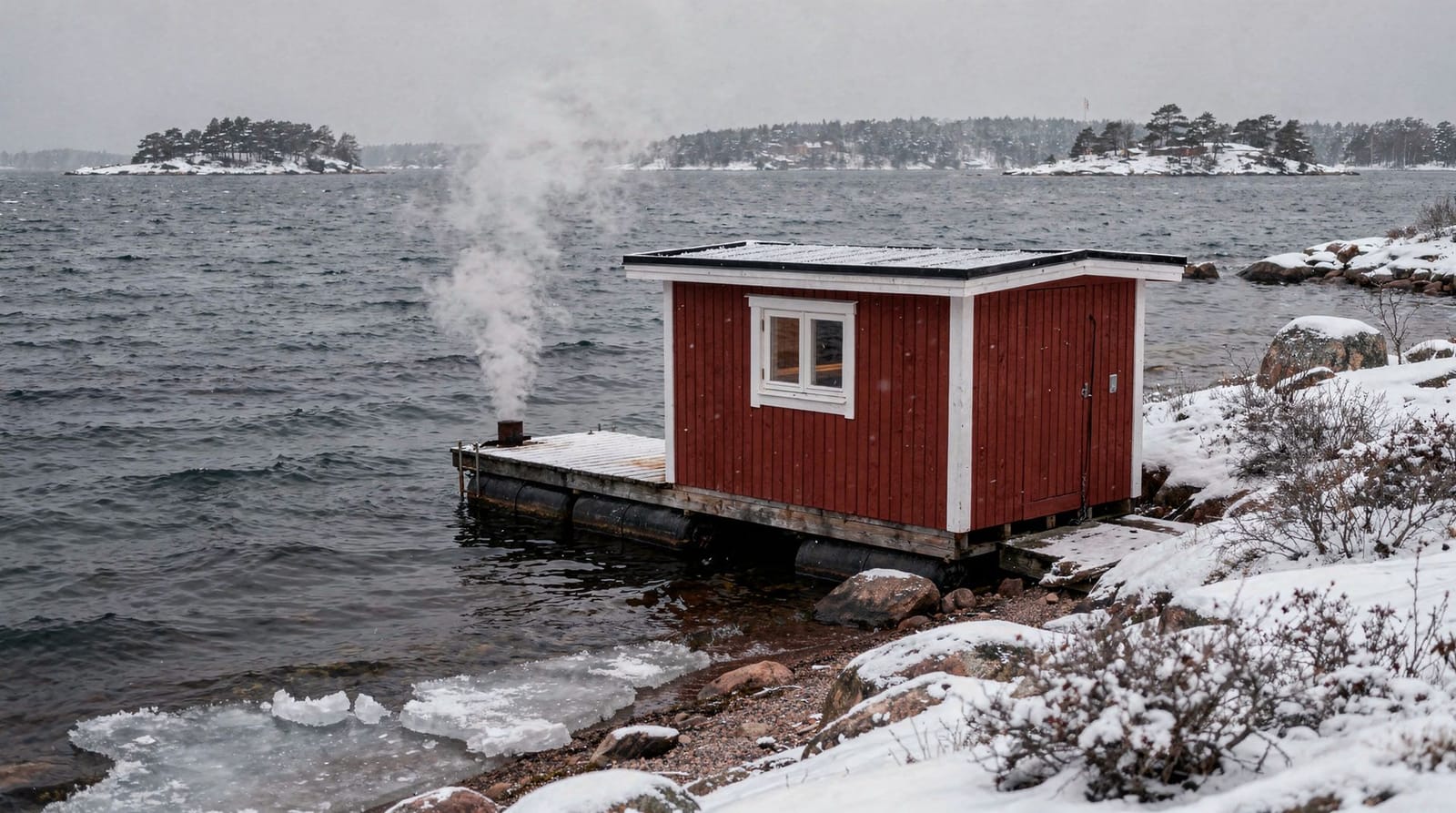
Stockholm: winter archipelago kayaking with sauna & fika
Duration: 3–6 hours
Can I rent winter clothing in Stockholm?
Formal winter clothing rental for tourists is very limited in Stockholm. A few backpacker hostels lend basic items like scarves, and some outdoor tour operators provide equipment for guided experiences. The practical advice: bring your own gear, or plan to buy from Stockholm's excellent outdoor retailers — Naturkompaniet and Stadium have large central branches with good value.
The winter clothing reality
Stockholm in winter requires proper gear. Not extreme-expedition gear — the city is a functioning metropolis, not a wilderness — but clothes that keep you warm at -5°C with wind, on wet cobblestones, for several hours of outdoor walking.
The single most dangerous piece of wrong gear is smooth-soled shoes on icy Gamla Stan cobblestones. Every winter, visitors fall. The prevention is inexpensive: boots with grip. Everything else is a matter of comfort rather than safety. For the broader picture of what a winter Stockholm trip involves beyond clothing, see the Stockholm winter guide.
| Coldest months | January–February, -2 to -5°C, gusts feel colder |
| Non-negotiable item | Waterproof grip boots (cobblestones ice over) |
| Rental availability | Very limited — plan to bring or buy |
| Buy-locally budget | varies by shop and season; check current prices |
| Best buying spot | Naturkompaniet, Kungsgatan 26 near Sergels Torg |
What to bring from home
The non-negotiables
Waterproof grip boots: Ankle height or higher. Waterproof membrane (Gore-Tex or equivalent). Vibram, Icebug, or similar outsoles with actual tread. If you already own hiking boots, they often work better than purpose-built city boots with smooth fashion soles.
Warm base layers: Merino wool is the practical choice — odour-resistant (vital for multi-day trips with limited laundry), temperature-regulating, and comfortable enough to wear against skin. Synthetic base layers (Patagonia Capilene, equivalent) are cheaper and dry faster if you’re sweating actively.
Mid-layer insulation: A fleece or a lightweight down jacket that you can layer under a waterproof outer shell. Down is warmer per gram; fleece performs better when wet.
Outer shell: Waterproof and windproof. Stockholm winters aren’t always snowy but are frequently rainy and windy. A shell that keeps out precipitation and wind matters more than extreme insulation rating — you control warmth with layers underneath.
Accessories: Wool hat covering the ears, thermal gloves (thin inner gloves plus heavier outer mitts is more versatile than a single pair), and a scarf or buff. Ears and hands are where you feel the cold first.
Helpful additions
- Thin thermal sock liners under heavier wool socks
- Gaiters or waterproof trousers for days with fresh snow
- A small dry bag or waterproof pocket for phone and camera
What to buy in Stockholm
If you’re travelling light or unexpected cold weather arrives heavier than expected, Stockholm’s outdoor retail is genuinely good.
Naturkompaniet: The best outdoor shop in central Stockholm, at Kungsgatan 26 near Sergels Torg. Full range of boots, thermal layers, waterproof jackets, and accessories. Brands include Haglöfs, Fjällräven, Salomon, Smartwool, and others. Staff are knowledgeable and used to helping visitors prepare for Swedish conditions.
Stadium: Large sports retailer with multiple Stockholm locations (including Drottninggatan). More mainstream than Naturkompaniet, but good value for basics — down jackets, thermal underwear, winter running gear. The house brand and budget options are reasonable quality.
Fjällräven on Mäster Samuelsgatan: If you want the classic Swedish outdoor brand in a dedicated store, Fjällräven’s own shop is the place. Their Kånken bags are ubiquitous in Stockholm; their jackets and trousers are genuinely purpose-built for Nordic conditions.
Peak Performance: Scandinavian active lifestyle brand, several stores in Stockholm. Higher price point, fashion-forward design, genuine technical performance. Available at Gallerian and Åhléns.
Where to buy, compared
| Retailer | Best for | Price level |
|---|---|---|
| Naturkompaniet | Full outdoor range, knowledgeable staff | Mid-range |
| Stadium | Budget basics, down jackets | Budget |
| Fjällräven flagship | Classic Swedish outdoor brand | Mid-to-high |
| Peak Performance | Fashion-forward technical wear | High |
The rental question: honest assessment
Formal winter clothing rental specifically for tourists is uncommon in Stockholm. Unlike ski resorts, which have established rental infrastructure, Stockholm is primarily an urban destination where most visitors either bring their own clothes or buy locally.
What does exist:
- Some backpacker hostels (Generator Stockholm, City Backpackers) keep a small stock of spare scarves, gloves, and lighter layers that they lend informally to guests who arrive underprepared. This is not a guaranteed service — ask at reception.
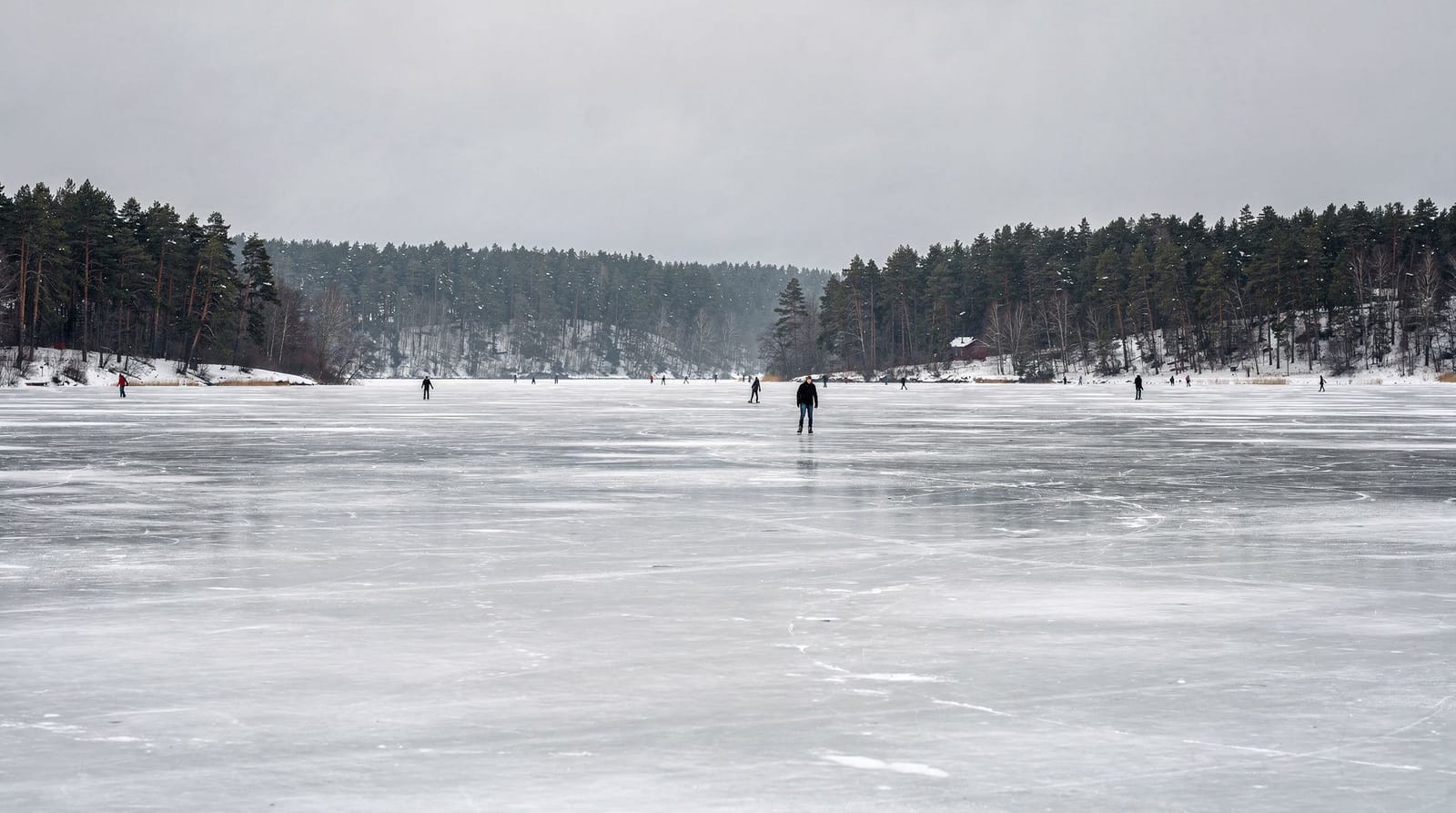
- Guided outdoor tour operators (ice skating tours, kayaking, sauna trips) provide activity-specific gear as part of the tour fee. Winter kayaking tours include drysuits or full wet-weather gear — see the Swedish sauna guide for how a winter kayaking, fika and sauna tour bundles the technical gear with the experience. Ice skating tours provide skates and in some cases warm outerwear — a beginner ice skating session is a low-friction way to try the activity without owning any of the equipment. See the ice skating in Stockholm guide for rink locations and seasonal timing.
What doesn’t exist in any useful form: A dedicated winter gear rental shop aimed at tourists. If you find one, it will be an outlier rather than a reliable option.
The practical recommendation: Plan to bring your own gear. If you’re flying carry-on only, bring thermals and a mid-layer, and buy or a reasonably priced down jacket from Stadium on arrival if needed. This is simpler and more reliable than trying to rent.
Layering strategy
The key to dressing for Stockholm in winter is layering, which allows you to add or remove insulation as you move between outdoor cold and heated interiors (the T-bana is warm; museums are warm; restaurants are warm).
Recommended system:
- Merino base layer top + bottom
- Fleece or light down as mid-layer
- Waterproof shell jacket
- Warm socks + grip boots
- Hat, gloves, scarf
With this system, you strip down to base layer + fleece in the Vasa Museum and add everything back for the walk to lunch. The worst approach is one heavy coat with no ability to adjust — you’ll overheat inside and freeze outside in the transition.
How a winter day actually unfolds
Clothing advice is easier to apply once you picture the day. A typical winter outing in Stockholm swings between very different conditions: a cold walk to the T-bana, a warm carriage, a heated museum, a windy stretch along the water, then a café where you linger. Dressing for the single coldest moment leaves you sweating for most of the day, while dressing for the warm interiors leaves you miserable outdoors. This is why the layering system above matters more than any single expensive item.
A few habits make the whole thing smoother:
- Keep your hat and gloves in an easy pocket rather than the bottom of a bag, so you can put them on the moment you step outside.
- Open your shell before you go down the station stairs, not after you have already started to overheat.
- Wear the grip boots indoors for the whole day rather than carrying a second pair; they dry out quickly in heated rooms.
- Carry a thin spare layer if you plan a long stretch outside, since waiting for a ferry or a tour to start is where you cool down fastest.
If you want a fuller checklist that covers the rest of your suitcase beyond winter clothing, the what to pack for Stockholm guide goes through documents, adapters and everyday items as well.
Matching your clothes to your itinerary
The right amount of gear depends on what you plan to do. A trip built around museums needs much less than one built around water and open air.
Museum-heavy trips: If most of your days are indoors, your outer layers mostly get used for short walks between buildings. A good shell, grip boots and a compact mid-layer are enough. Our museum rainy day guide is a useful companion if the weather turns, and you can keep the heavier clothing for the days you actually need it.
Boat and water days: Wind off the water is the part visitors underestimate. If you are booking a winter canal cruise or exploring the winter archipelago, add your warmest hat, windproof outer layer and the thickest gloves you own. Time spent on deck, or waiting at a pier, is far colder than walking through the city.
Short city breaks: For a compact visit, the three-day winter itinerary shows how outdoor and indoor time can be balanced so that you are never outside for too long without a warm stop.
Rain rather than snow: Many winter days in Stockholm are wet rather than white. Waterproofing then matters more than insulation, and the Stockholm in rain blog post is a candid look at what keeps you comfortable when it does not stop.
Choosing your timing
How seriously you need to take all of this depends heavily on when you travel. December has Christmas markets and long evenings outdoors, which means standing-still cold, while deep winter weeks are quieter but demand the full system. The December versus January trade-off lays out the difference from a traveller’s point of view, and the Skansen Christmas market guide is worth reading before you decide how much time you will spend outside at a market. If your visit lines up with the candlelit processions, the Lucia Day guide is another occasion where you will be outdoors and stationary for a while, so pack accordingly.
Specific situations
Christmas market visits (standing still, cold, crowded): This is when you feel cold most acutely — stationary in open air, possibly for 30–60 minutes. Add hand warmers (available from pharmacies everywhere for a few SEK) and ensure your gloves actually have insulation rather than being decorative.
Ice skating: Waterproof outer trousers are advisable — falls happen and ice surfaces are wet. Wrist guards are sensible for beginners.
Sauna days: Pack a swimsuit if visiting Sturebadet or any sauna facility. A light backpack is useful for carrying a towel and change of clothes.
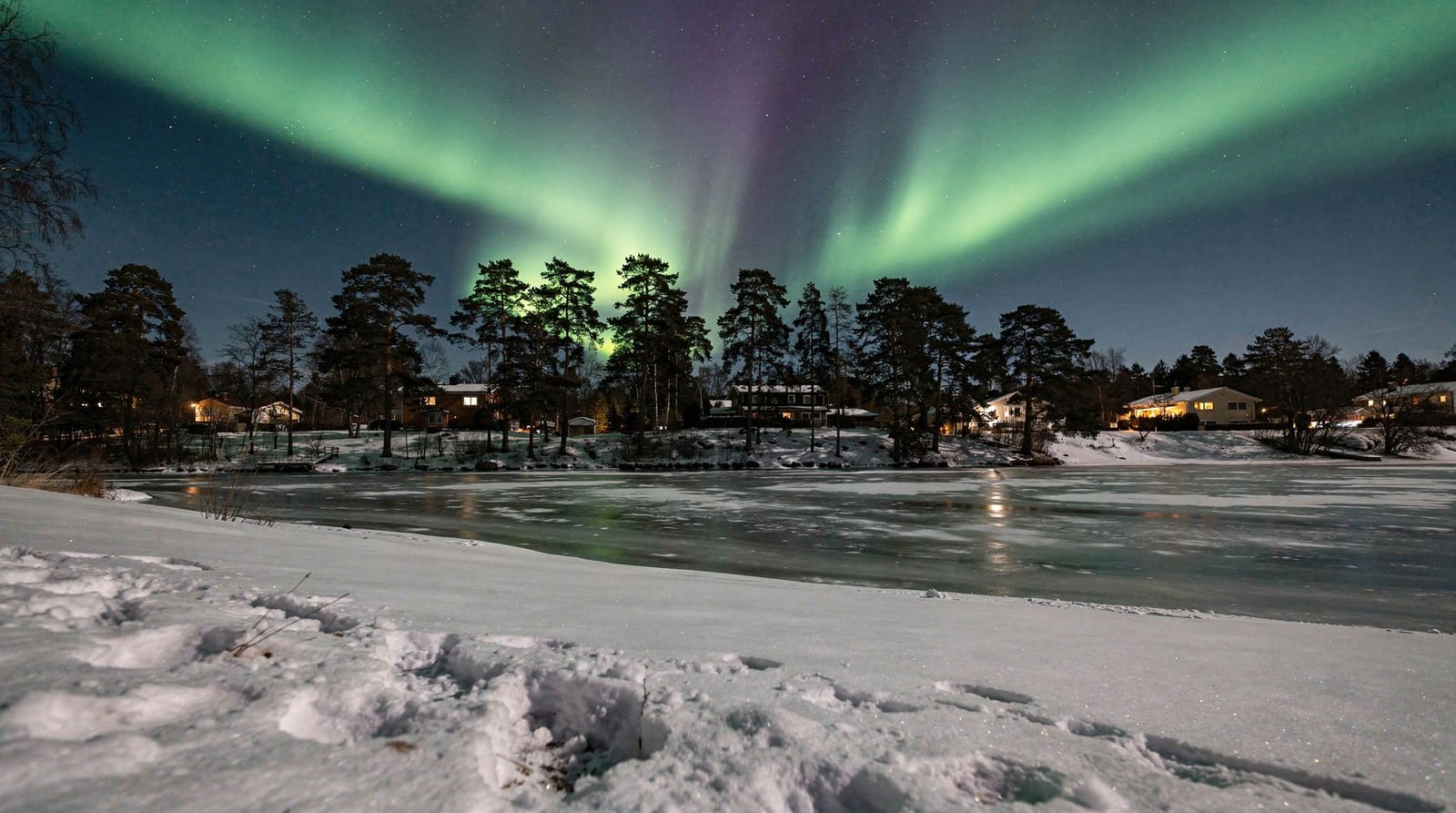
Northern lights day trips: If you’re combining Stockholm with a northern lights excursion further north, pack an additional insulating layer beyond what central Stockholm requires — temperatures away from the city and coast drop noticeably lower, especially after dark while waiting for a display.
Christmas markets across the city: Beyond the well-known Gamla Stan market, Stockholm’s ranked Christmas markets each have different amounts of standing-around time, which affects how seriously you should take the layering advice above — Skansen’s outdoor market runs longest and coldest.
Packing for shoulder months (November and March)
November and March sit outside the coldest window but still catch visitors underdressed. November brings the first real cold with less daylight than deep winter psychologically prepares people for, while March can swing from -5°C mornings to above-freezing afternoons within the same day. The safest approach for both months is the same layering system used for January–February, just with a lighter mid-layer and the option to carry rather than wear the outer shell on milder afternoons. For a fuller seasonal comparison, the January–February guide covers what deep winter adds on top of this packing list.
Frequently asked questions about Stockholm winter clothing
Are mukluks or moon boots appropriate for Stockholm?
They’re warm but often lack grip. Moon boots have smooth or minimal treads that are inadequate for icy cobblestones. If you already own them and value warmth over grip, add removable crampons (ice cleats) that slip over the sole — available from outdoor shops and effective on icy surfaces.
What about removable ice cleats?
An excellent investment if you’re visiting January–February. Removable crampons (YakTrax is the most common brand, available at Naturkompaniet) slip over the bottom of any boot and provide immediate grip on ice. You remove them when entering buildings. They weigh almost nothing and pack flat.
Is wool or synthetic better for Stockholm winter?
For base layers: merino wool wins on odour resistance and comfort for multi-day trips. For insulation: down is warmer per gram in dry conditions; synthetic performs better when wet (more relevant for the outer layers that may get precipitation). A merino base layer under a synthetic or down mid-layer, under a waterproof shell, is the most practical combination.
Do guided winter activities provide their own cold-weather gear?
Yes, for the activity itself — ice skating tours supply skates, winter kayaking tours supply drysuits — but you’ll still need your own layering system for getting to the venue and for the parts of the day not covered by the tour.
How much should I budget if I need to buy winter clothing on arrival?
Prices vary by shop and season. A functional emergency setup: a mid-range down jacket, hat, gloves and scarf. Add ice cleats if visiting January–February.