Ice skating in Stockholm: rinks, lakes, and long-distance tours
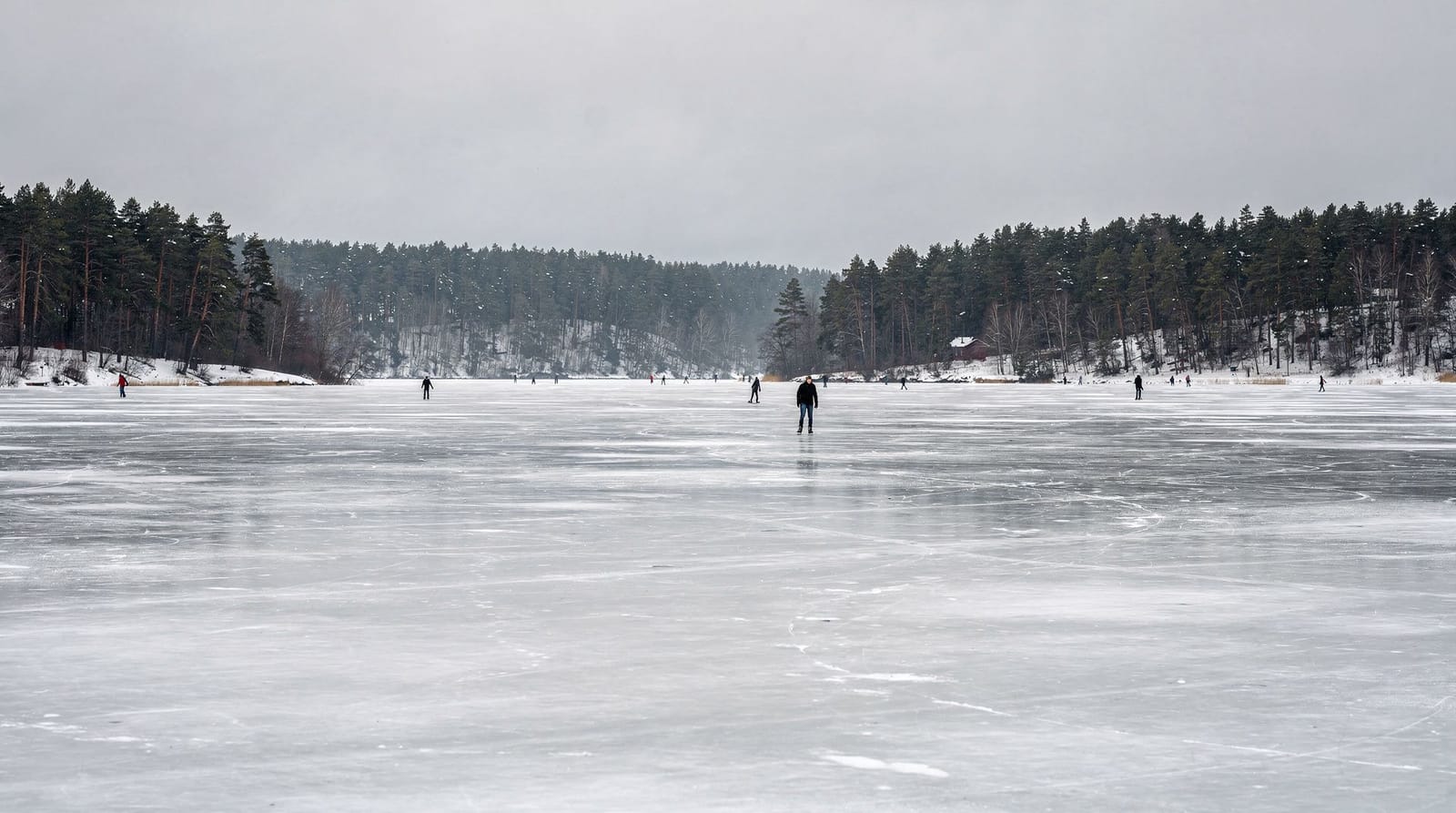
Stockholm: guided natural ice skating with lunch
Duration: 7 hours
Where can I ice skate in Stockholm for free?
Stockholm has several free outdoor rinks run by the city: Vasaparken (Vasastan), Medborgarplatsen (Södermalm) and Kungsträdgården (central). Only Kungsträdgården rents skates (100 SEK per hour for adults, 50 SEK for under-20s, per the City of Stockholm); at the other two bring your own. Seasons vary by rink, roughly November to March, ice conditions permitting.
Stockholm’s ice skating culture
Ice skating in Stockholm is not a tourist gimmick. It is a serious local pursuit with a dedicated culture — free outdoor rinks maintained by the city, organised natural ice tours on Lake Mälaren and the archipelago, and a club-based long-distance tradition that draws participants from across Scandinavia. Stockholm winters with sufficient cold (most years) create conditions that Swedes actively look forward to.
For visitors, the options range from a casual hour on a free city rink to a full-day guided tour on frozen lake ice with a traditional Swedish lunch. This guide covers the full spectrum. It pairs naturally with the rest of a winter visit — see the Stockholm winter guide for how skating fits alongside the city’s other cold-season activities.
| Free rinks | Vasaparken, Medborgarplatsen, Kungsträdgården |
| Cost | Free entry; skate rental only at Kungsträdgården (100 SEK/hour adults, 50 SEK under 20) |
| Season | Late November/December–February, weather permitting |
| Natural ice | Lake Mälaren, guided tours only for beginners |
| Best for guided tours | Book 1–2 weeks ahead for popular dates |
Free outdoor rinks in Stockholm
Vasaparken (Vasastan)
The most popular outdoor rink in central Stockholm, in the residential neighbourhood of Vasastan north of the city core. The rink is maintained by the city, admission is free, and it is floodlit until 22:00. There is no skate rental here, so bring your own skates. It opens at the end of November, and is closed for ice maintenance at set times during the day (check the City of Stockholm page for the current schedule).
How to get there: T-bana to Sankt Eriksplan (green line), then 5 minutes on foot. The rink is visible from the street.
Best for: All ages. The rink is large enough for comfortable skating even when moderately busy. Weekend evenings can be crowded with families and teenagers.
Medborgarplatsen (Södermalm)
In the heart of Södermalm, Stockholm’s most characterful neighbourhood, Medborgarplatsen square becomes a rink when temperatures allow. It is smaller than Vasaparken but well-located for combining with food and coffee nearby. It is open from mid-December to mid-March, weather permitting. There is no skate rental, so bring your own.
How to get there: T-bana to Medborgarplatsen (red line), directly adjacent.
Kungsträdgården (central)
A small but central rink in the park between Sergels Torg and the waterfront, usually open from November to March. Skate rental is available: 100 SEK per hour for adults and 50 SEK for children and youth up to 19 (per the City of Stockholm; check current prices before you go). Skating with your own skates is free.
How to get there: T-bana to Kungsträdgården (blue line), or a short walk from most central hotels.
Natural ice skating on Lake Mälaren
When temperatures drop consistently below -5°C for several days, Lake Mälaren — the large lake to Stockholm’s west — and parts of the inner archipelago form skatable ice. This is where Swedish ice skating culture gets serious.
Long-distance (långfärds) skating uses specific Nordic speed skates — long, thin blades attached to boots, quite different from standard figure or hockey skates. The technique takes some learning; the reward is gliding across open ice with the Stockholm skyline behind you.
Essential safety gear for natural ice:
- Ice picks (ispik): worn around the neck, used to pull yourself out if you fall through thin ice
- Long Nordic skates (not hockey skates — too short for natural ice)
- A dry change of clothes sealed in a waterproof bag
- A rope for assisting others
The Stockholm Ice Touring Club (Stockholms Skridskoseglarklubb): Sweden’s oldest ice touring club organises guided tours at multiple levels, including introduction sessions specifically for newcomers to natural ice. They check ice conditions before each outing and lead tours on verified safe routes. Joining a club outing is the recommended way for first-timers to experience natural ice.
Introduction to long-distance ice skating in StockholmGuided ice skating experiences
For visitors who want a structured experience rather than self-organising, several guided tours are available:
Natural ice with lunch: A full-day guided natural ice skating experience, typically on Lake Mälaren, with equipment provided and a traditional Swedish lunch. Duration is approximately 7 hours including travel. This is the most comprehensive option and doesn’t require your own equipment.
Beginners on a frozen lake: Nordic ice skating for complete beginners provides all equipment and teaches the basic technique before moving onto natural ice. This is the right choice if you’ve never skated on long Nordic blades.
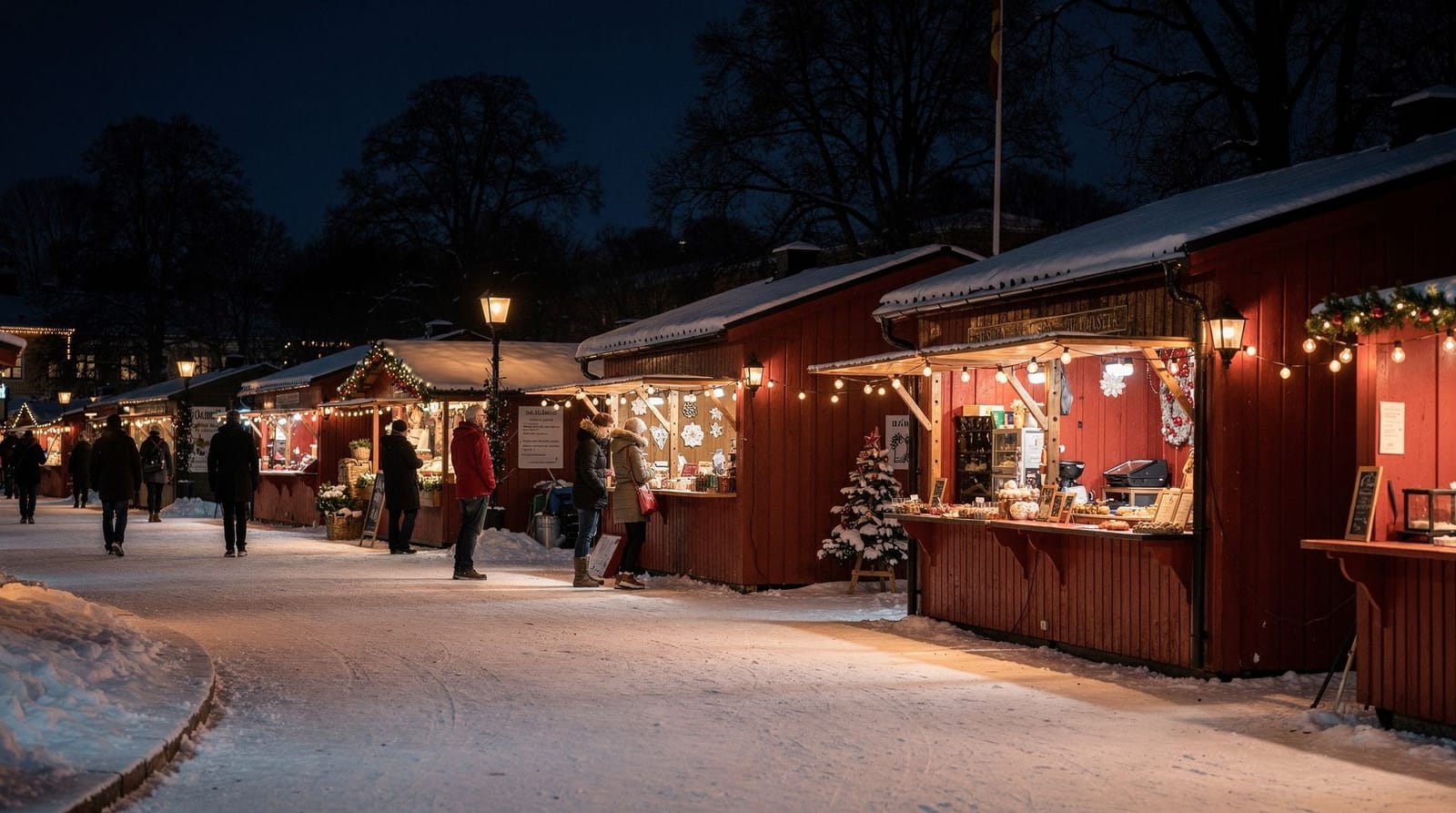
Moonlight session with hot chocolate: Evening ice skating in the moonlight with hot chocolate — a more romantic and atmospheric option, typically shorter than the full-day tours. Good for couples or those who want the experience without a full commitment.
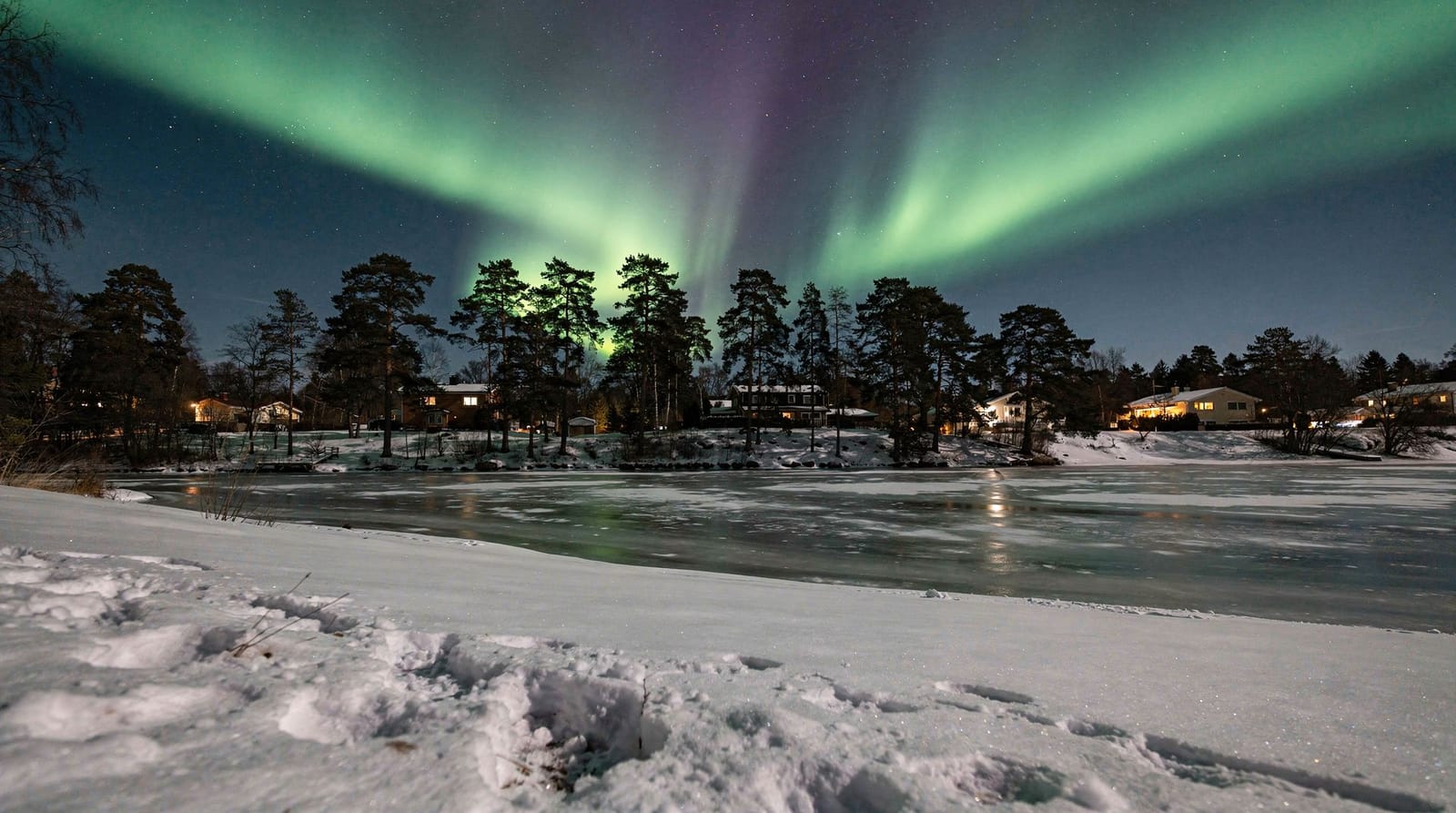
Northern lights combination: On nights with solar activity, ice skating with fire and a chance of northern lights combines the outdoor experience with aurora hunting. The northern lights aspect is never guaranteed, but the tour is worthwhile regardless.
Archipelago sauna and skating combination
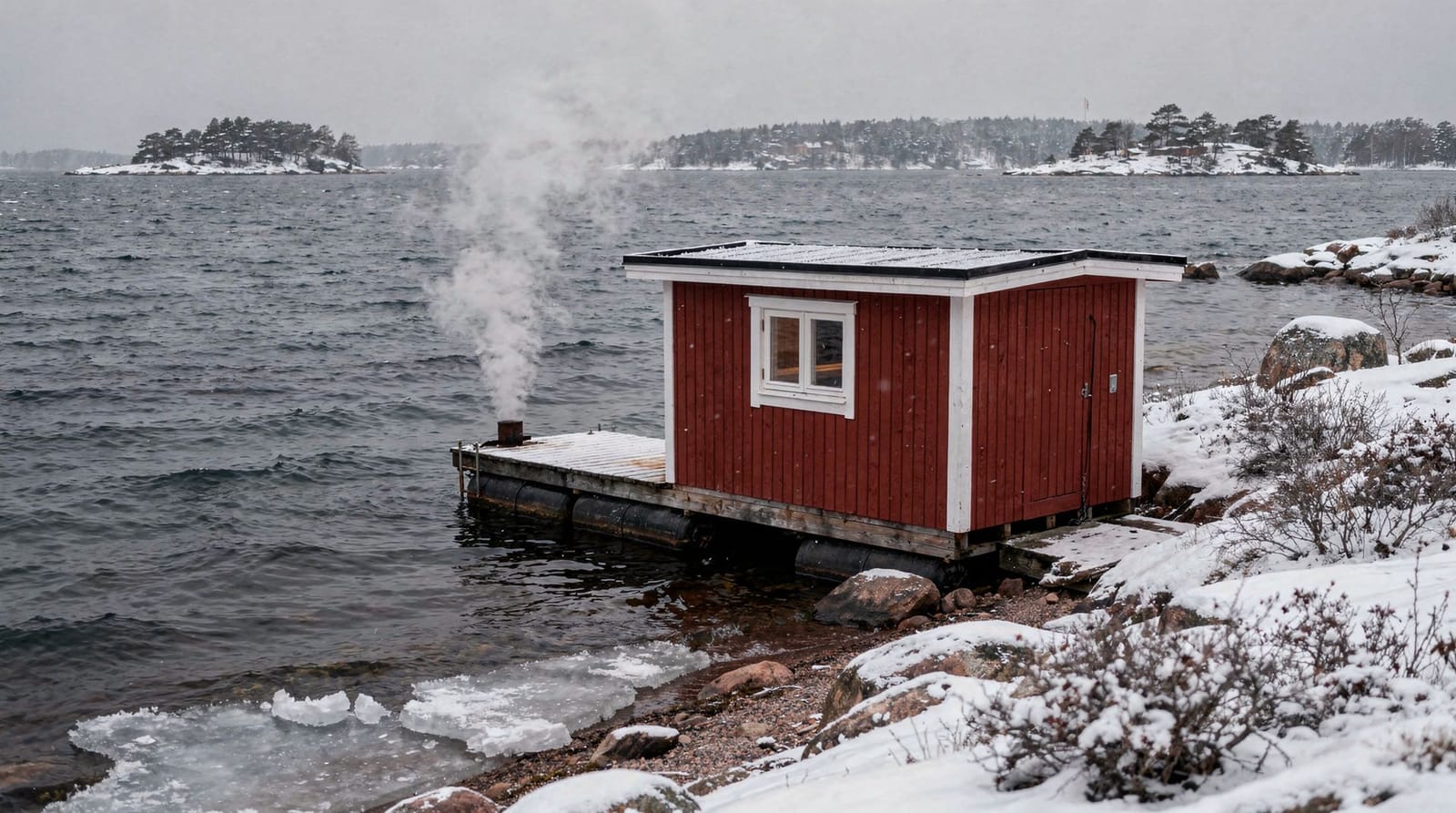
The Stockholm archipelago in winter offers a specific combination that Swedes consider one of the great winter experiences: skating across frozen sea ice between islands, followed by a wood-fired sauna and cold plunge back into the sea through a cut hole in the ice. The contrast between the heat of the sauna and the -5°C outside temperature is extreme and invigorating.
Vaxholm, a 45-minute ferry from central Stockholm, offers packages that include this combination. The experience is best in January and February when sea ice is at its most reliable. For the sauna half of the combination on its own, see the Swedish sauna guide, which covers where to find genuine wood-fired saunas around the city and archipelago.
Indoor rinks for guaranteed skating
If outdoor conditions are uncertain or you want a guaranteed surface:
Hammarby Sjöstad (Zinkensdamm): A full-size covered ice rink in Södermalm, used for hockey and public sessions. This is where serious Stockholm skaters train when outdoor ice isn’t available.
Göta Ark (Östermalm): Another indoor option in the east of the city. Public sessions are scheduled around club and hockey use — check the schedule in advance.
Admission, public-session times and skate rental at the indoor rinks vary; check the current schedule and prices with the City of Stockholm (motionera.stockholm) before going.
Practical information
Season: Outdoor rinks typically run late November/December through February. Natural lake ice requires at least a week of consistently cold temperatures (below -5°C) to form safely.
Checking conditions: The city’s rink websites update on openings and closures. For natural ice, the Stockholm Ice Touring Club posts current conditions on their website. Conditions can change within 24 hours.
What to wear: Warm layers, waterproof outer trousers (falls happen on ice), and thick socks. Wrist guards are advisable for beginners. Gloves are essential — bare hands on ice are dangerous.
Children: Most rental facilities offer children’s skates and helmets. Vasaparken and Medborgarplatsen are both good for young children; the more open space at Vasaparken makes it easier for unsteady beginners.
Dressing and packing for the ice
Skating is a slow-moving activity, so you get cold faster than you expect. The usual Stockholm approach is layers: a thin base layer, a warm mid-layer, and a windproof shell on top, with waterproof trousers if you plan to fall at all. If you are travelling light, the what to pack for Stockholm guide lists the cold-weather basics. If you would rather not carry bulky winter gear across the continent, the winter clothing rental page explains how to borrow it locally instead.
Bring a small backpack for shoes and a spare pair of socks. Rental skates are laced tightly, and a dry pair of socks afterwards is one of the small pleasures of the day. A thermos with something hot is also welcome on the benches around the rinks.
Getting around on a skating day
All three free rinks are close to a T-bana station, so you do not need a car or a taxi. If you plan to hop between Vasastan, Södermalm and the centre in a single day, read the public transport explainer before you go, and check whether the SL pass guide suits the number of trips you expect. Trains and metro carriages are heated, which makes them a useful place to thaw between sessions.
For the neighbourhoods themselves, the Vasastan and Södermalm pages give you ideas for what to do before or after your time on the ice.
Skating with children
A rink is one of the easiest winter outings with a family. Children tend to adapt faster than adults, and the low-stakes setting of a city rink lets them build confidence at their own pace. Take frequent breaks, keep sessions short, and let younger ones decide when they have had enough.
For wider planning, the Stockholm with kids family guide covers other activities that work in winter, and the guide for toddlers is worth reading if your youngest is not yet steady on their feet. If you want a private, supervised outing instead of a public rink, the private family skating outing with lunch is built for exactly that situation.
Warming up afterwards
The best part of a cold session is what follows it. Stockholm’s café culture is made for this: find a table, order something hot and sweet, and take your time. The fika culture guide explains the ritual, and the kanelbulle guide will point you toward the cinnamon bun that most locals would pick after a day outdoors. If you would rather get on the water in winter than on the ice, the winter archipelago guide and the winter canal cruise page describe calmer ways to see the frozen shoreline.
Choosing between the options
If you only have a short stay, a free city rink is the simplest choice and needs no planning. If the main draw for you is the open-ice experience, a guided outing is the only sensible route, and the beginner-focused tours are better than the full-day ones for anyone unsure of their balance. Evening sessions suit couples and photographers; daytime sessions suit families and anyone who wants good light. Whichever you pick, keep a flexible day in your schedule, because ice and weather decide what is possible, not the calendar.
A longer stay gives you more room to wait for good conditions. The Stockholm winter three-day itinerary shows how a skating session can sit alongside museums, food and evenings out, and the Vaxholm day guide is a good companion if you want to head out to the archipelago for the skating and sauna combination.
Building a winter day around ice skating
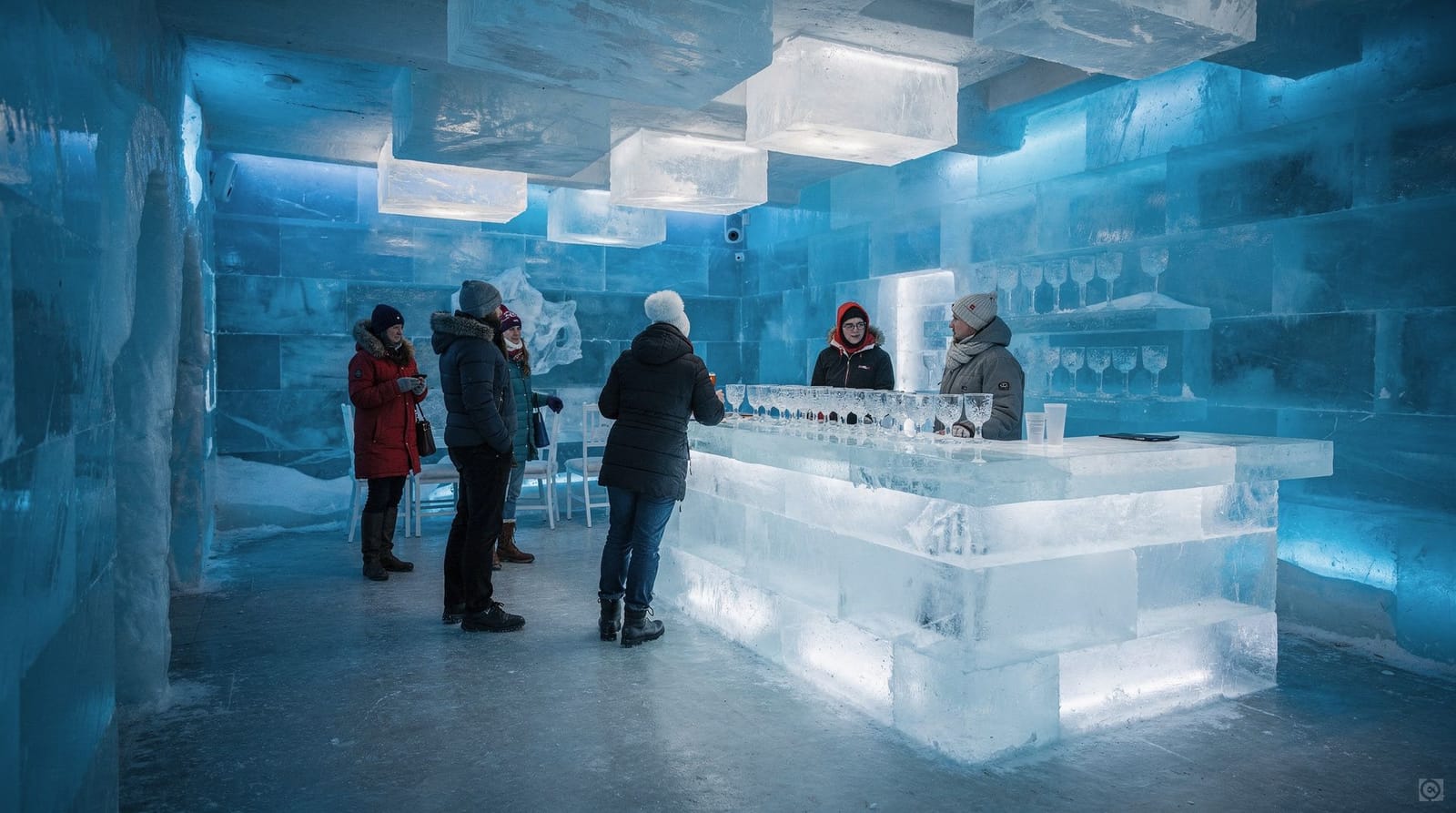
Ice skating rarely needs to be the whole day. A well-paced winter itinerary might start with an hour on the ice at Vasaparken in the morning while the light is good and the rink is quieter, move on to lunch and a warm-up somewhere central, and finish with an evening activity that makes use of the dark — the Icebar for a novelty drink in sub-zero surroundings, or a genuine attempt at spotting the northern lights from Stockholm on a clear night away from city light pollution. None of these require booking weeks ahead except the guided natural ice tours, which is worth keeping in mind if your visit is short and dates are fixed. For the broader question of when to visit for winter activities generally, the January–February guide covers weather patterns and what else is realistic to combine with a skating day.
Frequently asked questions about ice skating in Stockholm
Can I skate in Stockholm without booking in advance?
For city rinks (Vasaparken, Medborgarplatsen, Kungsträdgården), yes — just show up during opening hours and rent skates on site. For guided natural ice tours, advance booking is essential as group sizes are limited and popular dates sell out weeks ahead.
What if I’ve never ice skated before?
City rinks are fine for absolute beginners — the surfaces are maintained, other skaters are used to newcomers, and rental staff can advise on technique. For natural ice, a specific beginners’ tour is strongly recommended. Never attempt natural ice without proper equipment and guidance.
Is the ice skating free at Vasaparken?
Entry to the city rinks is free. Skate rental is only available at Kungsträdgården (100 SEK per hour for adults, 50 SEK for children and youth up to 19); Vasaparken has no rental, so bring your own skates.
Top experiences
Bookable activities with verified prices and instant confirmation on GetYourGuide.
Stockholm: guided natural ice skating with lunch
Stockholm: introduction to long-distance ice skating
Stockholm: Nordic ice skating for beginners on a frozen lake
Stockholm: ice skating in the moonlight with hot chocolate
Stockholm: ice skating with fire & chance of Northern Lights