Swedish sauna in Stockholm: the best baths and what to expect
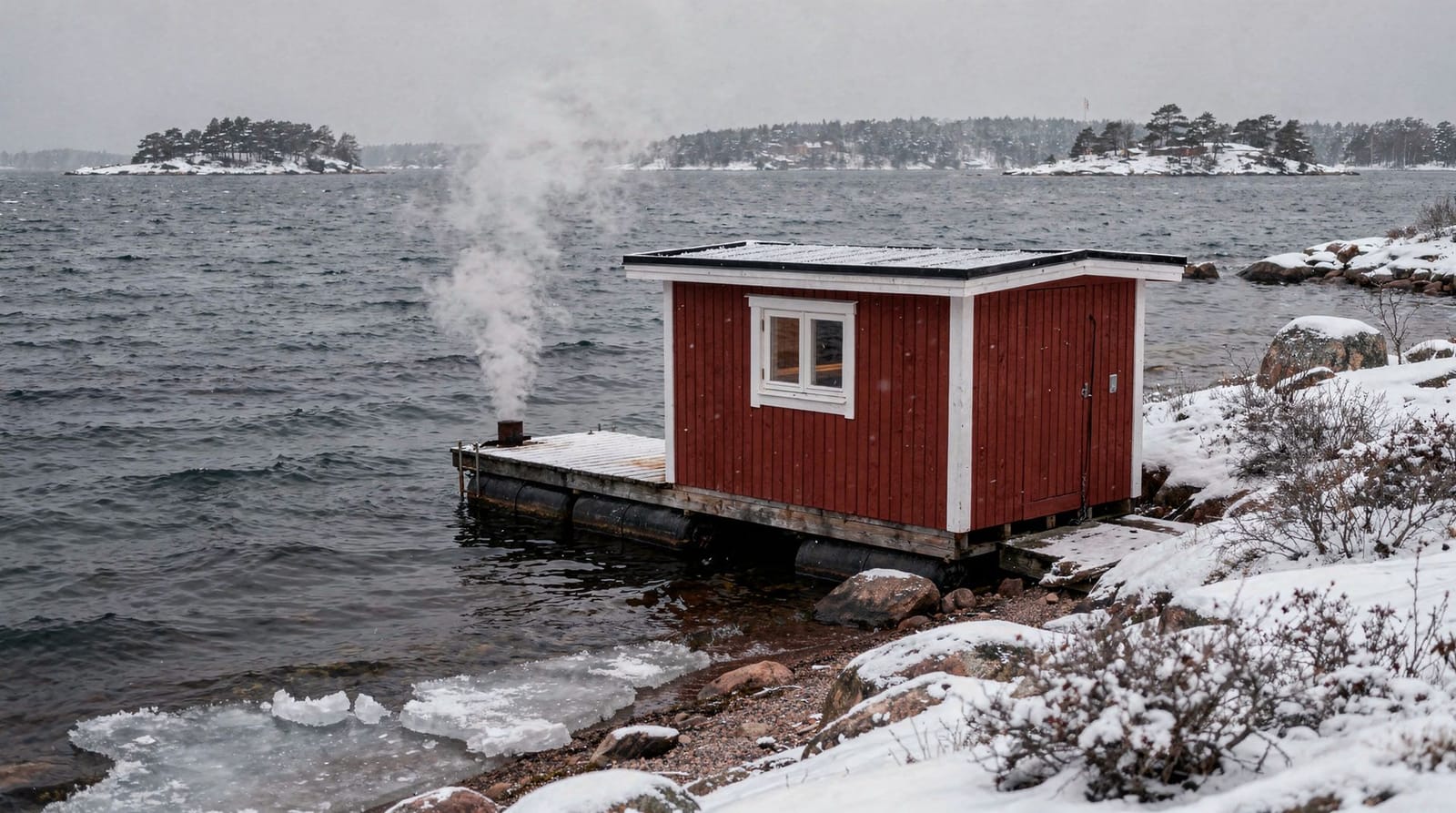
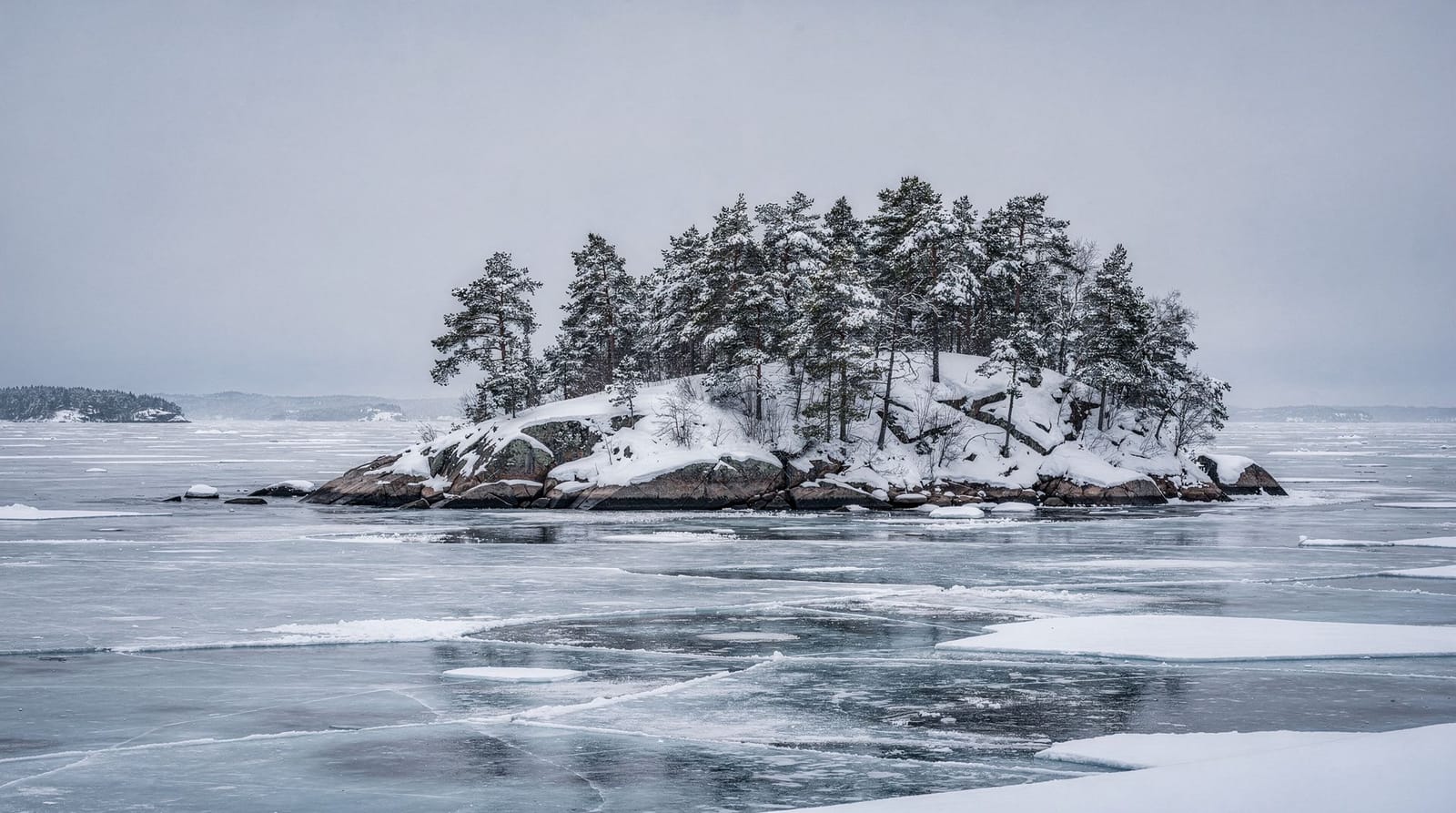
Vaxholm: traditional sauna with polar plunge in the Baltic Sea
Where can I experience a Swedish sauna in Stockholm?
Centralbadet (Norrmalm) is the historic 1904 Art Nouveau bath, but it is closed for renovation throughout 2026 (since 2 March; check centralbadet.se for the reopening date). Sturebadet (Östermalm) is the upscale city option; check sturebadet.se for current prices. For the full cold-plunge-into-the-Baltic experience, day packages at Vaxholm in the archipelago combine a traditional wood-fired sauna with sea swimming.
The Swedish sauna tradition
The Swedish sauna — bastu in Swedish — is a quieter cultural presence than its Finnish equivalent but no less ingrained. Swedes grow up with saunas in summer cottages, sports clubs, and apartment buildings. The public bathing tradition is older than the wellness trend: Centralbadet, for example, opened in 1904 in the middle of a major European reform movement that saw public baths as a democratic civic good.
For visitors, this means Stockholm’s sauna culture is not performative. The city’s facilities range from genuinely historic public baths to high-end spa complexes, with real sauna protocols rather than tourist approximations. What you experience at Centralbadet or in the archipelago is what Stockholm residents actually do.
| Where | Sturebadet (Östermalm) or Vaxholm archipelago (day trip); Centralbadet is closed in 2026 |
| Cost | City bath: check sturebadet.se for current prices; day-trip sauna packages vary |
| Time needed | 1.5–2 hours for a bath visit; half a day for archipelago |
| Getting there | T-bana to Östermalmstorg, or ferry to Vaxholm (~45 min) |
| Best time | December–February for the full Nordic winter contrast |
Centralbadet: the Art Nouveau option
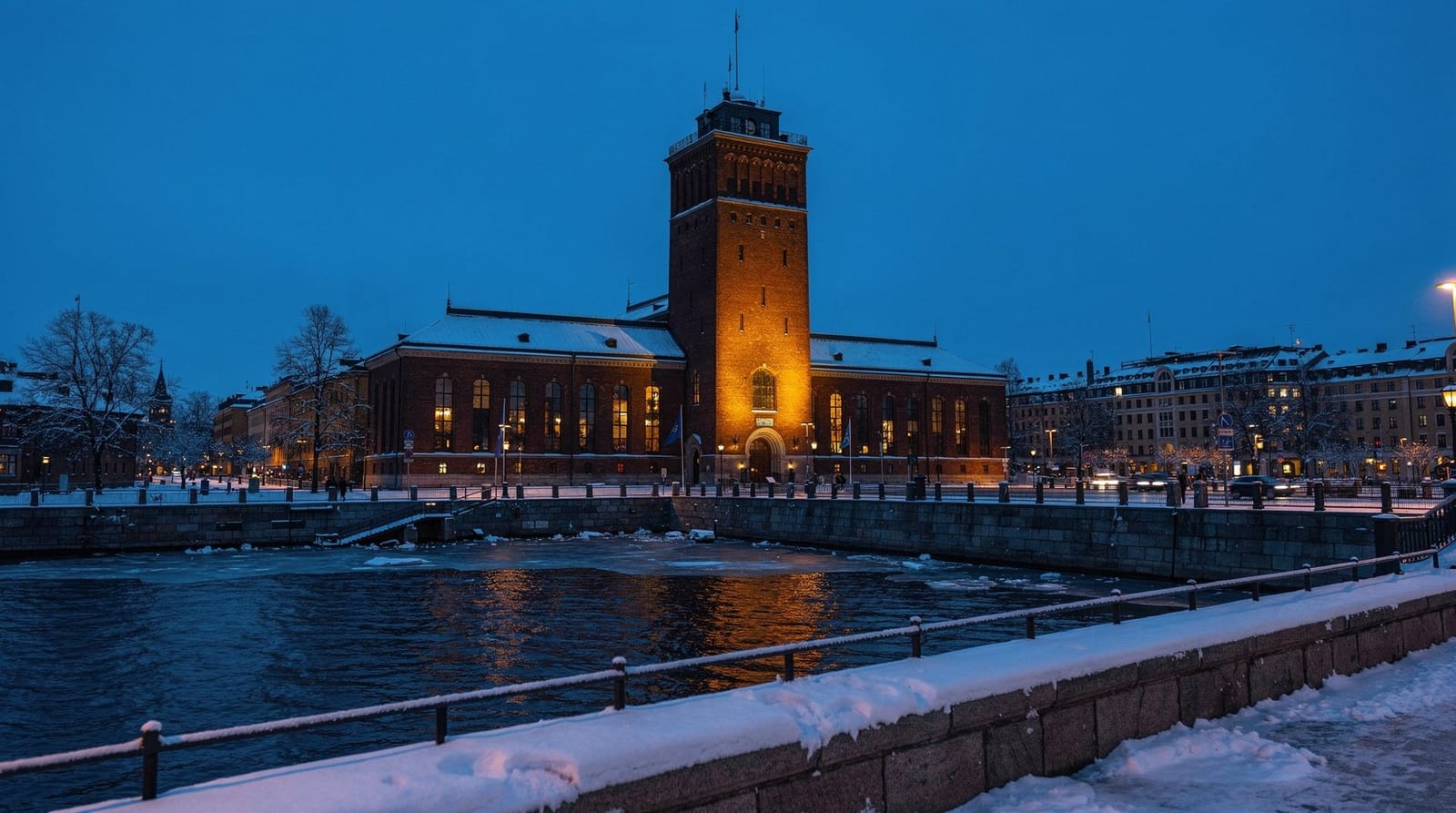
Centralbadet at Drottninggatan 88 (Norrmalm, central Stockholm) is the most historically significant public bath in the city. Built in 1904 in Jugendstil (Swedish Art Nouveau) style, the building’s main pool hall — high vaulted ceiling, ornate tilework, natural light — is remarkable regardless of your interest in bathing. The facility was renovated in the 1980s and updated subsequently while preserving the original architecture.
Facilities: Main 25-metre pool, saunas (dry and steam variants), whirlpool, relaxation areas. Treatment rooms for massage and spa therapies are available at additional cost.
Status in 2026: Centralbadet has been closed for renovation since 2 March 2026, for the whole year. Only treatments continue, at temporary premises at Engelbrektsgatan 5; the Ecobaren restaurant stays open. Check centralbadet.se for the reopening date and for prices once the baths reopen.
Getting there: T-bana to Hötorget (green line), then 5 minutes on foot along Drottninggatan.
Practical notes: Swimwear required throughout. Towels available for a small additional fee. Lockers for belongings. Busy on weekday lunchtimes (office workers) and weekend mornings (leisure visitors) — Tuesday–Thursday afternoons tend to be quietest.
Sturebadet: the upscale option
In the Stureplan area of Östermalm, Stockholm’s wealthiest neighbourhood, Sturebadet operates from what was originally a Victorian-era bathing establishment. The current facility, while thoroughly modernised, occupies a handsome historic building and maintains a premium service standard.
Price: Check sturebadet.se for current day-access prices and packages. Membership options exist for regular visitors.
Atmosphere: More upscale and quieter than Centralbadet. The clientele skews local and professional. Less tourist traffic than the central-city alternatives.
Getting there: T-bana to Östermalmstorg (red line), 5 minutes on foot.
Archipelago sauna experiences
The most distinctly Swedish sauna experience near Stockholm involves the archipelago combination: a wood-fired waterside sauna, ideally in a traditional red wooden bath-house on a small island, followed by direct cold plunge into the sea.
Vaxholm: The nearest practical option from central Stockholm. Accessible by Waxholmsbolaget ferry (around 45 minutes, SL pass valid for basic island ferries within zone) or by guided tour. The traditional sauna with cold plunge into the Baltic Sea — water temperatures of 2–5°C in winter, 15–18°C in summer — is available through day packages. In winter, the session often includes a cut hole in the sea ice for the cold plunge.
For booking the Vaxholm sauna experience, the traditional archipelago sauna tour offers the full sequence including transport.
Book the Vaxholm archipelago sauna and polar plunge experienceKayaking and sauna combination: In summer, kayak tours of the archipelago often include a sauna session at a waterside facility. See the winter archipelago guide for the specific cold-season version.
The ferry ride is part of the appeal. Crossing the water towards the islands puts you in the right frame of mind: the city thins out, the shoreline turns to rock and pine, and by the time you reach the bath-house you have already slowed down. If you want to understand how the boats work before you go, the Waxholmsbolaget ferries explained guide covers tickets and boarding, and the Vaxholm day guide shows what else is worth doing in town once you are warm and dry. The Vaxholm destination page gives the wider picture of the island and its fortress.
If you would rather see the islands from the water first and keep the sauna for another day, a boat trip is a gentler way to get a feel for the landscape. A guided departure such as a sightseeing cruise through the archipelago shows you the same red wooden houses and rocky shorelines you will later plunge beside, and it helps you decide which island feels right for a longer stay. The archipelago complete guide lays out the options in more depth.
What a good sauna day looks like
The best sauna days in Stockholm are unhurried. Treat the bath as the main event rather than something squeezed between sights. Arrive without a tight schedule behind you, because rushing defeats the purpose and the rhythm of heat, cool-down and rest cannot be hurried.
A simple city version: start with a slow morning, walk to Sturebadet (Centralbadet is closed in 2026), spend a couple of cycles in the heat, rest properly between them, and then follow with a late lunch or a fika. The fika culture guide explains why a coffee and a cinnamon bun after bathing feels so right, and the cinnamon bun guide points you towards a good one. A bath followed by fika is about as Swedish as an afternoon gets.
A more adventurous version swaps the city bath for the archipelago. Leave in the morning, take the boat out, do your sauna and plunge session, and return in the afternoon with that particular tired, clear-headed calm that follows a proper cold-water dip. Keep the evening light: a simple dinner and an early night suit the mood far better than a late night out.
Choosing between the options
The four choices in this guide answer different needs, and it helps to be honest about which one you actually want.
- Centralbadet is the one to pick for atmosphere and history once it reopens; it is closed for renovation throughout 2026.
- Sturebadet suits you if you prefer a quieter, more polished setting and do not mind paying for it.
- The Vaxholm archipelago sauna is the choice for the full Nordic ritual: wood smoke, the sea and a real sense of place.
- Yasuragi is for travellers who want a long, indulgent spa day and are curious about something different from the classic Swedish bath.
None of these is wrong. The mistake is booking the wrong one for your mood, for instance choosing a long spa retreat when you only have a free afternoon, or heading out to the islands in poor conditions when you would be happier in a warm historic pool hall.
What to bring and how to pace yourself
Pack light. A swimsuit is the essential item, followed by something warm and dry to change into afterwards, and a bottle of water for the hours around the session. Flip-flops are handy on wet floors, and a hair tie is useful if you have long hair. Leave jewellery and watches at your accommodation or locked away, since metal becomes uncomfortably hot in the sauna.
Listen to your body rather than the clock. If you feel dizzy, step out at once and sit down in the cooler air. Nobody in a Swedish bath will think less of you for taking a longer break, and the point of the ritual is to feel better, not to compete. Eat something light beforehand rather than a heavy meal, and save the proper lunch or dinner for afterwards, when the appetite is at its best.
Sauna and the rest of your Stockholm days
A sauna visit fits easily into a broader itinerary because it asks for a few hours rather than a whole day, at least in the city. After the bath, the neighbourhoods around Norrmalm are close at hand; the Norrmalm destination page and the Norrmalm neighbourhood deep dive suggest what to see nearby. If you stay in Östermalm for Sturebadet, the Östermalm neighbourhood deep dive is a good companion for the walk afterwards.
Sauna time is also a clever answer to bad weather. On a grey, wet day when outdoor sights lose their charm, a bath restores your energy, and the museum rainy day guide offers further indoor ideas if you want to combine the two. For those planning a longer winter stay, the winter three-day itinerary shows how a bath can anchor one of the days.
Finally, if you want to compare the Swedish way with the Finnish approach before you go, the blog post on the Swedish sauna experience versus Finland gives a personal view of the differences in atmosphere and etiquette.
Fitting a sauna into a winter Stockholm trip
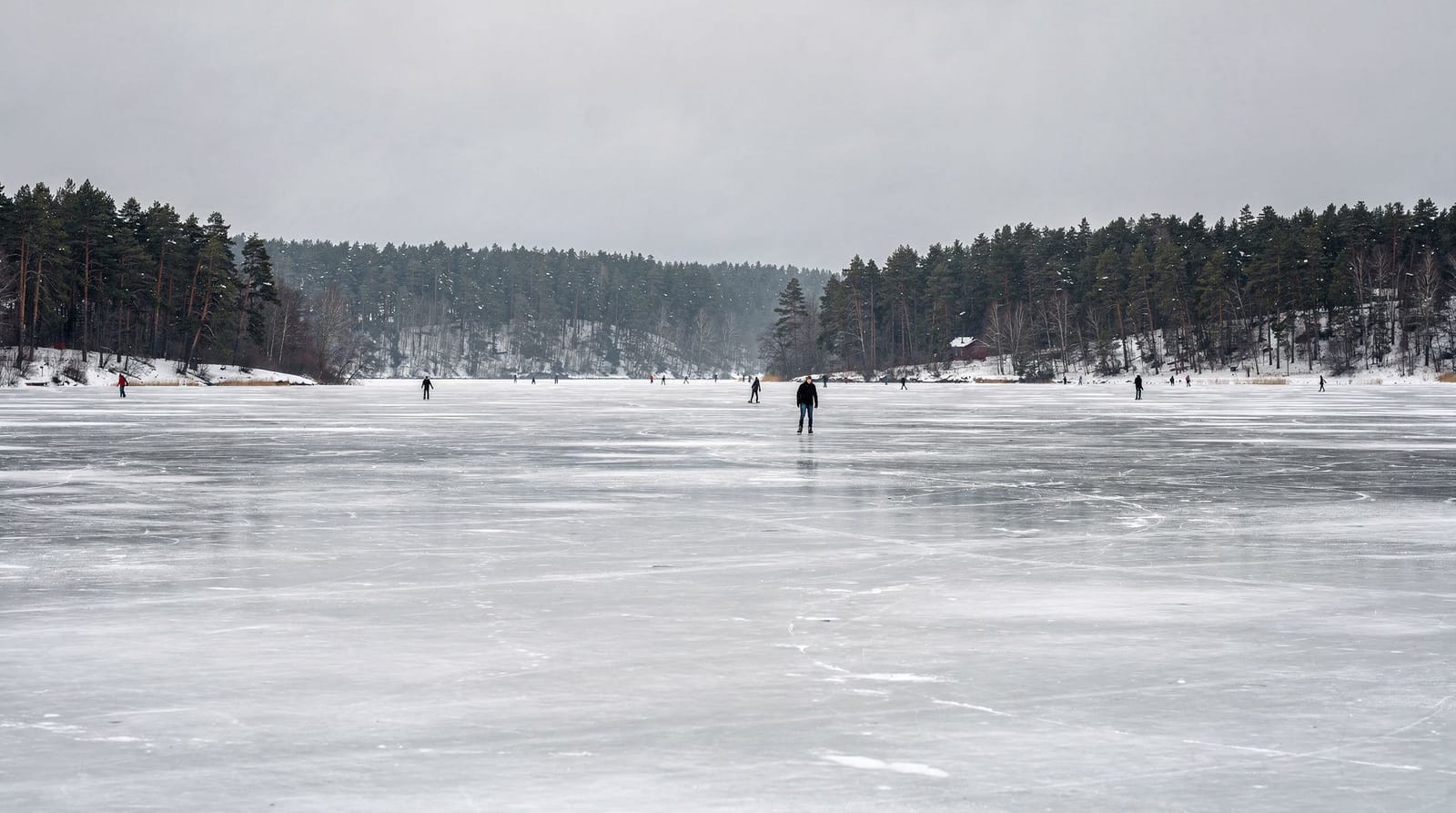
Sauna and cold plunge sit naturally alongside Stockholm’s other winter activities. A common pattern for visitors: a morning at ice skating on one of the city’s outdoor rinks, an afternoon Vaxholm sauna trip, and dinner back in the city. If your visit falls in the deep winter months, see the Stockholm winter guide for how sauna time fits alongside shorter daylight hours and colder temperatures, or the more specific January–February guide for the quietest, most local-feeling stretch of the season.
For visitors arriving in the shoulder months rather than deep winter, the spring shoulder season guide covers how sauna culture continues even as the archipelago starts to warm up — water temperatures in April and May are still bracing enough that the contrast remains genuinely dramatic.
Yasuragi: the Japanese-Swedish fusion
For a more unconventional option, Yasuragi at Hasseludden (Saltsjö-Boo, about 30 minutes from central Stockholm by commuter train plus bus) is a Japanese onsen-inspired wellness retreat built around the concept of Japanism. It is neither authentically Japanese nor conventionally Swedish, but has developed into one of the most distinctive spa experiences in the greater Stockholm area.
Price: Day visitor packages start at approximately 1,400–1,600 SEK, including access to the outdoor Japanese-style baths, saunas, and indoor facilities.
Getting there: Commuter train from Stockholm Central (pendeltåg J25/J26) to Igelboda, then a short taxi or a 25-minute walk. The facility runs a shuttle service on weekends during busier periods.
Best for: Those interested in a distinct aesthetic experience rather than a utilitarian Swedish bath. The outdoor baths in winter — steam rising off hot water, surrounded by snow-covered spruce forest — are genuinely striking.
Practical sauna guidance for first-timers
Protocol: Enter the sauna, stay for 10–15 minutes at your own tolerance level (beginners typically start with 8–10 minutes), exit and cool down either in a cold shower or pool, rest for an equal period, then re-enter. Three to four cycles is a standard session. Hydrate throughout.
Etiquette: Keep conversation quiet. Respect others’ silence — a sauna is a contemplative space as much as a social one. In mixed facilities, swimwear is standard. Exit quietly if you need to leave before others.
After the sauna: Allow at least 30 minutes for your body temperature to normalise before going outside into cold air. Most facilities have relaxation rooms for this purpose.
Medical considerations: If you have cardiovascular conditions or blood pressure issues, consult your doctor before intensive sauna use. The temperature contrasts involved in cold plunges are physiologically significant.
Winter vs summer sauna
Swedish sauna culture doesn’t have a season — it runs year-round. But the winter sauna experience has specific qualities:
The contrast between the sauna interior (80–100°C) and the outside temperature (-5°C) is extreme in winter. An outdoor cold plunge in January feels qualitatively different from the same plunge in August. The winter darkness and the heat of the sauna create a specific Nordic atmosphere that is harder to access in summer.
December through February is the period when Stockholm residents most actively seek out sauna time. If you want to experience the sauna in company with actual Stockholmers rather than tourists, winter is more likely to achieve that.
Frequently asked questions about Swedish sauna in Stockholm
What is the difference between Centralbadet and Sturebadet?
Both are historic public baths in central Stockholm. Centralbadet (1904 Art Nouveau building) is more accessible, more tourist-familiar, and more historic architecturally, but it is closed for renovation throughout 2026. Sturebadet is more upscale, quieter, and preferred by Stockholm professionals. Once Centralbadet reopens, it delivers more architectural context for a first visit; in 2026, Sturebadet is the city option.
Is a cold plunge in the Baltic sea dangerous?
In winter, Baltic water temperatures around Stockholm are 0–3°C. Cold-water immersion at this temperature triggers a cold shock response — an involuntary gasp reflex and rapid breathing that can cause difficulties in unprepared swimmers. Never cold-plunge alone without supervision, and always exit the sauna before entering cold water (don’t do it as an afterthought). Guided sauna experiences manage this safely.
Can children use the sauna facilities?
Centralbadet and Sturebadet admit children. The sauna itself is generally for adults only or limited-time for older children. Pools are open to families. Specific policies vary — confirm in advance if travelling with young children.
Is there a sauna at any hotel in central Stockholm?
Most large Stockholm hotels have a sauna, typically as part of a fitness and wellness floor. Hotel saunas are generally basic compared to dedicated facilities — usable, but lacking the historic character of Centralbadet or the outdoor-nature context of the archipelago options.
Top experiences
Bookable activities with verified prices and instant confirmation on GetYourGuide.