Gamla Stan walking tour guide: Stockholm's medieval heart
Stockholm: secrets of Gamla Stan guided tour with fika option
Duration: ~2 hours
How long does a Gamla Stan walking tour take?
A thorough self-guided walk of Gamla Stan takes 1.5 to 2 hours. A guided tour typically runs 2 to 2.5 hours. The island is small — roughly 1 km north to south — but the density of alleyways and things to see rewards a slow pace rather than a rushed circuit.
Stockholm’s oldest neighbourhood — and its most layered
Gamla Stan (literally “the Old Town”) is where Stockholm was founded in the mid-13th century, and it remains the most historically concentrated kilometre in Sweden. Built on a small island between Lake Mälaren and the Baltic approaches, it contains a royal palace, Sweden’s oldest cathedral, a square that witnessed one of Scandinavia’s most infamous massacres, and a dense tangle of medieval alleyways that have barely changed their footprint since the 14th century.
Walking through it well — slowly, without a fixed agenda, with an eye for detail — is one of the genuinely satisfying things you can do in Stockholm. Walking through it badly — following the tourist crowd along Västerlånggatan, pausing only to photograph the colourful facades of Stortorget — is to miss almost everything.
This guide gives you the tools to do it well — for a deeper look at the neighbourhood’s history and layout beyond the walking route, the Gamla Stan neighbourhood deep dive is the companion piece.
Practical essentials
| Detail | Information |
|---|---|
| Walk duration | 1.5–2.5 hours depending on pace |
| T-bana | Gamla Stan station (red/green lines) |
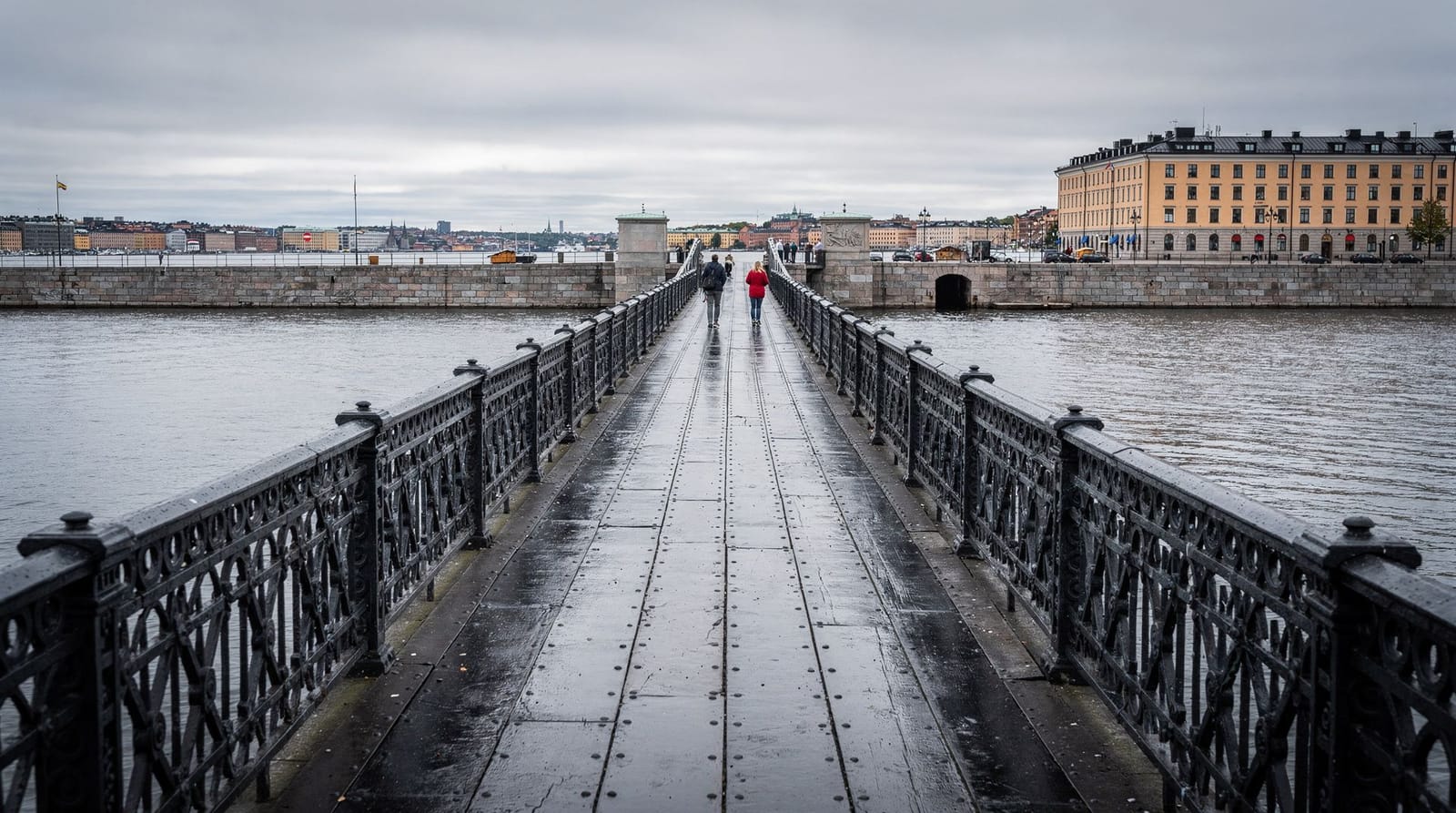
| Best entry point | T-bana exit or Riksbron bridge from Norrmalm |
| Best time | Before 09:00 or after 19:00 in summer |
| Guided tour price | 250–450 SEK (200–450 SEK for free tours + tip) |
The recommended walking route
Starting point: Stortorget
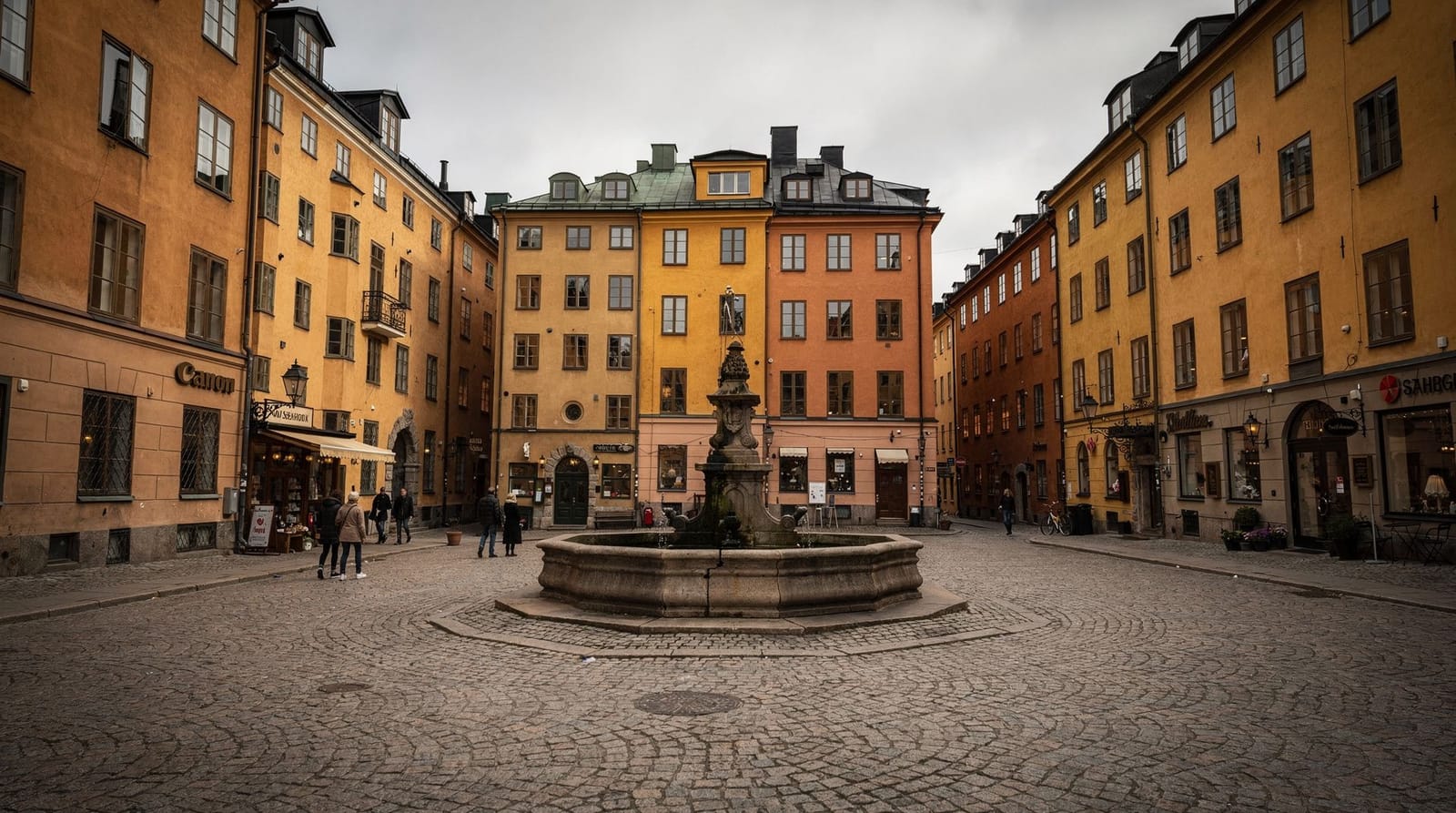
Begin at Stortorget, the main square. The colourful merchant houses that line it date from the 17th and 18th centuries, replacing earlier structures. The narrower, taller buildings to the north have a distinctly Dutch influence — merchants from Amsterdam and Lübeck were the city’s dominant trading partners, and their architectural preferences show.
The square is the site of the Stockholm Bloodbath of November 1520. Danish King Christian II, having captured Stockholm, hosted a three-day celebration that turned into an execution. Approximately 100 Swedish nobles, clergy, and burghers were killed here. Among the dead was the father of Gustav Vasa, who escaped and later led the rebellion that expelled the Danes and founded modern Sweden. The cobblestones in front of the Nobel Museum (the former stock exchange building) are sometimes described as commemorating the dead, though this is partly legend.
The Stockholm Bloodbath is worth knowing before you stand in Stortorget. It transforms the square from a picturesque backdrop for photographs into a place with genuine historical weight.
Nobel Prize Museum
The building on the north side of Stortorget is the former Börsen (stock exchange), now the Nobel Prize Museum. Entry costs 160 SEK for adults (120 SEK for students and seniors), and children under 18 enter free; check nobelprizemuseum.se for current offers. The permanent collection on Nobel laureates and the prize ceremony is modest, but the building interior is elegant and the temporary exhibitions are often excellent. See the Nobel Prize Museum guide for full details.
Storkyrkan (Stockholm Cathedral)
A short walk north-west of Stortorget on Trångsund, Storkyrkan is Stockholm’s oldest church, dating in its current form to the 15th century. Entry is 120 SEK for adults (audio guide included). The interior holds several things worth seeing: the painted wooden sculpture of Saint George and the Dragon (1489), widely considered one of the finest Gothic sculptures in northern Europe; a 17th-century painting of Stockholm from the water that provides a remarkably detailed picture of the medieval city; and the silver altar (1652), a gift from the palatinate. Swedish royal weddings and state occasions take place here.
The Royal Palace
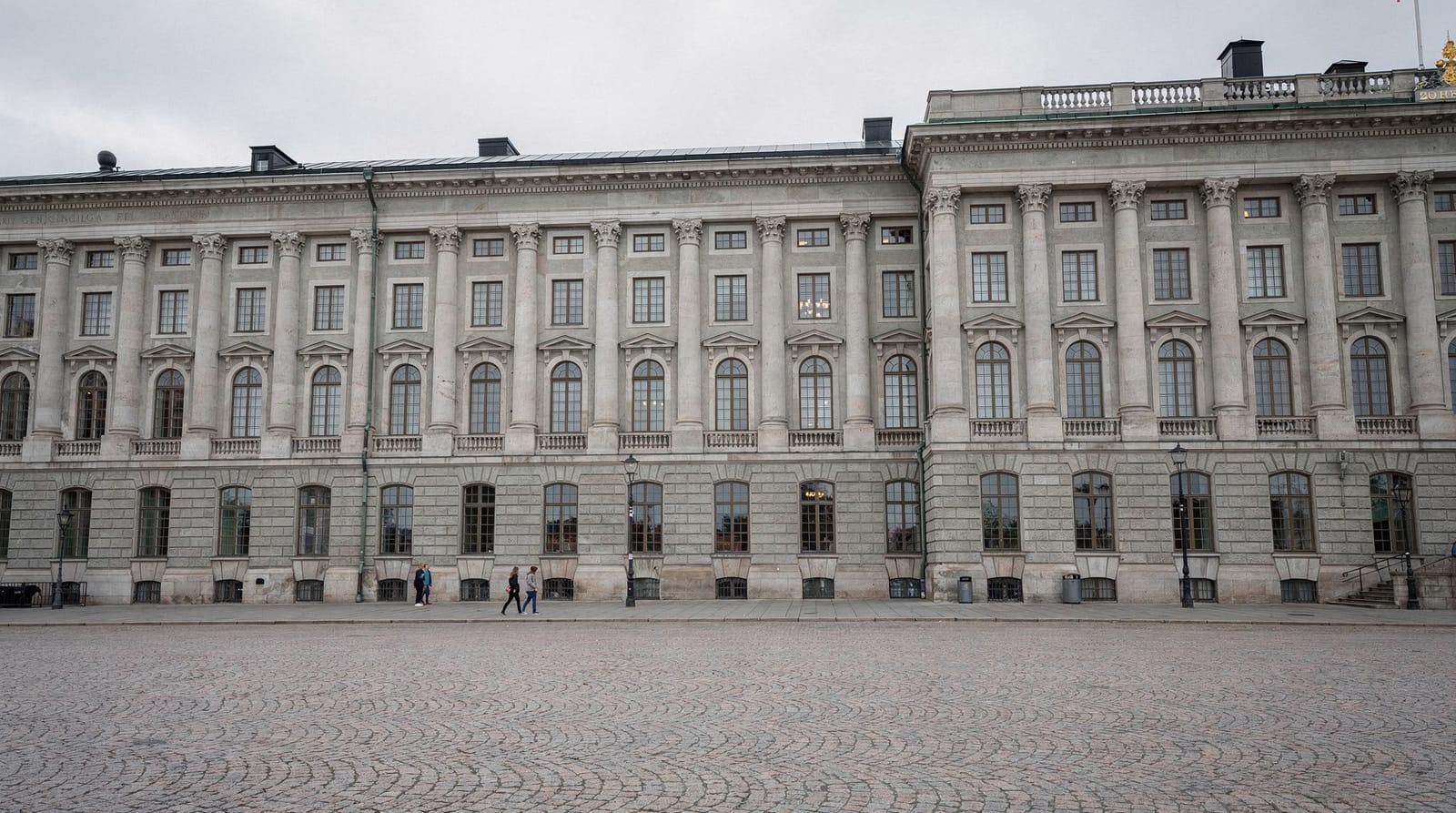
Continuing north-west brings you to the Royal Palace (Kungliga Slottet), the world’s largest palace still in active use as a royal residence. The building is 18th-century baroque — the medieval palace burned down in 1697 — with 1,430 rooms. The exterior is impressive; the interior museums (Royal Apartments, Treasury with Crown Jewels, Gustav III’s Museum of Antiquities, the Royal Chapel) require a separate ticket of approximately 170–250 SEK depending on how many wings you visit. See the Royal Palace guide for details.
The daily changing of the guard takes place in the outer courtyard at 12:15 Monday–Saturday and 13:15 on Sundays and public holidays — a genuinely theatrical 45-minute ceremony with the Royal Guards and the Palace Band.
The alleyways east of Österlånggatan
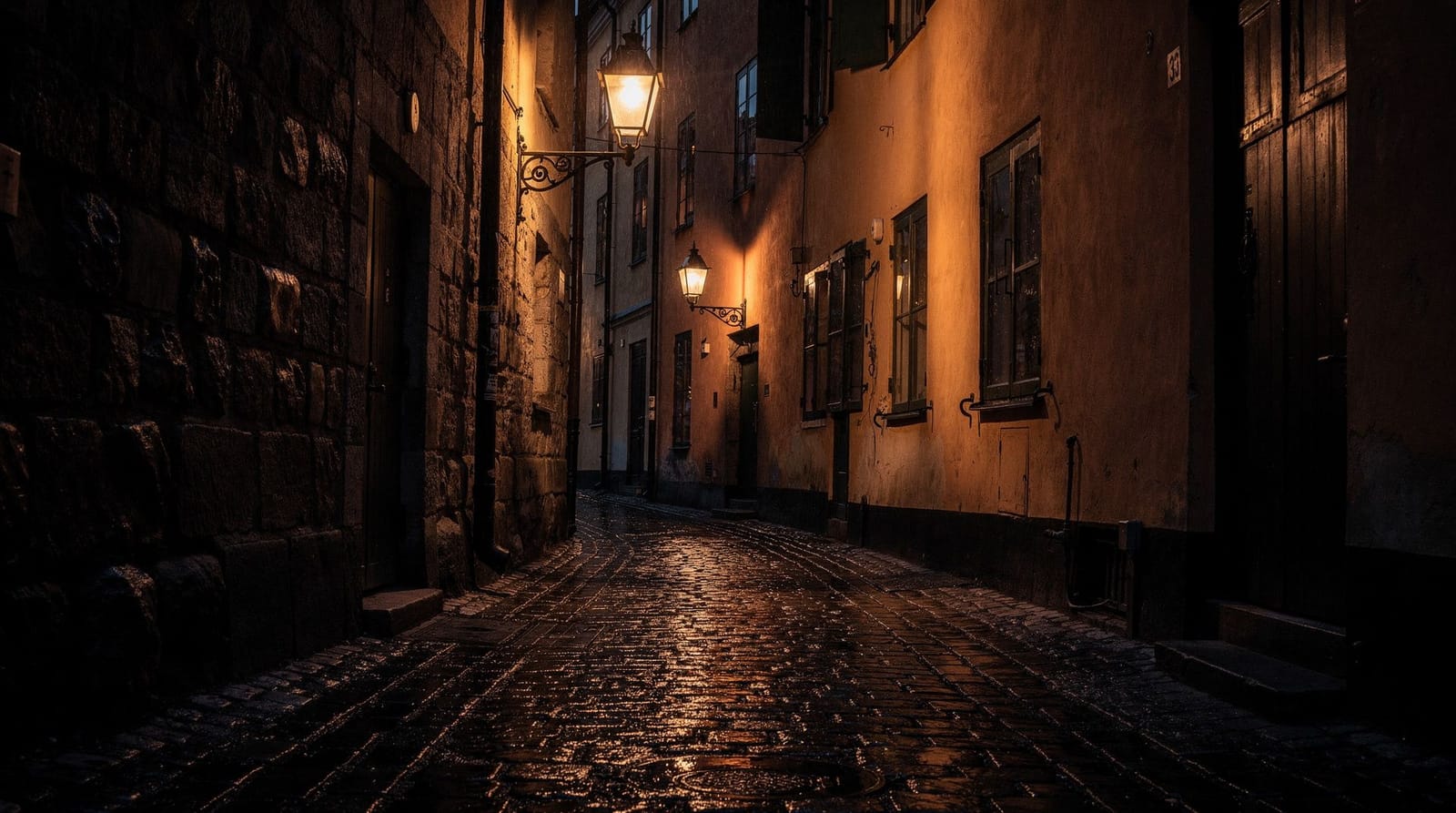
After the Royal Palace, walk back south through the eastern half of the island rather than returning via Västerlånggatan. The area around Österlånggatan, Köpmangatan, and Prästgatan rewards slow exploration. Köpmangatan is considered one of Stockholm’s best-preserved medieval streets. Tyska kyrkan (the German church, on Svartmangatan) has an ornate 17th-century interior and a striking copper spire.
Look for Mårten Trotzigs Gränd — at 90 cm wide, the narrowest alley in Stockholm, connecting Västerlånggatan to Prästgatan via a staircase. It was named for a 16th-century German merchant who owned the buildings on either side. The climb up is a minor physical adventure and the alley is deeply atmospheric.
Järntorget and the southern end
Järntorget (“Iron Square”) at the southern end of the island was the medieval market for iron goods. Today it is a pleasant square with a fountain and several outdoor café terraces. Österlånggatan leads south from here to the bridge (Slussplan) connecting to Södermalm.
Avoiding tourist traps
Västerlånggatan is Gamla Stan’s main commercial street and is, frankly, a gauntlet. It connects Norrmalm to Järntorget and is lined almost entirely with souvenir shops selling Dala horse keyrings and Viking horned helmets (historically inaccurate — Viking helmets did not have horns), and with restaurants targeting the tourist lunch trade.
The restaurants on and near Västerlånggatan often have opaque menus, aggressive outdoor seating staff, and quality that does not match the prices. One street east (Österlånggatan) or west (through the alleyways) gives a completely different atmosphere. Restaurants on the smaller streets — Den Gyldene Freden (Stockholm’s oldest inn, since 1722), Kryp In, Hermitage — are meaningfully better and usually cost about the same or less.
Stortorget café prices are high. Have your fika one street away.
Guided tours with pressure tips: free walking tours meet at Stortorget and operate on a tip model. See the free walking tours guide for an honest breakdown of what to expect.
What to eat and drink in Gamla Stan
Den Gyldene Freden (Österlånggatan 51) is Sweden’s oldest surviving inn, founded in 1722. The Swedish Academy used to hold its weekly dinners here. Traditional Swedish husmanskost at honest prices.
Hermitage (Stora Nygatan 11) is one of Stockholm’s best-known vegetarian restaurants, operating since 1977. Lunch buffet is excellent value.
Chaikhana (Österlånggatan 17) serves Central Asian tea and light snacks — an interesting contrast to standard tourist fare.
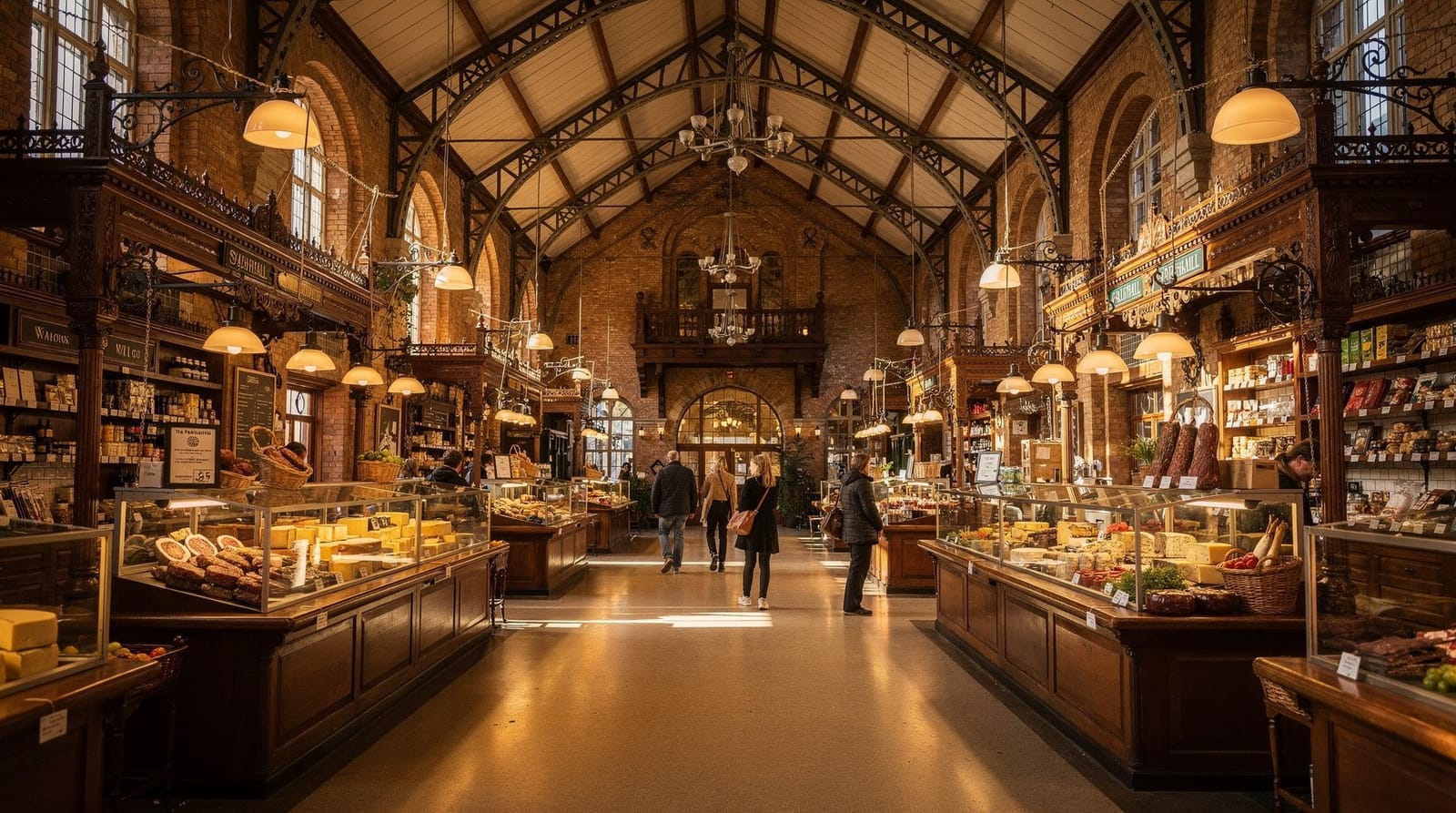
For fika (coffee and a pastry), Café Bouletten (Brunnsgränd 2) is a tiny coffee shop in a medieval cellar. Queue is part of the experience.
For a fuller comparison of where to eat across the island — including which streets to avoid entirely and a price breakdown of the honest options — see the Gamla Stan restaurants guide, which goes deeper than the short list here.
Best spots for photographs
Stortorget at dawn: The colourful facades reflect best in golden light. In summer, dawn is at 04:00 — genuinely worth it for photographers.
Mårten Trotzigs Gränd: The impossibly narrow alley photographs well with a wide angle from the bottom of the stairs.
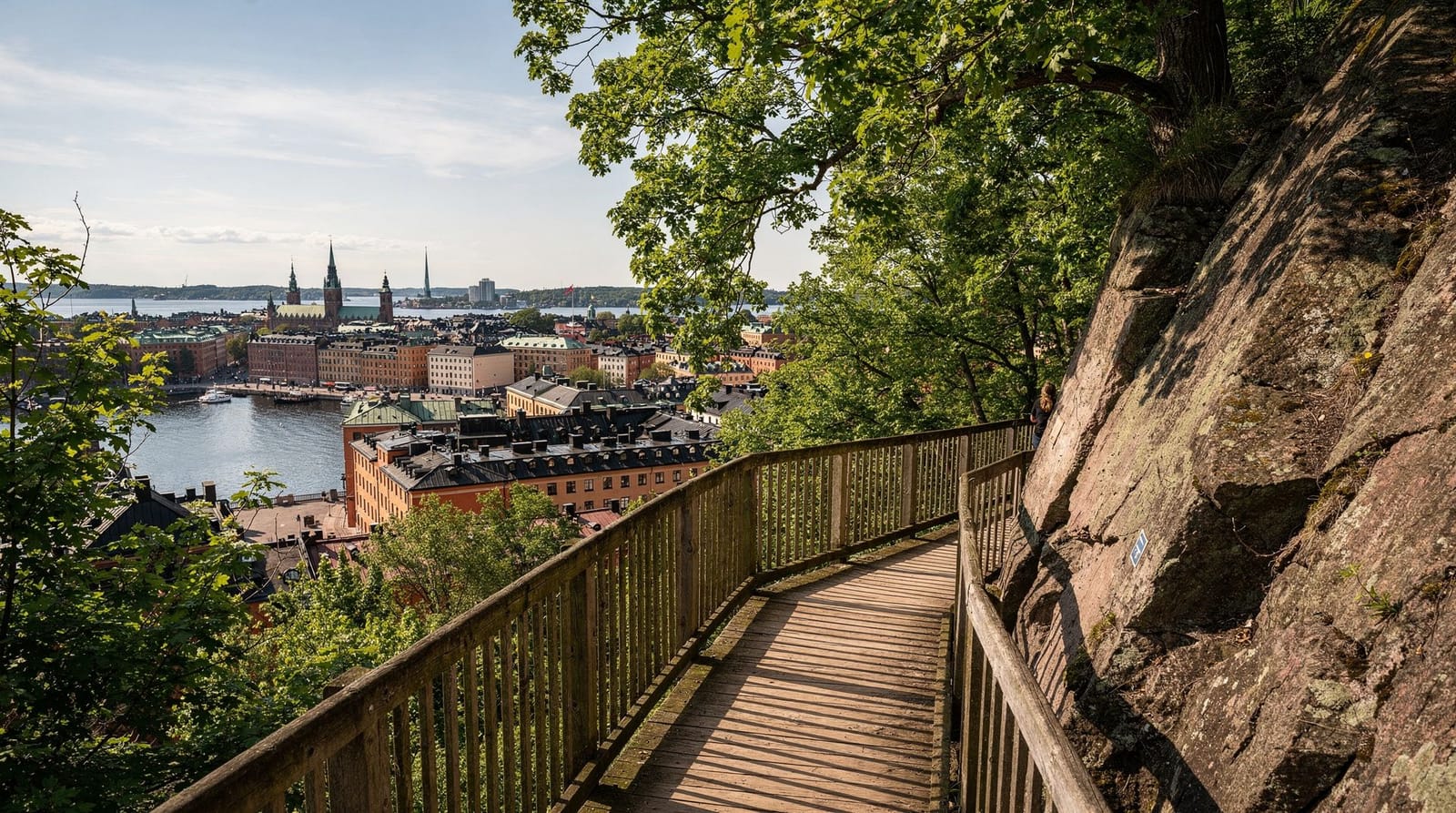
Monteliusvägen viewpoint (technically Södermalm, not Gamla Stan, but 10 minutes’ walk from Järntorget): provides the classic elevated view across Gamla Stan and Stockholm’s waterways. See the Södermalm walking tour.
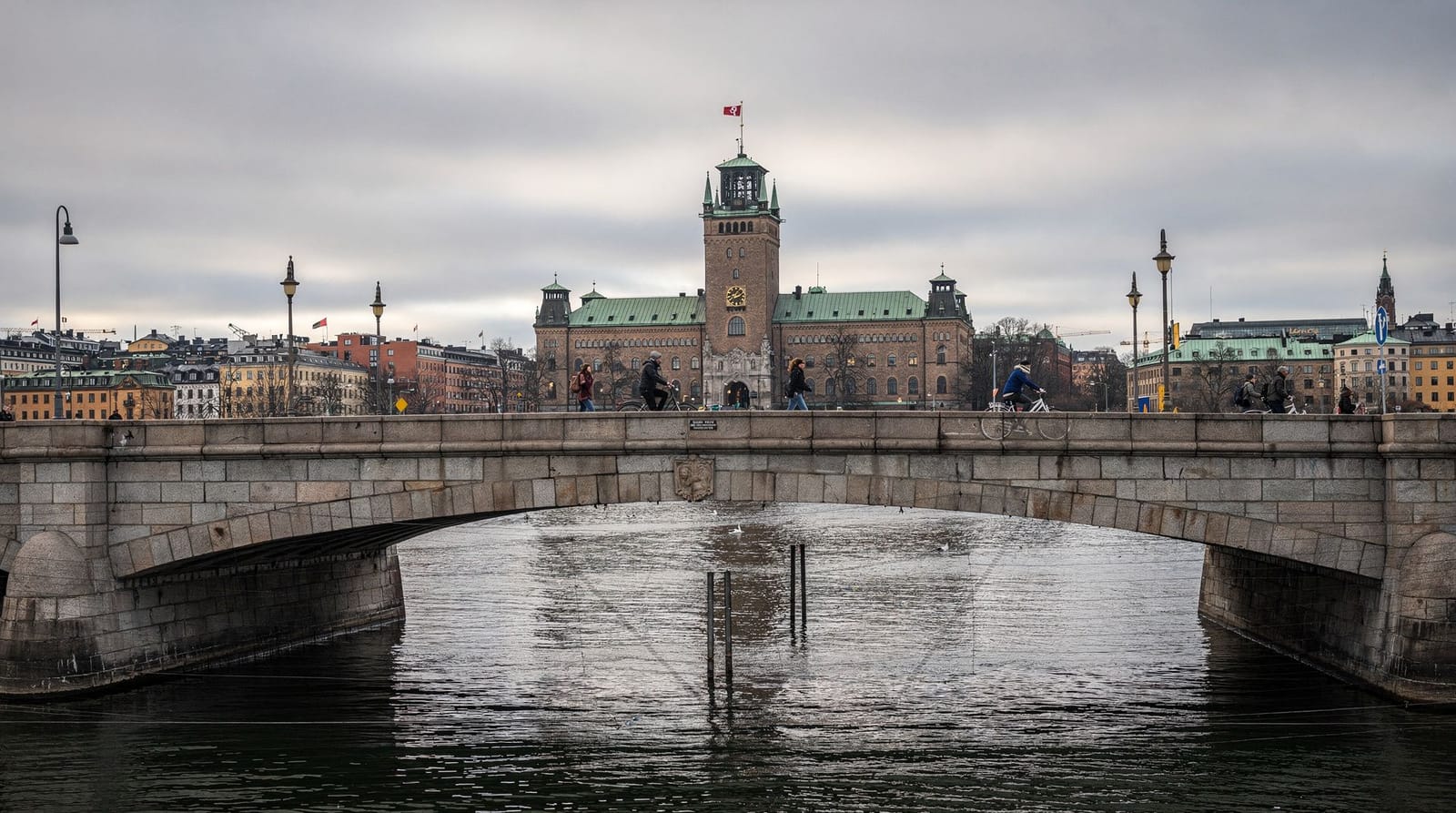
Riddarholmen island (adjacent to Gamla Stan, connected by bridge): the view back across the water to Gamla Stan from Riddarholmen is one of the best wide-angle shots in the city.
Self-guided vs guided: which to choose
| Self-guided | Guided tour | |
|---|---|---|
| Cost | Free | 200–450 SEK |
| Duration | 1.5–2.5 hours, your pace | Fixed, usually 2–2.5 hours |
| Context provided | Whatever you research beforehand | Bloodbath history, hidden courtyards, architecture explained |
| Best for | Repeat visitors, budget trips, flexible schedules | First-time visitors, groups who want the stories |
| Route control | Full control, can skip or linger | Fixed route set by the guide |
Neither is objectively better — a self-guided walk using the route above is genuinely sufficient for a first look at Gamla Stan, and a guided tour earns its price mainly through storytelling rather than access to anything you couldn’t otherwise see.
Accessibility and practical notes
Gamla Stan is relatively flat but almost entirely cobblestoned, which makes wheelchairs and standard strollers slow going, especially on the smaller lanes. The main streets — Västerlånggatan, Österlånggatan, and the palace forecourt — are the most manageable if mobility is a concern; Mårten Trotzigs Gränd’s staircase and several of the atmospheric side alleys are not accessible at all. There is no left-luggage facility on the island itself; the nearest lockers are at Stockholm Central Station, about 15 minutes’ walk or one T-bana stop away. Public restrooms are limited, so plan around café stops.
Weather is worth planning for separately from the route itself. Rain does not really disrupt a Gamla Stan walk — the narrow streets and overhanging upper floors provide partial shelter, and several of the paid sights (Storkyrkan, the Nobel Prize Museum, the Royal Palace museums) are obvious dry fallbacks if a downpour sets in. Snow and ice in winter make the cobblestones genuinely slippery; if you’re visiting between December and February, prioritise flat, grippy footwear over style, and budget slightly more time than the summer estimates above.
Guided tour options
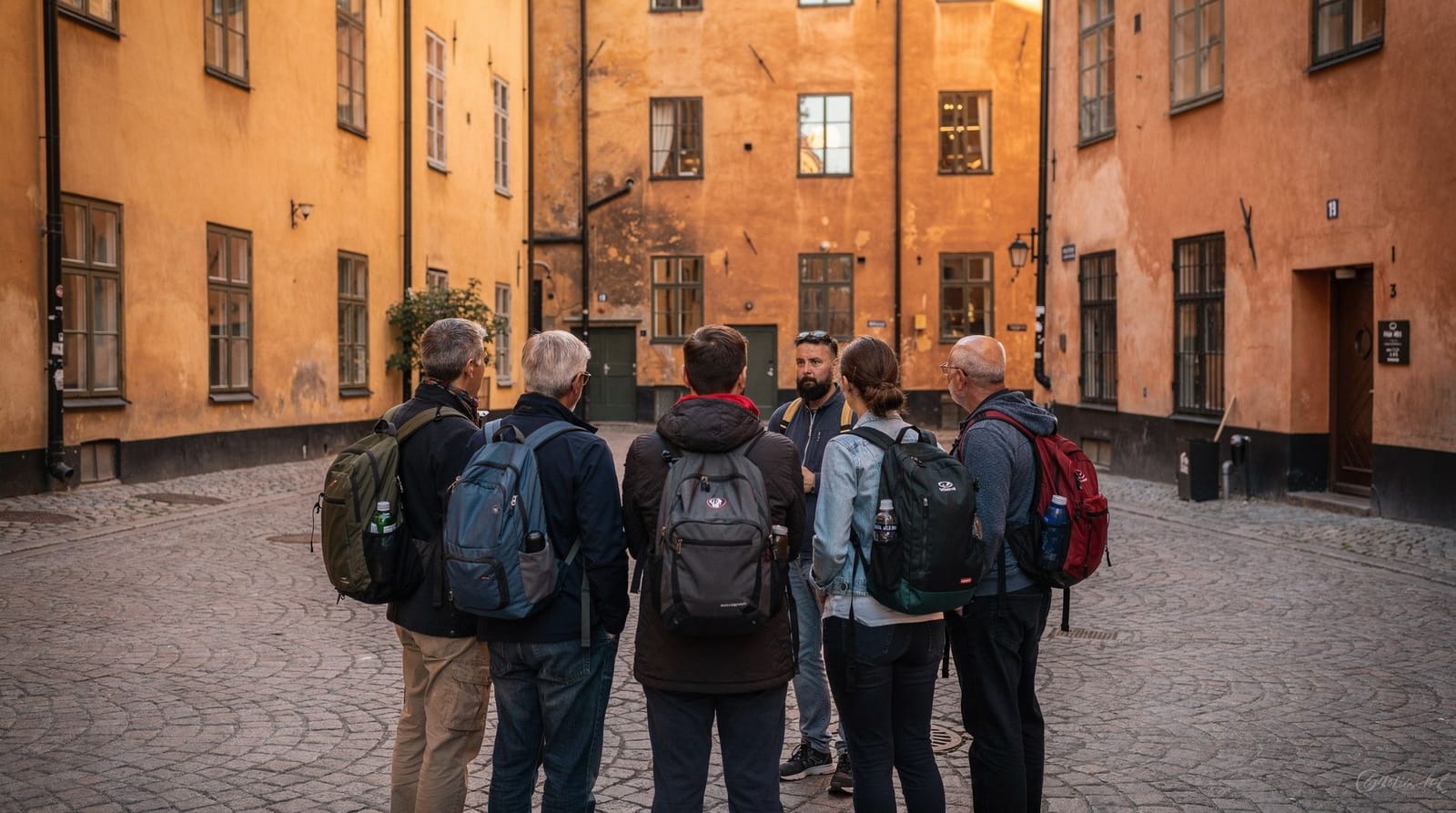
A guided walking tour adds stories and context that the streets alone don’t communicate. The Bloodbath, the medieval alleyways’ original functions, the architectural layers from different centuries, the hidden courtyards — these require a guide or significant pre-reading to appreciate fully.
Book a guided walking tour of Gamla StanGood tours also tend to steer you away from Västerlånggatan and into the more interesting parts of the island. The secrets-and-fika format (two hours of walking followed by Swedish coffee and pastry) is a particularly good introduction.
Stories and secrets: guided Old Town walking tourFor private tours — useful for families or visitors who want to shape the itinerary — several operators offer two-hour customised versions. See the private Stockholm tours guide for options.
Combining Gamla Stan with other neighbourhoods
Gamla Stan’s proximity to several other areas makes it a natural hub for a half-day or full-day walking programme:
Gamla Stan + Södermalm: Cross the Slussen bridge south and climb to Monteliusvägen for views, then explore Södermalm’s markets, cafés, and Fotografiska. Allow 3–4 hours total. See the Södermalm walking tour.
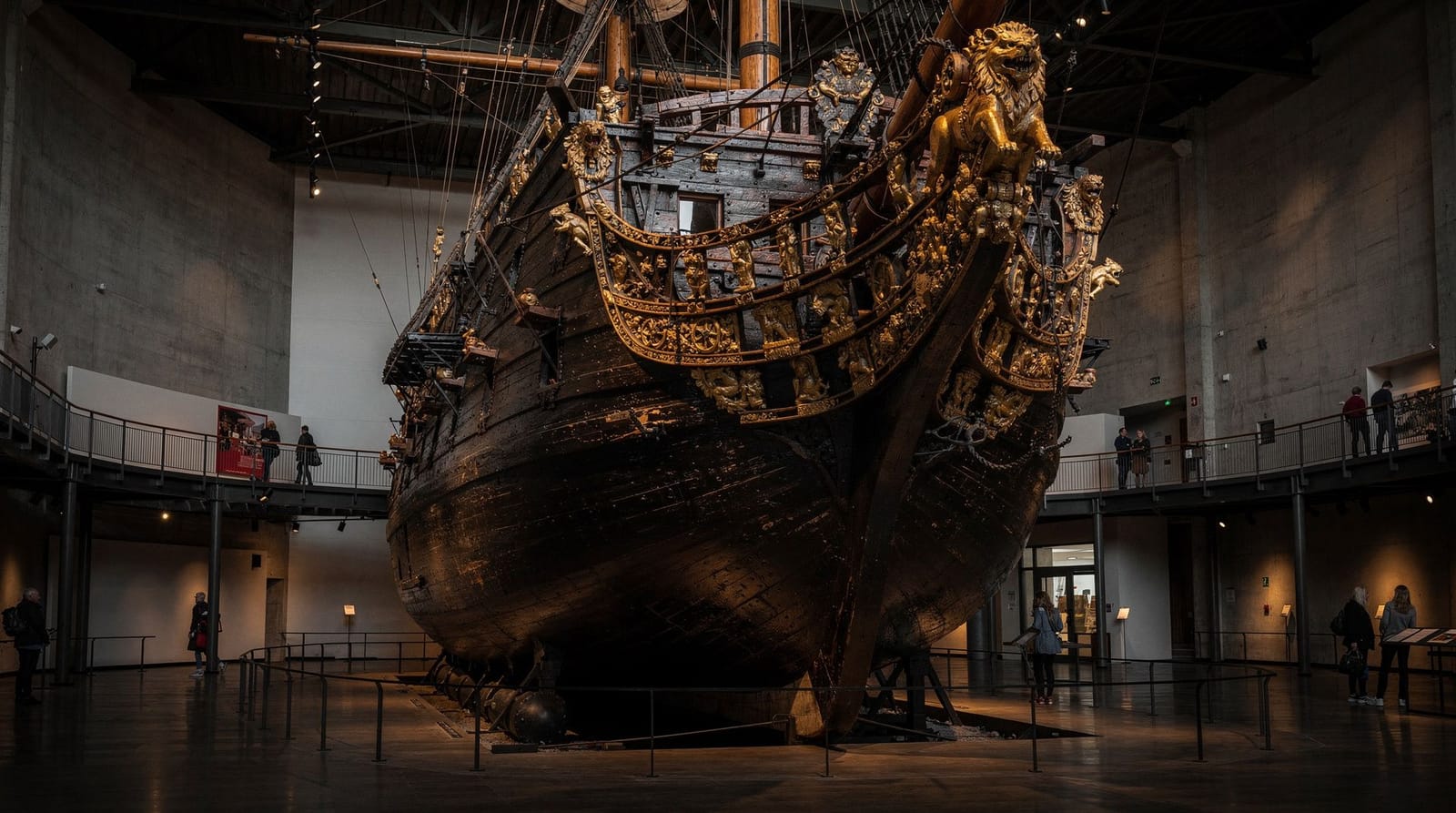
Gamla Stan + Djurgården: From the Royal Palace, cross the Riksbron bridge north and take a bus or tram to Djurgården for the Vasa Museum. Allow 4–5 hours total. See the Djurgården walking route.
Gamla Stan + boat tour: several operators run combined walking-and-boat packages that start in Gamla Stan and include a canal or archipelago cruise. See the boat tour guide.
Frequently asked questions about Gamla Stan walking tours
How long does a Gamla Stan walking tour take?
A self-guided walk covering Stortorget, the Royal Palace exterior, Storkyrkan, the main alleyways, and the southern end takes about 1.5 hours at a comfortable pace. Add the Royal Palace museums and you need 3–4 hours. A guided walking tour typically runs 2 to 2.5 hours.
What is the narrowest street in Gamla Stan?
Mårten Trotzigs Gränd, at 90 cm wide, is the narrowest alley in Stockholm. It runs between Västerlånggatan and Prästgatan via a stepped staircase. Access is free.
Is the Nobel Prize Museum worth visiting?
For visitors with an interest in science, literature, or the history of ideas, yes. The museum covers Nobel laureates across all prize categories and often hosts excellent temporary exhibitions. Entry costs 160 SEK for adults (120 SEK for students and seniors), and children under 18 enter free; check nobelprizemuseum.se for current offers.
What is Gamla Stan’s relationship to Stockholm’s founding?
Stockholm was first mentioned in a written document in 1252, in a letter from the statesman Birger Jarl. The founding site is generally agreed to be the island now known as Gamla Stan (then called Stadsholmen). The city developed as a strategic point controlling the passage between Lake Mälaren and the Baltic.
Can I walk Gamla Stan in bad weather?
Yes. The narrow alleyways and overhanging buildings provide some shelter, and the compact geography means a full tour is possible even in rain. Several of the interior sites (Nobel Prize Museum, Storkyrkan, Royal Palace museums) offer obvious dry alternatives.
Are there hills in Gamla Stan?
Gamla Stan is relatively flat compared to Södermalm or Östermalm. There are a few gentle slopes and cobblestoned surfaces that can be slippery when wet. Sensible flat shoes are recommended.
What are the Royal Palace’s opening hours?
The Royal Palace museums are generally open daily from 10:00 to 17:00 in summer (June–August). Off-season hours vary by wing. The changing of the guard takes place in the outer courtyard regardless of whether you enter the museums.
Top experiences
Bookable activities with verified prices and instant confirmation on GetYourGuide.