Gamla Stan restaurants: the honest guide to eating in the Old Town
Stockholm: small-group food tour with 7 local food tastings
Are Gamla Stan restaurants worth eating at?
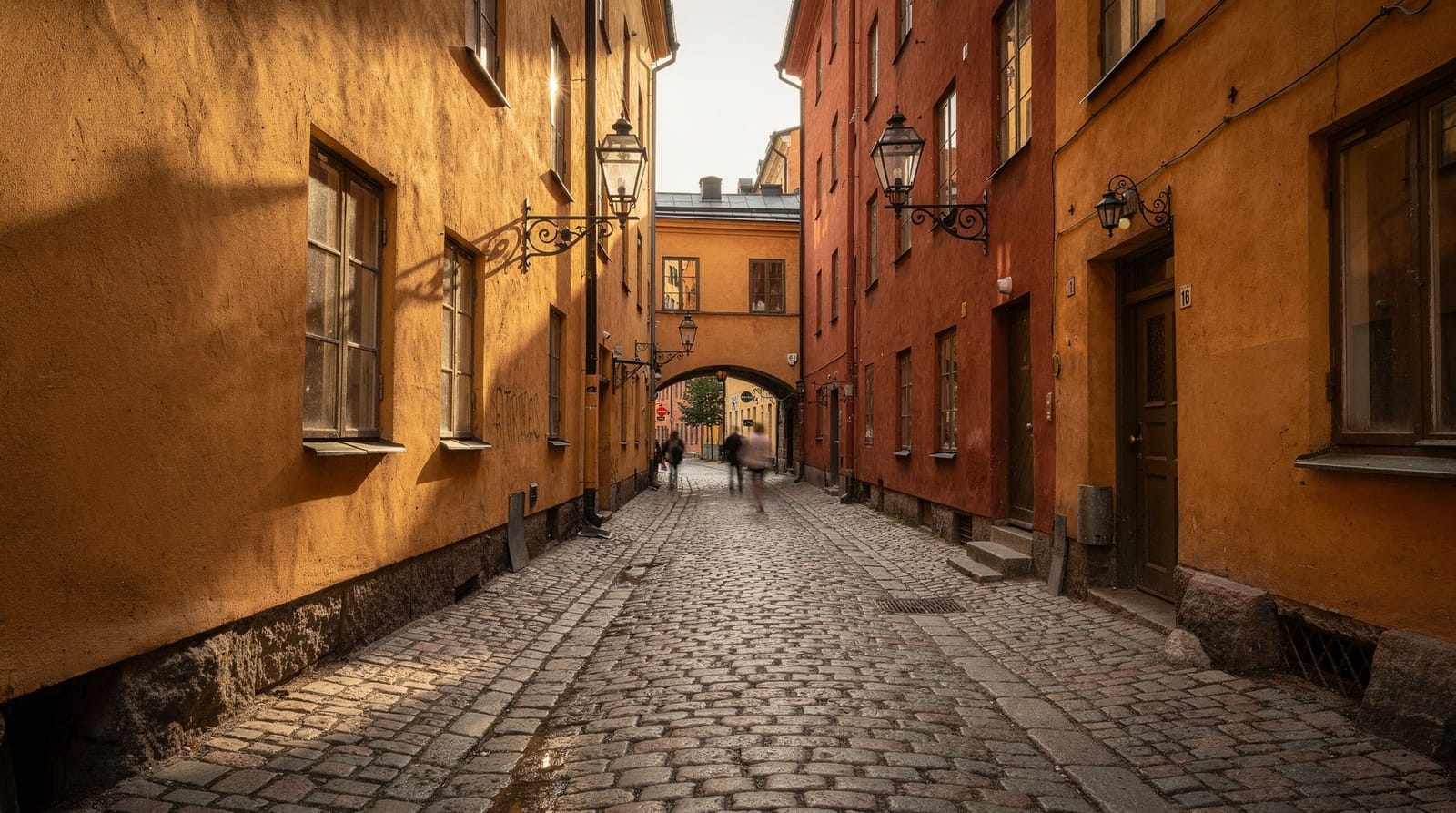
Some are, most are not. The tourist-facing strip on Västerlånggatan and around Stortorget has mediocre food at inflated prices — menus translated into six languages and Viking-themed décor are warning signs. The side streets (Österlånggatan, Mårten Trotzigs Gränd area) have better options. Restaurant Tradition and Kryp In are genuinely good. Plan accordingly.
The honest assessment
Gamla Stan is Stockholm’s most beautiful neighbourhood and one of its worst places to eat. This is not a mystery — it is predictable economics. The neighbourhood has the highest tourist density in the city, relatively few permanent residents, and real estate costs that push restaurants toward volume over quality. The result is a concentration of tourist-trap restaurants surviving on first-time visitors who will not return.
This does not mean you should avoid eating in Gamla Stan entirely. It means you should know where the good places are and how to avoid the obvious traps.
| Where to eat | Österlånggatan and the side lanes, not Västerlånggatan |
| Cost | Check each menu; the honest options charge noticeably less than the tourist strip, and more on Stortorget |
| Best value | Weekday lunch (dagens rätt) at the good kitchens |
| Warning sign | Menus in six-plus languages, Viking décor, no visible prices |
| Alternative | Södermalm or Östermalm Saluhall for a stronger everyday food scene |
The warning signs
Västerlånggatan: the tourist drag
Gamla Stan’s main shopping street is arguably Stockholm’s single worst place to eat. The restaurants here display menus in six to eight languages, feature Viking imagery heavily, serve average-to-poor food at prices 30–60% above equivalent quality elsewhere, and in some cases have been documented adding charges to bills that were not explained when ordering.
This is the strip specifically called out in the tourist traps guide: if you are standing on Västerlånggatan looking at a menu with a stylised Viking ship on it, walk away.
The translated-menu signal
A menu available in six languages posted outside in a laminated frame is not proof of quality but it is a reliable signal that the restaurant is oriented toward one-time visitors rather than locals. Local restaurants in Stockholm may have an English translation, but rarely six or eight.
Stortorget perimeter restaurants
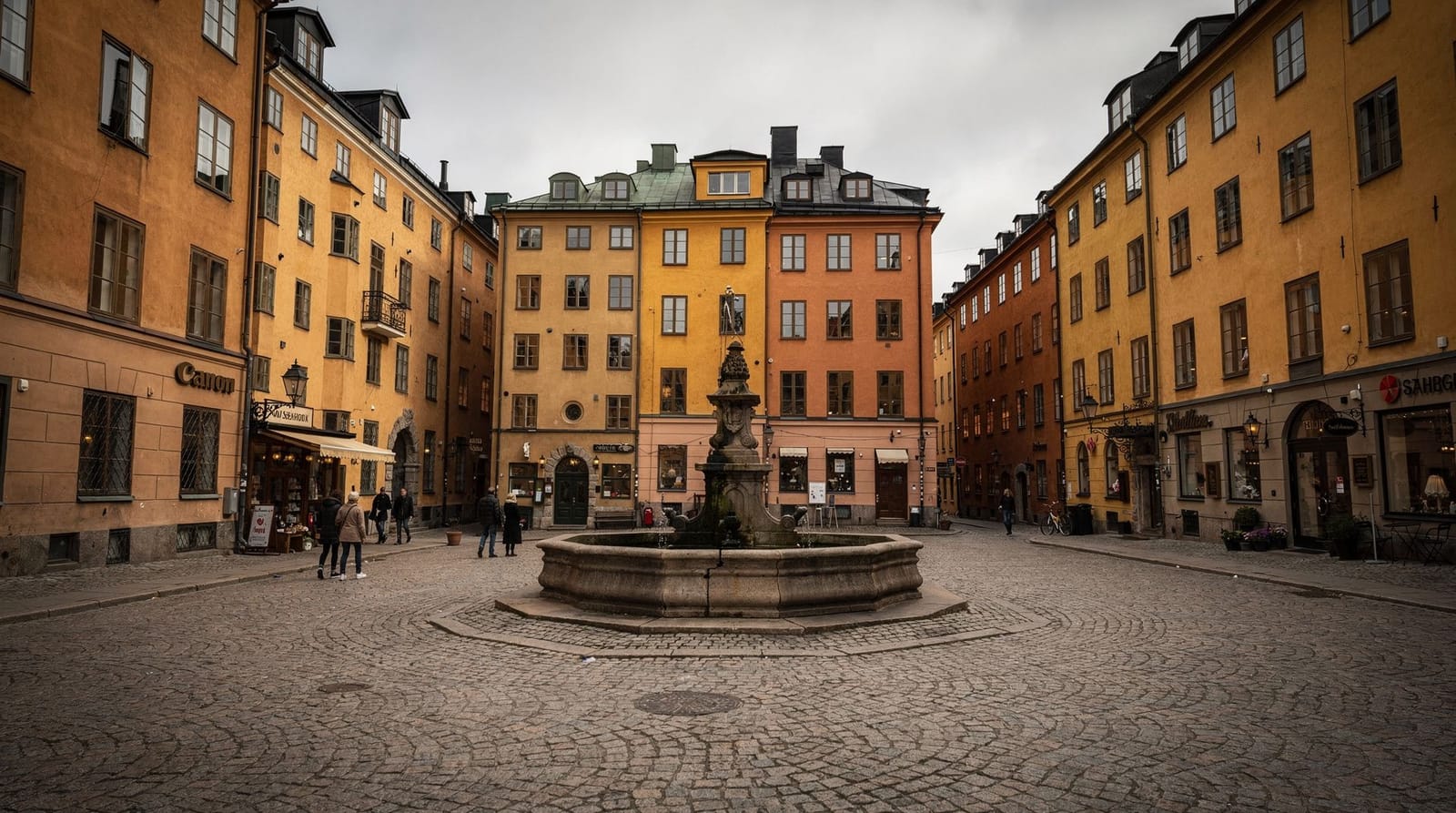
The picturesque square with the coloured houses is beautiful and the restaurants around it know it. Eating at a table with that view costs a premium that is built into the food prices regardless of quality. A few restaurants here are decent; most are relying on the location to do the work. The Nobel Museum Bistro at the edge of Stortorget is the honourable exception — see below.
How to read a restaurant before you sit down
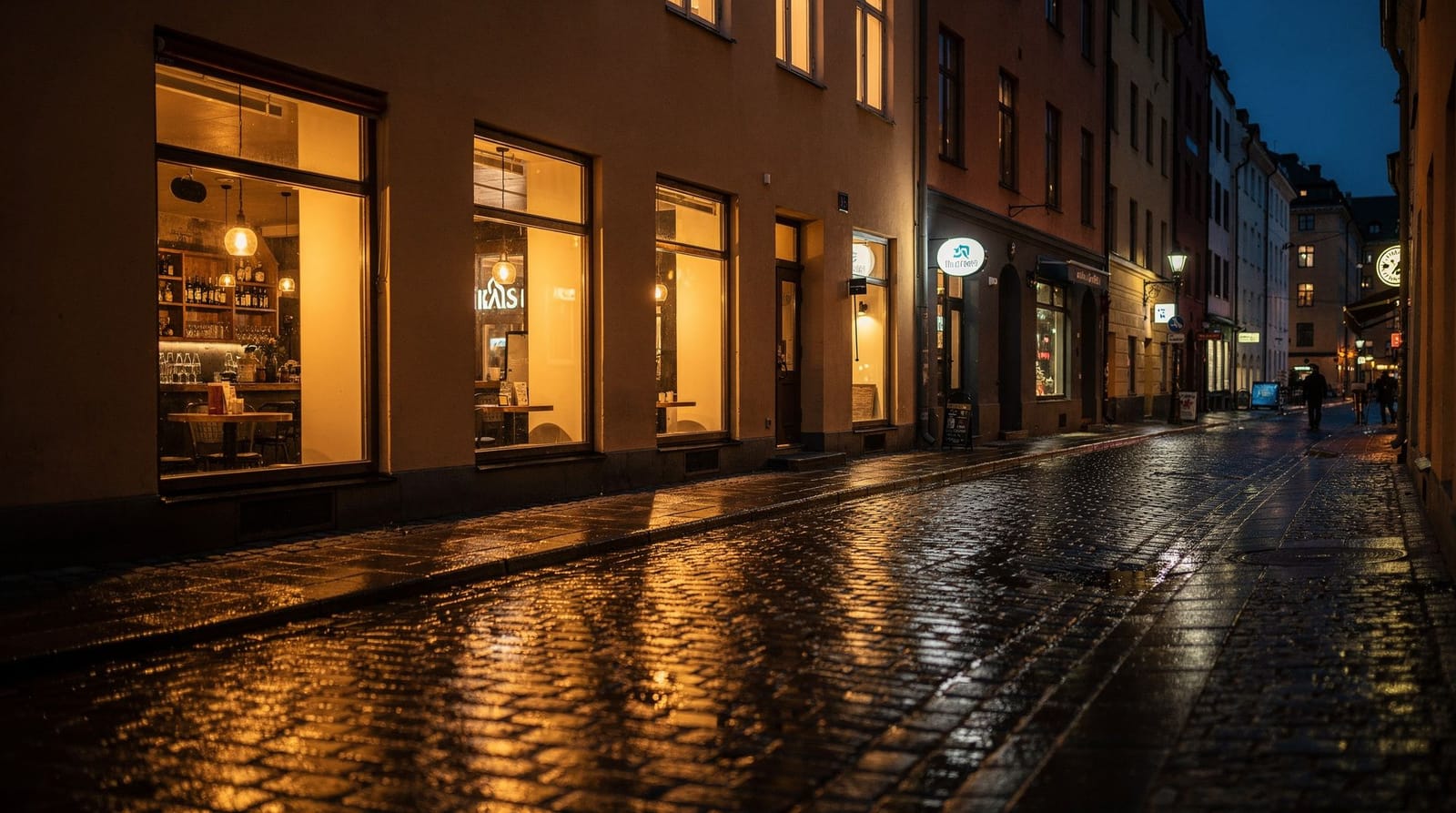
You can judge most Gamla Stan kitchens in under a minute from the pavement. Look for a short menu rather than a long one: a kitchen that cooks a handful of dishes well will almost always beat one that offers pasta, pizza, burgers and a “Swedish corner” all at once. Look at who is inside. A room with a few locals at lunchtime tells you more than any review. Check that prices are visible before you are seated, and treat a missing price list as a reason to keep walking.
The theme is a signal too. Costumes, fake armour and ship-shaped signs belong to a type of venue we cover separately in the Viking-themed restaurants warning, and the street that concentrates them is dissected in the Västerlånggatan restaurants guide. Browsing the same lanes for gifts has its own pitfalls, covered in the overpriced souvenir shops guide.
The good options
Restaurant Tradition
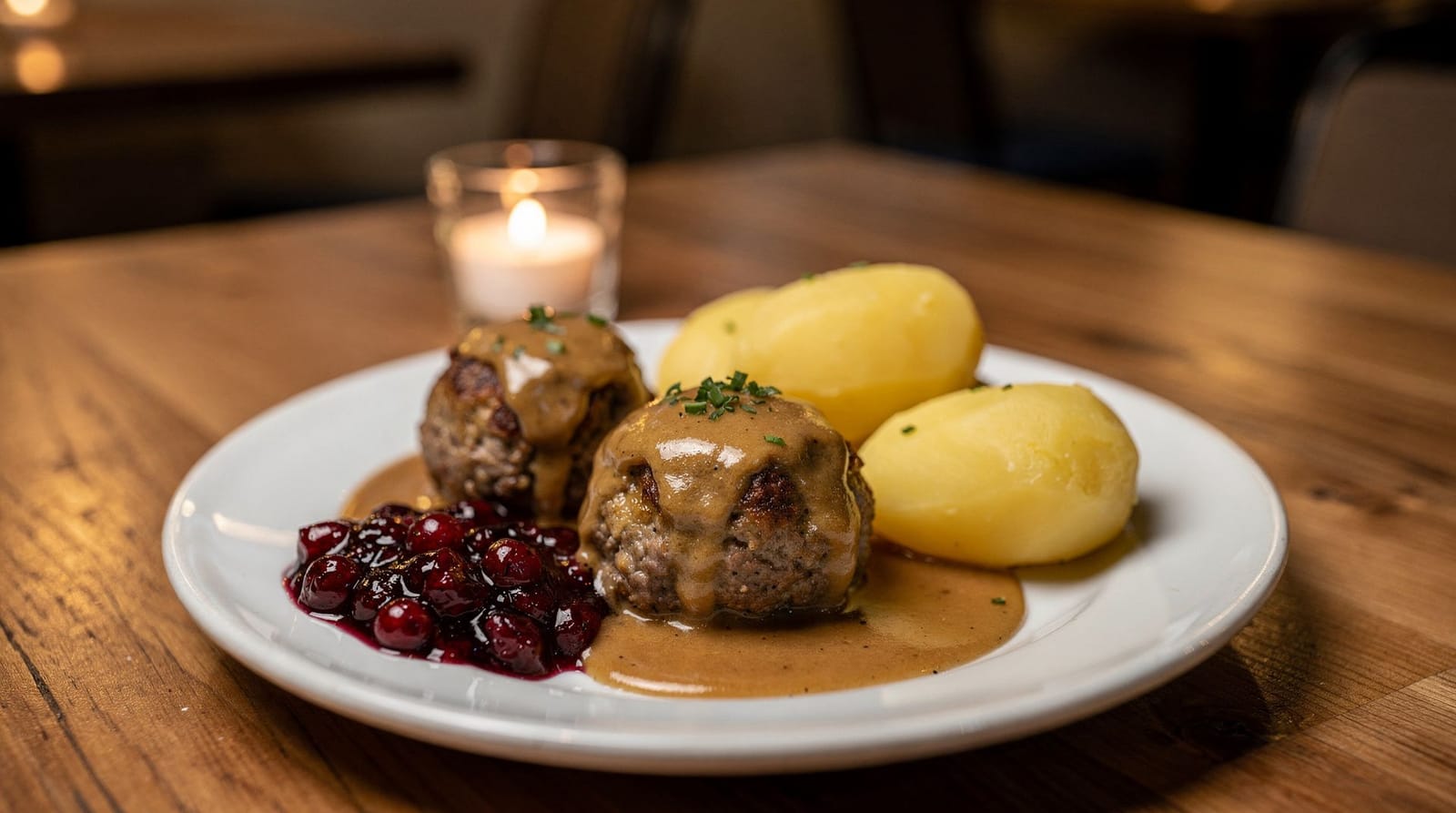
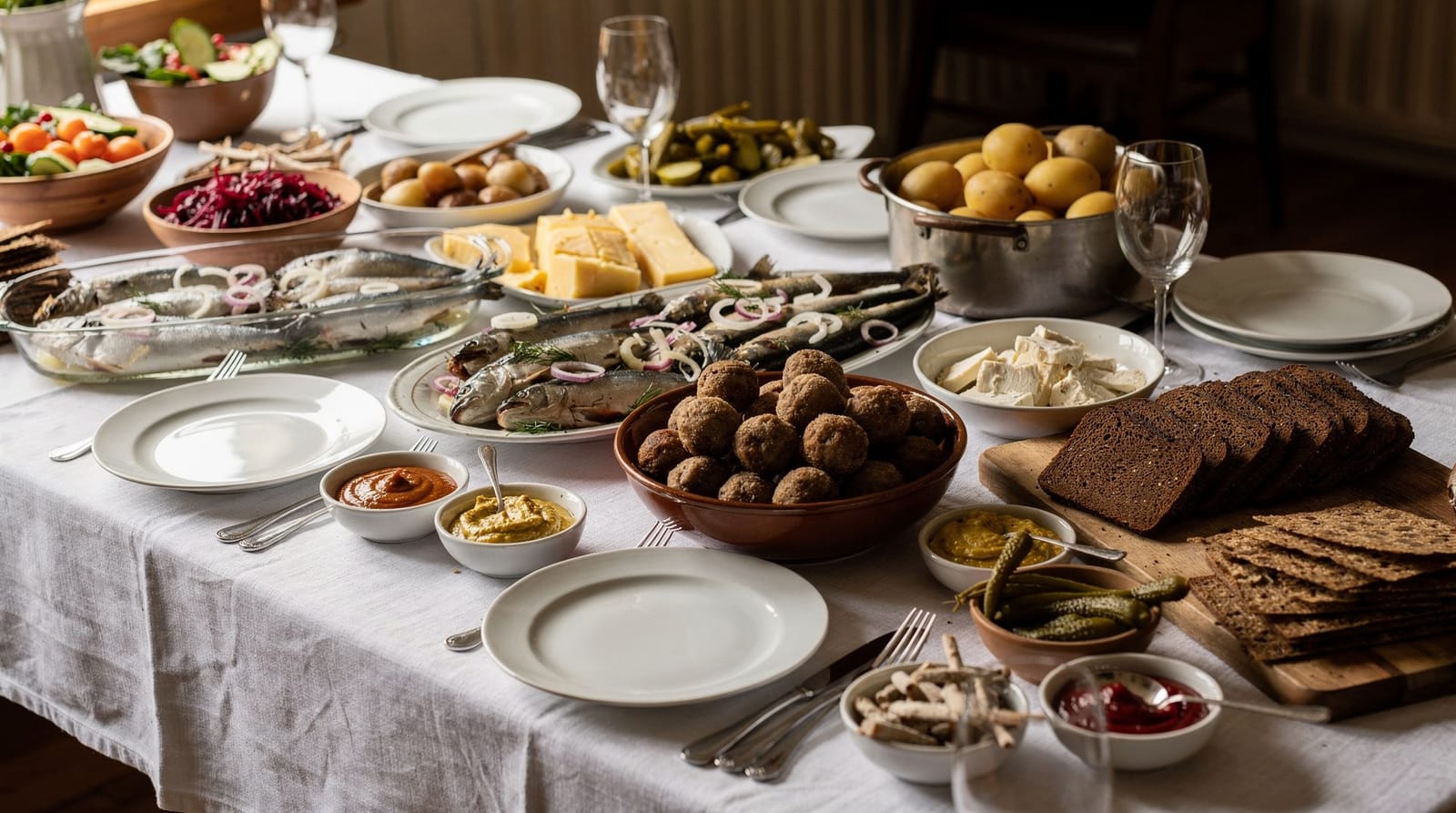
A genuine Swedish restaurant at Österlånggatan 1, Restaurant Tradition serves classic Swedish food without apologising for it: meatballs, gravlax, smörgåsbord components, herring preparations, husmanskost (homestyle Swedish cooking). The execution is careful, the prices are fair for the location (check the menu), and the atmosphere is warm without being theatrical. Weekday lunch is served 11:30–14:30, and the restaurant takes cards only.
This is one of the few places in Gamla Stan where you can eat Swedish food and feel that the restaurant’s purpose is to feed you rather than to create a “Swedish experience” for the Instagram feed.
Kryp In
A small restaurant with a frequently changing menu, Kryp In (“sneak in”) has a reputation for serving genuinely good Swedish-influenced modern food at prices that are high but not tourist-trap high. The room seats perhaps 25–30 people, booking is generally necessary, and the menu changes based on seasonal availability.
This is the Gamla Stan restaurant you go to when you want to eat well and are prepared to pay accordingly — not for budget eating, but for quality.
The Nobel Museum Bistro
On Stortorget, facing the stock exchange building. The bistro serves food that benefits from the quality expectations that come with a museum association. Lunch here — typically a Swedish dish of the day alongside a smaller menu — is one of the more pleasant midday meals available in Gamla Stan. It is calmer than the surrounding street restaurants because most tourists visiting the museum do not combine it with the bistro.
Worth knowing: the museum entry and bistro are separate. You can use the bistro without visiting the Nobel Museum.
Kafé Sten Sture
Older, quieter, on a side street. Kafé Sten Sture has been serving food in Gamla Stan for long enough to have settled into being a real neighbourhood café rather than a tourist performance. The food is Swedish café standard — open sandwiches (smörgås), soups, pastries — rather than restaurant food. Good for a quick lunch or fika break without the Västerlånggatan mark-up. For a broader list of good coffee stops, see the fika culture guide.
How the good options compare
| Restaurant | Style | Price level | Best for |
|---|---|---|---|
| Restaurant Tradition | Classic Swedish | Mid | A proper Swedish dinner without theatre |
| Kryp In | Modern Swedish, seasonal | Mid–high | Special-occasion dinner, book ahead |
| Nobel Museum Bistro | Swedish dish of the day | Mid | Calm lunch near the sights |
| Kafé Sten Sture | Café, smörgås and pastries | Low | Quick lunch or fika, budget-friendly |
Planning your meal around the sights
The easiest way to eat badly in the Old Town is to arrive hungry at the busiest moment, in the middle of a sightseeing loop, with nothing decided. The good kitchens are small, and the traps are always open and always empty enough to seat you immediately. Decide where lunch will be before you start walking, and fit the sights around it rather than the other way round.
If you are following a route through the lanes, our Gamla Stan walking tour guide shows a natural order, and you can slot a lunch stop into it at the point where you are already on the quieter eastern side. The Gamla Stan destination page gives the wider picture of the island, and the medieval secrets guide is a good companion if you want something to look at between courses.
A sensible rhythm is a proper Swedish lunch at one of the honest kitchens, a long wander afterwards, and fika later in the afternoon somewhere different. Dinner is where the Old Town is hardest to get right, because the evening crowds push the traps to their busiest. If you want a special-occasion dinner, book ahead at a place you have chosen in advance. For a broader view of the higher end of Swedish cooking, the fine dining guide and the Michelin overview cover what else the city offers beyond the Old Town.
What to order in Gamla Stan
If you do find yourself at a mid-tier Gamla Stan restaurant and want to make the best of it:
Order Swedish. Pan-European menus (pasta, pizza, burgers) in tourist-area Stockholm restaurants are particularly weak. The Swedish dishes — even in mediocre restaurants — tend to be more carefully prepared because the kitchen knows them. Meatballs, gravlax, and herring are harder to ruin than badly-made pasta.
Avoid the set tourist menus. “Three courses for 395 SEK including wine” in Gamla Stan almost invariably involves frozen mains and watery starter portions. Ordering à la carte from a shorter menu is almost always a better option.
Have fika separately. The cafés in Gamla Stan’s side streets — Järntorget area, Österlånggatan’s quieter sections — are significantly better for coffee and pastry than the restaurant coffee served as a tourist-menu add-on. If meatballs are the goal, our where to eat Swedish meatballs guide names the specific Gamla Stan and city-wide addresses worth the walk.
Coffee, pastry and the sweet side of the Old Town
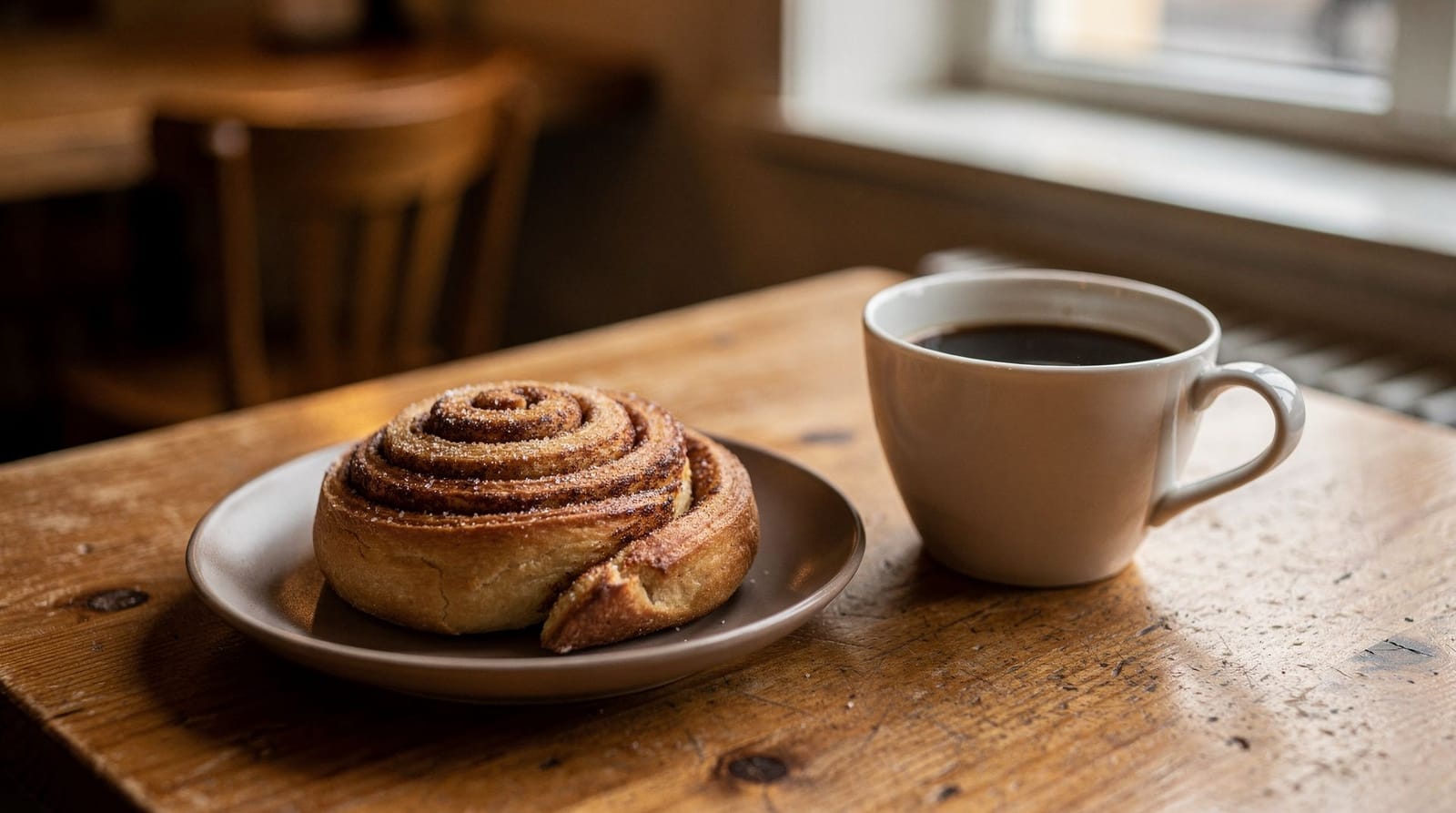
Because the restaurant scene is so uneven, many visitors find that the best thing they eat in Gamla Stan is a pastry. A cinnamon bun and a coffee in a quiet side-street café costs far less than a sit-down meal and is much harder to get wrong. Our cinnamon bun guide explains what to look for, and the Swedish breakfast guide is useful if you want to start the day in the neighbourhood before the crowds arrive. If you would rather have someone lead you to the café stops, a small-group walk such as a guided Old Town walk that includes a fika stop combines the history with the coffee break.
Paying, tipping and watching the bill
Sweden is overwhelmingly a card country, so do not expect to settle a restaurant bill in cash, and read the Swish and payments guide before you travel if you are unsure how it works for visitors. Whatever you order, ask for the bill itemised if anything looks unfamiliar, and check the total before you tap. Charges that were never explained at the table are exactly the complaint that follows the tourist-drag restaurants, which is one more reason to choose a kitchen with visible prices. If you are watching your spending across the whole trip, the daily budget guide puts a Gamla Stan meal in context.
Food tours as an alternative
The best way to eat well in Gamla Stan without extensive research is to join a food tour — a guide who has already identified which venues are worth entering and which to avoid.
Join the Old Town food tour with 7 tastings Book the Swedish food tasting tour in Old Town restaurantsA curated food tour through Gamla Stan covers the genuinely good stops and skips the tourist-trap strip entirely. The guide’s job is partly to navigate exactly the problem described in this guide. For a broader look at food touring beyond the Old Town, see the Stockholm food tour guide; if you’d rather build a full smörgåsbord meal, the smörgåsbord guide covers where.
The structural problem
It is worth being explicit about why Gamla Stan’s food scene is like this: it is rational restaurant economics in a high-tourism, low-repeat-customer environment. The incentive structure rewards appearing good rather than being good, because the customer base is largely non-returning.
The few genuinely good restaurants in Gamla Stan survive because they have built a local reputation among Stockholm residents and repeat visitors — people who would not return to a bad meal. These are, by definition, the minority.
This same dynamic plays out in tourist-heavy areas in every major city. Stockholm is not uniquely bad; Gamla Stan is just a particularly concentrated example. The solution is what this guide is: knowing which ones are actually worth your time. It pairs with the wider Gamla Stan neighbourhood guide, which covers the sights around the same tourist-trap dynamics.
Alternatives to eating in Gamla Stan
If you are not committed to eating specifically in the Old Town neighbourhood, the better value proposition is:
Södermalm: 10–15 minutes by foot across Slussen, significantly better restaurant-to-tourist-trap ratio, genuine neighbourhood food scene. See the Södermalm food scene guide.
Norrmalm/Vasastan: Central location, more local clientele, the kind of places that do not need to attract tourists to stay open.
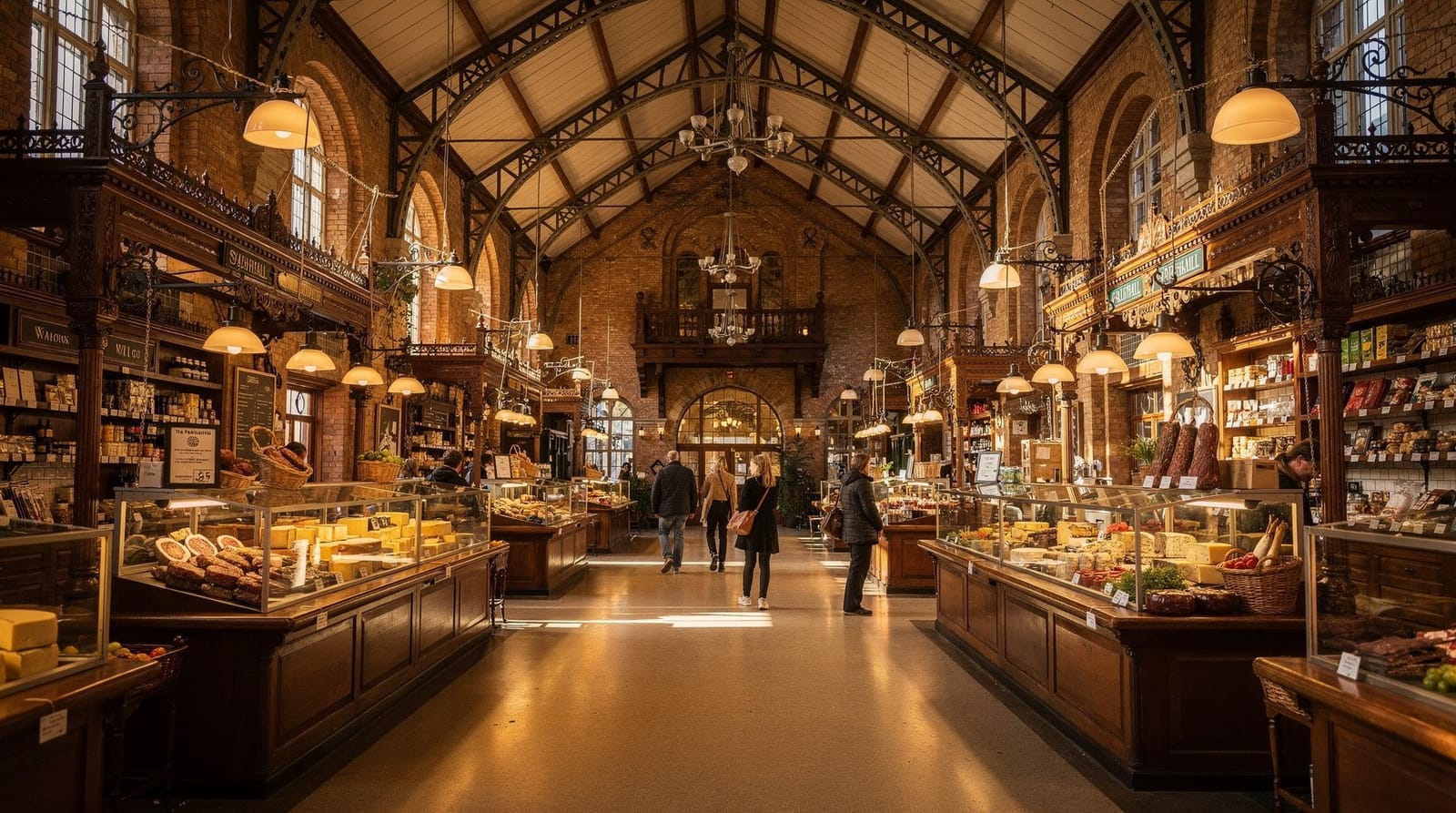
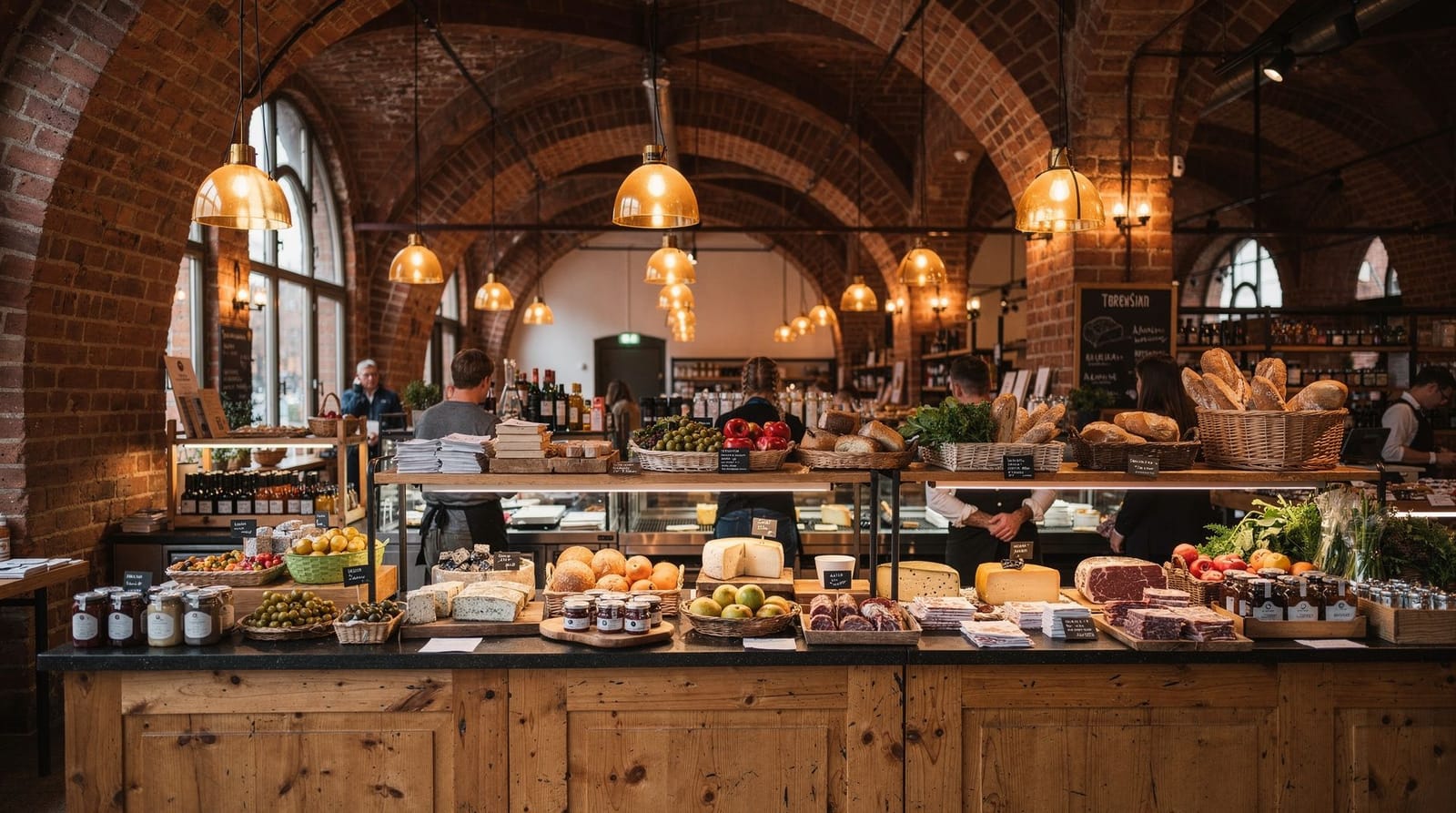
Östermalm Saluhall: The indoor market hall at Östermalmstorg has quality Swedish food producers and a handful of excellent lunch counters. Expensive, but genuinely good. The Östermalm neighbourhood guide shows what else is around it.
If you simply want the best meatballs in the city rather than the best in the Old Town, the personal account in where locals actually eat Swedish meatballs is a useful second opinion, and it will save you from ordering them at the first table you are offered.
Frequently asked questions about Gamla Stan restaurants
Why are so many Gamla Stan restaurants mediocre?
Gamla Stan receives Stockholm’s highest tourist footfall and relatively few locals live there. This creates the classic tourist trap dynamic: restaurants survive on one-time visitors, not repeat business.
Which street in Gamla Stan has the best restaurants?
Österlånggatan, the eastern parallel street, has a slightly better ratio. The side alleys around Köpmantorget and Österlånggatan’s northern end have venues less driven by foot traffic.
What should I eat in Gamla Stan specifically?
Traditional Swedish dishes — meatballs, gravlax, smörgåsbord options — are better here than pan-European cuisine. The Nobel Museum Bistro is quality despite its tourist-adjacent location.
Is tipping expected in Gamla Stan tourist restaurants?
Standard Swedish tipping etiquette applies: rounding up or 5–10% for genuinely good service, nothing mandatory. Check whether a service charge was already included if you see a pre-loaded tip on the card terminal.
Are there good vegetarian restaurants in Gamla Stan?
Options are limited. Södermalm and Vasastan are significantly better for plant-forward eating.
Top experiences
Bookable activities with verified prices and instant confirmation on GetYourGuide.