Stockholm archipelago complete guide: 30,000 islands explained
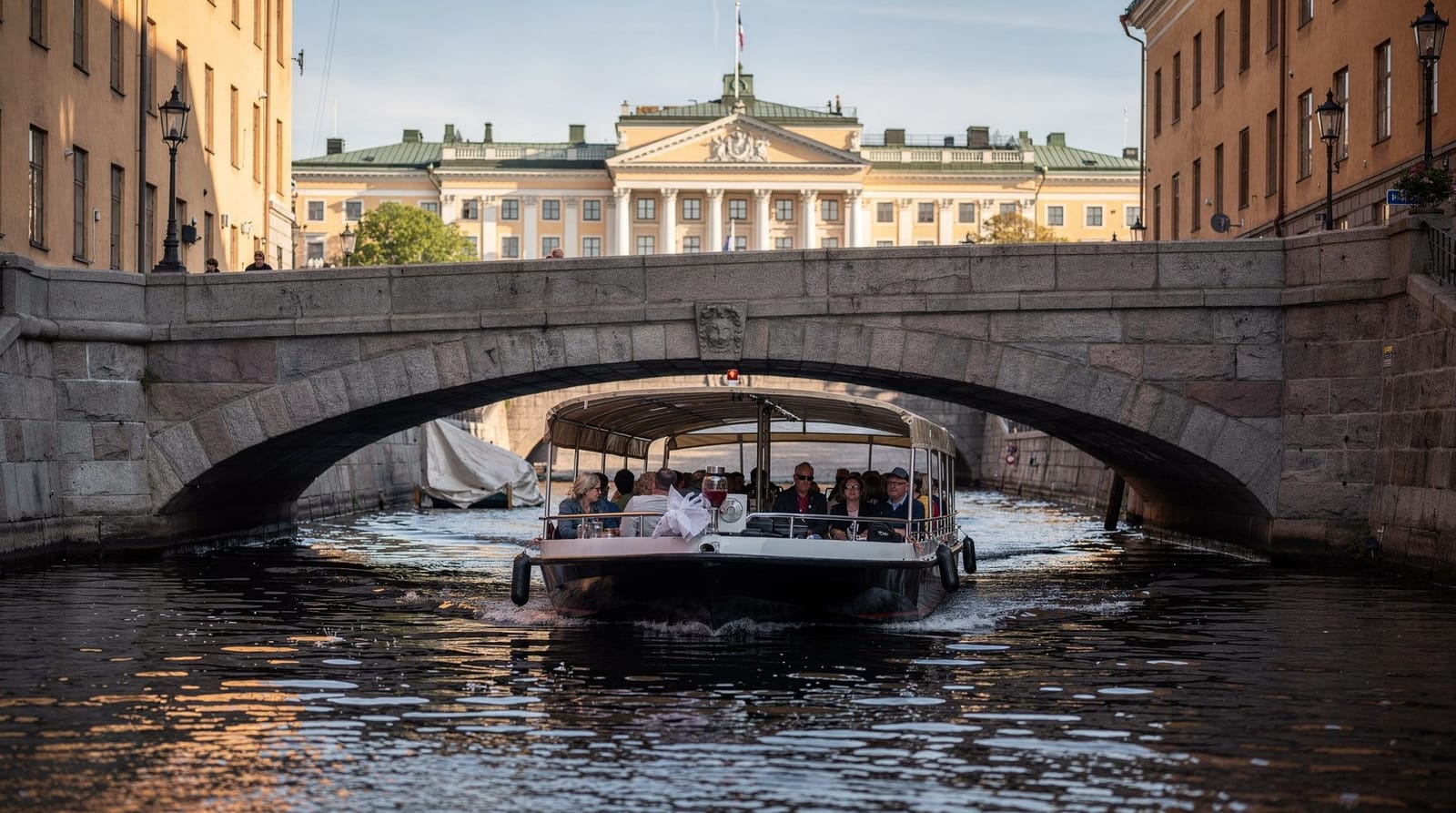
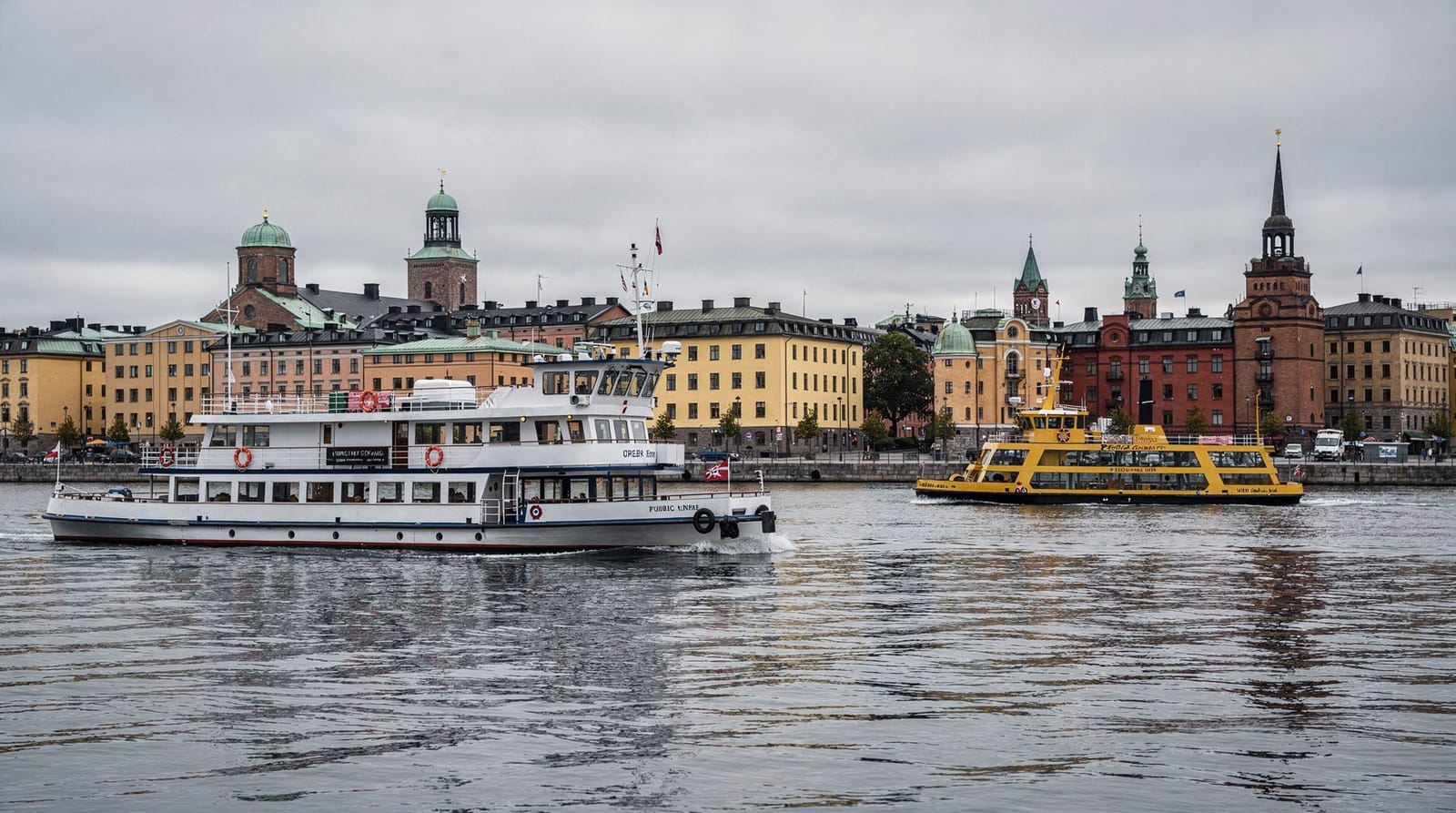
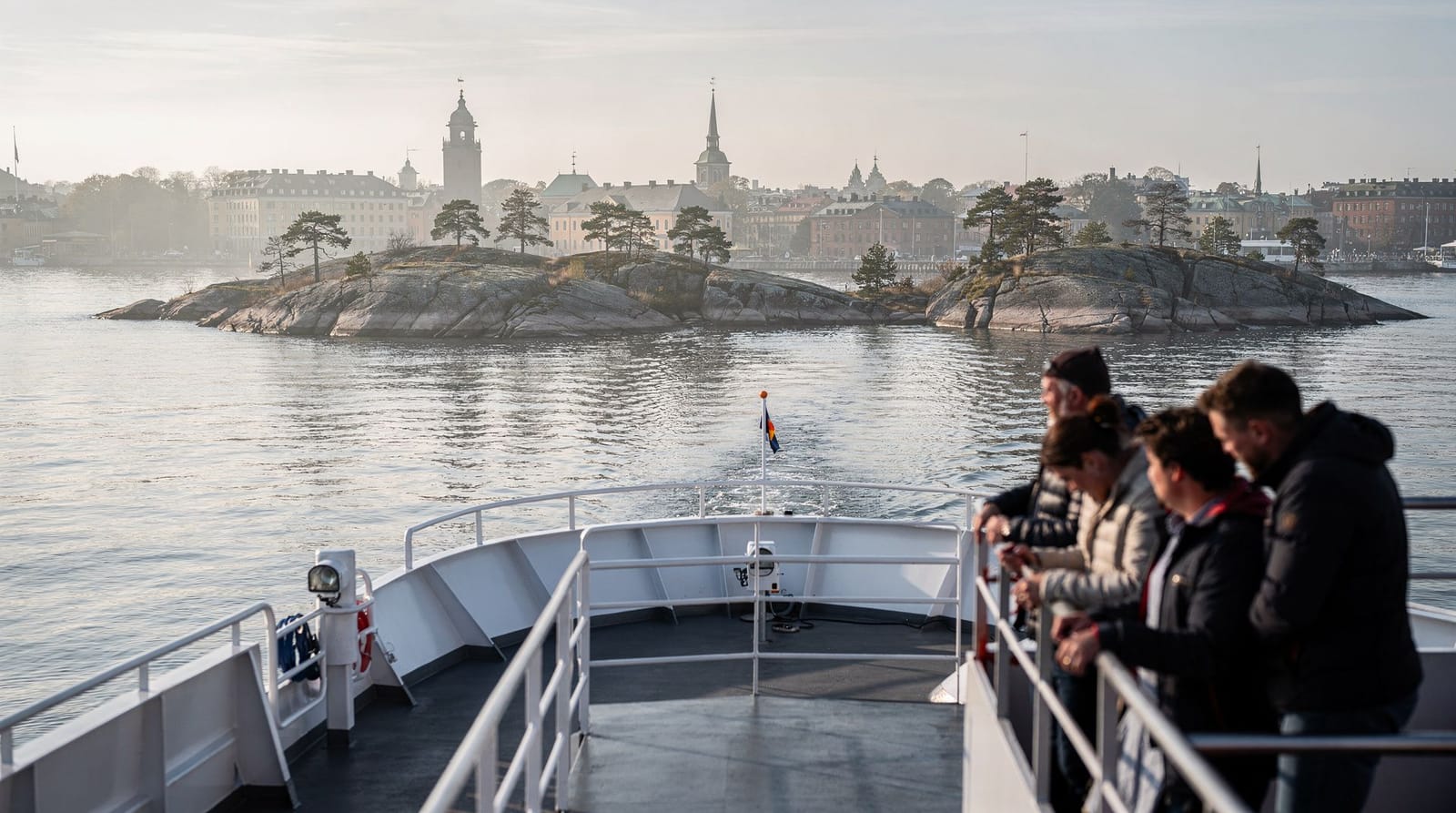
Stockholm: archipelago sightseeing cruise
Duration: 1.5–3 hours
How do I visit the Stockholm archipelago?
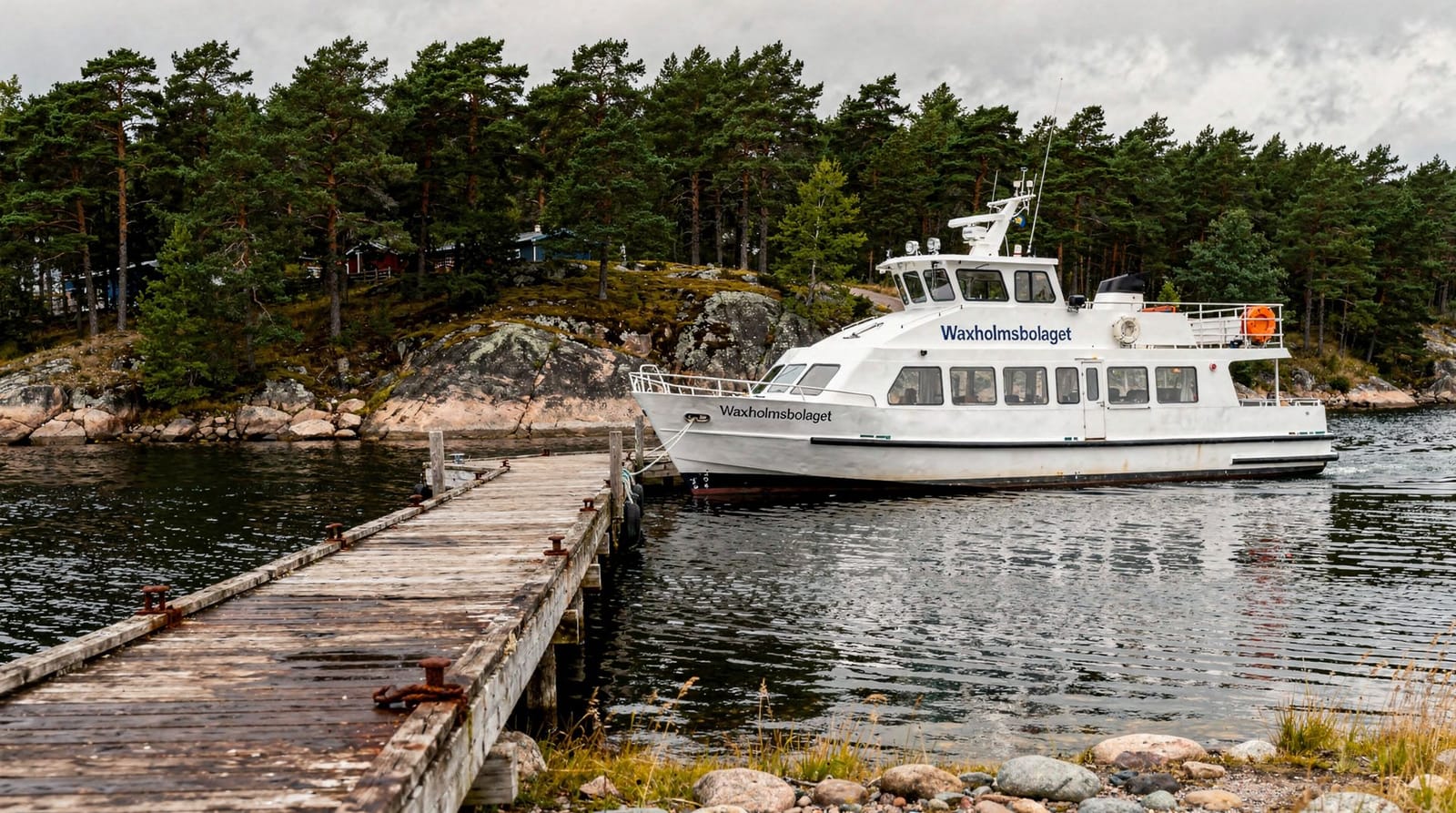
Take a Waxholmsbolaget ferry from Strömkajen (Stockholm's main ferry terminal). An SL period card is valid on Waxholmsbolaget boats outside summer; in summer, check the fare with the operator. Outer archipelago destinations like Sandhamn require a separate ticket (separate ticket; current fares on waxholmsbolaget.se). Start planning with Vaxholm (1 hour from Stockholm) or Grinda (just over an hour) for a first visit.
The world’s most accessible wilderness
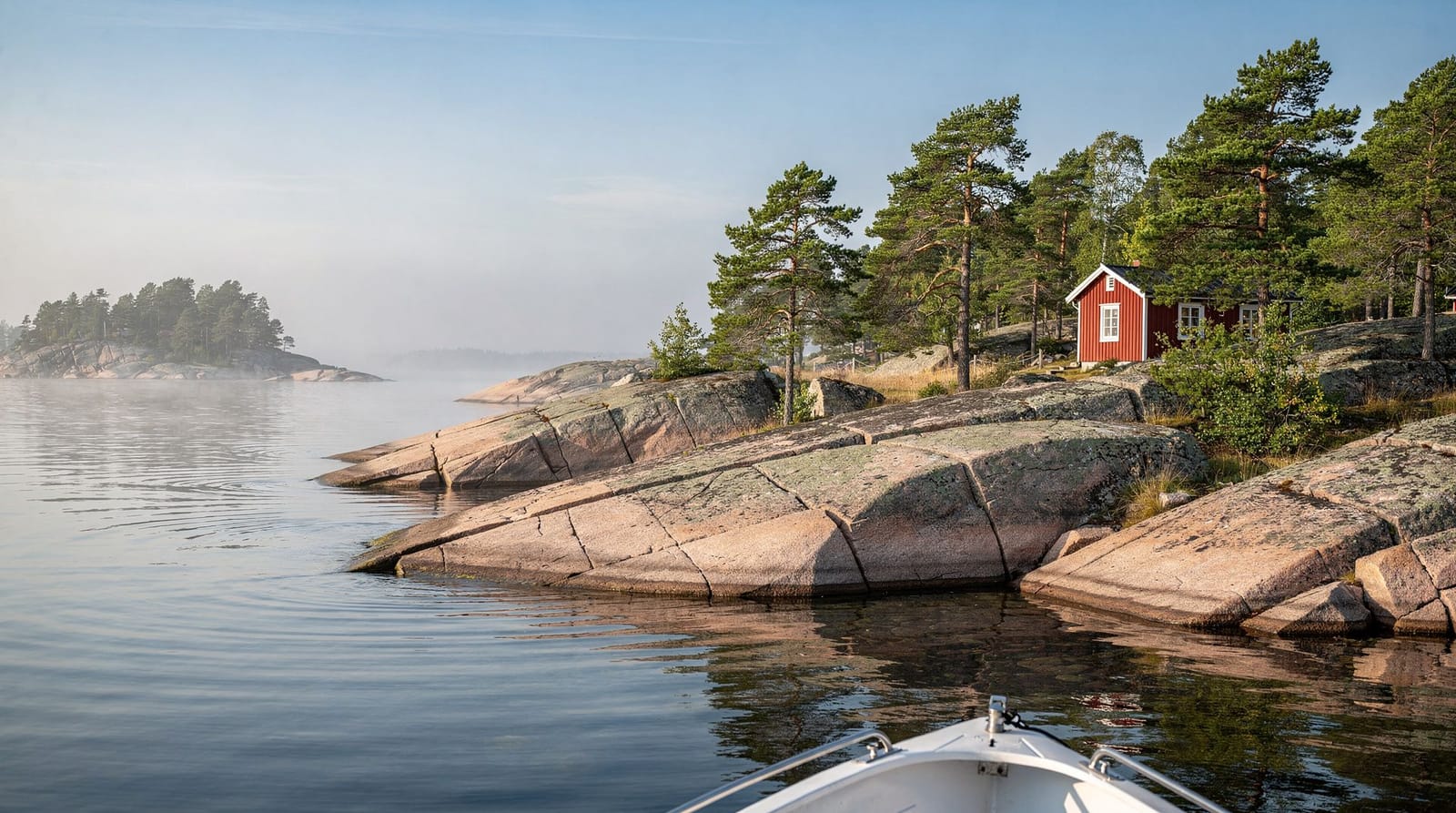
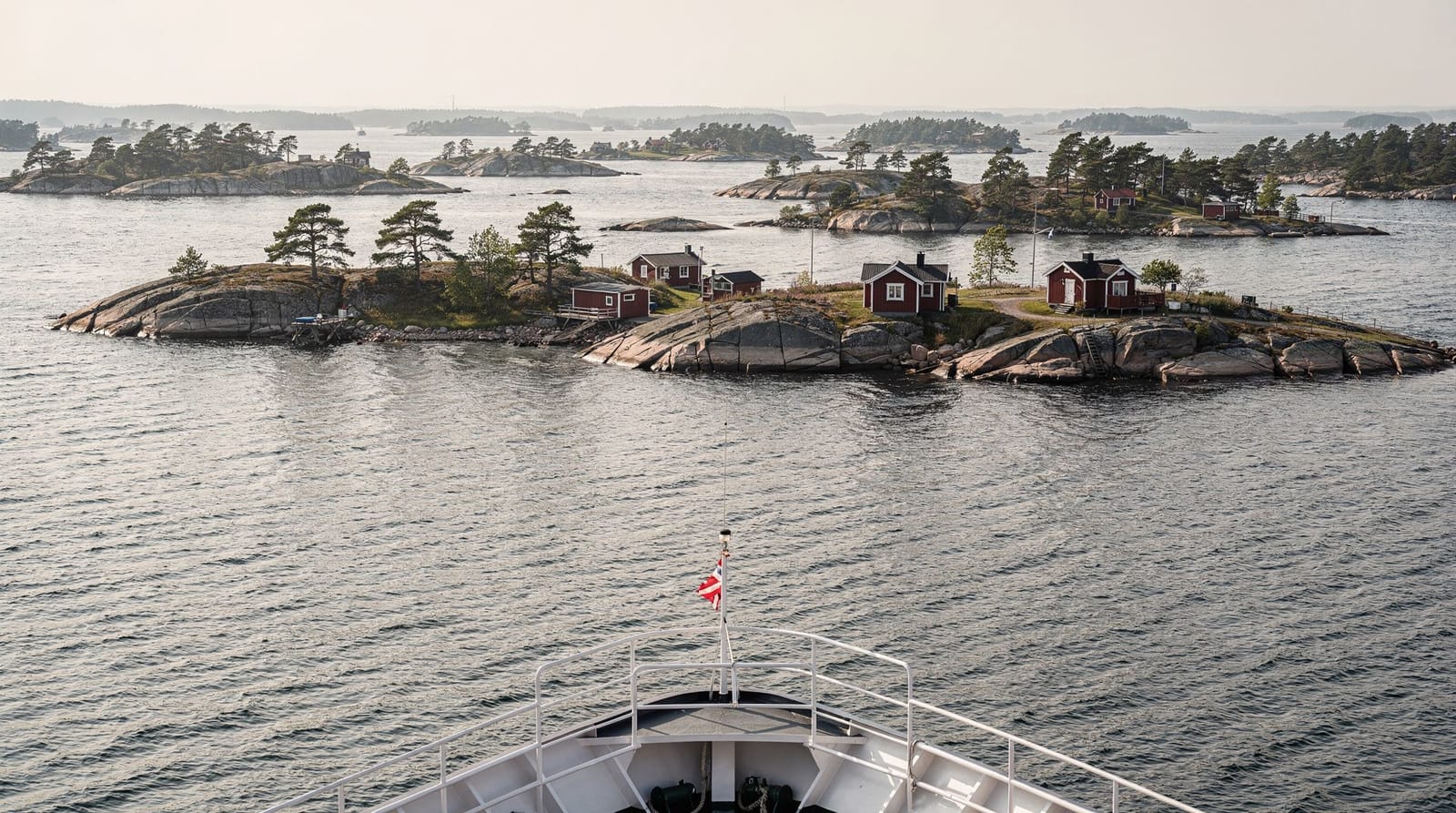
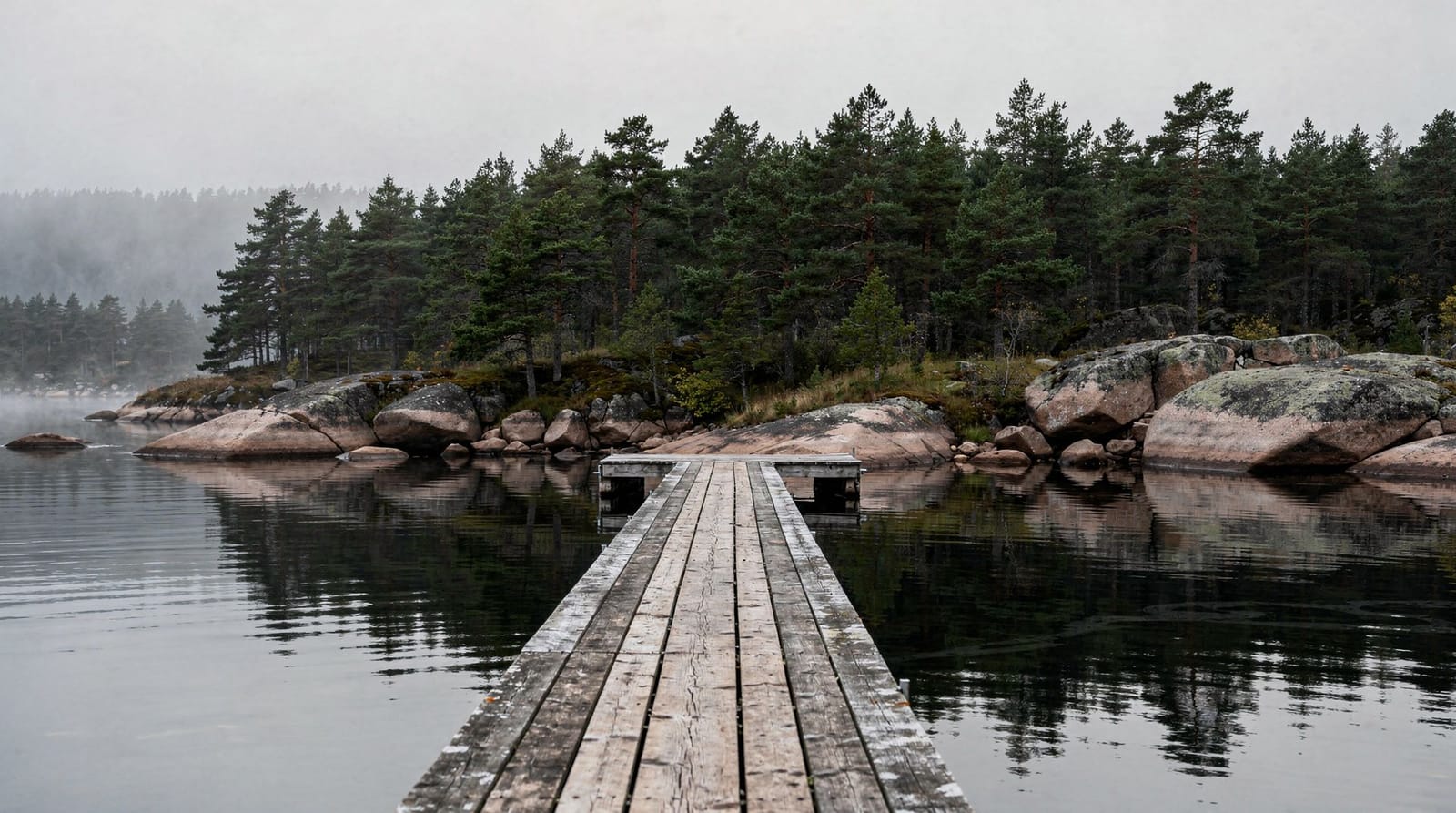
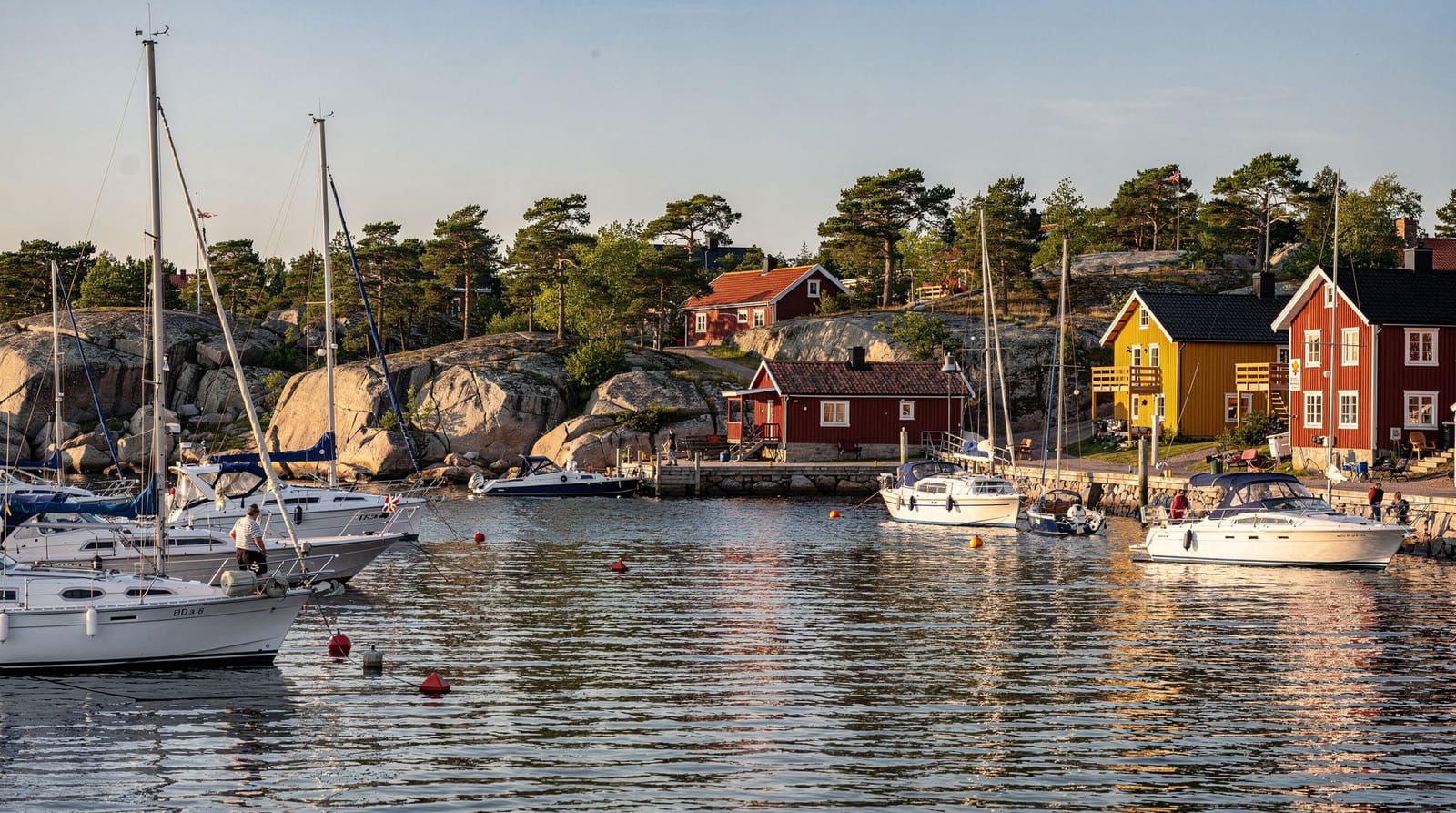
The Stockholm archipelago (Skärgården) is one of the most extraordinary natural features accessible from any European capital. Thirty thousand islands, islets, and rocks extend 60 kilometres east from the city into the Baltic. The inner islands are green, populated, and connected by ferries running on schedule. The outer islands are polished granite, treeless, and inhabited only in summer. Between them lies a spectrum of island experience available to any visitor willing to step onto a ferry.
The scale alone is difficult to comprehend until you are on the water. Even from a ferry, you cannot see the extent of it — islands stretch to the horizon in every direction, the mainland disappearing behind you, the open sea appearing ahead. It is not dramatic in the alpine sense — no sudden cliffs, no crashing waves. It is subtle, horizontal, and layered. After an hour on the water, most visitors understand why Stockholmers will sacrifice almost anything to own a summer cottage here.
| Where | Departs Strömkajen, central Stockholm |
| Cost | separate ticket for outer islands (current fares on waxholmsbolaget.se); inner zone often SL-covered |
| Time needed | Half day minimum; full day or overnight recommended |
| Getting there | Waxholmsbolaget ferry (public) or Strömma (commercial tours) |
| Best time | Late June–mid August for swimming; May/September for fewer crowds |
The basic geography
The archipelago divides into three broad zones:
Inner archipelago: The islands closest to Stockholm, most of them forested and inhabited year-round. Includes Fjäderholmarna (25 min), Vaxholm (1 hour), Lidingö, Värmdö, and many smaller islands. Well-served by ferries; some within SL pass zone.
Middle archipelago: Islands roughly 1–3 hours from the city. A mix of larger inhabited islands and smaller seasonal ones. Includes Grinda (just over an hour), Möja, Blidö, Sandön. Good ferry connections in summer; reduced service October–April.
Outer archipelago: The furthest islands, where the forests thin and eventually disappear as the Baltic granite takes over. Includes Sandhamn (3 hours), Landsort, Utö. Fewer ferry connections, wilder terrain, committed sailors and hikers.
See the inner vs outer archipelago guide for a detailed breakdown of which zone suits your trip.
The ferry system
Waxholmsbolaget: the public fleet
Waxholmsbolaget operates the archipelago’s public ferry network — approximately 50 routes serving over 100 destinations year-round (though frequency reduces significantly in autumn and winter). This is the system that locals use and that tourists should start with.
Key facts:
- Departure point: Strömkajen, adjacent to the Grand Hôtel on the waterfront
- SL pass validity: Accepted on most routes within the SL fare zones (check specific routes)
- Tickets: Buy at the terminal, on board, or via the SL app
- Booking: No advance booking required; you simply turn up
- Frequency: Most major routes run 2–4 times daily; inner routes more frequent
The Waxholmsbolaget website (waxholmsbolaget.se) has route maps, timetables, and fare information in English. Download the schedule before you leave — ferry connections on outer islands can be several hours apart.
See the Waxholmsbolaget ferries explained guide for full details on routes, zones, and navigation.
Strömma: the commercial option
Strömma runs day tour packages and some scheduled services, primarily targeting tourists. Departures from Nybroplan (a different pier from Waxholmsbolaget’s Strömkajen) and from Stadshusbron near the City Hall.
Strömma’s tours are more expensive than Waxholmsbolaget (tour fares vary by route; public Waxholmsbolaget ferries are cheaper, with fares on waxholmsbolaget.se) but include guided commentary, sometimes meals, and scheduled activity packages. They are a good choice for visitors who want a curated experience without planning logistics.
See the Strömma vs Waxholmsbolaget comparison for a detailed breakdown.
Book a Stockholm archipelago sightseeing cruiseThe best islands for first-time visitors
Vaxholm
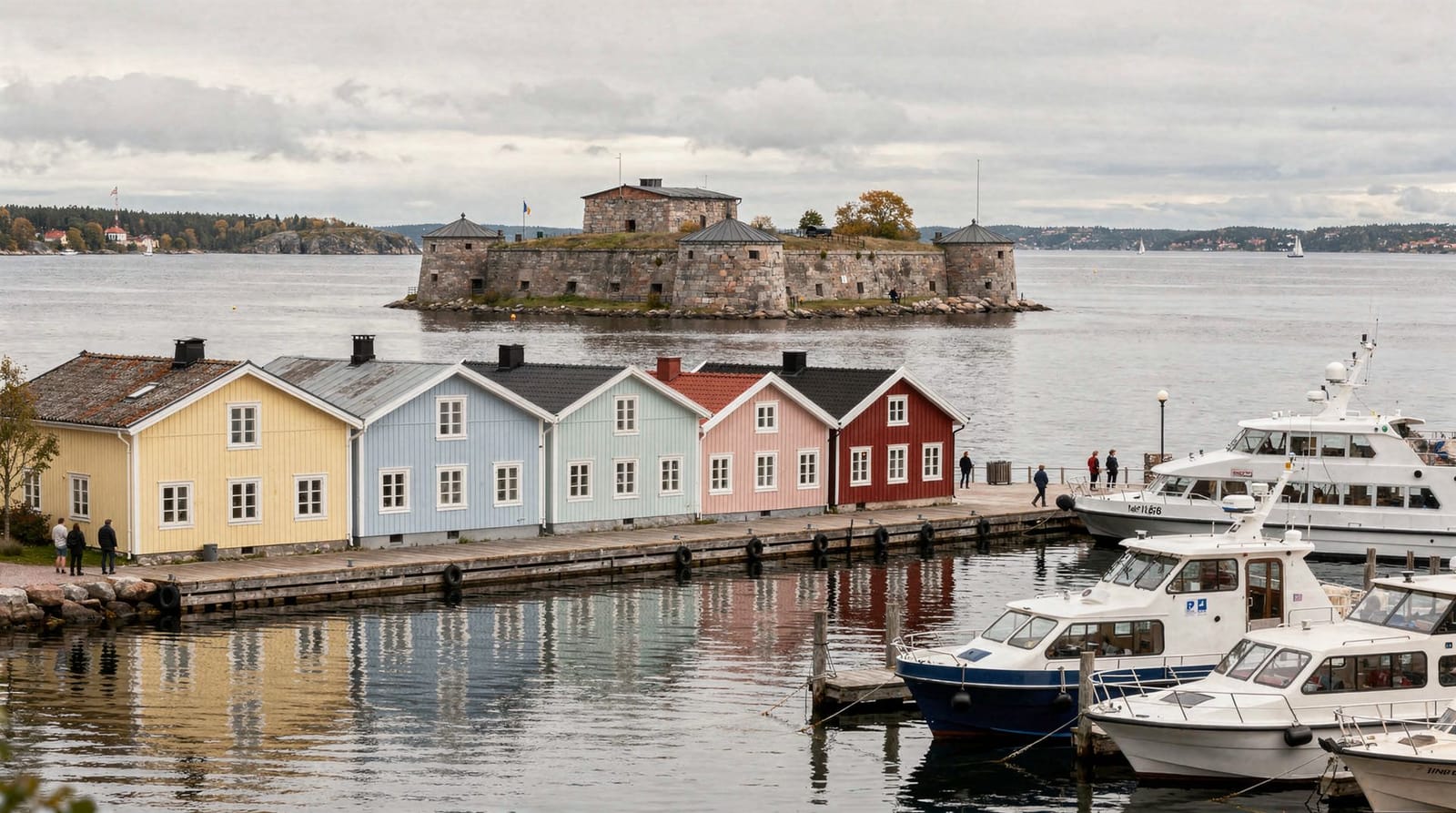
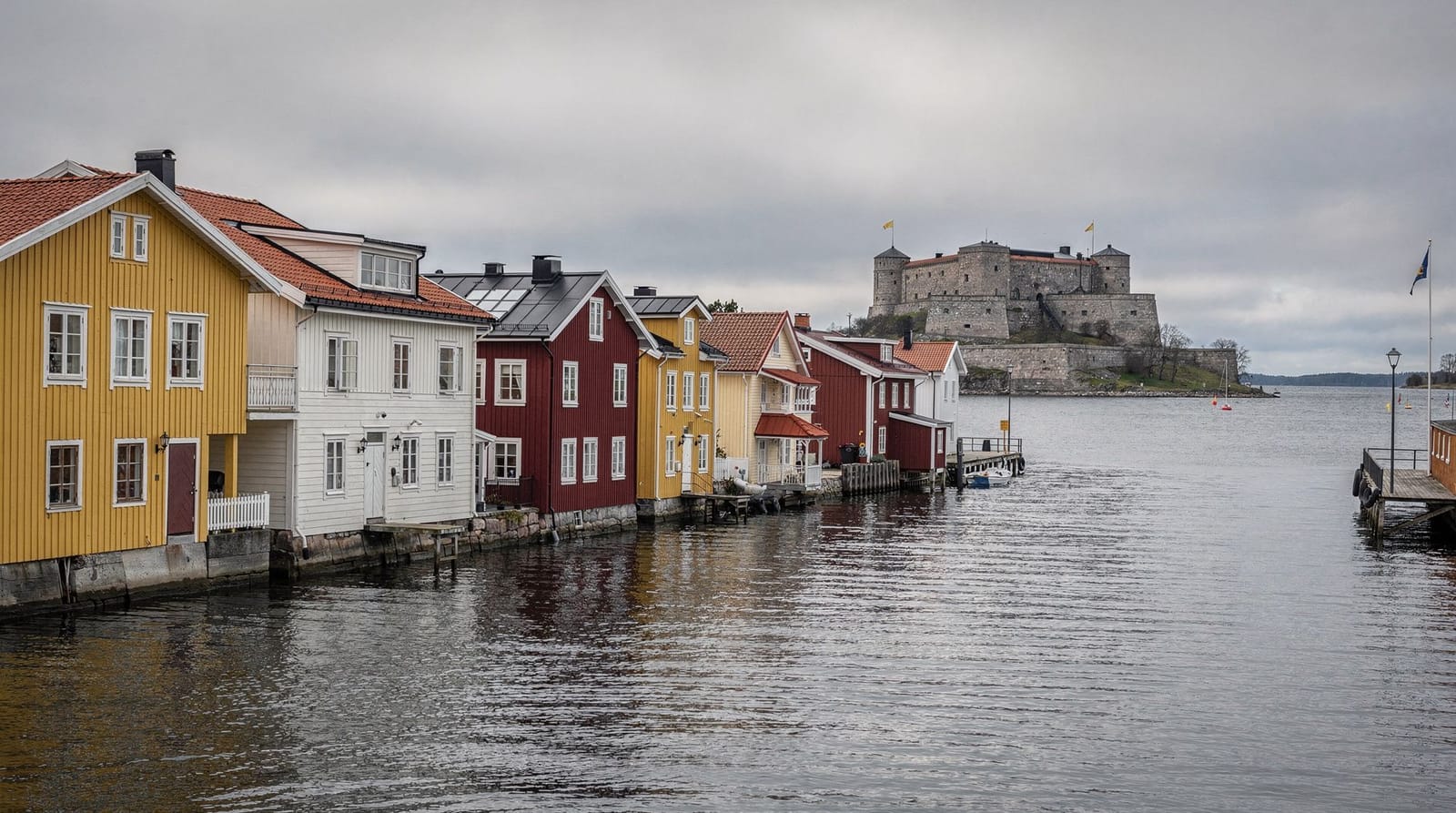
The classic first archipelago destination — 1 hour from Stockholm by Waxholmsbolaget, a well-preserved 19th-century wooden town, and the famous Vaxholm Fortress visible from the ferry approach. Fully equipped for visitors (restaurants, accommodation, kayak rental) while retaining genuine character.
See the Vaxholm day guide.
Grinda
A larger natural island in the middle archipelago (just over an hour from Stockholm), Grinda has no cars, one major hotel/hostel complex, and excellent walking trails. The landscape is mixed forest and meadow. Good for a first overnight stay.
See the Grinda day guide.
Sandhamn
The outer archipelago’s most famous island — a yachting hub that comes alive in summer with a very different atmosphere from the quieter islands. Has a village, restaurants, and hotels. The sailing race Gotland Runt passes through here. Takes 3 hours by public ferry.
See the Sandhamn day guide.
Fjäderholmarna
If you have only a few hours, the Fjäderholmarna group (25 minutes from Strömkajen) provides the feel of the archipelago without a long journey. Small, pleasant, with a craft brewery and several fish restaurants. Not wild, but accessible.
Book a guided boat tour to FjäderholmarnaPlanning your archipelago visit
How much time do you have?
Half day (4 hours): Fjäderholmarna or Vaxholm with an early return. Limited but possible. See the one day in the archipelago guide.
Full day: Vaxholm, Grinda, or a guided sailing or RIB tour of the middle archipelago. Ideal entry point.
Overnight: Stay at Grinda, Sandhamn, or Finnhamn. Completely different experience — the evening and morning ferry light, the emptiness when day-trippers leave. See the overnight guide.
3 days+: Kayak camping (archipelago-2day-kayak-camping), island hopping between cottage rentals, sailing charter. See the summer cottage rental guide.
Getting around once you’re on an island
Most inhabited archipelago islands are car-free by design or by practicality — the road networks simply don’t extend that far, and residents rely on foot, bicycle, and small boats for local transport. Vaxholm and Sandhamn both have compact village centres that are easily walkable in 20–30 minutes end to end. Larger islands like Grinda have marked trails connecting the ferry pier to beaches, campsites, and the main hotel — expect to walk 15–40 minutes depending on your destination on the island. Bringing a bicycle is possible on some Waxholmsbolaget routes for an extra fee, and several islands (Vaxholm in particular) have bike rental available at the pier for visitors who want to cover more ground than walking allows in a single day.
What to bring
- Water and food: Outer islands have limited shops; bring more than you think you need.
- Sun protection: The open granite surfaces reflect intensely in summer.
- Warm layer: The water creates a constant breeze; temperatures feel 3–5°C cooler on the ferry.
- Swimwear: Swimming is expected. A towel is essential.
- Cash: Some island kiosks and small ferries are cash-only (though this is increasingly rare in cashless Sweden).
- Insect repellent: Mosquitoes are active in forested inner islands July–August.
Booking accommodation
July accommodation on popular islands (Sandhamn, Grinda, Utö) books out 3–6 months in advance. If you want a specific island in peak season, book as soon as you know your dates. September and June have far more availability at better prices.
See the archipelago summer cottage rental guide for options beyond hotels.
Guided tour options
If you want the archipelago experience without planning logistics, several excellent guided formats exist:
Book a guided archipelago boat tour from StockholmRIB speed boat: Covers more water quickly; good for photography and adrenaline. Reaches outer islands in 2 hours that take 4 hours by public ferry.
Book a 2-hour RIB speed boat tour of the archipelagoFull-day sailing: The most immersive guided experience. Several operators run day sails through the middle and outer archipelago with lunch, swimming stops, and genuine sailing time.
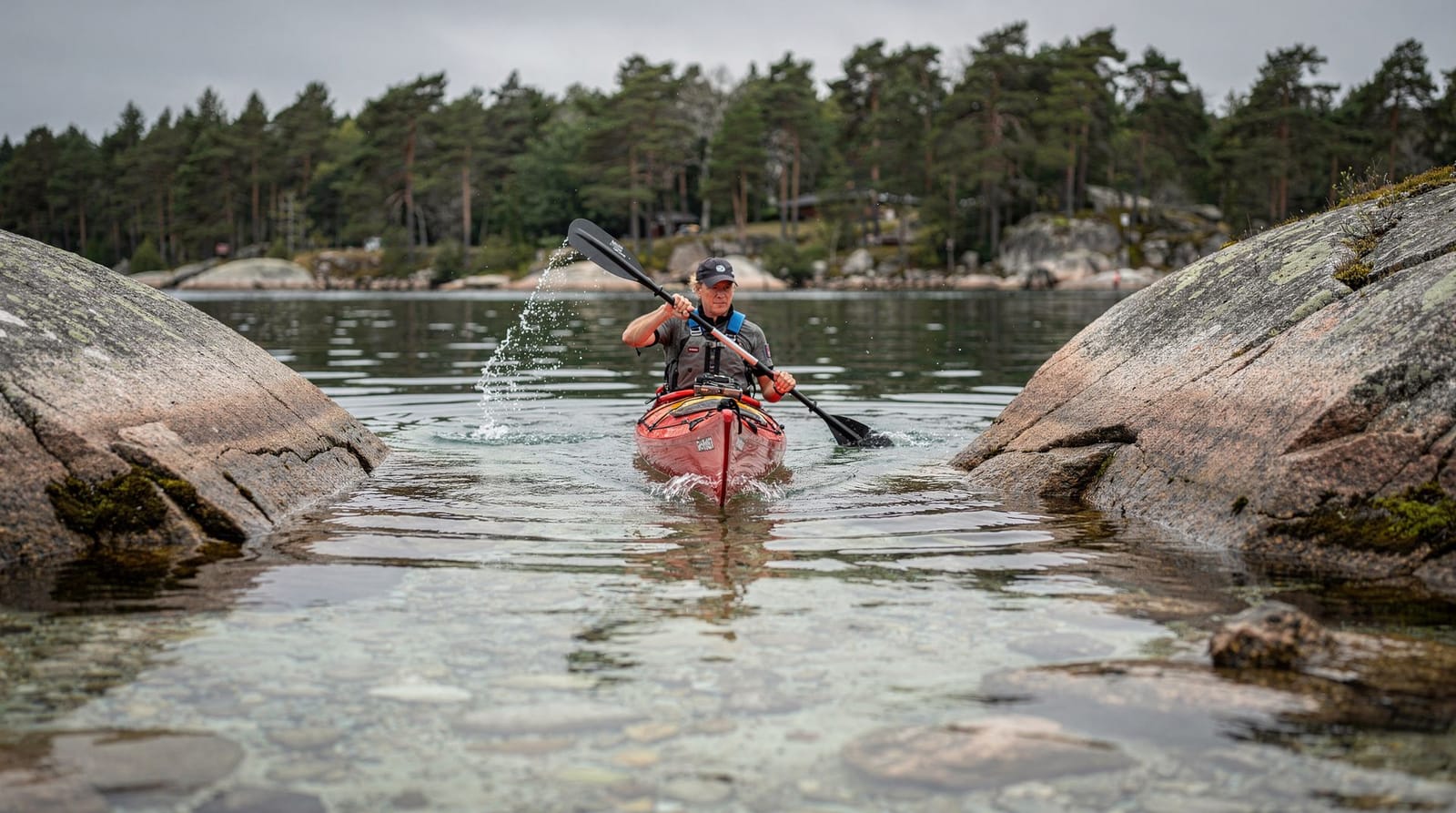
Kayak tours: The archipelago by kayak is a completely different experience — closer to the water, able to access small rocks and inlets that ferries cannot reach. See the kayak tours guide.
Charter and private options
For groups or visitors who want full control over their route and timing, chartering a private boat removes the constraints of ferry schedules entirely. This works particularly well for visiting several smaller islands in a single day that public ferries connect only indirectly, or for reaching a specific swimming spot or restaurant that isn’t a standard ferry stop. Private charters cost considerably more than public ferries or shared tours, but for a group of four to eight people splitting the cost, the per-person price can approach that of a premium guided tour while offering far more flexibility on where and when to stop.
Allemansrätten: the right to roam
Under Swedish law (Allemansrätten), you have the right to walk, camp, and swim on any land that is not immediately adjacent to a private dwelling, without asking permission. This applies throughout the archipelago.
Practically, this means you can land your kayak on any granite rock, set up a tent in any forest clearing that is not someone’s garden, and swim from any beach. You must not light fires in dry conditions, must not damage vegetation, and must move on after a night or two.
Allemansrätten fundamentally shapes the archipelago experience. It makes the entire island chain accessible to anyone on any budget. See the Allemansrätten guide for the full rules.
The archipelago in winter
The archipelago in winter (November–March) is a completely different place — quieter, colder, occasionally iced-over in the inner islands, and hauntingly beautiful. Ferry frequency drops dramatically. Most summer businesses close. But the experience is genuinely distinctive.
See the winter vs summer archipelago guide for a full comparison.
Archipelago seasonality at a glance
| Season | Water temp | Ferry frequency | What to expect |
|---|---|---|---|
| Late June–August | 18–21°C | Full summer schedule | Peak crowds, all services open, swimming excellent |
| May / September | 12–16°C | Reduced on outer routes | Fewer visitors, lower prices, still very good weather |
| October–April | Below 12°C | Inner islands only, sparse | Quiet, atmospheric, most island businesses closed |
Choosing your first archipelago trip
For a genuinely first-timer-friendly day, most visitors do best starting with Vaxholm or a guided sightseeing cruise rather than improvising a route on the public ferry timetable — see the archipelago in one day guide for a tested itinerary. If you have more time and want to compare islands side by side before committing, the archipelago day trip comparison weighs Vaxholm, Grinda, Sandhamn and Fjäderholmarna against each other directly. Families in particular benefit from starting with the inner zone — see the Stockholm with kids guide for how the archipelago fits a family itinerary.
Frequently asked questions about the Stockholm archipelago
How many islands are in the Stockholm archipelago?
The official count is approximately 30,000 islands and islets. Some definitions reach 50,000 depending on minimum size criteria. Roughly 1,000 are inhabited year-round; several hundred more have seasonal populations and summer cabins.
How far is the archipelago from Stockholm?
The inner archipelago starts at the city’s edge. Fjäderholmarna is 25 minutes from Strömkajen. The most popular mid-archipelago islands are 1–2.5 hours. The outer archipelago is 3–4 hours.
Is an SL pass valid on archipelago ferries?
On Waxholmsbolaget ferries within the SL zone, yes. Outer destinations require a separate ticket. Check the Waxholmsbolaget site for zone boundaries before travelling.
Can I visit the archipelago without a car?
Yes — entirely. The ferry network is designed for passengers, not vehicles. Most inhabited islands have no cars at all (on smaller islands, cars are banned or unnecessary). Walking, cycling, and kayaking are the standard modes of island transport.
What is Allemansrätten?
Allemansrätten is Sweden’s constitutional right of public access to nature. In the archipelago, it means you can walk, swim, and camp on any island that is not immediately adjacent to a private home, without asking permission. It is the legal foundation of Swedish outdoor culture.
Is the archipelago suitable for children?
Extremely. The archipelago is one of Sweden’s most child-friendly environments: clean swimming, safe beaches, island exploration, and ferry travel that children find inherently exciting. The inner islands are safest for young children; the outer islands require more planning.
When should I avoid visiting?
Midsummer weekend (usually the third weekend of June) is Sweden’s biggest national holiday. The archipelago is heavily booked and many businesses adjust hours. The first week of July is peak tourist season with highest prices. Shoulder seasons (May, September) offer excellent conditions at significantly lower cost and demand.
Top experiences
Bookable activities with verified prices and instant confirmation on GetYourGuide.