Ghost walking tour of Gamla Stan: dark history and folklore
Stockholm: bloody Stockholm — ghosts, horror & dark folklore
Duration: 2 hours
Are there ghost walking tours in Stockholm's Gamla Stan?
Yes. Several operators run 1.5 to 2-hour ghost and dark history tours through Gamla Stan, covering the Stockholm Bloodbath of 1520, medieval execution sites, plague history, and local folklore. Tours typically run in the evening (21:00 in summer) for atmosphere. Cost: 200–300 SEK per person.
The medieval streets have stories worth hearing
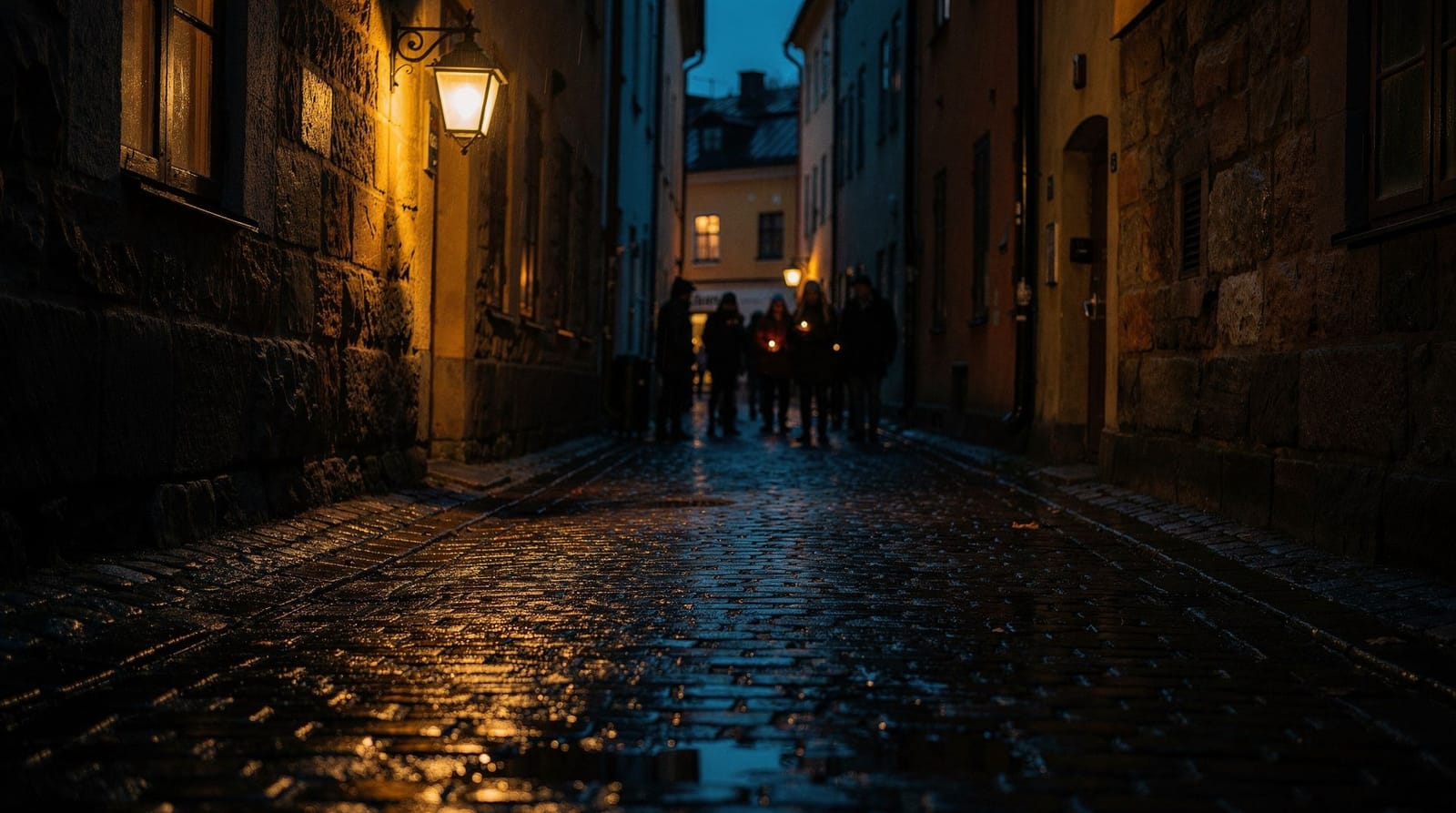
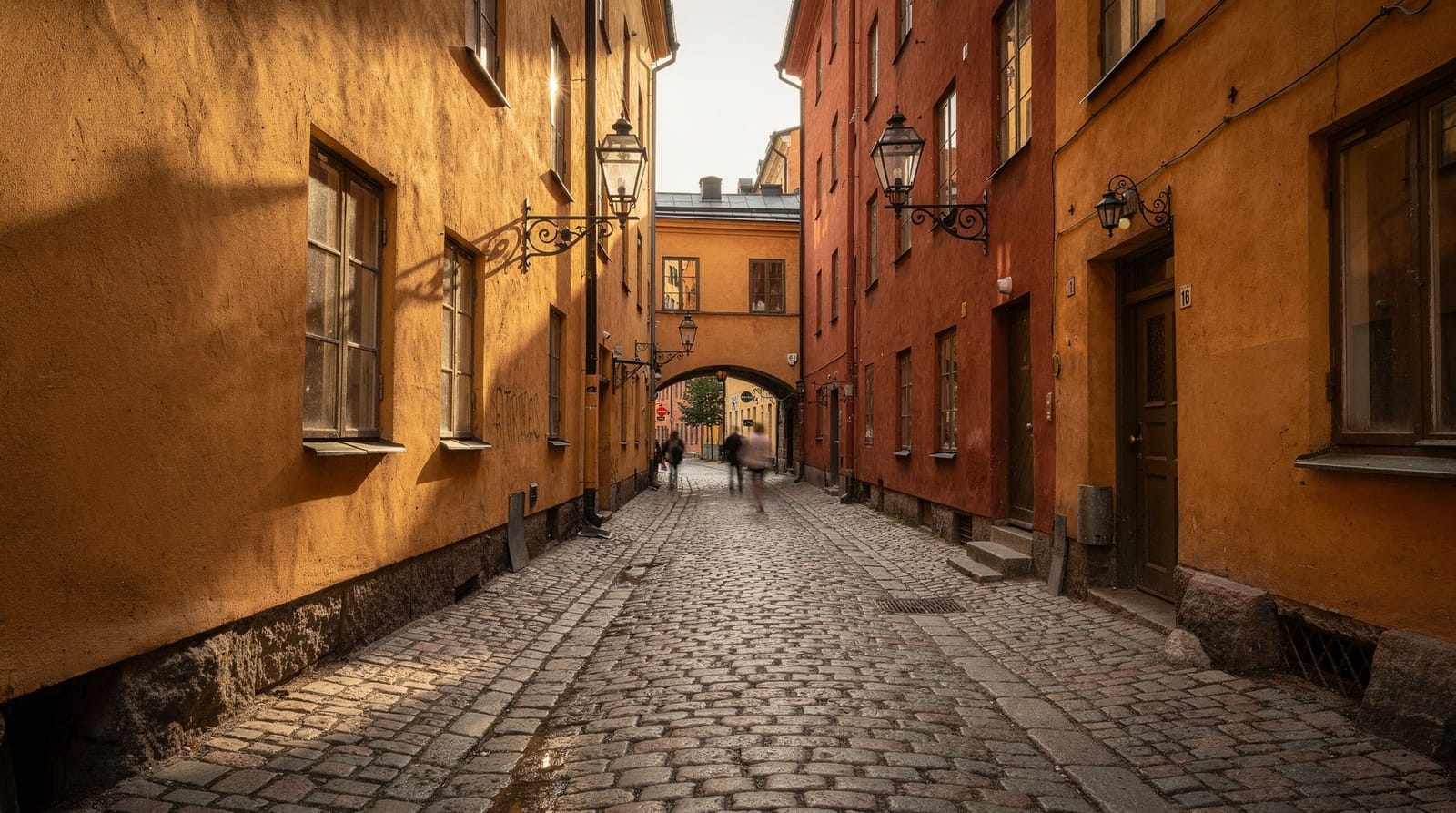
Gamla Stan’s cobblestone alleys, the flickering lamplight on narrow passages, the centuries of compressed history in every building — it is a natural setting for dark folklore and ghost stories. But beyond the theatrical framing of a ghost tour lies something genuinely interesting: Gamla Stan has a documented history of political violence, plague, religious persecution, and medieval execution that is largely invisible to the casual visitor.
A ghost walking tour is, in essence, a history tour told through the lens of death, fear, and the uncanny. The best of them are well-researched, genuinely atmospheric, and considerably more memorable than a standard daytime walk. The worst are thin on historical content and heavy on jump scares. This guide helps you choose well. If you’d rather cover Gamla Stan by daylight first, the Gamla Stan walking tour guide is the daytime companion to this one.
| Where | Starts at Stortorget, covers 6–10 spots across Gamla Stan |
| Duration | 1.5–2 hours |
| Cost | Around 200–300 SEK per person |
| Best time | Evening; October for genuine darkness plus mild crowds |
| Language | Mostly English; some German/Spanish/French dates |
The real dark history of Gamla Stan
The Stockholm Bloodbath (1520)
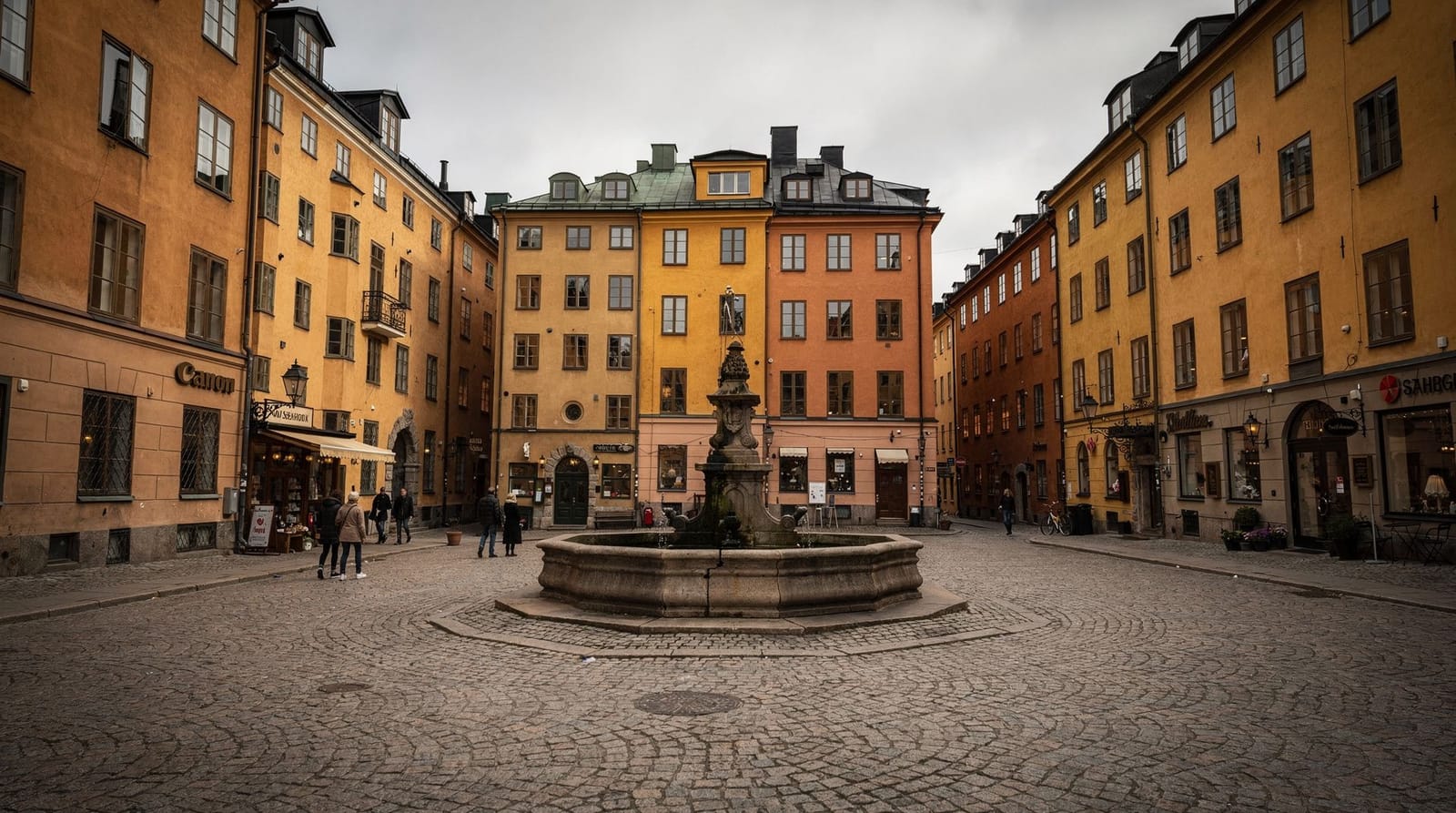
The most significant historical atrocity in Gamla Stan’s history was not supernatural — it was political. In November 1520, Danish King Christian II hosted a three-day celebration in Stockholm following his military takeover of Sweden. On the third day, he ordered the arrest of the Swedish guests and had approximately 80–100 of them executed in Stortorget over two days. The victims included bishops, noblemen, burgomasters, and merchants.
The executions were presented as a purge of heretics — a religious veneer over what was in reality a political decapitation of the Swedish aristocracy. Among those killed was the father of Gustav Vasa, whose subsequent revolt ended Danish rule of Sweden and established the independent Swedish kingdom.
Contemporary accounts describe the square running with blood. The bodies were later burned. Gustav Vasa’s victory is still commemorated as the foundation of modern Sweden, and Stortorget remains the location where most ghost tours begin. The full account of the Bloodbath covers the political run-up and aftermath in more depth than a tour has time for.
Book: Bloody Stockholm — ghosts, horror and dark folkloreMedieval execution sites
Public executions in Stockholm were held at Stortorget and on the ridge outside the city walls. The medieval legal system prescribed death for a wide range of offences — theft above a certain value, heresy, treason, assault on a noble. The equipment used (gallows, block, wheel) was maintained publicly as a deterrent.
Several of the stones incorporated into the older buildings of Gamla Stan came from earlier structures demolished during the city’s expansion. Some bear medieval mason’s marks; a few are rumoured (with uncertain evidence) to be from gallows or scaffold structures. Ghost tour guides typically point these out.
Plague years
Stockholm experienced major plague outbreaks in the 14th century (the Black Death reached Scandinavia in 1350) and recurring epidemics through the 16th and 17th centuries. The medieval city had no sewage system; the alleys were used as waste channels; wells were shallow and easily contaminated. Mortality during major outbreaks was catastrophic — estimates suggest 30–40% of the city’s population died in the worst years.
The plague history gives Gamla Stan’s compact geography additional psychological weight. The same alleys you walk through at night were the routes along which bodies were carried to mass graves outside the city walls.
The Storkyrkan and religious upheaval
Storkyrkan (Stockholm Cathedral) was the site of significant religious politics during the Reformation. Sweden’s conversion to Lutheranism in the 1520s — driven by Gustav Vasa’s political need to seize Church property — involved substantial disruption, including the removal of Catholic clergy, the destruction of religious art, and the enforced conversion of institutions. The cathedral’s surviving pre-Reformation interior (the Saint George sculpture, the silver altar) represents what was not destroyed.
Ghost tour operators and formats
Evening tours (21:00 in summer)
The best ghost tours run in the evening, when Gamla Stan’s streets are quieter and the atmospheric lamplight is at its most effective. In summer this means a start time of 21:00 or later, since it does not get dark in Stockholm until after 23:00 in June. In autumn and winter, evening tours start at 18:00 or 19:00 and operate in genuine darkness.
Book: Stockholm ghost walk and historical tourStandard format
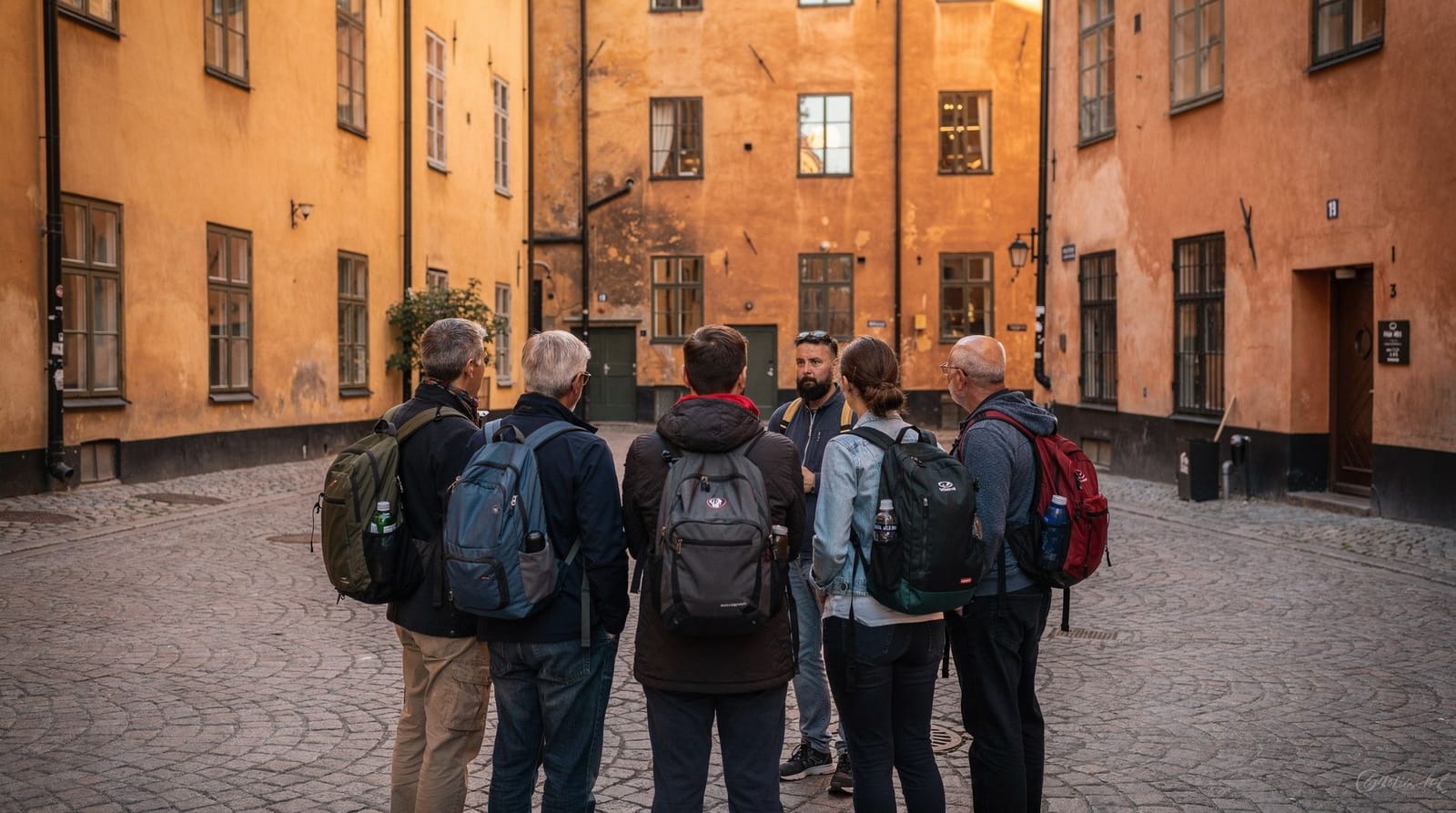
Tours typically last 1.5–2 hours. The guide covers 6–10 locations within Gamla Stan, mixing documented historical events with local folklore and ghost stories. Some guides perform the stories dramatically; others take a more academic approach. Both styles have their merits depending on your preference.
Group sizes range from 8 to 20 people. Smaller groups are preferable in the narrow alleys — you can hear the guide and the atmosphere is more intimate.
What is covered on a typical tour
Most ghost tours in Gamla Stan cover:
- Stortorget: The Bloodbath, the executions, contemporary accounts
- Storkyrkan area: Religious history, plague mortality
- Medieval alleyways: Local legends and documented criminal history
- The Royal Palace site: The earlier palace (Tre Kronor) that burned in 1697, and the stories around its destruction
- Riddarhuset (House of Nobility): Political history and notable executions of nobles
The folklore content varies by guide. Some tours include stories of ghosts associated with specific buildings — typically figures related to the Bloodbath or execution history. These are explicitly framed as folklore rather than documented history by the better guides.
Choosing the right tour
For historical depth: Choose a tour that explicitly advertises historical content — “dark history” or “historical ghost tour” phrasing usually indicates more academic content. The Bloody Stockholm format from Sandeman’s-affiliated guides is reliably good.
For atmosphere and entertainment: Tours marketed as “ghost walks” with theatrical framing are often more fun for groups and families, even if lighter on documented history.
For solo travellers or couples: Evening small-group tours (maximum 12) are worth the slight premium for the intimacy and audibility.
Language: Most tours run in English. Some German, Spanish, and French options exist on specific days — check booking pages.
How the main formats compare
| Tour style | Approach | Best for |
|---|---|---|
| Bloody Stockholm (theatrical) | Dramatic storytelling, strong on atmosphere | Groups wanting entertainment as much as history |
| Historical ghost walk | More academic, documented sources emphasised | Visitors who want the Bloodbath and plague history explained properly |
| Horror and dark folklore | Sits between the two, mixes legend with fact | Visitors undecided between the two extremes |
This differs from Stockholm’s free walking tours, which cover daytime history and royal sights rather than the dark-history angle — see the free walking tours guide for that comparison, or the self-guided walking guide if you’d rather explore the same streets by day at your own pace before returning at night.
Best time to take a ghost tour
October is the optimal month. Genuinely dark by early evening, cool temperatures, smaller tourist crowds, and an atmospheric quality to the streets that summer heat dissipates. Halloween proximity (31 October) means many operators add special extended tours in the last week of October.
Winter (November–February) offers the same atmospheric darkness but colder temperatures. Bring warm layers — you are standing still for stretches, which amplifies the cold.
Summer is technically possible but the very late darkness (after 23:00 in June) means you rarely get the full atmospheric effect unless you take a late tour starting at 22:00.
What to wear and bring
Shoes: Flat, comfortable — you are walking on cobblestones.
Layers: Even in summer, evening temperatures in Stockholm drop to 12–15°C. Ghost tours involve periods of standing still, which makes the cold feel sharper.
Nothing specific: Most tours do not require equipment. Torches/flashlights are sometimes provided; cameras are welcome.
The Medieval Museum connection
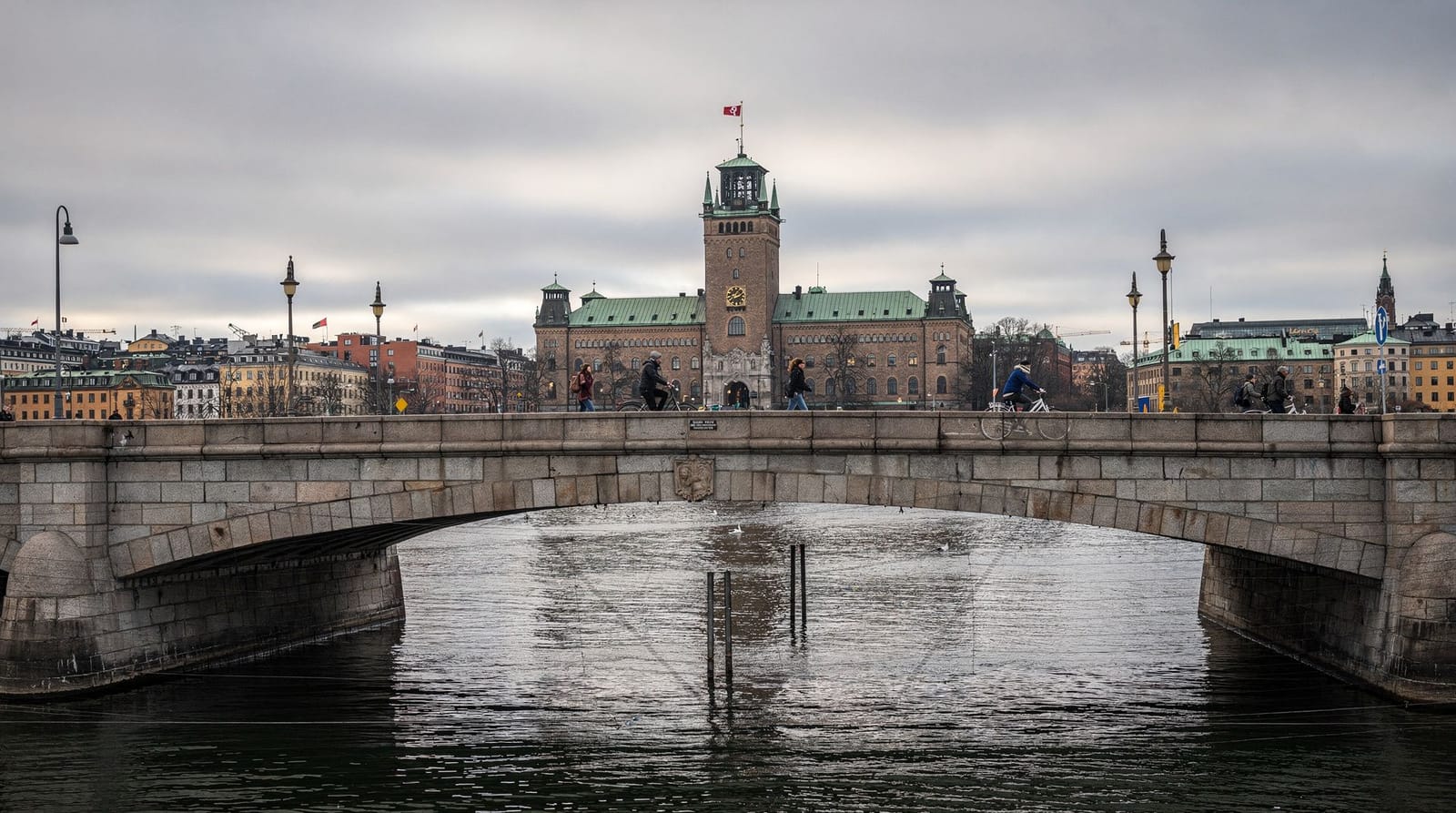
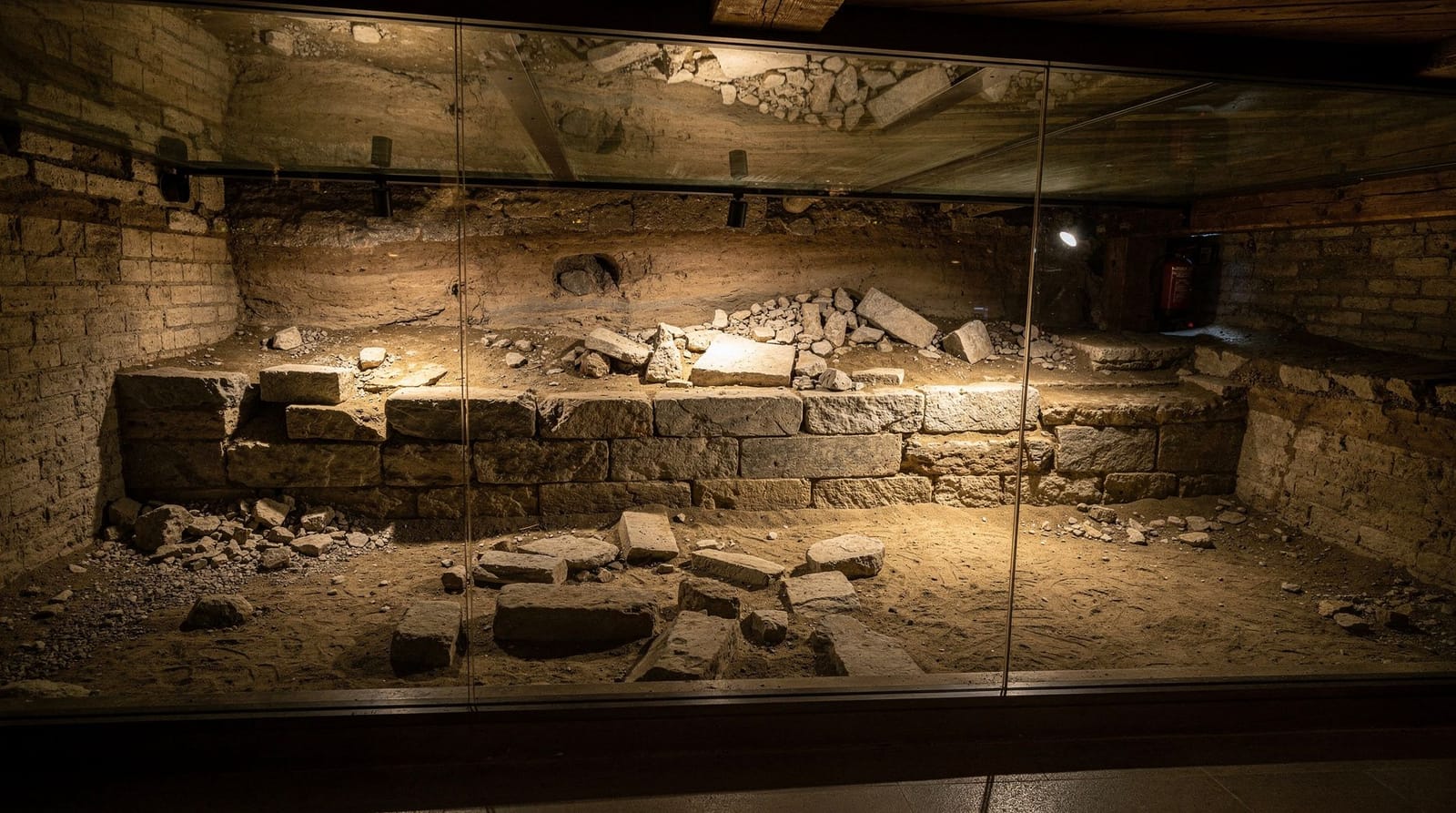
The Medieval Museum (Medeltidsmuseet), formerly underneath the Riksbron bridge between Norrmalm and Gamla Stan, has been closed since 5 November 2023 and is not a visit option; a new museum is planned at Börshuset on Stortorget, with no opening date. Check the official site for temporary exhibitions. See the Medieval Museum guide.
For daytime context before your ghost tour, the Gamla Stan neighbourhood deep dive gives you the fullest picture of the island — architecture and folklore both.
Building a full Gamla Stan day around the evening tour
A ghost tour works best as the last item on a day spent on the island. Spend the daytime on the sights the guide will only mention in passing: the Royal Palace guide helps you decide how much of the palace is worth your time, and the Gamla Stan medieval secrets guide points out the details in the lanes that a night group tends to walk straight past.
If you want more choice before booking, the Stockholm ghost tour guide looks at the ghost-tour options across the city rather than only on this island. For a meal before the tour, read the honest guide to Gamla Stan restaurants first, since the busiest streets are also where visitors overpay most easily, and the guide to Stockholm tourist traps covers the wider pattern.
Visitors planning more than one evening can slot the tour into a longer trip using the 3-day first-timer itinerary, which leaves room for an evening walk. The Gamla Stan destination page gives the overall picture of the island if you are still deciding how much time to give it.
Frequently asked questions about ghost tours in Gamla Stan
Are ghost tours of Stockholm suitable for children?
Most operators describe their tours as suitable for ages 12 and up. Younger children may find the content frightening (some guides are deliberately theatrical) and the two-hour standing duration challenging. The more historically focused tours tend to be less alarming for younger children. Check the operator’s age guidance before booking.
Is the ghost tour the same as a regular walking tour?
No. Ghost tours focus specifically on dark history, executions, plague, folklore, and supernatural legends. Regular walking tours cover architecture, royalty, city history, and practical information. There is significant overlap in the locations covered but the content and atmosphere are quite different.
How scary are ghost tours in Stockholm?
Mildly. Stockholm’s ghost tours are historical drama rather than horror entertainment. You will not be jumped by actors or subjected to horror-movie-style scares. The atmosphere can be genuinely eerie in the medieval alleys at night, but the content is primarily storytelling rather than sensory shock.
Do ghost tours run in bad weather?
Most do — they are outdoor walking tours and run unless lightning/severe conditions make it unsafe. Bring appropriate waterproofing in autumn and spring.
What is the difference between the ghost tours available on GYG?
The main difference is guide style and depth of historical content. Bloody Stockholm (t389438) has the most theatrical approach with dramatic storytelling. The historical ghost walk (t249222) is more academic. The horror and dark folklore tour (t515464) sits between the two. All cover broadly similar territory in Gamla Stan.
Can I book a ghost tour on the night?
Sometimes, if slots are available. But the popular evening time slots in summer (21:00, Saturday) fill quickly. Book at least 2–3 days ahead in peak season.
Is Gamla Stan actually haunted?
That is a philosophical question. What is documented is that Gamla Stan has a dense history of violent death, political execution, plague, and religious upheaval compressed into a small medieval island. Whether that history generates supernatural phenomena is beyond this guide’s scope, but it unquestionably generates good stories.
Should I do the ghost tour before or after seeing Gamla Stan by day?
After, ideally. Seeing Stortorget, Storkyrkan, and the medieval alleys in daylight first gives you a mental map of the island, which makes the ghost tour’s stories easier to place and appreciate. See the Gamla Stan walking tour guide for a daytime route that pairs well with an evening ghost tour on the same trip.
Are ghost tours available in winter?
Yes, and winter (November–February) offers the same atmospheric darkness as October without the Halloween crowds. The trade-off is cold temperatures — bring proper layers, since the tour involves standing still at several stops, which makes the cold feel more pronounced than a normal walk.
Top experiences
Bookable activities with verified prices and instant confirmation on GetYourGuide.