Stockholm in autumn: where to see fall colours and why it's underrated
Stockholm: sunset hike in Tyresta National Park with meal
Duration: 4.5 hours
When is autumn foliage at its best in Stockholm?
Late September through mid-October is peak autumn colour in Stockholm. Hagaparken, Djurgården, and Långholmen are the best urban parks. Temperatures are 9–13°C, crowds are far lower than summer, and the quality of light in autumn is excellent for photography. This is genuinely one of Stockholm's best seasons.
Stockholm’s overlooked season
Ask most travel content which months are best for Stockholm, and you’ll get May–June or September cited with mild enthusiasm. The reality is that September and October deserve more than mild enthusiasm — they consistently deliver conditions that compete with any season in the city.
In late September, Stockholm has: warm days (15–18°C on good weeks), dramatically lower hotel prices than July, autumn colour emerging in the parks, the full cultural season reopening after summer, and a city that has returned to its resident-occupied, non-tourist-dominated character. The September combination of manageable weather, fewer visitors, and the specific quality of autumn light makes it one of Europe’s best city-break windows.
October is more variable — wetter, cooler — but the foliage peaks in this month, and the city’s culture deepens.
| Where | Hagaparken, Djurgården, Långholmen, Tyresta National Park |
| Cost | Free (parks); guided Tyresta hikes: see the operator for current prices |
| Time needed | A morning for one park; a half-day trip for Tyresta |
| Getting there | Bus/T-bana for city parks; car or bus for Tyresta (30km south) |
| Best time | Late September–mid October for peak colour |
When autumn arrives in Stockholm
Early September: Temperatures still warm, some summer residue. The birches in Hagaparken start showing the first hints of yellow. Less a seasonal transition than a shift in light quality.
Mid-to-late September: This is Stockholm’s brittsommar (Indian summer). Clear, cold-morning warm-afternoon days with exceptional atmospheric clarity. The light at 16:00 casts long shadows and the city looks its best. Foliage beginning to colour in earnest.
Early October: Peak foliage period in many parks. Oaks and beeches at their deepest orange and gold. Temperatures noticeably cooler (10–12°C), layers needed. First rainy periods arriving.
Mid-October: Leaves beginning to fall. Parks carpeted with fallen leaves — Hagaparken particularly beautiful in this state. Temperatures pushing toward 8°C at night.
Late October–November: Leaves largely down, temperatures falling toward 4–5°C, grey weather increasing. This is the transition to winter, less recommended without specific interests (indoor cultural season, low prices).
| Period | Temperature | Foliage | Crowds |
|---|---|---|---|
| Early September | 15–18°C | Green, first yellow hints | Moderate, returning locals |
| Mid–late September | 12–16°C | Colour beginning | Low |
| Early October | 8–12°C | Peak colour | Very low |
| Mid-October | 6–10°C | Leaves falling | Very low |
| Late October–November | 4–8°C | Mostly bare | Low, off-season |
This compares favourably with Stockholm’s other shoulder season — see the spring shoulder season guide if you’re weighing autumn against a May–June visit, or the best time to visit guide for the full year-round picture including the contrast with Stockholm’s summer white nights.
The best parks and walks for autumn colour
Hagaparken (Solna)
Stockholm’s answer to an English landscape park — designed in the English landscape tradition with naturalistic planting, artificial water features, and mature tree specimens — delivers the most spectacular autumn colour of any urban green space near the city.
The park’s mature English oaks, copper beeches, silver birches, and lime trees all change colour, creating a palette from pale yellow through gold to deep auburn. The Bajen (Baroque pavilion) and Haga Slott (palace) at the northern end of the park provide architectural anchors for photography.
Getting there: Bus 515 from Odenplan (T-bana) to Hagaparken. Or cycle from central Stockholm — the route through Vasaparken and Sabbatsberg is pleasant and almost flat.
Best section for colour: The southern half of the park, around the Haga Palace and the Chinese Pavilion, has the most mature trees and the most concentrated colour in October.
Djurgården
Djurgården, Stockholm’s museum island, is also a substantial park, and in autumn the lime tree avenues along Djurgårdsvägen and the oak trees around Rosendals Trädgård and Prinscampet colour to deep gold and orange. The combination of historic buildings — the Vasa Museum, Nordiska Museet, Prins Eugens Waldemarsudde — and autumn foliage makes Djurgården excellent in October.
The Djurgårdsbrunnsviken canal, running between Djurgården and Östermalm, has birch trees along its banks that reflect in the water. At peak colour in early October, this is one of Stockholm’s most photographable autumn locations.
Långholmen
A former prison island in Södermalm, Långholmen is now a small park island accessible by foot bridge. It’s quieter than Djurgården, less touristed, and has good autumn colour from the birch and rowan trees. The outdoor pool area (closed for autumn) has views across the water toward Kungsholmen.
Getting there: Walk from Hornstull metro (bus or T-bana to Hornstull, then walk north across the bridge).
Tyresta National Park
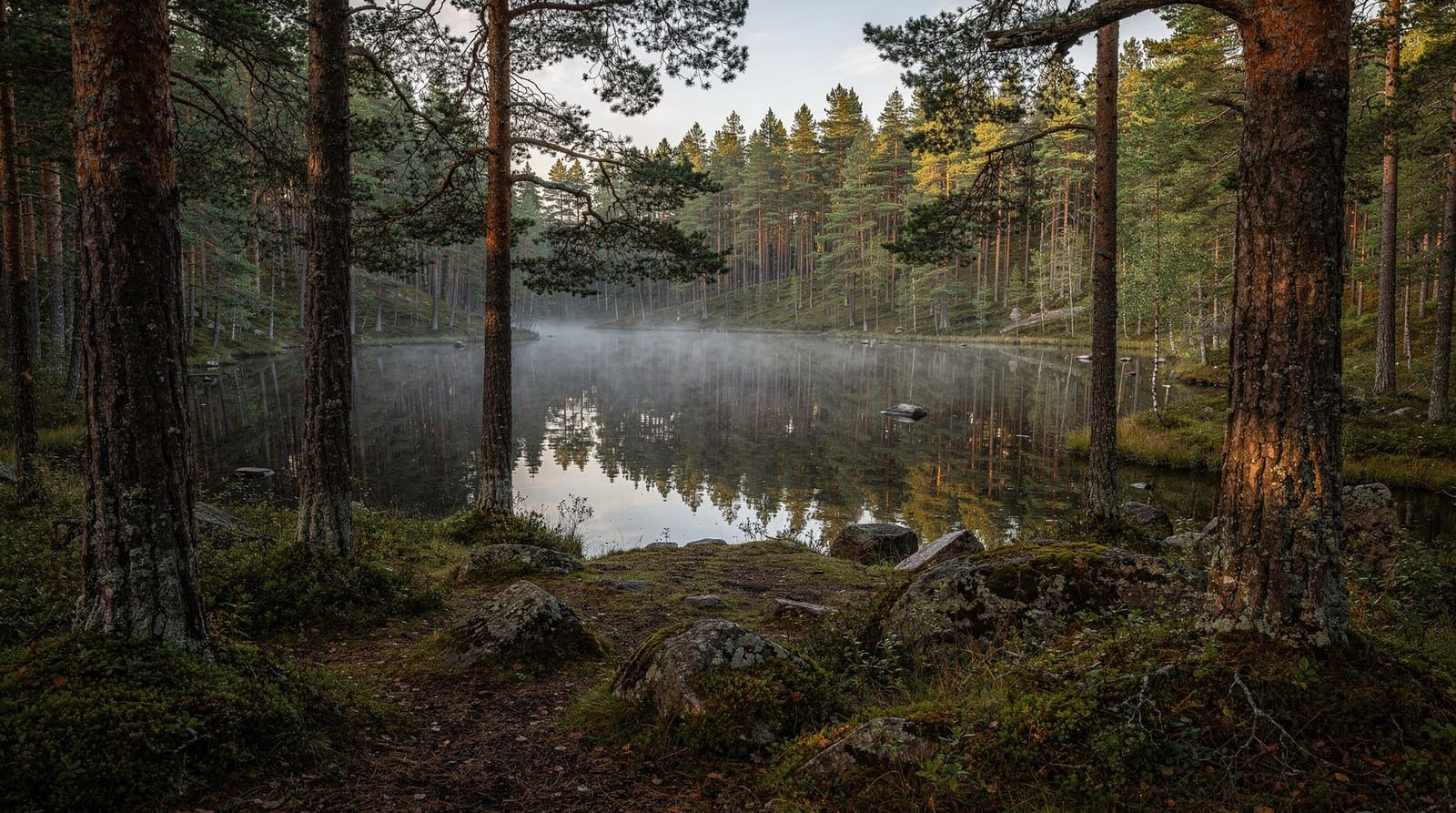
For those willing to travel 30 km south of the city (car or bus connection), Tyresta National Park is one of Sweden’s largest stretches of old-growth forest near a major city. The autumn colours in the boreal forest — birch, pine, spruce, rowan — are of a different scale and character from urban parks. For a self-paced option instead of a guided evening, see the Tyresta day hike guide.
A guided sunset hike in Tyresta National Park combines the autumn landscape with a traditional Swedish outdoor meal. The timing in late September–early October, when the park has colour and the light is at its clearest, is particularly strong.
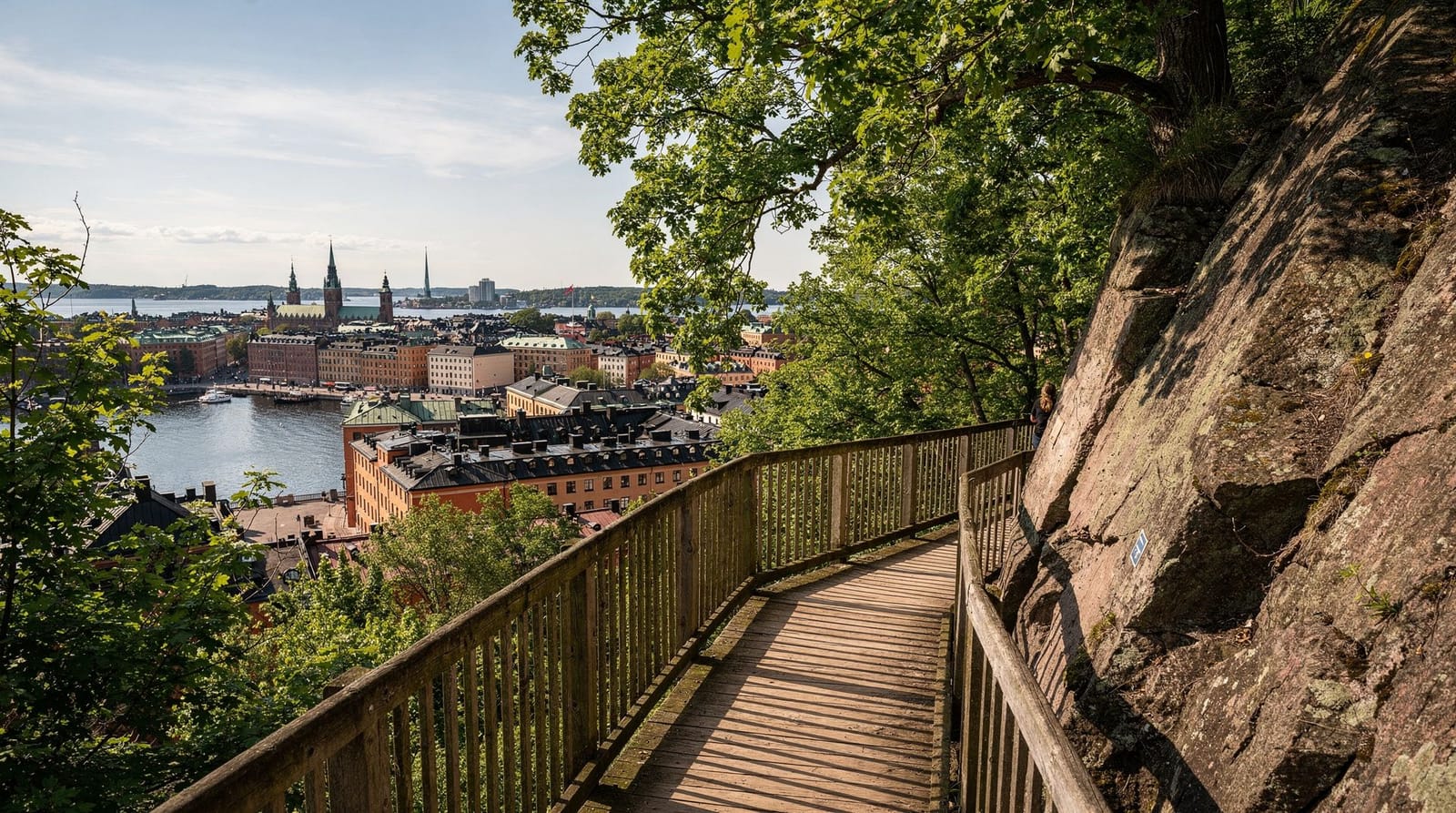
A guided nature hike on Södermalm’s Sörmansleden trail is a closer-to-town alternative for an autumn walk without leaving the city.
September in Stockholm: the full picture
Beyond the parks, September is excellent for everything in Stockholm:
Hotels: Prices drop noticeably from August. The 1,800–2,000 SEK per night July average falls to 1,000–1,400 SEK in September. By October, prices approach winter levels in many categories.
Restaurants: Summer tourist pressure is gone. Booking is easier. Restaurants are back to full staffing after holiday closures. The seasonal menu transitions from summer ingredients (herring, new potatoes, berries) to autumn Swedish cooking (mushrooms, root vegetables, game).
Museums: No queues. Vasa Museum in September has a fraction of the July visitors. Same for ABBA Museum, Fotografiska, and Nordiska Museet.
Cultural season: Orchestra season, theatre, and major exhibitions all resume in September. Konserthuset (Stockholm Concert Hall) and Dramaten (Royal Dramatic Theatre) are both active. Check Stockholm’s cultural calendar for September–October programming.
The archipelago: Early September still has ferry services to most islands and reasonable water temperatures (14–16°C). The autumn light over the archipelago — copper and gold birch trees on granite islands — is visually different from summer. By mid-October, outer island services end, but Vaxholm remains accessible year-round.
Building an autumn day around the colours
The best autumn days in Stockholm are rarely planned down to the minute. Colour and light shift with the weather, so the smartest approach is to pick one outdoor anchor for the part of the day when the sky looks best, and keep a museum or café in reserve for the part when it does not. The city is compact and well connected, which makes that kind of flexible plan easy; the public transport explained guide and the SL pass guide cover how to move between parks without fuss.
A morning in a park followed by an afternoon indoors works well. Start with Hagaparken or Djurgården while the light is soft, then head into town for lunch. If you want a route that links several viewpoints on foot, the self-guided walking guide and the Djurgården walking route are useful starting points. Cyclists will find the cycling in Stockholm guide handy, since autumn is a pleasant time to ride when the heat and the crowds of summer are gone.
On Södermalm, the combination of hilltop viewpoints, quiet residential streets and cafés makes for an easy half-day. Browse the Södermalm neighbourhood deep dive or the Södermalm destination page to decide which streets suit you. For something more demanding than a park stroll, hiking near Stockholm lists options that look especially good once the forest turns.
When the weather turns
Autumn rain is part of the deal, and it should not wreck a trip. Treat a grey day as the moment to go indoors, where Stockholm is at its strongest. The museum rainy day guide sorts the options by mood and by how much time you have. Fotografiska is a good choice for a gloomy afternoon, and so are the Moderna Museet and the Nobel Prize Museum if you prefer something quieter and more reflective. Families can swap the park for Skansen, which stays enjoyable in cool weather because so much of it is outdoors among trees.
If you want one of the big names without summer crowds, autumn is the moment. A visit to the Vasa Museum or the ABBA Museum feels noticeably more relaxed than in high season. Booking ahead is still sensible for the most popular attractions. Consider the Vasa only if it is already on your list; the colours are the point of this guide.
What to wear
Layers beat one heavy coat. Mornings can be sharp and afternoons mild, and a light waterproof shell over a warm mid-layer handles most days. Comfortable, grippy footwear matters on wet leaves and cobblestones, which get slippery in the park paths and in the lanes of Gamla Stan. The what to pack guide gives a fuller checklist, and it is worth reading before you finalise your bag.
Making the most of the light
Autumn light rewards patience. The low sun turns even ordinary streets into something warm, so you do not need a famous viewpoint to take a good photograph. Walk slowly, look for backlit leaves, and return to the same spot at a different hour if the first visit disappoints. For a more structured experience, the Stockholm photo tour guide explains how guided photography outings work and what to expect from them. Those who prefer wandering without a plan can follow the Instagram spots guide to find framing ideas, then adapt them to the season.
Reflections are a feature of the season too. Still water along the canal and around the islands doubles the colour of the trees, and early mornings often give the calmest surface. Keep a lens cloth in your pocket, since damp air and light drizzle are common.
Coffee, buns and the autumn pause
Swedish café culture comes into its own when the weather cools. A warm drink and something sweet is the natural reward after a long park walk, and the habit has a name for a reason. The fika culture guide explains the ritual, and the cinnamon bun guide points you towards the classic treat. Östermalm has a polished café scene that suits a slow afternoon; the Östermalm destination page is a good place to start. If you are serious about your cup, the third-wave coffee guide is worth a read.
Pairing autumn with the water
Even when the summer ferry timetable has thinned out, the water remains part of the autumn picture. Vaxholm is the easiest place to experience the archipelago without committing to a long journey, and the archipelago winter versus summer guide helps you judge what the shoulder months feel like. Check the Waxholmsbolaget ferries explained page before you set off, because services change with the season and it is better to know the schedule than to guess at the quay.
Fitting autumn into a longer trip
A few autumn days fit neatly into a broader itinerary. The three-day Stockholm overview and the three days for first-timers itinerary both work well in this season if you swap one of the indoor blocks for a park morning. If you are travelling with limited time, the Stockholm in 24 hours itinerary can be adapted by moving the outdoor stop to the brightest part of the day.
Autumn food: what’s in season
Stockholm’s restaurants reflect the season aggressively. September–October is:
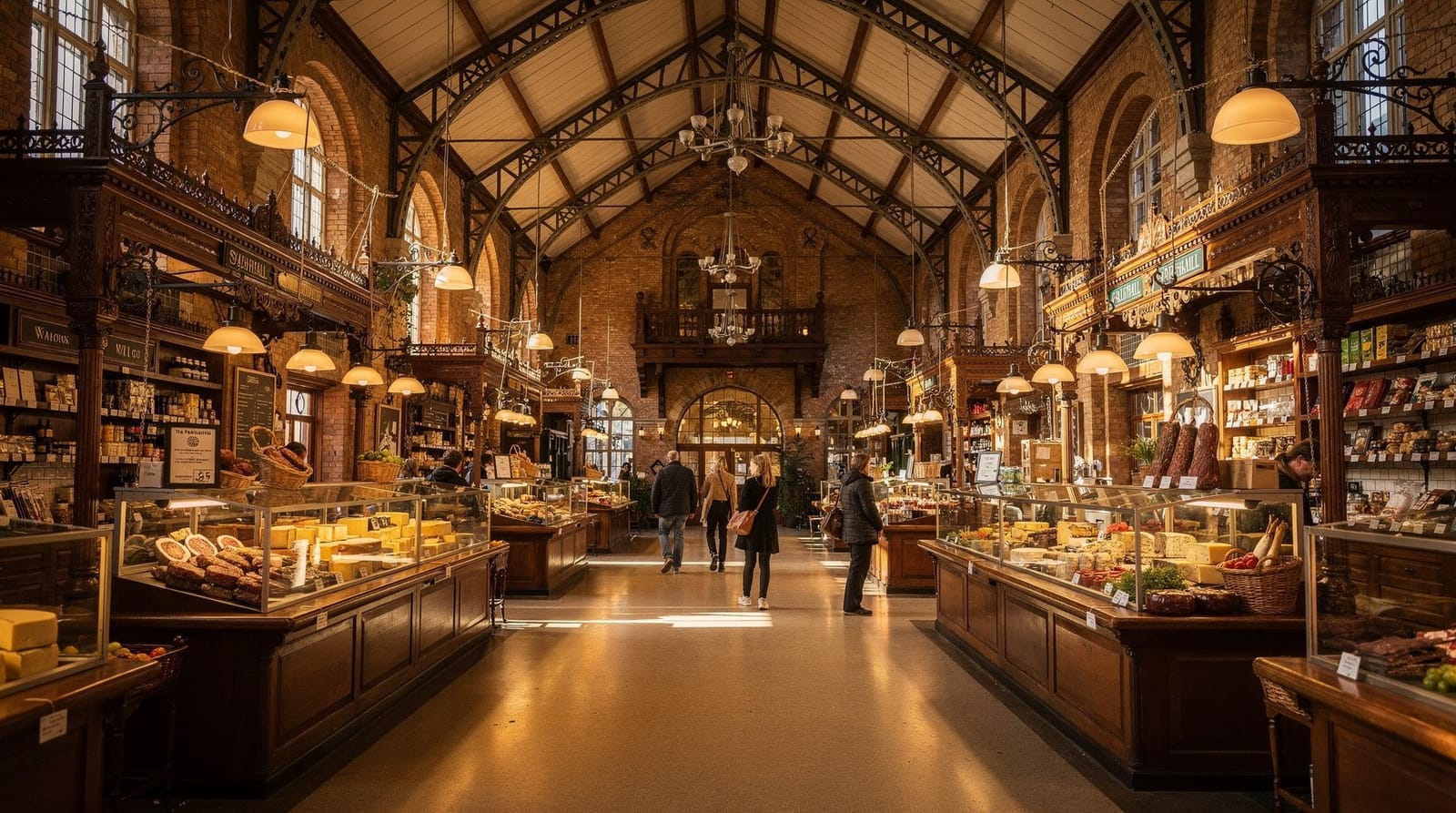
Mushroom season (svampsäsong): Chanterelles, porcini, and other forest mushrooms appear on menus and at markets. Östermalms Saluhall (the food market in Östermalm) is the best place to see and buy high-quality autumn mushrooms.
Game: Elk (älg), deer, and game birds are in season. Stockholm’s mid-range and upmarket restaurants feature game menus from September.
Root vegetables and fermented flavours: Swedish autumn cooking leans into pickling, fermented vegetables, root vegetable dishes, and warming broths.
Surströmming (fermented herring): The August–September surströmming season is one of those polarising Swedish food experiences. The fermented herring is intensely pungent; some people find it genuinely enjoyable in the traditional northern Swedish context. Stockholm Swedes have mixed views on it. Östermalms Saluhall and some specialist restaurants serve it.
Warming drinks: As temperatures drop through October, Stockholm’s cafés shift toward warming drinks earlier than the Christmas glögg season proper — hot chocolate, spiced apple drinks, and stronger filter coffee blends appear on menus well before the December markets begin.
Photography in autumn Stockholm
The specific light qualities of September and October — lower sun angle, cleaner atmosphere, longer golden hours — make autumn one of the best photography seasons in Stockholm.
Best spots for autumn photography:
- Stortorget in Gamla Stan with fallen leaves on cobblestones
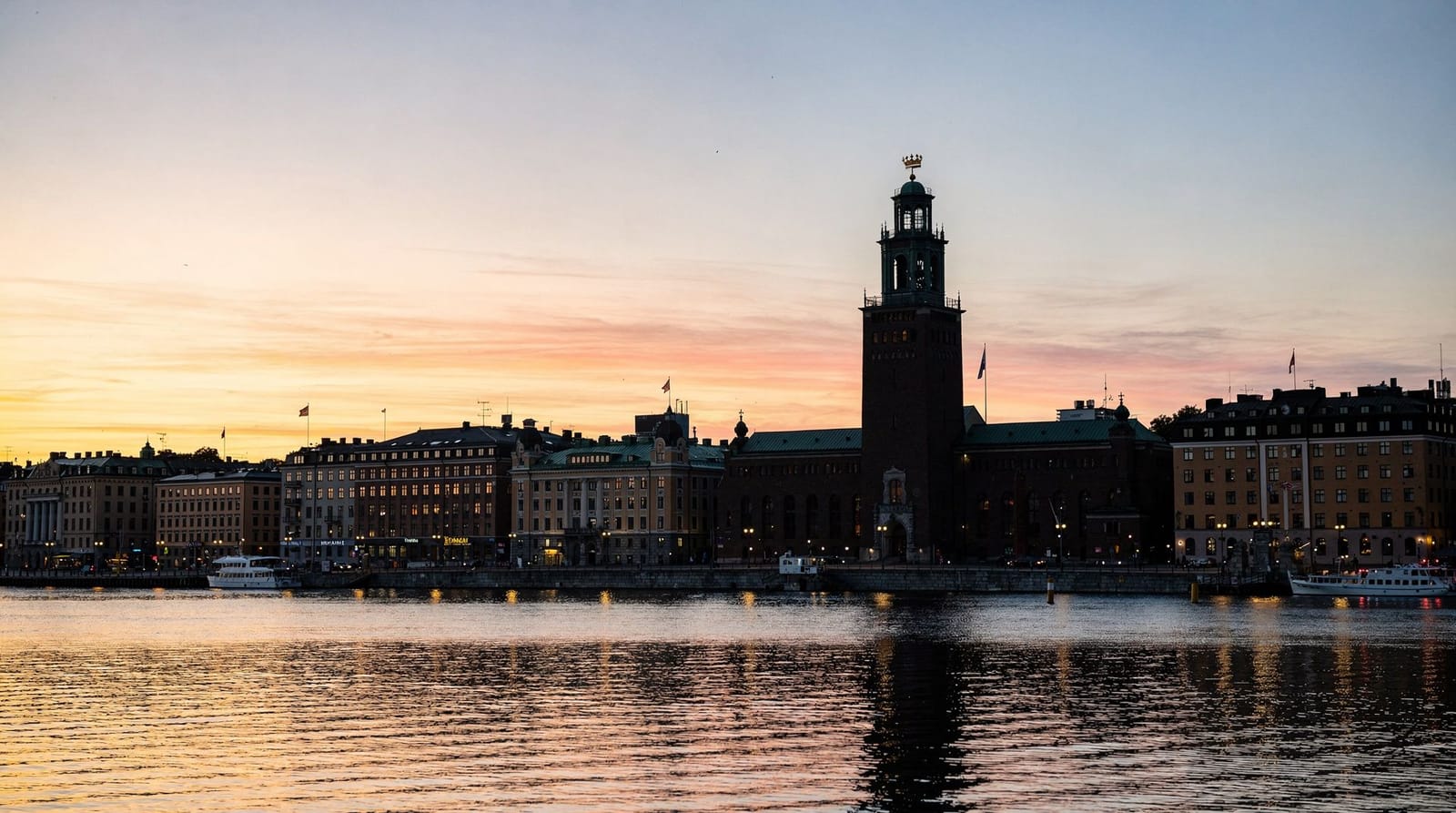
- Monteliusvägen at sunset (the low autumn sun hits the Stadshuset and Riddarfjärden with warm amber light)
- Djurgårdsbrunnsviken canal reflection of birch leaves
- Hagaparken’s English oak allées in early October at mid-afternoon
How autumn compares to Stockholm’s other seasons
Autumn sits between summer’s crowds and winter’s cold and dark, and for many visitors it’s the sweet spot. Unlike Midsummer in Stockholm, nothing shuts down in September; unlike deep winter, you still get 10–12 hours of daylight in early autumn. If your dates are flexible, weigh this guide against the Stockholm winter guide and the best time to visit guide before booking — autumn wins on value and light, winter wins on Christmas markets and snow.
Frequently asked questions about autumn in Stockholm
Is September or October better for Stockholm?
September wins on weather comfort and practical logistics. October wins on foliage intensity. The combination of both in one trip is ideal — arrive late September and stay into early October for the best of both.
What rain should I expect in autumn?
September averages 8–10 rainy days per month. October averages 10–12. Rain is typically moderate rather than torrential, and the weather is variable enough that good autumn days with clear skies are common. Pack a waterproof jacket but don’t expect to be constantly wet.
Are children’s activities good in autumn Stockholm?
Yes. Skansen is excellent in autumn — the animals are active, the buildings are open, and the seasonal harvest activities (apple pressing, traditional autumn crafts) supplement the year-round programming. Junibacken (children’s literary museum) on Djurgården runs year-round. Tekniska museet (technology museum, Djurgården) is a strong option for older children.
Top experiences
Bookable activities with verified prices and instant confirmation on GetYourGuide.