Best time to visit Stockholm: month-by-month guide for 2026
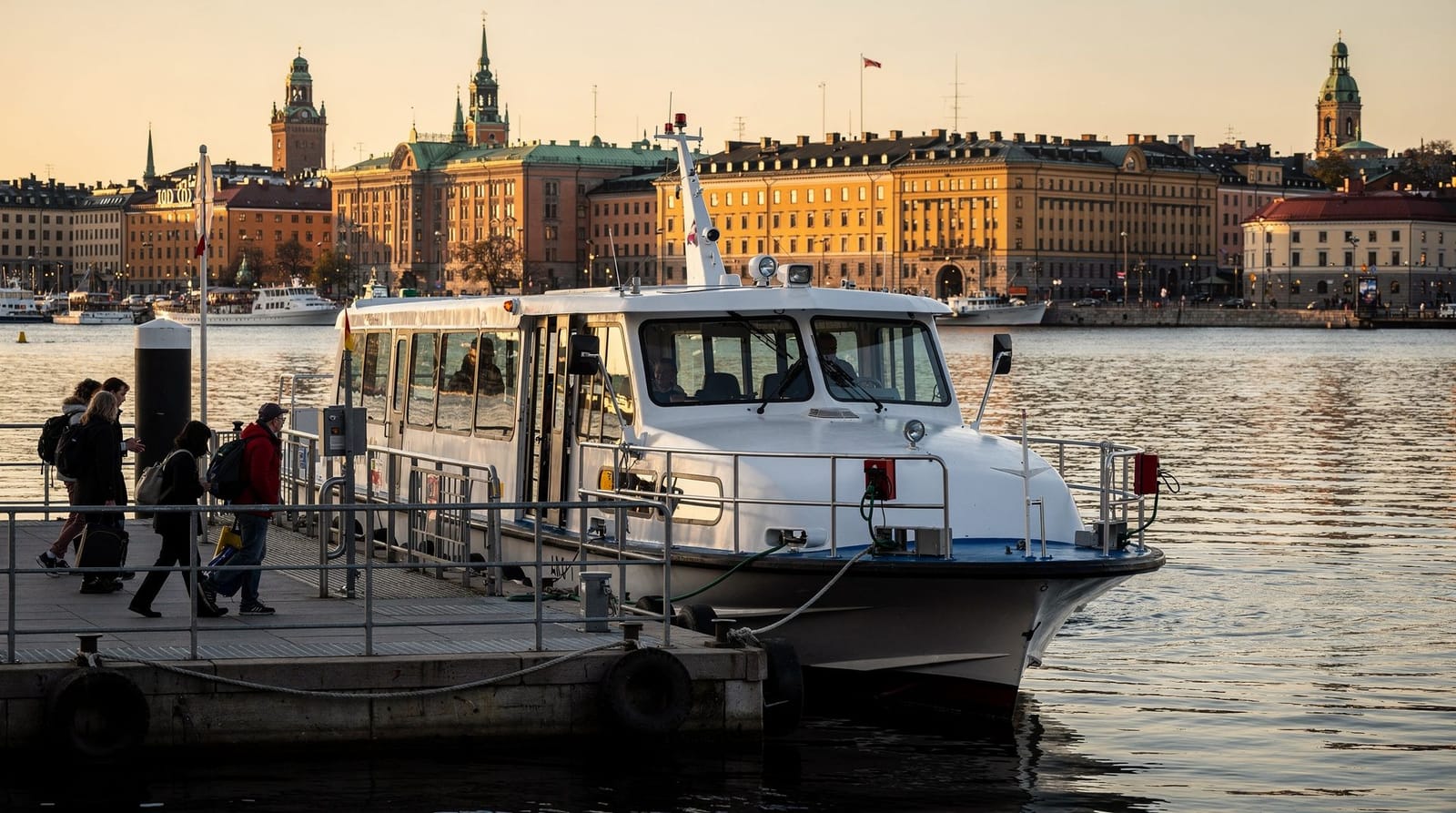
Stockholm: Midsummer archipelago boat tour with live guide
Duration: 2.5 hours
When is the best time to visit Stockholm?
Late May to early June is the sweet spot: long days (17+ hours of light), mild weather around 16–18°C, prices not yet at July peak, and Midsummer festivities approaching. September is the second-best option — Indian summer weather, fewer crowds, and beautiful autumn colours. Avoid mid-July if you dislike crowds and high prices.
Stockholm through the seasons: an honest overview
Stockholm’s appeal shifts dramatically by season. The same city that shimmers with nearly 18 hours of light in June sits in near-total darkness (6–7 hours) in January. Prices follow the sun: July is peak season, January is the cheapest month of the year. Neither extreme is without appeal — but knowing what you are choosing between is essential for planning.
| Best overall | Late May–early June |
| Best value | September (second pick) or November (cheapest) |
| Avoid if crowd-averse | Mid-July |
| Book far ahead for | Midsummer, July, December/New Year |
| Pack for | Layers year-round; genuine winter gear Nov–Mar |
For help translating this into an itinerary, see the Stockholm in 3 days overview and the what to pack guide.
Month-by-month breakdown
January
Temperature: -2 to -5°C at night, 0 to 1°C during the day Daylight: About 6 hours Crowds: Very low Hotel prices: Low (winter off-season, typically 72–106 USD per night) What’s happening: Post-Christmas quiet. Stockholm Furniture Fair (early February, during Stockholm Design Week). Indoor museum season.
January is Stockholm’s darkest month — and for visitors who lean into it, genuinely atmospheric. The T-bana is warm, museums are peaceful, restaurants are quieter and sometimes run winter deals. The canal areas at night, lit by street lamps reflecting on frozen water, are beautiful in a spare way. Bring proper cold-weather clothing: -5°C with wind chill is serious.
February
Temperature: -3 to 1°C Daylight: 8–9 hours, growing fast Crowds: Low What’s happening: Stockholm Film Festival (check dates). Ice skating remains possible on frozen lakes if winter is cold.
Very similar to January but days are noticeably lengthening. Ice skating on Djurgårdsbrunnsviken (the canal between Djurgården and Ladugårdsgärdet) is possible in cold winters. Not reliably frozen every year — check conditions locally.
March
Temperature: 0 to 5°C Daylight: 11–12 hours Crowds: Low-moderate What’s happening: Stockholm International Boat Show (Evert Taube-hallen, mid-March if running). Days are growing rapidly.
March marks the beginning of Stockholm’s shoulder season. Days lengthen noticeably and the light quality becomes exceptional — long blue twilights and bright afternoon sun. Prices remain low. Outdoor markets and flea markets begin reopening.
April
Temperature: 4 to 9°C Daylight: 14 hours Crowds: Moderate Hotel prices: Rising from winter lows What’s happening: Valborg (Walpurgis Night) on 30 April — bonfires across the country, students celebrate the arrival of spring. In Stockholm, Hagaparken and some university areas host events.
April is when Stockholm shakes off winter. Cherry blossoms appear in Kungsträdgården (usually mid-April, a photogenic week). Days are long and sometimes surprisingly sunny. Occasional cold snaps still possible. A very good value month.
May
Temperature: 10 to 17°C Daylight: 16–17 hours Crowds: Moderate, rising toward end of month Hotel prices: Rising but pre-peak
This is arguably the best month to visit Stockholm. Long days, mild temperatures, fresh greenery in the parks and archipelago, and prices not yet at July levels. Djurgården is beautiful — flowers in the park gardens, boats on the water, the islands coming alive.
The Stockholm Marathon usually falls in late May or early June, which fills some accommodation.
Archipelago: By late May, Waxholmsbolaget ferry services to most islands are running full summer schedules. The archipelago is accessible but not yet overrun.
June (before Midsummer)
Temperature: 15 to 20°C Daylight: 18+ hours (white nights begin ~15 May, peak around summer solstice) Crowds: Increasing Hotel prices: Peak season begins What’s happening: Sweden’s National Day on 6 June (open-air celebrations at Skansen, flag parades). Midsummer Friday (19–25 June range): city empties, country celebrates.
The white nights — when it never gets truly dark, just a long blue twilight between 23:00 and 02:00 — are a distinctive Stockholm experience. The city is at its most beautiful before Midsummer arrives.
Midsummer caution: The Friday and Saturday of Midsummer weekend, Stockholm is partially closed. Many restaurants only open for reduced hours or not at all. Booking dinner for Midsummer night is essential and often impossible. If your trip falls on Midsummer, plan a day trip to a Swedish family’s countryside celebration (or book a hotel with dining in advance) rather than wandering expecting open restaurants. The Midsummer in Stockholm guide covers exactly how to plan around the closures.
A popular way to experience Midsummer without a countryside connection of your own is an archipelago cruise timed to the holiday:
Book a Midsummer archipelago boat tourJuly
Temperature: 18 to 23°C Daylight: 17–18 hours Crowds: Peak season Hotel prices: Highest of the year (~198 USD average) What’s happening: Stockholm Pride (late July/early August), outdoor concerts, archipelago at full capacity
July is peak tourist season. Vasa Museum sells out timed entry weeks ahead. ABBA Museum requires bookings months in advance. Gamla Stan’s streets and restaurants are packed. The archipelago on summer weekends is crowded at popular islands.
If you can only visit in July, it is still excellent — the city is at its most alive. But book everything (accommodation, museums, restaurants) well ahead, and expect crowds and high prices.
August
Temperature: 16 to 22°C Daylight: 15 hours, decreasing Crowds: Peak through early August, easing after 20 August What’s happening: Stockholm Pride (late July/early August), Kräftskiva (crayfish season — parties throughout August), Swedish school holidays ending
Late August is often a secret sweet spot. International tourist numbers begin dropping after the first two weeks of August, but weather remains excellent, the archipelago is still beautiful, and you can often book a restaurant at short notice for the first time since June. Crayfish parties (Kräftskiva) are a distinctly Swedish late-August experience.
September
Temperature: 12 to 17°C (Indian summer) Daylight: 12 hours Crowds: Low-moderate Hotel prices: Dropping from summer highs What’s happening: Stockholm Jazz Festival (check dates), Midnattsloppet run, autumn colour beginning in parks
September is the second-best month to visit, behind late May/June. An “Indian summer” often delivers warm sunny days, the parks turn golden, ferry queues disappear, museum timed-entry slots are easy to book same-day, and accommodation prices are 30–40% lower than July. The archipelago is still lovely and uncrowded.
October
Temperature: 7 to 12°C Daylight: 9–10 hours Crowds: Low What’s happening: Stockholm Marathon (sometimes October). Autumn colours peak in Royal National City Park and Djurgården through mid-October.
Crisp, photogenic, and quiet. Good for museum-heavy visits and exploring without crowds. Dress in layers — weather is variable.
November
Temperature: 2 to 5°C Daylight: 7 hours Crowds: Low What’s happening: Stockholm Christmas market season begins at some locations in late November. Advent starts.
November is generally the least appealing month — cold, dark, and pre-Christmas markets have not yet opened fully. It can work well if you want the lowest prices and are happy indoors at museums and restaurants.
December
Temperature: 0 to -3°C Daylight: 6–7 hours Crowds: Moderate (Christmas market visitors) Hotel prices: Rising for December and New Year What’s happening: Lucia 13 December, Skansen Julmarknad, Stortorget Christmas market, Drottningholm Christmas, New Year’s Eve at Skansen
December in Stockholm is magical if you accept the cold and darkness as part of the experience. Christmas markets begin in late November and run through 22 December (dates vary by market). Lucia on 13 December is one of Scandinavia’s most photographed events. New Year’s Eve in Stockholm centres on Old Town and Djurgården for fireworks — book accommodation months ahead. The complete Stockholm Christmas markets guide ranks all the major markets, including Skansen’s Julmarknad and the Gamla Stan Christmas market.
Book a guided Stockholm Christmas markets walking tourVisiting with children
Seasons matter differently when travelling with kids. Summer’s long days and outdoor swimming spots suit families best, while winter’s short daylight and icy pavements need extra planning. The Stockholm with kids family guide and the rainy day with kids guide cover season-specific family logistics in more depth, and the 3-day itinerary for families shows how it fits together.
Quick comparison table
| Month | Weather | Crowds | Price | Best for |
|---|---|---|---|---|
| Jan | -2°C, dark | Very low | Low | Budget, indoor culture |
| Feb | -1°C | Low | Low | Budget, ice skating |
| Mar | 4°C | Low | Low-med | Shoulder season value |
| Apr | 8°C | Moderate | Medium | Cherry blossoms, growing days |
| May | 15°C | Moderate | Med-high | Top pick — long days, pre-peak |
| Jun (pre-Midsummer) | 18°C | High | High | White nights, archipelago |
| Jul | 22°C | Very high | Peak | Peak summer; book everything |
| Aug | 20°C | High → moderate | High → med | Late Aug crayfish, easing crowds |
| Sep | 15°C | Low-mod | Medium | Second top pick — Indian summer |
| Oct | 9°C | Low | Medium | Autumn colours, museums |
| Nov | 4°C | Very low | Low | Budget, quiet |
| Dec | 0°C | Moderate | Medium | Christmas markets, Lucia |
Budgeting and transport across the seasons
Prices swing hard with the seasons, but transport costs stay relatively stable — the SL pass guide is worth checking regardless of when you visit, since it usually pays for itself within a couple of days of T-bana use. For overall trip costs by season, the Stockholm budget-per-day guide breaks down how much more a July trip costs versus a January or November one. If your plans include archipelago day trips, note that ferry schedules for day trippers shrink significantly outside the May–September window — check before you build a day around a specific island.
Frequently asked questions about when to visit Stockholm
Is Stockholm expensive year-round?
Stockholm is consistently one of Europe’s more expensive cities, but the seasonal variation is significant. Hotels in summer peak at ~198 USD per night average; in January they can drop to 72–106 USD. Restaurants and activities cost roughly the same year-round. Booking flights and accommodation early for any popular month (July, December, Midsummer) is essential.
When is Stockholm Fashion Week?
Stockholm Fashion Week typically occurs twice a year in late January/early February (Autumn/Winter collections) and in late August (Spring/Summer). It attracts industry visitors but also makes accommodation slightly tighter in those weeks.
Can you swim in Stockholm in summer?
Yes. Stockholm has several excellent urban swimming spots — Långholmen island, Tantolunden, Fredhällsbadet, and Smedsuddsbadet on Kungsholmen. The inner city beaches are clean and popular in July and August. Water temperatures reach 18–22°C in a good summer. Some archipelago beaches are even warmer in calm, shallow bays.
What are Stockholm’s public holidays?
Key public holidays when closures can affect your visit: New Year’s Day (1 Jan), Epiphany (6 Jan), Easter (Friday, Monday), Labour Day (1 May), Ascension, Sweden’s National Day (6 June), Midsummer (Friday nearest 24 June), All Saints’ Day (November), Christmas Eve (24 Dec, most businesses close early), Christmas Day and Boxing Day (25–26 Dec), New Year’s Eve (31 Dec, partial closures).