Tyresta National Park day hike from Stockholm
Stockholm: sunset hike in Tyresta National Park with meal
Duration: 4.5 hours
How do I get to Tyresta National Park from Stockholm and what can I do there?
Take T-bana to Gullmarsplan (green line) then bus 807 to Tyresta village — approximately 40 minutes total. The park has a 9 km signed main trail loop (Urskogen trail), old-growth boreal forest with trees up to 500 years old, and the preserved 17th-century village of Tyresta. No entry fee. Pack your own food and water as facilities in the park are minimal.
The forest that time forgot
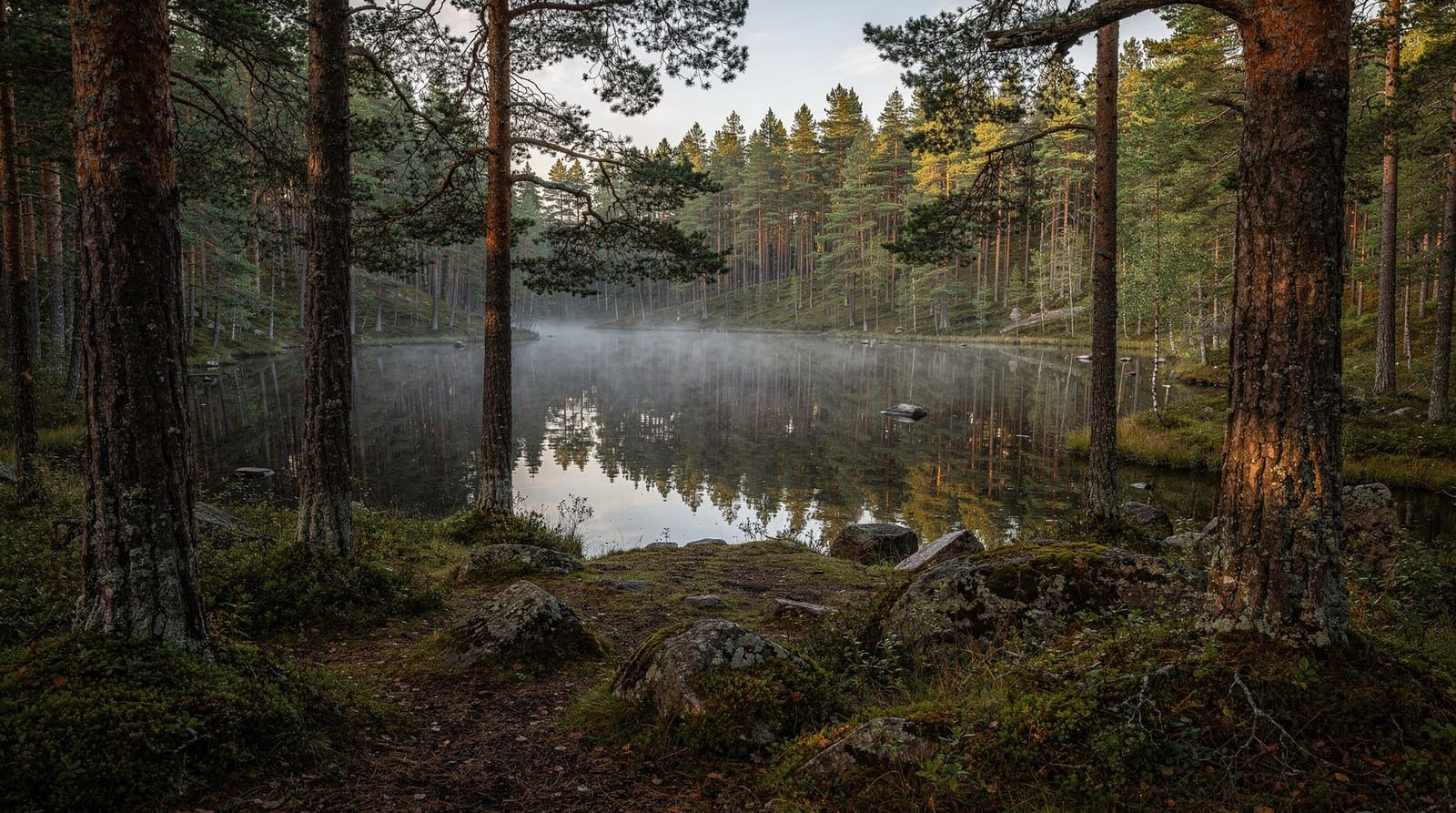
Tyresta National Park is one of those places that surprises visitors more than almost anything else near Stockholm. The expectation, based on the 40-minute bus journey from the city, is a pleasant woodland park. The reality is something older and quieter: a boreal forest with trees up to 500 years old, the kind of old-growth ecology that was cleared from almost every other area of southern Sweden during centuries of logging.
The reason Tyresta survived is a historical accident. The area was designated as a royal hunting ground in the 17th century. Royal hunting grounds were protected from the agricultural clearance and logging that destroyed similar forests elsewhere. By the time the protection was formalised as a national park (in 1993), the forest had been largely undisturbed for 300 years.
The result is genuinely unusual. Walking through Tyresta’s core zone (the urskog, or primeval forest), the silence is different from a managed forest or a city park. There are no straight lines. Fallen trees decompose where they fall, feeding the soil that grows the next generation. The large, irregular canopy creates uneven light patterns that change constantly with the wind. It is one of the closest things to pre-agricultural boreal forest that exists in the Stockholm region.
| Where | Tyresta village, ~20 km south of Stockholm |
| Cost | Free entry; SL pass covers the bus/T-bana |
| Time needed | Half day (4–5 hours including travel) |
| Getting there | T-bana to Gullmarsplan + Bus 807 (~40 min) |
| Best time | May–October; go early to beat crowds and heat |
For a fuller sense of the surrounding area and other nearby options, see the Tyresta National Park destination page.
Getting there
T-bana (metro) to Gullmarsplan (green line, approximately 15 minutes from T-Centralen).
Bus 807 from Gullmarsplan to Tyresta village (the national park’s main entry point), approximately 30–35 minutes. The bus runs several times daily; check the current timetable at sl.se. Both the T-bana and bus are covered by an SL pass.
Total journey time from central Stockholm: approximately 40–45 minutes.
There is parking at Tyresta village for those arriving by car, but the bus connection makes a car unnecessary.
The trails
The Urskogen trail (9 km loop — recommended)
The main signed trail starts at Tyresta village and loops through the core old-growth forest area, passing the lake of Mörtsjön, the most impressive stand of ancient pines, and several viewpoints over the surrounding woodland. The loop is approximately 9 km and takes 3–4 hours at a comfortable pace.
This is the route for most visitors. It includes the park’s best forest sections, the most ancient trees, and the clearest sense of what makes Tyresta distinct from ordinary Swedish woodland.
The Tyresta village–Åva path (5 km one-way)
A shorter trail from Tyresta village to the northern part of the park. Less dramatic than the Urskogen loop but manageable in 2–2.5 hours and appropriate for families with children who may not sustain 9 km.
Extended routes (15–20 km)
The full park extends south and east with a network of marked trails. Longer routes require either a full day from Stockholm or overnight camping (camping is permitted in designated areas under the Swedish allemansrätten right). These routes pass through wetland areas, additional lake zones, and the park’s more remote sections.
The burnt forest section
In 1999, a significant forest fire burned through part of Tyresta — the most serious fire in the greater Stockholm region in decades. Rather than clearing and replanting the burned area (standard forestry practice), the national park management allowed natural regeneration. Today the burnt section shows a characteristic regeneration ecology: standing dead trees (snags), pioneer species like birch and aspen, extraordinary fungal growth on fallen trunks, and the beginning of a new old-growth cycle. This section is ecologically fascinating and visually striking — different from the unburned forest in ways that make the contrast interesting.
Tyresta village
The village of Tyresta itself is a preserved 17th and 18th-century Swedish farm settlement — a cluster of red-painted wooden buildings that have been maintained in their historical arrangement. The village sits at the park entrance and serves as the information centre and starting point.
The village has a café (open in summer, limited in shoulder season) and the national park information office. The small museum in the village provides context for both the forest ecology and the historical farming landscape.
Allow 20–30 minutes in the village before or after the hike. If you would rather combine forest with water, the lake swimming spots guide lists a handful of clean, quiet lakes closer to the city for the days when a full Tyresta trip is too much.
What to eat and where
The café at Tyresta village is small and seasonal — reliable in June to August, patchier in shoulder months, and closed for stretches in winter. Do not plan the day around it. Bring a packed lunch (a thermos of coffee and simple sandwiches work well) and eat at one of the lakeside spots along the Urskogen loop, particularly around Mörtsjön, where there are informal resting points with views over the water. There are no shops in the village beyond the café, so buy any snacks or extra water before boarding the bus at Gullmarsplan.
Tyresta vs other Stockholm nature escapes
Tyresta is the best choice for old-growth forest and genuine quiet, but it is not the only nature day trip within easy reach of the city. Here is how it compares to the alternatives:
| Option | Best for | Travel time | Vibe |
|---|---|---|---|
| Tyresta National Park | Old-growth forest, real hiking | ~40 min | Quiet, wild, minimal facilities |
| Djurgården | Museums plus light walking | ~15–20 min | Manicured, busy, family-friendly |
| Archipelago in a day | Islands, boats, sea air | ~1–1.5 hrs | Scenic, more logistics, weather-dependent |
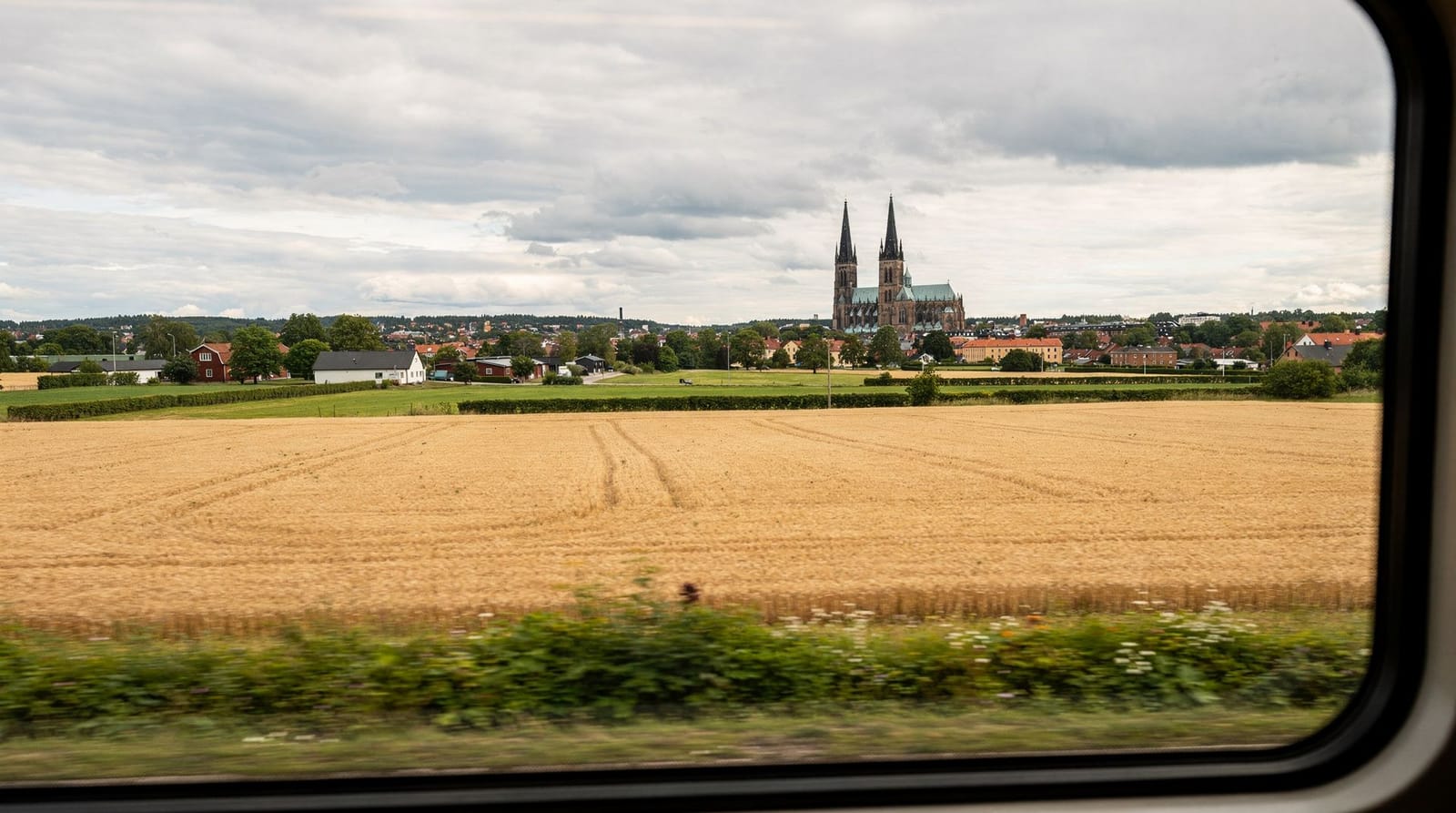
| Uppsala day trip | History and a university town | ~40 min by train | Urban, cultural, less nature |
If the appeal of Tyresta is specifically the forest rather than the hike itself, the hiking near Stockholm overview covers shorter, closer alternatives, and the day trips from Stockholm overview puts Tyresta in context against the archipelago and historic towns. Under allemansrätten, the same right-to-roam principles that apply in Tyresta also apply across most of Sweden’s countryside, including the archipelago islands.
Guided hiking tours
Book the Tyresta sunset hike with meal Book the Tyresta wildlife tour with dinner and short hikeGuided sunset and wildlife tours to Tyresta are run by Stockholm operators, typically in the late afternoon with a meal at the end — a good option if you want historical and ecological interpretation alongside the hiking. The wildlife-focused tours are particularly effective in the early morning, but the sunset versions are more popular with visitors.
Book an into-the-wild sensorial woods experienceFor visitors who want a slower, more sensory introduction to the forest rather than a straight hike, this guided sensorial-woods format is a gentler alternative to the full 9 km loop.
How to pace the day
The most common mistake in Tyresta is walking too fast. The forest rewards slowing down: stop where the canopy opens, look at the fallen trunks, listen. Treat the Urskogen loop as a walk with long pauses rather than a route to be completed, and the half day will feel full rather than rushed. Starting early also means the trails are quieter and the light under the old pines is at its best.
A simple rhythm works well. Walk the first part of the loop steadily while your legs are fresh, take your packed lunch by the water at Mörtsjön, then spend the return leg at a slower pace before finishing with a coffee at the village if the café is open. Keep the last bus home in mind and leave yourself a comfortable margin, since a missed connection is the one thing that can turn a relaxed day into a stressful one.
Combining Tyresta with the rest of your trip
Tyresta works best as a counterweight to museum-heavy days. If you have spent a morning at the Vasa Museum or queued for ABBA The Museum, a day among the trees resets the pace of a city break. Visitors planning a longer stay will find it slots naturally into the three-day overview or the five-day complete itinerary as a quiet day between busier ones.
Families can lean on the Stockholm with kids family guide when deciding how much walking is realistic, and the Stockholm 4-day itinerary with archipelago shows how a forest day and a boat day can complement each other rather than compete. If the weather turns, the rainy day museum guide is the fallback, and the what to pack guide helps with the layers and footwear that make a damp forest day comfortable.
Nature-minded travellers who want a second outdoor day can also look at the Stockholm archipelago complete guide, the Grinda day guide or the wider archipelago day trip comparison, which approach the same appetite for quiet and open space from the water instead of the forest. For getting around on the day, the SL pass guide and the public transport explained page cover how tickets work across metro and bus. A first-timer who wants the full picture can start from the Stockholm destination page.
Seasonal considerations
Spring (April–May): The forest floor comes to life with wildflowers before the canopy leafs out — good lighting for photography, cool walking conditions. Mud paths in April. Bus service to the park resumes on a fuller schedule.
Summer (June–August): Best weather but significant mosquitoes in June and July, especially near the wetland areas. Insect repellent is essential. Long daylight hours make an evening hike possible after 18:00 when the worst mosquito activity decreases.
Autumn (September–October): The most visually dramatic season. Birch and aspen turn golden and orange against the dark pine trunks. Mushroom foraging (under allemansrätten) is a popular autumn activity — chanterelles, porcini, and various other species grow well in old-growth forest conditions.
Winter (November–March): The park is beautiful in snow but several trails become icy and difficult without proper footwear. The short daylight hours (6–7 hours in December) limit hiking time. The bus schedule reduces in winter.
Allemansrätten in Tyresta
The Swedish right to roam (allemansrätten) applies in Tyresta National Park — you can walk anywhere, pick berries and mushrooms (for personal consumption), swim in the lakes, and camp in unmarked areas overnight (not within the village or designated sensitive zones). This right comes with responsibilities: leave no trace, light no fires during dry weather, and stay at least 150 metres from private dwellings.
The park’s own rules supplement allemansrätten in specific ways: no dogs in the core old-growth zone during certain seasons, no off-trail cycling in sensitive areas. Signage in the park is clear.
Practical information
| Detail | Information |
|---|---|
| Distance from Stockholm | 20 km south |
| Transport | T-bana to Gullmarsplan + Bus 807 (~40 min) |
| Cost | SL pass covers transport; park entry free |
| Main trail | Urskogen loop, 9 km, 3–4 hours |
| Facilities | Café and info centre at Tyresta village (summer) |
| Best season | May–October (summer for weather, autumn for colour) |
| Camping | Permitted under allemansrätten (designated areas) |
Frequently asked questions about Tyresta National Park
What makes Tyresta special compared to regular Swedish forests?
Tyresta has old-growth boreal forest with trees over 300–500 years old, preserved because it was a royal hunting ground. Genuinely rare within 20 km of a European capital.
How difficult are the hiking trails in Tyresta?
The main Urskogen trail (9 km) is moderate — mostly flat on rocky forest paths. No technical sections. Suitable for anyone in reasonable physical condition with appropriate footwear.
Is Tyresta suitable for children?
Yes — appropriate for children who can walk 5–9 km. The ancient forest with large fallen trees and rock formations is visually engaging. A pushchair is not practical on rocky paths.
What wildlife can I see in Tyresta?
Roe deer, foxes, hares, woodpeckers, owls, and numerous forest birds. The beetle and fungal diversity characteristic of old-growth boreal habitat. Large mammals exist in the region but are rarely encountered on standard day hikes.
What should I bring for a Tyresta hike?
Solid hiking shoes, full water bottle, food, insect repellent (June–July), a waterproof layer, and a downloaded offline map of the park trails.
Top experiences
Bookable activities with verified prices and instant confirmation on GetYourGuide.