Swedish meatballs in Stockholm: where to eat them honestly
Stockholm: Swedish food & walking tour
Where should I eat Swedish meatballs in Stockholm?
Pelikan in Södermalm (beer hall atmosphere) and Meatballs for the People (more than 20 varieties) are the two most reliable spots. Restaurant Tradition in Gamla Stan is solid for a central location. Skip the tourist-facing meatball restaurants on Västerlånggatan — they charge double for half the quality.
What authentic köttbullar actually taste like
Sweden’s national dish is not complicated — but it is easy to do badly, and Stockholm has no shortage of restaurants doing exactly that for tourists. A genuine plate of köttbullar is a study in balance: small, densely textured spheres of pork-beef mixture seasoned with allspice and white pepper, served in a dark brown cream sauce with lingonberry jam sharp enough to cut through the richness, and pickled cucumber for acidity. The potatoes — mashed or boiled — are not incidental. They absorb the sauce.
| Where | Pelikan or Meatballs for the People, both Södermalm |
| Cost | Check each restaurant’s menu; sit-down plates cost far less than on the Västerlånggatan strip |
| Time needed | 45–60 minutes for a proper lunch or dinner |
| Getting there | T-bana to Medborgarplatsen (green line) |
| Avoid | Västerlånggatan tourist-strip restaurants (280–380 SEK) |
The dish became a national symbol partly because it does not require expensive ingredients, partly because it scales well for large family gatherings, and partly because IKEA exported it globally. That last fact has a downside in Stockholm: it has created an entire tier of tourist restaurants charging 350 SEK for a mediocre version of something you can eat properly for half the price three streets away.
This guide is the honest version.
The restaurants worth going to
Pelikan — the beer hall standard
Blekingegatan 40, Södermalm. Open daily, 11:30–01:00, with the weekday lunch served 11:30–13:30.
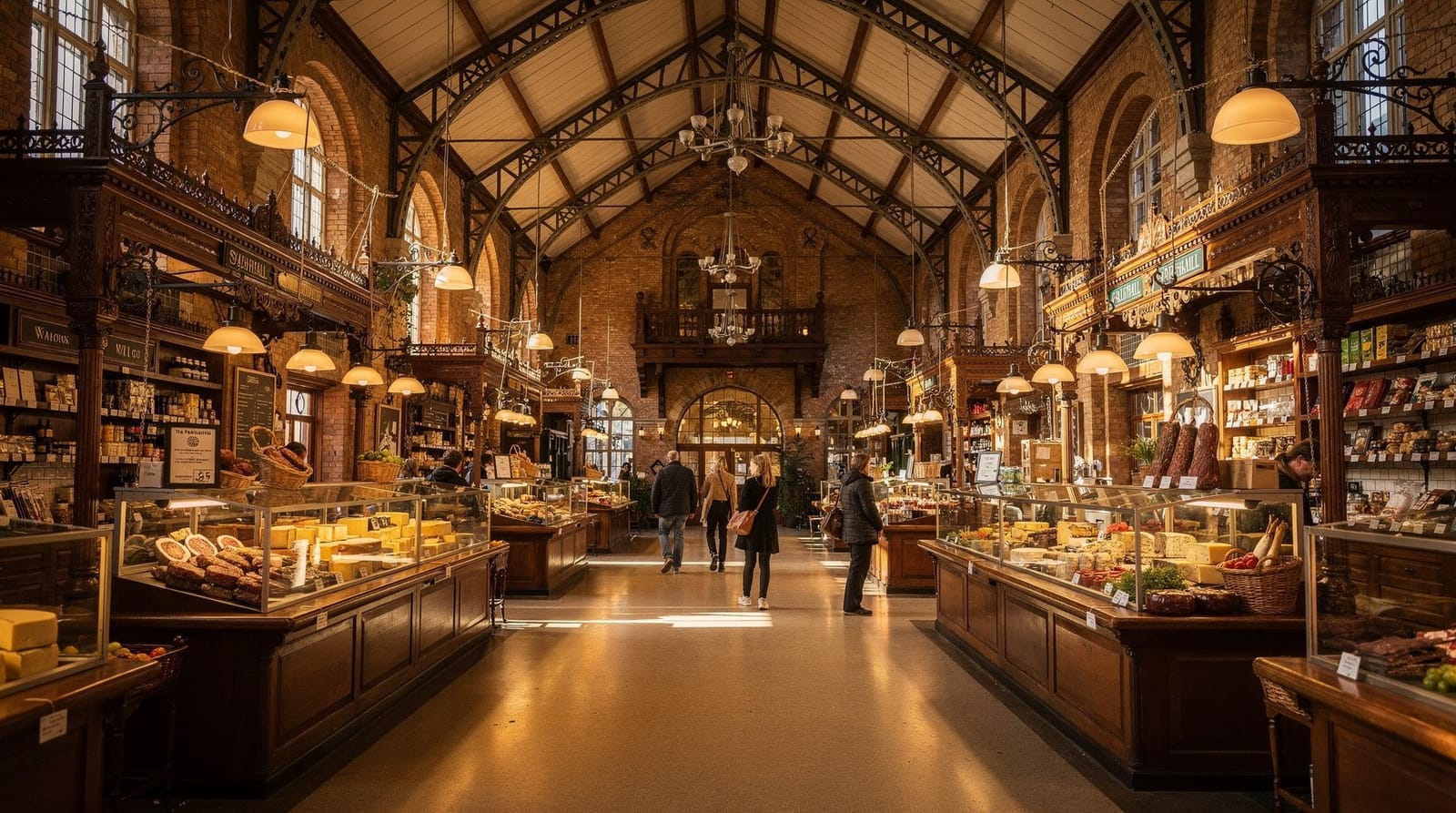
Pelikan has been serving Swedish food in a high-ceilinged, dark-wood beer hall since 1904. The hand-rolled meatballs are the textbook version: well-seasoned, served with proper brown sauce, good lingonberry jam, and fried potatoes. The room is loud, lively, and entirely Swedish — this is not a tourist performance. Locals come here for the food and the atmosphere.
The plate is not revolutionary. It is simply correct, in an environment that enhances the meal. Book ahead for Friday and Saturday evenings.
Verdict: Best overall value for a proper beer hall meatball experience.
Meatballs for the People — the modern version
Nytorgsgatan 30, Södermalm. Open daily (Monday to Thursday and Sunday 11:00–22:30, Friday and Saturday 11:00–24:00); tables can be reserved.
The name is slightly embarrassing but the food is not. This Södermalm spot focuses exclusively on meatballs — the restaurant lists more than 20 varieties, including beef, pork, lamb, game such as moose, wild boar and bear, poultry and fish. It says it chooses suppliers who care about the route of the meat from pasture to plate. The quality is noticeably higher than the average, and the sides (lingonberry, sauce, cucumber) are made properly.
The room is smaller than Pelikan, the atmosphere more café-like. It is a good choice if you want to focus on comparing the variations rather than a full meal.
Verdict: Best quality ingredients, most focused meatball menu.
Restaurant Tradition — central Stockholm option
In Gamla Stan, Restaurant Tradition (Österlånggatan 1) serves a traditional Swedish menu, with a lunch menu on weekdays from 11:30 to 14:30 and à la carte later; it takes cards only. The meatballs are not the single best in Stockholm, but they are honest — seasonal, well-made, and served with the correct accompaniments. The location makes it convenient if you are spending a day in Gamla Stan and do not want to cross to Södermalm.
Check the restaurant’s menu for current prices; the central location tends to push them above those of Södermalm neighbourhood restaurants.
Verdict: Good choice when location matters more than optimising the experience.
Bakfickan — the fine dining version
Jakobs torg 14, next to the Royal Opera. Open Monday to Friday 11:30–22:00 and Saturday 12:00–22:00, closed Sunday; no table reservations, 28 seats. The Opera House restaurants are due to close for a multi-year renovation (Operakällaren closes at the end of December 2026), so check operabaren.se before you plan a visit.
Bakfickan (“the hip pocket”) is the informal sibling of Operakällaren and serves Swedish classics at a U-shaped bar counter and a few small tables. The meatballs here are a fine dining interpretation — smaller, more refined seasoning, served with more precise sauce-to-meat ratios. Prices are higher, but the quality justifies it if you want to compare what a more careful kitchen does with the same dish; check the menu for current prices.
Verdict: Best for comparing traditional vs refined approaches.
Where NOT to eat meatballs
The Västerlånggatan strip
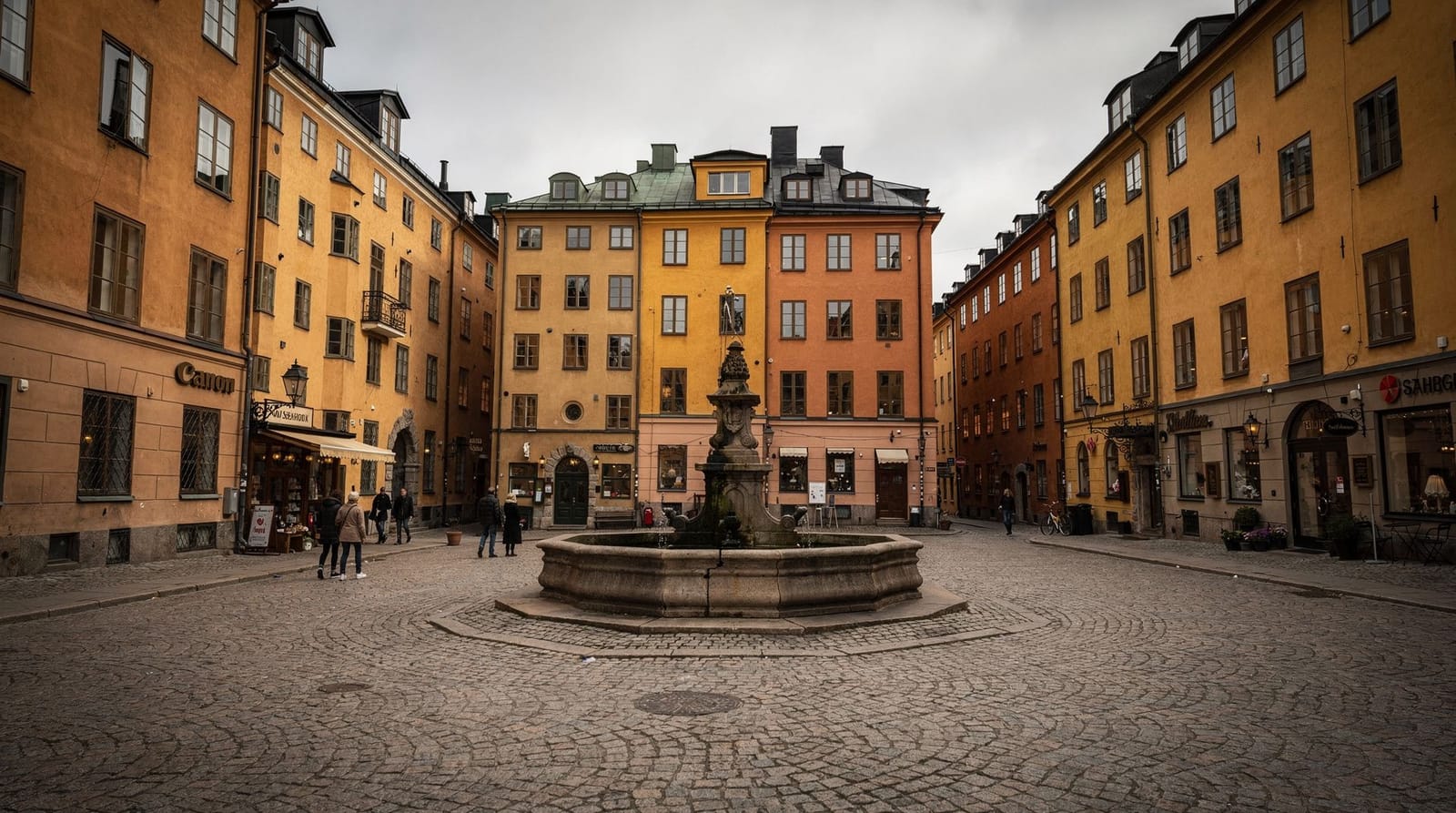
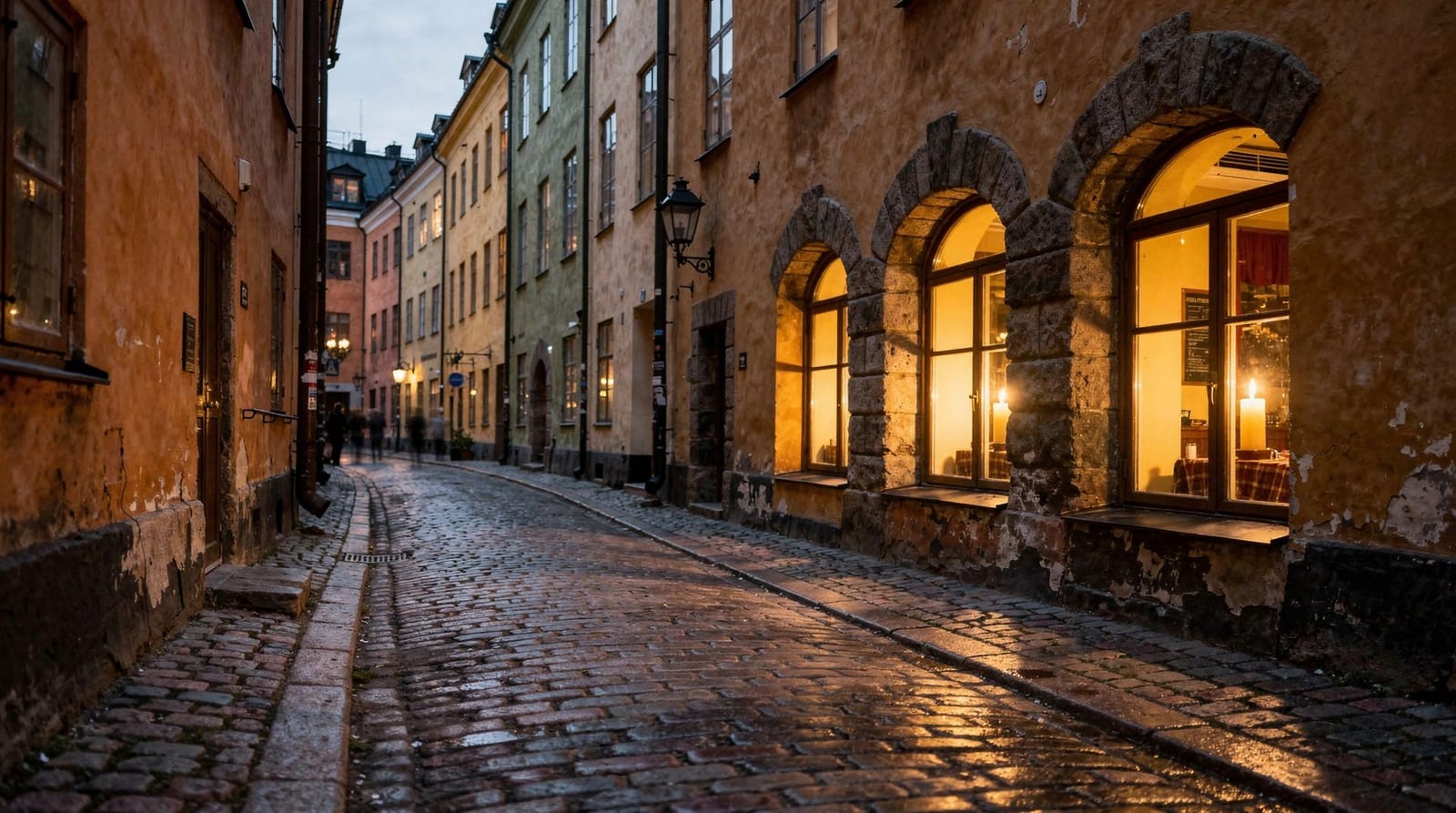
Gamla Stan’s main tourist artery is lined with restaurants offering “traditional Swedish meatballs” at prices of 280–380 SEK with mediocre execution. These restaurants survive on foot traffic, not repeat business. The tourist menus are specifically engineered to look like a deal while charging two to three times the local price for below-average cooking. See the honest guide to Gamla Stan restaurants for the full picture.
Any restaurant advertising “as seen on Instagram”
This is not uniquely Swedish, but Stockholm has several restaurants that exist primarily as visual experiences. The meatballs are props. Move on.
Viking-themed restaurants
If the menu features a cartoon Viking and describes the food as “ancient Nordic feast,” the meatballs will be pre-made. See the broader honest planner guide to Stockholm tourist traps.
The IKEA question
Yes, IKEA makes meatballs available at low prices. The nearest large-format IKEA to central Stockholm is at Kungens Kurva, south of the city. It is a genuine food court option; check ikea.com for the current restaurant menu and prices.
The IKEA meatball is not the same as a restaurant version — the texture is softer, the sauce thinner, the lingonberry jam from a commercial jar. But as a budget option and a cultural curiosity, it has a legitimate place in the Stockholm food experience. Do not make it your primary köttbullar experience, but do not dismiss it either.
Getting to the Kungens Kurva IKEA from central Stockholm takes a bus or metro-and-bus journey, or a short drive; most visitors combine the trip with furniture browsing rather than making it a dedicated food outing. If your itinerary does not already include an IKEA visit, it is not worth a special journey purely for the meatballs when Pelikan and Meatballs for the People are both closer to the main tourist areas and serve a meaningfully better plate.
Meatballs as part of a food tour
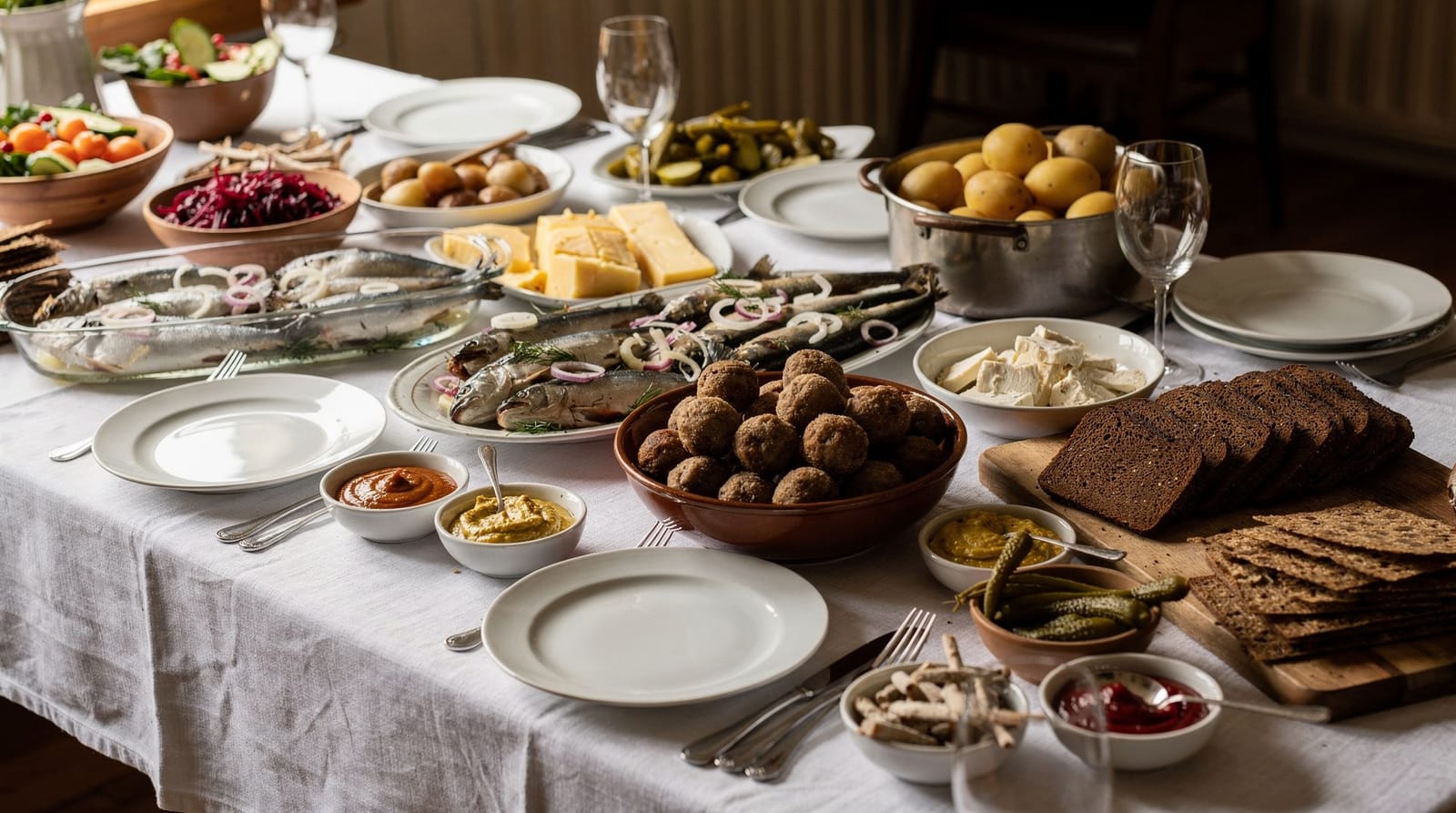
If you want to eat meatballs as part of broader Swedish food exploration — herring, gravlax, crispbread, schnapps — a guided food walking tour covers more ground with less planning.
Join a Swedish food and walking tourSeveral operators run Gamla Stan and Södermalm food tours that include a meatball tasting alongside other Swedish classics. The advantage is context — a guide explaining the cultural significance of each dish while you eat it changes the experience.
Book the Old Town food tour with 7 tastingsIf you would rather compare dishes than follow a guide, the food tour guide lays out how the different formats work, and the Gamla Stan neighborhood deep dive helps you plan where to eat around the old town’s lanes.
Cooking classes and take-home recipes
Stockholm has a small but growing market for Swedish cooking classes. Several operators offer half-day sessions where you make köttbullar from scratch — useful if you want to replicate the dish at home. These are listed on activity booking platforms and are more expensive than simply eating at a restaurant (typically 800–1200 SEK per person), but a different kind of experience.
Meatballs beyond lunch and dinner
Köttbullar is not exclusively an evening or lunch main course in Stockholm — it turns up in more contexts than visitors expect. Some cafés serve a smaller köttbullar plate as a heartier alternative to a pastry, closer to brunch food than dinner; this is uncommon but worth knowing if you are working through the city’s breakfast scene and want something more substantial than crispbread. More broadly, the dish sits within Stockholm’s wider food culture covered in the Södermalm food scene guide, which places Pelikan and Meatballs for the People alongside the neighbourhood’s other standout kitchens.
Understanding the dish in context
Köttbullar are Sunday dinner food — the Swedish equivalent of the Italian ragu or the British roast. They appear at family tables, in school canteens, at Christmas smörgåsbord, and at crayfish parties (in a supporting role). Understanding this context makes the restaurant experience richer.
The lingonberry accompaniment is not a garnish. Lingonberries (lingon) are genuinely Swedish — they grow wild across Scandinavia and have been harvested for centuries. The jam cuts the richness of the cream sauce in a way that cranberry or redcurrant cannot replicate. When you encounter a restaurant serving sweet chilli sauce or ketchup instead, that is your signal to lower expectations.
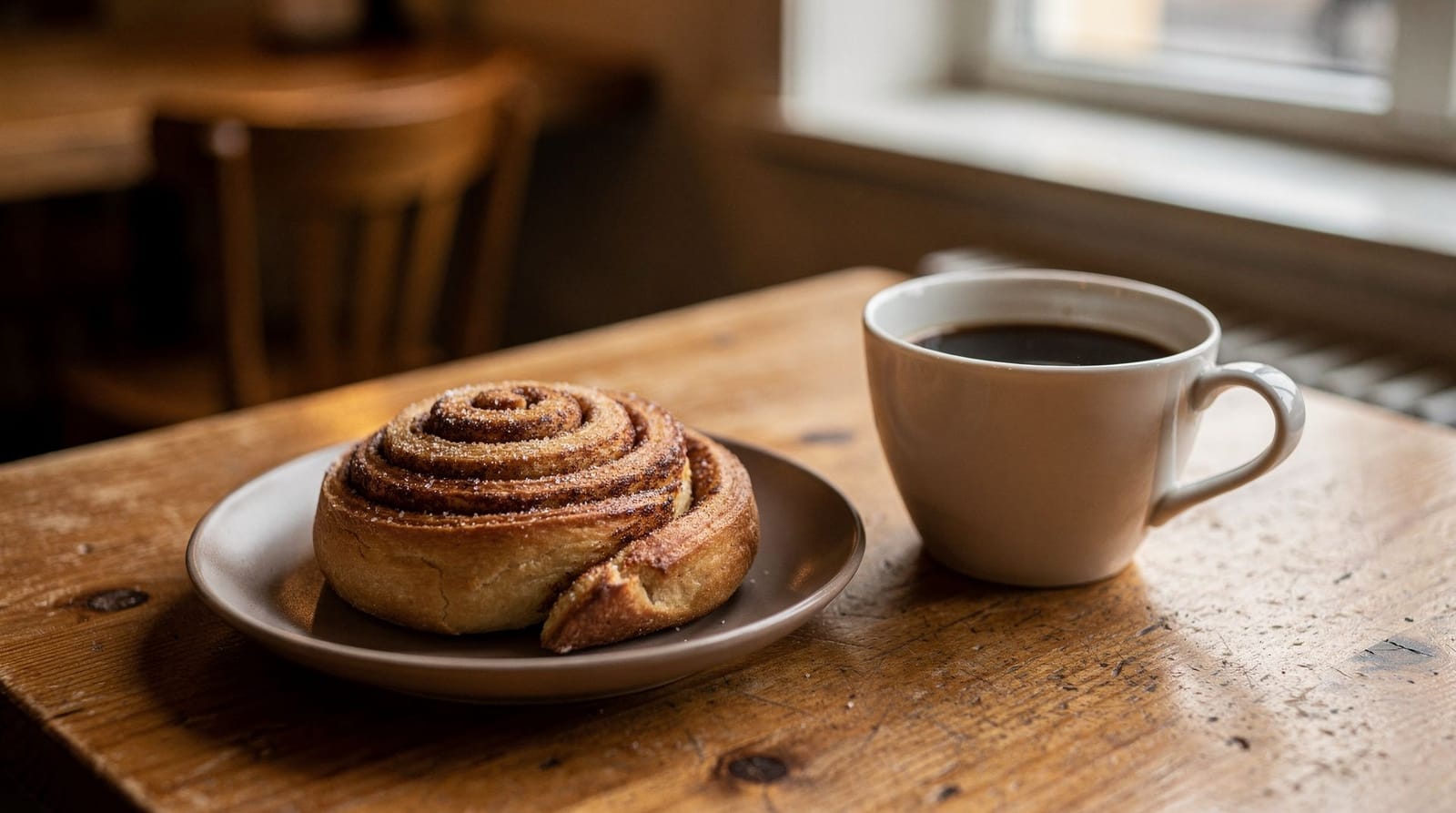
Meatballs pair naturally with the rest of the city’s café and pub culture. A fika stop is the usual way to follow a heavy lunch, and the cinnamon bun guide covers the sweet side of the same tradition. If you want a beer with your plate, the craft beer guide is a good place to start.
Seasonal variations
The core köttbullar recipe does not change seasonally, but the menu context does. At Christmas, meatballs appear on the julbord (Christmas table) alongside dozens of other dishes — in this context they are smaller and the portion is different because you are grazing, not having them as a main. During the crayfish season (August–September), they appear as a secondary dish. In summer, outdoor restaurants in Djurgården and Södermalm serve them with new potatoes.
For the full seasonal picture of Swedish food traditions, see the crayfish party guide and the smörgåsbord guide.
Practical planning
Best time to visit Pelikan: Weekday lunch (11:30–13:30) for shorter waits and a calmer atmosphere. Book ahead for Friday and Saturday evenings.
Fitting it into your trip: a meatball lunch slots easily into a day on Södermalm, so the Södermalm neighborhood deep dive and the Södermalm walking tour guide are useful companions. For the wider picture of what to spend, see the Stockholm daily budget guide, and for a first-time overview see the 3-day first-timer itinerary.
Getting to Södermalm: T-bana to Medborgarplatsen (green line) puts you close to both Pelikan and Meatballs for the People. The walk between them is 10 minutes.
Budget: Check each restaurant’s menu for current prices, and leave room for a dessert (dammsugare or kladdkaka are the standard endings to a Swedish meatball lunch).
Frequently asked questions about Swedish meatballs in Stockholm
Are Swedish meatballs actually from Sweden?
Yes — despite the famous joke about IKEA, köttbullar are genuinely Swedish. The claim that they originated in Turkey via King Charles XII is a legend, not history. Swedish meatballs have been documented in Swedish cookbooks since the 18th century. They differ from other European meatball traditions in the use of allspice and the accompaniment of lingonberry jam and cream sauce.
What makes authentic Swedish meatballs different from IKEA meatballs?
Authentic köttbullar use a mix of pork and beef (sometimes veal), seasoned with allspice, onion, and breadcrumbs soaked in cream. They are served with a brown cream-based gravy, lingonberry jam, and pickled cucumber. IKEA’s version has drifted toward a more generic European meatball — blander spicing, less cream in the sauce. A proper plate at Pelikan tastes noticeably different.
How much should I pay for meatballs in Stockholm?
Check the restaurant’s menu for current prices. Anything above 280 SEK for a standard portion is tourist pricing, while a price far below the neighbourhood norm at a sit-down restaurant should raise questions about quality.
Can I get meatballs at IKEA in Stockholm?
Yes — the IKEA at Kungens Kurva, south of the city, has an in-store restaurant serving their version at low prices. It is a legitimate experience in its own right, worth doing if you are going to IKEA anyway. But it should not be your primary Swedish food experience in Stockholm.
What are köttbullar served with traditionally?
Traditional service: brown cream sauce (gräddsås), lingonberry jam, pickled cucumber (pressgurka), and boiled or mashed potatoes. The combination of sweet lingonberry, creamy sauce, and savoury meat is the defining flavour profile.
Top experiences
Bookable activities with verified prices and instant confirmation on GetYourGuide.