Fika culture in Stockholm: more than just coffee and cake
Stockholm: guided fika tour
What is fika and where should I do it in Stockholm?
Fika is Sweden's daily ritual of stopping for coffee and a pastry — but the point is the social pause, not the caffeine. The best cafés in Stockholm: Vete-Katten (Norrmalm, classic since 1928), Café Saturnus (Östermalm, enormous cinnamon buns), Pascal (Mariatorget, modern), Drop Coffee (Södermalm, third wave). Allow 30–45 minutes minimum — rushing a fika defeats the purpose.
What fika actually means
Every guide to Sweden mentions fika. Most describe it incorrectly as “a coffee break.” The word does mean something like that in the dictionary, but the cultural reality is more specific.
Fika is a structured social pause built around coffee and something sweet. The crucial element is the social one: you do it with someone, you talk, you are not looking at your phone, and you are not hurrying. The Swedish psychologist and author Jan Sturesson has written about fika as a productivity mechanism — the afternoon pause that prevents the kind of grinding exhaustion that comes from working without genuine rest. Swedish workplaces take this seriously. The 10:00 and 14:30 fika breaks in many offices are not optional extras but understood parts of the working day.
For visitors, the practical implication is this: when a Stockholm resident invites you for fika, they are not offering you a beverage. They are offering you time and conversation. Accept with the same weight you would give a dinner invitation.
| What | Coffee plus a pastry, taken slowly with company |
| Cost | Around 70–100 SEK per person |
| Time needed | 30–45 minutes minimum |
| Best time | Mid-morning (10:00–11:00) or mid-afternoon (14:30–15:30) |
| Where | Norrmalm, Östermalm and Södermalm all have strong options |
The fika pastry hierarchy
Kanelbulle — the default
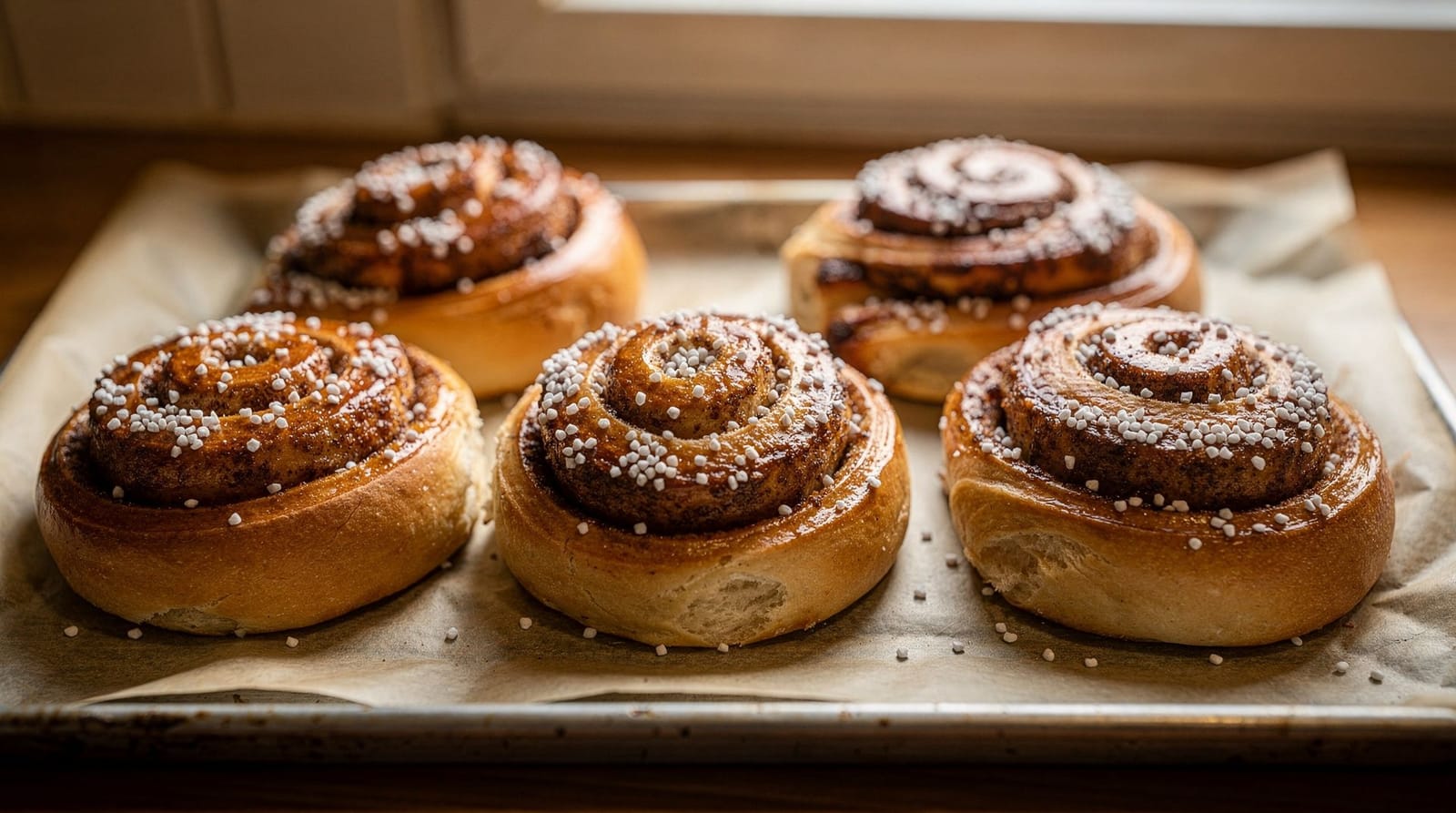
The kanelbulle (cinnamon bun) is Sweden’s default fika pastry. It is not the same as the American cinnamon roll — the Swedish version uses cardamom in the dough, which gives it a spiced, slightly floral flavour underneath the cinnamon filling. The texture should be soft but not doughy, the glaze light, and the cardamom detectable.
4 October is National Kanelbulle Day in Sweden (Kanelbullens dag). On this date, cafés produce extra batches and bakeries sell out by mid-morning.
The complete guide to finding the best kanelbulle is in the dedicated cinnamon bun guide.
Semla — February to March only
The semla is a cardamom-spiced wheat bun filled with almond paste and whipped cream, served with the top cut off like a lid. It is available only from January until Mardi Gras (Fat Tuesday, Fettisdagen), typically late February or early March. If you are in Stockholm during this window, eating a semla is not optional — it is the most important seasonal baked good in the Swedish calendar.
Demand is intense enough that bakeries regularly sell out by 11:00 on the final days of the season.
Prinsesstårta — year-round celebration cake
The prinsesstårta (princess cake) is a dome of sponge, cream, and jam covered in smooth green marzipan. It is celebratory fika — birthday parties, office celebrations, graduation days. Ordered at cafés in individual slices, it is visually distinctive and tastes primarily of cream, vanilla, and marzipan.
Mazarin — the underrated choice
The mazarin is an almond tart in a shortcrust shell. Less famous than the kanelbulle but equally traditional, it appears consistently on good fika café menus. It pairs better with black coffee than the kanelbulle if you find cinnamon buns too sweet.
Kardemummabulle — the cardamom bun
The kardemummabulle uses the same twisted dough as the kanelbulle but replaces the cinnamon filling with ground cardamom and butter. More aromatic, less sweet. Increasingly popular in Stockholm’s third-wave coffee scene as a sophisticated alternative to the kanelbulle.
The best cafés for fika in Stockholm
Vete-Katten — Norrmalm (since 1928)
Kungsgatan 55, Norrmalm.
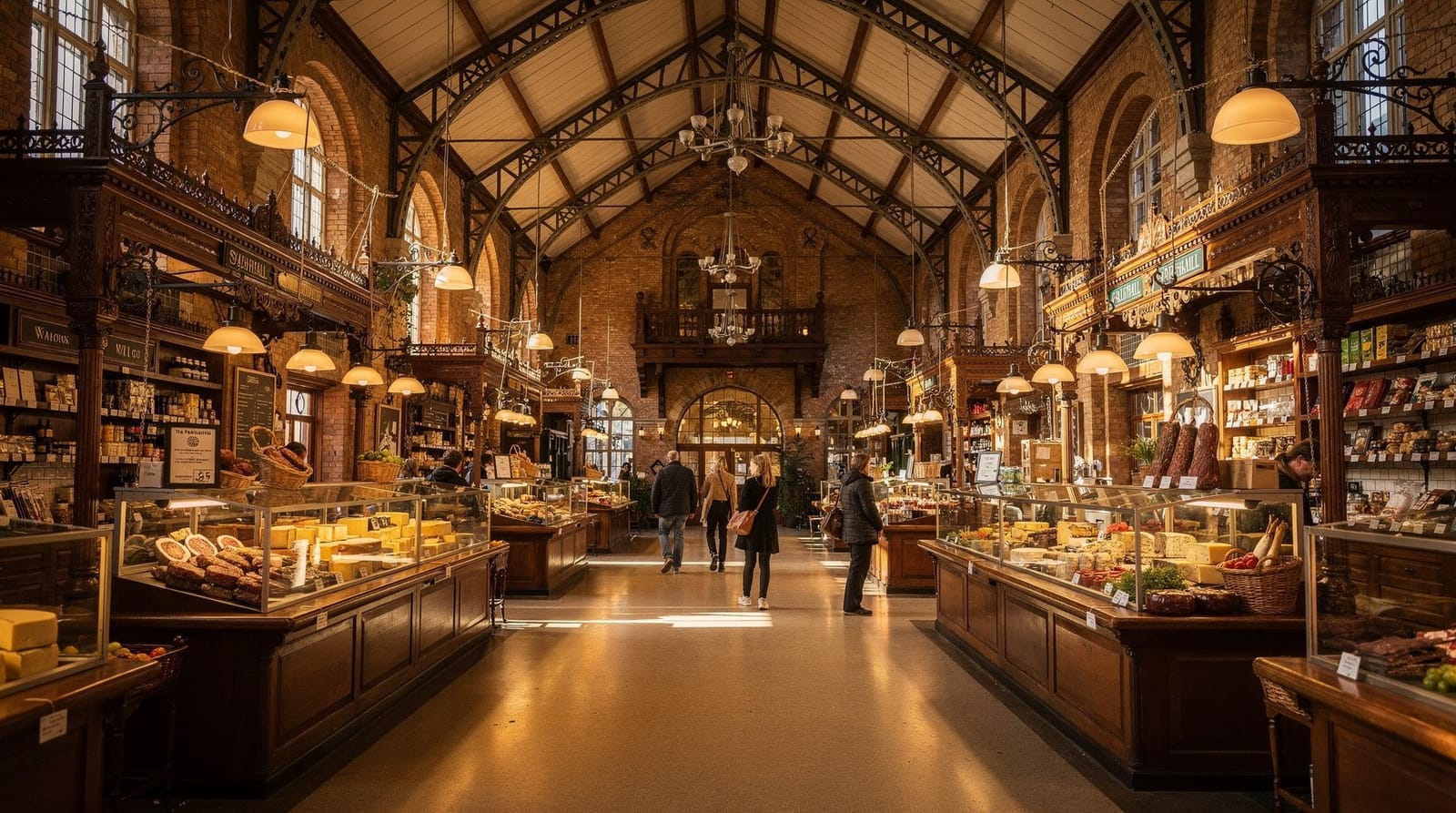
Vete-Katten (“Wheat Cat”) has been operating on the same Norrmalm street since 1928. The interior is a beautiful example of traditional Swedish café design: carved wooden counters, mirrored walls, tiered glass pastry cases. The cinnamon buns are large, properly spiced, and baked in-house. The coffee is traditional filter — not specialty, but correct for the atmosphere.
This is where you go to understand what a Stockholm café looked and felt like for most of the 20th century. It is not chasing trends; it is being itself. Strongly recommended for a first fika in the city.
Expect a small queue on weekend mornings. Tables turn slowly — this is the point.
Café Saturnus — Östermalm
Eriksbergsgatan 6, Östermalm.
Café Saturnus is famous for serving one of the largest kanelbulle in Stockholm. Not just large — engineered to be photogenic, the size of a side plate, scrolled tight and glazed with pearl sugar. The quality matches the scale: properly spiced, soft-centred, not gummy. The café itself is bright and airy, less traditional than Vete-Katten, more neighbourhood bistro in feeling.
The interior fills up fast on weekends. The outdoor tables in summer are among the more pleasant places to sit in Östermalm.
Pascal — Mariatorget, Södermalm
Norrtullsgatan 4 (plus Mariatorget location).
Pascal is the contemporary Stockholm café in its best form — clean design, excellent espresso, pastries made with better-than-average care. The kanelbulle is smaller than Saturnus’s monument-sized version but technically excellent. Pascal is where you go when you want to fika in a way that feels like modern Stockholm rather than historical Stockholm.
The Mariatorget square location, on a warm September afternoon, is one of the better urban sitting experiences in the city.
Drop Coffee — Södermalm
Wollmar Yxkullsgatan 10, Södermalm.
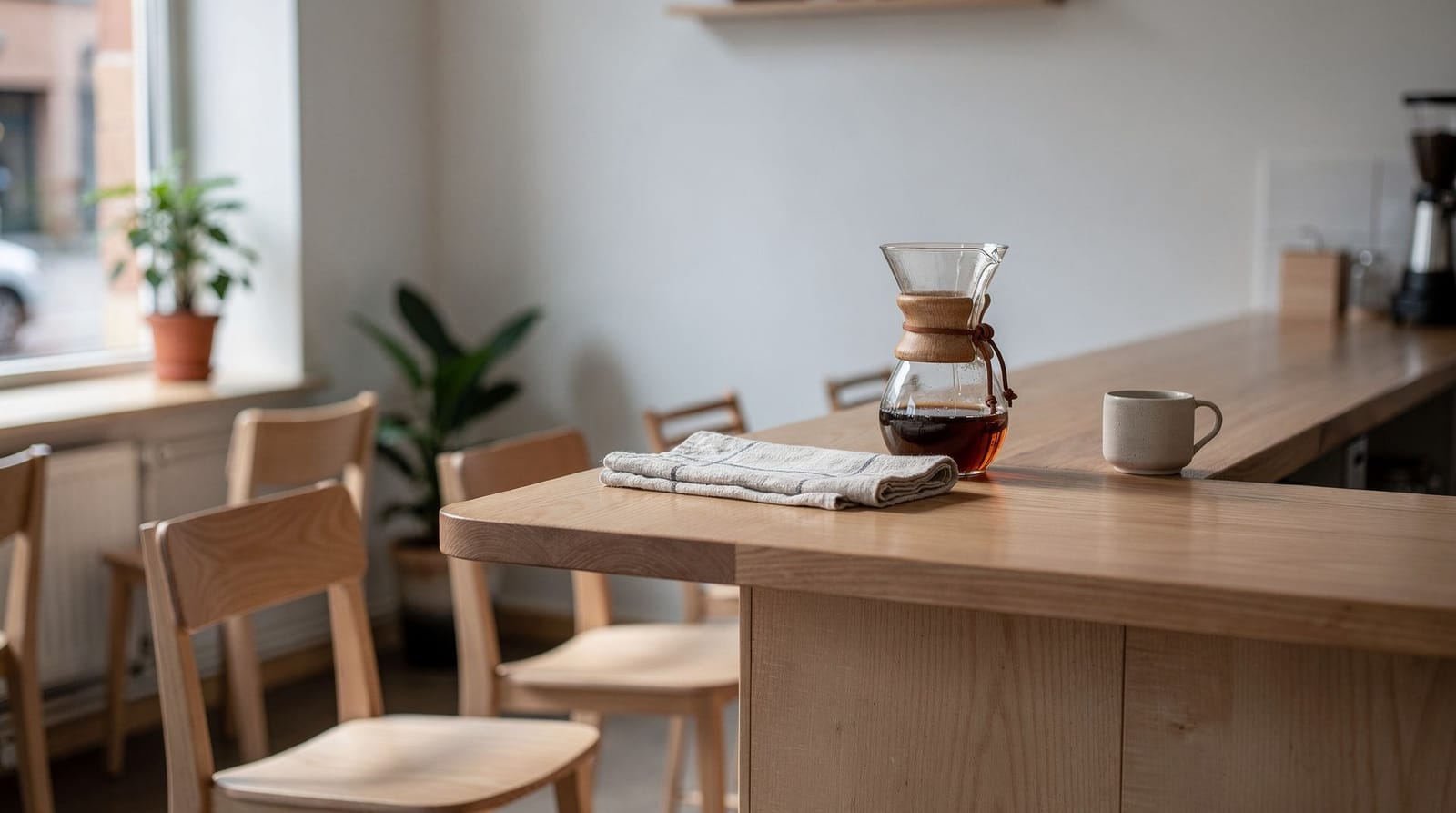
Drop Coffee is Stockholm’s best-known specialty coffee roaster. The approach is third-wave: single-origin beans, filter methods (V60, Chemex, AeroPress), precise extraction. If you care about coffee as a craft object, this is the Stockholm address.
The pastry selection is limited compared to traditional cafés, but what they have is carefully chosen. A kanelbulle here will come from a quality bakery. Drop Coffee is not where you go for the full traditional fika experience — it is where you go when the coffee itself is the priority.
More on the specialty coffee scene: Stockholm’s third wave coffee guide.
Snickarbacken 7 — Vasastan
Snickarbacken 7, Vasastan.
A collective café occupying a former carpenter’s workshop, Snickarbacken 7 is the kind of place that takes Södermalm’s café aesthetic and moves it slightly north into quieter Vasastan territory. The selection changes, the seating is comfortable, and the atmosphere is genuinely local rather than tourist-facing. Recommended for the second or third fika of your Stockholm trip, when you want something away from the usual circuits.
For a wider spread of neighbourhood cafés and bakeries beyond this shortlist, the Södermalm food scene guide covers the island’s full café and restaurant landscape, and pairs well with an afternoon of fika-hopping.
Comparing the fika café styles
| Café | Style | Best for |
|---|---|---|
| Vete-Katten | Traditional, since 1928 | A first, classic fika experience |
| Café Saturnus | Neighbourhood bistro | The biggest kanelbulle in the city |
| Pascal | Contemporary | Modern Stockholm café culture |
| Drop Coffee | Third-wave specialty | Coffee quality over pastry variety |
| Snickarbacken 7 | Local collective | Away from the tourist circuit |
There is no wrong choice here — the differences are in atmosphere and crowd rather than quality. A first-time visitor gets the most representative experience at Vete-Katten or Saturnus; a coffee enthusiast should prioritise Drop Coffee and read the third wave coffee guide first.
How to fika correctly as a visitor
Don’t rush. The expected sitting time at a fika is 30–45 minutes minimum. If you sit down, eat your pastry in seven minutes, and leave, you have had a snack, not a fika.
Order coffee properly. Swedish coffee is traditionally strong filter (bryggkaffe). Ordering a cappuccino at a traditional café is not wrong, but it is slightly beside the point. Order what you normally drink, but know that a bryggkaffe is the culturally aligned choice.
Talk. Or read, or think, but be present. Fika is not eating at your desk; it is a conscious pause.
Don’t split the bill awkwardly. Swedes alternate paying for fika rather than splitting. If you are with a local, do not over-complicate the transaction.
Afternoon timing. The most common visitor error is trying to fika at 12:30 after the lunch rush. Mid-morning (10:00–11:00) and mid-afternoon (14:30–15:30) are the natural fika windows. Cafés are at their best during these hours.
Guided fika tours
If you want a local guide to walk you through the cultural context while visiting three or four cafés, fika-focused walking tours run regularly in Stockholm.
Book a guided fika tour in Stockholm Explore hidden cafés on a fika tourThese tours typically cover two or three neighbourhoods and include tasting stops with commentary on Swedish food culture. They are more useful than solo exploration for someone on a first trip who wants the cultural context explained in real time.
Fika at work: the social dimension
Stockholm’s professional culture expects fika to be collective. Eating a cinnamon bun at your own desk while working is not the same thing — it might even be seen as slightly antisocial in some offices. The social fika is about stepping away from the task.
For visitors, this translates well: when a Stockholm colleague, Airbnb host, or local acquaintance suggests fika, it is a social invitation, not a scheduling detail. The quality of the café matters less than the quality of the conversation.
Fika and Swedish values
The anthropological reading of fika connects it to the Swedish concept of lagom — roughly “just the right amount,” the cultural preference for moderation and the middle path. Fika is the scheduled moderation: a break that is neither too short (skipped entirely) nor too long (a three-hour lunch). It restores enough to continue without over-indulging.
This is not romantic anthropology; it is genuinely reflected in Swedish workplace policy. The right to take breaks is legally protected, and the fika break is specifically named in collective bargaining agreements in some sectors.
Fika as part of a food-focused Stockholm day
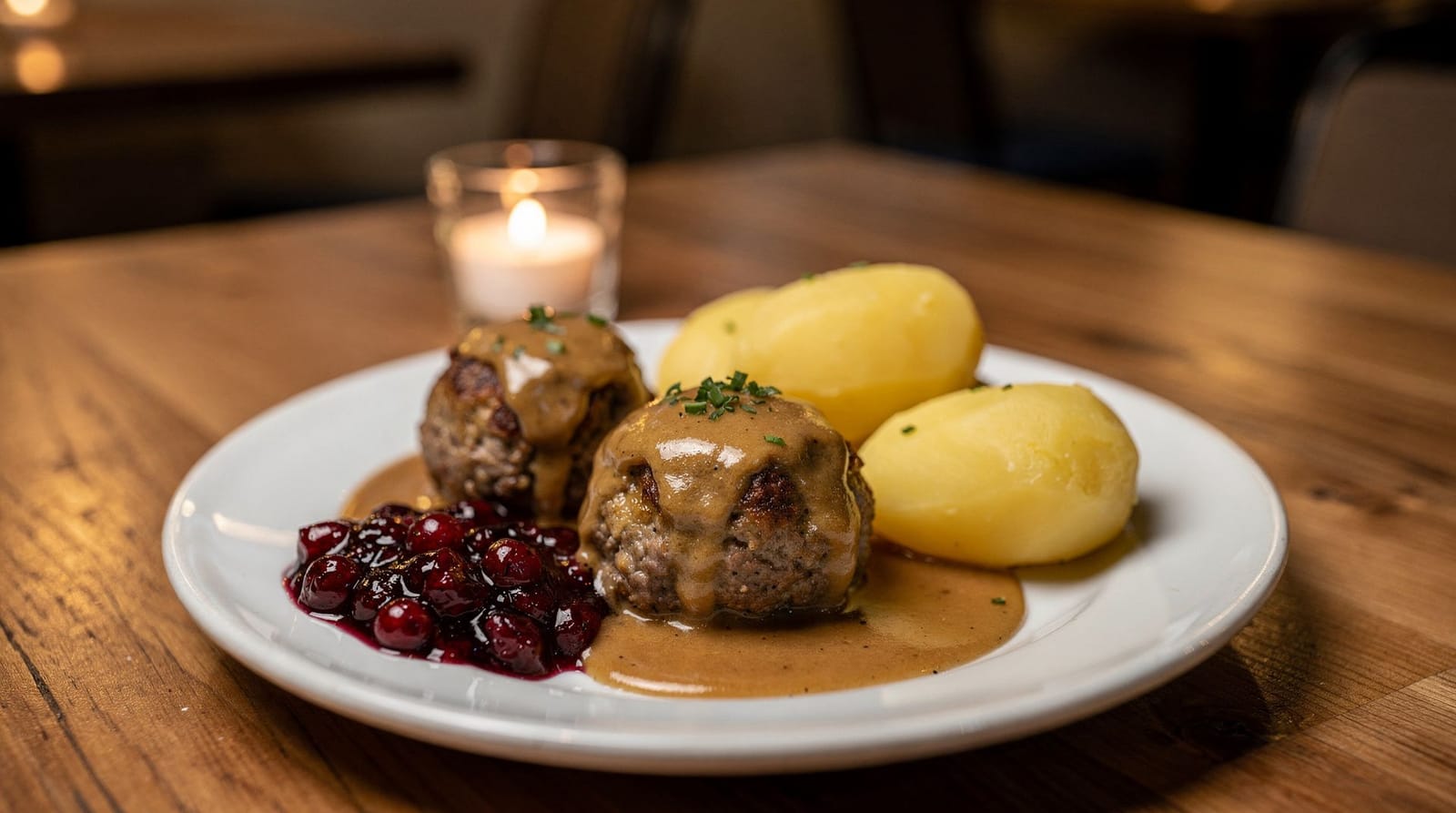
Fika rarely stands alone in a well-planned Stockholm day — it slots naturally between a museum visit and dinner, or as the mid-afternoon pause on a Stockholm food tour that otherwise focuses on savoury dishes like meatballs and herring. If you are building a food-focused day, pair a morning fika with lunch featuring Swedish meatballs, and save a second fika for mid-afternoon when cafés are at their quietest and best. A proper Swedish breakfast beforehand is optional — many Swedes treat the morning fika as their first real pause of the day rather than a full breakfast.
Where fika fits into the rest of your trip
Because a fika is a pause rather than an attraction, it works best when you pin it to a neighbourhood you are already exploring. After wandering the lanes of Gamla Stan, a fika is a sensible way to rest your feet before the next stretch of the Gamla Stan walking tour. Over on the south side, the cafés of Södermalm sit comfortably alongside the Södermalm walking tour, so you can alternate sightseeing and sitting down without crossing the city.
Museum days are another natural home for it. A slow coffee between the exhibits at the Vasa Museum or on a day around Djurgården breaks up the standing and walking, and on a wet afternoon the rainy-day museum guide is a good companion for choosing which indoor stop to pair with a café.
If you are building a full itinerary, the three-day first-timer itinerary leaves room for exactly this kind of unhurried stop, and the overview of three days in Stockholm shows how to space the pauses so the day does not feel crammed. For a sense of what other visitors found, the blog’s best fika spots write-up is a personal, opinionated companion to this guide.
Frequently asked questions about fika culture in Stockholm
How many times a day do Swedes have fika?
Most working Swedes take fika 2–3 times daily: mid-morning around 10:00, after lunch around 14:30, and sometimes an evening version at home. In many Swedish workplaces, the morning fika break is institutionalised and close to mandatory in some offices.
Is fika just coffee and cake?
The physical components are coffee and a pastry. What makes it fika rather than just a coffee break is the social context: it is done with others, conversation is expected, and the pace is deliberate. Eating a pastry alone while checking your phone is not really fika.
What is the best pastry to order at a fika?
The kanelbulle is the default. The Swedish version uses cardamom in the dough. For a seasonal option: the semla (February–March only) is unmissable. The prinsesstårta is available year-round for a celebratory occasion.
Do Stockholm cafés expect you to leave quickly?
No. Swedish café culture actively discourages rushing. Lingering for 45 minutes to an hour is entirely normal. You will not be pestered for the bill.
What is the difference between fika and Swedish afternoon tea?
Fika is not afternoon tea. There is no formal service structure. Fika is egalitarian and less ceremonial — the social pause matters more than the presentation.
Top experiences
Bookable activities with verified prices and instant confirmation on GetYourGuide.