Södermalm food scene: Stockholm's best neighbourhood for eating
Stockholm: bohemian Södermalm island walking tour
Duration: 1.5 hours
Why is Södermalm the best neighbourhood for food in Stockholm?
Södermalm has Stockholm's highest concentration of genuine neighbourhood restaurants, independent cafés, and food-focused bars. Unlike Gamla Stan (tourist-facing) or Östermalm (expensive), Södermalm serves a local professional clientele that demands quality and value simultaneously. Nytorget and Mariatorget are the two main food squares; Hornsgatan and Götgatan are the main food streets.
| Where | Nytorget, Mariatorget, Hornsgatan, Götgatan |
| Cost | Lunch specials ~120–150 SEK; dinner mains ~185–320 SEK |
| Time needed | 2 hours for a self-guided walk between the main squares |
| Getting there | T-bana to Medborgarplatsen or Mariatorget (green line) |
| Best time | Weekday lunch for value; book ahead for Fri/Sat dinner |
Why Södermalm is Stockholm’s food neighbourhood
Every major city has a neighbourhood where the best food is not the most famous — where the concentration of genuinely good independent restaurants, the clientele that holds them to high standards, and the rents that allow creativity (rather than the premium pricing necessary to survive in tourist areas) combine to make eating better than anywhere else in the city. In Stockholm, that is Södermalm.
Södermalm (“Söder” to everyone who lives there) occupies the island immediately south of Gamla Stan. It has a hillier, slightly scruffier character than central Stockholm, a strongly creative and professional residential population, and a food scene that has evolved from counterculture (the neighbourhood’s leftist, artistic roots are well documented) to genuinely excellent neighbourhood dining.
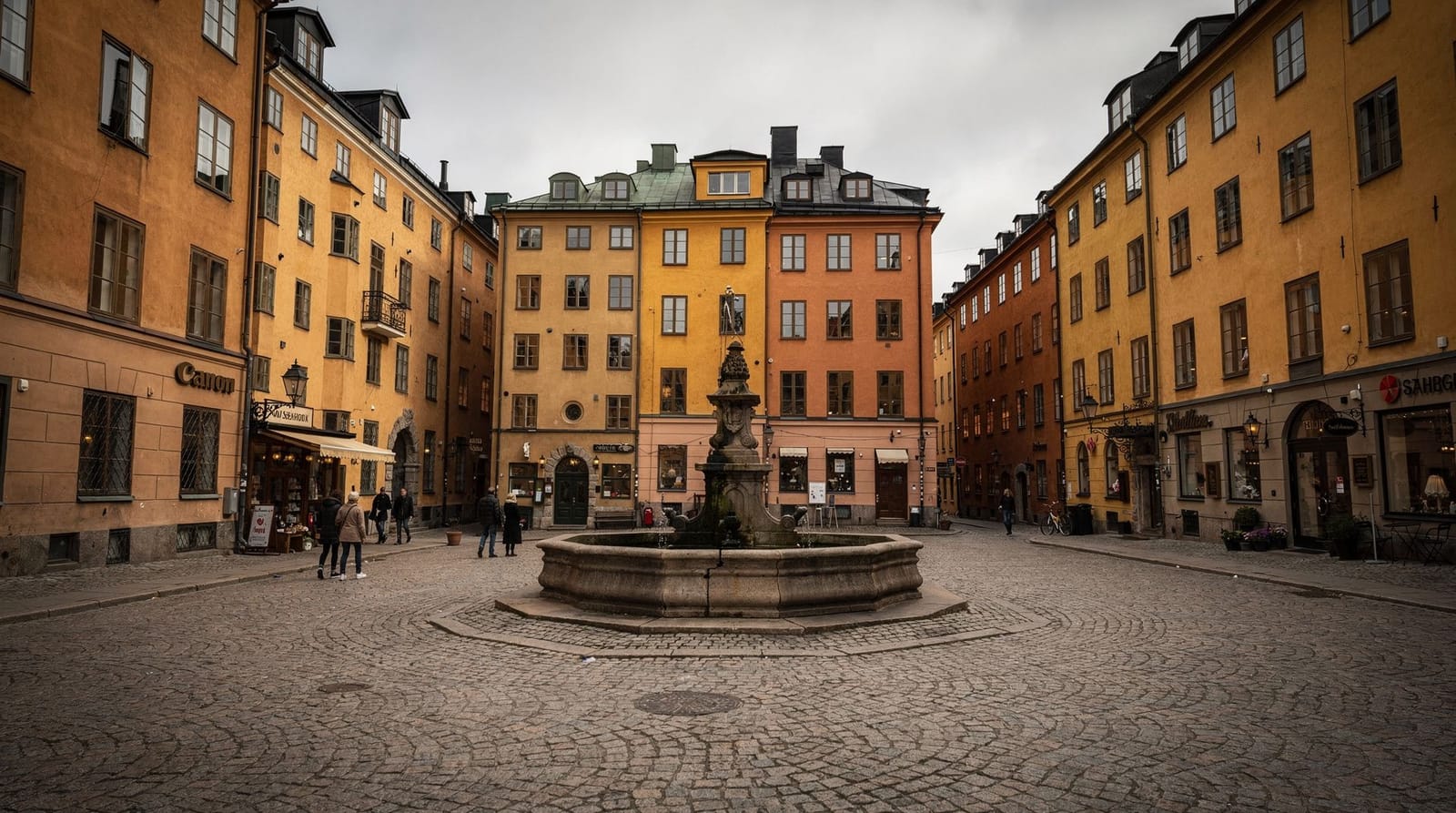
The tourist-facing restaurants that define Gamla Stan’s eating landscape have almost no presence here. Södermalm’s restaurants survive on local customers who return regularly and who know what good food costs. This creates fundamentally different incentives from a Stortorget restaurant surviving on cruise ship day-trippers — see the honest Gamla Stan restaurants guide for which of those tourist-zone spots are still worth it.
If you’d rather explore the neighbourhood on foot before or after eating, pair this guide with the Södermalm neighbourhood deep dive or the Södermalm walking tour guide for the fuller picture of streets, viewpoints, and history alongside the food.
The main food areas
Nytorget and surroundings
The square at Nytorget is Södermalm’s social centre and its food focus. Urban Deli dominates one side — an ambitious deli-restaurant-bar hybrid that draws Stockholm’s professional class for weekend brunch and weekday lunch. The quality is high and the prices reflect it. The deli section stocks Swedish and international food products worth browsing even if you are not eating.
Around Nytorget: several independent cafés, natural wine bars, and casual dinner restaurants occupy the surrounding streets. This is the place to wander in the early evening and choose based on what looks good rather than research.
Mariatorget
The western Södermalm square, Mariatorget, is more residential and slightly quieter than Nytorget. The restaurants and cafés here tend to be slightly more established — the cafés around the square are good for fika; several dinner restaurants in the surrounding streets have been running for 10+ years and are entirely reliable.
The T-bana station (Mariatorget) gives this area slightly better transport connections than Nytorget’s 10-minute walk from Medborgarplatsen.
Hornsgatan — the food artery
The main east-west street through Södermalm runs from Hornstull in the west to Slussen in the east. The restaurant concentration is highest in the middle section between Mariatorget and Medborgarplatsen. Hornsgatan has Stockholm’s best casual dining cluster: small restaurants, natural wine bars, sushi counters, and a few excellent vegetarian options.
Götgatan — the spine
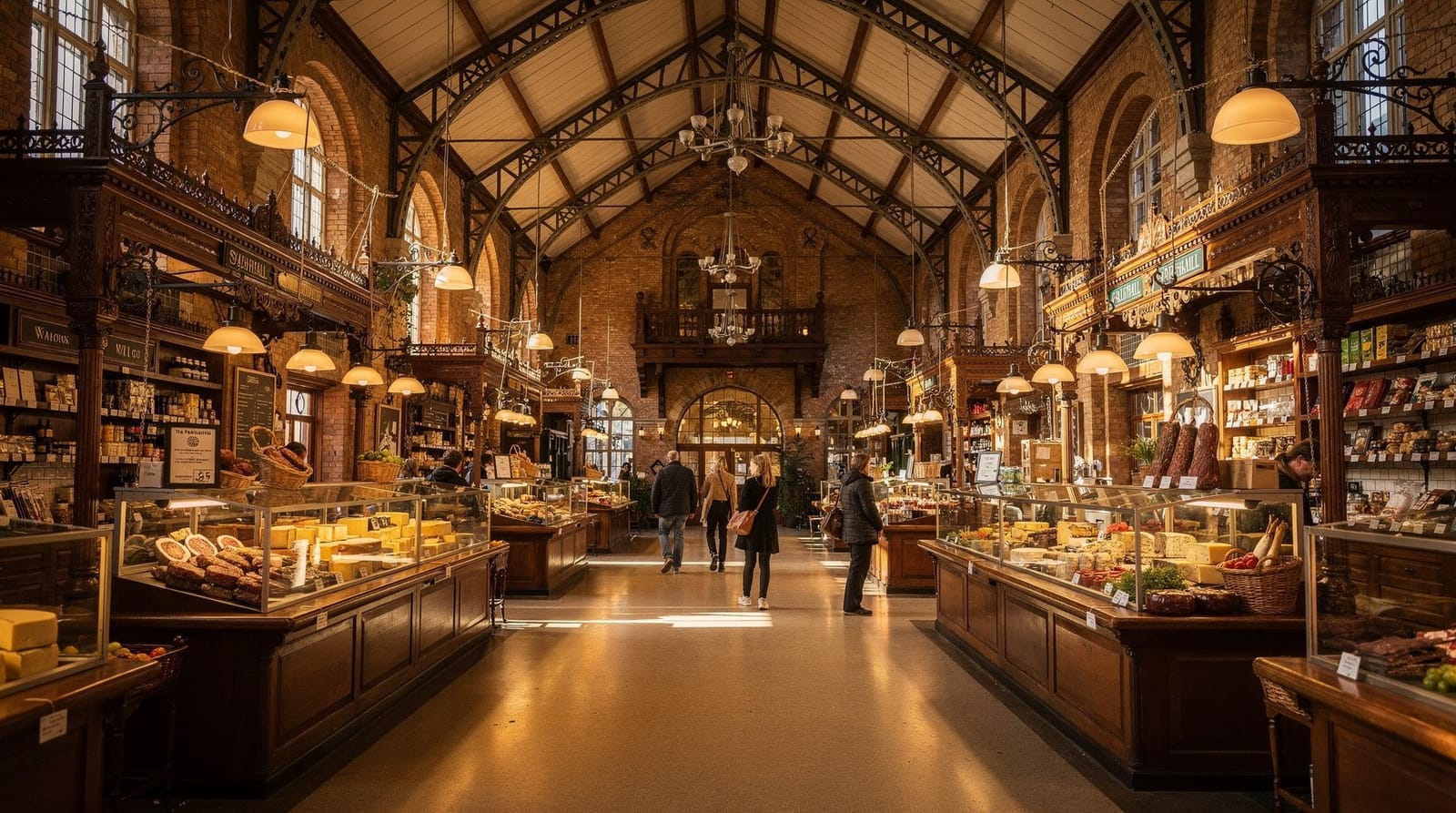
The main north-south street through Södermalm is more retail-oriented but has food establishments throughout. Several good lunch spots, a few fika cafés, and the Söderhallarna indoor food market (Medborgarplatsen end) with food stalls and counters.
Choosing between the squares
If you only have one meal to spend here, the choice between Nytorget and Mariatorget is mostly about mood. Nytorget is livelier, more crowded at weekends, and better for people who like to wander and decide on the spot. Mariatorget is calmer, better for a long unhurried coffee or a dinner where conversation matters. Hornsgatan and Götgatan connect the two, so nothing stops you from starting at one square and finishing at the other. Treat the area as a loose loop rather than a list of must-visit addresses, and let the queue outside a door, full of people speaking Swedish, make some of the decisions for you.
Swedish meatballs in Södermalm
The two most reliable meatball restaurants in Stockholm are both in Södermalm:
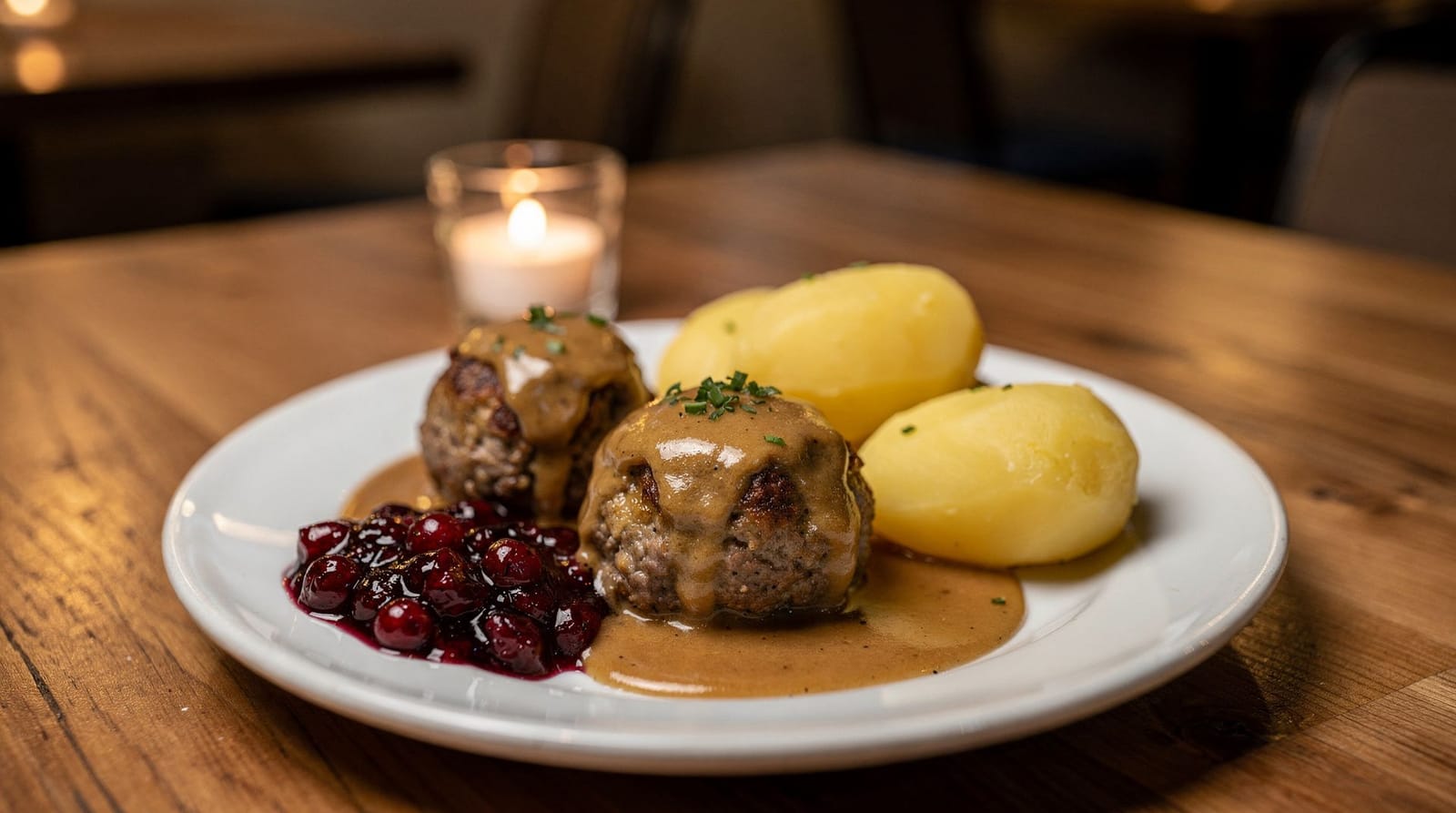
Pelikan (Blekingegatan 40): The 1904 beer hall remains one of Stockholm’s best restaurants for traditional Swedish food. The köttbullar are textbook — properly seasoned, in a correct brown cream sauce, with lingonberry jam that does its job. The room is beautiful: high ceilings, dark wood, the atmosphere of a place that has been feeding people for over a century. Book ahead for weekends.
Meatballs for the People (Nytorgsgatan 30): The focused meatball concept — more than 20 varieties, including beef, pork, lamb, game such as moose and wild boar, poultry and fish — from producers the restaurant chooses for how the meat is raised. Check meatball.se for the menu and prices.
For the full comparison and more detail, see the Swedish meatballs guide.
Coffee in Södermalm
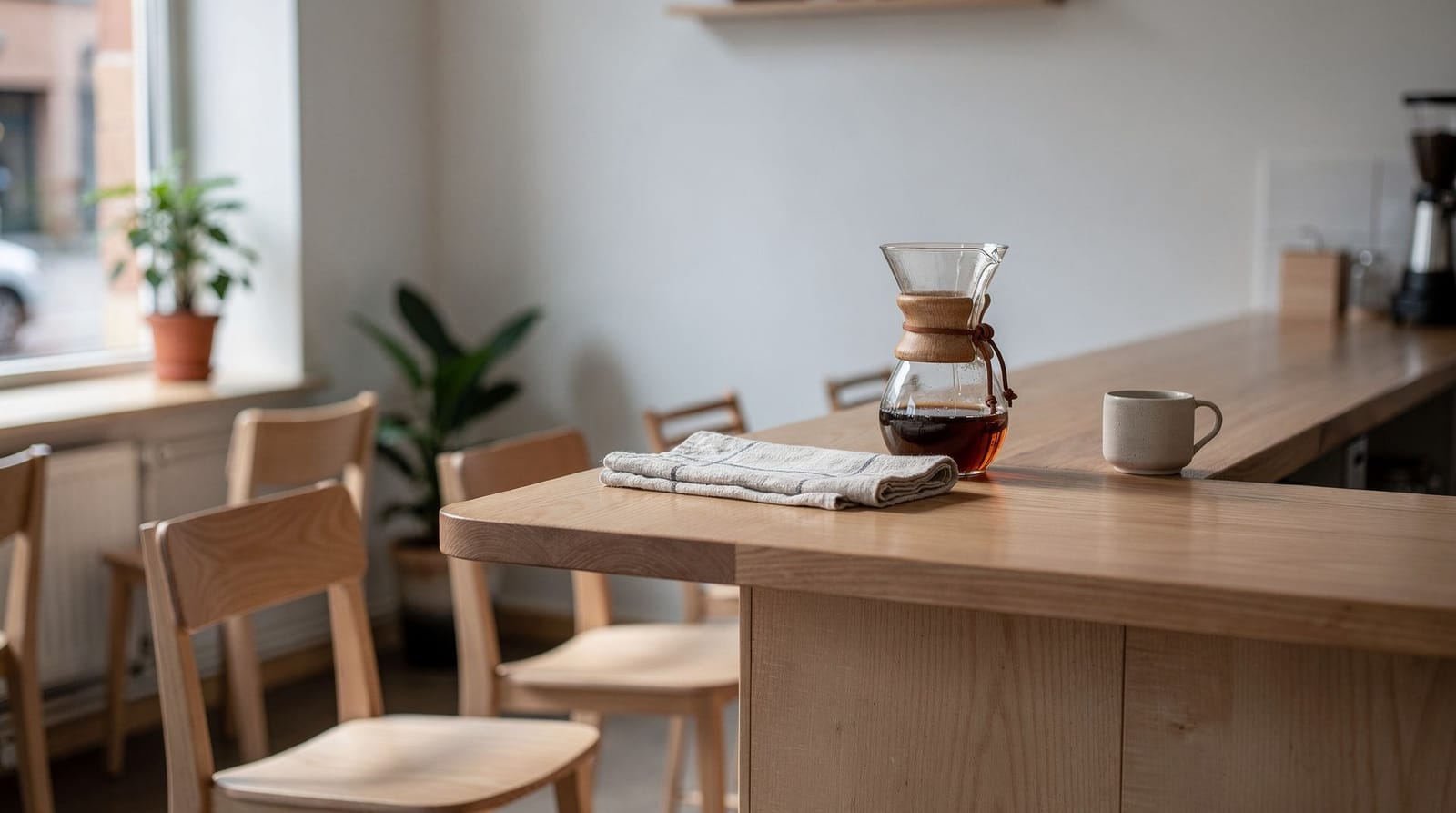
Södermalm is the centre of Stockholm’s third-wave coffee scene. The neighbourhood has a higher concentration of specialty coffee shops than any other part of the city.
Drop Coffee (Wollmar Yxkullsgatan 10): Stockholm’s best-known specialty roaster. Single-origin beans, careful extraction, minimal milk-and-sugar culture. The reference point for Swedish coffee seriousness.
Johan & Nyström (Swedenborgsgatan 7): A Stockholm roaster with a café in Södermalm. Good sourcing, warm atmosphere, slightly more approachable than Drop Coffee’s purist approach.
For the full third-wave picture, see the Stockholm coffee guide.
Natural wine and evening drinking
Södermalm has developed a strong natural wine bar culture over the past decade. Several bars on Hornsgatan and the streets north of Nytorget serve natural wine lists that change weekly alongside small plates. This is the scene for visitors who want to experience Stockholm’s contemporary food culture rather than its traditional one.
Key venues: Tak (rooftop, summer focus), Omnipollo’s Wharf (Hornsgatan), and several unnamed places that open and close regularly — the landscape changes faster than any guide can track.
Vegetarian and vegan eating
Södermalm is significantly better for plant-forward eating than central Stockholm. The neighbourhood’s creative, younger-skewing residential population has supported a market for vegetarian restaurants that would not sustain themselves in Östermalm or Norrmalm.
Hermans (Fjällgatan 23B): Vegan buffet with a Södermalm cliff-top view. The cooking is not Stockholm’s most refined but the setting — a terrace overlooking Djurgården and the waterfront — is excellent. Summer only for full experience.
Lao Wai (Luntmakargatan): Vegan and vegetarian Chinese with serious cooking credentials. Popular enough that booking is necessary.
How to build a food day around Södermalm
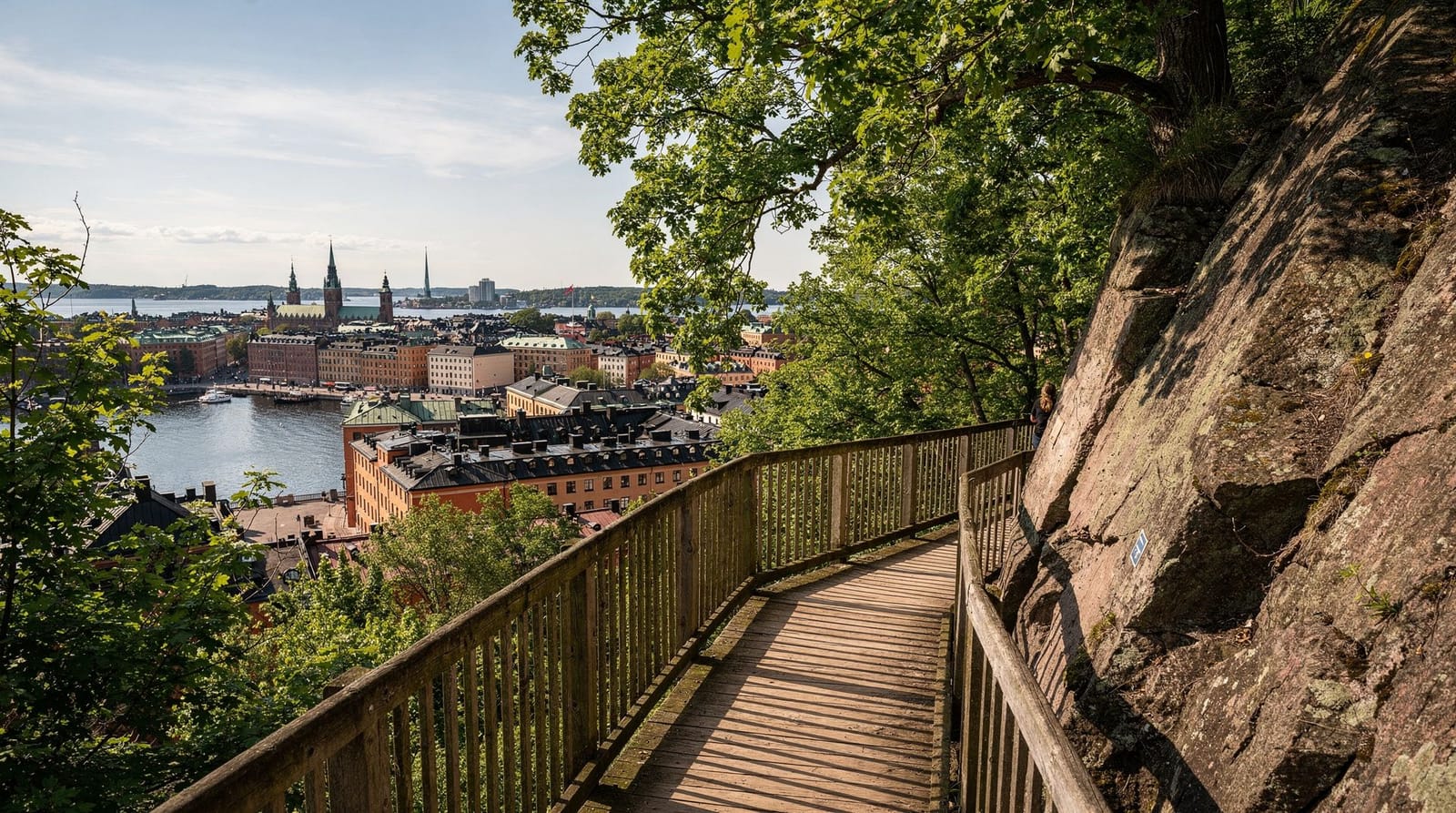
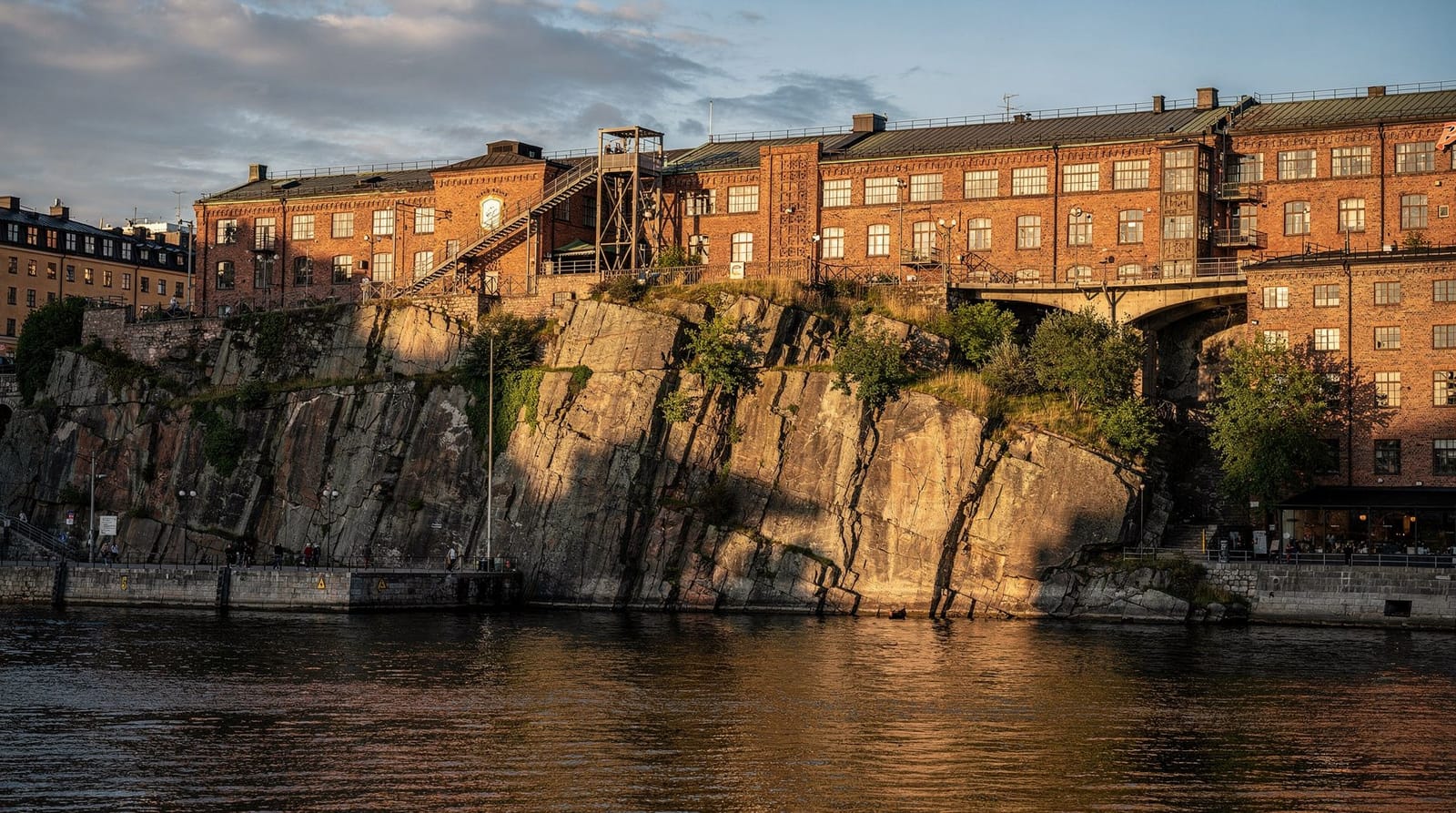
The neighbourhood works best when you let the meals set the rhythm instead of racing between addresses. A sensible shape is a slow coffee first, a lunch special on a weekday, a long walk to digest, and an early evening drink before dinner. Södermalm’s hills are part of the experience: the streets climb and drop between the squares, and the viewpoints along the cliff edge make good pauses between stops. The Södermalm neighbourhood deep dive explains what you are looking at on the way.
If your trip is built around the whole city, slot Södermalm into a wider plan. The three-day first-timer itinerary and the two-day essential itinerary both leave room for a meal here, and travellers watching their spending should read the Stockholm budget per day guide and the cheap eating blog post before deciding where the big dinner goes. Södermalm is one of the easier places to eat well without overspending, mostly because lunch is the main event for locals.
Practicalities matter too. Sweden is a largely cashless country, so carry a card; the payments guide for tourists covers what actually works for visitors. And if you are wondering which parts of the centre to avoid when hungry, the tourist traps guide is a useful companion to this one.
Brunch culture
Stockholm’s brunch culture is concentrated in Södermalm, and it is genuinely good. Urban Deli at Nytorget is the reference point: eggs, smoked salmon, good bread, a cheese selection, quality coffee. The weekend brunch window (09:00–14:00) is competitive — arrive by 10:30 or expect to wait. For fika specifically rather than a full brunch, the fika culture guide covers the wider Stockholm tradition that Södermalm’s cafés execute particularly well.
The bar scene beyond natural wine
Beyond the natural wine bars on Hornsgatan, Södermalm has a broader evening bar scene worth knowing about if food is only part of the plan — cocktail bars, beer-focused pubs, and late-opening spots that fill in after dinner service winds down. See the Södermalm bar scene guide for the fuller rundown if a night out matters as much as the meal.
Self-guided vs. a guided food walk
Södermalm’s food geography is compact enough to explore alone — the squares and main streets are within a 20-minute walk of each other, and there’s no requirement to book anything for casual browsing. A guided walk adds value mainly through access (a natural wine bar you wouldn’t find on your own, a standing table at a busy lunch spot) and through the cultural and architectural context layered on top of the food stops. If you’re short on time or want the neighbourhood explained rather than discovered, book ahead; if you have a free afternoon and enjoy wandering, self-guided works just as well. Either way, a Stockholm food tour that includes Södermalm stops is a reasonable middle ground if your itinerary also covers other neighbourhoods.
What to expect from the dining rooms
Södermalm restaurants tend to be small, informal, and busy. Expect short menus, shared plates at the more modern places, and staff who will happily explain a dish if you ask. Dress is relaxed almost everywhere; nobody expects you to change for dinner. Tables are often turned over only once in the evening, which is why booking for Friday and Saturday matters, while weekday evenings are far easier to improvise.
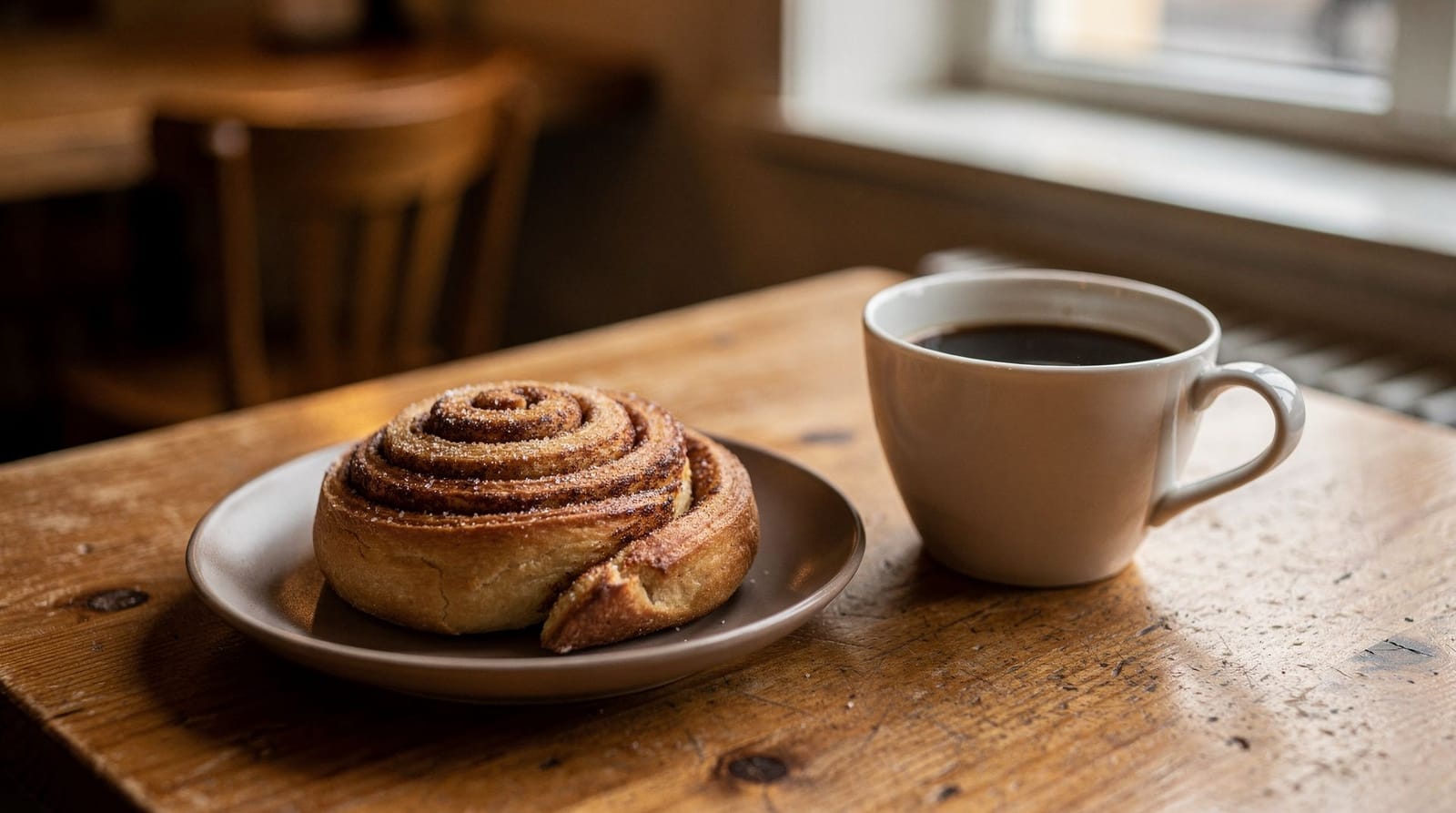
Many places open for lunch with a fixed daily dish and a much shorter menu than at dinner, which keeps the kitchen focused and the price reasonable. If you are curious about the Swedish table more broadly, the smörgåsbord guide and the cinnamon bun guide cover the traditions that Södermalm’s cafés and restaurants draw on, and the craft beer guide is the place to go if the drinks are the point of your evening.
Finally, remember that the neighbourhood changes quickly. Places open, close, and rebrand, so treat the names in this guide as starting points and keep your eyes open for whatever is new on the street where you are standing.
Guided walking tours of Södermalm
For a structured introduction to the neighbourhood that combines food, culture, and history:
Join the bohemian Södermalm walking tour Book the 2-hour Södermalm guided tourThese tours typically combine the food highlights with the neighbourhood’s distinctive architecture (1930s functionalist buildings alongside 18th-century warehouses), viewpoints over Stockholm, and cultural context for Södermalm’s role in Swedish urban history.
Practical notes
Getting there: T-bana to Medborgarplatsen (green line) for the eastern food zone. Mariatorget station for the western zone. The waterfront walk from Gamla Stan’s Järntorget over Slussen is a good 15-minute pedestrian approach.
Timing: Weekend brunch is busiest 11:00–14:00. Dinner reservations at better restaurants are necessary on Friday and Saturday. Weekday lunch is the best value entry point — Swedish lunch specials (lunchrätt) often include a main, bread, salad, and coffee for 130–160 SEK.
Tipping: Swedish tipping norms apply — rounding up or 5–10% for genuinely good service. No expectation of 15–20% as in North American contexts.
Frequently asked questions about Södermalm’s food scene
How do I get to Södermalm’s food scene from central Stockholm?
T-bana to Medborgarplatsen (green line, 5 minutes from T-Centralen) puts you at the heart of the food area. Mariatorget is one stop west.
What is the price range for eating in Södermalm?
Lunch specials are 120–150 SEK. Dinner mains at mid-range places are 185–320 SEK. The value proposition is higher than equivalent quality in central Stockholm or Östermalm.
What food is Södermalm particularly known for?
Swedish meatballs (Pelikan, Meatballs for the People), third-wave coffee (Drop Coffee), brunch culture (Urban Deli), and natural wine bars on Hornsgatan.
Are there good markets in Södermalm?
Hornstull Marknad (summer weekends) is Stockholm’s largest outdoor food and flea market. Urban Deli has an excellent deli section year-round.
Is Södermalm suitable for a food tour stop?
Yes — several Stockholm food tours include Södermalm stops. A self-guided food tour from Mariatorget to Nytorget takes about 2 hours at a relaxed pace.
Top experiences
Bookable activities with verified prices and instant confirmation on GetYourGuide.