Food tours in Stockholm: which ones are worth your time
Stockholm: Swedish food & walking tour
Which food tour is best in Stockholm?
The Swedish food and walking tour (GYG, ~3 hours, covers herring, meatballs, and traditional pastries) is the best starting point for most visitors. The Old Town food tour with 7 tastings is better if you want more variety in a single session. Fika-specific tours are worth it if Swedish coffee culture is your primary interest.
Why a food tour makes sense in Stockholm
Stockholm’s food scene has a problem for visitors: the best restaurants are often not where tourists naturally wander, and the tourist-facing options in Gamla Stan are generally overpriced underperformers. Getting from “I want to eat Swedish food” to “I am eating excellent Swedish food” requires either research, local contacts, or a guide who has done the work for you.
Food tours solve this efficiently. Three hours with a knowledgeable guide covers more ground than three days of solo exploration — and the cultural context provided alongside the eating is the part that makes the experience stick. Understanding why Swedes eat pickled herring with specific accompaniments, or how the fika ritual differs from a standard coffee break, changes how you experience the rest of your time in Stockholm.
This guide covers what the main food tour types offer, which are genuinely worth booking, and what to look for when comparing options.
| Cost | Set by the operator; see the booking page |
| Time needed | 2.5–3 hours for most formats |
| Best time | Morning (10:00–13:00), when venues are quieter |
| Group size | 8–12 people is ideal |
| Booking | 2–3 days ahead; a week in July |
Types of food tours in Stockholm
Swedish food and walking tours
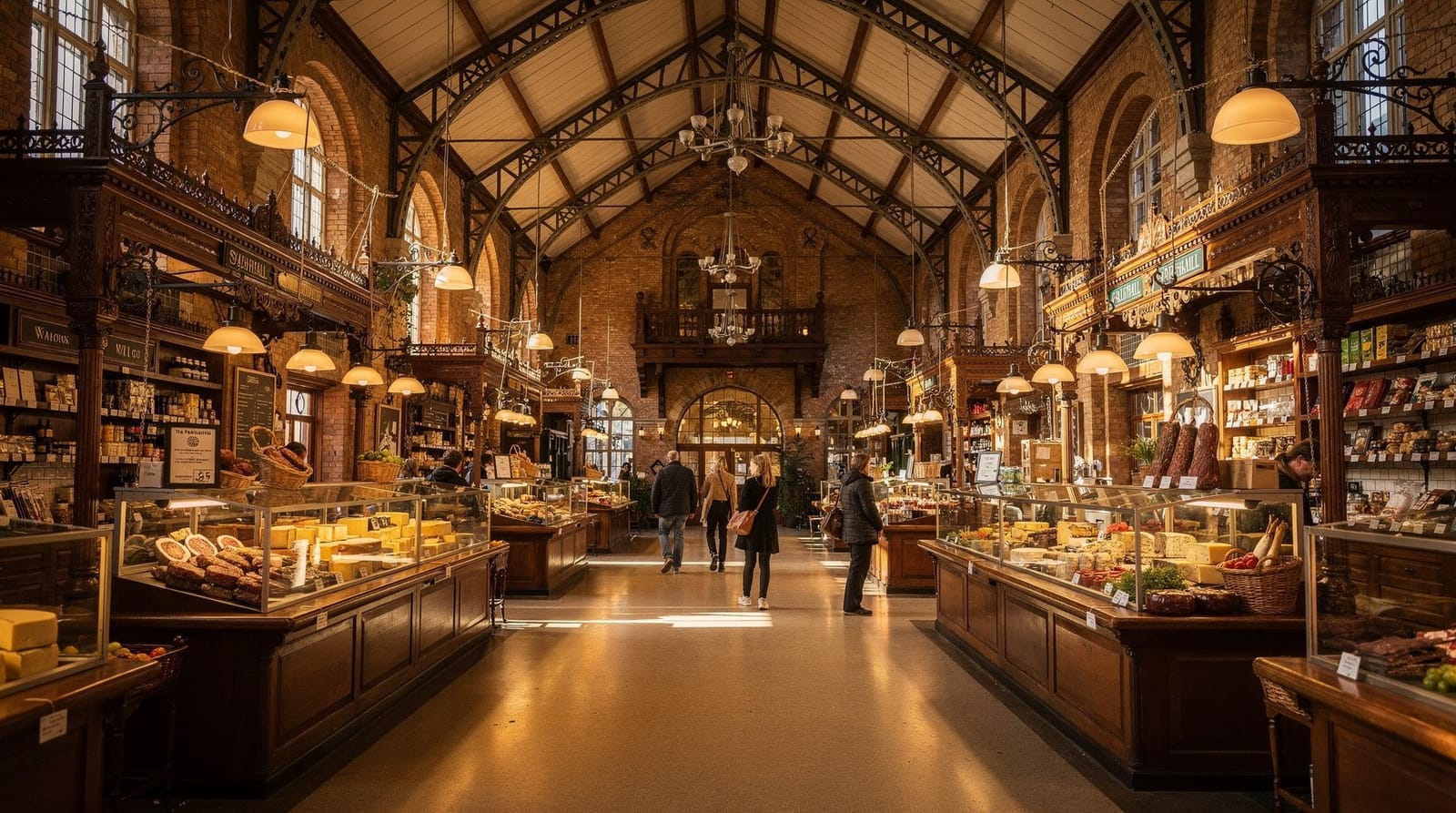
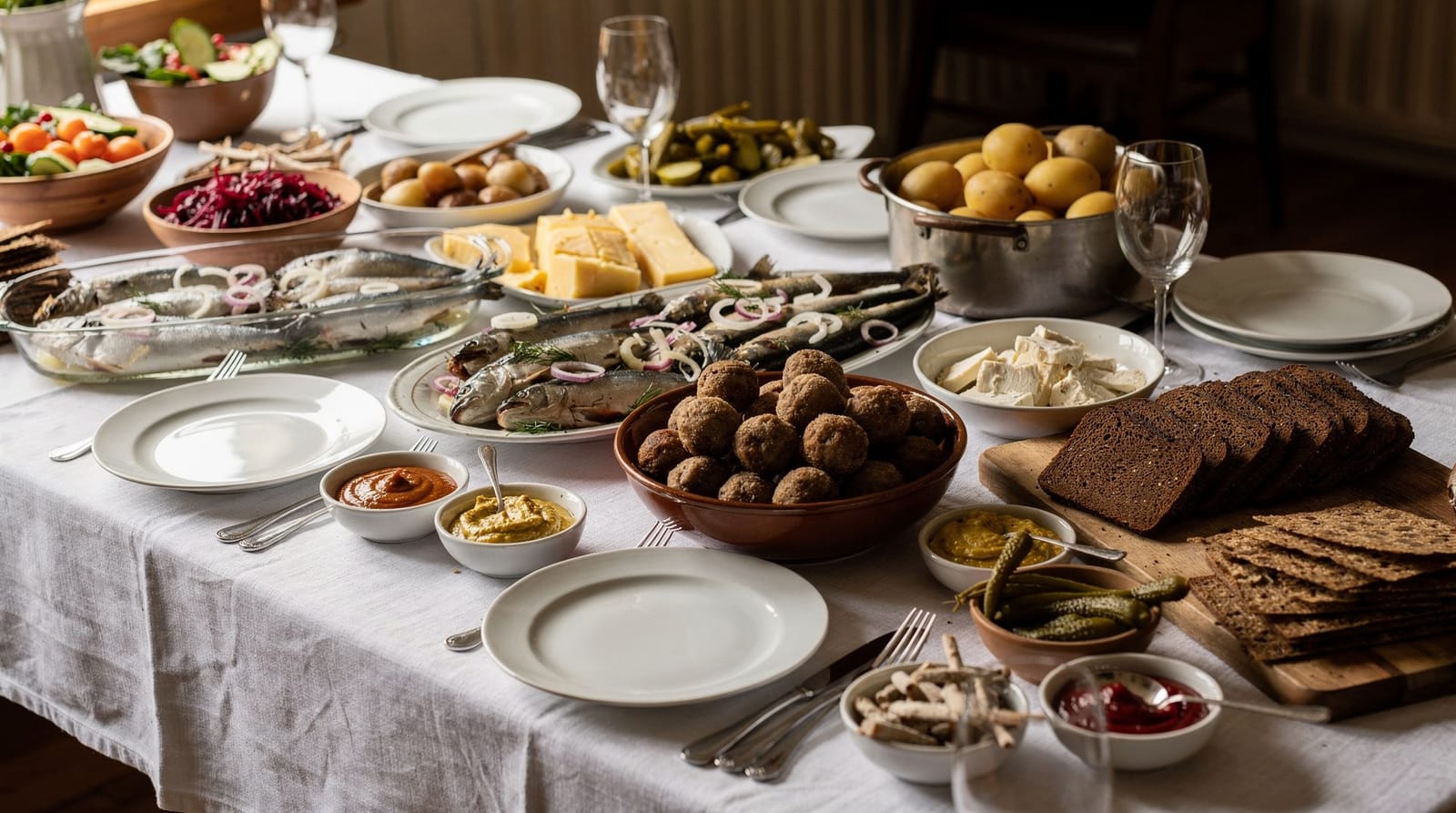
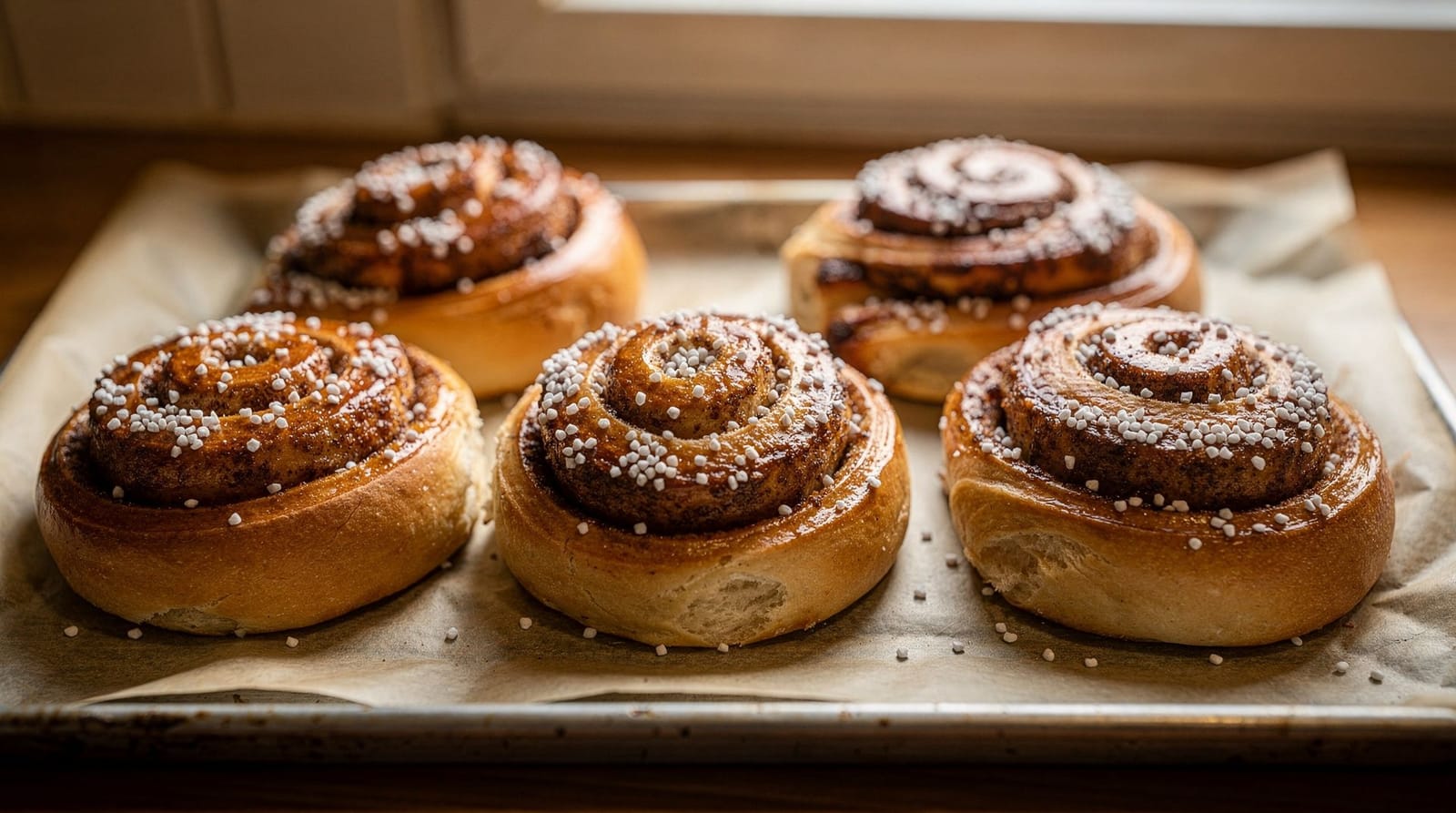
The most common format: a 2.5–3 hour guided walk through central Stockholm or Gamla Stan, stopping at 4–6 venues for tastings. These cover the Swedish food essentials: herring preparations, meatballs, gravlax, crispbread, kanelbulle, and typically a Swedish schnapps moment. The walking component means you see more of the city than you would from a fixed restaurant.
Book the Swedish food and walking tourThis format works well as a first day or second day activity — it orients you to Swedish food culture and gives you a mental map of central Stockholm simultaneously.
Old Town food tours with multiple tastings
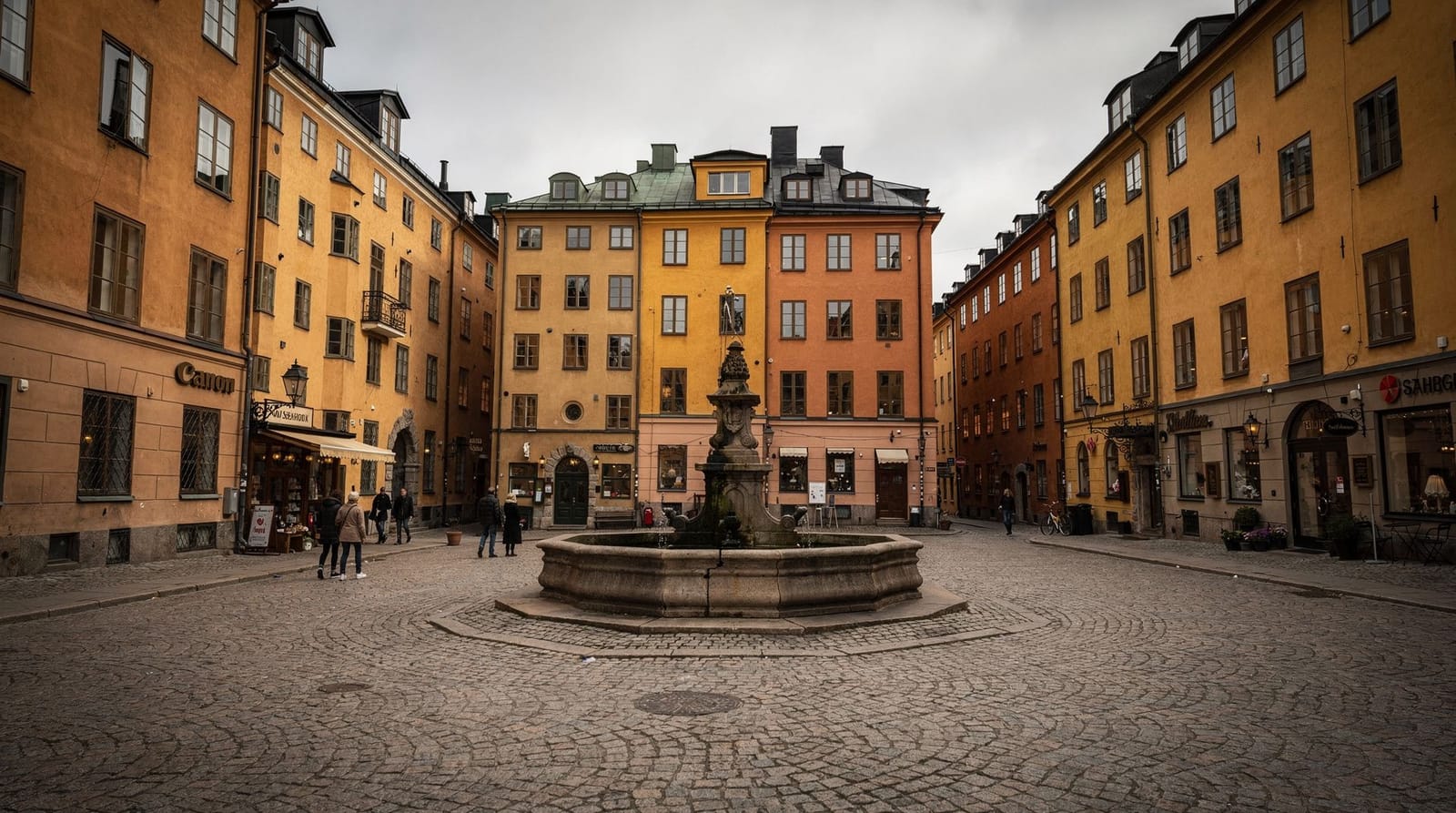
More structured, typically with a fixed number of stops and pre-arranged tasting portions at each. The Old Town (Gamla Stan) setting means you get historical context alongside the food — guides connect the food stops to the medieval history of the streets. The 7-tasting format is a good balance: enough to feel substantial without becoming uncomfortable.
Join the Old Town food tour with 7 tastingsThese tours tend to be slightly more structured and predictable than walking tours, which suits visitors who prefer to know what is coming rather than be surprised.
Swedish food tasting tours in Old Town restaurants
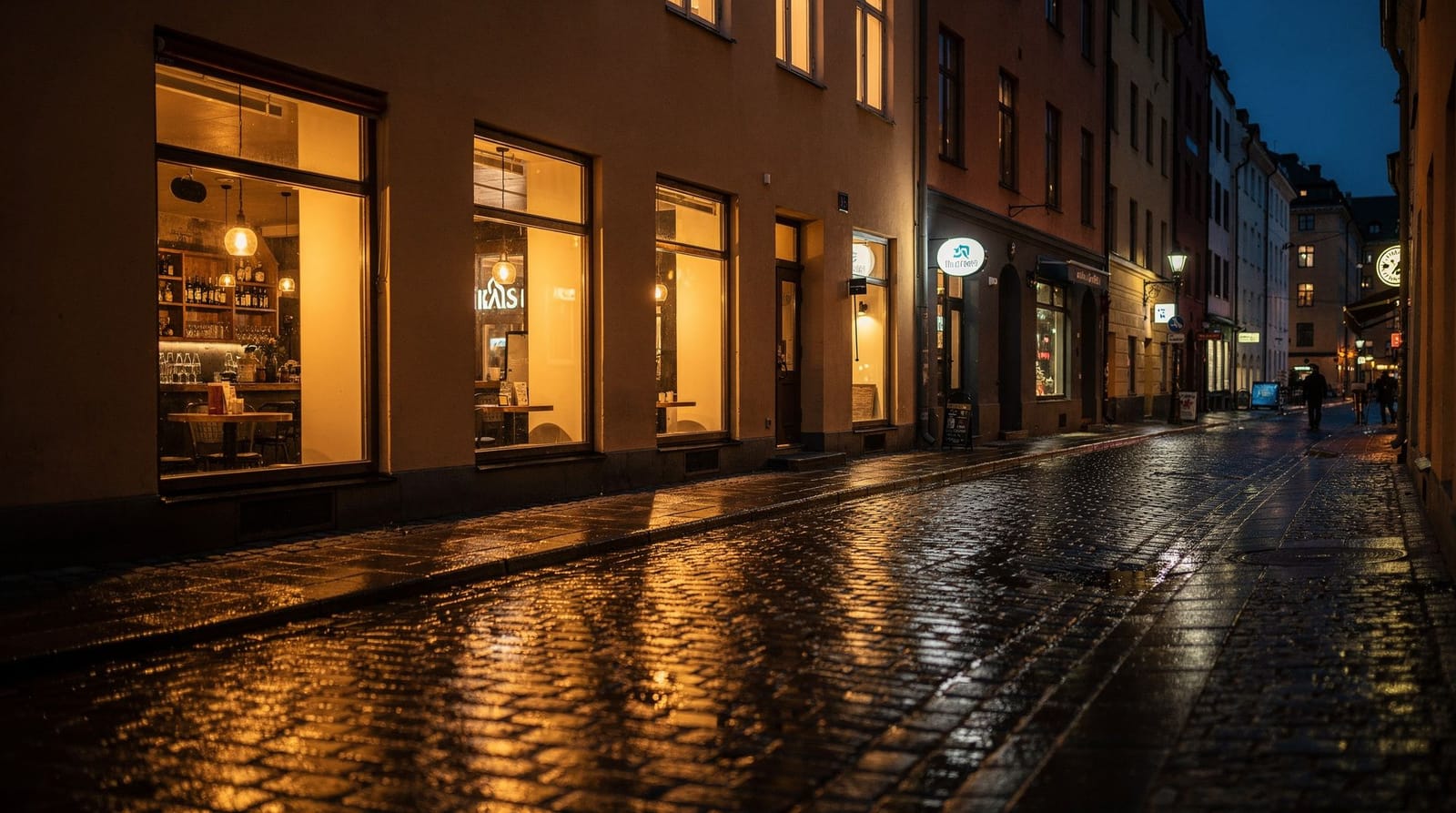
A sit-down variant: you visit two or three restaurants in Gamla Stan and have a tasting course at each, with a guide providing commentary between courses. This format is more relaxed and food-focused than the walking version, closer to a curated dining experience.
Book a Swedish food tasting tour in Old Town restaurantsThe tradeoff is less walking — you see less of the city — but you eat more slowly and comfortably. Better for people who want to focus on the food itself rather than the urban exploration.
Fika tours
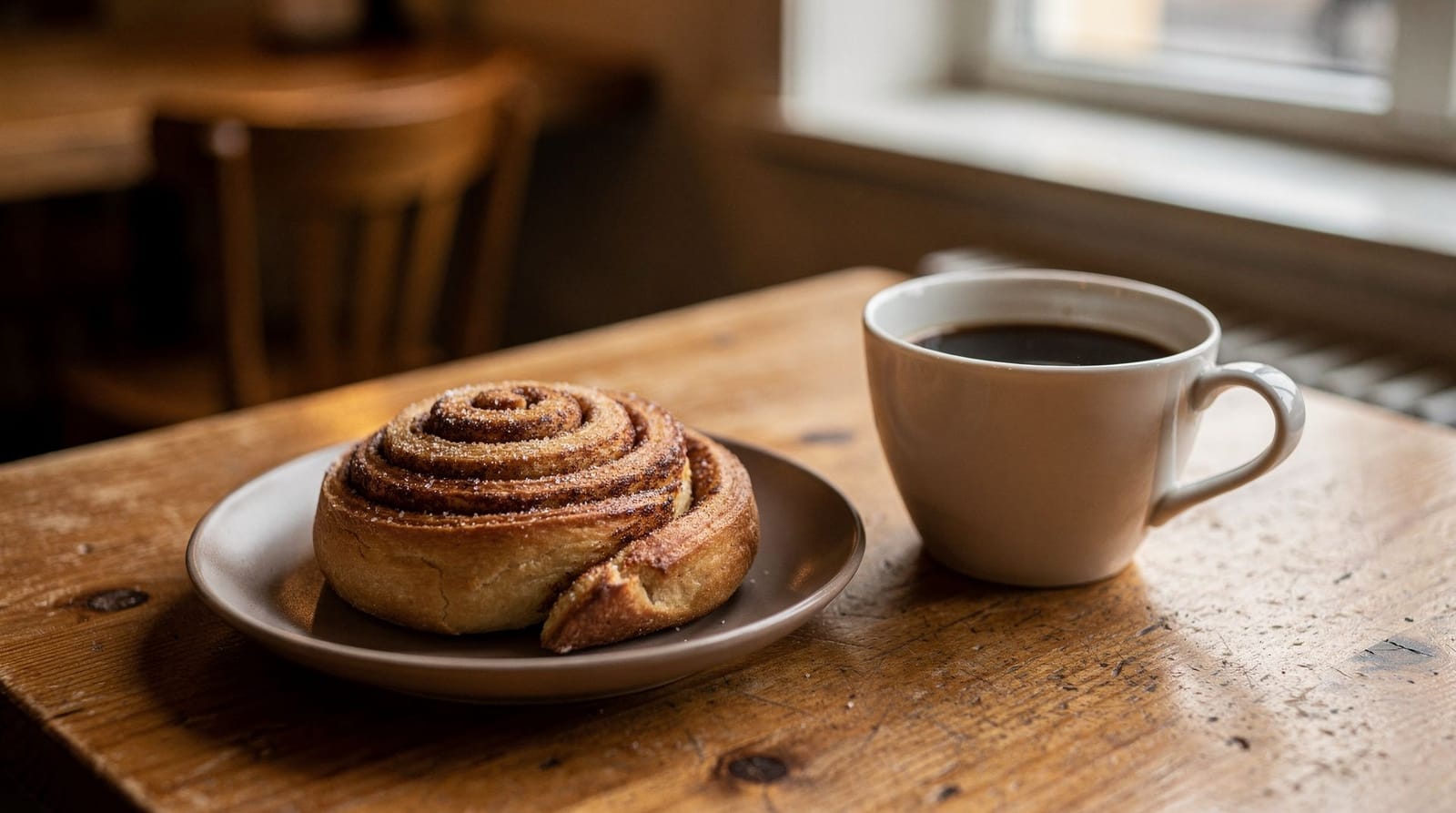
Dedicated to coffee culture and Swedish pastry traditions. These cover three or four cafés in a neighbourhood (often Södermalm or Vasastan), explaining the fika ritual, the pastry variations, and the coffee culture. Not suitable as a primary food tour — they are thin on savoury Swedish food — but excellent as a complement to a walking food tour or as a standalone experience for people who care specifically about café culture.
More on Stockholm’s café scene: the fika culture guide and third wave coffee guide.
Beer and spirits tours
Stockholm has a craft beer scene centred on Södermalm and several bars in Gamla Stan serving Swedish microbrews. Aquavit (snaps) tasting tours also exist. These are niche — worth it if beer or spirits are a genuine interest, not as a primary food experience.
Comparing the main food tour formats
| Format | Duration | Around price | Best for |
|---|---|---|---|
| Swedish food and walking tour | 2.5–3 hours | See booking page | First-time visitors wanting orientation + food |
| Old Town 7-tasting tour | ~3 hours | See booking page | Structured, predictable stops |
| Old Town sit-down tasting | ~2.5 hours | See booking page | Relaxed pace, less walking |
| Fika tour | 2–2.5 hours | See booking page | Coffee-and-pastry specialists |
| Beer/aquavit tour | 2–3 hours | See booking page | Niche drink-focused interest |
For most first-time visitors, the Swedish food and walking tour gives the best balance of food, orientation, and value; specialise into a fika or drinks tour on a return trip once the basics are covered.
What makes a good Stockholm food tour
Guide knowledge: The guide should be able to explain the historical and cultural context of Swedish food, not just name the dishes. Questions to gauge this: Why do Swedes eat pickled herring with specific accompaniments? What is the difference between different herring preparations? What is the cultural role of the julbord?
Venue quality: The food stops should be real Stockholm food establishments, not tourist-facing restaurants set up to service food tour groups. Ask whether the venues are places locals actually eat.
Authentic products: Smoked salmon should be cold-smoked in the Swedish style, not hot-smoked. Herring should come in multiple preparations (not just one). Kanelbulle should be made in-house or sourced from a bakery, not from a supermarket pack.
Small groups: Tours of 8–12 people are ideal. Above 15–16 people, the experience suffers — tastings become chaotic, guides cannot manage questions, and stops in smaller cafés feel cramped.
Honest about what is not included: Good tour operators tell you clearly what foods are covered and which aspects of Swedish cuisine (fine dining, smörgåsbord, kräftskiva) require separate exploration.
What food tours do not cover well
Fine dining: Michelin-starred Stockholm requires a reservation and a substantial budget. No food tour takes you to Frantzén (3 stars) or Aloë (2 stars). The fine dining guide covers this separately.
Smörgåsbord: A full smörgåsbord is a two to three hour sit-down meal with 20+ dishes. It does not translate to a food tour format. See the smörgåsbord guide for which restaurants do it properly.
Seasonal specialties: Crayfish parties (August–September), the julbord (Christmas), and semla season (February) are outside the standard tour format. The crayfish party guide covers that tradition specifically.
Comparing guided tours vs self-guided eating
Guided tour advantages:
- Cultural context explained in real time
- Efficient — covers more ground in 3 hours than solo exploration in 2 days
- No wasted time on bad restaurants
- Social — better with a guide than eating alone at multiple venues
Self-guided advantages:
- Flexibility on timing and pacing
- Can spend more time at venues you enjoy
- No group dynamics to manage
- Works well if you have done research (this guide, the Gamla Stan restaurant guide, and the Södermalm food scene guide)
Verdict: First visit, no local contacts, limited time — guided tour. Second visit or longer stay — use the individual guides.
How to arrive and what to expect on the day
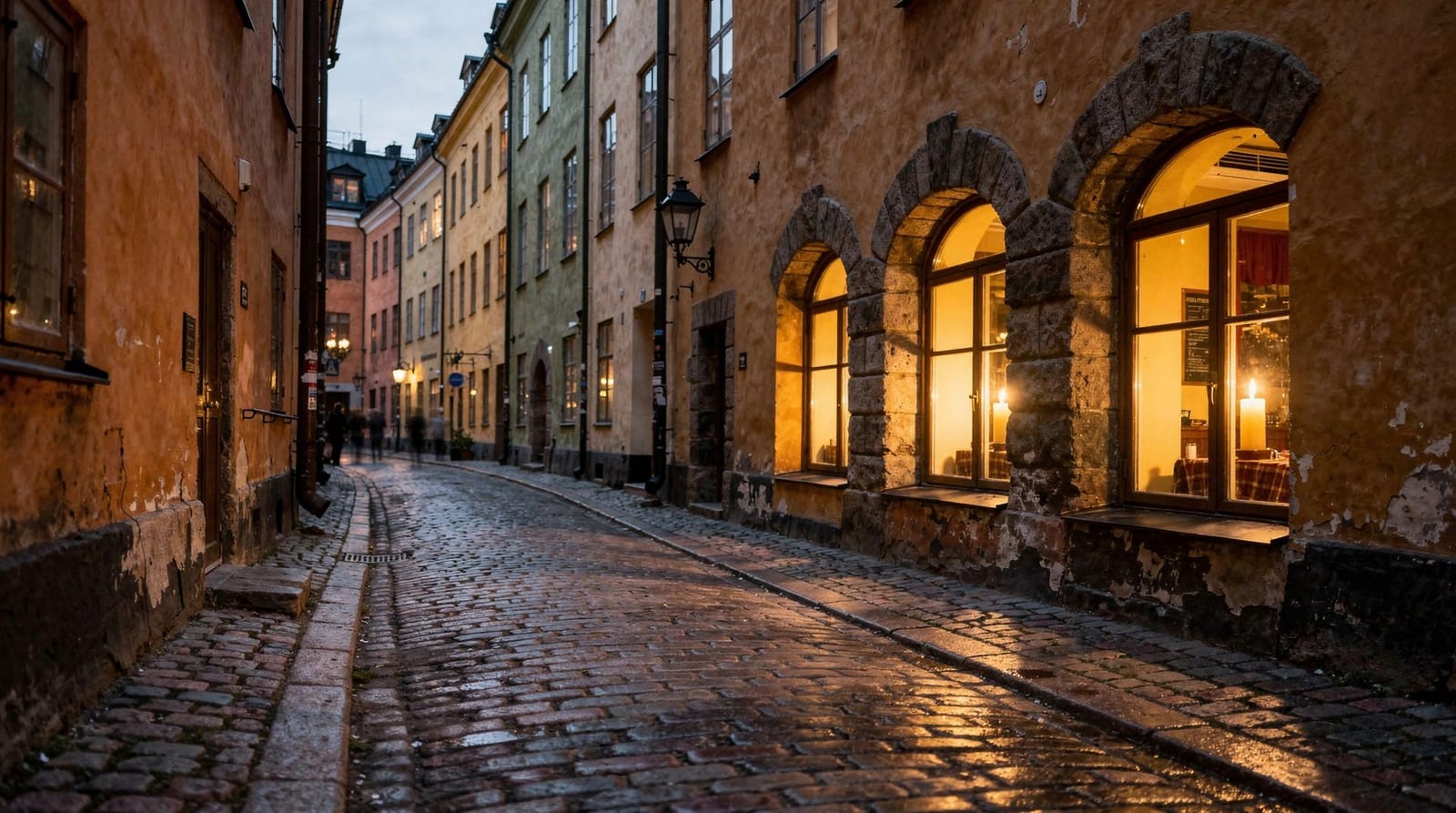
Eat lightly beforehand. A tasting route is built around being hungry at the first stop, and a heavy breakfast leaves you politely declining the best bites by the third. Wear shoes you can walk in on cobbles, especially if the route runs through Gamla Stan, where the lanes are uneven and the pavements narrow. Bring a small bag, a payment card, and a waterproof layer; most of the practical money questions are covered in the payments guide for tourists.
Expect the guide to set a conversational rhythm: a short walk, a stop, a story about the dish, then questions. This is where the format earns its price. A good guide will explain why a particular preparation exists, how it connects to the seasons and to the old habit of preserving food for the long dark winter, and how Swedes themselves eat it at home rather than for visitors.
Matching the tour to your travel style
Couples and friends: The sit-down tasting format suits a slower, more conversational outing, and it pairs well with a romantic weekend itinerary.
Families: Walking food tours can work with older children who are adventurous eaters, but herring and strong cheeses are not for everyone. If you are travelling with younger ones, read the family guide to Stockholm first and ask the operator what is realistic for your group.
Solo travellers: A group food tour is one of the easiest ways to meet other travellers, and eating alone at several venues is rarely as fun as sharing a table with strangers who are all curious about the same things.
Short stays: If you only have a day or two, a morning food tour fits neatly into the 24-hour itinerary or the two-day essentials plan, leaving the afternoon free for a museum.
Reading the tasting list before you book
Operators describe their stops in different ways, and the wording tells you a lot. A tour that names the type of food at each stop, and says clearly whether portions are tastings or a full meal, is usually better organised than one that promises vague “local delights”. Check whether the route stays on the main tourist street. If it does, compare it with the warnings in the guide to Västerlånggatan restaurants and the general tourist traps to avoid. The best routes use the side lanes and a few stops outside the busiest stretch.
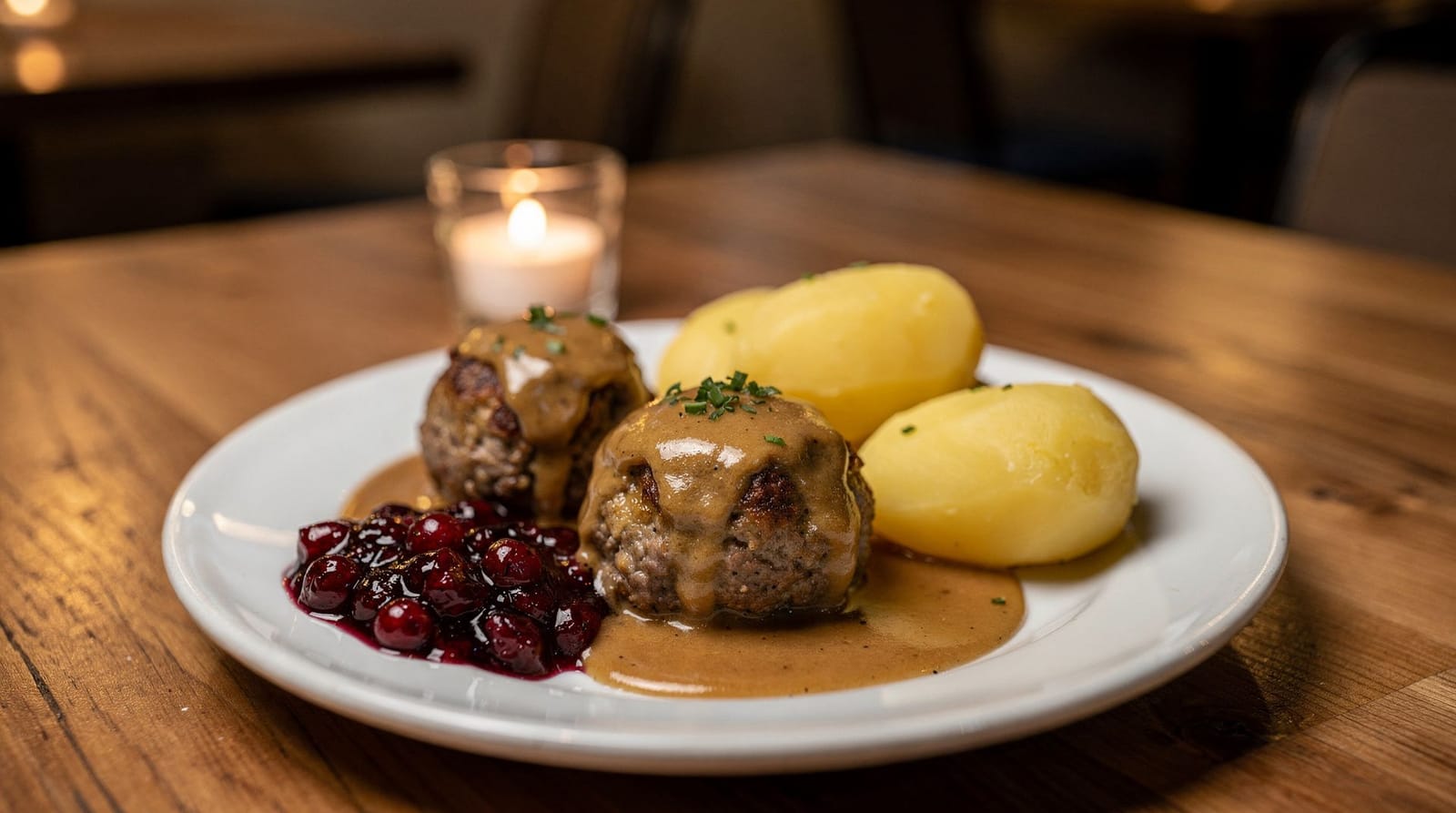
It also helps to look at how the tour treats the plain, everyday side of Swedish cooking. Meatballs, potatoes, and lingonberries are not glamorous, but a tour that handles them with care usually handles everything else well. If you want to continue the thread afterwards, the meatballs guide and the blog post on where locals actually eat meatballs point to places for a full portion.
Booking tips
Book in advance: Popular tours sell out 48–72 hours ahead in summer. In July (peak season), a week’s advance booking is sensible.
Morning vs afternoon: Most food tours work better in the morning (10:00–13:00) when you are genuinely hungry and venues are less crowded. Afternoon tours can coincide with lunch rushes at stops.
Dietary requirements: Most Stockholm food tours can accommodate vegetarian requirements with advance notice. Vegan is harder because Swedish food culture is heavily dairy-dependent. Gluten-free is very difficult — crispbread, cinnamon buns, and most traditional Swedish food involves wheat.
Weather: Food tours operate in all weather. The walking portions are short enough that rain is manageable with a waterproof layer. Gamla Stan’s covered passages provide shelter at most stops.
Combining a food tour with the rest of your trip
A morning food tour pairs naturally with an afternoon in Gamla Stan’s museums or a walk to Södermalm, since the tour itself typically ends by early afternoon with plenty of daylight left. If cinnamon buns and coffee culture particularly interested you on the tour, follow up with a dedicated fika the next afternoon rather than trying to fit everything into one day. Visitors planning a full culinary trip should also flag the crayfish party guide if travelling in August–September, and the smörgåsbord guide for a sit-down meal that no walking tour can replicate.
After the tour: keep eating well on your own
The real value of a food tour often shows up the day after. You now know what a proper herring plate looks like, which pastry is worth the queue, and how to read a menu that would have looked opaque before. Use that confidence. Head to Södermalm for a relaxed evening, or look at the budget guide for ways to eat well without overspending. For breakfast, the Swedish breakfast guide is a good next step, and the blog post on fika spots is a gentle way to continue.
If the tour left you wanting more of the history behind the streets you walked, a dedicated Gamla Stan walking tour guide adds the architecture and stories that a tasting route can only touch on, and the Old Town deep dive covers the neighbourhood in more detail.
Frequently asked questions about food tours in Stockholm
Are Stockholm food tours worth it?
For first-time visitors, yes. Stockholm’s food scene is hard to navigate without local knowledge. A food tour front-loads the good experiences and provides cultural context that would take multiple meals to understand solo.
How much should a Stockholm food tour cost?
A reputable 3-hour guided food tour with 5–8 tastings is priced by the operator (check the booking page). Private food tours are priced per group.
Do Stockholm food tours include alcohol?
Most do not automatically include alcohol, but many offer optional beer or aquavit pairings. Swedish beer and schnapps tasting tours exist as a separate category.
What foods are typically covered on a Stockholm food tour?
A good tour covers: Swedish meatballs, pickled herring, crispbread with toppings, gravlax or cold-smoked salmon, a kanelbulle with coffee, and usually seasonal items.
Can I do a food tour in Stockholm in winter?
Yes — winter has smaller groups, no summer crowds, and winter-specific foods (julskinka, pepparkaka, glögg around Christmas) not available in summer.
Top experiences
Bookable activities with verified prices and instant confirmation on GetYourGuide.