Stockholm with kids: complete family guide for 2026
Stockholm: Vasa Museum + Skansen tour with fast-track ticket
Is Stockholm a good destination for families with children?
Yes — Stockholm is exceptionally family-friendly. Djurgården island alone can occupy 2–3 days with children: Junibacken (Astrid Lindgren), Skansen's petting zoo, Vasa Museum, ABBA Museum, and Gröna Lund amusement park are all within walking distance. Children under 18 enter Vasa Museum free. Public transport with strollers is well-designed.
Why Stockholm works so well for families
Stockholm combines several features that make it genuinely easy for families: a compact, walkable city centre, a dedicated museum island (Djurgården) designed for all ages, excellent children’s museum infrastructure, and a culture that is genuinely child-positive rather than merely tolerant. Swedish public life — cafés, restaurants, museums — is designed to include children, not accommodate them as afterthoughts.
The practical advantages are real too. All T-bana stations have lifts, making stroller navigation straightforward. Children under 7 travel free on SL transit. Children under 18 enter Stockholm’s most famous museum (Vasa) free of charge. The dagensrätt lunch system means family lunches need not be expensive.
| Where to base the trip | Djurgården island — most family attractions within walking distance |
| Recommended stay | 3–4 days for a relaxed pace |
| Free for children | Vasa Museum (under 18), SL transit (under 7) |
| Best age match | 2–12, with specific highlights for toddlers and teens too |
| Book ahead in summer | Junibacken Story Train, Vasa Museum timed entry |
For toddlers and babies specifically, see the dedicated Stockholm with toddlers guide, and for a fuller breakdown of the Djurgården trio, the Junibacken, Skansen and Gröna Lund comparison.
How to set the pace for the whole family
The most common mistake families make in Stockholm is planning for the adults’ appetite for sights rather than the children’s capacity for them. The city rewards a slower approach. A single anchor activity per half day, a long unhurried lunch, and a playground stop in between will leave everyone in a better mood than a checklist of attractions. Swedish parents do exactly this: outdoor play is treated as part of the day’s programme, not as a gap to be filled.
It helps to decide before you arrive which two or three things each child cares about most, and to build the days around those. A child who loves animals will remember Skansen’s enclosures for years; a child who loves stories will remember the Story Train at Junibacken. Everything else is a bonus. If you want a ready-made structure to adapt, the 3-day family itinerary shows how these anchors can be spread out without rushing, and the 3-day overview gives the wider city context.
Planning your family itinerary
Djurgården: the family island
Djurgården is where you will spend most of your family time. This car-free museum island (accessible by tram, bus, ferry, bike, or foot from central Stockholm) concentrates an extraordinary range of family activities within easy walking distance:
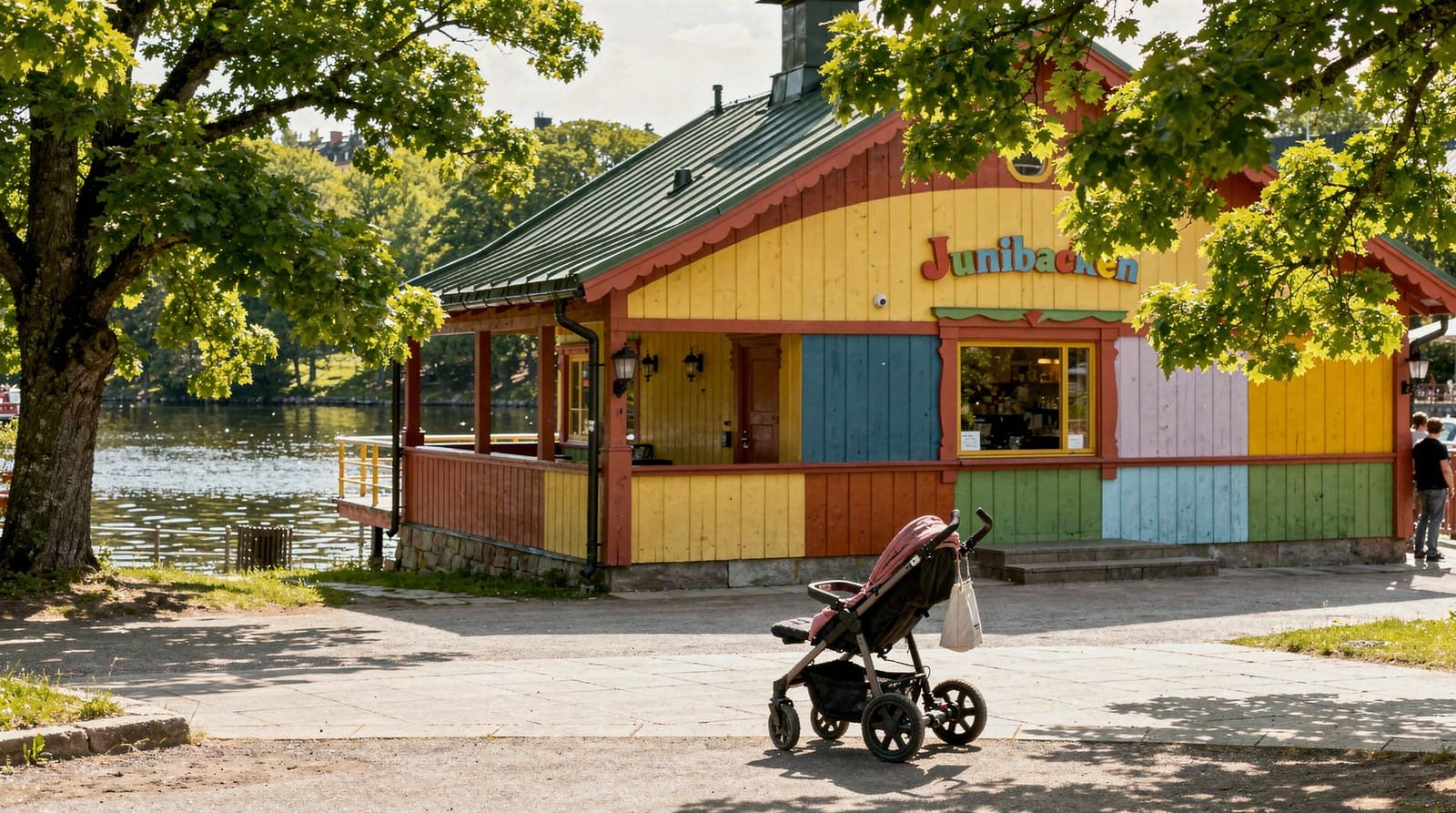
Junibacken: Astrid Lindgren museum and play experience. Story Train, Villa Villekulla, Madicken’s room, Mio my Mio experience. For ages 2–12, this is the most memorable Stockholm experience — adults included. Open daily in summer; closed on Mondays from September to November 2026. Book time slots in advance in summer (queues for the Story Train build quickly).
Skansen: Open-air museum with historic Swedish buildings, a zoo with Nordic animals (reindeer, elk, wolverine, wolf, brown bear), a petting zoo for younger children, craftspeople demonstrating traditional skills, and seasonal events including Christmas market. Best visited over 3–4 hours minimum. Children’s prices and free entry are listed on skansen.se.
Vasa Museum: Children under 18 enter free. The ship is genuinely awe-inspiring for children — seven decks of 17th-century warship, almost 70 metres long. There are touch screens and family-oriented displays. Allocate 1.5–2 hours. Book timed entry online well ahead in summer.
ABBA The Museum: Children 6 and up often enjoy this — the interactive elements (recording studio, dance floor, costume exhibits) are hands-on. Under-6s may find it hard to engage with. Children pay reduced admission.
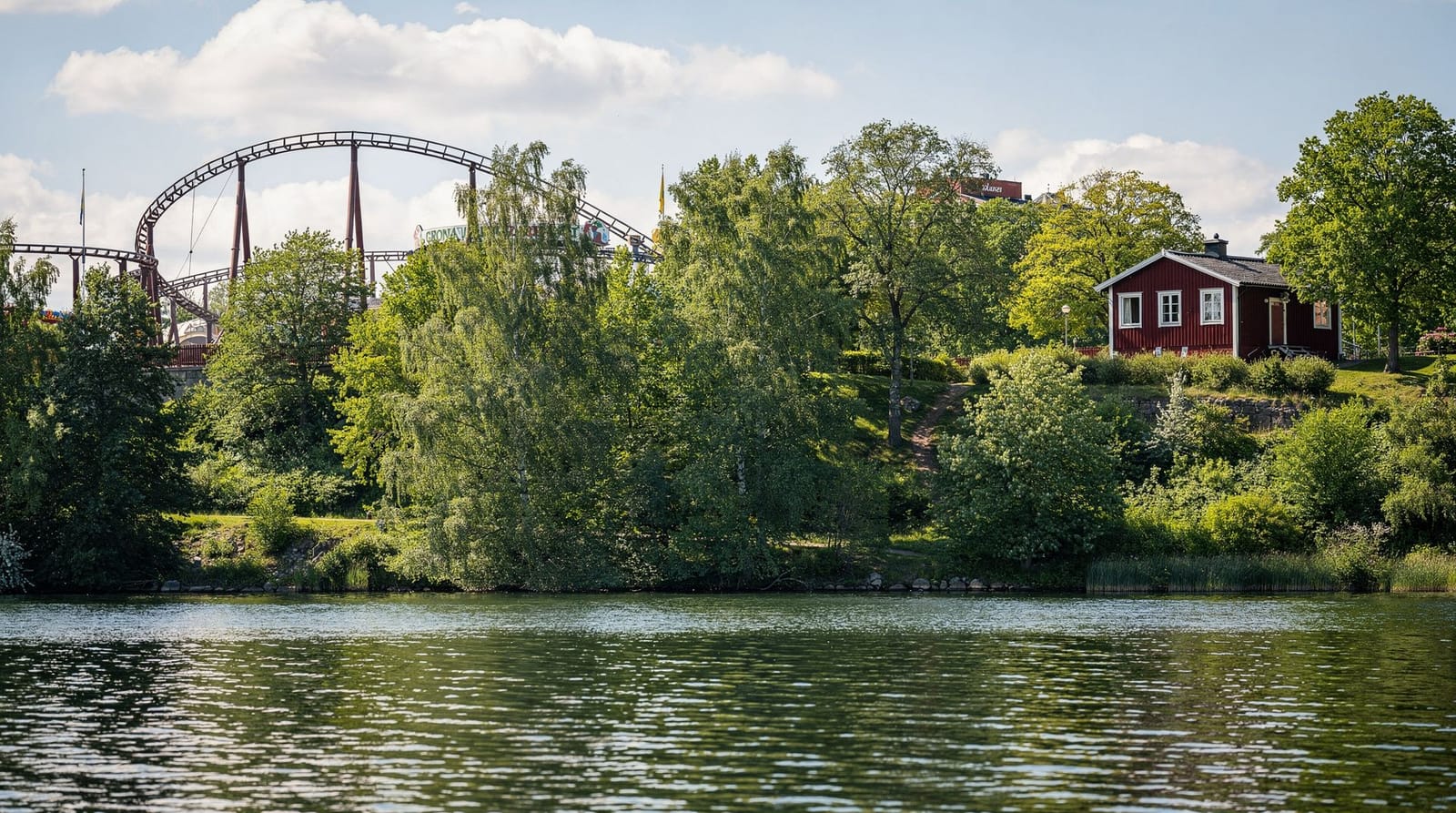
Gröna Lund: Amusement park open May through September. Rides range from gentle to intense. Entry and ride passes are priced separately (see gronalund.com). For a family of four, the costs add up quickly. Best for ages 6+. Summer evenings have free concerts in addition to rides.
Aquaria Vattenmuseum: Rainforest aquarium and Baltic Sea exhibit. Excellent for children aged 4–12. Crocodiles, piranhas, and the tropical rainforest section are crowd-pleasers.
Skip-the-line Vasa Museum and Skansen combined tourWhich Djurgården attraction suits which age
| Attraction | Best age range | Time needed |
|---|---|---|
| Junibacken | 2–12 | 1.5–2 hrs |
| Skansen | All ages | 3–4 hrs |
| Vasa Museum | 5+ | 1.5–2 hrs |
| ABBA The Museum | 6+ | 1.5–2 hrs |
| Gröna Lund | 4+ (height limits on some rides) | Half day |
| Aquaria Vattenmuseum | 4–12 | 1 hr |
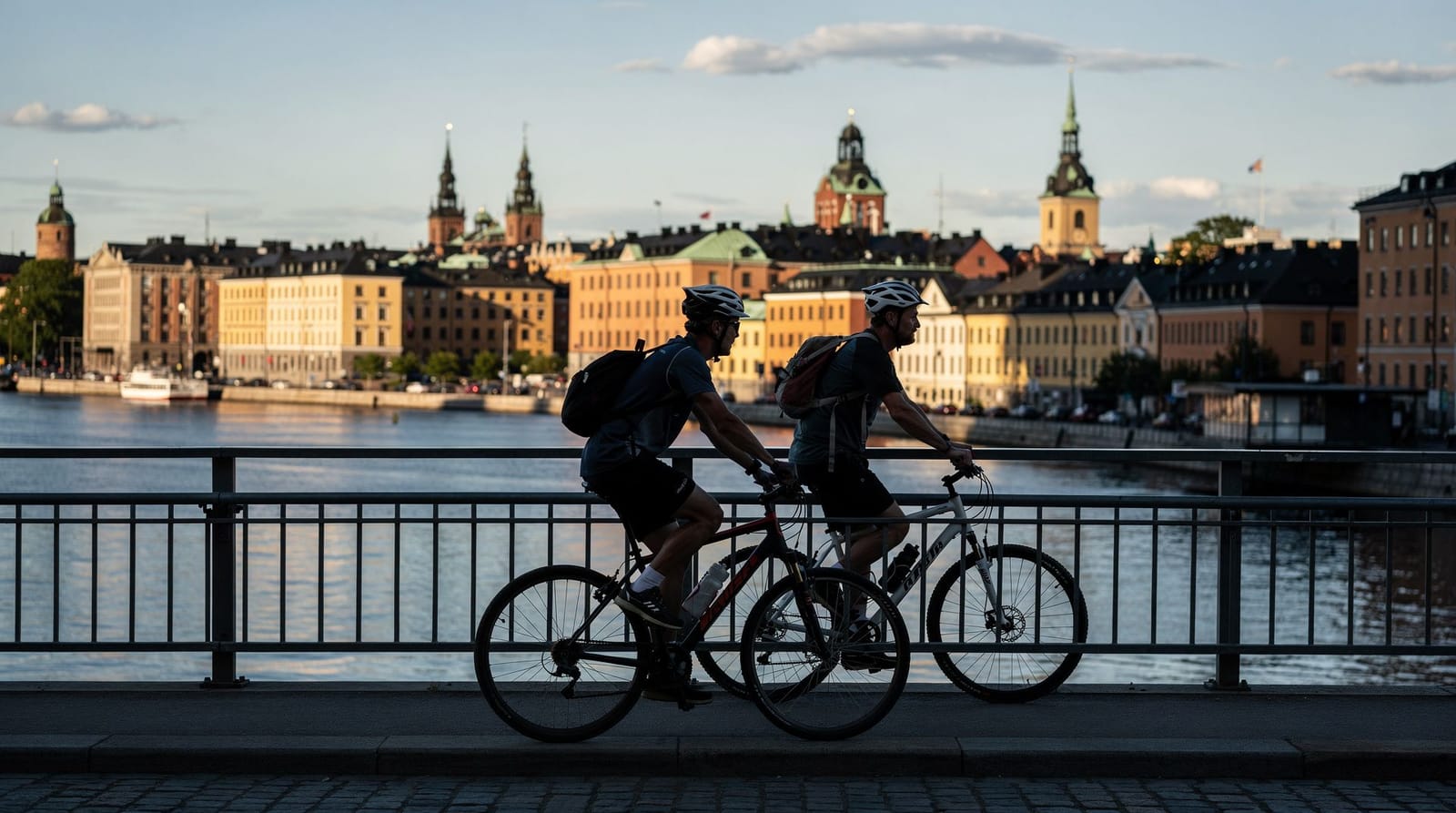
An eco bike tour through Old Town and Djurgården is a good active option for families with children old enough to cycle or ride in a child seat, and it covers ground that would otherwise take a full day on foot.
Making Djurgården easier with children
Treat the island as a sequence of green spaces connected by short walks rather than as a list of ticket counters. Between the big attractions there are lawns, paths and water views where children can run off energy, and these breaks are often what keeps the afternoon from falling apart. If you want to understand the layout before you go, the Djurgården neighbourhood deep dive and the Djurgården walking route explain how the island fits together and which stretches are most pleasant on foot.
For a closer look at the open-air museum, which suits every age in the family, read the Skansen open-air guide. If the ship is the main draw, the Vasa Museum guide covers what to expect inside. Families who like the idea of a guided visit can look at a guided visit to the Vasa Museum, which adds a story to the ship that older children tend to remember better than a signboard.
Ice skating is a winter favourite with many families; the ice skating guide lists where to try it when the city is cold and dark.
Central Stockholm with children
Gamla Stan (Old Town): The medieval lanes, colourful buildings, and Stortorget square are magical for children who can handle cobblestones (not ideal for strollers on Västerlånggatan). The Royal Palace changing of the guard is a free spectacle at noon on weekdays and 13:00 on Sundays.
Kungsträdgården: Central park in Norrmalm with a climbing playground, open-air café, skating rink in winter, and cherry blossom in April. Free, central, and a good base for a family lunch break.
Naturhistoriska riksmuseet (Natural History Museum): Located in Frescati, north of the city (bus from T-Centralen). The cosmonova IMAX cinema and whale exhibition are popular with children 5+. Free to enter the natural history museum itself.
Day trips with children
Tom Tit’s Experiment (Södertälje): Interactive science museum about 30 minutes south by commuter rail. Highly recommended for children aged 6–14. The hands-on science exhibits are among the best in Scandinavia. Allow a full day.
Drottningholm Palace: UNESCO heritage palace 50 minutes from T-Centralen by ferry (summer) or bus/T-bana year-round. The grounds are free; palace admission is 170 SEK adults. The boat journey is a highlight for children, and the palace gardens have large lawns for running around.
Fjäderholmarna: The closest archipelago island (25 minutes by ferry). Easy half-day for families with young children — a small island with pebble beaches, a craft village, and a restaurant. Low stress, great water views. The Fjäderholmarna ferry guide explains how to get there and what to do once you arrive.
Choosing a day trip that suits your children
A day out of the city is a good way to break up a stay built around museums. The key is to pick one destination and give it the whole day, rather than squeezing in two. Boats are the easiest sell to children, which is why the archipelago and Drottningholm by water are so popular with families. For a wider comparison of options, the day trips from Stockholm guide sets out the choices, and the Drottningholm by boat guide is the one to read if the boat journey is what appeals most.
Bring snacks, water and a change of clothes for younger children on any excursion. Weather on the water can differ from the weather in the city, and a tired, cold child can end a good day early. Let the children carry something small themselves, such as a backpack with a favourite toy, so they feel part of the planning.
Transport with children
T-bana with strollers
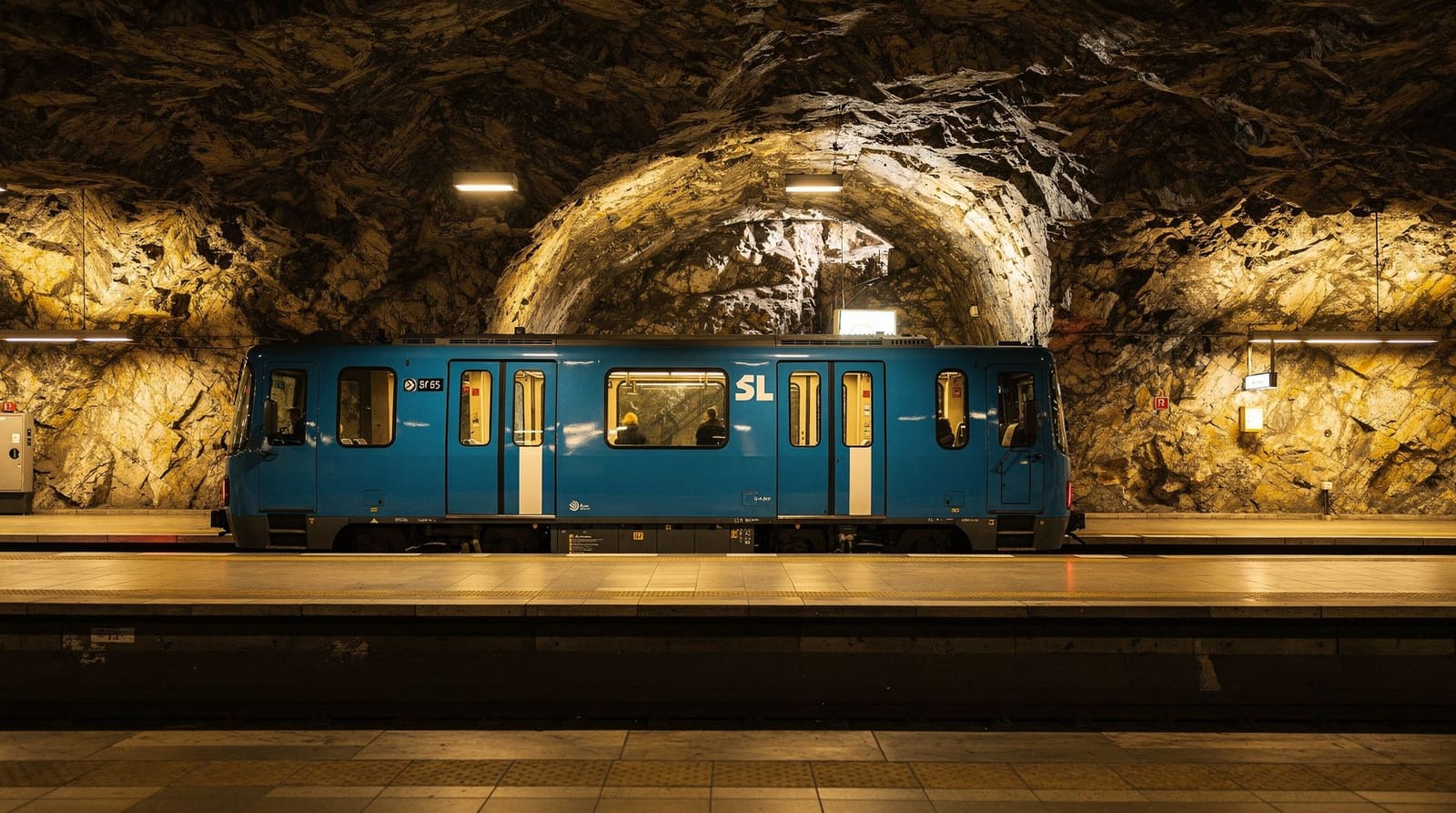
All T-bana stations have passenger lifts. Look for the lift symbol on the station map or the SL app. Some older stations have steep escalators — check the map before assuming lift access from every entrance. Ground-level bus stops are generally easier with strollers than T-bana.
Buses
Stockholm buses are fully low-floor accessible. Board through the middle door with a stroller; do not fold unless the bus is very crowded. There is no need to fold strollers on request — Swedish bus etiquette accepts unfolded strollers. Pay or tap your SL pass before boarding.
Tram 7 to Djurgården
Tram 7 from T-Centralen via Strandvägen to Djurgården runs several times per hour. Low-floor, accessible, and scenic. The tram runs along the beautiful Strandvägen boulevard — a pleasant journey for children looking out the windows.
Waxholmsbolaget ferries
Ferries accommodate strollers on deck. Life jackets are provided for young children onboard. The ferry crossing to Fjäderholmarna or Vaxholm is a genuine highlight for children — the water, the islands, and the boats are endlessly interesting for young travellers.
Eating with children
Stockholm’s restaurant culture is generally very child-friendly. Most restaurants provide children’s menus (barnmeny), high chairs (barnstol), and have changing facilities. The dagensrätt lunch is available at many restaurants and children’s portions or half-portions are often offered.
Best-value family lunches:
- Rosendals Trädgård café (Djurgården): organic, garden setting, generous portions, playground area nearby
- Kafé Skansen (inside Skansen): convenient if spending the day there
- ICA Express supermarkets near Djurgårdsbroen: self-catering picnic in the park
Avoid the tourist restaurants on Västerlånggatan in Gamla Stan for family dinners — overpriced and rarely welcoming to children who need space to move.
Fika as a family ritual
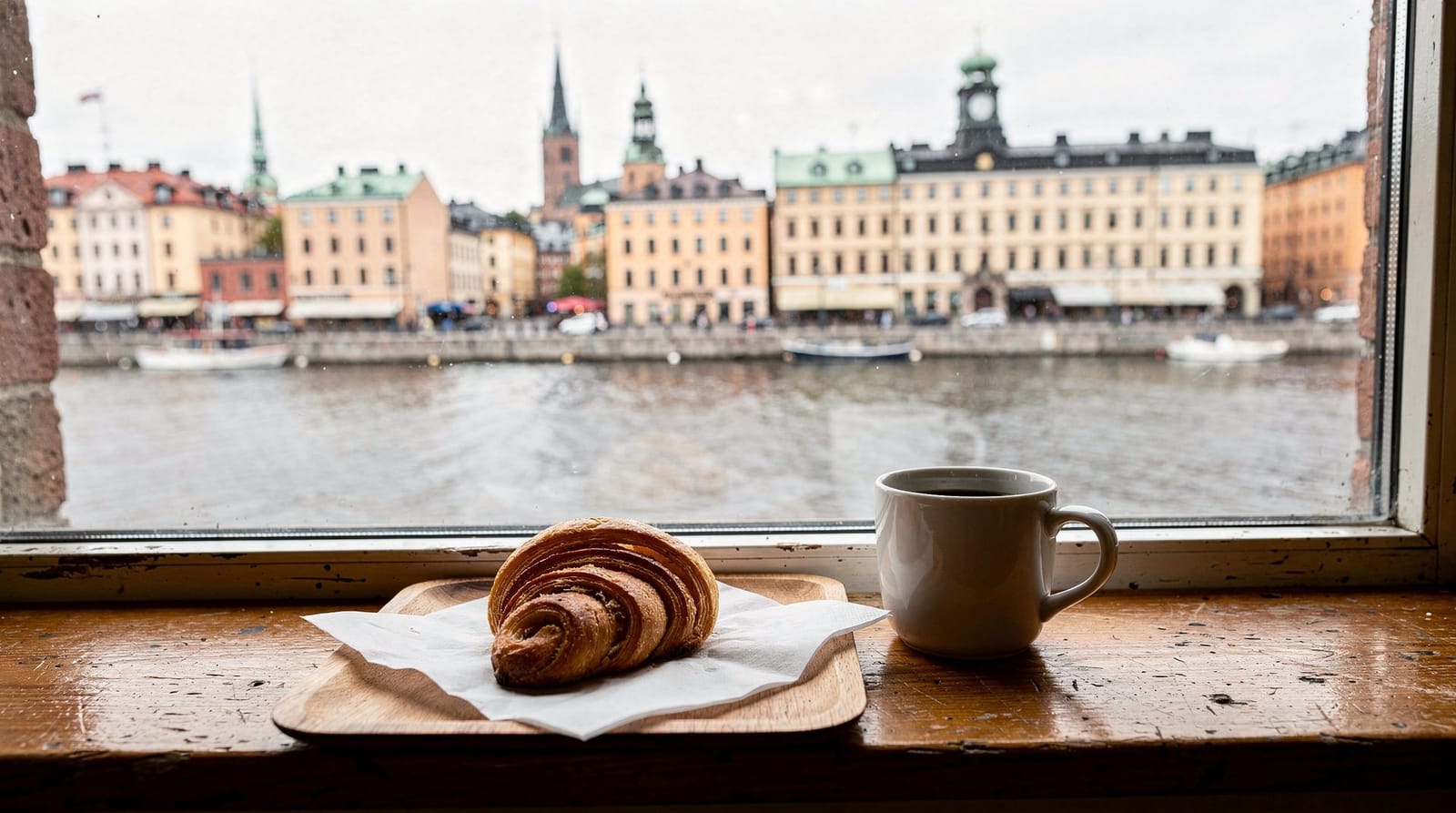
Fika, the Swedish coffee-and-pastry break, works just as well for children as for adults. A cinnamon bun and a glass of milk or juice gives everyone a reason to sit down, and it is a dependable way to reset a restless afternoon. The fika culture guide explains the custom, and the cinnamon bun guide is a good place to start if the children are bun enthusiasts. For other everyday meals, the Swedish meatballs guide points to places where a familiar-feeling dish keeps fussier eaters content.
Practical tips for families
Book timed entry in advance. Junibacken (especially the Story Train), Vasa Museum in summer, and ABBA Museum all benefit from pre-booked time slots. Summer queues for Story Train at Junibacken can be over an hour.
Nap timing. Schedule the T-bana journey (smooth, cool, and quiet) around nap time for toddlers. The commute from T-Centralen to Kungsträdgården and back is a reliable nap route.
Weather planning. Pack layers and rain gear even in summer — Stockholm weather is changeable. Junibacken, Vasa Museum, and Aquaria are ideal rainy-day options. See our rainy day with kids guide.
Stockholm Pass with children. Child passes are available at roughly 40–50% of adult prices. For a 2-day family visit with multiple paid attractions, the family pass often represents good value. Run the maths for your specific itinerary.
Sunscreen in summer. Stockholm’s summer sun at high latitude is deceptively strong — UV index can reach moderate-to-high on clear June/July days. Apply to children especially when outdoors on Djurgården or on ferries.
Budgeting for a family trip. Museum entries, snacks, and the occasional taxi add up faster with children than solo travel. The Stockholm budget per day guide gives realistic daily totals that you can scale for a family of three or four, and the SL pass guide explains child fares and family-friendly ticket options in detail.
Timing the visit. Stockholm works for families year-round, but late spring through early autumn gives the longest daylight for outdoor time on Djurgården. See best time to visit Stockholm for how the seasons compare specifically for family logistics like stroller access and outdoor play.
When the weather or the mood turns
Even the best-planned family day sometimes goes sideways. A child is overtired, the rain arrives early, or the queue is longer than anyone can bear. Keep a fallback in mind for each day: a nearby museum, a café with space to spread out, or a short transport ride that doubles as a rest. The museum rainy day guide is useful for adults who want something to read while the children recover, and the Nordiska museet guide describes a museum on Djurgården that can absorb an unplanned indoor hour.
In winter the logic shifts. Daylight is short, so the best outdoor time is the middle of the day, with indoor stops saved for the dark hours. Warm layers matter more than any single attraction, and the winter clothing rental guide can save you from packing bulky gear for every child. The what to pack guide covers the rest of the suitcase for any season.
Finally, build in slack. A family that leaves one afternoon open will almost always use it, whether for a second visit to the playground a child loved, a ferry ride on a whim, or simply an early night. That unplanned time is often what children describe as their favourite part of the trip.
Key contacts and booking links
- Junibacken: junibacken.se (book Story Train time slots online)
- Gröna Lund: gronalund.com (book in advance for busy summer weekends)
- Skansen: skansen.se (booking recommended for summer events)
- Vasa Museum: vasamuseet.se (book timed entry, especially July)
Frequently asked questions about Stockholm with kids
Is Stockholm suitable for very young children (under 5)?
Yes. Stockholm is well-equipped for toddlers and babies: wide pavements, lifts in all T-bana stations, Junibacken specifically designed for young children, Skansen's petting zoo and open spaces, and Rosendals Trädgård garden for picnics. See our dedicated toddlers guide for specifics.How much does it cost for children at Stockholm museums?
Children under 18 enter Vasa Museum free. Skansen and ABBA Museum offer child reductions; check skansen.se and abbathemuseum.com for current prices. Gröna Lund has height requirements for rides; entry prices are listed on gronalund.com. The Stockholm Pass offers child versions at roughly half adult price.What is Junibacken and how old should children be?
Junibacken is a museum and experience centre dedicated to children's author Astrid Lindgren (Pippi Longstocking, Emil, Karlsson-on-the-Roof). The Story Train ride through scenes from the books suits ages 2–10 particularly well. Villa Villekulla (Pippi's house) is an interactive play area. Teenagers may find it too young; adults genuinely enjoy it with children. Open daily in summer.Is Gröna Lund suitable for young children?
Gröna Lund (the Djurgården amusement park) has a mix of rides for all ages — gentle carousels and kiddie rides for younger children alongside adult roller coasters. The park is best for children 4 and up who can enjoy rides. Strollers are admitted but the park gets very crowded in summer. Entry is separate from ride tickets.How do families get around Stockholm with strollers?
Stockholm's T-bana stations have lifts, and most buses are low-floor accessible. SL buses actively accommodate strollers — board through the middle doors and do not fold if space permits. Taxis and Uber can take strollers; only cabs would require folding. Waxholmsbolaget ferries accommodate strollers on deck.How many days should a family plan for Stockholm?
Three to four days covers Djurgården properly (spread across 2 days rather than rushed into one), a central Gamla Stan morning, and one lighter day for a rainy-day museum or a short archipelago trip. Families with toddlers should plan for a slower pace than the standard 3-day itinerary, since nap schedules and shorter attention spans mean fewer stops per day than an adult-paced visit.Is a bike tour a good option with children?
For families with children old enough to cycle independently or ride in a child seat/trailer, yes — Djurgården's car-free, largely flat paths make it one of the easiest places in Europe for a family cycling outing. For toddlers or children who tire easily, a guided walking pace through the same island is usually more comfortable than trying to keep a group together on bikes.
Top experiences
Bookable activities with verified prices and instant confirmation on GetYourGuide.