Accessibility in Stockholm: a practical guide for visitors with disabilities
Stockholm: archipelago sightseeing cruise
Duration: 1.5–3 hours
Is Stockholm accessible for wheelchair users and visitors with disabilities?
Stockholm has made significant accessibility improvements. All T-bana stations have lifts, major museums have ramps and accessible toilets, and buses are fully low-floor. The main challenge is Gamla Stan's medieval cobblestones, which are difficult in a wheelchair. Djurgården, Norrmalm, and Östermalm are relatively flat and accessible.
Stockholm’s accessibility landscape
Sweden has comprehensive disability rights legislation and a culture of inclusion that extends into urban planning, public transport, and public buildings. Stockholm has made major accessibility investments over the past two decades — the T-bana lift programme was completed ahead of several European capital metro systems.
In practice, accessibility in Stockholm falls into two distinct categories. Modern infrastructure — the T-bana, major museums, most hotels built or renovated since 2000, large supermarkets, and shopping centres — is genuinely well-adapted. Historic infrastructure — particularly Gamla Stan’s medieval cobblestone streets — presents real challenges that no amount of policy can fully resolve.
| Easiest areas | Djurgården, Norrmalm, Östermalm — flat, modern pavements |
| Hardest area | Gamla Stan — medieval cobblestones, some narrow lanes |
| Metro (T-bana) | Lifts at all stations; check current status before travelling |
| Buses | 100% low-floor, ramp on request |
| Best accessible museums | Vasa Museum, Nationalmuseum, ABBA The Museum |
| Key resource | visitstockholm.com accessibility guide + SL app for lift status |
Public transport
T-bana (metro)
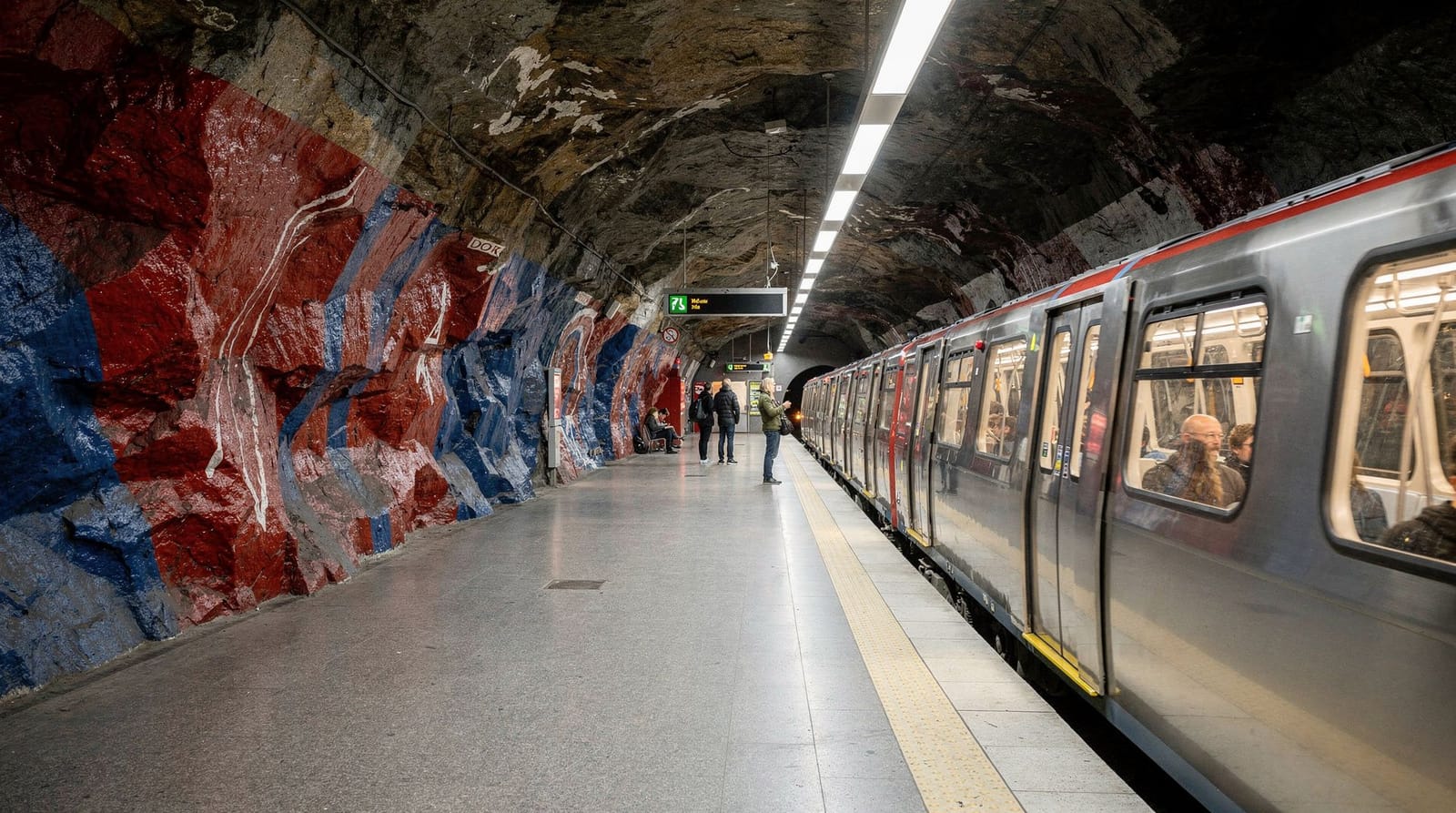
All T-bana stations have lifts connecting street level to platform level. The SL app and sl.se show current lift status — useful to check before any journey, as lifts are occasionally out of service. Not all station entrances have lift access; some require using a secondary entrance. The SL app (and Google Maps integration) will route you via accessible entrances.
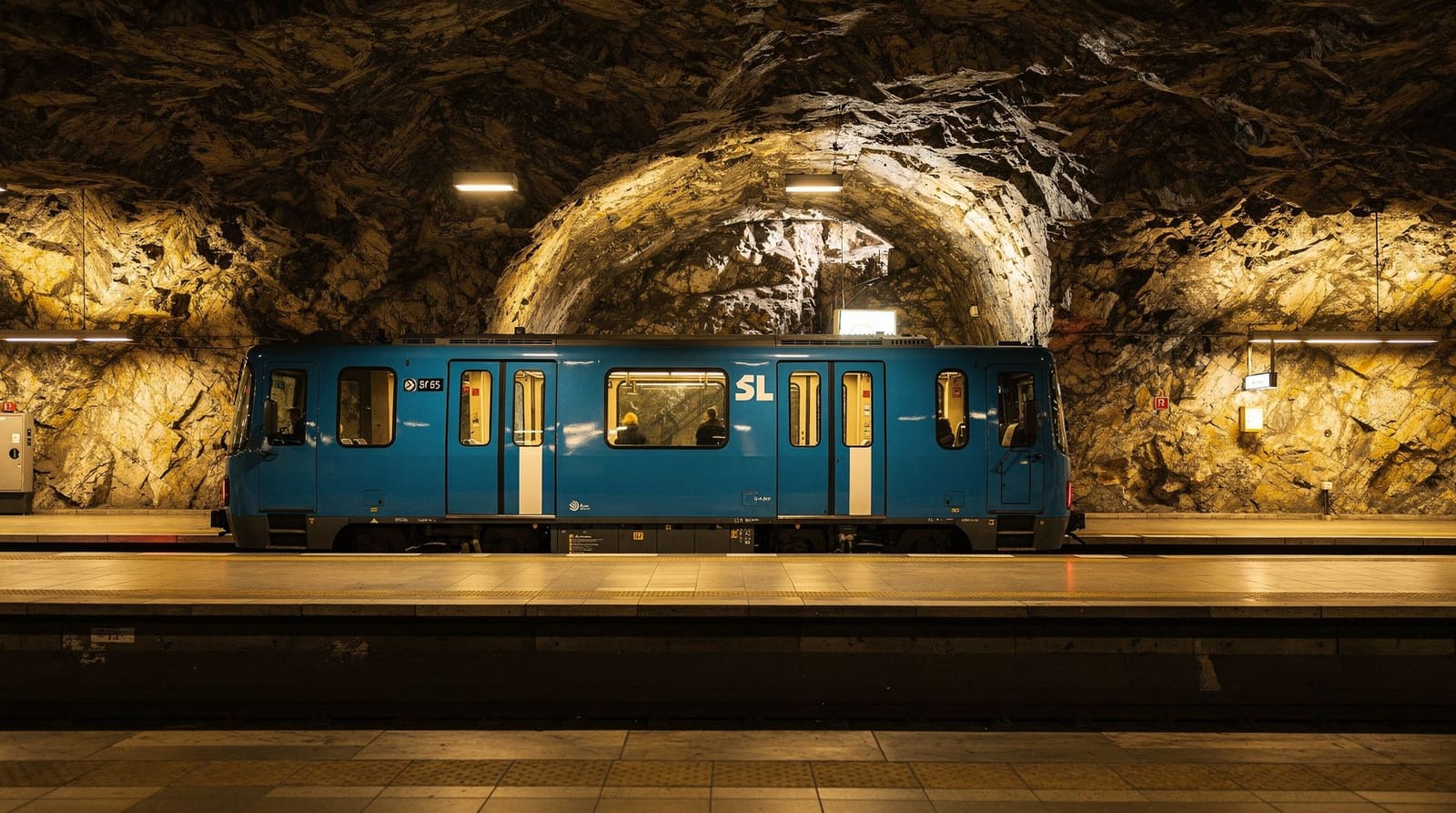
T-bana cars on modern lines (blue line, newer green/red rolling stock) have wide doors and designated wheelchair spaces. Hold-my-bike hooks and priority seating are marked. If you need extra time boarding, staff at most major stations can be reached via the intercom.
City buses
Stockholm’s entire bus fleet is low-floor accessible. The middle door is typically the widest boarding point. Drivers can operate a deployed ramp for wheelchair users upon request. There is no need to fold manual wheelchairs on buses unless the vehicle is full. Power wheelchairs and mobility scooters fit on most buses.
Trams
Tram 7 (Spårväg City) to Djurgården is fully low-floor accessible.
Ferries
Waxholmsbolaget’s larger vessels (class 80 and newer ferries) have ramp boarding, accessible toilets, and wheelchair spaces on the main deck. Some older smaller vessels on less-travelled routes have step-up boarding — verify in advance if accessibility matters for your route. Strömma’s tourist vessels also include accessible boarding on their newer additions.
Major museums: accessibility overview
Vasa Museum
Fully accessible: lift access to all levels, accessible toilets on every floor, level access to the main ship hall, information materials available in large print. Staff assistance available — contact the museum in advance for a more personalised visit. See the Vasa Museum guide for full visiting details.
ABBA The Museum
Lift access throughout, accessible toilets, audio description options. Timed entry booking (strongly recommended in summer) can be done with accessibility requirements noted. Ground-floor and upper-floor elements are connected by lift. See the ABBA Museum guide for booking specifics.
Skansen
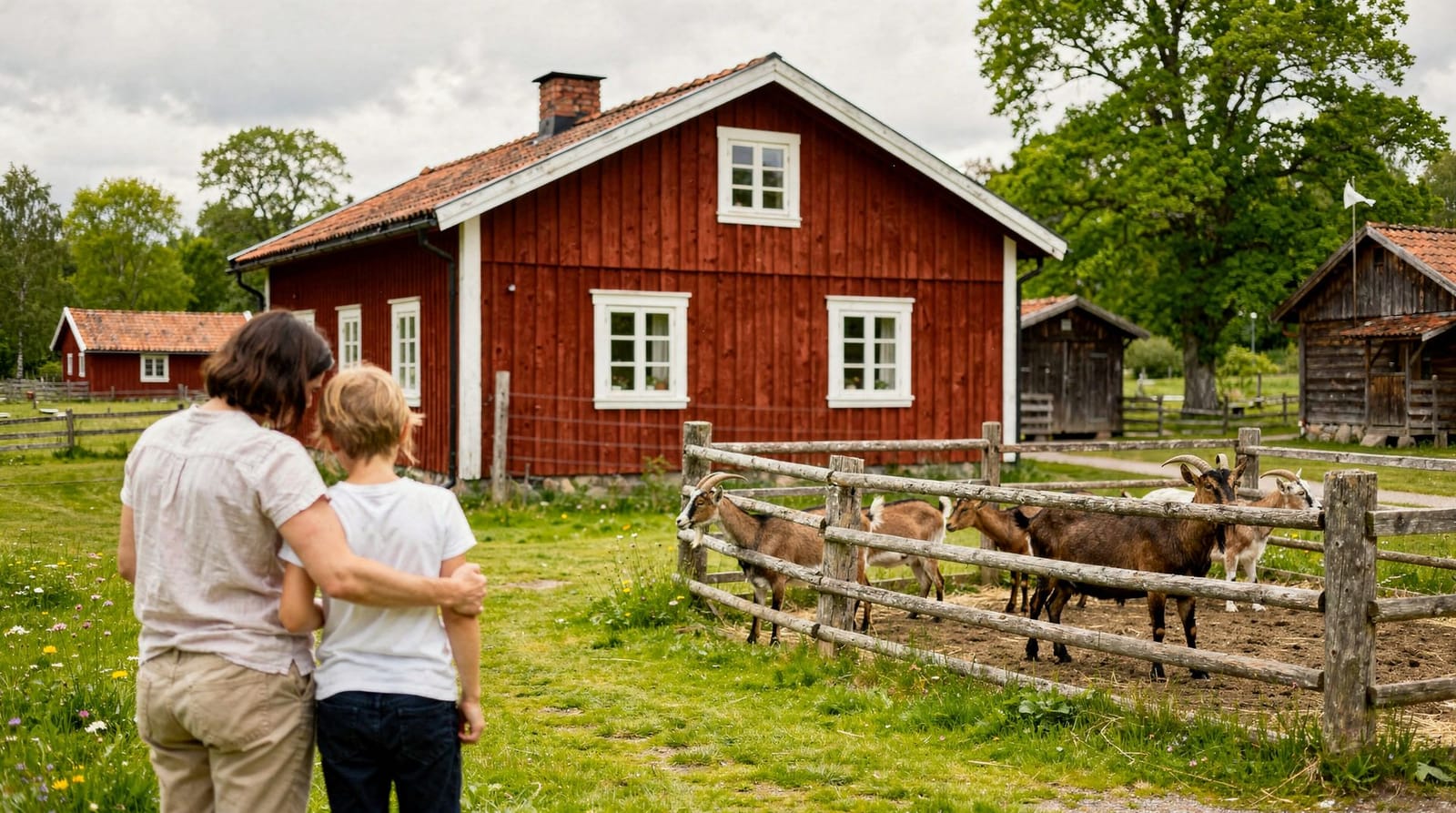
More challenging than the indoor museums. Skansen’s open-air layout spans hilly terrain, and many historic buildings within the park have original narrow doorways and uneven thresholds. The main accessible path through the site is marked on their map. Electric buggies for mobility-limited visitors are available (ask at the entrance). The zoo area and most of the main path are accessible; the traditional farm buildings less so. See the Skansen guide for a full layout overview.
Nationalmuseum
Fully accessible: lifts, ramps, accessible toilets. The museum reopened after a comprehensive renovation in 2018 and was designed with full accessibility. One of Stockholm’s best accessible museum experiences.
Moderna Museet
Lift access, accessible toilets, ramp entry. Entry 170 SEK (free Fridays 18:00–20:00). The viewing terraces with water views over Skeppsholmen are accessible by lift.
Nobel Prize Museum (Gamla Stan)
Located in Stortorget, accessible via ramp. Interior is mostly accessible. The surrounding square has cobblestones but the museum entrance area is level.
Accommodation accessibility
Stockholm has a wide range of accessible hotel rooms, but quality and interpretation of “accessible” varies. When booking, specify:
- Bathroom type: roll-in shower (recommended for wheelchair users) versus walk-in shower versus bathtub
- Bed height: adjustable or stated height in centimetres
- Door width: minimum 80 cm for most manual wheelchairs
- Turning circle: minimum 1.5 × 1.5 m of clear space in bedroom
Major international chains (Scandic, Radisson, Marriott) consistently maintain good accessible rooms with inspection protocols. Boutique hotels in Gamla Stan or historic buildings may have accessibility limitations due to building structure — ask before booking. Scandic Hotels publishes particularly detailed accessibility specifications per property.
Gamla Stan: managing the cobblestones
Gamla Stan (the Old Town) is built on a medieval street grid. The main commercial street Västerlånggatan has some flat sections but many uneven cobblestones. Side streets can be very rough. Some visitors with manual wheelchairs find it easier to have a companion push them through the more textured sections; others navigate slowly but independently.
Accessible highlights in Gamla Stan:
- Stortorget square: mostly level, some cobbled edges
- Royal Palace exterior: viewable from the square, which has improved surfaces around its perimeter
- Nobel Prize Museum: ramp-accessible entrance at Stortorget
- Mårten Trotzigs Gränd (narrowest alley): inaccessible — narrow, stepped, and cobbled
For a more accessible Old Town experience, the waterfront walk along Skeppsbron (the eastern edge of Gamla Stan facing the ferry quays) is flatter and has a paved surface.
Archipelago and day trips
Fjäderholmarna: Good accessibility — the main path on this inner archipelago island is relatively flat and wide. Suitable for wheelchairs, though some gravel paths exist. Ferry access on larger Waxholmsbolaget vessels.
Vaxholm: The main town centre has some accessible paths. Vaxholm Fortress is accessed by small boat and involves steps; challenging for wheelchair users.
Drottningholm Palace: The palace interior has limited lift access (some sections via lift, others only by stairs). The extensive grounds are mostly accessible on gravel paths. Contact the Royal Palaces administration in advance for accessibility arrangements. See the Drottningholm Palace guide for the full visit breakdown.
Suggested accessible day plans
Djurgården museum day: Djurgården is Stockholm’s most consistently accessible district — flat paths connect the Vasa Museum, ABBA The Museum, and Skansen’s main entrance within a short, level walk. Pair this with the public transport guide to plan accessible tram and bus connections onto the island.
City centre and Gamla Stan half-day: Start in Norrmalm or Östermalm, both flat and easy, then approach Gamla Stan via the paved Skeppsbron waterfront rather than the cobbled interior streets. Stop at the ramp-accessible Nobel Prize Museum at Stortorget before retreating to flatter ground for lunch.
Archipelago day with accessibility in mind: Fjäderholmarna’s main path is one of the more wheelchair-friendly archipelago options and is reached on larger Waxholmsbolaget vessels with ramp boarding — see the ferries for day trippers guide before booking. Vaxholm’s fortress, by contrast, involves a small-boat transfer and steps, so plan around the town centre itself if mobility is a concern.
Planning ahead
Booking timed entry with accessibility notes attached, checking SL’s lift status before a journey, and calling ahead to hotels and restaurants with specific requirements all reduce the risk of a surprise on the day. For families combining accessibility needs with children, the Stockholm with kids guide has additional logistics that overlap usefully — pram and wheelchair considerations are often similar in practice (kerb cuts, lift availability, step-free entrances).
Guided accessible tours
Stockholm has several tour operators offering specifically accessible guided experiences. Some offer private tours with accessible vehicles. The Stockholm Visitor Center at Kulturhuset has accessibility consultants who can advise on current options and assist with itinerary planning.
Seeing the water without a long ferry day
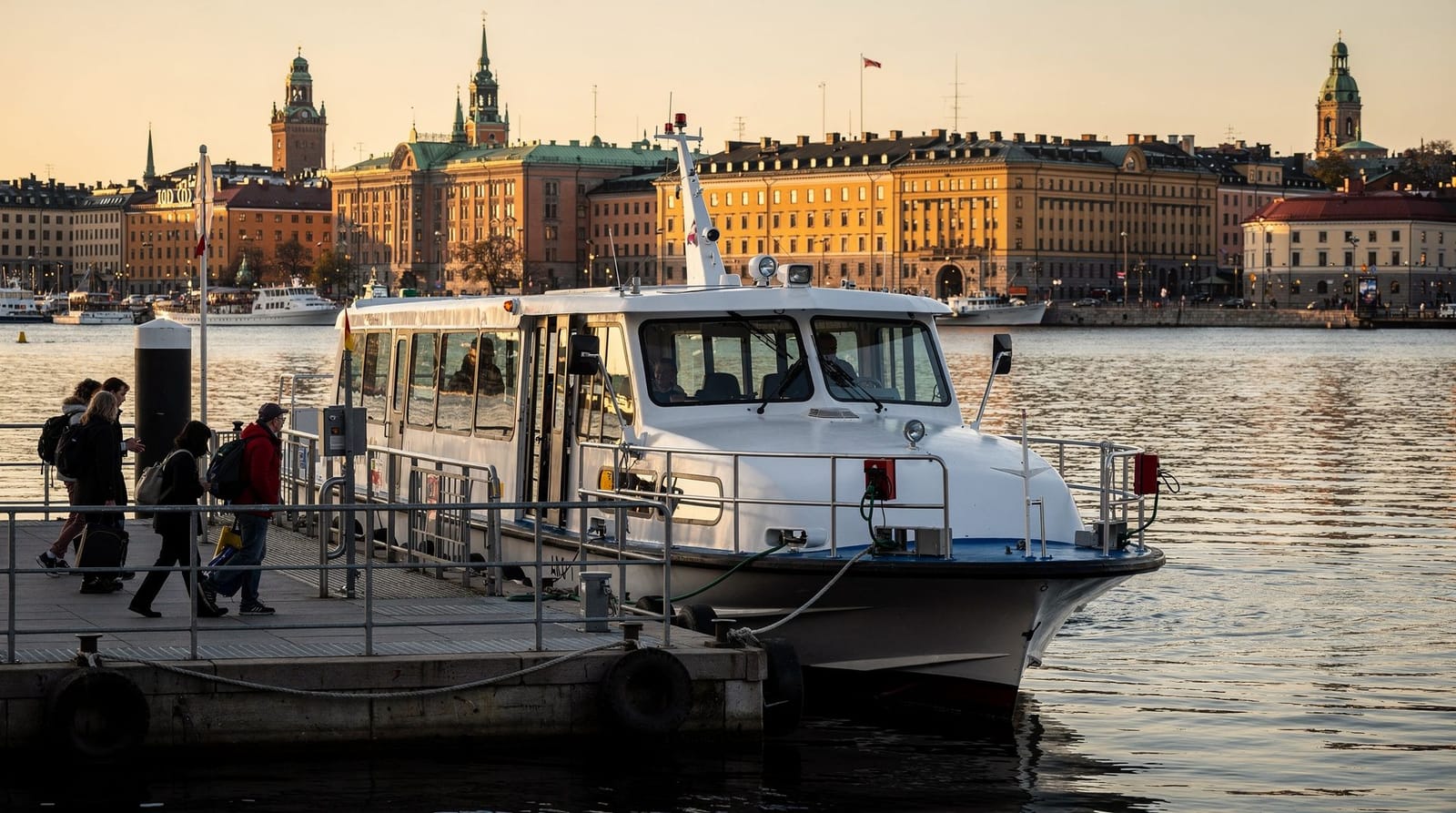
Stockholm is a city built around water, and many visitors with limited mobility want to see it without committing to a full archipelago excursion. A seated sightseeing cruise is the simplest way to do that: you board once, stay in one place, and the scenery comes to you. If that appeals, a guided option such as a sightseeing cruise through the archipelago or a combined Old Town and archipelago cruise can work well, because it spares you the cobbled lanes while still giving you a view of the Gamla Stan waterfront.
Boarding arrangements differ between operators and vessels, so contact the operator before booking, describe your mobility equipment, and ask directly about ramps, step-free boarding and accessible toilets on that specific boat. Do not assume that a newer or larger vessel is automatically step-free. For a wider comparison of boat options, the archipelago boat tour guide and the Stockholm archipelago complete guide explain what each style of trip involves.
Pacing your days
Accessibility is not only about whether a door has a ramp; it is also about energy. Many visitors find that a slower rhythm makes the whole trip more enjoyable: one major sight in the morning, a long fika or lunch break in the middle, and a lighter activity in the afternoon. Stockholm’s café culture helps here, since a warm, seated break is never hard to find in the modern parts of town. The fika culture guide is a good place to choose somewhere comfortable to rest between sights.
Build in buffer time for lifts. Even when every station has a lift, you may need to wait for it, take a longer route to a secondary entrance, or reroute if one is out of service. Treating transfers as part of the sightseeing rather than something to rush through takes a lot of stress out of the day.
If you are travelling with a companion, agree in advance who handles bookings, who checks the SL app and who carries any essential equipment. Small divisions of labour like this prevent the situation where everyone assumes someone else has checked the lift status.
Choosing the right season
Weather has a direct effect on how easy the city is to navigate. Dry months make cobblestones and gravel paths far easier, while snow, ice and slush in winter can turn even flat pavements into a challenge for wheelchair tyres and walking aids. Long daylight hours in early summer are a real advantage, since you can sightsee at a relaxed pace without worrying about the light. Our best time to visit Stockholm guide compares the seasons, and the Stockholm winter guide is worth reading if you can only travel in the colder months, particularly for advice on clothing and what to expect underfoot.
If you travel in summer, remember that popular attractions are busier, which can make narrow aisles and lift queues slower. Spring and early autumn tend to offer a calmer experience, and timed tickets help in every season.
Planning an accessible visit by trip length
If you only have a short stay, the Stockholm in 24 hours itinerary and the two-day essential itinerary can be adapted by swapping cobbled stretches for the flatter districts covered above. With more time, the three-day first-timer itinerary leaves room to slow down and add a rest day. For general orientation on neighbourhoods, the Stockholm destination page and the Djurgården destination page give useful context on what each area is like on foot.
Practical tips
SL Accessibility Helpline: SL offers a specific assistance service for passengers who need support at stations or on vehicles. Contact SL Kundservice for details.
Restaurant and café access: Stockholm’s cafés and restaurants generally have accessible entrances in modern buildings. Gamla Stan and historic building restaurants are more variable. Call ahead if you have specific requirements.
Renting mobility equipment: Wheelchairs and scooters can be rented in Stockholm through medical equipment providers. Several companies deliver to hotels. For longer stays, renting locally may be practical.
Weather and cobblestone: Wet cobblestones in rain are slippery for wheelchair tyres and walking aids. Summer and dry autumn days are the easiest for navigating Gamla Stan. Grip gloves for manual wheelchair users are useful on the uneven surfaces.
Frequently asked questions about Accessibility in Stockholm
Are Stockholm's T-bana metro stations wheelchair accessible?
Yes — all T-bana stations have passenger lifts. However, some older stations have lifts that may be under maintenance; check the SL app or SL's accessibility page (sl.se/en/accessibility) for current lift status. Not every station entrance has a lift — some entrances may require walking to a secondary entrance with lift access.Is the Vasa Museum wheelchair accessible?
Yes. The Vasa Museum has lift access to all floors, accessible toilets, and ramp access throughout the galleries. The main ship hall is fully accessible by wheelchair and mobility scooter. Staff are available to assist. Pre-booking timed entry online is recommended.Is Gamla Stan accessible for wheelchairs?
With difficulty. Gamla Stan's medieval street network uses uneven cobblestones on most of its lanes, including Västerlånggatan and side streets. Some sections have kerb cuts, but the cobbled surface is challenging for manual wheelchairs and uncomfortable in power chairs. Stortorget (the main square) is accessible. Some visitors use walking aids rather than wheelchairs for Gamla Stan specifically.Are there accessible archipelago ferry options?
Larger Waxholmsbolaget vessels have ramp access and accessible toilets. Smaller commuter boats to less-visited islands may have step-up boarding. Check vessel accessibility for your specific route on the Waxholmsbolaget website before travelling. Strömma's newer tourist vessels also have wheelchair access on some routes.Is there a Stockholm visitor guide specifically for disabled travellers?
Yes. Visit Stockholm (the official tourism office) publishes an accessibility guide at visitstockholm.com. The city's own accessibility information is comprehensive. Hotel accessibility varies significantly — specify your requirements when booking, including bed height, bathroom type (roll-in shower vs tub), and room size.