Viking-themed restaurants in Stockholm: what to actually expect
Stockholm: small-group food tour with 7 local food tastings
Are Viking restaurants in Stockholm worth visiting?
For children and visitors who want the theatre experience: yes, with realistic expectations. Aifur Krog is a genuine atmosphere and a competent meal — its menu lists main courses at 235–385 SEK, with drinks on top. For actual traditional Swedish food at normal prices, Tradition (Österlånggatan 1) or Den Gyldene Freden (Österlånggatan 51) are the better choice. The Viking branding is also historically approximate — genuine Viking heritage is at Birka, 30 km from Stockholm.
The appeal is real, and so is the price
Viking-themed restaurants occupy a specific niche in Stockholm’s tourist food scene: they trade on the idea that eating in a medieval basement, served by people in period costumes, with mead in horn cups and torchlight, is an experience worth paying for on top of a meal.
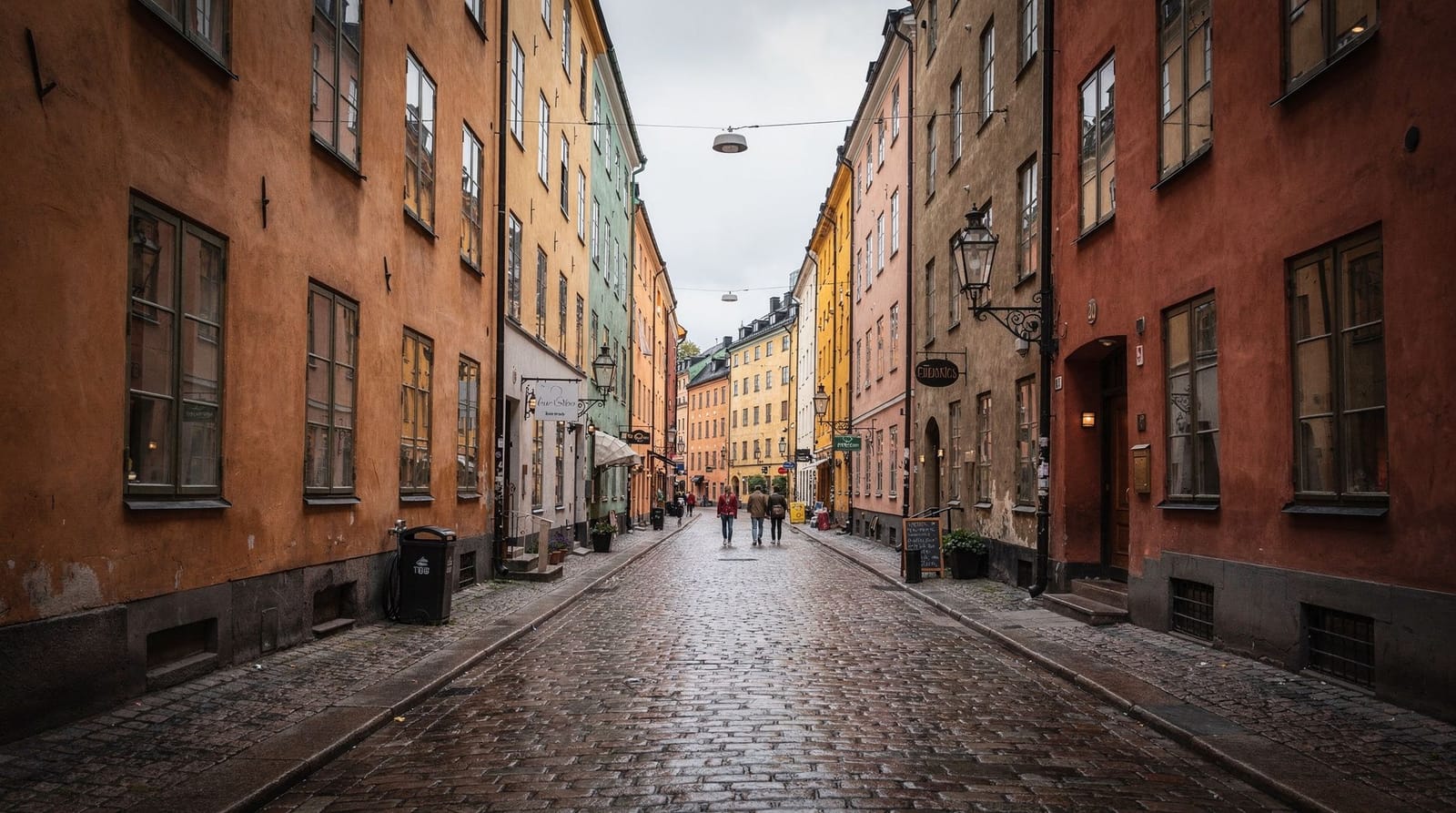
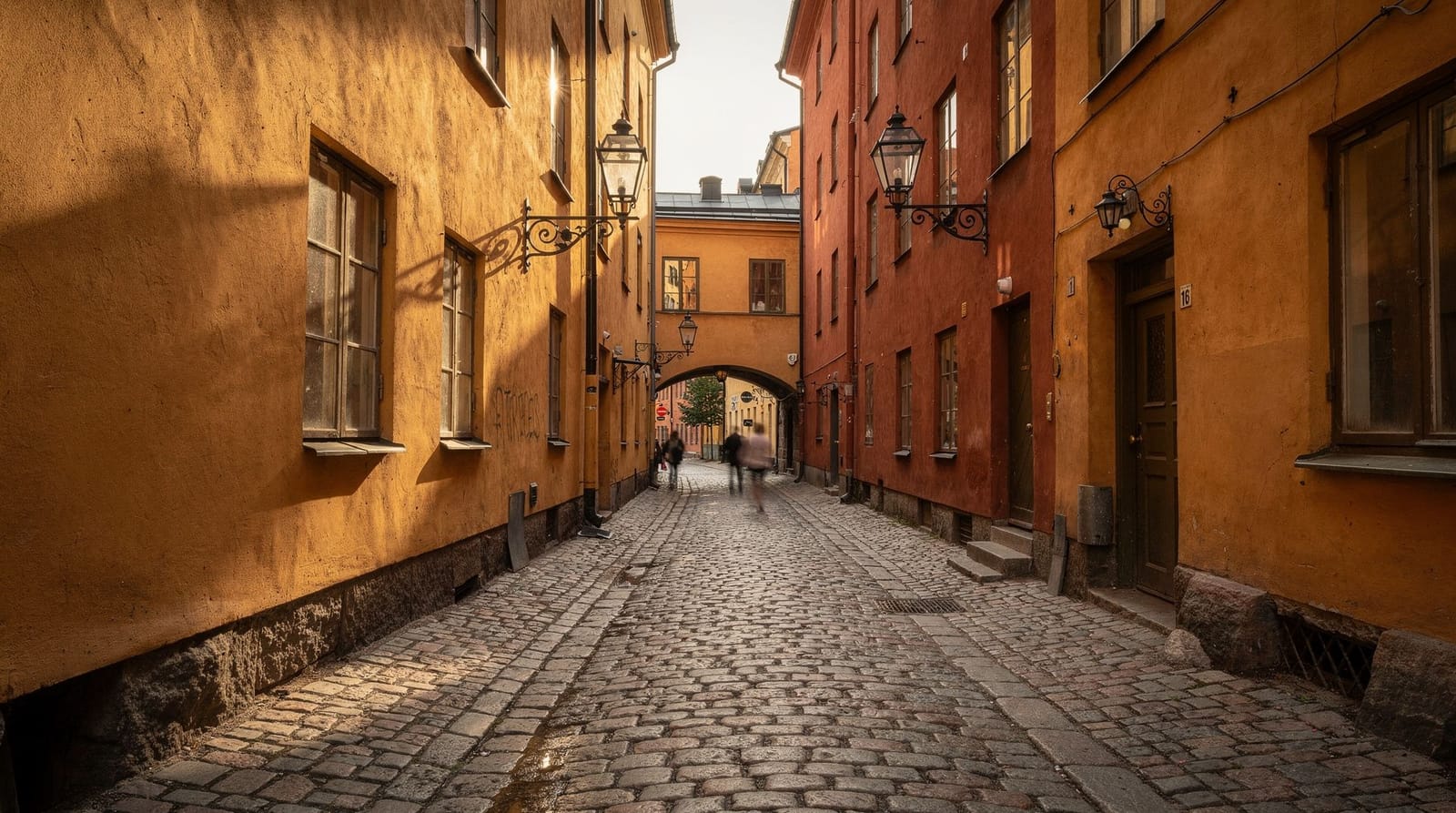
For the right visitor, at the right expectations, this is true. Gamla Stan’s medieval foundations — the actual stonework of the 13th-century city — do form the walls of these restaurants. The atmosphere is not fabricated in the way that a franchise “medieval banquet” might be. It is genuinely atmospheric.
The issue is twofold: the price is theatre-experience pricing rather than restaurant pricing, and the Viking branding is historically approximate in a way that matters if you are actually interested in Viking history.
| Where | Västerlånggatan (Gamla Stan), a few doors from the main tourist strip |
| Cost | Main courses 235–385 SEK, starters 140–195 SEK, desserts 55–125 SEK (Aifur’s menu), plus drinks |
| What it is | Theatrical atmosphere dining, not historically accurate food |
| Best for | Families and visitors who want the theatre and know the price |
| Skip if | You want authentic Swedish food at normal prices — see the Österlånggatan alternatives further down this page |
For more on Gamla Stan dining generally, including honest reviews of the wider Västerlånggatan strip, see the Gamla Stan restaurants honest guide and the Västerlånggatan restaurants review.
Aifur Krog & Bar
Aifur (Västerlånggatan 68b) is the best-known Viking-themed restaurant in Stockholm. It occupies a series of vaulted cellar rooms in Gamla Stan, is open Monday to Saturday (closed Sunday and over Midsummer), and has been operating for more than a decade — which means it has a genuine track record rather than being a pop-up concept.
What you get: A dimly lit, atmospheric space with longship-beam décor and runic carvings. Staff in approximated Viking-era clothing. A menu that covers game (reindeer, elk), fish, and meat dishes, plus a range of mead varieties. The food is competent modern Scandinavian cooking — not exceptional, but not embarrassing.
What you pay: Aifur’s menu lists starters at 140–195 SEK, main courses at 235–385 SEK and desserts at 55–125 SEK. Mead by the horn adds up, so a dinner with drinks costs considerably more than the food alone.
Honest verdict: If you walk in knowing the menu prices and that drinks are extra, and you want the theatrical atmosphere, Aifur is a legitimate choice. If you walk in expecting normal restaurant prices and then encounter the bill, it is a different experience entirely.
Booking is advisable for dinner, particularly in summer. The restaurant has a good online presence.
Sjätte Tunnan
Sjätte Tunnan (“The Sixth Barrel”) is a medieval-themed tavern at Stora Nygatan 43 in Gamla Stan, a smaller and somewhat less tourist-visible restaurant in medieval vaults. The atmosphere is similar to Aifur’s: stone vault, candlelit, rough-hewn wooden furniture, with a medieval rather than Viking theme.
It is open in the evening (to 23:00 Sunday to Thursday, later on Friday and Saturday), and reservations are required. Its website does not list menu prices, so check the menu before you book. It is less prominently marketed than Aifur, though still firmly in the tourist dining tier.
For visitors who want a basement-cellar atmosphere with slightly less of the franchise feel, Sjätte Tunnan is worth considering. But check the menu prices first, as with any themed restaurant.
How to decide before you book
The easiest way to avoid disappointment is to decide what the evening is for. If the goal is a memorable night out with a group, a birthday, or children who will love the costumes and the candlelight, a Viking-themed cellar does the job, and the cost is part of the show. If the goal is simply a good dinner in a city known for its food, the same money goes further elsewhere, and you will probably eat better.
A few questions help settle it:
- Who is coming? Children and teenagers tend to enjoy the theatre far more than adults travelling alone or as a couple. A quiet romantic dinner is hard to have in a lively, noisy vault.
- How much do you plan to drink? Mead and horn-cup rounds are where the bill grows. If you would rather order a single drink, the evening costs noticeably less.
- Is it your only Gamla Stan dinner? If you only have one evening in the Old Town, many travellers prefer to spend it somewhere historic but not themed, and keep the Viking story for a daytime visit. The Gamla Stan neighborhood deep dive shows how much else the island offers after dark.
- Are you travelling on a tight budget? Then a themed dinner is a splurge to plan for rather than stumble into. The Stockholm budget per day guide and the blog post on eating cheap in Stockholm show how to balance one expensive meal against cheaper days.
Look at the menu before you commit, and read the drinks list as carefully as the mains. Ask what a set menu includes and whether drinks are part of it. Hosts in tourist-area restaurants are used to these questions, and a clear answer at the door is worth more than a surprise at the end of the night. Our tourist traps guide lists other places where checking prices first pays off.
The historical accuracy problem
Neither Aifur nor Sjätte Tunnan makes serious claims to historical accuracy, but the branding suggests a Viking connection that is geographically and chronologically imprecise.
The geography problem: Gamla Stan was founded in 1252. The Viking Age ended approximately around 1100 AD. The Old Town of Stockholm therefore post-dates the Viking Age by at least 150 years. There were no Vikings eating in these cellars — the cellars did not exist.
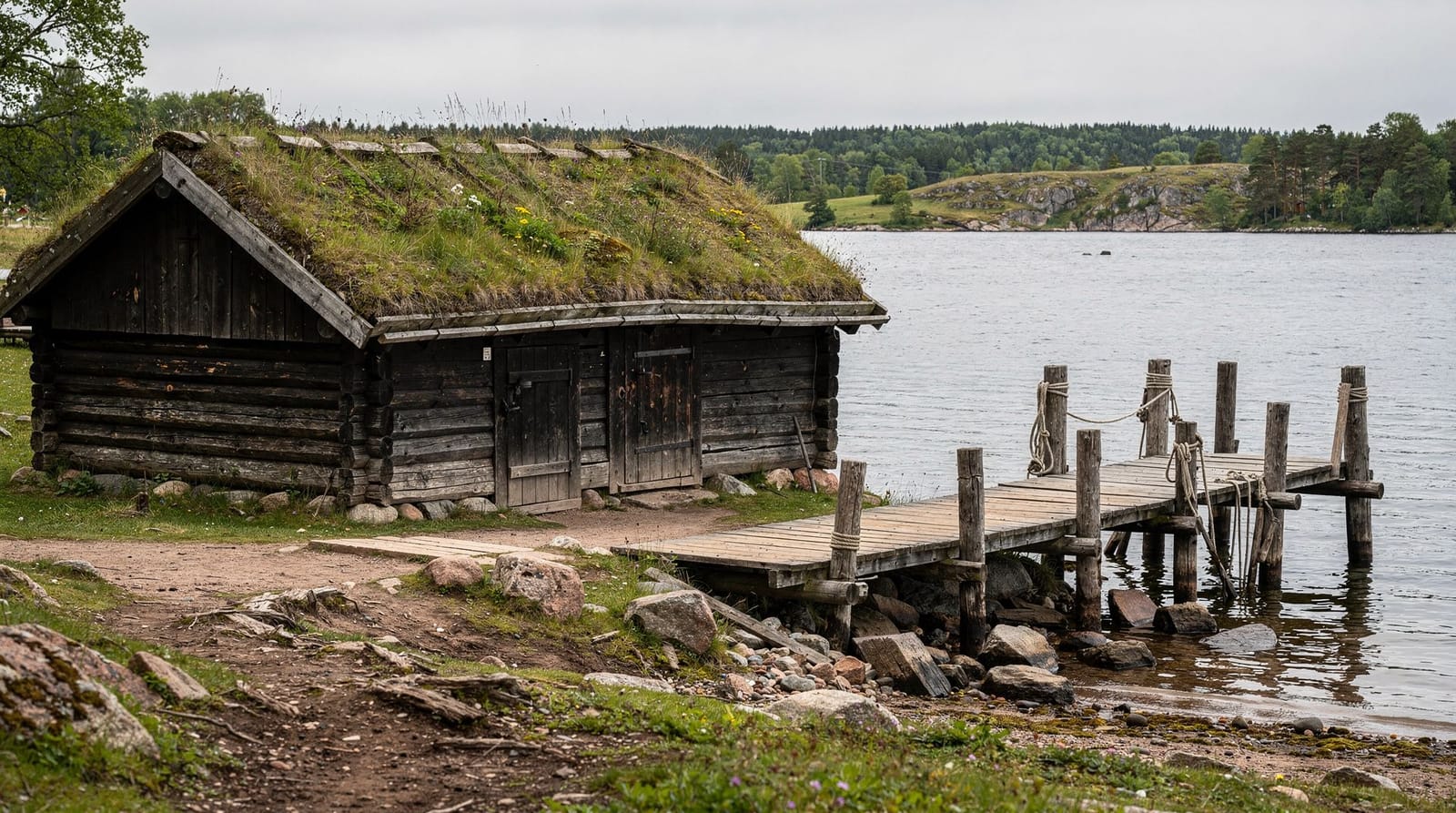
The heritage problem: Genuine Viking heritage in the Stockholm region is concentrated at Birka, an island in Lake Mälaren that was an active trading post in the 8th–10th centuries. Birka is a UNESCO World Heritage Site, with an archaeological museum, reconstructed buildings, and ongoing excavations. The boat trip from Stockholm to Birka is itself part of the experience. If you are actually interested in Vikings, Birka is the correct destination.
The food problem: Historical Viking cuisine had nothing to do with what Stockholm Viking restaurants serve. The actual Viking diet was grain porridges, dried fish (stockfish), preserved meat, wild game, and root vegetables — austere food for a maritime, agrarian society. Mead was real; horn cups were real. Elaborate reindeer dishes and refined sauces were not.
None of this is a reason to boycott Viking restaurants — they are entertainment, not education. But if you are bringing children who are genuinely excited about Viking history, Birka is a better educational investment. See the Birka Viking day trip guide.
Where to eat real Swedish food in Gamla Stan
If you want traditional Swedish food — the cuisine that actually developed in Stockholm over the last three centuries, in the actual cultural context of the city — the relevant restaurants are on Österlånggatan rather than Västerlånggatan.
Den Gyldene Freden (Österlånggatan 51, founded 1722): the oldest restaurant in Stockholm at its original address. Swedish classic cooking — meatballs, herring in several preparations, gravlax, seasonal game — in surroundings that are genuinely historic without the Viking theatre. Main courses around 250–350 SEK.
Tradition (Österlånggatan 1): the most-recommended honest Swedish restaurant in Gamla Stan among Stockholm food writers. Husmanskost (home cooking) — the real thing, not the tourist approximation. Book for dinner.
Both restaurants are one block east of Västerlånggatan on the parallel street. The walk takes less than two minutes.
What you gain by crossing over is context. Traditional dishes such as meatballs, herring and gravlax belong to Stockholm’s real culinary story, and eating them in a room that has simply been a restaurant for a long time feels different from eating in a costume-driven setting. If meatballs are what you came for, the guide to where to eat Swedish meatballs and the blog post on where locals actually eat them go deeper. For the wider Swedish table, the smörgåsbord guide covers the buffet tradition, and the fine dining overview is the place to look if you want a more refined evening.
Tasting your way through the Old Town
If you would rather not commit to a single sit-down dinner, a guided tasting is a flexible alternative. You walk the lanes of Gamla Stan with a guide, try several small dishes in different places, and hear the real history of the quarter as you go. A food tour through the Old Town with several tastings lets you sample Swedish classics without paying theatre prices for a full Viking banquet. Our food tour guide compares the options, and the Söder food scene guide is a good next step if you want to eat where residents do.
The Viking Museum: a better cultural option
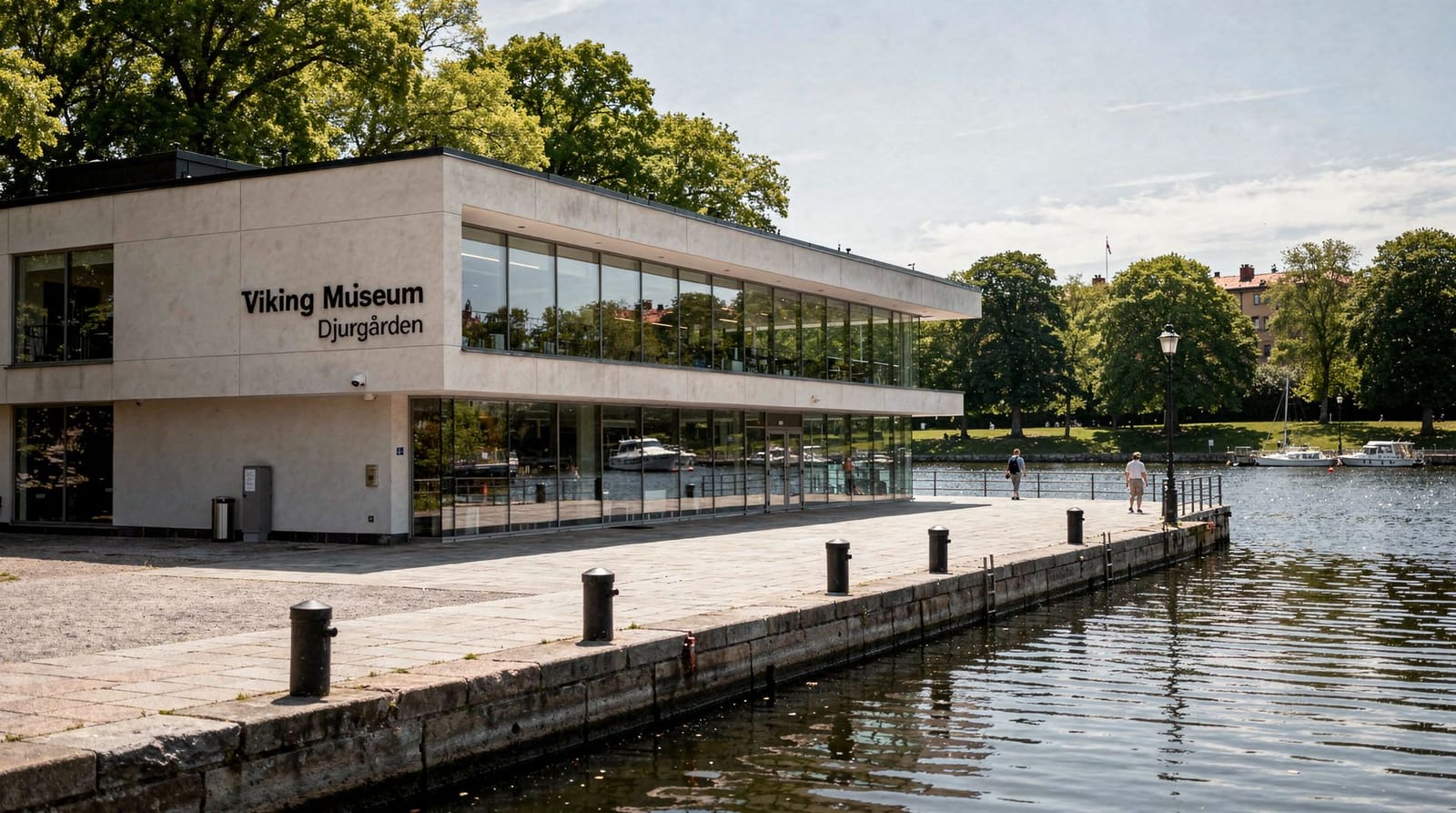
If your interest is in actual Viking history, the Viking Museum (Djurgårdsvägen 48, Djurgården) is worth the visit. Unlike the restaurants, it has real artefacts, a serious historical exhibition, and a Viking Ride — an immersive experience that covers the history of Scandinavian seafarers. Entry includes the ride, which is genuinely engaging for both adults and children.
The museum is on Djurgården island, a 10-minute ferry or 20-minute walk from Gamla Stan. See the Viking Museum guide.
Because the museum sits among the other Djurgården attractions, it combines easily with a longer day on the island. The Djurgården walking route and the Djurgården neighborhood deep dive help you build that day. If you want the exhibition and the ride sorted in advance, you can look at tickets for the Viking exhibition and its ride before you go.
Going further for real Viking history
Travellers who catch the Viking bug after one themed dinner often want the real thing. The region has more of it than most visitors expect. Birka is the headline site, and a boat trip to the Viking town of Birka is the classic way to reach it; you can also compare options in the Birka Viking village guide or read a first-hand account in the blog post on whether the Birka day trip was worth it. If you prefer to stay on the mainland, the Sigtuna day trip guide and the Uppsala day trip guide both lead into the Viking and early medieval past, and a guided half-day Viking culture trip to Sigtuna packs the story into a manageable outing. The Viking heritage in the Stockholm region overview ties these places together.
The contrast with the restaurants is useful. At the cellar dinner, the Viking idea is a costume. At these sites, it is a place with evidence in the ground, and the experience feels quieter and more grounded. Many families find that doing one of each, the theatre for an evening and a real site by day, gives children both the fun and the facts without confusing the two.
A fair assessment
Viking-themed restaurants in Stockholm are not fraudulent. They are a particular kind of tourist dining experience — theatrical, atmospheric, expensive — and for the visitor who wants that experience and knows the price, they deliver. Aifur, in particular, has been operating long enough and is well-reviewed enough to be considered a legitimate Stockholm attraction for the right traveller.
The trap is not the restaurants themselves. The trap is arriving without knowing the prices, or expecting that “Viking restaurant” means “authentic Swedish food at normal prices.” Neither is true.
Summary recommendations:
- For the theatre experience: Aifur Krog. Check the menu prices and book ahead.
- For actual Swedish food at honest prices: Tradition or Den Gyldene Freden.
- For genuine Viking history: Birka (day trip, half-day minimum) or the Viking Museum on Djurgården.
Viking restaurants are one specific example of a broader pattern in Gamla Stan tourist dining — themed pricing that trades on atmosphere rather than authenticity. See the Stockholm tourist traps to avoid guide for the fuller picture, and the Stockholm budget per day guide for how a themed dinner fits into an overall daily budget.
Frequently asked questions about Viking restaurants in Stockholm
How much does Aifur Krog cost?
Aifur’s menu lists starters at 140–195 SEK, main courses at 235–385 SEK and desserts at 55–125 SEK. Mead and other drinks add up quickly.
Is the food at Viking restaurants actually Viking?
No — Viking-era cuisine was grain porridges, dried fish, and preserved meats. What Viking restaurants serve is modern Scandinavian food in atmospheric presentation.
Where is authentic Viking heritage near Stockholm?
Birka, on Björkö island in Lake Mälaren (30 km from Stockholm), is a UNESCO World Heritage Site and a genuine 8th–10th century Viking trading post.
What is Sjätte Tunnan?
Sjätte Tunnan is a medieval-themed tavern at Stora Nygatan 43 in Gamla Stan, in medieval vaults — similar to Aifur in atmosphere, slightly less tourist-concentrated. Reservations are required.
Can children enjoy Viking restaurants?
Generally yes — the theatrical elements work well for children. Check the menu and booking page for children’s options.