Västerlånggatan restaurants: an honest review of Gamla Stan's tourist strip
Stockholm: small-group food tour with 7 local food tastings
Are Västerlånggatan restaurants worth it?
Some are — but you need to check prices before sitting down. The street has restaurants that charge 500–700 SEK per person for a meal you can get for 250–400 SEK one block east on Österlånggatan. The diagnostic: look for a menu with prices posted outside before entering. If there are no posted prices, move on.
What is Västerlånggatan?
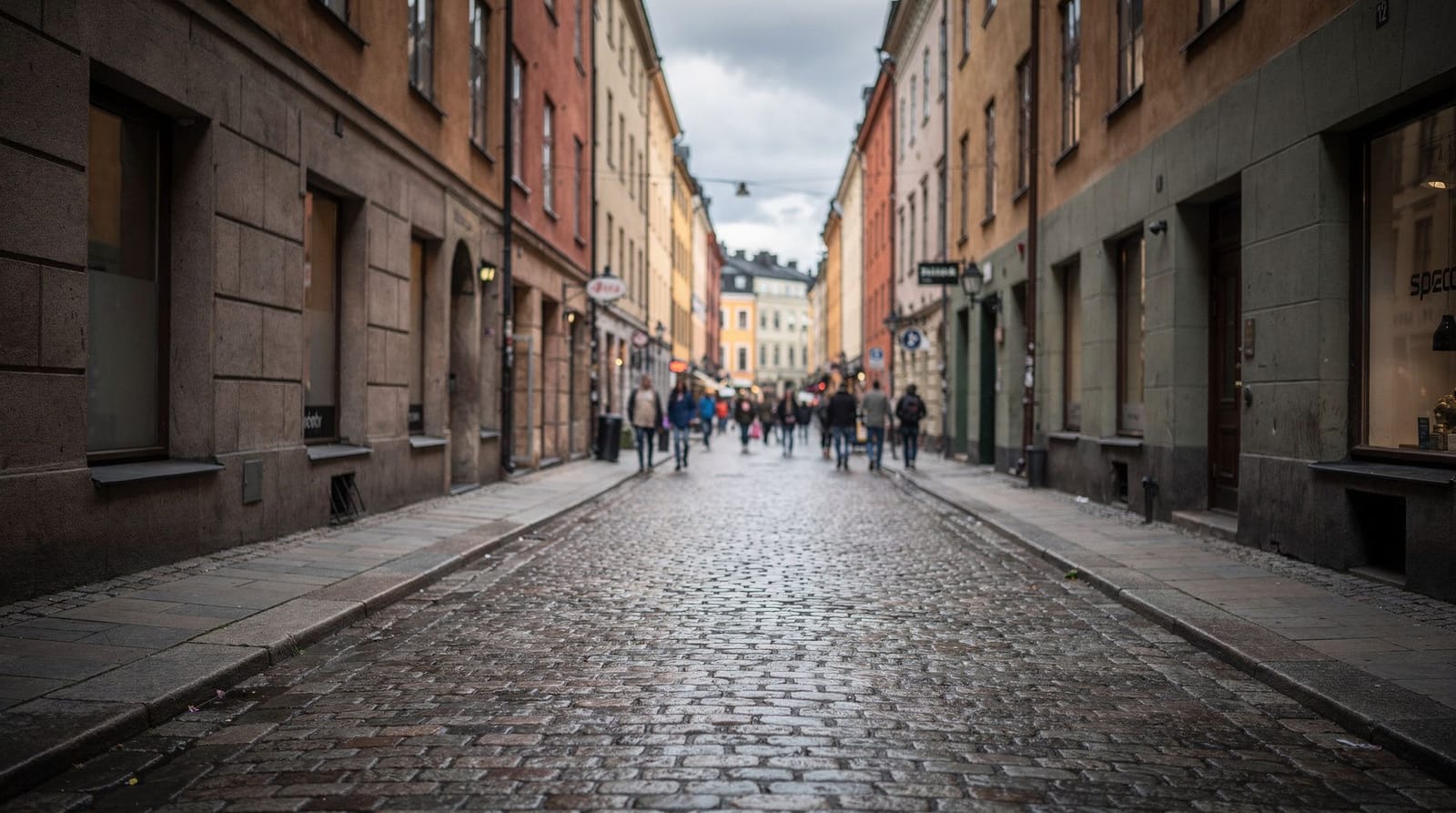
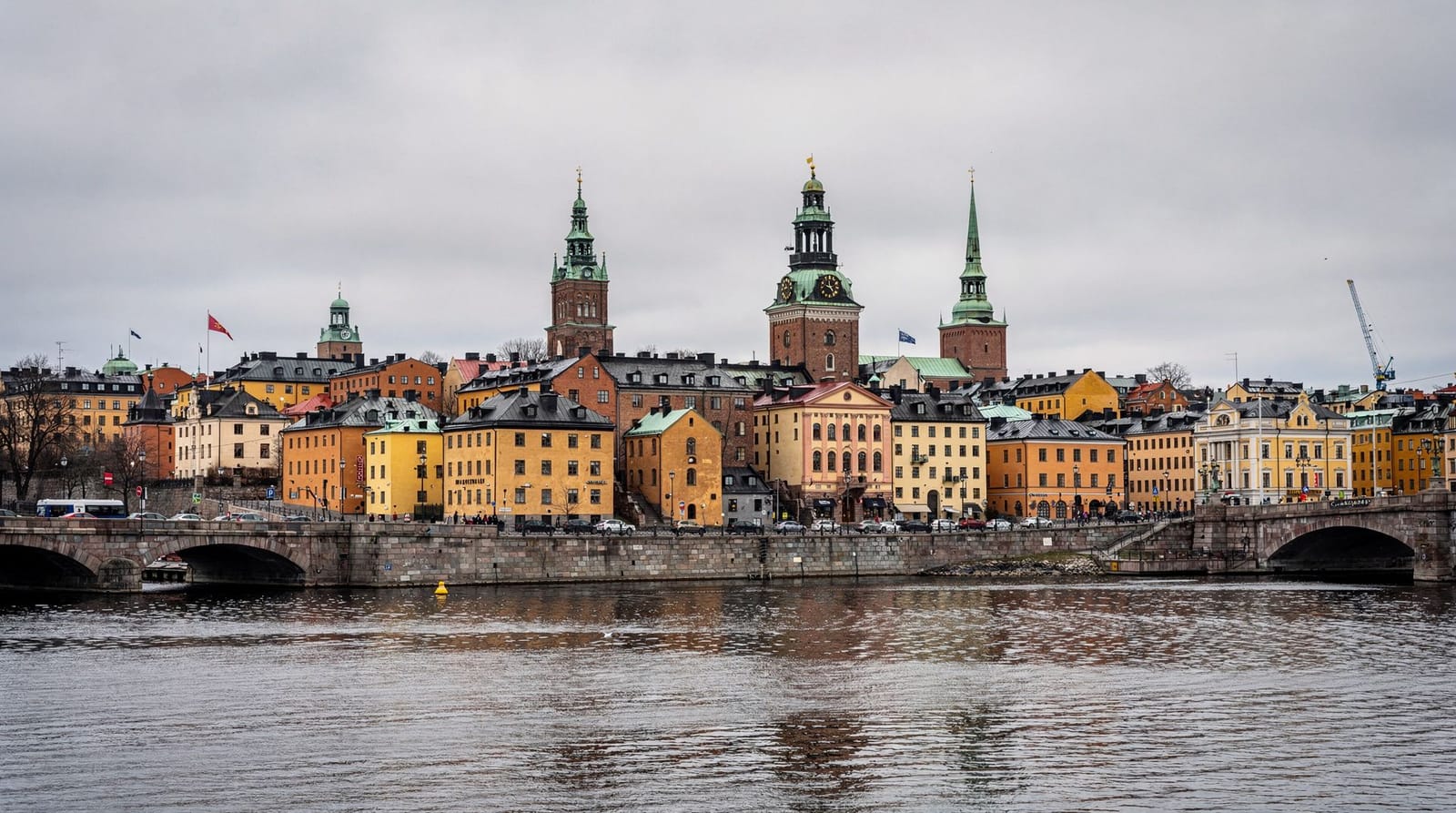
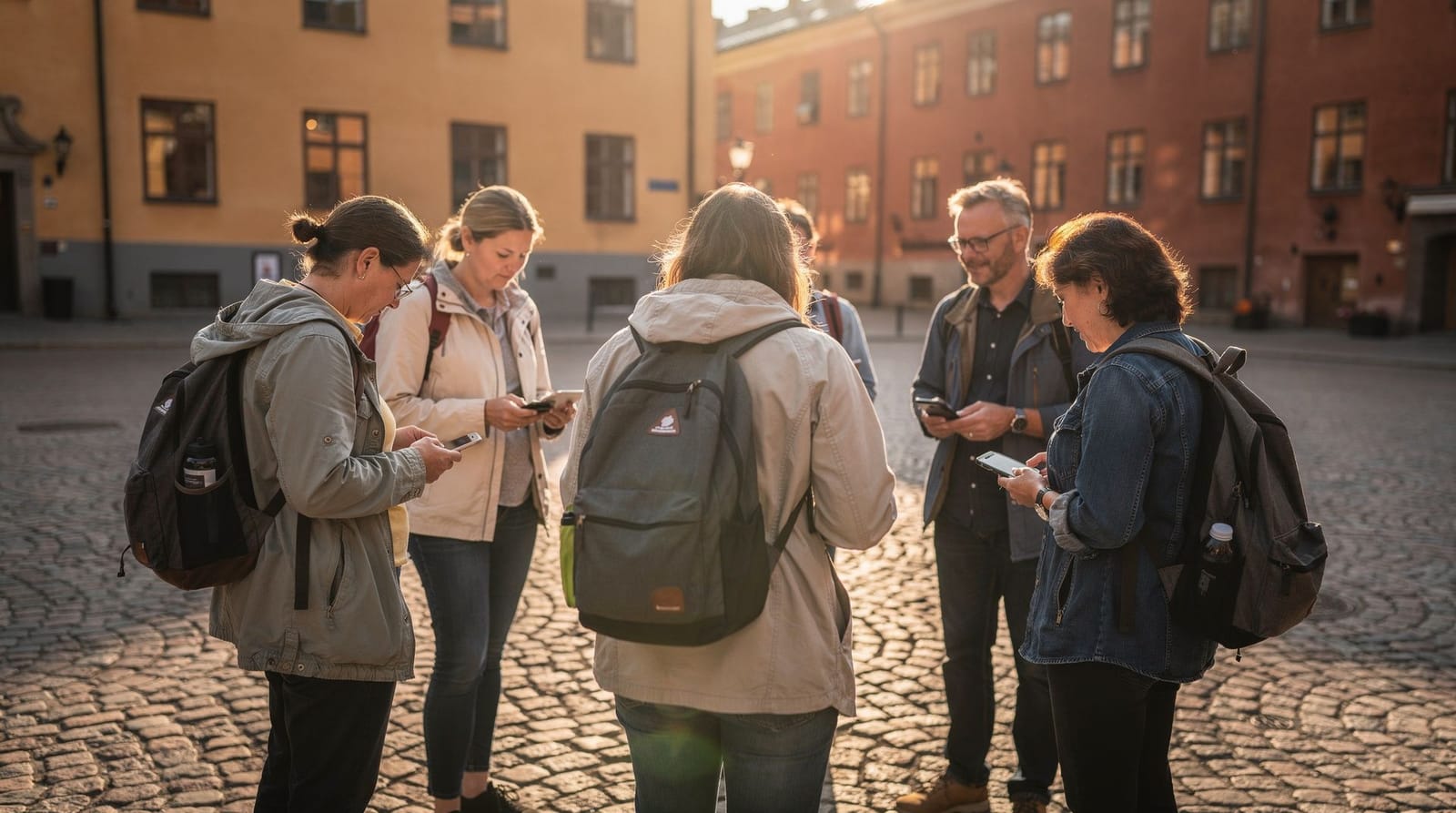
Västerlånggatan is the main pedestrian street running the length of Gamla Stan — Stockholm’s medieval island city, dating to 1252. It is the tourist artery of the Old Town: the street most visitors walk, lined with souvenir shops, restaurants, cafés, and tour operator boards.
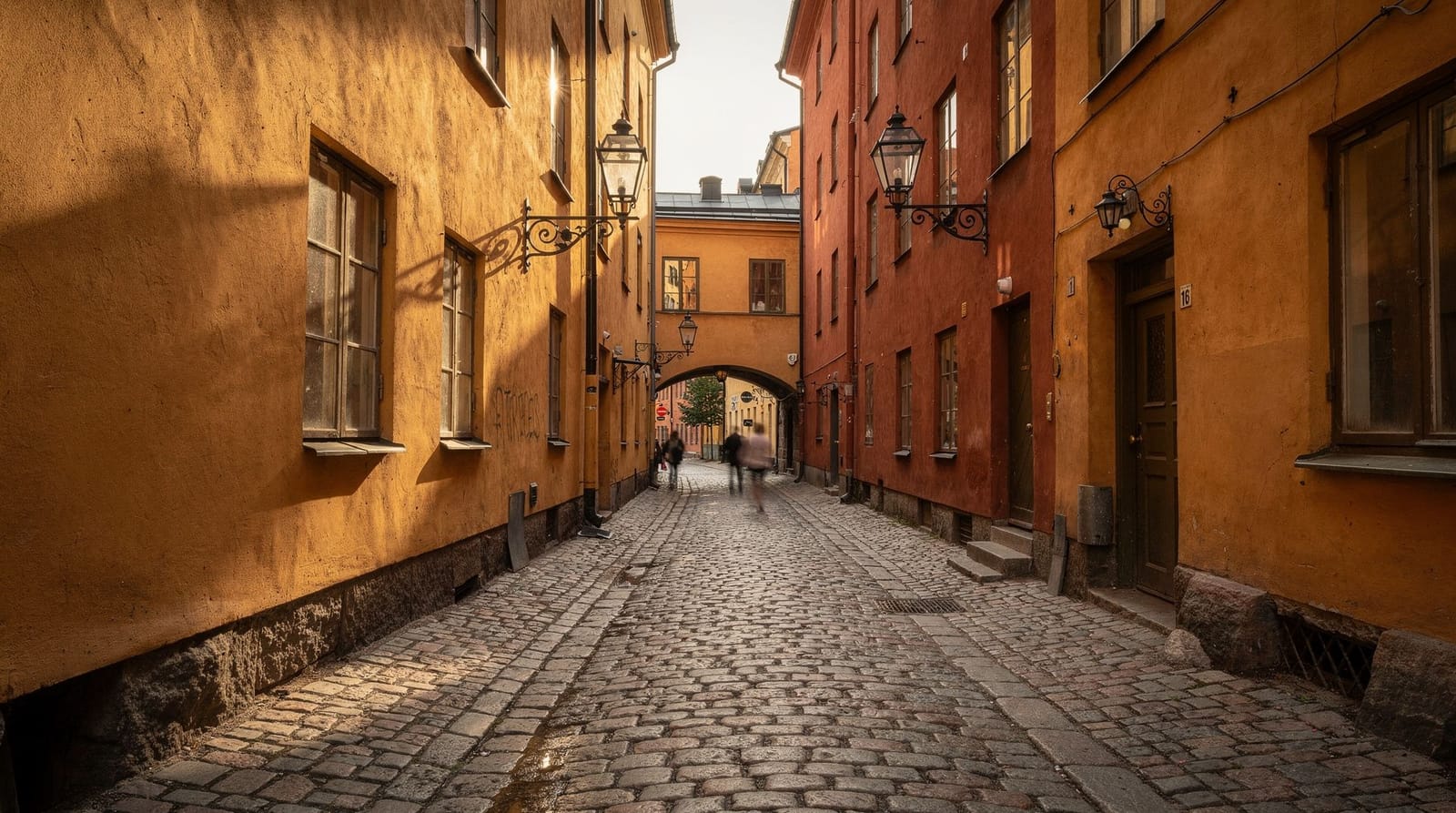
It is also genuinely beautiful. The cobblestones, the narrow width, the coloured medieval facades, the sense of having stepped into a city where centuries have layered on each other — this is not manufactured. Gamla Stan is the real thing, and Västerlånggatan is at its heart.
The problem is specifically economic. The street’s beauty and central position have created a restaurant market where pricing opacity has become standard. Visitors who do not know Stockholm’s price landscape sit down, enjoy the atmosphere, and discover at bill time that their dinner cost twice what they expected.
This guide exists so that does not happen to you.
| Where | Gamla Stan’s main pedestrian street |
| Cost | Around 250–400 SEK honest; 500–700 SEK in the tourist tier |
| Time needed | Full street walk to compare: 20–30 minutes |
| Getting there | T-Centralen or Gamla Stan T-bana, then walk |
| Best time | Lunch (11:30–14:00) for the best value across the board |
For general orientation to the surrounding streets, see the Gamla Stan neighborhood deep dive and the Gamla Stan destination page.
The pricing reality
A reasonable estimate for a sit-down meal in Gamla Stan — main course, a beer or glass of wine, no dessert — is 250–400 SEK per person. This is not budget dining; it is the Stockholm middle tier.
Restaurants on the tourist-heavy part of Västerlånggatan — particularly those within 200 metres of the Järntorget (south end) or clustered near the street’s most photographed sections — frequently charge 500–700 SEK per person for what is, in essence, a mid-range meal. A main course at 320–390 SEK, drinks at 120–150 SEK, a “cover charge” or bread that was not on the displayed menu — these add up.
The pricing is not illegal. It is not fraudulent. It is a market responding to information asymmetry: tourists who do not know Stockholm prices, who will not be back to tell others, and who have been led by the beautiful surroundings to assume that ambiance justifies cost.
The diagnostic: how to tell before you sit down
Three signals that a restaurant is in the expensive tier:
No prices posted outside. Swedish law does not require restaurants to post menus outside, but most decent-value restaurants do. A restaurant that does not show prices before you commit is relying on your reluctance to ask, or to leave once seated. Walk on.
English-only menu. Gamla Stan has many legitimate restaurants with English menus — they cater to an international clientele, after all. The warning signal is when there is no Swedish version at all. A restaurant confident of its price-value relationship does not need to hide the menu from the locals who know what things cost.
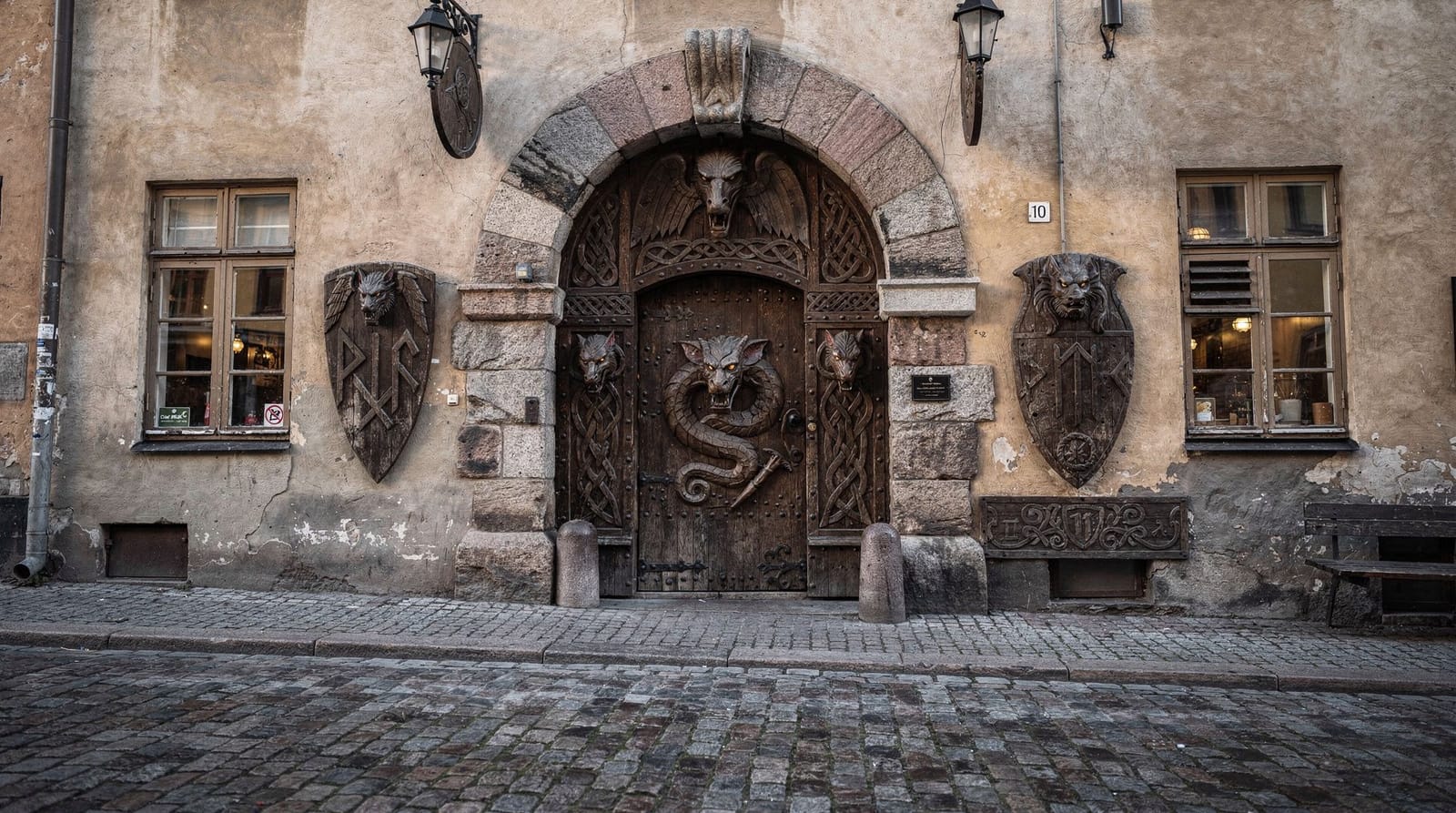
“Viking experience” language and horn-of-mead imagery. This is not automatically a trap (see Viking-themed restaurants) but it is a flag. The price premium for theatrical atmosphere is real and can be significant.
Tour bus proximity. Restaurants positioned immediately adjacent to tour bus stops or near the tourist information points on Järntorget and Stortorget have a permanent supply of visitors who did not plan their meal in advance.
What to eat on Västerlånggatan honestly
Not every restaurant on Västerlånggatan is overpriced. The street is long, and the economics vary by section. The central section — from roughly Mårten Trotzigs Gränd down to Järntorget — is where tourist pricing concentrates. The northern section, above Stortorget, has restaurants that cater more to the mixed Stockholm-and-tourist population that uses the street as a genuine thoroughfare.
What to look for: a menu in Swedish and English with main courses in the 180–280 SEK range, posted outside, with no ambiguous service charges. Dagens lunch (today’s lunch special, 130–170 SEK, served 11:30–14:00) is the best value dining in Gamla Stan and available on Västerlånggatan as well as the surrounding streets.
Västerlånggatan vs Österlånggatan at a glance
| Västerlånggatan | Österlånggatan | |
|---|---|---|
| Character | Busy, souvenir shops, tour groups | Quieter, one block east |
| Typical dinner price | 500–700 SEK in the tourist tier | 250–400 SEK for equivalent quality |
| Posted prices | Inconsistent | More consistently posted |
| Best for | A quick browse or a coffee | An actual sit-down meal |
If you are choosing based on avoiding the general Stockholm tourist traps, Österlånggatan is the safer default for dinner.
Better alternatives in Gamla Stan
Österlånggatan restaurants
Österlånggatan is the parallel street one block east — quieter, less photographed, used more by people who actually know where they are going. Two of Stockholm’s most respected traditional Swedish restaurants are here.
Den Gyldene Freden (Österlånggatan 51): opened 1722, the oldest restaurant still operating at its original address in Stockholm. The Swedish Academy, which owns the building, still dines here after its Thursday meetings — there is a portrait of Carl Michael Bellman on the wall. The food is traditional husmanskost: meatballs, herring, game, seasonal Swedish dishes. Prices are at the honest end of the Gamla Stan range. Book for dinner.
Tradition (Österlånggatan 1): the locals’ answer to the question “where do you eat Swedish food in Gamla Stan?” — unpretentious and well-run, with weekday lunch served 11:30–14:30. Better value than anything in the central Västerlånggatan tourist zone.
Near Stortorget
Bistro Ruby (Österlånggatan 14, on the same street as Tradition and Den Gyldene Freden): slightly pricier, more Parisian in character, but transparent pricing and good food. A reasonable choice if you want a nicer dinner near the main square without Viking-menu pricing.
The Nobel Prize Museum café (Stortorget): excellent Swedish open sandwiches (smörgås) and pastries at café prices. The museum itself is also worth 20 minutes if you are in the area — see the Nobel Prize Museum guide.
Let someone else pick the restaurant
If working out which restaurant deserves your money sounds like more effort than you want on holiday, a guided food tour removes the guesswork — a local guide takes you to vetted stops with honest pricing built in.
Book the Old Town food tour with 7 tastings Book the Old Town Swedish food tasting tourBoth cover a mix of savoury and sweet stops around Gamla Stan, and both sidestep the exact pricing trap this guide is about.
The “tour group stop” factor
Some of the highest-markup restaurants on Västerlånggatan have formal or informal relationships with walking tour operators — a kickback arrangement where the tour guide steers groups to particular restaurants for their included lunch or suggested dinner. This is not unusual in tourist destinations globally, but it explains why some restaurants on the street are simultaneously heavily reviewed on Google and consistently criticised for value.
If your tour guide suggests a specific restaurant on Västerlånggatan for your “authentic Swedish dinner,” it is worth independently checking the price of the menu before committing. This is the same pattern covered in the free walking tour tipping pressure guide — commission arrangements are common wherever a guide has a captive, unfamiliar audience.
Lunch versus dinner
The timing matters significantly. Swedish restaurants across the price spectrum offer a “dagens lunch” (today’s lunch) between approximately 11:30 and 14:00: one main course, salad, bread, and coffee for 130–180 SEK. This applies to restaurants on Västerlånggatan too — including some of the more expensive ones.
Dinner at the same table can cost three times as much. If you are on a budget, eat your main meal at lunch on Gamla Stan and have a cheaper dinner elsewhere (Södermalm and Vasastan have better casual dining value overall). For how this fits a wider daily budget, see the Stockholm budget per day guide. If you want a self-guided orientation to the street layout before deciding where to eat, the Gamla Stan walking tour guide covers the same ground on foot.
Understanding the atmosphere premium
A final honest observation: some of the pricing premium on Västerlånggatan is genuine value for something. Eating in a candlelit 14th-century cellar in the oldest part of Stockholm, surrounded by medieval stone walls, is not the same experience as eating at a comparable restaurant in a modern part of the city. For some visitors, the atmosphere premium is worth paying.
The problem is when you pay the premium without knowing you are paying it. The goal of this guide is to ensure the choice is yours.
Some visitors decide, having seen the prices upfront, that a single memorable candlelit dinner in a medieval cellar is worth the splurge for one night of the trip — and that is a perfectly reasonable choice, provided it is a choice rather than a surprise. The failure mode this guide targets is not spending more on Västerlånggatan; it is spending more without meaning to.
How to walk the street before you eat
The most useful habit is also the simplest: walk the whole street once without sitting down. Read the menus, compare what each place posts, and note which ones show their prices clearly. Doing this turns a rushed, hungry decision into an informed one. If you are building a wider plan for the day, the Gamla Stan walking tour guide and the self-guided walking Stockholm route both give you a natural rhythm for it, with time to stop for a coffee rather than a full meal.
Hunger is the enemy of good judgement here. Visitors who arrive at a restaurant already starving, after a long morning of sightseeing, accept the first table offered. Eat a small snack beforehand, or plan your meal for a moment when you are not desperate, and you will find it much easier to walk past the places that do not post their prices.
Coffee, pastries and lighter options
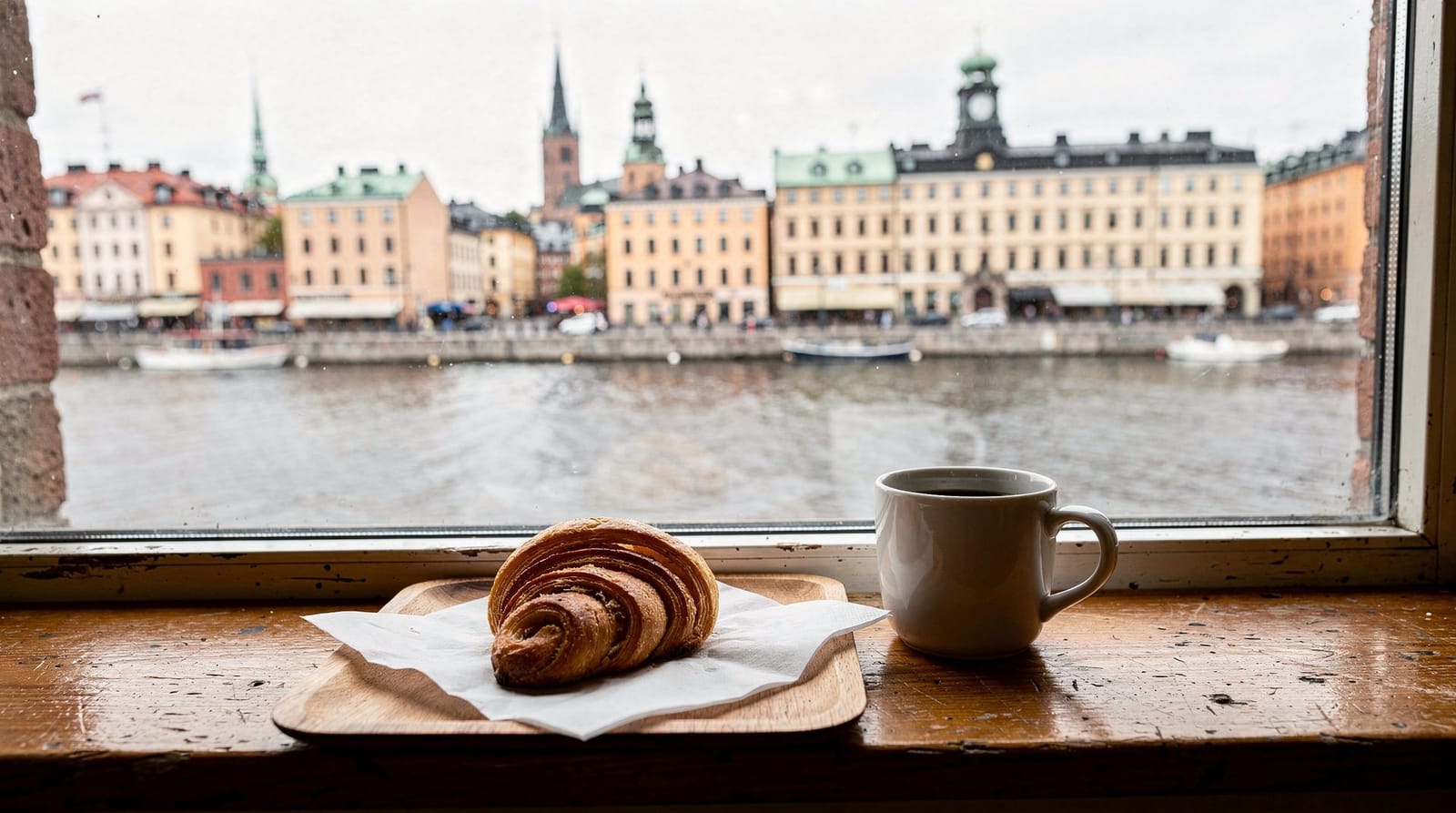
If you only want something small, the picture changes. A coffee and a pastry is a far lower-stakes decision than a full dinner, and the street’s cafés are a fine place for one. The Swedish coffee break is a ritual in its own right — the fika culture guide explains how it works, and the cinnamon bun guide points to what to order. For a more specialised cup, the third-wave coffee guide covers the city beyond the tourist strip.
A guided stop can also fold fika into the walk. If that appeals, a Gamla Stan walk that includes a fika stop keeps the food decisions in someone else’s hands.
When you want a proper Swedish meal
If your goal is the classic dishes rather than a view of the cobblestones, look beyond the main strip. The Swedish meatballs guide lists where to find them done properly, and the smörgåsbord guide covers the buffet tradition. For a special occasion, the Swedish fine dining guide is the place to start, and the Michelin overview helps if you want to go further up the scale.
Södermalm is where many residents go for relaxed, good-value eating, so the Södermalm food scene guide is worth reading if you decide to leave the Old Town for dinner. And if the larger question is how much to spend on food overall, the guide to eating cheaply in Stockholm is a useful companion to this page.
Paying and tipping
Almost everything in the area runs on cards, which makes it easy to lose track of what a meal is costing. Check the total before you tap, and look at the itemised bill rather than assuming it matches the menu. Our Swish and payments guide explains how payment works for visitors, and the blog post on cards and payment reality adds a traveller’s perspective.
A note on timing and crowds
The street is at its busiest when tour groups pass through and in the high season, when queues for tables form in the most photographed stretches. Visiting in a quieter month or at an off-peak hour makes the whole experience calmer and gives you more room to compare menus properly. The best time to visit Stockholm guide helps you choose, and the Gamla Stan medieval secrets guide gives you something to do between the walk and the meal.
Frequently asked questions about Västerlånggatan restaurants
What is a reasonable price for dinner in Gamla Stan?
A reasonable Gamla Stan sit-down dinner runs 250–400 SEK per person for a main course, side, and one drink. If you are in a restaurant and see mains starting at 350–400 SEK before drinks, you are in the expensive tier.
Which restaurants on Västerlånggatan are actually good?
The diagnostic: posted prices outside, menu in Swedish as well as English, main courses in the 180–280 SEK range. Those restaurants exist on the street but you need to walk the full length, not stop at the first one with a nice facade.
What is Den Gyldene Freden?
Den Gyldene Freden (The Golden Peace) is Stockholm’s oldest restaurant still operating at its original location — opened in 1722 on Österlånggatan. It serves traditional Swedish husmanskost at honest Gamla Stan prices.
Is Tradition restaurant in Gamla Stan good?
Tradition (Österlånggatan 1) is consistently recommended as the best honest Swedish food in Gamla Stan — classic dishes, fair prices (check the menu), good service.
Can you eat cheaply in Gamla Stan?
Yes, at lunch. Several places in Gamla Stan offer a dagens lunch special for 130–170 SEK. Look for ‘Dagens lunch’ signs at lunchtime (11:30–14:00 most places).