Swedish breakfast in Stockholm: what to eat and where to find it
Stockholm: guided fika tour
What is a traditional Swedish breakfast?
Swedish breakfast (frukost) centres on open-faced sandwiches (smörgås) with hard cheese, cold cuts, and cucumber on crispbread or rye bread, alongside boiled eggs, filmjölk (cultured milk), knäckebröd, and strong filter coffee. It is lighter and less cooked than a British or American breakfast. Most Stockholm hotels include it; standalone café breakfast is excellent at Vete-Katten and Café Pascal.
What Swedish breakfast actually consists of
The Swedish frukost is a study in disciplined variety rather than hot indulgence. Where the English or American breakfast tradition leans toward cooked food — eggs, bacon, pancakes — the Swedish version is almost entirely cold, assembled rather than cooked, and built around a combination of bread, dairy, and mild proteins.
| Where | Hotel buffets, or standalone cafés like Vete-Katten and Café Pascal |
| Cost | Included at most hotels; the Grand Hôtel’s Veranda breakfast is primarily for hotel guests |
| Time needed | 30–45 minutes |
| Typical hours | 07:00–10:00/10:30 |
| Best for | Bread, cheese, and filmjölk — not a hot cooked spread |
A typical traditional Swedish breakfast:
Bread: A selection of knäckebröd (crispbread), rye bread (limpa or rågsurdeig), and sometimes tunnbröd (soft flatbread). The rye component is non-negotiable in a genuine Swedish breakfast — the slightly bitter, dense flavour of Swedish rye bread is different from German or Danish rye.
Toppings: Hard cheese (Prästost, Herrgårdsost, or similar), thin slices of cold cuts (leverpastej — liver pâté — is traditional alongside more standard cold meats), sliced cucumber, tomato.
Dairy: Filmjölk (cultured milk), yoghurt, fresh milk. Filmjölk appears in most Swedish refrigerators as the default cultured dairy product.
Eggs: Often available — boiled, not fried. Hard-boiled eggs with butter and a slice of cheese on crispbread is a classic Swedish breakfast combination.
Coffee: Strong filter coffee (bryggkaffe). Swedish coffee consumption per capita is among the highest in the world, and it shows in the quality of filter coffee available at even basic breakfast settings.
Cereal and muesli: Granola and muesli are standard, typically served with filmjölk or regular milk.
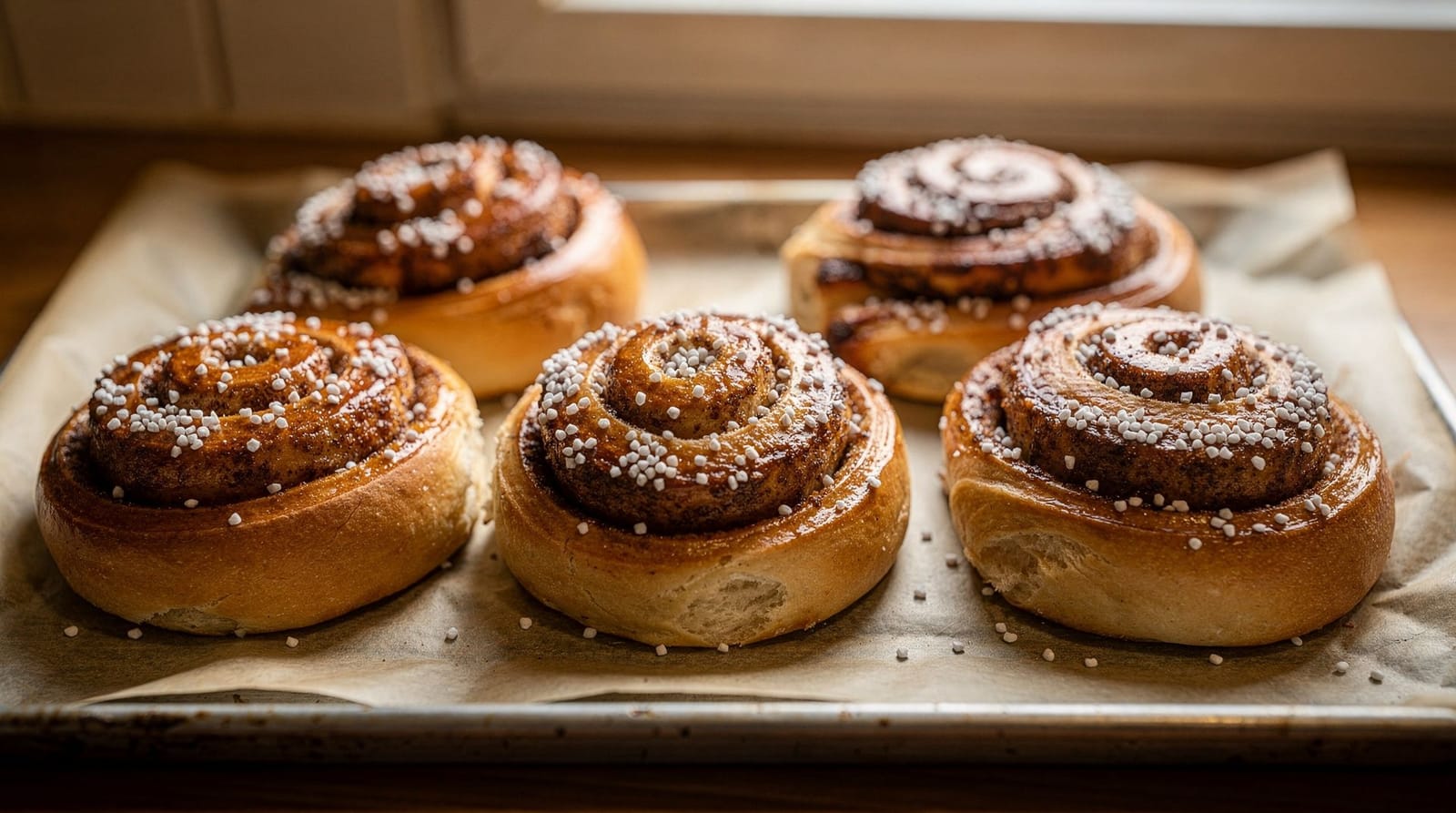
Pastries: Not the centre of a Swedish breakfast (that is fika), but a kanelbulle or bread roll appears at hotel buffets.
What it does not include
Swedish breakfast does not typically include: hot cooked eggs, bacon or sausage (these appear at hotel buffets for international guests but are not traditional), orange juice as a standard component, sweet pastries as a main, or toast in the British sense.
The hotel breakfast question
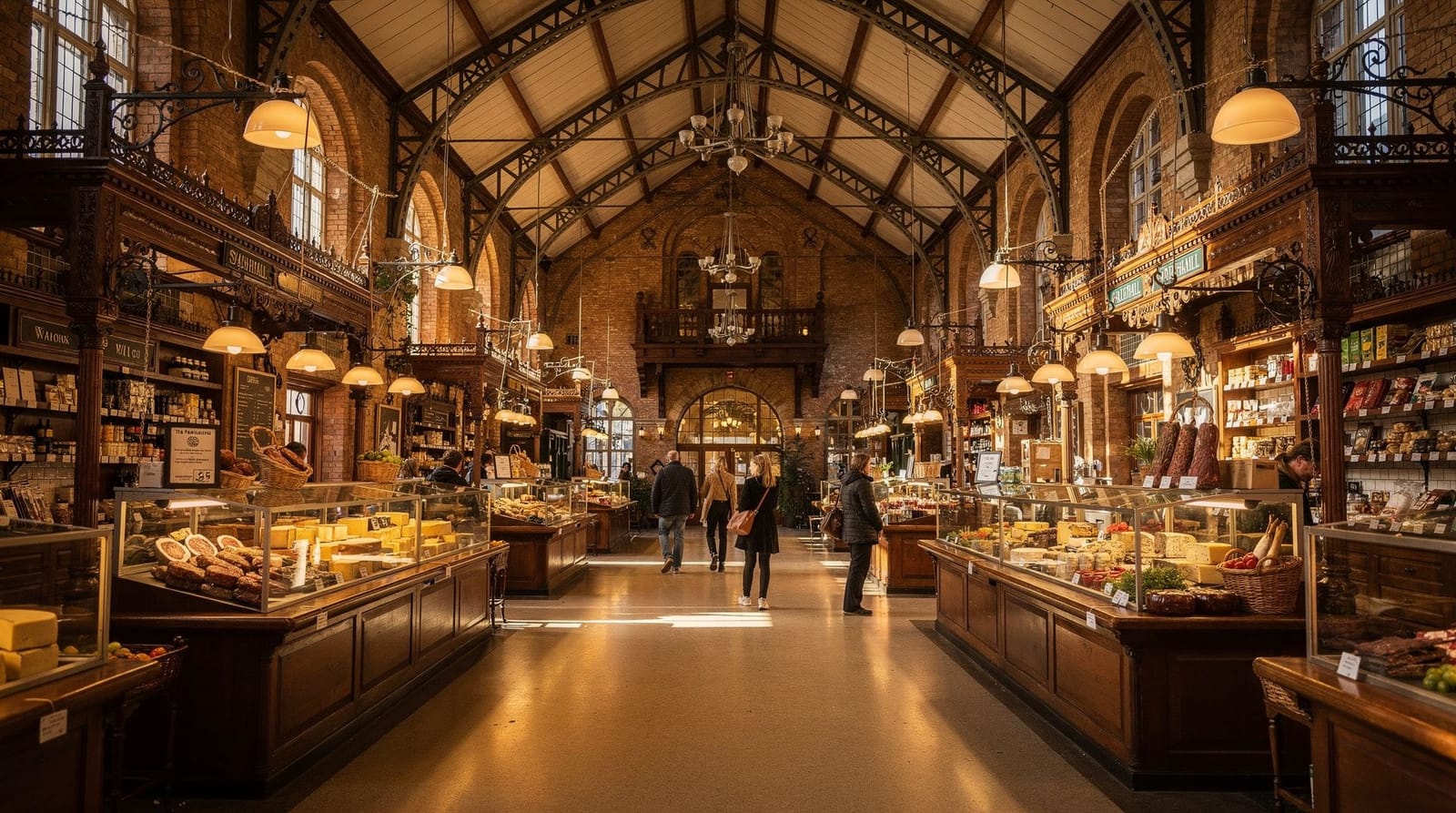
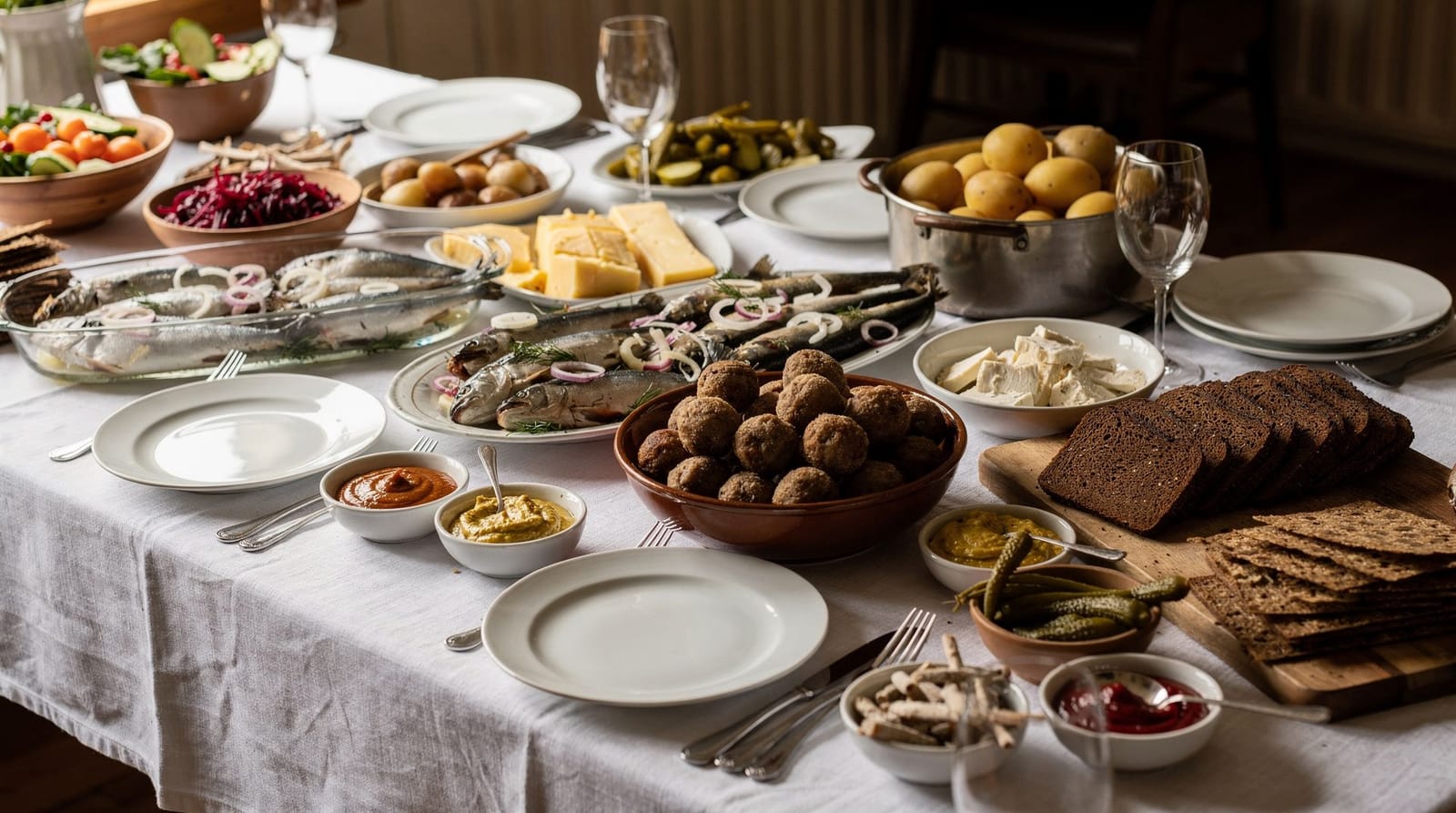
Stockholm hotels above the budget tier almost universally include breakfast, and the hotel breakfast in Sweden tends to be better than its equivalents elsewhere because Swedish breakfast culture takes the meal seriously. A good hotel breakfast in Stockholm is effectively a mini smörgåsbord — multiple bread types, three or four cheese varieties, smoked fish, eggs, porridge, fruit, and quality coffee.
Grand Hôtel Stockholm: The most lavish hotel breakfast in the city. The buffet is extensive, the setting impressive, and the quality of the Swedish components — particularly the smoked fish and cheese selection — is above average. The Veranda’s breakfast (07:00–10:30) is primarily for hotel guests: it takes no external table reservations, and non-guests can only walk in before 08:00 if there is space. Non-guests are otherwise referred to Cadierbaren.
Mid-range hotels: Most three-star and four-star hotels in Stockholm include a buffet breakfast in the room rate. The quality varies but rarely falls below acceptable. Expect crispbread, rye bread, a few cheese types, one or two cold cut options, yoghurt, and filter coffee.
Budget accommodation: Hostels and budget hotels often offer a minimal breakfast or charge extra for it. Check before booking.
The best standalone breakfast cafés
For visitors not eating at a hotel or wanting to explore cafés:
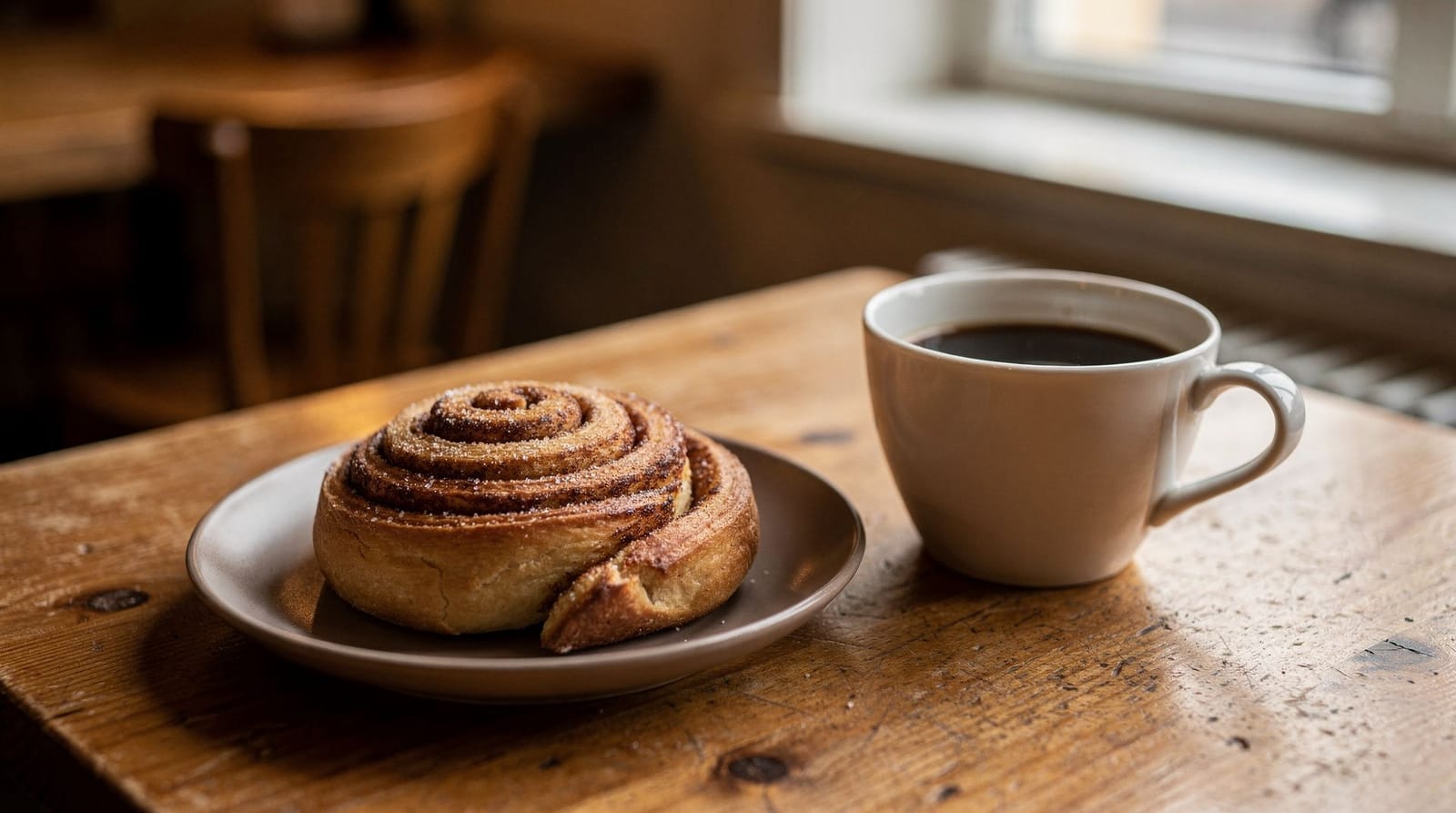
Vete-Katten, Norrmalm: The traditional café option, open early. The morning pastry selection is at its freshest before 10:00. A kanelbulle and strong coffee here is one of Stockholm’s reliable pleasures.
Café Pascal, Vasastan: Modern café breakfast done well. The coffee is excellent, the pastry quality high, and the atmosphere suits a relaxed morning start. Check cafepascal.se for current addresses and hours.
Urban Deli, Nytorget: A Södermalm institution with a substantial brunch-style breakfast that leans more toward a Swedish-international hybrid. Heavier than a traditional frukost, popular with a young professional Stockholm crowd. Weekends are busy; expect queues after 10:00.
Fabrique Bakery: A bakery chain with Stockholm locations (Södermalm, Vasastan, others) selling excellent sourdough bread and pastries. Not a sit-down café but the place to buy ingredients for a self-assembled breakfast in an apartment or park.
For a wider view of where Södermalm eats generally, not just breakfast, see the Södermalm food scene guide; if a proper cinnamon bun matters more than the rest of the spread, the kanelbulle guide covers where to find the best ones.
Self-catering: building your own breakfast
For visitors in an apartment or self-catering accommodation, assembling a Swedish breakfast from a supermarket is straightforward and considerably cheaper than a hotel buffet. ICA, Coop, and Hemköp all stock the full range: knäckebröd, rye bread, Prästost or Herrgårdsost cheese, filmjölk, eggs, and ready-sliced cold cuts. A reasonable self-assembled breakfast for two costs 60–100 SEK total.
What to buy first-time: a packet of Wasa or Leksands knäckebröd, a tub of Arla filmjölk, a block of Herrgårdsost, and — if in season — a punnet of Swedish strawberries. This covers the essentials without needing to navigate an unfamiliar supermarket layout for very long.
The filmjölk question
Filmjölk is worth trying once even if the prospect seems uncertain. The flavour is a combination of mild acidity and richness — closer to a very thin yoghurt than to sour milk. Swedes typically eat it cold, poured over muesli or cereal. The ritual is considered an important part of Swedish food culture.
It is available in supermarkets for visitors in self-catering accommodation. Arla is the main brand; ICA and Coop supermarkets carry it widely.
Swedish breakfast vs fika: the difference
Breakfast is eaten at home or in a hotel. Fika is the mid-morning or mid-afternoon social pause. The two overlap in café settings — going to a café for breakfast and staying for fika is entirely normal — but the cultural weight is different. Breakfast is functional; fika is social.
For the full fika picture, see the fika culture guide.
Building a better plate at the buffet
A hotel buffet rewards a little method. Start with the cold fish and the bread, not the hot trays: the smoked and pickled items, the cheese board and the rye are where Swedish kitchens put their effort. Take a small first plate, eat it slowly, and go back for a second round of whatever worked. This is how most Swedes approach it, and it keeps the plate from turning into an unfocused pile.
A reliable combination for a first visit: buttered crispbread with cheese and cucumber, a slice of rye with a boiled egg, and a bowl of filmjölk with muesli. If liver pâté sounds unappealing, try it once with a slice of pickled cucumber on top, which is how it is meant to be eaten and changes the flavour considerably. Finish with filter coffee, and leave the pastry for the café stop that comes later.
Breakfast as part of a Stockholm day
Because Swedish breakfast is light and quick, it fits easily around a busy sightseeing plan. It gives you energy for a morning of walking without the heaviness of a cooked meal, and it leaves room for the first fika of the day. If your first stop is a museum, eating early and arriving at opening time works well; the Vasa Museum guide and the Djurgården walking route both suit a morning start.
For a first-timer, the three-day overview shows how meals slot between sights, and the three-day first-timer itinerary builds mornings around a proper breakfast rather than skipping it. If you are staying only briefly, the 24-hour itinerary is where a quick café breakfast earns its place.
Breakfast on a budget
Breakfast is the easiest meal in Stockholm to keep cheap. A supermarket spread, a bakery roll and a thermos of coffee cost far less than any sit-down option, and the quality of Swedish bread and cheese means you are not trading away much. For the wider picture of where the money goes in the city, the daily budget guide puts breakfast choices in context, and the budget weekend itinerary shows a plan that leans on self-catered mornings.
The blog also covers this from experience: eating cheap in Stockholm and a roundup of fika spots are useful companions if you want to stretch a budget without eating badly.
Breakfast for different travellers
Families: Children usually do well with the Swedish format, because it is mild and built from familiar pieces: bread, cheese, eggs, cereal and fruit. Let them assemble their own open sandwich; the ritual keeps them engaged. The family guide has more on eating out with children.
Early risers and jet-lagged arrivals: Hotel buffets open early, which helps after an overnight flight. If you land in the morning, the airport arrival guide explains how to get into the city, and a calm café breakfast is a gentle way to start before your room is ready.
Food-focused visitors: If breakfast is only the beginning of your interest, the food tour guide covers how to explore Swedish cooking beyond the morning meal.
Seasonal variations
Summer adds fresh berries — jordgubbar (strawberries) appear on every breakfast table in June and July, and the combination of Swedish strawberries (smaller, more flavourful than imported varieties) with filmjölk and a little sugar is one of the most summery tastes Stockholm has to offer.
Winter shifts toward warmer components: porridge (gröt) made from rolled oats becomes more prominent, the bread choices shift slightly toward denser rye, and the overall meal becomes more substantial.
Christmas season adds specific elements: glögg (mulled wine) occasionally appears as a breakfast drink at buffets, pepparkakor (ginger snaps) appear as a side, and julskinka (Christmas ham) replaces standard cold cuts.
Etiquette and small habits
Swedish breakfast rooms are quiet, orderly places. Voices stay low, queues form without being announced, and nobody expects you to claim a table with a jacket. Take what you will eat rather than piling the plate high; going back is normal and nobody counts. At a hotel buffet, use the serving tongs for shared items and leave the cheese slicer where you found it.
If you are sharing a table at a busy café, a short nod is plenty. Swedes tend to respect personal space in the morning, and a quiet start to the day is part of the appeal. Paying is almost always by card, so there is no need to carry cash for a café breakfast; the payments guide explains what to expect.
Practical notes
Timing: Swedish breakfast is typically eaten between 07:00 and 09:00. Hotel breakfast buffets usually close at 10:00 or 10:30. Arriving at 09:45 for a 10:00 close is normal in Stockholm — the buffet will be restocked throughout the morning.
Coffee: If you want filter coffee rather than espresso at a café, say “bryggkaffe.” In some cafés, the default coffee is now espresso-based; clarifying saves confusion. For more on Stockholm’s coffee culture beyond breakfast, see the third-wave coffee guide.
Smörgås protocol: The open-faced sandwich format means you assemble your own at the breakfast table. There is no right way — butter the crispbread first, add cheese, add a cucumber slice. The combination is the point.
Explore Swedish food culture on a walking tourIf breakfast leaves you wanting a deeper dive into Swedish food traditions across the whole day, the smörgåsbord guide picks up where breakfast leaves off, and a fika guided tour covers the mid-morning ritual that follows it.
Book a guided fika and coffee culture tourFrequently asked questions about Swedish breakfast in Stockholm
Is Swedish breakfast similar to a continental breakfast?
It shares the bread-and-cheese structure but goes further: more variety of bread, more cheese types, more cold cuts, and strong emphasis on dairy products like filmjölk.
What is filmjölk and should I try it?
Filmjölk is cultured buttermilk — thicker than regular milk, thinner than yoghurt, with a tangy flavour. It is a Swedish breakfast staple served cold with cereal. Worth trying once as a cultural experience.
What is knäckebröd?
Knäckebröd is Swedish crispbread — a dry, crisp flatbread made from rye flour that keeps for months. Traditional Swedish breakfast includes several pieces alongside regular bread.
Do Stockholm hotels include breakfast?
Most mid-range and above hotels include breakfast as standard. The Grand Hôtel Stockholm breakfast buffet is one of the best in the city.
Where can I eat a Swedish-style breakfast if my hotel does not serve it?
The best options: Vete-Katten (Norrmalm, traditional), Café Pascal (Vasastan, modern), Urban Deli (Nytorget, Södermalm, substantial buffet).
Top experiences
Bookable activities with verified prices and instant confirmation on GetYourGuide.