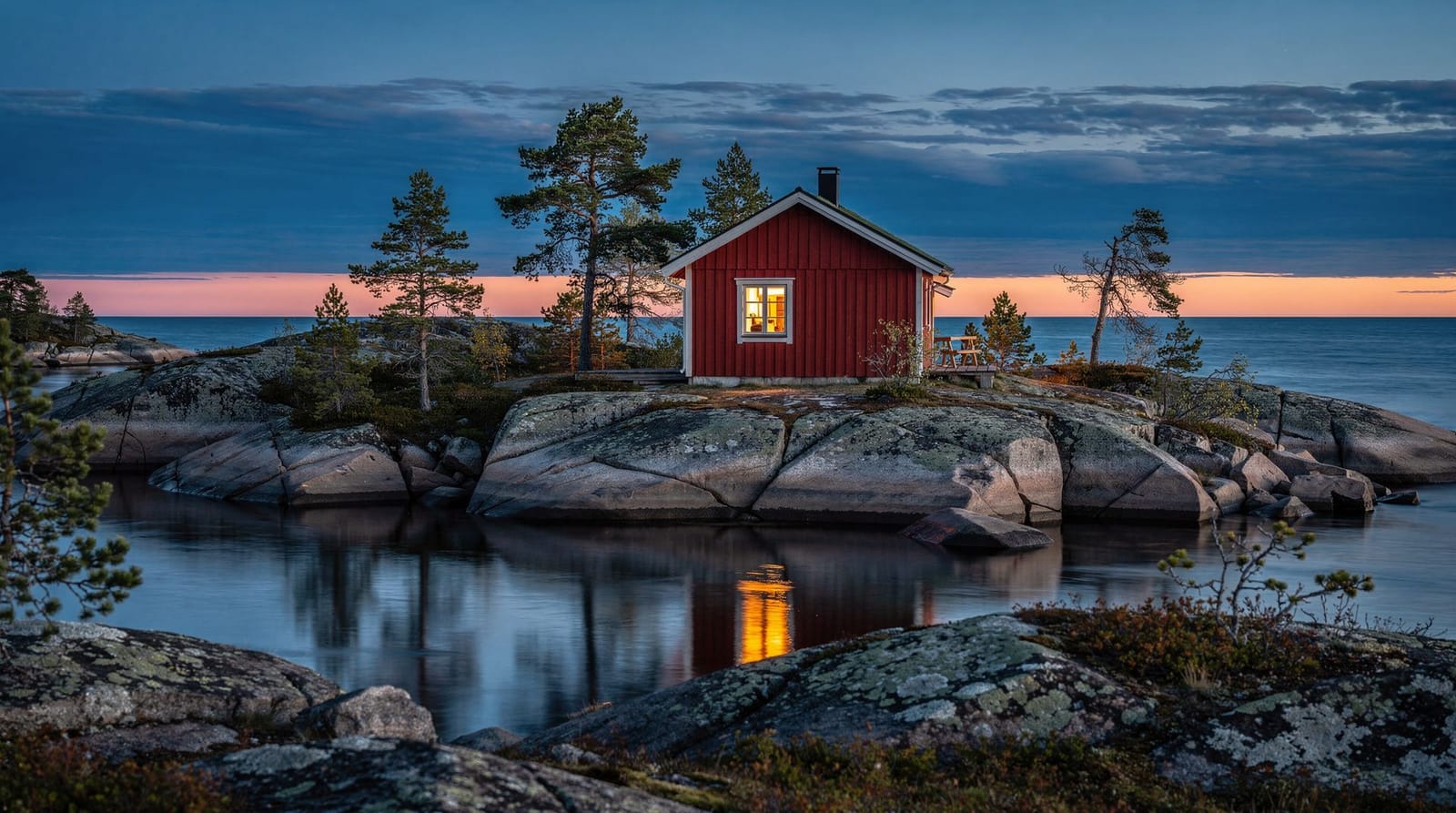
Inner vs outer archipelago: which islands should you visit?
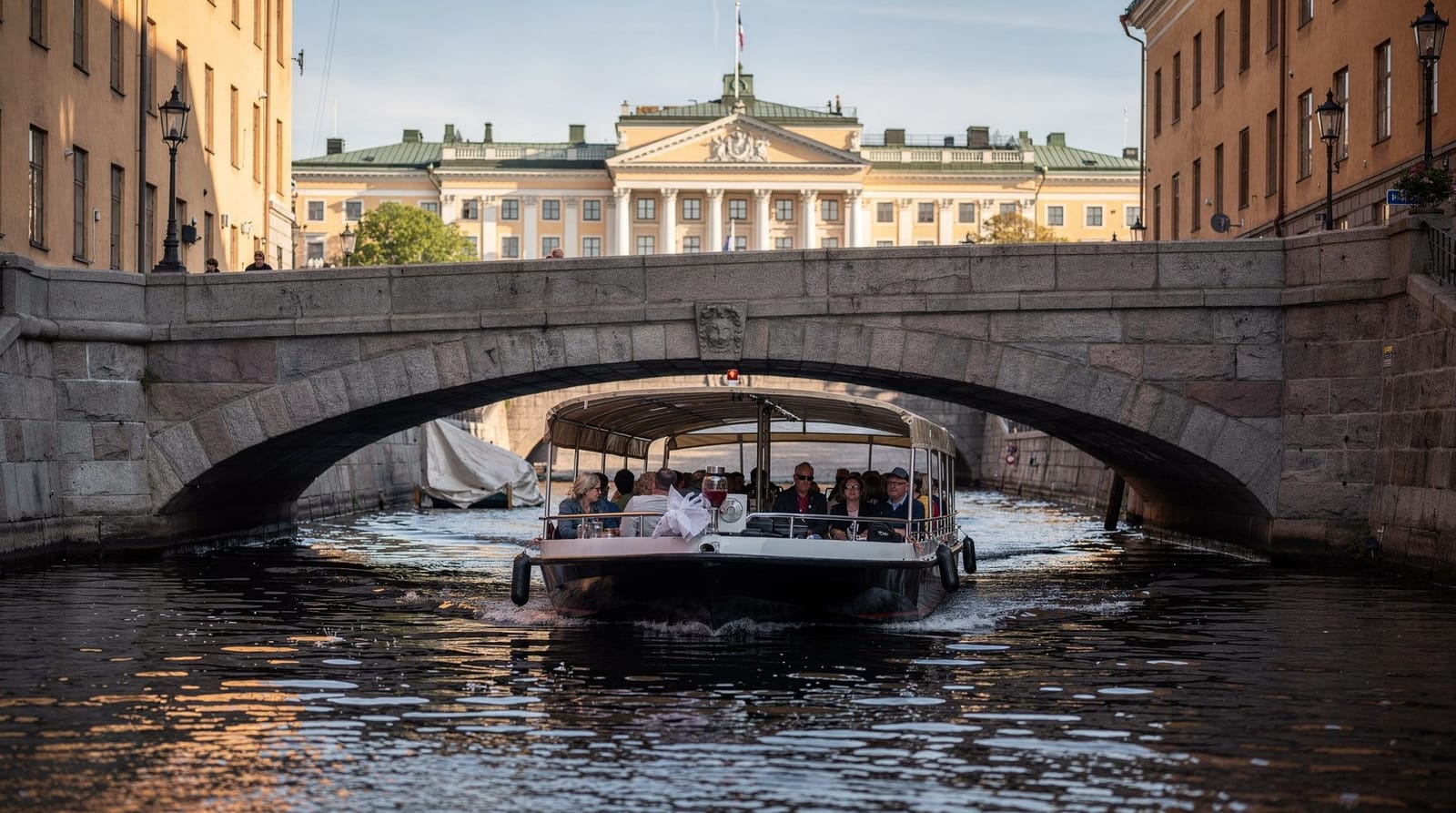
Stockholm: archipelago guided boat tour
Duration: 2 hours
Should I visit the inner or outer Stockholm archipelago?
Inner archipelago (Vaxholm, Fjäderholmarna): accessible in 25 minutes–1 hour, forested, populated, suitable for a day trip. Outer archipelago (Sandhamn, Landsort): 3–4 hours, granite rocks, sparse vegetation, dramatic and wild — best as an overnight or multi-day trip. Middle archipelago (Grinda, Möja) is the sweet spot for most visitors.
The spectrum from city to open sea
The Stockholm archipelago runs approximately 60 kilometres from the city’s eastern edge into the Baltic Sea. Over that distance, the character of the islands changes completely — from heavily forested, populated inner islands that feel like extensions of the city’s green belt, through a middle zone of mixed island types, to the outer archipelago where the trees thin out, the rocks are polished bare granite, and the Baltic opens ahead of you.
| Where | Inner: Vaxholm, Fjäderholmarna · Middle: Grinda, Möja · Outer: Sandhamn, Landsort |
| Cost | Waxholmsbolaget fares vary by route (see waxholmsbolaget.se) |
| Time needed | Half day (inner) to 2–3 nights (outer) |
| Getting there | Waxholmsbolaget ferries from Strömkajen, or a guided boat tour |
| Best time | May–September for full ferry services; inner zone works year-round |
Understanding this spectrum is the key to planning well. Visitors who go to the inner archipelago expecting dramatic wilderness are surprised by how green and suburban it feels. Visitors who go straight to the outer archipelago on a day trip have four hours of travel for one hour on a remote rock.
The inner archipelago
Distance from Stockholm: 25 minutes to 1.5 hours Landscape: Forested, with pine and birch trees down to the water’s edge; sheltered bays; sand and pebble beaches mixed with granite Population: Many islands inhabited year-round; suburban in character Services: Restaurants, shops, accommodation, kayak rentals on main islands
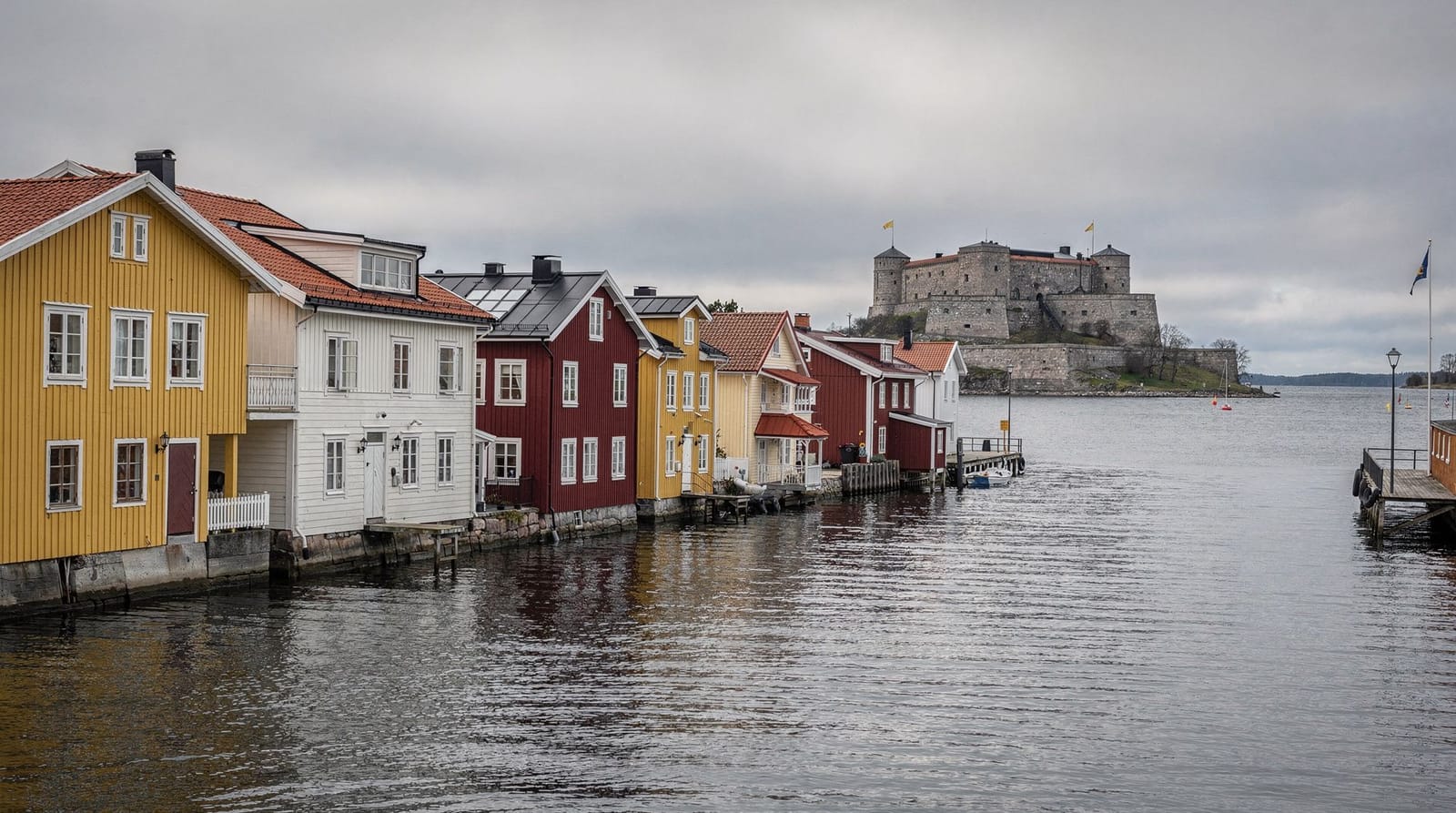
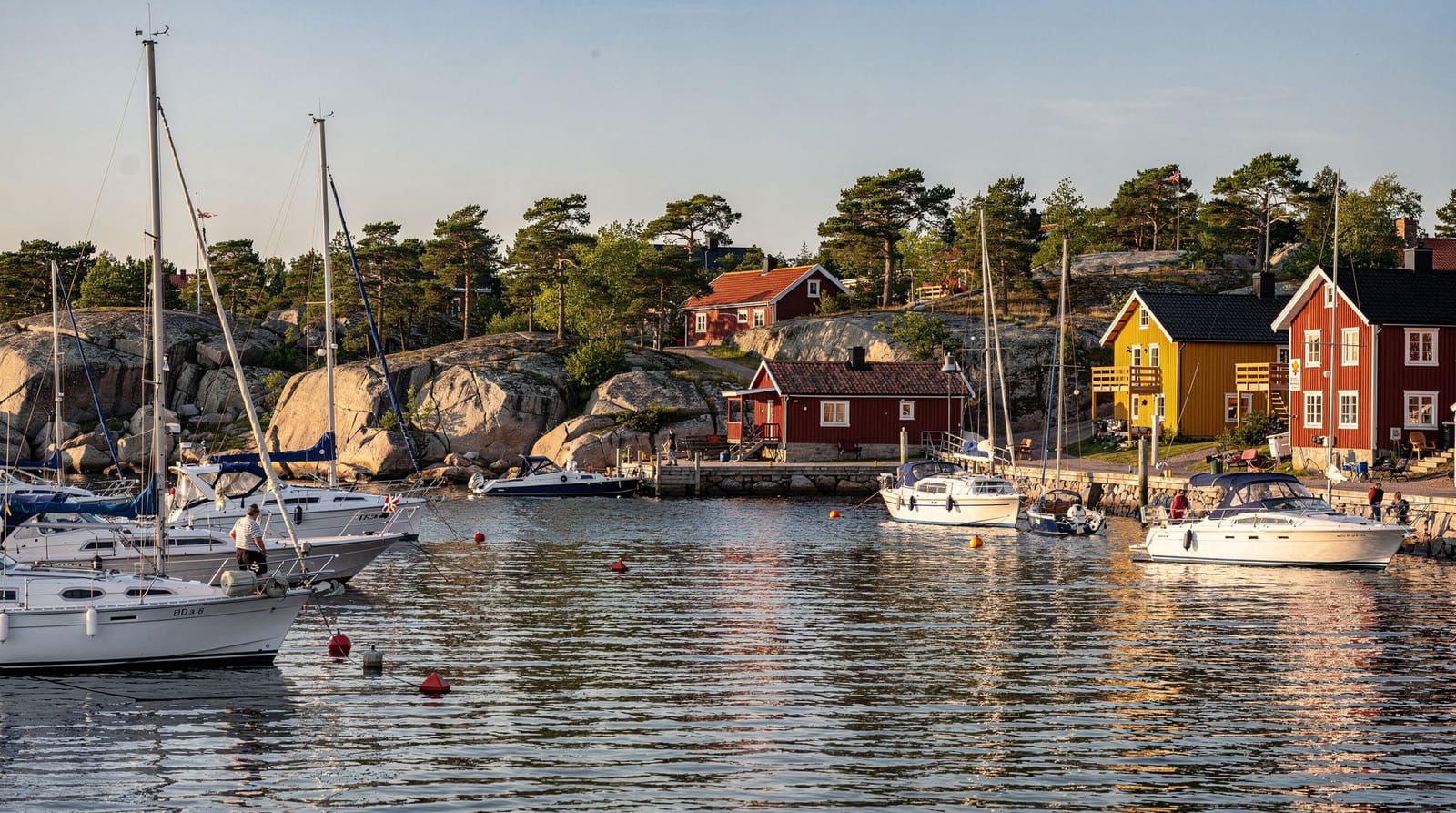
The inner archipelago is Stockholm’s backyard. It is where city residents have summer cabins, where families cycle on summer Sundays, and where you can sail between islands and stop at a café every 45 minutes. It is not wild or remote — it is pleasant, green, and well-organised.
Who it suits:
- First-time visitors wanting an accessible taste of the archipelago
- Families with young children
- Visitors with limited time (half day or full day)
- Those interested in a specific inner island (Vaxholm for history and town character)
Who should look further out:
- Visitors seeking genuine wilderness
- Those wanting solitude rather than summer-cabin culture
- Photographers looking for the classic granite-and-Baltic imagery
The middle archipelago
Distance from Stockholm: 1.5–3 hours Landscape: Transitional — forests thin but remain; islands get larger and more isolated; views begin to open towards the Baltic Population: Some year-round residents; many seasonal summer cabins; some islands almost entirely nature reserve Services: Variable — some islands have hotels/restaurants (Grinda, Finnhamn), others have nothing
The middle archipelago is where most visitors who want the proper archipelago experience should go. Islands like Grinda, Möja, and Blidö offer:
- Enough forest and nature for genuine walking
- Water clean and warm enough for swimming
- Some level of services (accommodation, food) without urban density
- The sense of being “in” the archipelago rather than at its edge
Journey times of 2–2.5 hours are compatible with a day trip (early ferry essential) and ideal for an overnight stay.
Book a guided archipelago boat tour reaching the middle islandsThe outer archipelago
Distance from Stockholm: 3–4+ hours Landscape: Granite rock, minimal vegetation, open Baltic views; wind-exposed; classic “skärgård” imagery Population: Sparse; small seasonal villages; sailors and summer residents Services: Very limited — Sandhamn has a village with restaurants; most outer islands have nothing
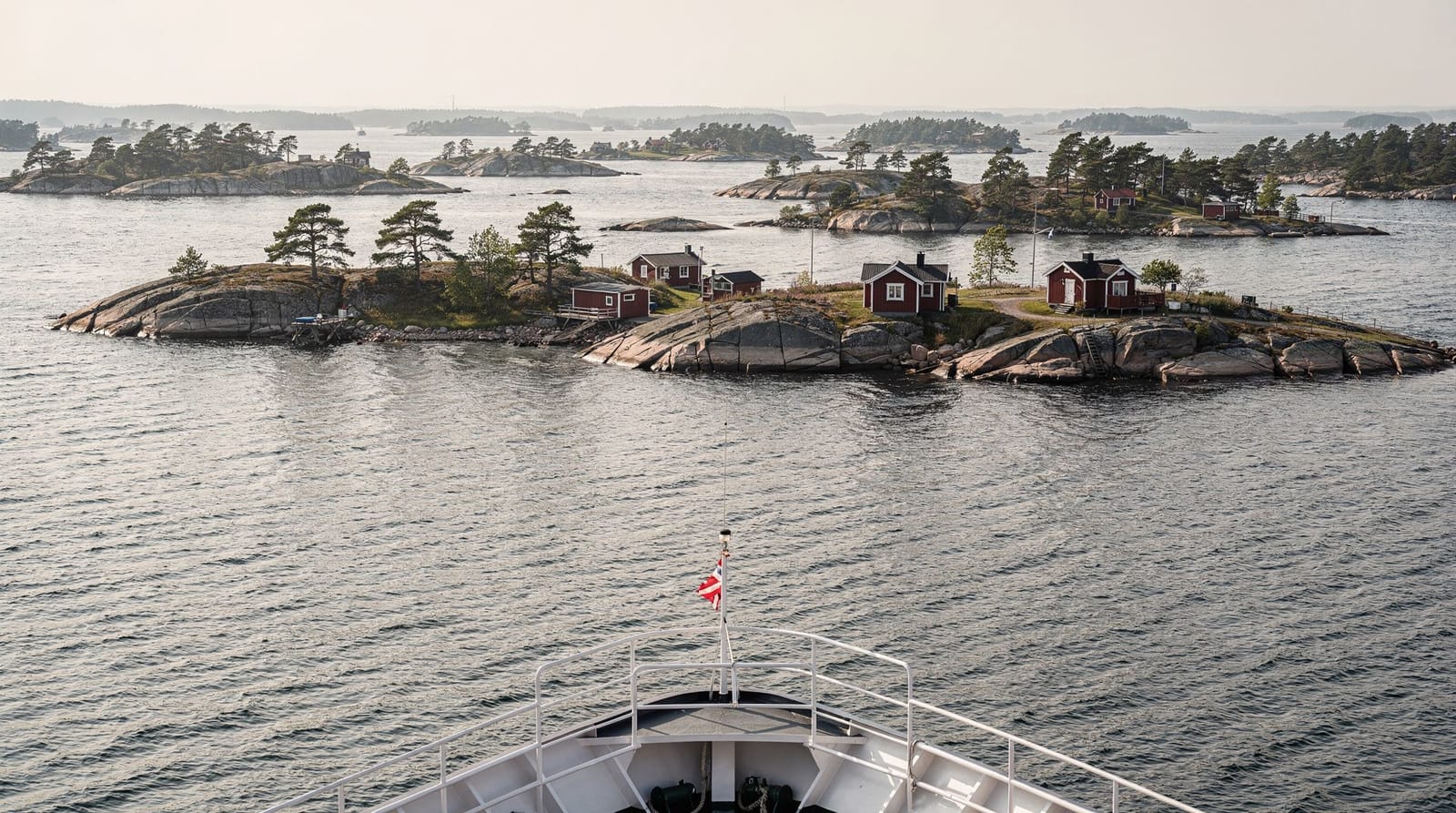
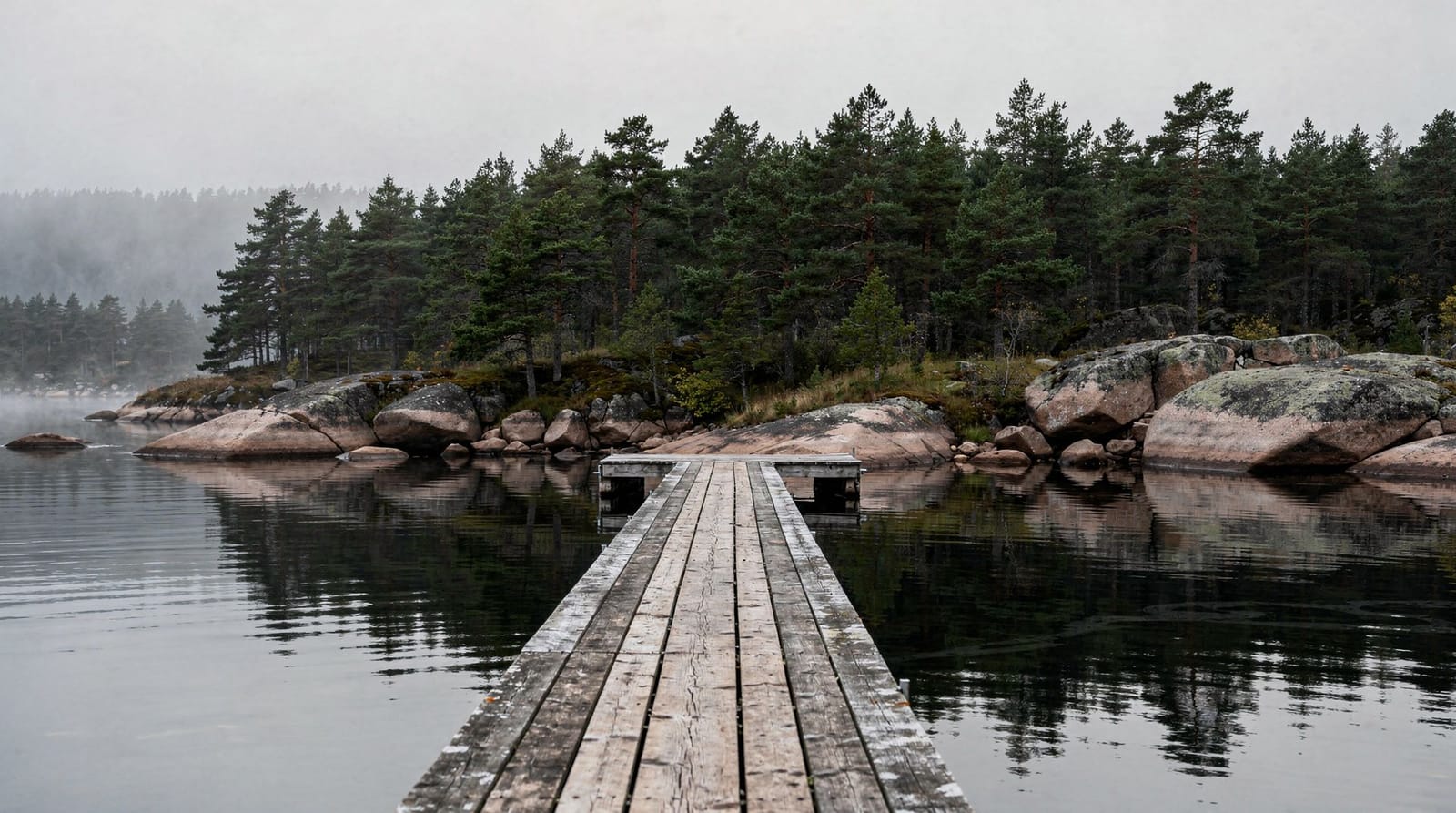
The outer archipelago is where the classic Stockholm skärgård imagery comes from: smooth, pale granite polished by the Baltic, sparse windswept vegetation, the open sea to the east and a maze of channels behind you. It is genuinely dramatic and beautiful in a way the inner archipelago is not.
The access problem: 3–4 hours each way by public ferry leaves very little time on the island for a day trip. Sandhamn (3 hours) works as a long day if you take the early morning ferry, but you are spending 6 hours in transit for 3–4 hours on the island. For the outer archipelago, an overnight or multi-day trip is almost always the better choice.
Who it suits:
- Visitors with 2+ days for the archipelago
- Sailing enthusiasts (Sandhamn is a sailing community)
- Photographers wanting the classic granite landscape
- Those seeking maximum remoteness
RIB speed boats as a workaround: A 2-hour RIB tour reaches outer archipelago areas faster than a scheduled ferry, making a brief experience of the outer zone possible in a day from Stockholm.
Book a 2-hour RIB speed boat tour of the archipelagoThe landscape transition explained
Moving from inner to outer, you see a consistent pattern driven by glacial geology and Baltic exposure:
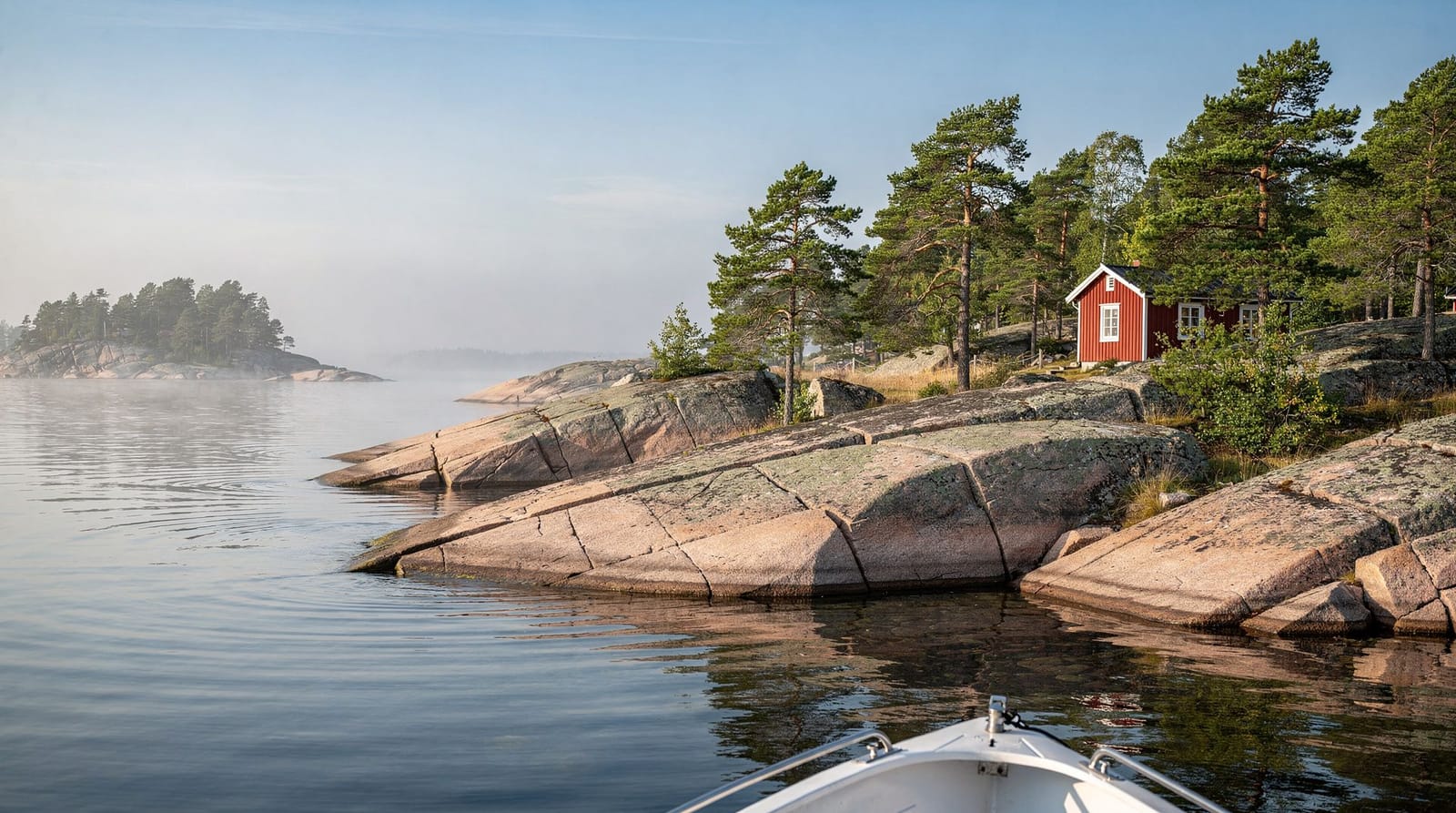
Inner: Ice sheets deposited material on these islands — glacial till and moraine — creating soil deep enough for forest. The sheltered position means less erosion. Trees grow tall; the shoreline has sand and pebble beaches mixed with rock.
Outer: These islands have been washed by the Baltic for 10,000 years since the last ice retreat. The soft material eroded away; what remains is bedrock — the Baltic Shield granite that underlies all of Sweden. Polished by wave action and ice, it is smooth, pale grey to pink, and mostly bare. The thin soils support only heather, juniper, and a few wind-resistant trees in sheltered hollows.
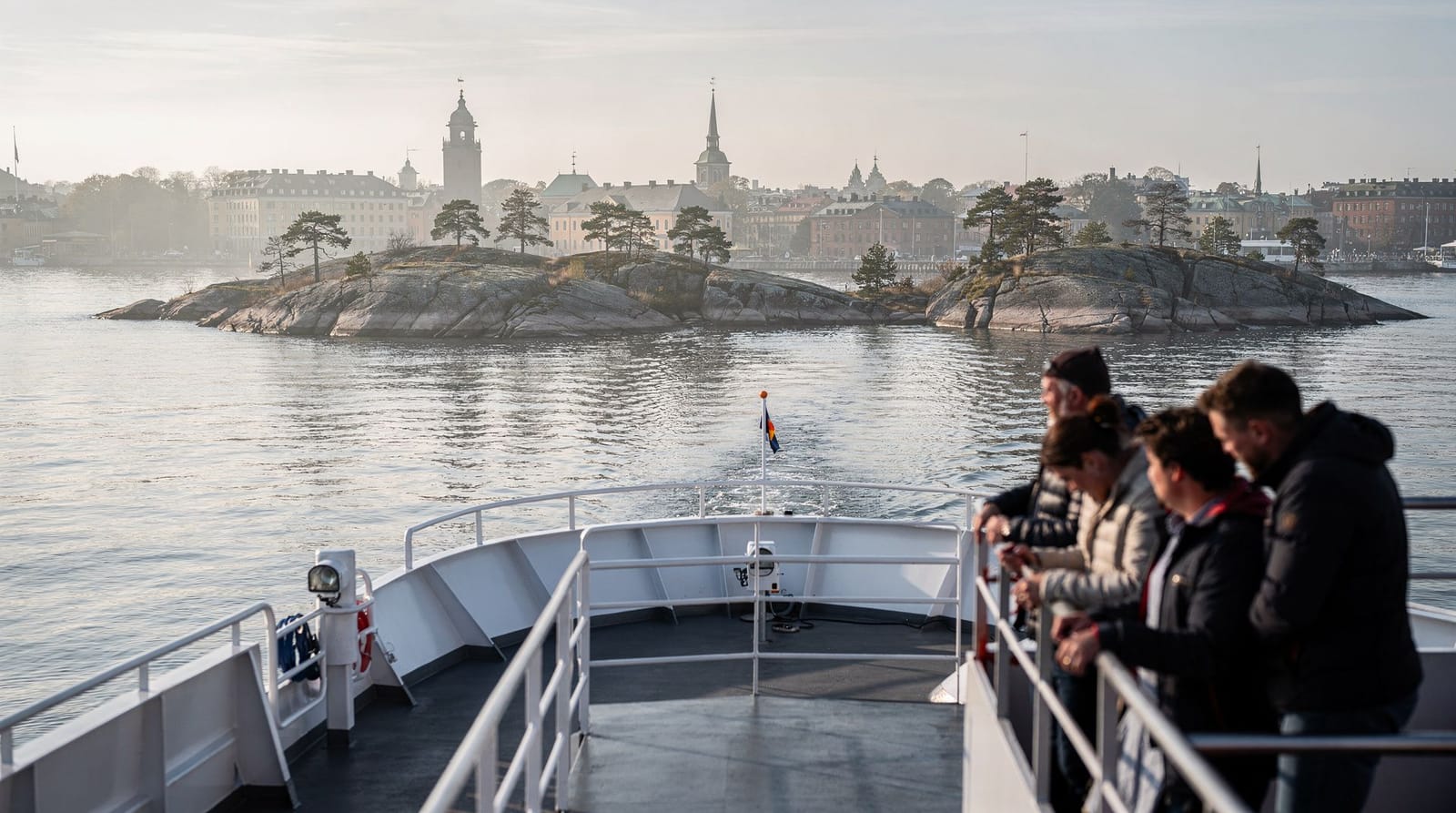
The geological transition is visible from the ferry as you move out. By the time you reach Sandhamn, you are looking at bare granite islands in all directions, with the forest behind you on the mainland.
Wildlife variations by zone
Inner: Ducks, cormorants, herons in the sheltered bays. Red deer and roe deer on larger islands. White-tailed eagle occasionally.
Middle: More diverse bird life — osprey nest in older pines; ringed seal appears on rocks. Grey seal in the outer reaches.
Outer: Grey seal colonies on exposed rocks; common eider (a sea duck) in large numbers; greater numbers of osprey and white-tailed eagle. The outer granite rocks are key seal-basking habitats.
Comparing the zones
| Inner | Middle | Outer | |
|---|---|---|---|
| Ferry time | 25 min–1.5 hr | 2–3 hr | 3–4+ hr |
| Landscape | Forest, green | Mixed | Granite, spare |
| Day trip? | Yes | Yes (early ferry) | With difficulty |
| Overnight? | Good | Best choice | Essential |
| Services | Full | Moderate | Limited |
| Crowds in summer | Moderate | Low | Very low |
| Best for | First visit, families | Most visitors | Enthusiasts, nature |
Which zone for your trip
You have half a day: Inner archipelago. Fjäderholmarna (25 min) or Vaxholm (1 hour). See the one-day archipelago guide.
You have a full day: Middle archipelago. Grinda (just over an hour, early ferry). See the Grinda day guide.
You have 1–2 nights: Middle or outer archipelago. Grinda or Sandhamn. See the overnight guide.
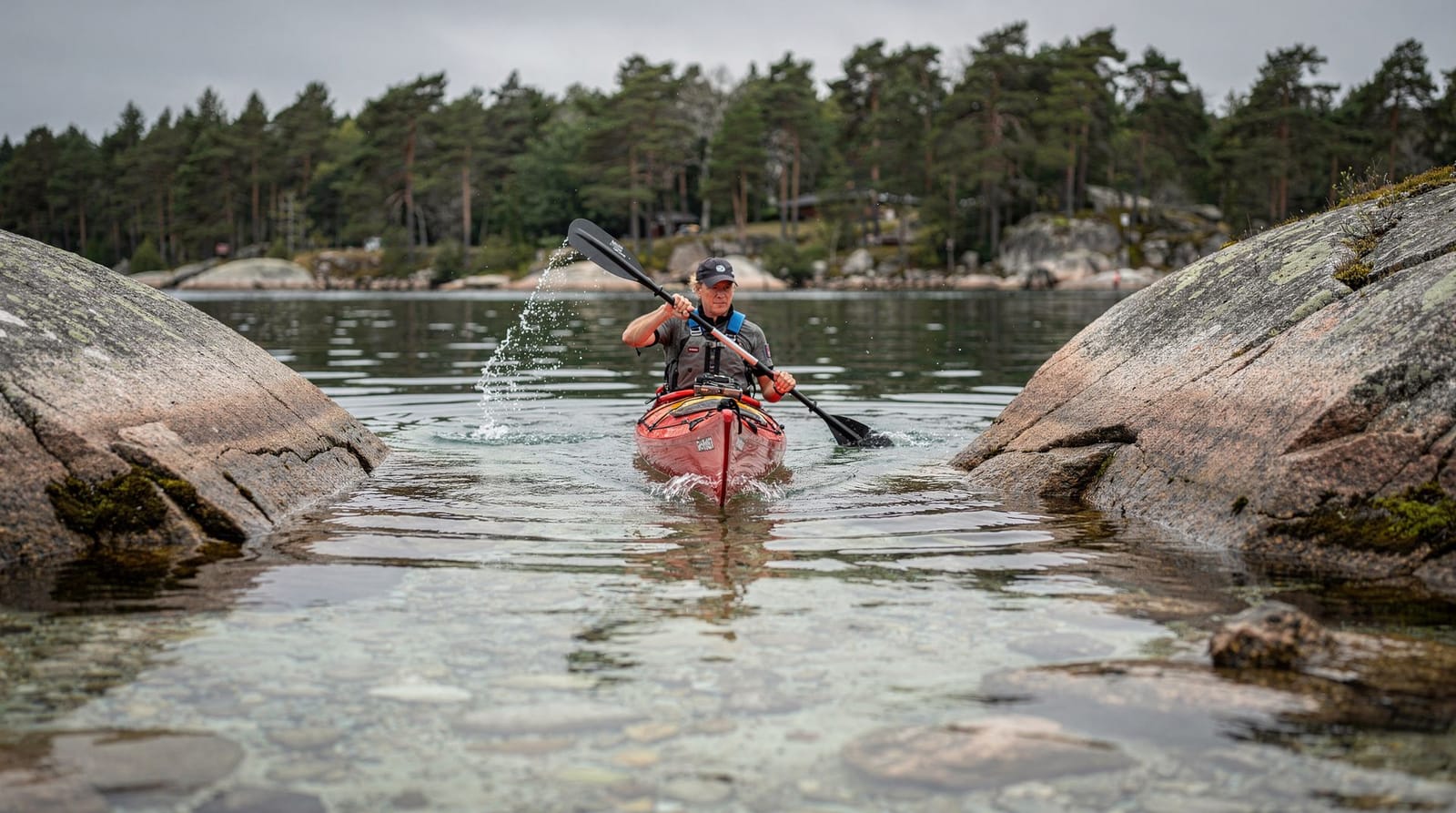
You have 3+ days: Island-hop from middle to outer. Kayak camping. See the archipelago summer cottage rental guide.
Ferries and logistics across zones
Waxholmsbolaget runs the public ferry network that connects all three zones, and understanding its fare-zone structure matters more than most visitors expect. Crossing from the mainland into the inner zone is cheap; each additional zone you cross toward the outer archipelago adds to the fare, and journey times compound quickly on connecting routes rather than direct ones. The Waxholmsbolaget ferries explained guide breaks down how the zone system works, when to buy a multi-day pass instead of single tickets, and which routes run direct versus with a change. If you would rather not plan your own ferry connections, a guided boat tour removes the logistics entirely and is often the better choice for a first visit.
Whichever zone you choose, camping wild is legal under Allemansrätten — the Allemansrätten in the archipelago guide covers what the right to roam actually permits (and what it does not) before you pitch a tent on a granite outcrop.
Combining zones on a longer trip
Visitors with more than a couple of days often do best by combining zones rather than picking one. A common and efficient pattern: spend a half day in the inner archipelago (Vaxholm’s town and fortress are easy and quick), then continue out to a middle-zone island like Grinda for one or two nights, and only push to the outer zone (Sandhamn or beyond) if you have three or more days total and genuinely want the remoteness. The Stockholm archipelago complete guide lays out this kind of multi-zone itinerary in more detail, including how to sequence ferries so you are not backtracking through Stockholm between islands.
Frequently asked questions about inner vs outer archipelago
What is the outer archipelago like in winter?
The outer archipelago in winter is stark and beautiful — the granite exposed, the trees stripped of leaves, the light low and pale. Most services are closed. It is accessible by winter ferry services on main routes, though frequency drops dramatically. The inner archipelago in winter is still largely residential and accessible; the outer in winter requires significant preparation.
Can I wild camp in both zones?
Yes, under Allemansrätten. The right applies equally to inner and outer archipelago. The outer rocks are arguably the best wild camping in Sweden — pitching a tent on a granite slab with the Baltic in front of you and absolute silence is one of the most memorable camping experiences in northern Europe.
Is the inner archipelago swimming better?
Inner archipelago water is slightly warmer in summer (sheltered, less mixing with open Baltic). Outer archipelago water is cooler but cleaner by some measures. Both are clean and safe for swimming.
Which zone has the best photography?
The outer archipelago for dramatic landscape (bare granite, big skies, seals on rocks). The inner archipelago for traditional Swedish summer atmosphere (red wooden cottages, sheltered bays, boats). Both are excellent subjects for different reasons.
How long to visit the outer archipelago properly?
Two nights minimum to justify the journey time. Three nights gives you a meaningful experience. A day trip is possible to Sandhamn (3 hours) but tiring — you spend as much time in transit as on the island.
Can I combine two zones in a single multi-day trip?
Yes, and it’s one of the most efficient ways to see the archipelago’s full range. A common route starts in the inner zone (Vaxholm), continues to a middle-zone island like Grinda for a night, and finishes with a short outer-zone excursion via RIB speedboat rather than a long ferry connection. See the Stockholm archipelago complete guide for how to sequence this without backtracking.
Do I need a guide, or can I navigate the ferry zones myself?
Self-navigation works fine for the inner and middle zones — Waxholmsbolaget’s timetables are clear and the ferries are frequent in summer. For the outer archipelago, or if you’d rather not plan connections yourself, a guided boat tour handles the logistics and often reaches areas that are awkward on the public network.
Top experiences
Bookable activities with verified prices and instant confirmation on GetYourGuide.