Stockholm archipelago in winter vs summer: which season is right for you?
Stockholm: winter archipelago kayaking with sauna & fika
Duration: 3–6 hours
Is the Stockholm archipelago worth visiting in winter?
Yes, for the right type of visitor. Winter offers the sauna-and-polar-plunge experience, potentially frozen inner archipelago, stark granite beauty, and solitude that summer never provides. Most tourist services are closed; ferry frequency drops dramatically. Best for those seeking extreme quiet, winter sports, or the Nordic outdoor experience.
Two completely different experiences
The Stockholm archipelago in July and the Stockholm archipelago in January inhabit the same geography but have almost nothing else in common. The comparison is stark enough to be genuinely useful for planning purposes.
Understanding what each season offers — and what it lacks — prevents the disappointment of arriving expecting summer and finding winter, or vice versa.
Summer: long light and maximum life
The case for summer
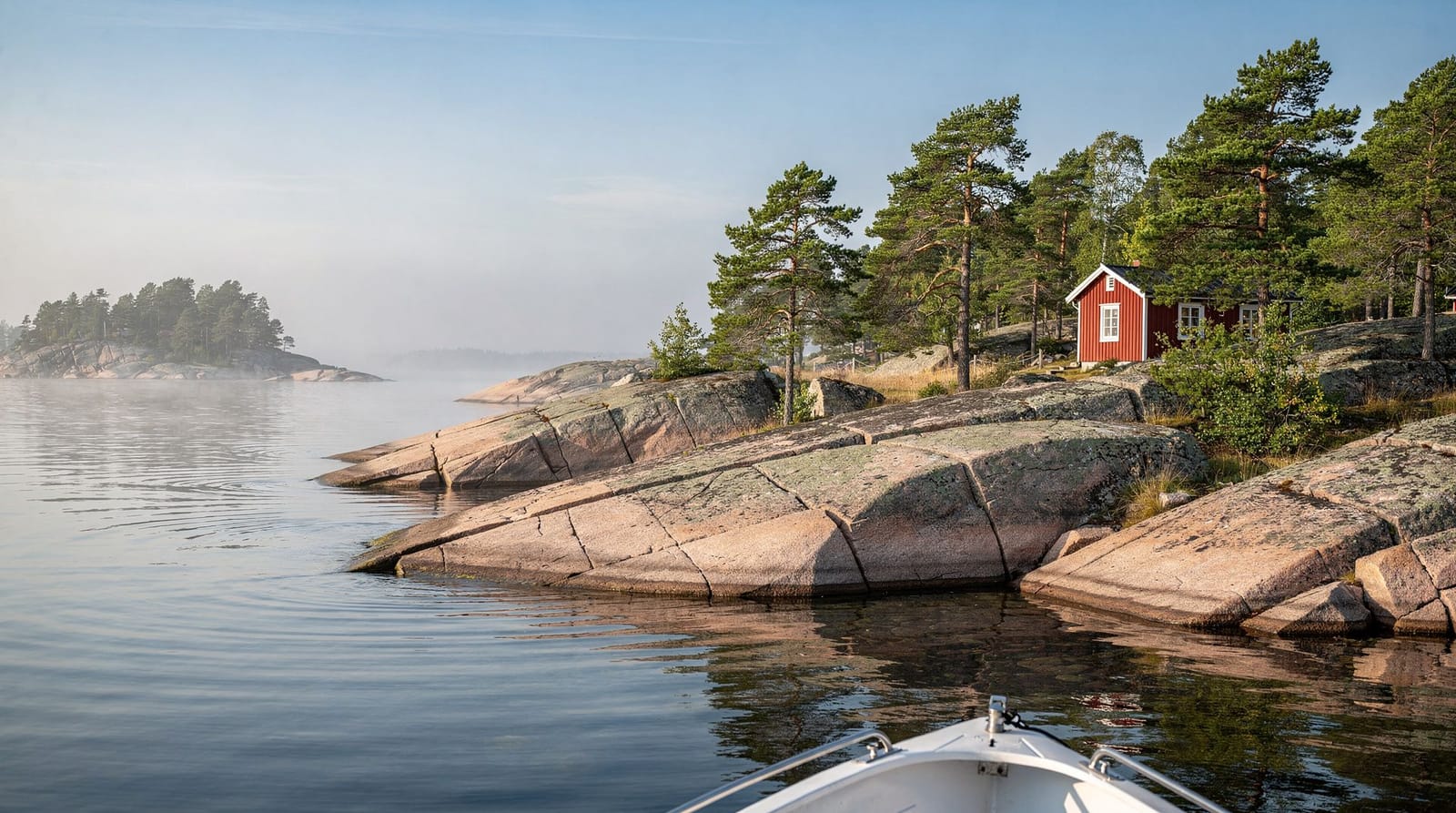
Swedish summer in the archipelago is, frankly, magnificent. The combination of very long days (light until 23:00 in June, barely dark at midnight), warm water (18–21°C in July–August), the social animation of a landscape that was quiet all winter, and the specific quality of Nordic summer light creates an experience that is difficult to find anywhere else in Europe.
What summer offers:
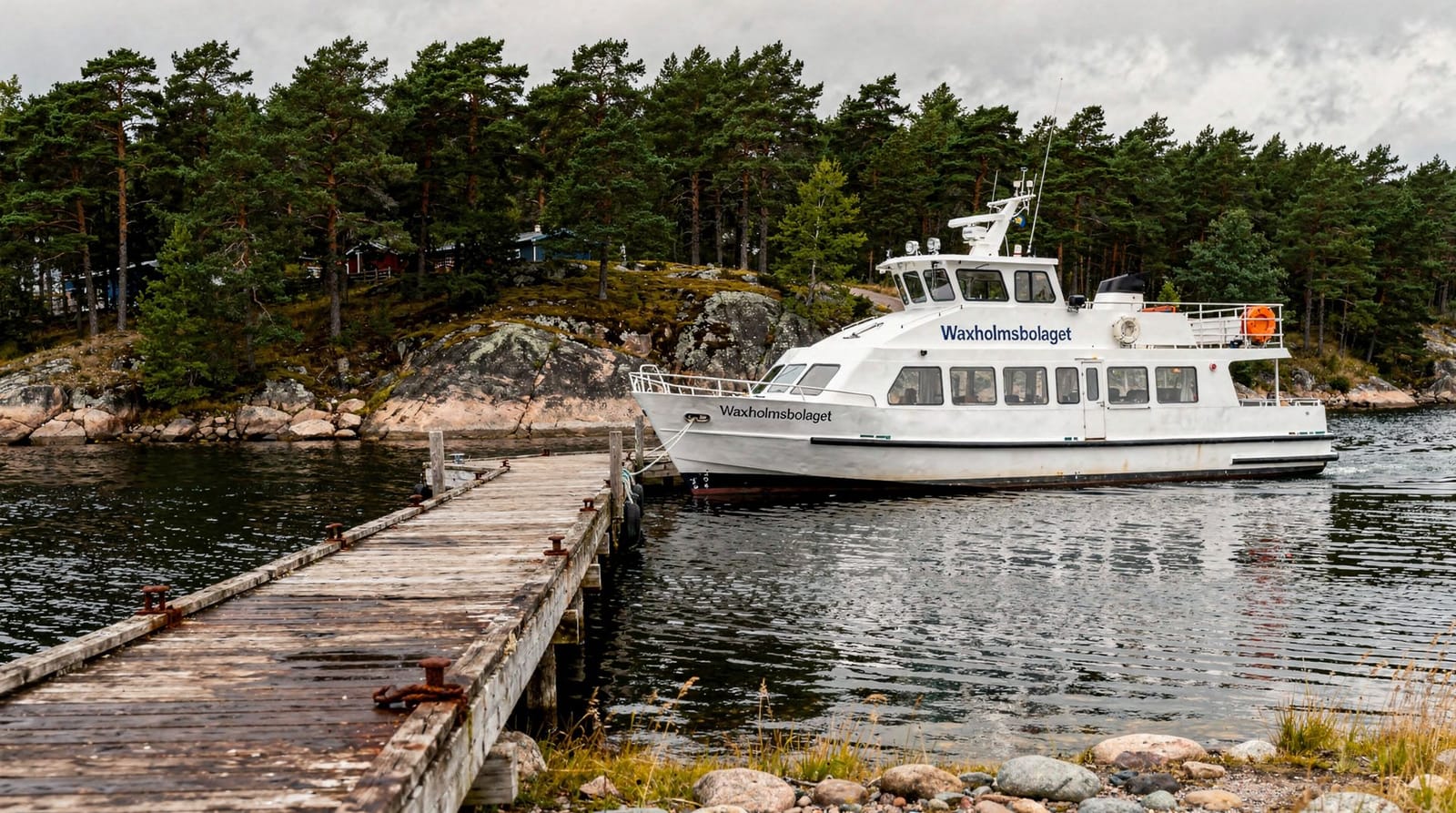
- All Waxholmsbolaget ferry services running at maximum frequency
- All island restaurants, hotels, and services open
- Warm swimming water — genuinely warm enough for extended sessions
- The archipelago’s full social life (Sandhamn sailing scene, island markets, outdoor concerts)
- Wildflowers in the meadow sections of inner islands
- The famous Swedish white nights (vita nätter) — the twilight that never becomes full darkness in June
Peak summer specifics:
June has the longest days and is generally uncrowded until the third week (Midsummer). Midsummer itself (third weekend of June) is Sweden’s biggest holiday — the archipelago is at maximum occupation. Many Swedes consider Midsummer in the archipelago the singular best experience Sweden offers.
July is peak season: maximum boat traffic, maximum prices, maximum accommodation occupation. If you want the full summer archipelago experience but hate crowds, early July is better than late July.
August has warm water, slightly shorter days (still long), and the beginning of autumn colours on the inner islands. Prices and crowds begin to fall after the first week.
Book a Midsummer archipelago boat tour with live guideThe honest summer caveat:
Summer has real drawbacks. Popular outer islands (Sandhamn, Utö) are genuinely crowded in July. Accommodation on any island requires booking months in advance. Prices are high. And the mosquitoes on forested inner islands in July are serious — bring repellent.
September is the connoisseur’s summer: still warm enough for swimming (16–18°C), beautiful early autumn light, dramatically fewer visitors, and lower prices. Many regular archipelago visitors consider September the best month of the year.
Choosing how to get out on the water in summer
Summer is also the season when the widest range of ways to see the islands is available. If you only have a day, the archipelago in one day guide shows how to fit a classic outing together, and the 2-hour archipelago boat tour guide covers the shortest option for those who would rather stay close to the city. For a choice between islands, the Vaxholm vs Sandhamn comparison and the Stockholm archipelago complete guide help you match an island to the kind of day you want. Anyone who prefers a guided overview from the water can look at a sightseeing cruise through the islands, which suits visitors who want the scenery without arranging ferry connections themselves.
Winter: stark beauty and the sauna tradition
The case for winter
Winter in the archipelago is a completely different proposition. It requires more planning, accepts its own constraints, and delivers experiences that are unavailable in any other season.
What winter offers:
- Complete solitude on all but the most-inhabited islands
- The sauna-and-polar-plunge tradition at its most intense (see below)
- Ice skating on frozen inner bays (in cold winters, January–February)
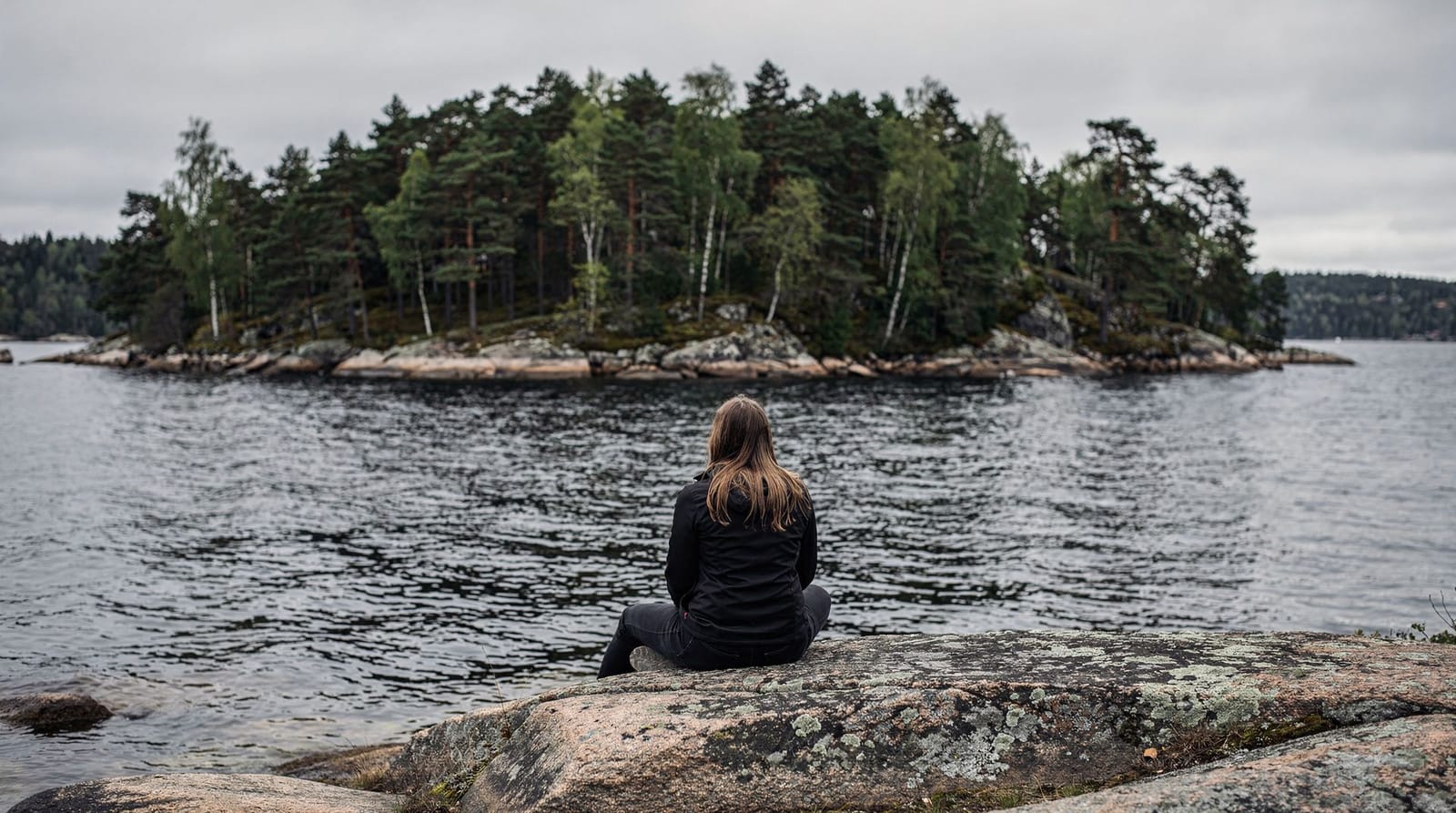
- The low winter light — pale, horizontal, beautiful — that Swedish landscape photographers prefer
- A fundamentally different rhythm: slower, more reflective, more focused on warmth and the contrast between cold outside and heat inside
- Very low prices (where accommodation and services exist)
The honest winter caveats:
Most archipelago tourist infrastructure is closed or severely reduced from October to April. Most island restaurants, hotels, and kiosks close for the season. Ferry frequency drops to 1–2 services daily on major routes and zero on many minor routes.
Getting to an outer island in winter requires specific planning: confirming the ferry runs, confirming accommodation is open, and being self-sufficient in ways that summer visitors do not need to be. It is not casual tourism.
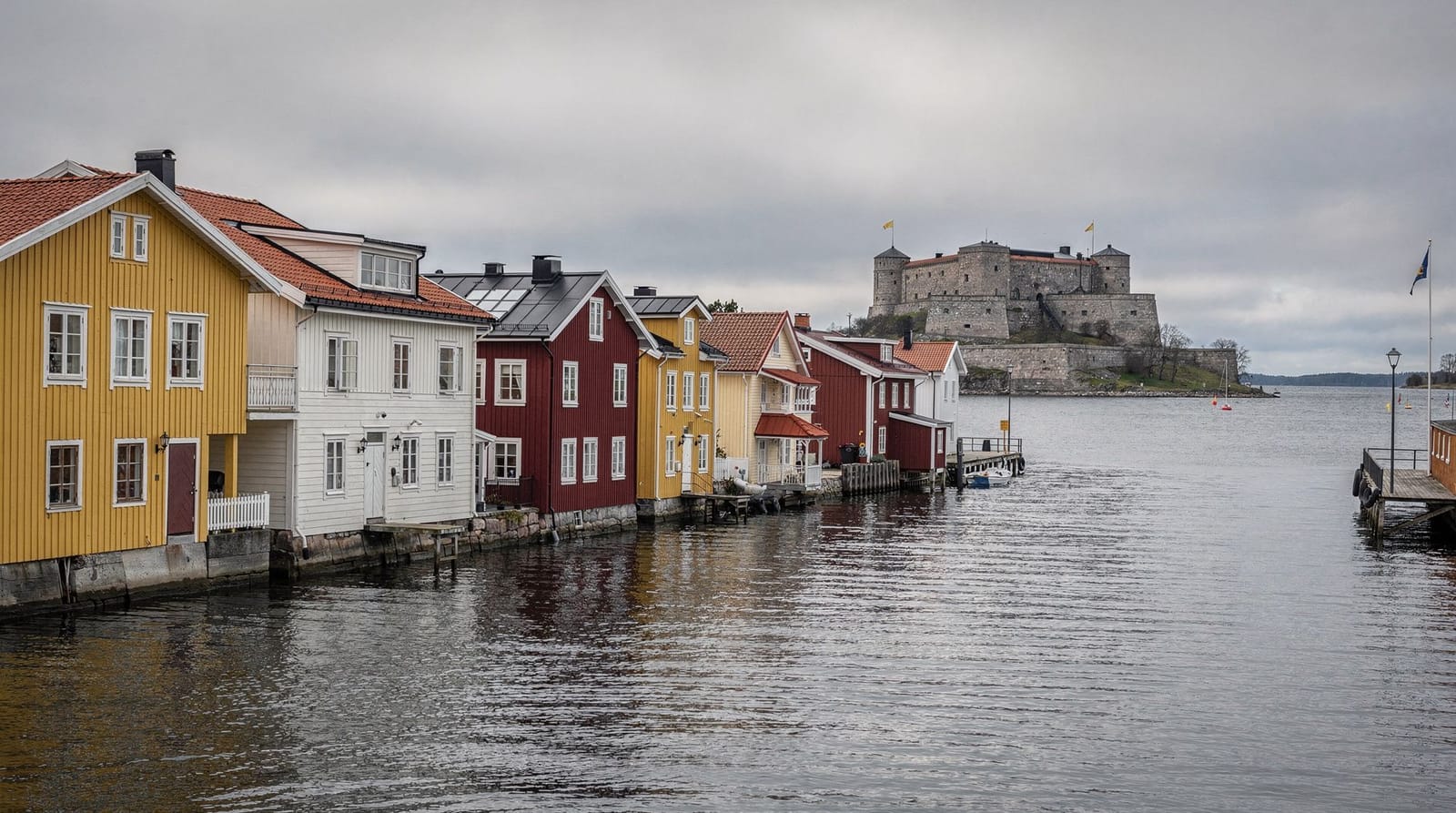
The inner archipelago is more practical in winter — Vaxholm operates year-round, has year-round services, and the ferries run regularly. See the Vaxholm day guide for what’s open outside summer, and the Waxholmsbolaget ferries guide for the reduced winter timetable.
Book winter archipelago kayaking with sauna and fikaThe sauna and polar plunge
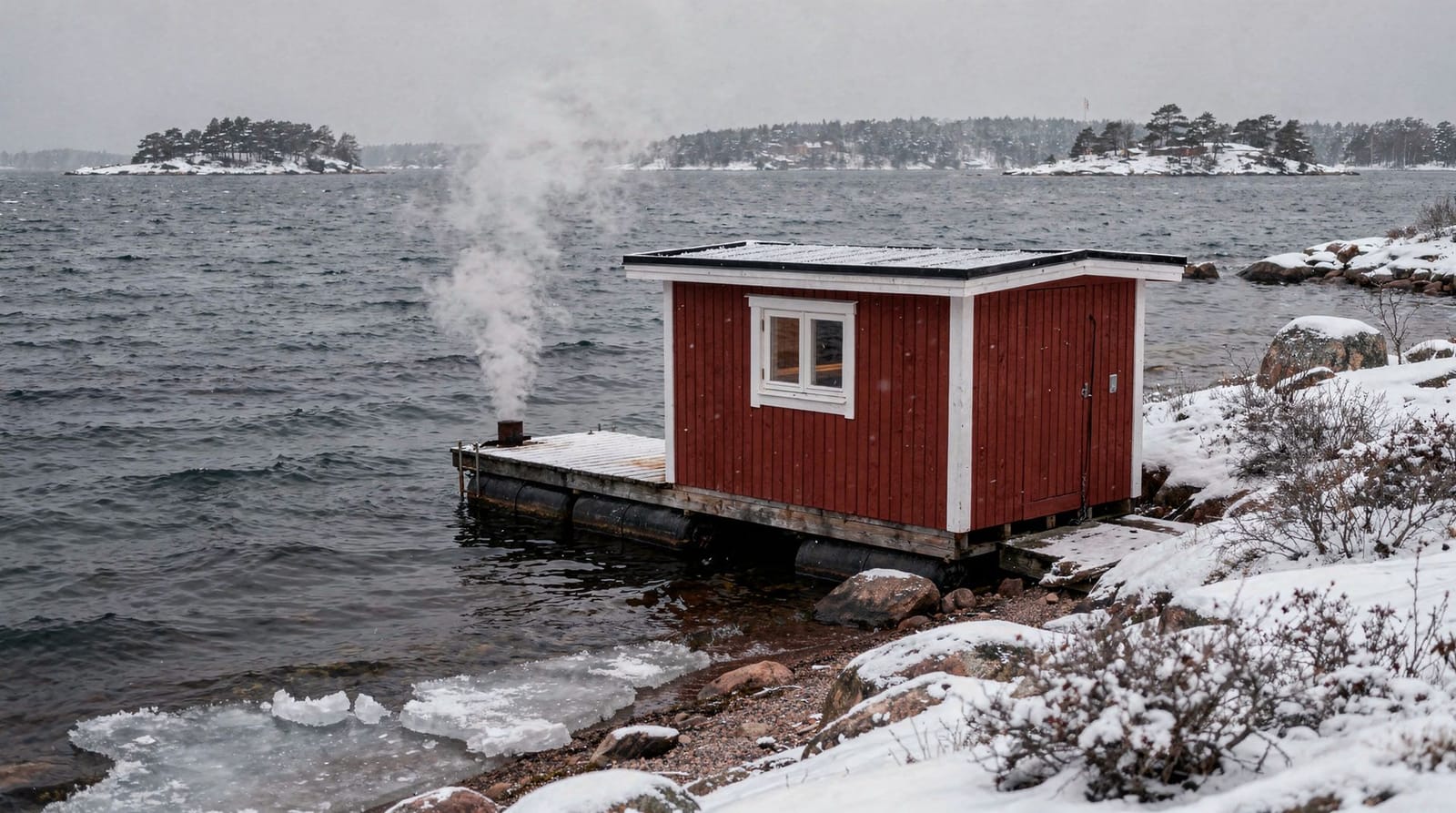
This is winter’s signature experience. The tradition is elemental: heat the wood-fired sauna to 70–90°C (takes 1.5–2 hours), sit inside until you can no longer bear it, exit, and drop into the Baltic water (which in winter is 1–4°C). Repeat.
The physiological effect — the acute contrast between extreme heat and extreme cold, followed by a sustained warmth that lasts for hours — is one of the most physically distinctive sensations available without medical intervention. Combined with the setting (a frozen inlet, ice on the rocks, the steam rising from the sauna and from your body), it produces the specific quality of Nordic winter experience that Swedes have described for centuries as the source of particular mental clarity.
Vaxholm has a public sauna facility with polar plunge specifically for this purpose.
Book: Vaxholm traditional sauna with polar plunge in the Baltic SeaIce skating on the frozen archipelago
In a cold winter (not every year — Stockholm’s winters have become milder), the inner archipelago bays freeze solid enough for ice skating. This is a very specific Swedish experience: long-distance skating (långfärdsskridsko) on natural ice, covering kilometres across bays and straits that are open water in summer.
The conditions for this (cold enough, long enough, without snow that covers the ice) occur perhaps 2–3 times per decade in recent milder winters. When they do, it is considered a major event by the skating community. Several tour operators run guided long-distance skating tours when conditions permit.
See the winter activities guide for skating specifics.
Winter beyond the islands
A winter archipelago trip rarely fills every day, and it combines well with the rest of the city’s cold-season offer. The winter archipelago guide goes deeper on what is realistic out on the water, while the Stockholm winter clothing rental guide is useful if you do not want to buy gear for a single trip. If the weather turns, the winter canal cruise and the Swedish sauna guide give you indoor-leaning or city-based alternatives, and the Stockholm winter 3-day itinerary shows how an island outing can slot into a longer stay.
Side-by-side comparison
| Summer (June–August) | Winter (Nov–March) | |
|---|---|---|
| Ferry frequency | Maximum | Reduced (1–2/day on main routes) |
| Services available | Full | Very limited |
| Swimming | Yes (18–21°C) | No (1–4°C, but sauna/plunge yes) |
| Accommodation | Fully booked | Available (limited options) |
| Crowds | High (July peak) | None |
| Prices | High | Low |
| Daylight hours | 18+ hours (June) | 6–7 hours |
| Mosquitoes | Yes (inner islands, July) | None |
| Sauna/plunge | Good | Best |
| Ice skating | No | Possible (cold years) |
| Photography | Wildflower meadows, long light | Low winter light, ice, mist |
| Overall mood | Social, animated | Solitary, meditative |
The shoulder seasons: May and September
The archipelago’s best-kept secrets are the shoulder months:
May: Spring arrives in the archipelago in early May — the birches leaf, the wildflowers begin, the ferry services start up, and the islands are quiet. Accommodation is available without the July stress. Water is too cold for swimming (8–12°C) but the landscape is beautiful. Some services not yet fully operational; check ahead.
September: The archetypal recommendation. Water still warm enough for swimming (16–18°C), early autumn colour on the inner islands, dramatically fewer visitors than summer, lower prices, and a specific quality of September light — warm, golden, lower in the sky — that is among the archipelago’s most beautiful atmospheric conditions. Most services still running.
Both shoulder months offer 85% of summer’s value at 50–60% of summer’s cost and crowd levels.
Which season suits which traveller
Families with school-age children are largely constrained to summer school holidays regardless of preference, which makes the July crowd and price trade-offs unavoidable for that group — planning around early July or late August within the constraint helps. Solo travellers and couples with flexible schedules get the most value from shifting toward September or, for a genuinely different kind of trip, embracing winter’s sauna-and-solitude appeal instead of trying to replicate a summer visit in the wrong season. Photographers tend to prefer the extremes — the long golden light of June and the stark low winter light — over the more conventionally pleasant but visually flatter shoulder months.
If you are still deciding when to travel at all, the best time to visit Stockholm guide puts the archipelago seasons in the context of the whole year, and the Stockholm archipelago: which island for you post offers a more personal take on choosing a destination once the season is settled.
Right to roam, in any season
Allemansrätten, Sweden’s right of public access, applies year-round — the practical difference between seasons is comfort and daylight, not legal access. Winter camping under Allemansrätten has its own dedicated Nordic tradition, though it demands genuinely warm equipment and shorter, more carefully planned days than a summer trip. For a lower-commitment winter or shoulder-season overnight, the archipelago overnight guide and the inner vs outer archipelago guide both help identify which islands stay realistically reachable and equipped outside the peak summer months.
Practical planning by season
Summer visit (June–August):
- Book accommodation 3–6 months ahead for July; 4–8 weeks for June and August
- Check Midsummer dates and plan around the holiday
- Bring insect repellent for inner island forest areas
- Expect higher prices for everything
Winter visit (November–March):
- Verify that specific accommodation and services are open before booking
- Check Waxholmsbolaget winter timetables (much reduced from summer)
- Book guided winter experiences (sauna, potential skating) well ahead
- Pack warm layers — the Baltic wind is cold
Shoulder season (May, September):
- Best combination of availability, price, and quality
- Book 2–4 weeks ahead rather than months
- Confirm service opening dates with specific island hotels
Frequently asked questions about archipelago seasons
Does the archipelago freeze in winter?
In cold winters (not every year), the inner archipelago bays freeze. The outer archipelago rarely freezes — the Baltic remains open except in very cold winters. The inner bays freeze before the open water. Ice thickness and safety varies year to year; always check local ice reports before venturing onto frozen water.
When do ferry services change from summer to winter timetable?
Typically late September to early October for the reduced timetable, and late April to early May for the expanded summer schedule. The transition dates vary by year and route; check waxholmsbolaget.se for current information.
Is September really better than July for the archipelago?
For most visitors outside of families with school-age children (who are constrained to school holidays), September is the connoisseur’s choice: warm enough to swim, beautiful light, far fewer crowds, lower accommodation prices, and the autumn colours beginning on the inner islands. The primary argument for July is Midsummer atmosphere and maximum warmth; everything else favours September.
Are there events in the archipelago in winter?
Some winter-specific experiences: guided ice skating when conditions permit, sauna events, and occasional winter island weekends run by the island hostels. These are niche and require proactive research to find.
What is the coldest month in the archipelago?
January and February are typically the coldest, with temperatures averaging -2 to -5°C and potentially dropping to -15°C in severe cold spells. The wind on the open water makes it feel significantly colder. The water temperature in these months is approximately 1–3°C.
Top experiences
Bookable activities with verified prices and instant confirmation on GetYourGuide.