Souvenir shopping in Stockholm: what's overpriced and where to buy instead
Stockholm: Vasa Museum entrance ticket
Where should I buy souvenirs in Stockholm without getting overcharged?
Museum gift shops (Stockholm City Museum, Nordiska Museet, Vasa Museum) and Designtorget sell identical quality Dala horses and Swedish craft items for 80–150 SEK — roughly half the price of Drottninggatan and Gamla Stan souvenir shops. For genuinely high-quality Swedish design, Iris Hantverk, Svenskt Tenn, and NK are the right addresses.
The Stockholm souvenir market
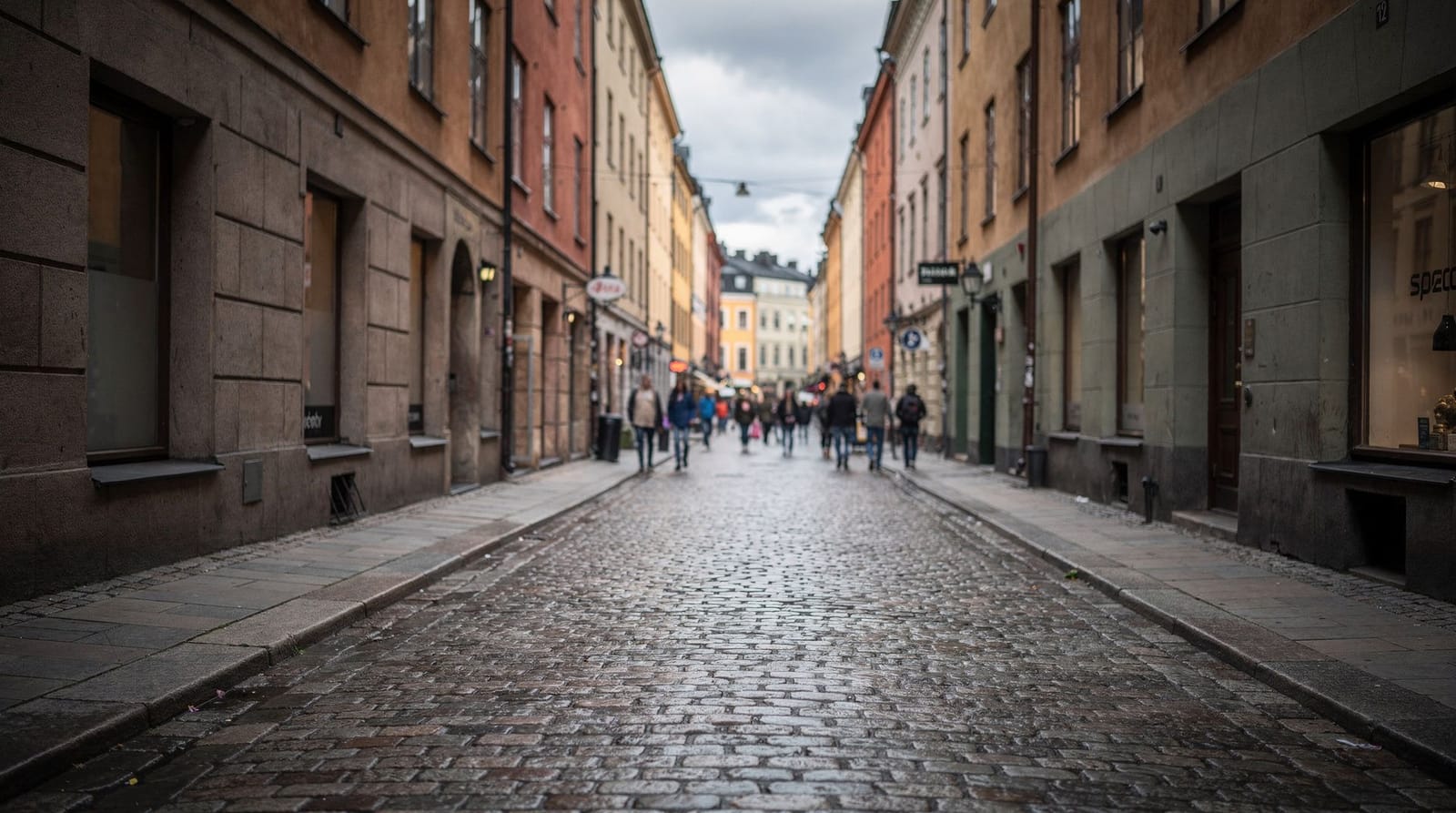
Stockholm’s souvenir market concentrates on two axes: Drottninggatan (the main pedestrian shopping street in Norrmalm) and the narrow streets of Gamla Stan — see the Gamla Stan neighbourhood deep dive for the wider context of that district. Both have a high density of shops selling the same category of products — Dala horses, Viking items, Swedish flags, moose merchandise, Nordic knit patterns — at a wide range of prices.
The pricing gap between tourist-district souvenir shops and alternative retail channels (museum gift shops, design stores, department stores) for equivalent-quality goods is typically 100–200 per cent. A Dala horse that retails for 80–120 SEK in the Vasa Museum gift shop or at Designtorget will cost 200–350 SEK in a Drottninggatan tourist shop.
This guide gives you the alternatives. It’s one piece of a larger pattern — see the Stockholm tourist traps guide for the other common overpriced traps beyond souvenirs, and the Stockholm budget per day guide for how shopping fits your overall trip spend.
| Where to avoid | Drottninggatan and central Gamla Stan tourist shops |
| Where to buy instead | Museum gift shops, Designtorget, Åhléns, Systembolaget |
| Typical markup | 100–200% for equivalent tourist-shop goods |
| Best value | Museum gift shops (Vasa, Nordiska Museet, Skansen) |
| Best quality splurge | Iris Hantverk, Svenskt Tenn |
What gets overpriced and by how much
Dala horses
The Dala horse is the most recognisable Swedish souvenir — a painted wooden horse from the Dalarna region with a tradition stretching back centuries. They are sold everywhere in Stockholm tourist areas, in sizes from keyring-scale to 30 cm table display.
Tourist-district prices: 150–350 SEK for a standard 10–15 cm horse in typical retail tourist shops.
Alternative prices: 80–150 SEK for the same quality item at museum gift shops or Designtorget.
Genuine handcrafted versions from the Nusnäs production village in Dalarna: 300–600 SEK for a medium size, with a quality certification mark. These are meaningfully different from the tourist-tier versions — hand-carved, hand-painted to a traditional standard. Available at Designtorget, NK (Norrmalm), and some craft shops.
Viking items
Viking helmets, rune-inscribed jewellery, Thor’s hammer pendants, decorative swords — these items exist in two quality tiers. The tourist-shop tier (mass production, lightweight metals or resin) at 100–400 SEK is nearly identical in actual production origin between any souvenir shop in Stockholm. They are not specifically Swedish-made.
If you want Viking-heritage items of genuine quality — handcast jewellery, reproduction period artefacts made by Swedish craftspeople — the Viking Museum shop on Djurgården and the Swedish History Museum shop (Historiska Museet, Djurgårdsvägen) have curated selections at higher prices but genuine provenance.
Nordic knitwear and textiles
Sweaters, mittens, and hats with traditional Nordic patterns (often marketed as “Lapland” or “Swedish” patterns) are commonly sold in tourist shops at 300–600 SEK. In many cases these are manufactured outside Scandinavia and have no connection to Swedish textile craft traditions.
Swedish-origin knitwear — genuinely made in Sweden or in Norway/Iceland under fair trade conditions — costs more (700–1,500 SEK for a proper sweater) but is what the tourist shops are implying without stating. The H&M Flaggship store on Drottninggatan, ironically, often has Scandinavian-inspired knitwear at transparent, honest prices.
For genuinely high-quality Swedish textiles, Nordiska Galleriet (Nybrogatan, Östermalm) and Ahlens department store (Norrmalm) are better addresses.
Better alternatives
Museum gift shops
Museum gift shops in Stockholm are consistently good value compared with tourist-district souvenir shops:
- Vasa Museum gift shop (Djurgården): Vasa ship models, maritime-themed Swedish craft items, Dala horses at competitive prices. The ship models are unique to this shop and make excellent specific souvenirs.
- Nordiska Museet gift shop (Djurgården): Focuses on traditional Swedish craft — textiles, wooden items, glass. Better curation than tourist shops. See the Nordiska Museet guide.
- Stockholm City Museum gift shop (Södermalm): General Swedish craft, Dala horses, local history items at honest pricing.
- Skansen gift shop (Djurgården): Traditional Swedish craft, seasonal items, food products (lingonberry jam, preserved herring, crispbread). See the Skansen guide.
Design stores
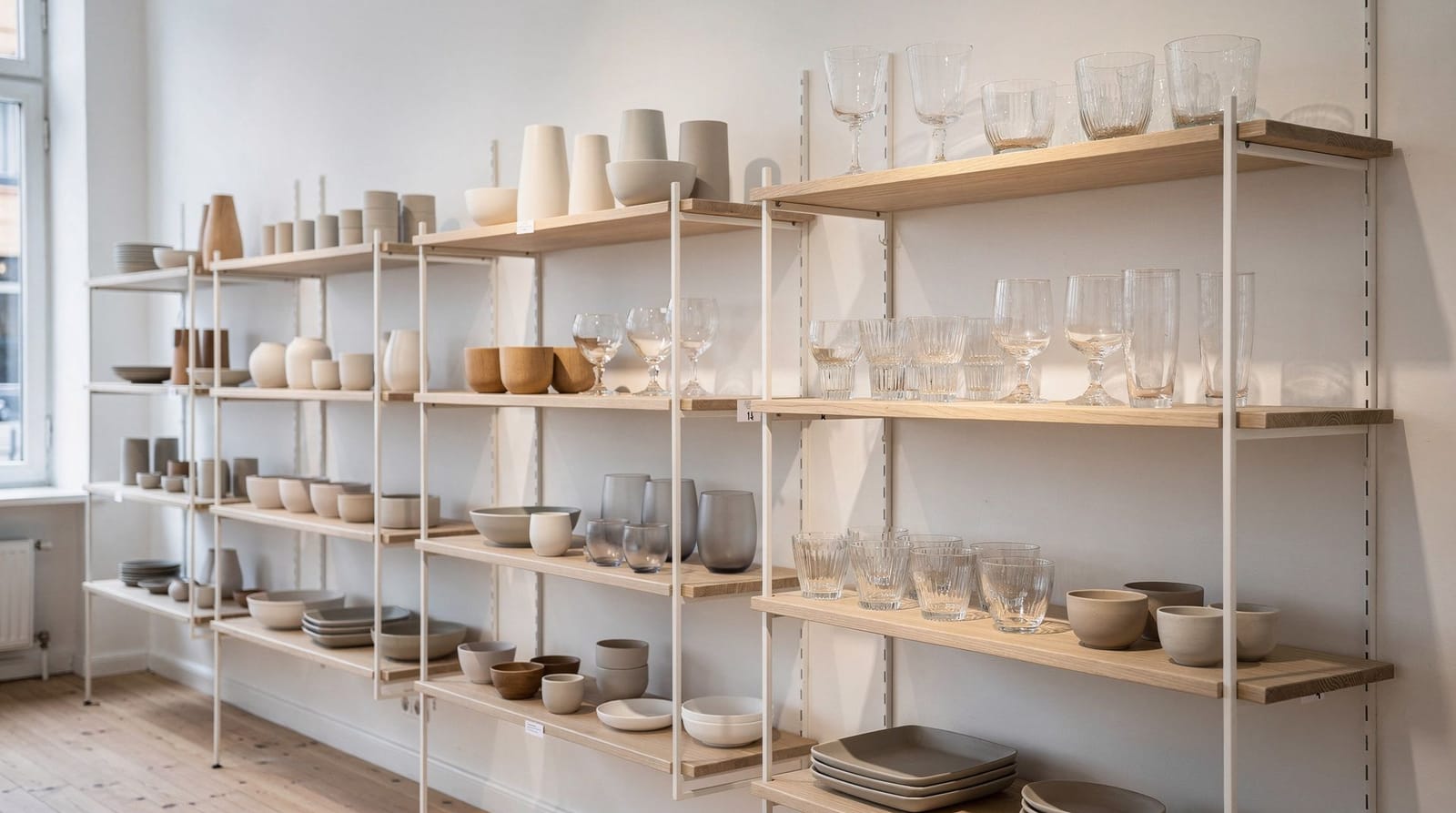
Designtorget (multiple locations: Kulturhuset at Sergels Torg, Götgatan Södermalm, other locations): Sweden’s best-known curated design collective. Everything is Swedish-designed; most is Swedish-made. Prices are mid-range. Quality is reliably better than tourist-district souvenir shops.
NK Department Store (Hamngatan 18-20, Norrmalm): Stockholm’s equivalent of a London department store. The gift and home sections carry Swedish brands at department-store prices — not tourist-shop inflated, not boutique-elevated.
Åhléns (Klarabergsgatan, Norrmalm): A more accessible department store. The home and food sections carry Swedish specialty food products (traditional aquavit, smoked salmon rillettes, lingonberry preserves) at normal supermarket-adjacent prices.
Craft boutiques
Iris Hantverk (Kungsgatan 55, Norrmalm; also Krukmakargatan 24, Södermalm): Traditional Swedish craft goods employing visually impaired craftspeople since 1870. Brushes, baskets, brooms, kitchen textiles — all made to a standard that makes them genuinely usable as well as symbolic. Prices reflect genuine craftsmanship.
Svenskt Tenn (Strandvägen 5, Östermalm): Sweden’s most prestigious design house, founded 1924, most famous for its Josef Frank textile prints. Expensive — this is destination shopping, not souvenir shopping — but the quality is absolute and the brand is uniquely Swedish.
Granit (multiple Stockholm locations): Swedish design objects and homeware at accessible prices. Not luxury, but honest value for practical Swedish design items.
For a fuller picture of Swedish design shopping beyond souvenirs — furniture, homeware, fashion — see the Stockholm design shopping guide. Several of the best independent design and craft shops are on Södermalm rather than in the main tourist zones; the Södermalm neighbourhood deep dive covers SoFo’s shopping streets in more detail.
Food souvenirs
Swedish specialty food products make excellent, genuinely authentic souvenirs:
- Aquavit (snaps): buy at Systembolaget, the state alcohol monopoly. Standard bottles 150–250 SEK. Look for O.P. Anderson, Skåne Akvavit, or aged varieties from Hantverksdestilleriet.
- Swedish canned fish: Surströmming (fermented herring, famous for its smell) and regular smoked herring from Saltå Kvarn or comparable brands. Available in ICA supermarkets.
- Swedish coffee: Sweden has the second-highest per-capita coffee consumption in the world. Swedish roasts from Johan & Nyström (Stockholm-based roaster, multiple café locations) or Koppi (Helsingborg-based, premium) are specific and excellent.
- Lingonberry products: Lingonberry jam is a real Swedish staple. The ICA or Coop supermarket versions (30–50 SEK) are identical quality to the tourist-shop versions (100–150 SEK in decorative jars).
Building souvenir shopping into your sightseeing
The easiest way to avoid the tourist-shop trap is not to schedule a dedicated shopping outing at all. Museum gift shops sit at the end of a visit, so the purchase happens naturally once you have seen the collection and know what interests you. If you already plan to see the ship, a Vasa Museum entry ticket covers your visit, and the gift shop is on your way out — a ship model there makes a more specific memory than a generic horse from a Drottninggatan window. If you would rather book ahead, a timed entrance to the Vasa Museum keeps the day simple and leaves time to browse the shop calmly.
The same logic applies on Djurgården. Skansen’s shop focuses on traditional craft and Swedish pantry items, and you can fold it into a full open-air visit; admission to the Skansen open-air museum is the simplest way to arrange that. The Djurgården neighbourhood deep dive and the Djurgården walking route show how to string several of these museum shops together in one unhurried day, so you compare prices on foot rather than guessing.
If you are drawn to the Viking theme, buy it where the story is told properly. A visit to the Viking Museum or the wider Viking heritage around Stockholm gives you context to judge which pieces are reproductions made with care and which are resin novelties. For something more atmospheric, an immersive Viking museum exhibition and ride pairs a story-led visit with a shop that is far more curated than the stalls in the old town. Also see the Birka Viking day trip guide if you are heading out onto the water anyway.
How to judge quality in the shop
You do not need to be a craft expert to avoid the worst items. A few habits help:
- Pick it up. Genuine wooden items feel dense and finished, with clean edges and paint that does not smear. Light, hollow-feeling objects with rough seams are the giveaway for mass production.
- Read the label. Look for a country of origin and a maker’s name. A tourist-shop item with no maker information and a vague “Nordic” description tells you most of what you need to know.
- Compare two shops. Even within the same street, similar items can be priced very differently. Walk past the first shop and come back if nothing better turns up.
- Ask what is Swedish-made. Shop staff in design stores can usually answer immediately. If a souvenir-shop assistant cannot, that is informative.
- Think about what you will actually use. A brush from Iris Hantverk or a kitchen textile will be used for years; a novelty moose rarely survives its first spring clean.
None of this requires haggling. Swedish retail is fixed-price, so the lever you have is where you shop, not how hard you negotiate.
Souvenirs by traveller type
Families with children. Children tend to love a small Dala horse or a Vasa-themed toy more than any decorative object. A museum shop gives them a safe place to choose, and the prices are easier to defend than a window display on a busy street. See the Stockholm with kids family guide for how to plan museum days that leave energy for a shop visit at the end.
Design lovers. Skip the tourist strips completely and spend your time in Södermalm, Östermalm and the department stores. The Södermalm walking tour guide and the Östermalm neighbourhood deep dive both pass through areas where independent shops outnumber souvenir stalls. Combine browsing with a break from the Stockholm fika culture guide and you have a relaxed afternoon.
Food-focused travellers. Your best souvenirs are edible. Build a stop at a supermarket or Systembolaget into your last day, and use the Swedish cinnamon bun guide to find a bakery worth carrying a box from. Gifts you can eat or drink also avoid the problem of fitting fragile objects in luggage.
Travellers on a tight budget. Decide your souvenir allowance before you leave the hotel, and treat everything else as window shopping. The Stockholm budget weekend itinerary shows how a short trip can stay on track without feeling stingy, and the blog post on eating cheaply in Stockholm has the same logic applied to meals.
Packing, carrying and timing
Plan your purchases for the end of the trip rather than the beginning. Buying a fragile ceramic on day one means carrying it through every museum queue and ferry boarding afterwards. If your departure is by air, the Stockholm airport arrival guide is useful for planning the return journey, and the luggage storage guide helps if you have a gap between checking out and leaving, so you can shop without hauling bags around.
Wrap glass and liquids carefully, and keep spirits in your checked luggage in line with your airline’s rules. Wooden items travel well, but painted surfaces can scuff against other objects, so tuck them into soft clothing. For clothing-based souvenirs, remember that the winter packing advice can help you decide whether a warm hat or gloves are worth buying in Stockholm, or whether you are better off buying them at home.
A quick price-check habit worth building
Before buying anything that catches your eye in a Gamla Stan or Drottninggatan souvenir shop, note the item and check the same or similar product at a museum gift shop — Vasa, Skansen, or Nordiska Museet — before your trip ends. Museum shops are generally open the same hours as the museums (until early evening), so this is realistic to do on the same day rather than requiring a separate errand. If the tourist-shop price is more than roughly 50% above the museum-shop equivalent, that’s your signal to wait and buy at the museum instead.
Frequently asked questions about souvenirs in Stockholm
What is the Dala horse and where does it come from?
The Dala horse is a traditional carved and painted wooden horse from Dalarna county, with a tradition from the 17th century. Tourist-market versions cost 150–350 SEK in souvenir shops; the same quality costs 80–150 SEK at museum gift shops.
How do I tell a genuine Swedish craft souvenir from a mass-produced one?
Genuine Dala horses from Nusnäs have a quality stamp, crisp paint detail, and feel substantial. Mass-produced versions have rougher edges and lighter weight. Price in tourist shops does not correlate with provenance.
Are Designtorget stores reliable?
Yes. Designtorget sells exclusively Swedish and Scandinavian design products, curated for quality. Mid-range prices, significantly below boutique pricing, better quality than tourist souvenir shops.
What is Iris Hantverk?
A Stockholm institution making traditional Swedish craft goods employing visually impaired craftspeople since 1870. Expensive but heirloom-quality made-in-Sweden items.
Is Systembolaget worth visiting for Swedish spirits?
Yes — Swedish aquavit makes an excellent, genuinely Swedish gift, available only through the state alcohol monopoly at controlled retail prices. Multiple branches in central Stockholm.