Stockholm 2026 — what changed this year
Stockholm doesn’t change rapidly. The city’s infrastructure, culture and major attractions are stable in ways that make multi-year guides less rapidly obsolete than, say, a city undergoing construction boom. But several things have shifted for 2026 visitors, and this post captures the material updates.
| Biggest change | ETIAS still not live as of mid-2026; grocery/takeaway VAT cut to 6% since April 1 |
| Transit prices | Stable vs 2025 — 72-hour SL pass still 360 SEK |
| Museum watch | Nordiska Museet’s new design exhibition, Fotografiska’s later Fri/Sat hours |
| Budget guide | Around €150–180 per person per day, mid-range, summer 2026 |
| Best value months | May–early June and September (shoulder season pricing) |
ETIAS — not yet active, but coming
The European Travel Information and Authorisation System (ETIAS) has been in development for several years. As of April 2026, it is still not operational for visitors to the Schengen Area.
The current expectation is a Q4 2026 launch — though this has slipped repeatedly from earlier projections. When it does launch:
- Who needs it: Citizens of visa-exempt countries (US, UK, Canada, Australia, New Zealand and approximately 60 others)
- Cost: €20 per application
- Validity: 3 years, multiple entry
- Process: Online application, expected approval within minutes for the majority of applicants
- Who doesn’t need it: EU/EEA/Swiss citizens, those with valid Schengen visas
Practical implication for 2026 visits: If you’re visiting before the ETIAS launch date (not yet confirmed), no change from previous years. If you’re planning a visit for late Q4 2026 or 2027, monitor the official ETIAS website (etias.eu) for the launch date.
The system applies across the entire Schengen Area, not just Sweden. A single ETIAS authorisation covers all 26 Schengen countries.
The grocery and takeaway VAT reduction
Since April 1, 2026, Sweden has applied a temporary reduced VAT rate of 6% to groceries, takeaway food, and non-alcoholic beverages (replacing the previous 12%). This reduction runs until December 31, 2027.
What this means in practice for visitors:
- Supermarket shopping is modestly cheaper (the reduction from 12% to 6% on a 100 SEK basket means roughly 5 SEK saving)
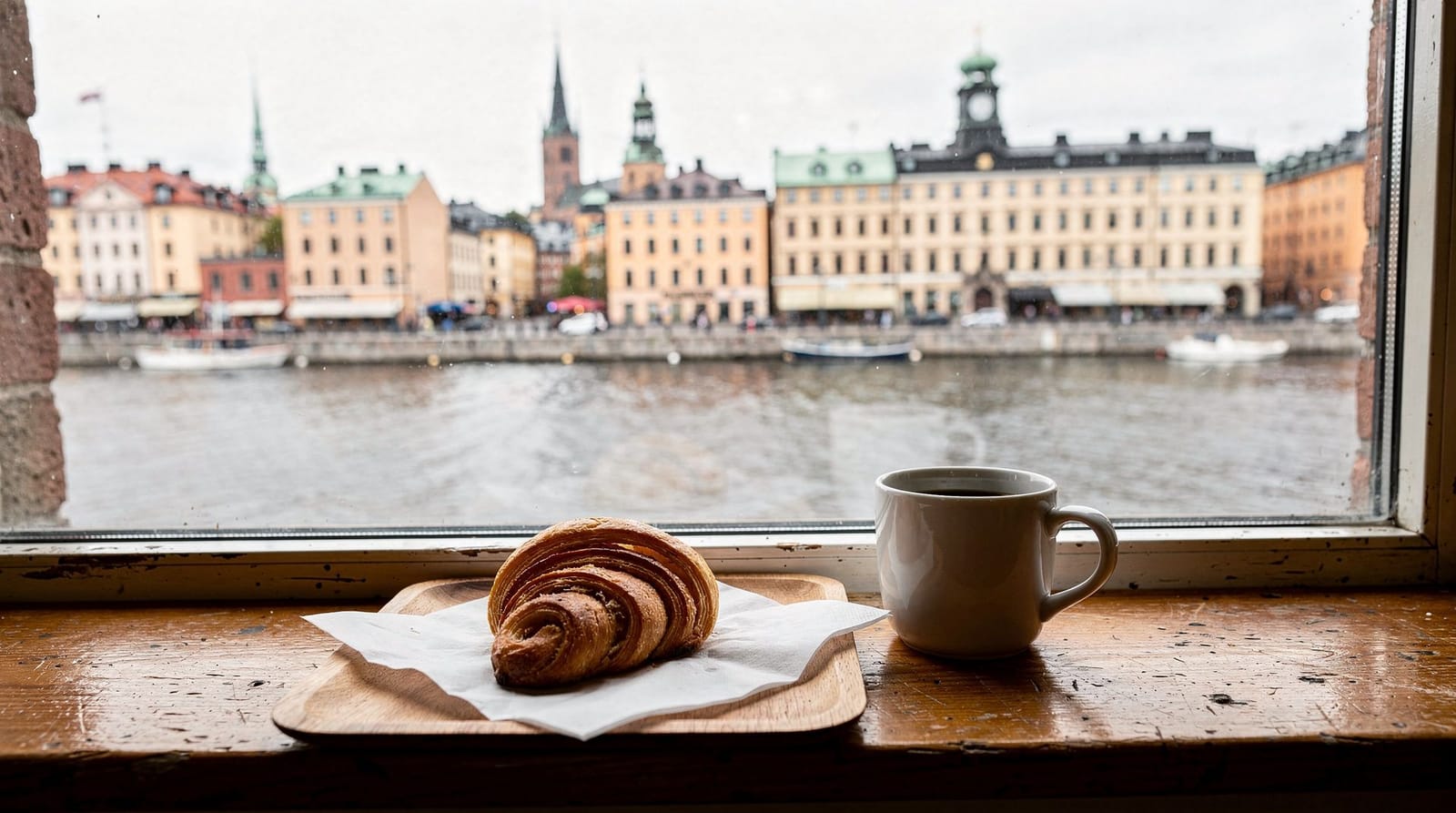
- Takeaway coffee and food at cafés costs slightly less than the previous tax rate implied
- Alcohol is excluded — beer, wine and spirits remain at 25%/12% as before
The change is worth knowing but not dramatic in day-to-day terms. The bigger savings are at the supermarket rather than in cafés and restaurants.
SL transit price updates
SL (Storstockholms Lokaltrafik) updated its fare structure in January 2026. Current prices as of April 2026:
| Product | Price (SEK) |
|---|---|
| Single journey | 43 |
| 24-hour pass | 180 |
| 72-hour pass | 360 |
| 7-day pass | 470 |
| 30-day pass | 1 060 |
These prices are consistent with 2025 — no significant changes this year. The Arlanda Express remains separately priced at 340 SEK single (no SL integration).
Arlanda Express price note
The Arlanda Express increased its base single fare to 340 SEK in 2025; this has remained stable into 2026. Off-peak and advance purchase discounts are available through the Arlanda Express app and website. The two-person discount offer (buy one, take a companion for a reduced rate) appears periodically.
Museum updates
Vasa Museum: No major changes. The conservation of the ship continues as an ongoing process. The exhibition around the ship was refreshed in late 2025 with updated lighting in the lower gun deck galleries.
ABBA The Museum: Continuing programming with updated interactive elements. The “dancing queen” holographic stage experience has been updated with higher-resolution projection. Timed entry remains mandatory; book at minimum 2-3 weeks ahead for July visits, further ahead during school holidays.
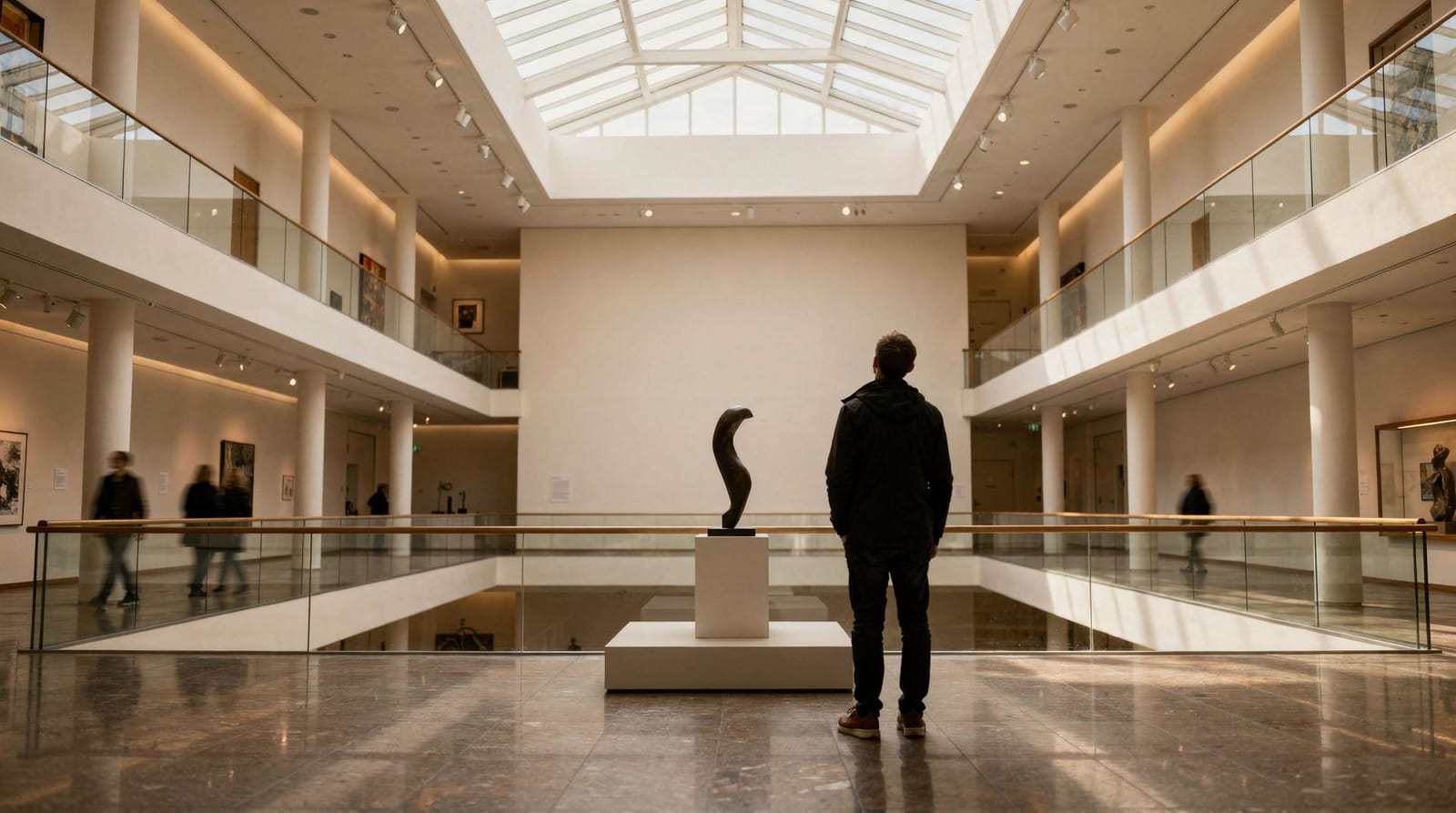
Nordiska Museet: A significant new temporary exhibition on Swedish modernist design (1930-1970) opened in March 2026, running through September. Worth a specific visit for design-interested visitors.
Fotografiska: A major exhibition on Arctic photography is running through June 2026. The museum is open daily until 23:00.
Avicii Experience: New programming has been added to the permanent exhibition, including archive material from the 2019 documentary. The experience has also added a dedicated section on mental health and the music industry that opened in February 2026.
Practical changes for 2026 visitors
The Riksbank digital krona pilot: Sweden has been piloting an e-krona (digital central bank currency) but this does not affect tourist payment options in 2026. Contactless Visa/Mastercard and mobile payments remain the standard.
New SL app features: The SL app now supports real-time transit maps showing actual vehicle positions, which improves connection planning. The contactless payment feature for adding funds has also been streamlined.
Accommodation prices: Mid-range hotel rates for summer 2026 are tracking slightly above 2025 levels due to general inflation. The summer peak (mid-July through mid-August) continues to see significant premium pricing. The shoulder seasons (May-early June, September) remain the best value months with good weather.
Archipelago ferry season: Waxholmsbolaget has extended the summer schedule for 2026, with additional departures to Vaxholm and Fjäderholmarna from May 1st (previously May 15th). This is practical for visitors arriving in early May.
For full 2026 planning with current prices, our Stockholm planning guide is updated quarterly. Transport details including the Arlanda options are in our transport guide.
Stockholm Go City Pass — save up to 50% on 60+ attractionsCurrency and exchange rates in 2026
The Swedish krona (SEK) exchange rate as of April 2026:
- 1 USD ≈ 10.5 SEK
- 1 EUR ≈ 11.3 SEK
- 1 GBP ≈ 13.2 SEK
These rates fluctuate. For planning purposes, 10 SEK to the dollar is a useful mental conversion: a 150 SEK lunch is roughly $14, a 340 SEK Arlanda Express ticket is roughly $32.
Sweden remains significantly more expensive than southern and eastern European destinations. A mid-budget visitor (comfortable accommodation, lunch at dagens lunch places, one activity per day) should budget approximately €150-180 per person per day in summer 2026. This is higher than equivalent budgets in Portugal, Spain or Poland, and comparable to Paris or London.
Infrastructure and logistics updates
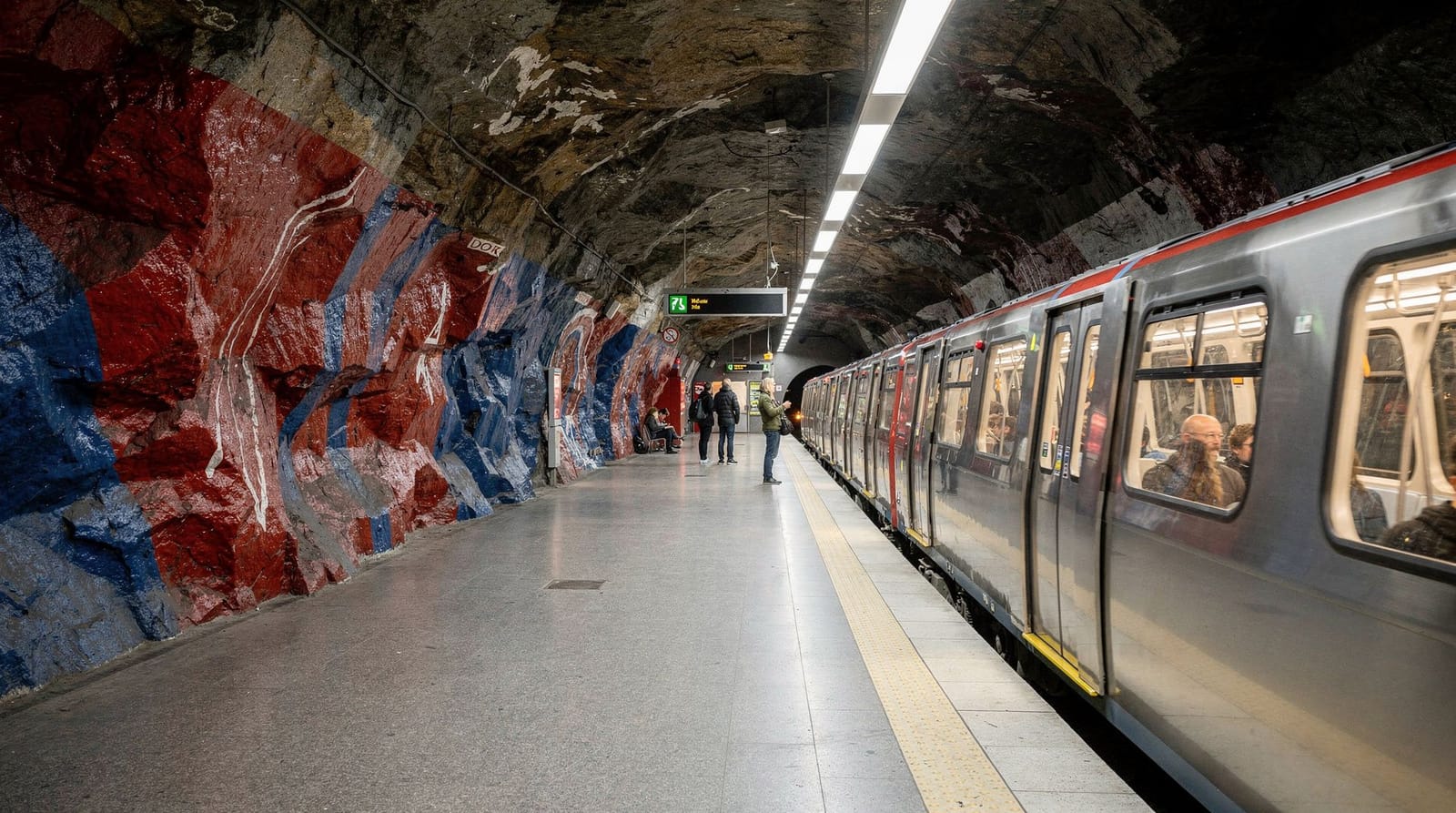
Stockholm Central Station: Renovation work ongoing on certain platforms. The connection between the commuter rail (pendeltåg) and T-bana remains operational throughout. No significant passenger disruption expected in summer 2026, but check the SL website for any planned maintenance on your travel dates.
Waxholmsbolaget fleet: Two new vessels entered service in late 2025, replacing older boats on the Vaxholm route. The new boats are slightly faster and have improved passenger facilities. The schedule is similar to previous years.
The City Hall: Currently open for guided tours at scheduled times. The City Hall tower is currently closed to visitors for renovation, so check the official City Hall site before planning a climb.
What isn’t changing
The archipelago. The museums. The quality of fika. The 183 SEK commuter train as an alternative to the 340 SEK express. These are stable.
Stockholm doesn’t reinvent itself at the pace of a city in active gentrification or economic transformation. The visitor experience in 2026 is fundamentally continuous with 2022 or 2019. The new information matters around the edges: entry prices, transport options, ETIAS timing, the VAT reduction on groceries. The core of what makes Stockholm worth visiting hasn’t changed.
What to book ahead for 2026 visits
Timed-entry museums remain the main booking pressure point. ABBA The Museum needs booking 2-3 weeks ahead for July, more during school holidays — see our ABBA Museum guide for current entry logistics. The Vasa Museum rarely sells out but queues build fast midday in summer, so an early or late slot is worth planning around. If you’re weighing several museums against each other, our museum pass comparison covers which combinations save money in 2026’s pricing. The Nordiska Museet’s new modernist design exhibition is worth checking for closing dates before you build it into an itinerary, since temporary exhibitions have fixed run times.
Seasonal pricing snapshot for 2026
| Period | Accommodation | Crowd level | Value read |
|---|---|---|---|
| Mid-July–mid-August | Peak premium pricing | Highest of the year | Book everything well ahead |
| May–early June | Below peak | Moderate | Best value with reliable daylight |
| September | Below peak | Lower, still pleasant weather | Best value overall for 2026 |
| Winter (Nov–Feb) | Lowest rates | Low, except Christmas markets | Cheapest, but check attraction hours |
For a fuller month-by-month breakdown beyond this year’s specific updates, our best time to visit Stockholm guide and Stockholm budget guide go deeper on what each season actually costs and feels like.
Fotografiska and City Hall — worth building in
Fotografiska’s late hours (open daily until 23:00) make it one of the easier evening activities to slot into a packed 2026 itinerary without cutting into daytime sightseeing — see our Fotografiska guide for current exhibition details. The City Hall guided interior tours run on a published schedule; the tower is currently closed to visitors for renovation.
Stockholm City Hall and Nobel Museum guided tourFrequently asked questions about Stockholm in 2026
Do I need ETIAS to visit Stockholm in 2026?
As of April 2026, ETIAS is not yet operational. If it launches in Q4 2026 as currently projected, you would need it for visits from that point onward. Check the official ETIAS website (etias.eu) before travel to confirm the current status.
Have Stockholm prices changed significantly for 2026?
Modest inflation-driven increases across accommodation, food and attractions. The VAT reduction on groceries and takeaway partially offsets this for visitors who self-cater or eat takeaway. Overall, 2026 prices are slightly higher than 2024-2025 but not dramatically so.
Is Stockholm still as cashless in 2026?
Yes. The trajectory has continued — contactless card payment is the default at virtually every establishment. The very rare cash-only situations are disappearing. Bring a contactless card; don’t bring significant cash.
What museum changes should I know about for 2026?
Nordiska Museet opened a new modernist design exhibition in March 2026 running through September, Fotografiska’s late opening hours, and the Avicii Experience added new archive material and a mental-health-focused section. None of these change how you plan a visit, but they’re worth checking if a specific museum is central to your trip — see our museum pass guide for current combinations.
Can you climb the City Hall tower in 2026?
No — the tower is currently closed to visitors for renovation. The guided interior tour is the only way to see inside the City Hall, so check the official schedule before you go.