Birka Viking day trip — was it worth it?
We arrived at Stadshusbron at 9:45 AM in February on a morning when the temperature was -4°C and the water between the City Hall and the islands had a skin of grey ice that the tour boat pushed through without concern. We were the youngest people on the boat by approximately fifteen years. There were twenty-three of us. Everyone was wearing more layers than the person next to them.
The boat takes about two hours to reach Björkö island, where Birka sits. We went in February partly because we’d heard the island was less crowded in winter and partly because the tours run year-round and we happened to be in Stockholm. Both things turned out to be true.
| Where | Björkö island, Lake Mälaren, about 30km west of Stockholm |
| Cost | around 530 SEK (approx. 53 USD), boat + guided tour included |
| Time needed | full day, roughly 6-7 hours door to door |
| Getting there | tour boat only, from Stadshusbron by Stadshuset |
| Best time | May or September for the balance of café access and smaller groups |
What Birka actually is
Birka was founded around 750 AD on Björkö island in Lake Mälaren, about 30 kilometres west of present-day Stockholm. It was Sweden’s first town — a trading settlement that sat at the junction of Norse-Atlantic trade routes and the eastern routes that connected to Byzantium and the Islamic caliphate via the rivers of Russia. Silver dirhams from Baghdad, silk from Constantinople, and furs from the arctic north all passed through Birka in the late 8th and 9th centuries.
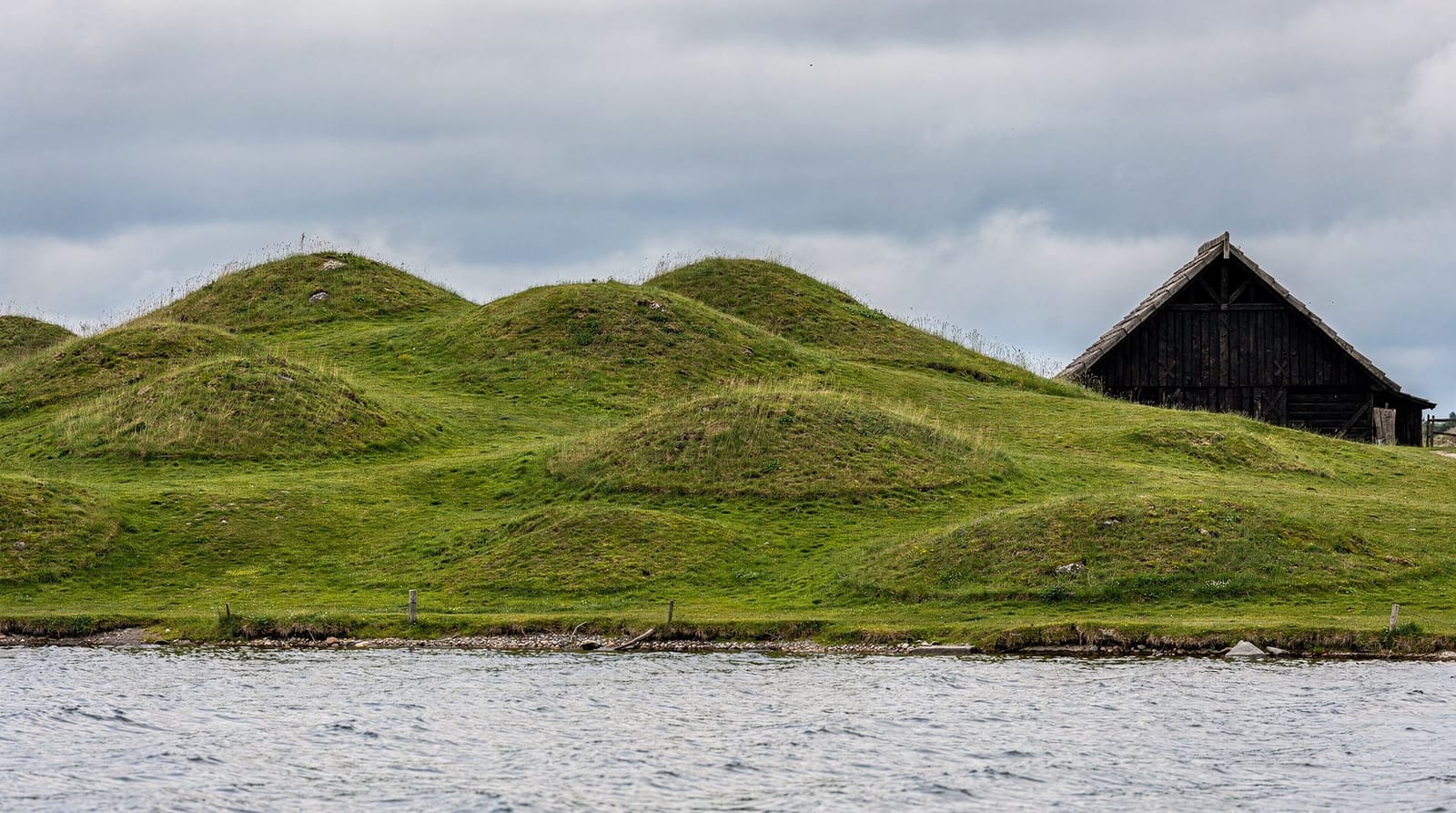
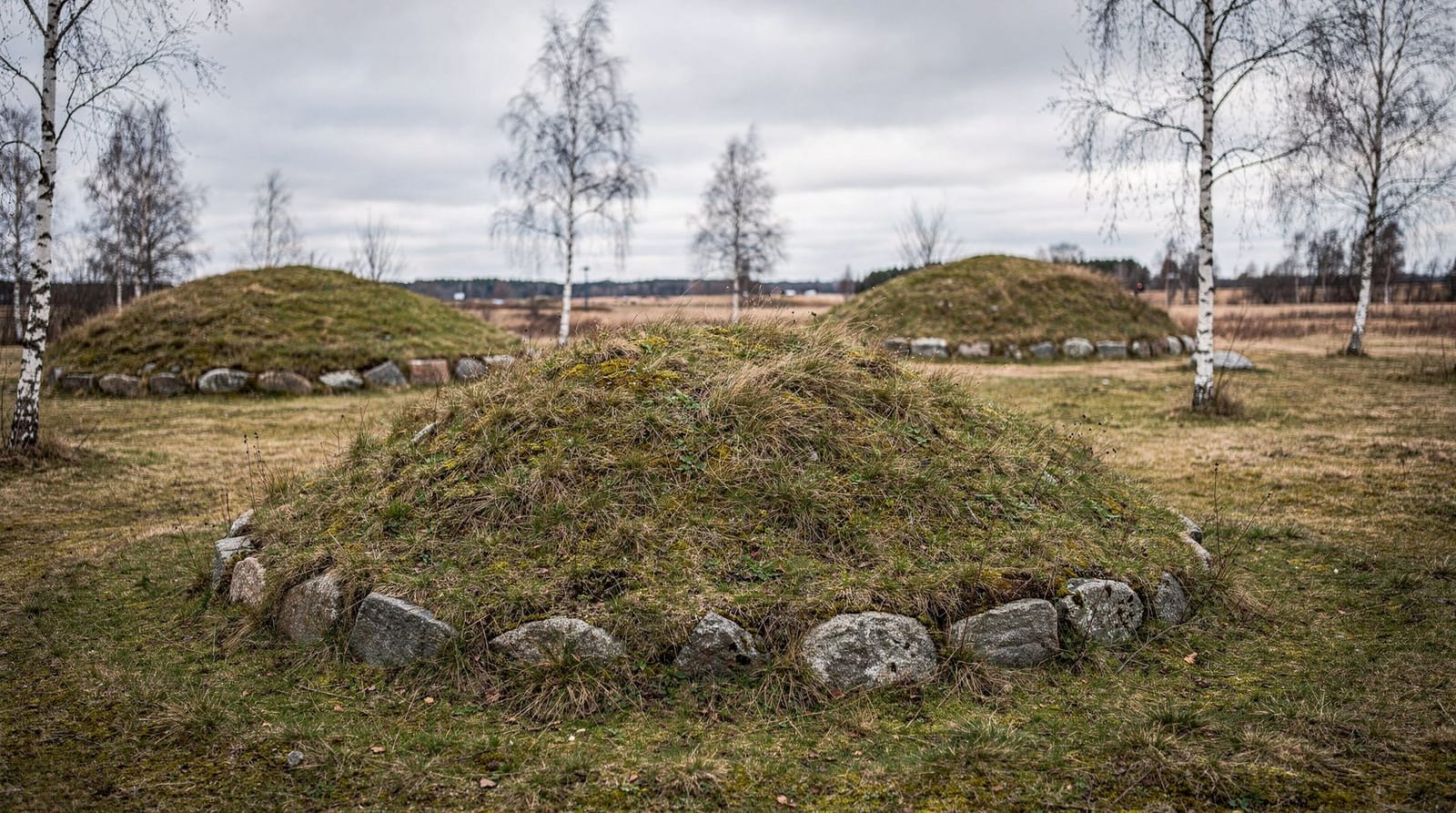
Around 975 AD, for reasons still debated by historians, Birka was abandoned. The population moved, the town was left, and the island returned to farmland. This is why the archaeology is so well preserved: no medieval town was built on top of the Viking one. The grave mounds, the fortress ramparts (Borgen), and the harbour structures (the Black Earth settlement area) are still there as earthworks, visible and walkable.
UNESCO inscribed Birka in 1993 alongside Hovgården on the adjacent island.
The tour experience
The guide who met us at the dock was a serious Viking Age historian named Anders who had been leading tours to Birka for twelve years. This matters. Birka is a site that requires explanation — the earthworks are significant but don’t announce themselves to an untrained eye. The reconstructed Viking house on the island is helpful but basic. Without a guide who knows what happened here and can make it present rather than abstract, you’re looking at lumpy ground in an interesting location.
Anders made it present. Specifically, he described the excavation of specific graves in terms of what the objects found in them told us about the person buried there: a woman interred with a set of weights for a merchant’s scales, likely a trader in her own right. A child buried with grave goods that suggested a high-status family. A warrior burial with weapons that originated in England, Persia and the Baltic region — a biography condensed into iron and bronze.
This is what the Birka museum on the island, which has a relatively small but excellently curated collection, continues in objects.
The honest assessment
Was the two-hour boat ride each way worth it? In February, in the cold, watching ice form along the shoreline as we moved through Lake Mälaren: yes. The lake in winter is beautiful in a stark way that the summer version, more crowded and warmer, might not be.
Is the 53 USD (approximately 530 SEK) justified? For the specific experience — guided access to a UNESCO Viking Age site with a knowledgeable guide — yes. For someone who wants a quick Viking experience and has limited time: possibly not; the Viking Museum on Djurgården in Stockholm provides a more immediately accessible (and year-round) introduction.
The Birka experience rewards the historically curious. If you approach it wanting to be impressed by reconstructed Vikings and dramatic visual effects, you’ll be mildly disappointed. If you approach it wanting to understand what an early medieval trading town actually looked like and why it mattered, it’s one of the more genuinely educational experiences available as a day trip from Stockholm.
February-specific notes
The tours run in winter with smaller groups, which improves the guided experience. The cold is real but manageable — the boat has a heated interior, the island time is about two hours. Dress seriously: wind off the lake in February is not the same as wind in the city.
The café on the boat serves coffee and sandwiches. Bring more food than you think. There is nothing to eat on the island in February.
Stockholm Viking island tour — Birka from Stockholm by boatOur Birka destination page has full practical information including seasonal tour schedules. The Viking history guide provides context for placing Birka within the broader Nordic Viking Age, and the dedicated Birka Viking day trip guide covers logistics in more depth than we go into here.
Birka versus staying in the city
If the two-hour boat crossing each way is the deciding factor, the Viking Museum on Djurgården is the honest alternative — no boat, no weather dependency, open year-round with fixed hours, and a genuinely well-curated collection. It won’t give you the earthworks-underfoot feeling of standing where the town actually stood, but it’s a fraction of the time commitment. We’d frame it this way: the Viking Museum teaches you about the Viking Age; Birka lets you stand inside it. Different experiences, not directly substitutable, and worth doing both if your schedule allows.
If you’d rather keep the Viking Age to a city-based outing, a guided Viking museum visit combined with a themed ride is a lighter way to get a taste of it without committing a whole day to the lake.
Our companion piece on the Birka Viking village covers the reconstructed longhouse and craft demonstrations in more detail than the tour guide has time for.
The historical context that makes Birka matter
Most visitors arrive at Birka knowing it’s “a Viking site” and leave understanding it was something more specific and more interesting than that. Here’s the context that the tour will give you, condensed:
The Viking Age (roughly 793-1066 AD) is often portrayed in popular culture as primarily a story of raids and battles. This is accurate in part. It is not the whole story. The Vikings were also the most sophisticated long-distance traders in early medieval Europe, with networks that stretched from Newfoundland to Baghdad, Greenland to Constantinople.
Birka was a node in this network. The town was founded specifically as a controlled trading port — a market town with a permanent garrison (the Borgen, the hill fort) to protect its commercial interests. The Swedish king benefited from the tolls and taxes generated by trade; merchants from across northern and eastern Europe benefited from the security and concentration of goods. For two centuries, silver dirhams from the Abbasid Caliphate flowed through here in exchange for the furs, slaves, and amber that the north could provide.
The graves at Birka contain this history in compressed form. The famous “female Viking warrior” grave (Bj 581), excavated in the 19th century and analysed genetically in 2017, contained the skeleton of a biological woman surrounded by full military equipment — two horses, weapons, a strategic game set suggesting a commander’s status. This grave sparked genuine scientific debate about the nature of Viking warrior culture and the assumptions that had shaped archaeology for a century.
What you can see on the island
The tour covers three main areas:
The Borgen (fortress): A naturally defensible hillock with earthwork ramparts, dating from the Viking Age. The view from the top looks across Lake Mälaren toward Stockholm — a reminder of the strategic position Birka occupied, watching the water routes.
The grave fields: Birka has more than 3,000 preserved Viking Age graves — burial mounds, stone settings, flat graves. Only a fraction have been excavated. Walking through them is strangely affecting: each mound represents a named person who lived and traded and died here, most of whose names we will never know.
The Museum: A modern building on the island with finds from the Birka excavations. The collection includes the silver, the weapons, the personal objects. The famous Bj 581 analysis is explained here.
February versus summer at Birka
We went in February. The advantages: small group, guide who had real time to talk, the island in winter light, no competing tourist groups. The disadvantage: the island café was closed and there was nothing to eat for the duration.
In summer (June-August), the island is livelier — the café operates, there are often craft demonstrations and period-dress guides. The atmosphere is more accessible but the groups are larger.
Our preference, for the historically motivated visitor: a shoulder-season visit (May or September) when the group size is manageable and the island infrastructure is operational.
Birka by season
| Season | Café/facilities | Crowds | Verdict |
|---|---|---|---|
| May, September | open, staffed | small groups | best balance |
| June-August | fully open, liveliest | large groups, some peak-day crowding | most accessible, less intimate |
| October-April | closed on the island | smallest, weekend-only sailings | atmospheric but bring your own food |
Combining Birka with other day trips
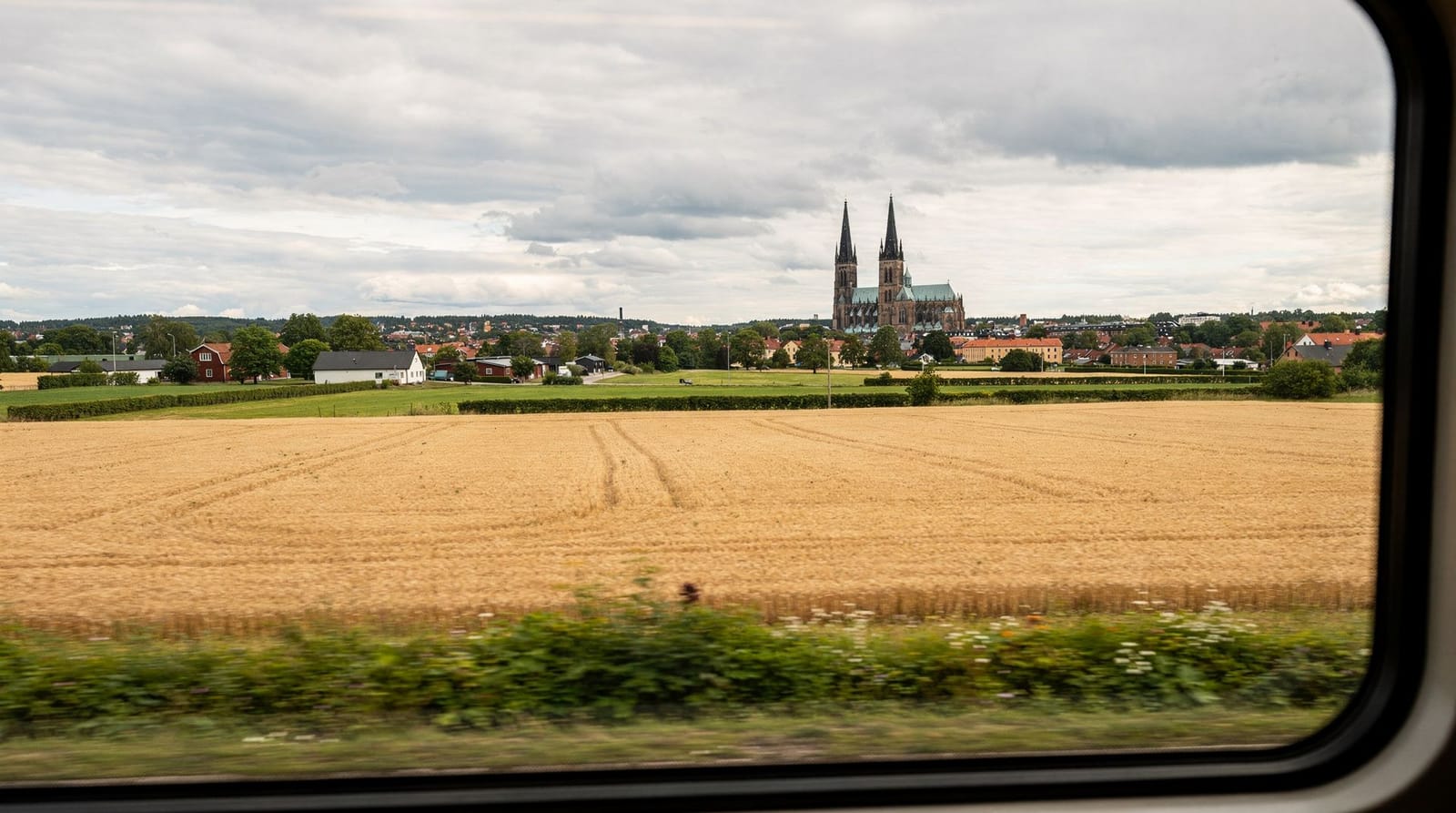
If you’re building out a week of Stockholm day trips, Birka pairs conceptually (not logistically — it’s a full day on its own) with Sigtuna, Sweden’s oldest town and another Viking-era site reachable by train, or with an Uppsala day trip for a broader look at early Swedish history. Our complete day trips guide ranks all the realistic options, including Birka, against each other for time and cost.
Planning the rest of your trip around Birka
Because Birka eats a whole day, it helps to decide early where it sits in your schedule. The Stockholm in 3 days overview shows how to fit a long excursion between city days, and the 4 days with archipelago itinerary gives a ready-made rhythm if you want boats and islands to be a recurring theme rather than a one-off.
If you’re weighing Birka against other boat-based outings, the archipelago day trip comparison and the Stockholm archipelago complete guide lay out the alternatives. Our Strömma versus Waxholmsbolaget explainer clarifies who runs which boats, which is useful context before you book.
For packing, especially outside summer, the what to pack for Stockholm guide is worth a read, and our Stockholm winter guide covers the cold-weather side in more detail. If the lake crossing is what puts you off, the Vasa Museum guide offers another strong history option that stays in the city.
Frequently asked questions about Birka
How do you get to Birka from Stockholm?
By tour boat from Stadshusbron (next to Stadshuset, the City Hall) in central Stockholm. The tour boats — operated primarily by Strömma and Cinderella Cruises — run from May to October, daily in summer, less frequently in spring and autumn. In winter, some tours still run on weekends. Book at the operator’s website.
Is Birka worth it for non-history enthusiasts?
Honestly, probably not. The experience is fundamentally about understanding and context. Without the historical narrative — either from the guided tour or from solid preparation beforehand — you’re walking around lumpy ground on an island. With the narrative, it’s extraordinary. Decide based on your relationship to the material.
What’s the best time to visit Birka?
May and September offer the best balance: operational café, smaller groups than peak summer, and the island’s landscape in the right seasonal light. July is crowded; February is cold and the café is closed. June is excellent if you can avoid peak-weekend boats.
Can you visit Birka independently (without a tour)?
No meaningful way to do so. The island has no regular passenger ferry service; the only way there is the tour boat. The guided tour is integral to the access.
Is Birka better than the Viking Museum in Stockholm?
They answer different questions. The Viking Museum on Djurgården is accessible year-round, requires no boat, and gives a well-curated introduction in a couple of hours. Birka requires a full day and a two-hour crossing each way but puts you on the actual site. If you have limited time, choose the Viking Museum; if you have a full day and genuine curiosity, Birka is the deeper experience.