The best fika spots, after eating too many cinnamon buns
Fika is a Swedish institution that translates imperfectly. The literal translation — coffee and something sweet — misses the cultural weight. Fika is a structured pause, a daily ritual that Swedes take seriously enough that skipping it at work is considered vaguely antisocial. It is also, for visitors, an entry point into how Stockholm actually operates rather than how it performs for tourists.
We took it seriously, in the research sense. Four days, a combined total of eleven fika stops, a number of kanelbullar (cinnamon buns) that we are not going to specify, and a collective caffeine intake that affected our sleep through Tuesday.
| Cost | around 65-90 SEK per person, coffee + pastry |
| Where | Södermalm and Vasastan for locals-only density; Gamla Stan for atmosphere |
| Time needed | 20-30 minutes, unhurried |
| Getting there | walkable within most neighbourhoods; T-bana to Slussen or Medborgarplatsen for Södermalm |
| Best time | mid-morning or mid-afternoon, avoiding the weekend queue window |
What fika actually involves
The core items: filter coffee (strong, typically), and a pastry. The pastry options at a proper Stockholm café include:
- Kanelbulle — cinnamon bun, cardamom-heavy, not as sweet as American versions
- Kardemummabulle — cardamom bun, even more cardamom-forward, pearl sugar on top
- Kladdkaka — a dense, slightly underbaked chocolate cake that is very good
- Prinsesstårta — a cream, custard and raspberry dome cake covered in green marzipan, most commonly found on Fridays
The coffee is typically filter or espresso-based. Oat milk is available almost everywhere. The total spend for fika at a local café is typically 65-90 SEK per person.
The places that earned their reputation
Vete-Katten, Kungsgatan
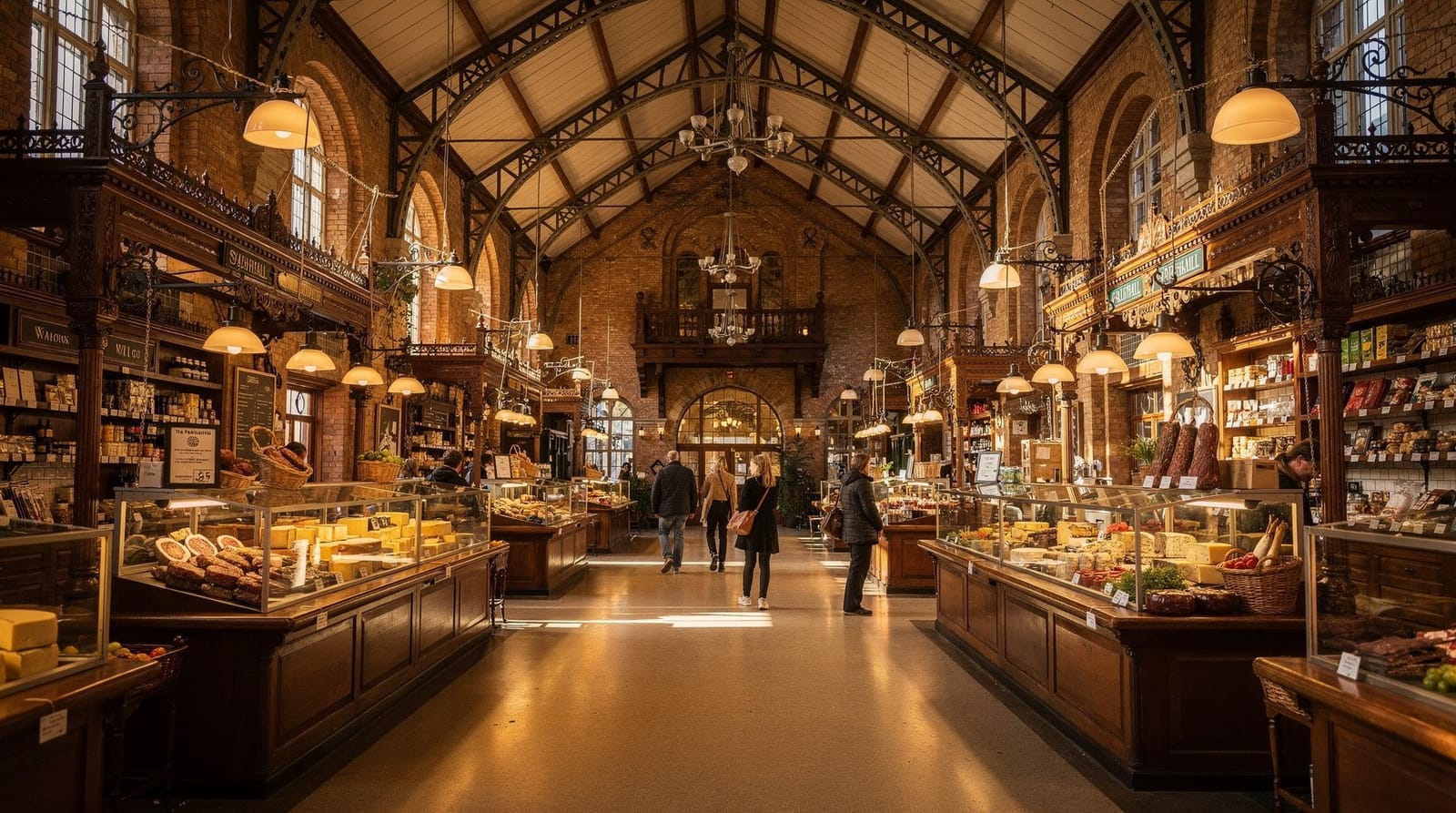
The oldest functioning café in Stockholm’s inner city (since 1928), and it shows in the best way: a warren of connected rooms with wallpaper that hasn’t changed in decades, display cases with a rotating selection of traditional Swedish pastries alongside the staples, and coffee that is consistently very good. It is always busy, never frantic, and feels exactly like what it is — a place that has understood its purpose for nearly a century.
The kanelbulle here is the benchmark against which we measured everything else.
Fabrique, multiple locations
A modern bakery chain that has managed to be popular without becoming hollow. Fabrique’s cardamom buns are their signature; the baking happens in open bakeries attached to the front of house, so you can see and smell the process. The Södermalm and Vasastan locations are the most pleasant to sit in.
We went four times across the week. This qualifies as a recommendation.
Rosendals Trädgård, Djurgården
Technically a garden café in the walled garden of Rosendal Estate on Djurgården. In June, it’s an outdoor fika experience that has no equivalent in the city: a biodynamic market garden where the café serves pastries made with ingredients grown within eyesight of your table. The raspberry kladdkaka is seasonal and exceptional.
Longer walk from the centre (about 25 minutes from the Djurgårdsbroen bridge, or take the tram). Worth it.
The places that coasted on Instagram
We are going to be gentle here because the cafés concerned haven’t done anything wrong — they’ve done everything right for social media purposes.
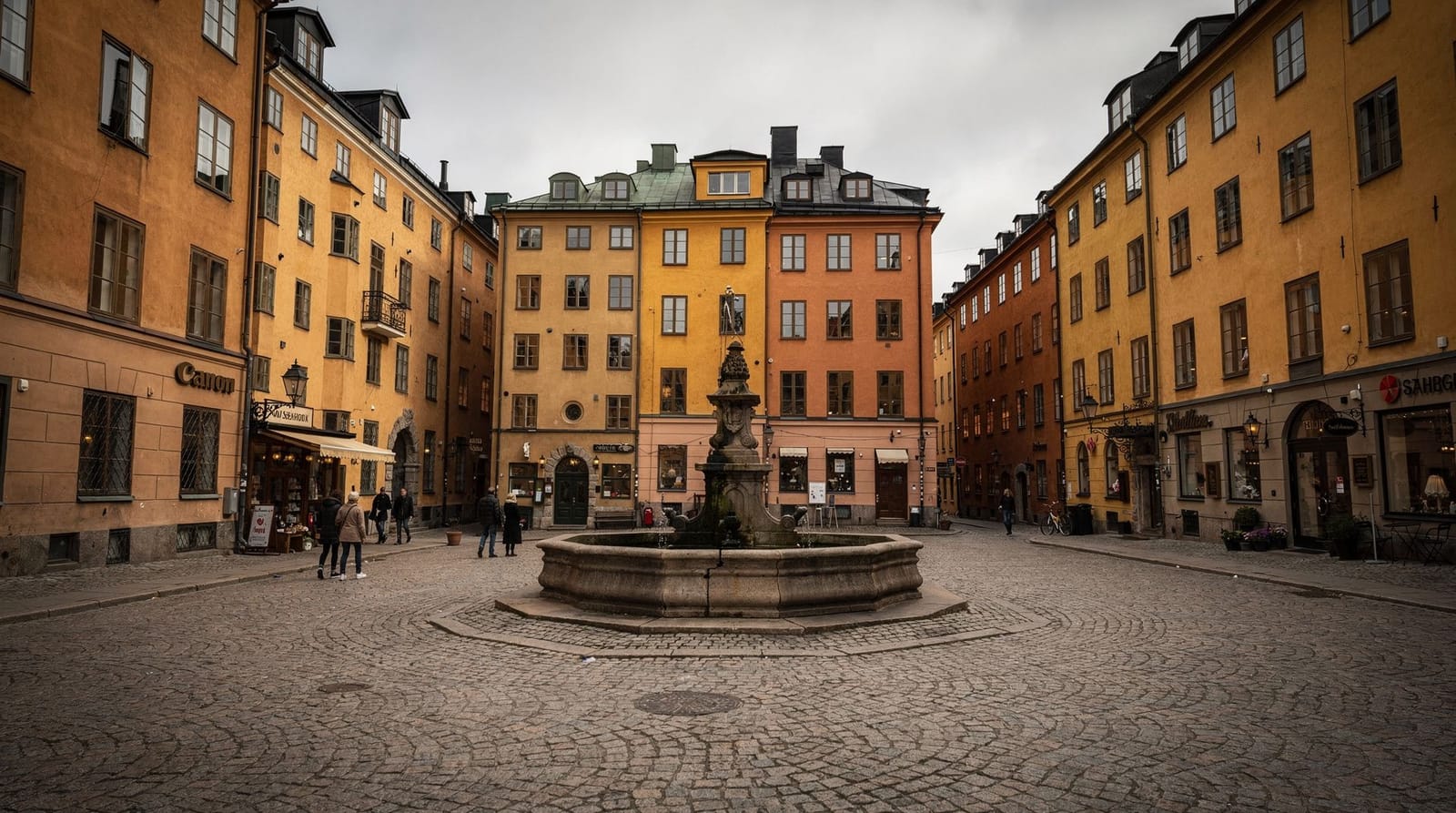
A certain café in Gamla Stan with a floral-tiled floor and excellent natural light is on every “Stockholm Instagram spots” list. The kanelbulle is fine. The coffee is fine. The queue on a weekend morning is 20 minutes. The kanelbulle at Vete-Katten costs less and tastes better. We understand why people photograph this place. We don’t understand queuing for it when there are better options within 400 metres.
The general principle: If a fika spot’s primary reputation comes from photographs rather than what’s in the cup, recalibrate expectations.
The neighbourhood question
For the most density of good cafés per square kilometre: Södermalm, specifically the Hornstull end and the streets around Götgatsbacken. This is where Stockholmers actually drink coffee rather than where they take visitors.
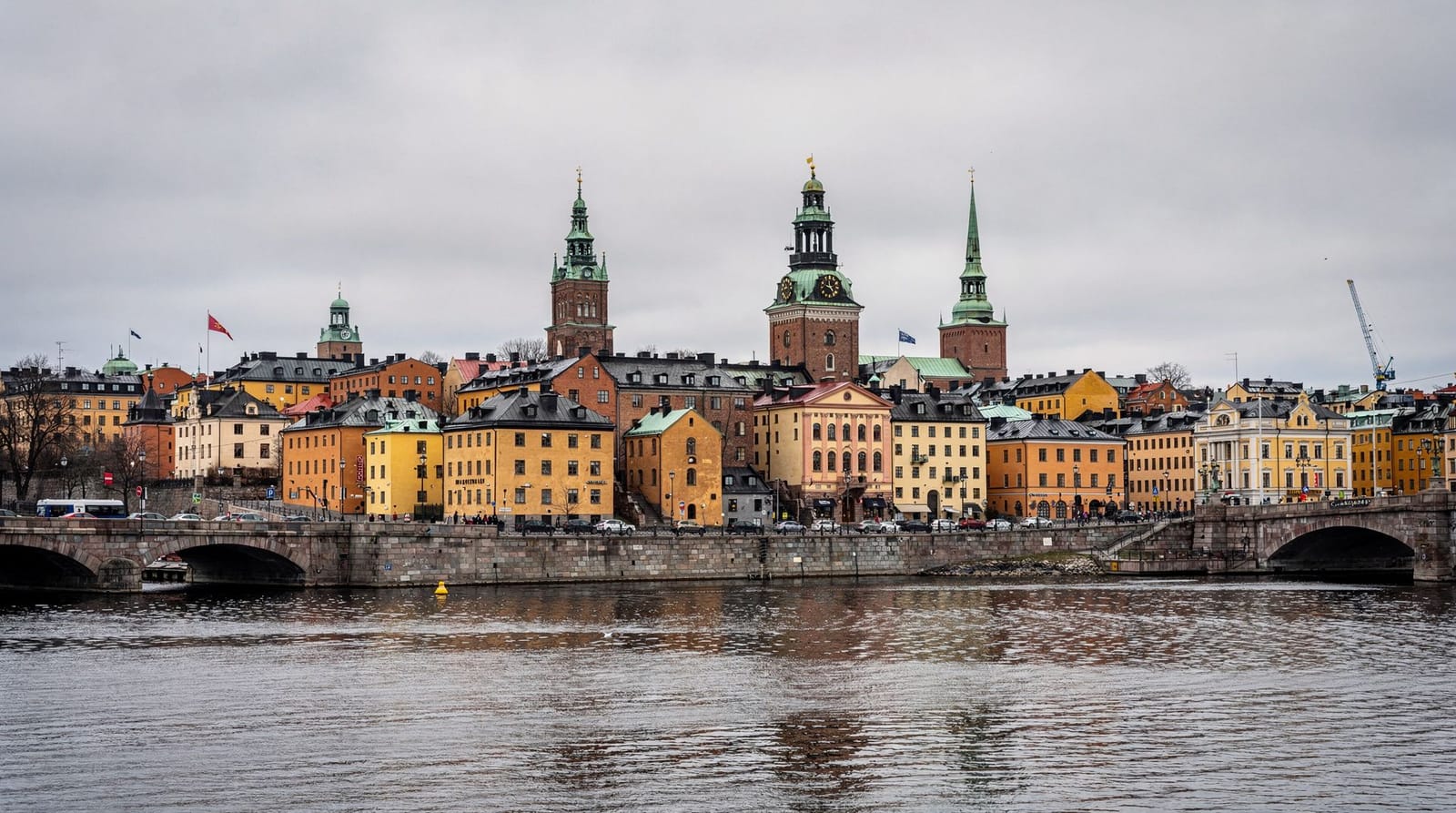
For atmosphere with history: Gamla Stan, but avoid the Västerlånggatan tourist drag — go to the quieter streets parallel to it.
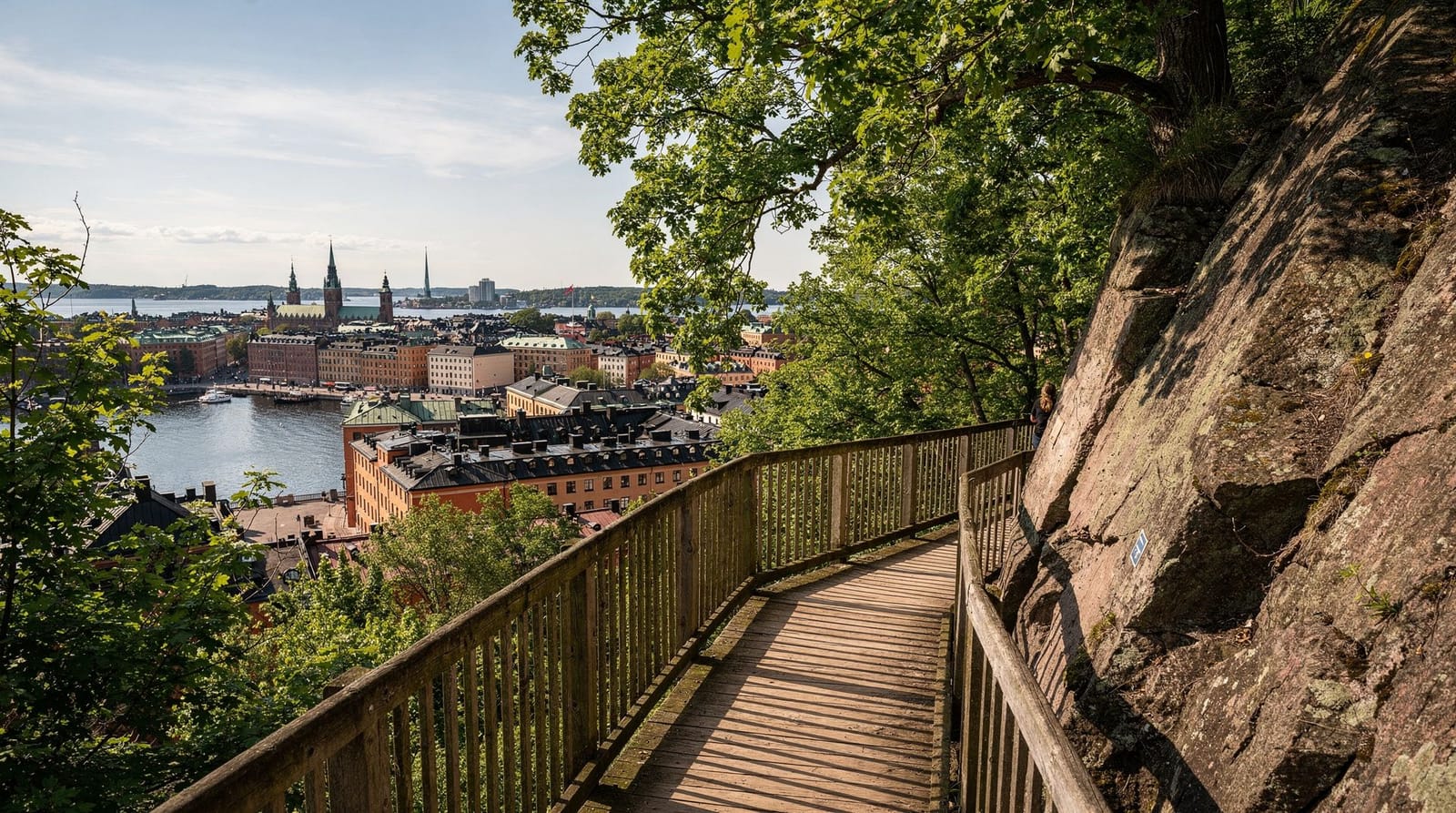
For combination with a park walk: The cafés near Humlegården park in Östermalm, or Rålambshovsparken in Kungsholmen.
The kanelbulle question answered definitively
A kanelbulle should not be sweet in the way a Danish pastry is sweet. It should be fragrant — cardamom is the key, not just cinnamon. The dough should be slightly elastic and have real chew, not fall apart. The pearl sugar on top should add crunch, not sweetness. The whole thing should leave you wanting another, not feeling you’ve had too much.
By these criteria, the best single kanelbulle we ate across the four days was at Fabrique in Södermalm on a Thursday morning.
The worst was at an unnamed café near Arlanda arrivals that shall remain unindicted. It was sweet and soft and tasted of vanilla extract and contained no cardamom detectable by human nose.
Stockholm guided fika tourOur Stockholm food guide covers meals, markets, and food halls alongside fika. For the full neighbourhood context, see our Stockholm neighborhoods guide.
Fika as a ritual, not just a food item
The most important thing to understand about fika is that it is not primarily about the coffee or the pastry. It’s about the pause. The concept of a mid-morning and/or mid-afternoon break — a moment of deliberate not-working, preferably with another person — is structurally embedded in Swedish daily life.
In Swedish workplaces, skipping fika is considered slightly antisocial. The ten o’clock fika is a moment of collective respite. The word fika functions as both noun and verb: “ska vi fika?” (shall we fika?) is an invitation to stop and be present together.
For the visitor, treating fika as a ritual moment rather than a coffee stop changes the quality of the experience. Sit down. Take the table rather than standing at the counter. Take twenty minutes rather than five.
The cardamom question
Swedish baking uses cardamom in quantities that can surprise people coming from traditions where it appears primarily as a spice-rack curiosity. The correct amount in a kanelbulle is enough to be clearly present and fragrant — not subtle, not overwhelming.
Cardamom quality varies by source. Green cardamom freshly ground is categorically different from pre-ground powder that’s been sitting in a jar for six months. The best Stockholm bakeries grind their own.
The other element people underestimate: the dough. A proper kanelbulle dough has real give and elasticity. It’s yeast-risen and slightly enriched (milk, butter, egg). The dough should be present as flavour and texture, not just a vehicle for the filling.
The Konditori versus the Café
Stockholm distinguishes between a konditori (traditional pastry shop with an older aesthetic and a range of cakes and tortes) and a modern café (espresso-forward, contemporary aesthetic, simpler pastry range). Both serve fika.
The konditori experience — Vete-Katten is the exemplar — is more traditional and often more interesting if you want to see Swedish pastry culture in its full range. The modern café is more consistent in coffee and less varied in pastry. Our fika culture guide goes deeper into the history behind the ritual if the konditori/café distinction interests you.
For a single fika stop: Vete-Katten or Fabrique. For repeat visits: neighbourhood cafés of Södermalm and Vasastan.
Stockholm fika tour in hidden cafésNeighbourhood by neighbourhood, compared
| Neighbourhood | Density of good cafés | Vibe | Best for |
|---|---|---|---|
| Södermalm | Highest | local, unpretentious | daily fika like a Stockholmer |
| Vasastan | High | residential, quiet | escaping tourist crowds near Odenplan |
| Gamla Stan | Medium, tourist-heavy on main streets | historic, photogenic | atmosphere, if you avoid Västerlånggatan |
| Östermalm | Medium | polished, upscale | pairing fika with a park walk |
Third-wave coffee versus the fika standard
Stockholm’s coffee scene has a genuine third-wave strand — single-origin filter, precise extraction, baristas who’ll talk you through the roast — running alongside the traditional fika café. They’re not always the same establishment. A traditional konditori serves strong, reliably good filter coffee as a vehicle for the pastry; a third-wave café puts the coffee itself centre stage, sometimes at the expense of the pastry selection. Our Stockholm coffee guide maps the specialist roasters separately from the fika institutions covered here — worth reading if coffee quality matters more to you than the cinnamon bun.
Pairing fika with the rest of your day
Fika works best as a hinge between bigger activities rather than a stop of its own. After a morning at a museum, a sit-down with a bun is a good way to let the crowds thin and your feet recover; our Vasa Museum guide and Djurgården neighbourhood deep dive both suit this rhythm, especially if you end up near Rosendals Trädgård afterwards.
On a rainy day, a long fika is a perfectly respectable plan rather than a consolation prize. Our notes on what actually works in the rain and the rainy-day museum guide lean on the same idea: pick a warm room, order slowly, and let the weather pass.
If you are building a trip around eating well, the Södermalm food scene guide and our piece on where locals actually eat meatballs pick up where the pastry case leaves off. For a first visit, drop a fika stop into each day of the three-day first-timer itinerary and you will see more of the city’s everyday rhythm than most visitors do.
If you only try one pastry
Buy a proper kanelbulle at Vete-Katten before you try anywhere else. It sets the baseline every other bun in the city gets measured against, and having that reference point changes how you judge the rest of the week’s fika stops.
Frequently asked questions about fika
What is the difference between a kanelbulle and a kardemummabulle?
Kanelbulle: cinnamon and cardamom filling, spiral shape, pearl sugar on top. Kardemummabulle: stronger cardamom flavour, less cinnamon, often knotted rather than spiralled, also topped with pearl sugar. They are equally fundamental. Try both.
How expensive is fika in Stockholm?
Coffee and pastry at a good café: 55-80 SEK. At a tourist café near Stortorget: 75-100 SEK. Budget 60-80 SEK per fika stop as a reasonable average.
Is it rude to sit in a café for a long time after ordering?
No. Lingering is expected. Swedish cafés are not trying to turn tables quickly — they’re providing a space for the fika ritual to happen at its proper pace.
Is it worth paying more for a fika spot near the main tourist sights?
Rarely. The kanelbulle at a Gamla Stan tourist café costs more and tastes worse than one from a neighbourhood spot two streets away. Pay the premium only if the setting itself — a historic building, a specific view — is what you’re after, not the pastry.