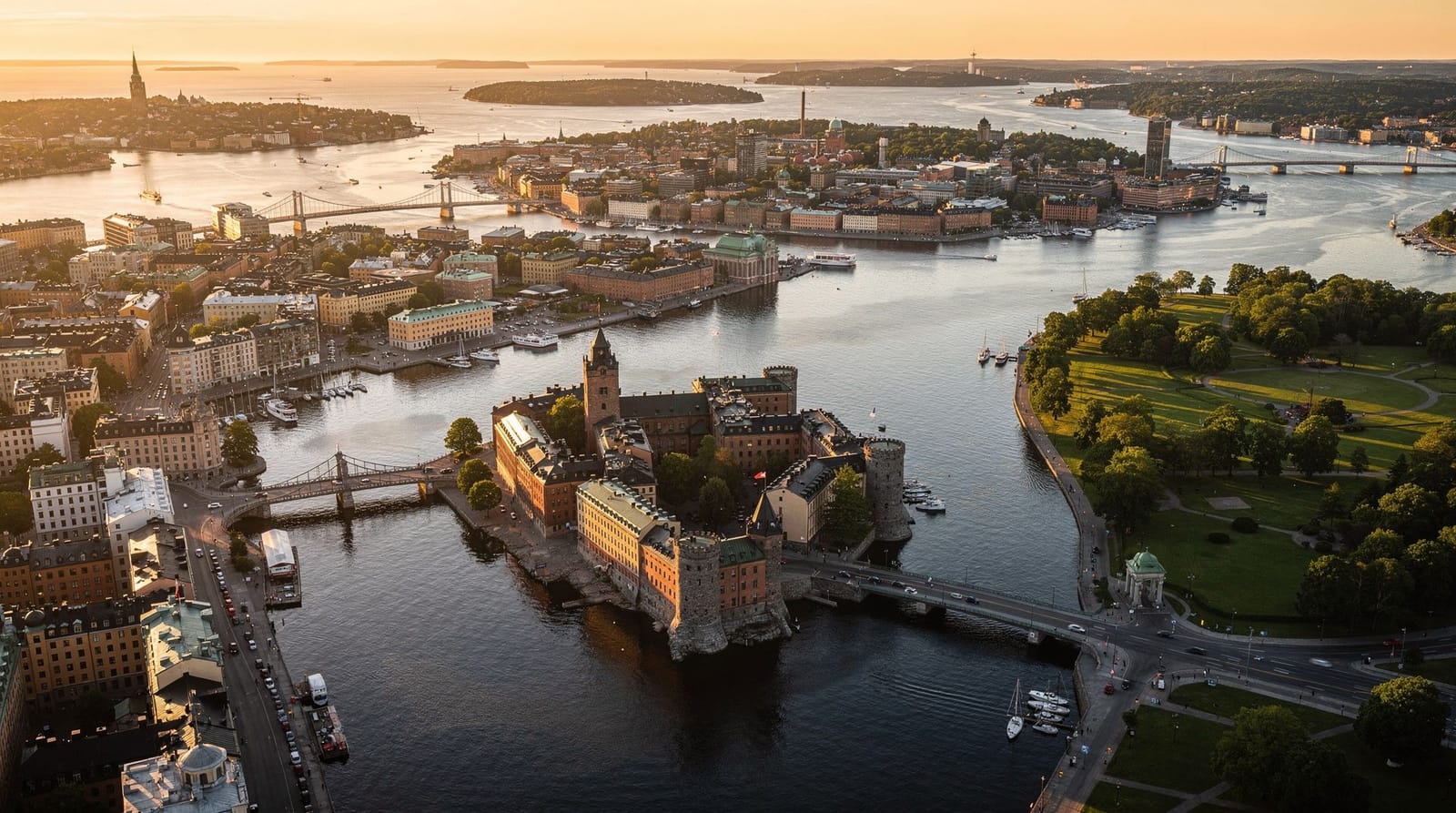
Vasastan — Stockholm's leafy residential neighborhood
Vasastan is Stockholm's most liveable district: Observatorielunden park, third-wave coffee birthplace and the authentic residential city without tourist
Stockholm: fika tour in hidden cafés
Quick facts
- Getting there
- T-bana to Odenplan or St Eriksplan
- Character
- Residential, leafy, local
- Best for
- Coffee, parks, neighborhood atmosphere
- Distance from T-Centralen
- 8 min by T-bana to Odenplan
The neighborhood that Stockholmers actually live in
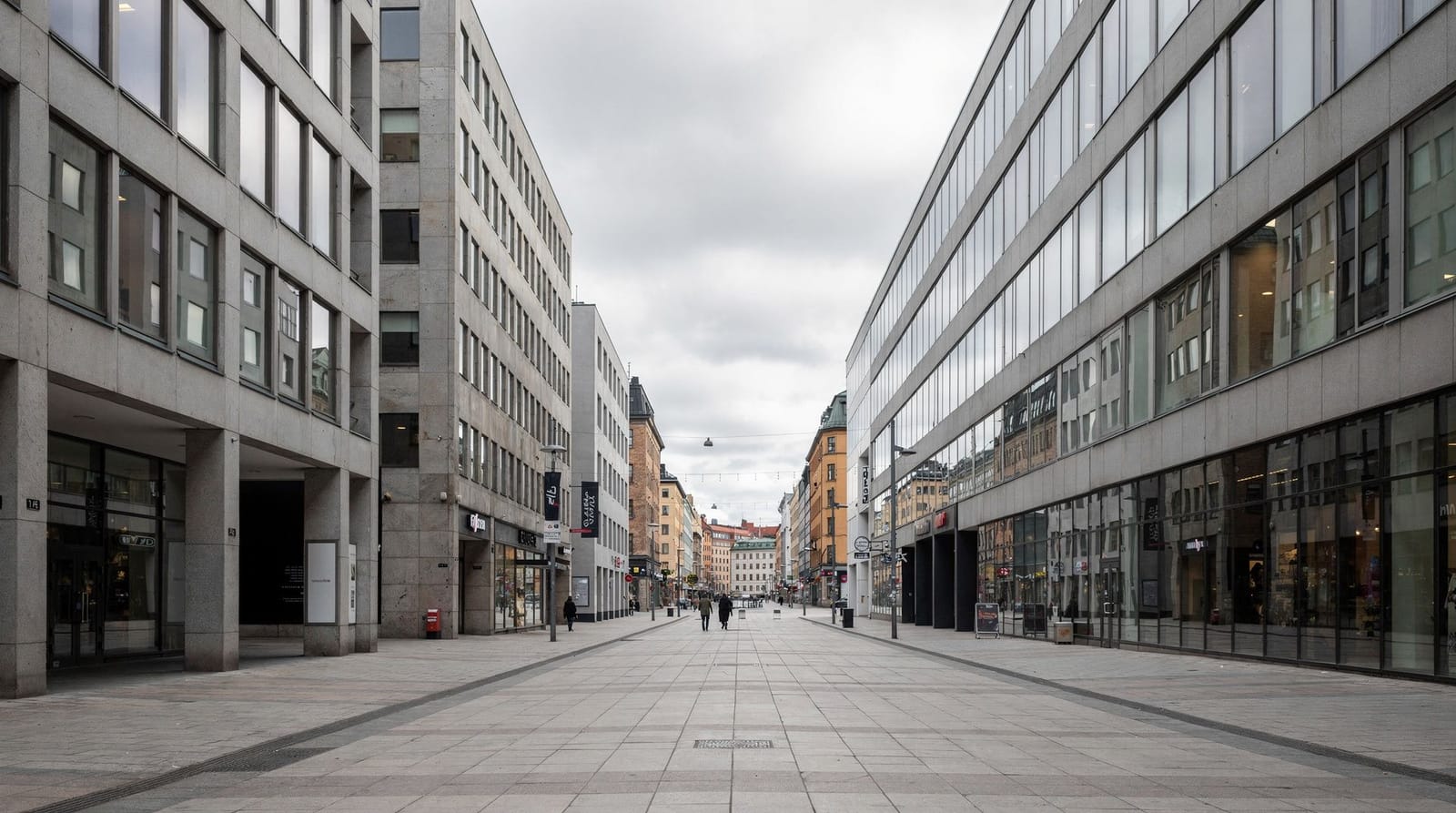
Vasastan is the quarter that most Stockholm visitors never quite reach, which is a shame — because it is the part of the city that most closely resembles what Stockholm is like when it is not performing for tourists. No major museums. No royal palaces. No famous squares. What it has instead is tree-lined streets of late-19th and early 20th-century apartment buildings, small independent food shops, a park on a hill with an observatory, and a density of serious coffee shops that is higher than anywhere else in the city.
This is where Stockholm’s third-wave coffee culture began. Drop Coffee on Södermalm gets the historical credit, but many of the roasters and baristas who built that scene lived and worked in Vasastan’s domestic streets, and the neighborhood’s café culture has a quality-to-tourist-footprint ratio that is exceptional by any European standard.
Vasastan occupies the mainland north of Norrmalm, roughly bounded by Odengatan to the south and Norrtull to the north. The southern entry point is Odenplan, a large intersection and T-bana station where Vasastan begins and Norrmalm ends. The transition is perceptible almost immediately: the character of the streets changes from commercial to residential, the pace slows, and the proportion of people who are clearly locals to people who are clearly visitors shifts dramatically.
| Where | Mainland Stockholm, north of Norrmalm |
| Getting there | T-bana to Odenplan or St Eriksplan, 7–8 min from T-Centralen |
| Time needed | Half a day |
| Cost | Free to walk; fika 60–100 SEK; dinner 250–450 SEK |
| Best for | Coffee, neighborhood parks, a non-tourist Stockholm afternoon |
Observatorielunden
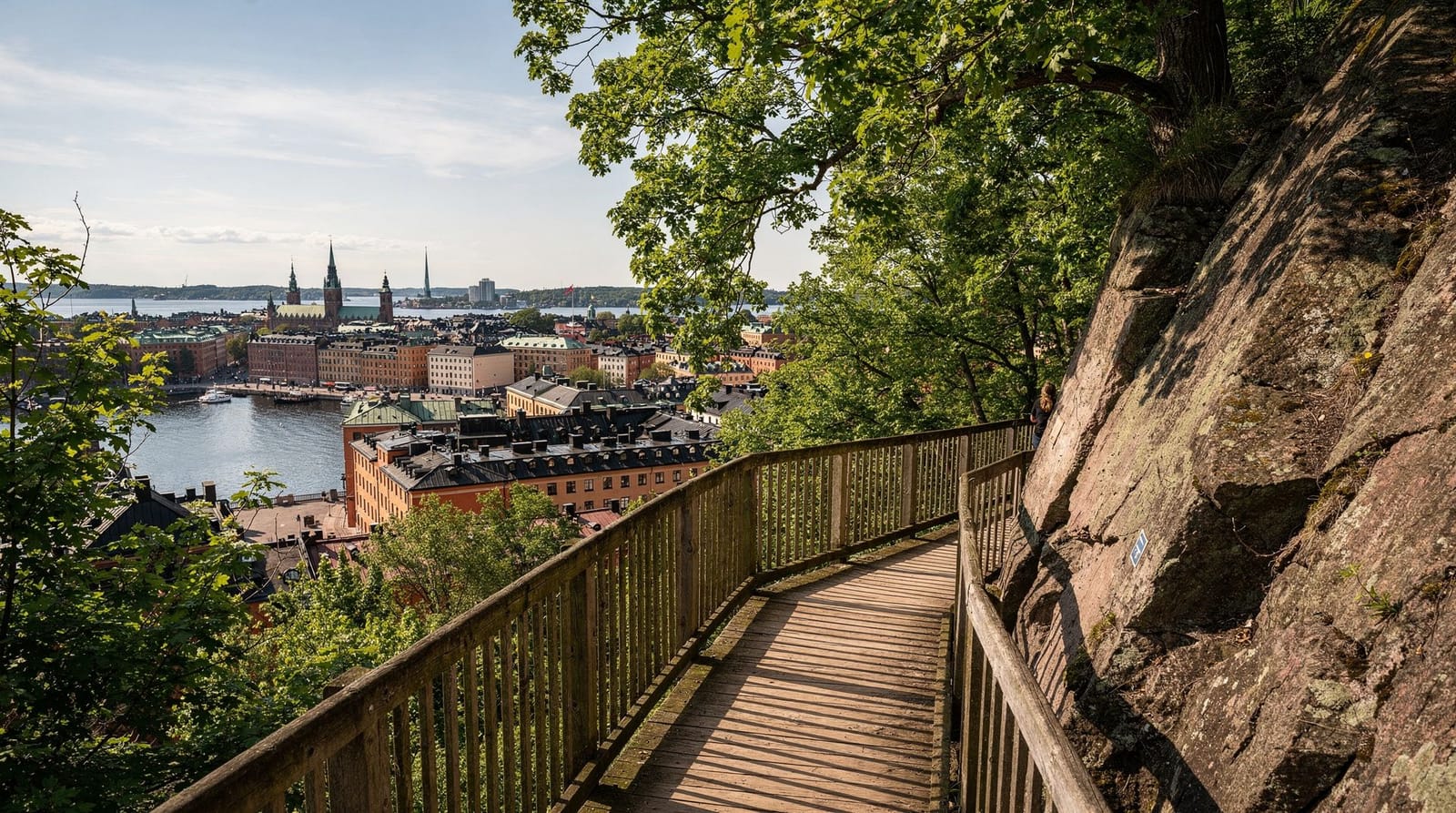
Vasastan’s most distinctive public space is Observatorielunden (Observatory Park), a hill park at the center of the neighborhood topped by the old Stockholm Observatory, a yellow 18th-century building designed by Carl Hårleman and completed in 1753. The observatory is no longer in active scientific use, but the park around it is a genuine neighborhood amenity — open space, mature trees, and a height that gives good views over the surrounding rooflines toward the lake to the south and the green belt to the north.
The hill is gentle rather than dramatic, and the walk to the top takes 5–10 minutes from the Odenplan T-bana exit. On weekday mornings the park is primarily dog-walkers, joggers, and people reading on the benches. On summer evenings it fills with neighborhood residents treating it as an informal outdoor living room. In winter, if there is enough snow (which happens perhaps a dozen days a year in Stockholm), the hill becomes a modest sledging slope.
The observatory building itself occasionally opens for public events and guided visits — the Stockholm Observatory Association (Stockholms Observatoriessällskap) runs programs there. Check their schedule if you are interested in the history of Swedish astronomy.
The coffee scene
Vasastan has more good coffee per square kilometer than any other district in Stockholm, which reflects its demographic composition (young professional, educated, willing to pay for quality) and its history as a neighborhood where roasters and baristas who worked in the scene chose to live.
Kafé Esaias on Odengatan is the Vasastan institution: established, reliably excellent, housed in a pleasant corner space that has the proportions and atmosphere of a mid-sized neighborhood café without the artisanal-precious quality that some Stockholm coffee establishments affect. Good for a sit-down fika at any time of day.
Café Pascal on Norrtullsgatan at the southern edge of Vasastan is one of Stockholm’s best for filter coffee. The single-origin filter selection changes regularly and is taken seriously. Outdoor seating on Norrtullsgatan in summer is excellent.
Johan and Nyström has established a Vasastan café presence in addition to its other city locations — the Vasastan branch tends to be less crowded than the Södermalm original.
Vurma on St Eriksgatan has been a Vasastan neighborhood café for over two decades and represents an older, less specialty-focused tradition — reliable, comfortable, without the precision of the newer third-wave establishments. Good for a traditional Swedish fika experience.
The specific experience worth seeking in Vasastan is the sit-down filter coffee ritual: ask for the current filter recommendation, take the time to drink it slowly, and understand why Stockholm residents treat coffee as something worth an afternoon’s attention. This is where fika culture and third-wave coffee culture converge most naturally.
Sveavägen and the neighborhood grid
Sveavägen is the broad boulevard running north-south through Vasastan from Sergels Torg in Norrmalm to Norrtull, and it is one of the city’s most useful orientation lines. The northern section through Vasastan is less commercial than the Norrmalm portion and more pleasant to walk: bookshops, wine bars, independent restaurants, and the occasional furniture shop occupy ground floors that in Norrmalm are given over to banks and chains.
The parallel and cross streets — Odengatan, Karlbergsvägen, Upplandsgatan, Dalagatan — fill out a residential grid of consistent architectural quality. The buildings from the 1880s–1920s are well-maintained, and the ground-floor commercial life gives the streets a vitality that purely residential areas lack.
Bagaregatan (Baker Street — the name is literal, reflecting the historical concentration of bakeries) is the Vasastan street most often cited by residents as the best representation of what the neighborhood is like: small food shops, a quality butcher, a wine merchant, and the kind of small independent café that opens at 7am for the neighborhood’s working population.
Odenplan
Odenplan is the large square at the southern edge of Vasastan, around which several of the neighborhood’s better-known establishments cluster. The square has been transformed in recent years by infrastructure construction and has not yet fully settled into its new form, but the market at Odenplan (periodic, check schedule) draws neighborhood shoppers for produce and street food.
Oaxen Krog — the restaurant from Magnus Ek and Agneta Green, awarded two Michelin stars and a reputation as one of Sweden’s most serious culinary projects, is technically located on Djurgården near the water rather than in Vasastan itself. But many Vasastan residents make the journey to Djurgården for a special meal, and the Oaxen Slip bistro (one star, more accessible) is worth knowing about.
Sabai Dii on Döbelnsgatan is a Vasastan Thai restaurant that has maintained a local following for years — genuinely good cooking without tourist pricing, operating in the tradition of neighborhood restaurants that serve local residents who know what they want.
A guided fika tour through Vasastan’s café scene
For visitors who want the coffee-culture experience without guessing which café to choose, a guided fika tour covers several of Vasastan and the wider city’s best-regarded cafés with context on the neighborhood’s specific role in Stockholm’s third-wave scene.
Fika tour of Stockholm’s hideaway cafés — includes stops in Vasastan’s specialty coffee sceneThis is a reasonable option for visitors with limited time who still want the full fika experience — a properly brewed coffee, a real kanelbulle, and the unhurried pace that defines the ritual — without spending an afternoon working out which café is worth the stop.
Vasastan vs Södermalm for a residential Stockholm afternoon
Both neighborhoods offer a break from the museum-and-landmark version of Stockholm, but they suit slightly different visitors.
| Vasastan | Södermalm | |
|---|---|---|
| Terrain | Flat | Hilly |
| Character | Quieter, more residential | Livelier, more commercial-hip |
| Anchor attraction | None — atmosphere only | Fotografiska, Monteliusvägen |
| Best for | Visitors wanting genuine local pace | Visitors wanting food, views and nightlife |
Visitors with limited time and a preference for a single strong attraction should choose Södermalm. Visitors who specifically want the experience of a Stockholm neighborhood with no tourist agenda at all should choose Vasastan — it rewards exactly that kind of unstructured half-day. The Södermalm neighborhood deep dive guide and the Norrmalm neighborhood deep dive guide cover the comparison points for the other central districts if you are deciding between more than two.
How to spend half a day in Vasastan
A natural Vasastan half-day: arrive at Odenplan by T-bana, walk north along Sveavägen taking in the bookshops and cafés, turn up toward Observatorielunden for the park and hilltop view, walk east across the neighborhood streets toward Bagaregatan for food shopping or café stops, and finish with a sit-down filter coffee at one of the neighborhood’s serious specialty cafés.
The full circuit from Odenplan to Observatorielunden and back, with reasonable café and shop stops, takes 2–3 hours at a relaxed pace. There is no pressure to see specific attractions or hit specific opening times — Vasastan is most enjoyable when treated as a neighborhood to wander rather than a collection of stops to tick.
Getting to Vasastan
T-bana: Odenplan (Blue and Red Lines) is the main Vasastan station — 8 minutes from T-Centralen on the Red Line. St Eriksplan (Green Line) serves the western part of the neighborhood, 7 minutes from T-Centralen.
Walking: From T-Centralen, walk north along Sveavägen — Vasastan begins perceptibly at Odenplan, approximately 20–25 minutes on foot. The walk itself is useful for calibrating the shift from Norrmalm’s commercial character to Vasastan’s residential one.
From Kungsholmen: Vasastan is north of Fridhemsplan station (Blue Line) — a few stops or a 15-minute walk north across the Fleminggatan intersection.
Where to eat in Vasastan
Vasastan’s food scene is genuinely local and varies more than the concentrated areas of Södermalm or Östermalm.
Restaurang Oxen Slip — previously mentioned as the more accessible arm of the Oaxen operation (on Djurgården, technically), this is the benchmark for what a serious Vasastan dinner might look like in terms of cooking level and local ingredient sourcing.
Lao Wai on Luntmakargatan is Stockholm’s best long-standing vegetarian restaurant — a rarity in a city where the meat-heavy Swedish tradition is still dominant. The pan-Asian menu is thoughtful and the cooking consistent.
Tranan on Karlbergsvägen is the Vasastan brasserie institution: established 1929, still serving Swedish and French café classics (mussels, steak frites, herring plates) in an authentic bistro setting. One of those places that has been good for so long that its goodness is no longer surprising. Reservations strongly recommended for dinner.
Orangeriet in Humlegårdsparken (technically on the Östermalm border) is a glass-pavilion café and restaurant in the park that was originally the royal orangery — a distinctly unusual setting and good for lunch.
Connections to other neighborhoods
Norrmalm is directly south — Odenplan to T-Centralen is 8 minutes by T-bana or 20 minutes on foot via Sveavägen. Kungsholmen is southwest — accessible by bus or 20 minutes on foot. Södermalm is the neighborhood most similar in character, though the distance (30 minutes by transit via T-Centralen) means they are not natural walking companions.
For a Stockholm neighborhood comparison, Vasastan represents the quieter, more residential pole to Södermalm’s more commercial-hip version of the same residential character.
Pairing Vasastan with the rest of your Stockholm days
Vasastan works best as the slow counterweight to a busy sightseeing schedule. If you have just spent a morning at the headline attractions, an afternoon here lets you reset before the next round. The Stockholm in 3 days overview and the Stockholm in 2 days essential itinerary show where a quiet neighborhood afternoon fits naturally, usually on the day after the big museums.
Visitors who want to see the ship that Stockholm is most famous for before heading north can pair the two: a morning at the Vasa Museum (see the Vasa Museum guide), then the T-bana back toward Odenplan for coffee. If you prefer to skip the queue, an advance entry ticket for the Vasa Museum makes that morning easier to plan around.
The coffee thread continues elsewhere in the city too. The fika culture in Stockholm guide explains the ritual itself, the third-wave coffee guide goes deeper on the specialty scene, and the cinnamon bun guide helps you tell a good kanelbulle from a mediocre one. For a more personal take, the blog’s best fika spots post is a candid companion read.
If you are thinking about how to get around between neighborhoods, the Stockholm public transport explained guide covers the T-bana and the rest of the network, and the self-guided walking Stockholm guide suggests routes for travelers who like to explore on foot, which suits Vasastan well.
Frequently asked questions about Vasastan
Is Vasastan worth visiting as a tourist?
If your Stockholm interests extend to the city’s residential culture, coffee scene, and neighborhood architecture rather than exclusively museums and landmarks, yes — Vasastan offers something the other central districts do not. If you have only three days and prioritize sights, Vasastan is the neighborhood you could reasonably skip without missing any essential Stockholm experience.
Where is the best coffee in Vasastan?
Kafé Esaias on Odengatan is the neighborhood institution. Café Pascal on Norrtullsgatan is the best for filter coffee specifically. Both represent the Stockholm café culture at a local rather than tourist-facing level.
Does Vasastan have any major museums?
No — Vasastan has no major museums. The nearest are on Djurgården (Vasa, ABBA, Skansen) and in Norrmalm (Kulturhuset). Vasastan’s value is atmospheric and culinary rather than museum-based.
What is the Observatorielunden like?
A pleasant, modestly elevated park on a hill, anchored by the 18th-century observatory building. Best for the neighborhood atmosphere, the views over rooftops, and as a place to sit quietly — not for dramatic panoramas (those are better from Monteliusvägen in Södermalm or the City Hall tower in Kungsholmen).
How does Vasastan compare to Södermalm?
Both are residential neighborhoods with good coffee and food scenes. Södermalm is hillier, hipper, larger, and has the Fotografiska museum and Monteliusvägen viewpoint to anchor it. Vasastan is flatter, quieter, slightly more bourgeois in character, and has no single anchor attraction. Södermalm is the more useful half-day destination for a visitor on a limited schedule; Vasastan rewards visitors who specifically want the experience of a non-tourist Stockholm neighborhood.
Is a guided fika tour worth it in Vasastan?
If you would rather have context and a curated route than research cafés yourself, yes — a guided fika tour removes the guesswork and typically covers two or three stops with commentary on Stockholm’s coffee culture and history. Independent visitors with a bit of time can just as easily walk Odengatan and Norrtullsgatan and choose a café that looks appealing; Vasastan’s density of quality options means you are unlikely to choose badly either way.