Vaxholm day trip: gateway to the Stockholm Archipelago
Stockholm: Vaxholm archipelago guided excursion & day trip
How do I get to Vaxholm from Stockholm and is it worth going?
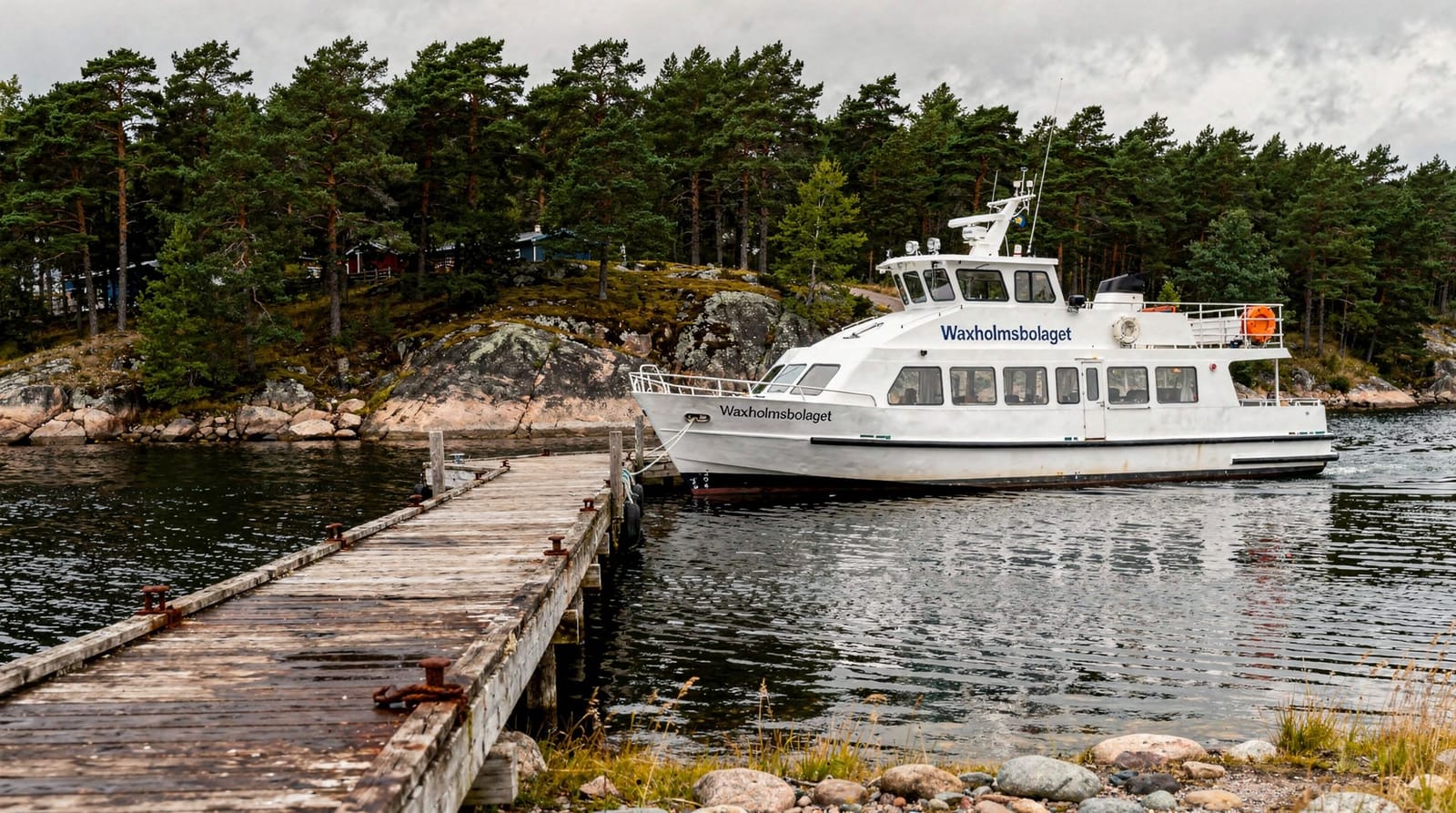
Vaxholm is 1 hour by Waxholmsbolaget ferry from Strömkajen (SL pass valid), or 1 hour by bus 670 from T-Centralen. Yes, it is worth it: compact wooden town with red-and-yellow painted houses, a 19th-century fortress on a nearby island, and the starting point for deeper archipelago exploration. A perfect half-day with an optional full day if you continue by ferry to other islands.
Vaxholm: the first island of the archipelago
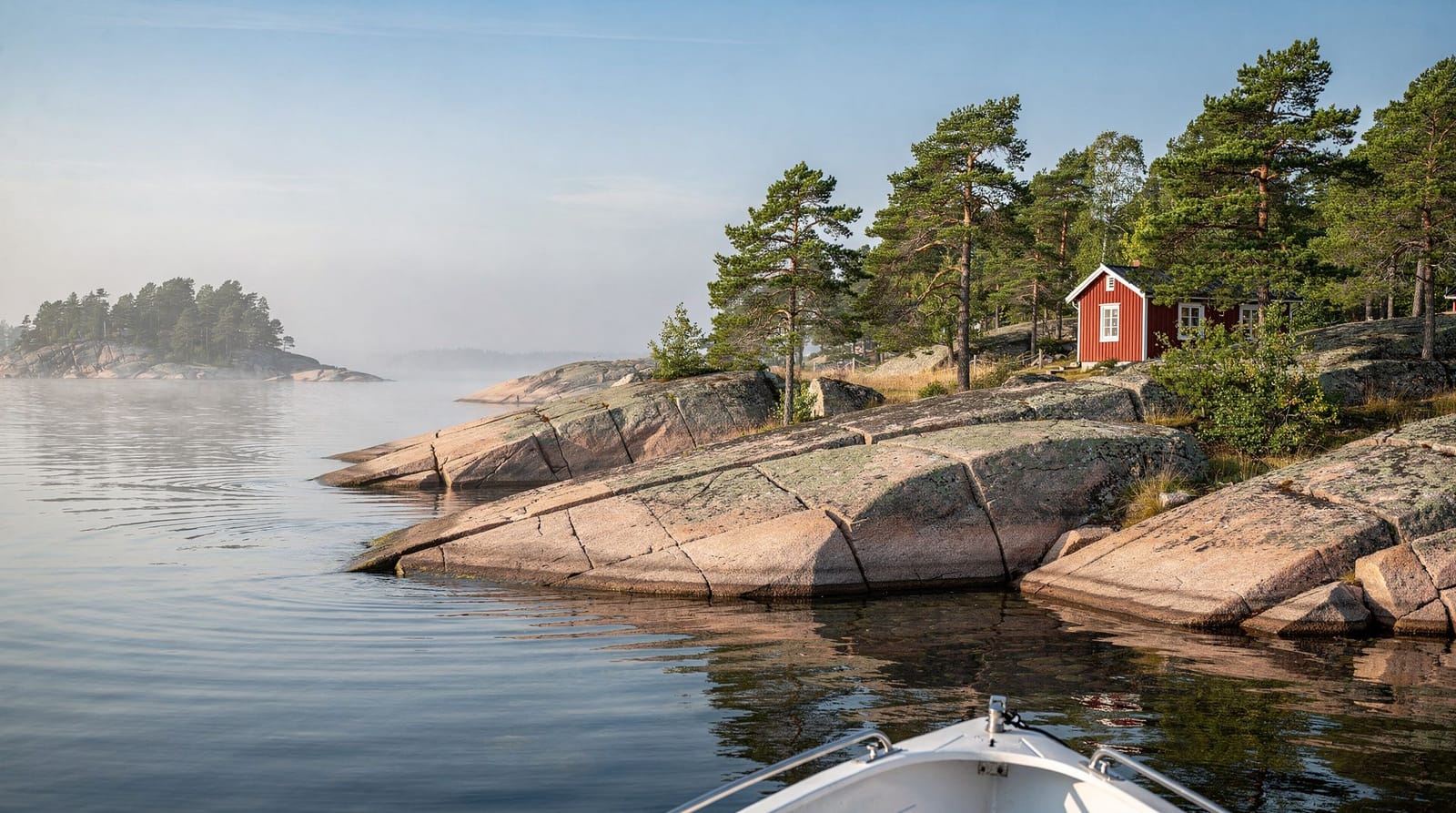
Vaxholm occupies a specific role in the Stockholm Archipelago that makes it different from all the other islands: it is the gateway. Every Waxholmsbolaget ferry from Stockholm’s Strömkajen heading northeast passes through Vaxholm, and the town’s position has made it the archipelago’s administrative and cultural capital for centuries.
This history is visible in the town. Vaxholm was important enough to have Sweden’s key harbour fortress from the 16th century onward; it was prosperous enough to develop a town of substantial wooden houses in the 19th century; and it remains attractive enough that Swedish weekenders fill its cafés and waterfront restaurants every summer weekend.
As a day trip from Stockholm, Vaxholm offers something specific: genuine archipelago atmosphere within 1 hour of the city, accessible by public transport, with enough content for a half-day and enough ferry connections onward for a full day or multi-island adventure.
| Where | Vaxholm, 30 km northeast of Stockholm |
| Cost | SL pass covers the ferry or bus |
| Time needed | Half day, or full day with onward ferry |
| Getting there | Waxholmsbolaget ferry from Strömkajen or bus 670 |
| Best time | June–August for the fortress and full atmosphere |
For a more practical, restaurant-and-activities-focused companion to this guide, see the Vaxholm day guide. For general orientation to the town, see the Vaxholm destination page.
Getting to Vaxholm
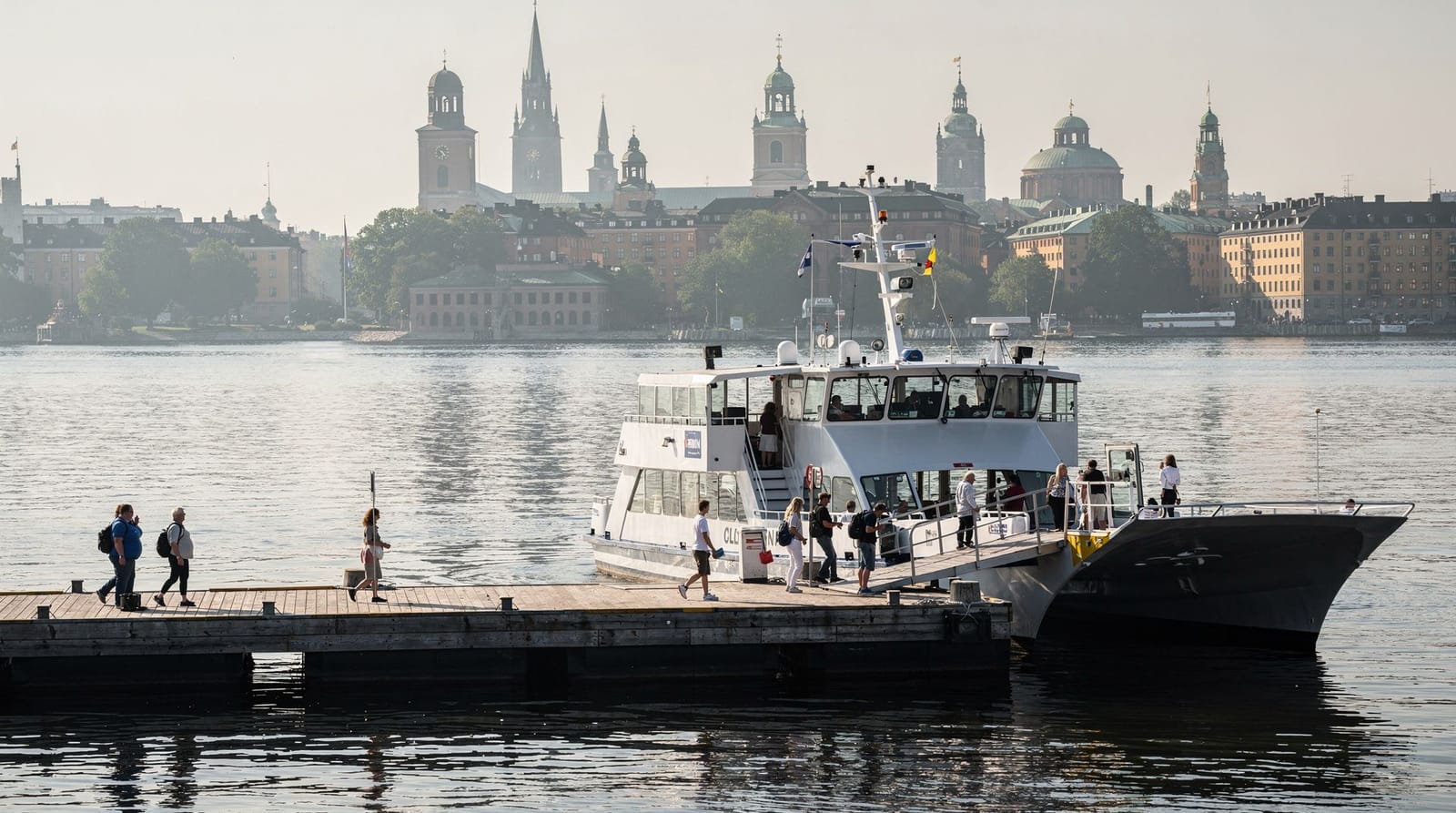
By Waxholmsbolaget ferry (most scenic)
The ferry departs from Strömkajen — the embarkation point on the waterfront between the Grand Hôtel and the National Museum, a 5-minute walk from T-Centralen.
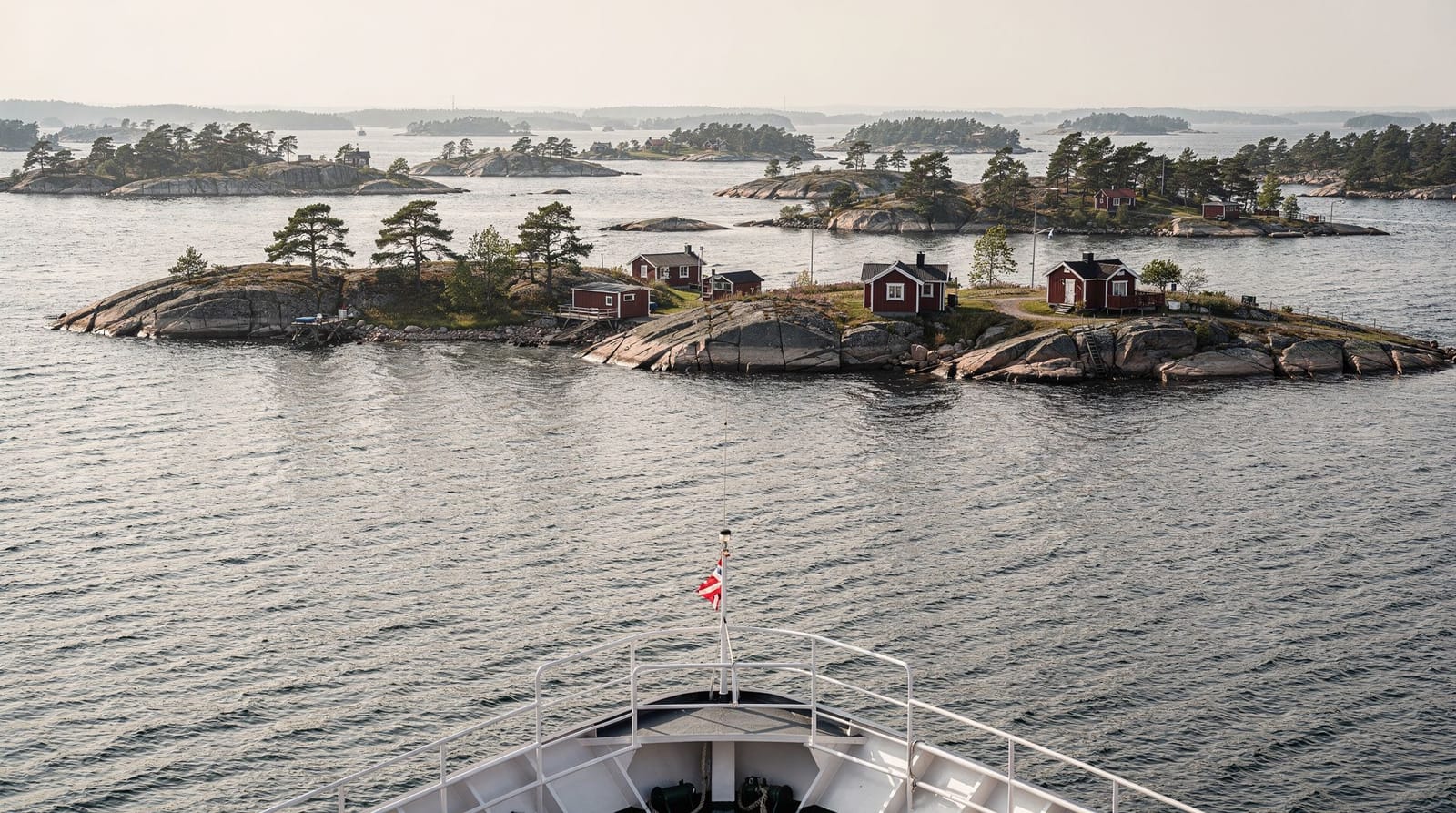
Journey time: approximately 1 hour to Vaxholm. The ferry route passes through Stockholm’s inner archipelago, with islands appearing on both sides as the channel narrows.
The journey is covered by an SL pass (24/72-hour or 7-day). This makes it effectively free for visitors who already have an SL pass for transport within Stockholm.
Ferries run several times daily; check the current Waxholmsbolaget schedule. In summer, more frequent service.
By bus
Bus 670 from T-Tekniska Högskolan (red line metro) to Vaxholm bus terminal, approximately 1 hour. Covered by SL pass.
The bus route is faster than the ferry in terms of actual travel time but misses the water approach to the island. The ferry is the recommended option if you are specifically interested in the archipelago experience.
Book the Vaxholm archipelago tour with ferry and fika Check the Vaxholm guided excursion and day trip from StockholmWhat to do in Vaxholm
Explore the wooden town centre
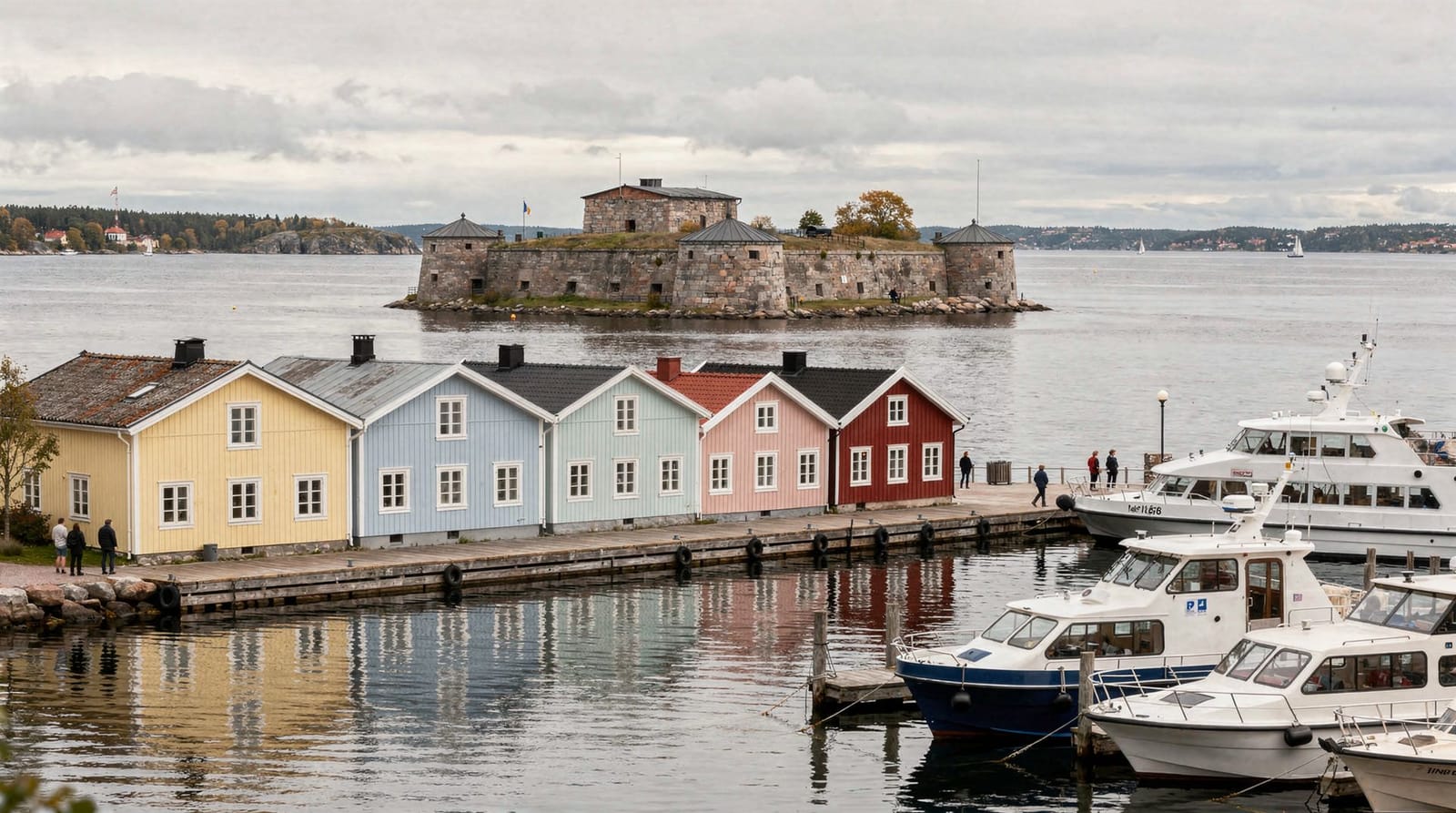
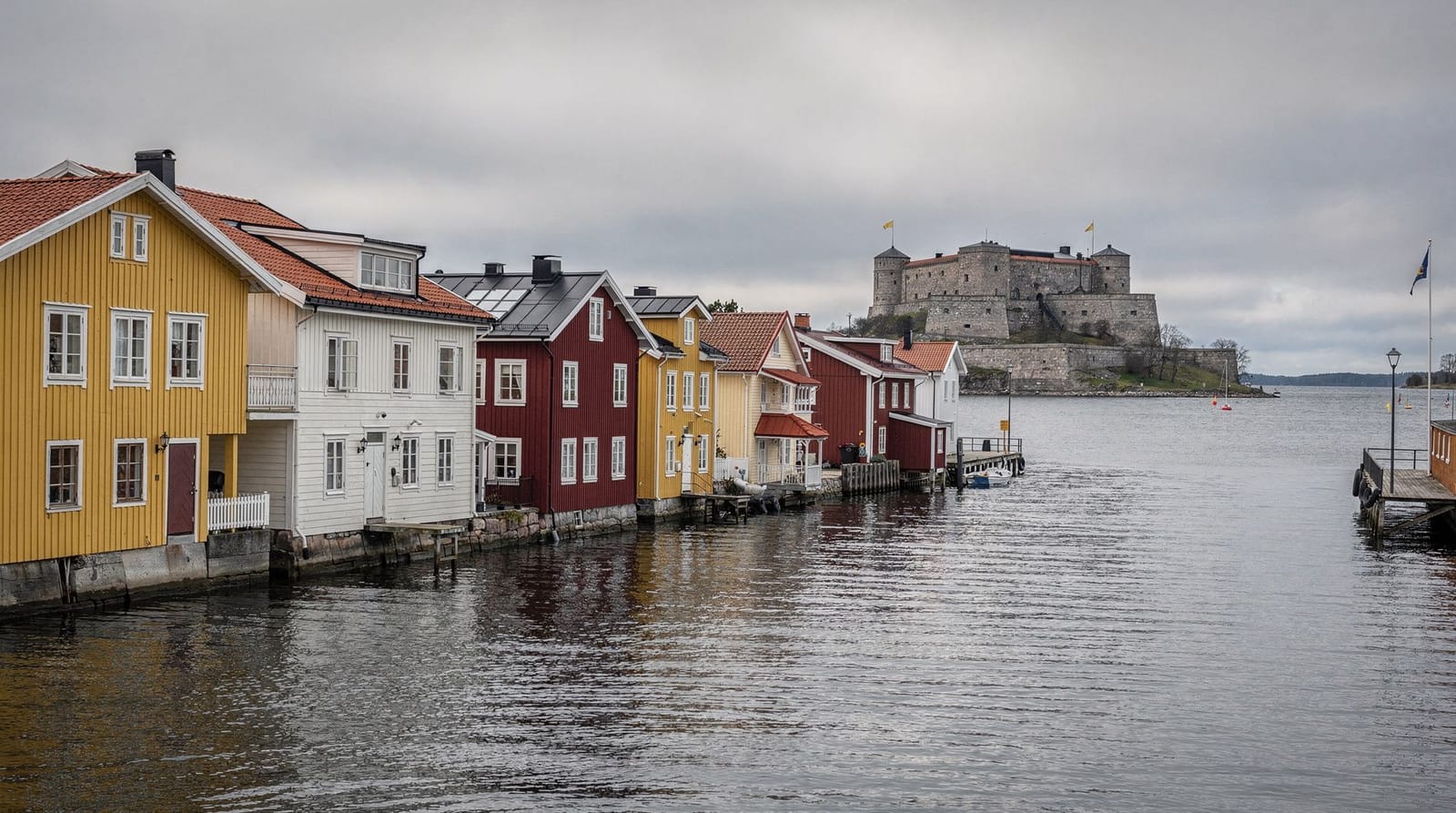
Vaxholm’s centre is compact and walkable. The main attraction is the town itself — the concentration of 19th-century wooden architecture, painted in the Falun red and yellow tones typical of the Stockholm archipelago, creates a visual coherence that most Swedish towns have lost to modern development.
Key streets: Hamngatan (the harbour-facing main street), Rådhusgatan, and the residential streets climbing the hill above the waterfront. The town is small enough that you will have covered the main areas in 45–60 minutes at a comfortable pace.
The Vaxholm Fortress
The 19th-century fortress sits on the island of Vaxholmen, immediately offshore from the town. A small ferry (or water taxi) connects the town pier to the fortress island.
The fortress has a museum open in summer (approximately May–September) covering the history of Stockholm’s harbour defence from the 16th century onward. The position — controlling the main shipping channel to Stockholm — explains why every military force that attempted to reach Stockholm by sea in the 17th and 18th centuries had to deal with Vaxholm. The 1719 Russian fleet attack is the most famous incident: Russian forces burned coastal settlements across the archipelago but could not pass the Vaxholm fortifications.
The outdoor areas of the fortress are free to walk; the museum has a small entry fee.
Seafood and fika on the waterfront
Vaxholm’s waterfront has several seafood restaurants and cafés, particularly in summer. Fresh shrimp (räkor) bought from the fish stalls at the harbour and eaten on the waterfront with bread and mayonnaise is the classic Vaxholm food experience. The stalls are active from mid-morning; the shrimp arrive by morning fishing boat.
For a seated meal, several harbour restaurants serve Swedish fish dishes at prices appropriate for a tourist-adjacent location — moderately expensive but not extravagant.
The Vaxholm Hotel terrace
The historic Vaxholms Hotell (1898) has a waterfront terrace that is one of the best summer sitting positions in the archipelago. Coffee and pastry here in afternoon light, looking across the harbour toward the fortress, is a genuinely excellent experience. Prices are hotel-adjacent (slightly higher than a standalone café) but justified by the setting.
Pacing your visit
The most common way to enjoy Vaxholm is to resist the urge to tick things off. The town rewards slow walking: look at the details of the wooden facades, the carved porches, the small gardens behind white fences, and the way the streets tip down toward the water. Pick one anchor for the morning (the fortress is the obvious one), one for the middle of the day (shrimp or a seated lunch), and leave the afternoon open for whatever the weather and your energy suggest.
Visitors who arrive with a rigid schedule tend to find the town “finished” quickly, while those who treat it as a pleasant place to sit, look at boats, and eat well usually leave wishing they had stayed longer. If you enjoy photography, the light on the harbour in the morning and late afternoon flatters the painted houses far more than the flat midday glare.
Ferry or bus: choosing your route
Both routes are covered by the same SL pass, so the choice is about experience rather than cost. The ferry is slower to board and more dependent on the timetable, but it turns the journey into part of the day: you watch the city fall away, then the channel threads between wooded islands and red cottages. The bus is the more flexible option if you are running late, if the ferry timetable does not suit your plans, or if the weather is poor and you would rather not spend an hour on deck.
A sensible compromise is to take the ferry out in the morning, when you want the views and the day is ahead of you, and the bus back if you are tired or the last convenient boat has gone. For a deeper look at how the boats work, see Waxholmsbolaget ferries explained, and for the difference between the public operator and the commercial sightseeing boats, read the Strömma vs Waxholmsbolaget comparison. If you are new to the SL system, the SL pass guide explains what each ticket covers.
What to bring and wear
The archipelago is exposed to wind, and the weather on the water can feel quite different from the weather in the city. Bring a windproof layer even on a warm day, comfortable shoes for cobbles and uneven fortress paths, and a bag you can carry easily onto a small boat. In summer, add sun protection; in the cooler months, add something warm for the deck. Cards are accepted almost everywhere, as explained in the guide to payments for tourists, so there is rarely any need to carry cash for the shrimp stalls or cafés. If you are unsure what to put in your bag for the season, the Stockholm packing guide covers the essentials.
Continuing to other archipelago islands
Vaxholm is a hub. From here, Waxholmsbolaget ferries connect to:
- Grinda: 1.5 hours from Vaxholm. Pine forest, beaches, the most popular day trip destination in the inner archipelago.
- Ljusterö: 45 minutes from Vaxholm. Larger island, less touristy, good walking.
- Rindö: 15 minutes from Vaxholm. Small island with a military history.
- Numerous other islands on the northern and northeastern archipelago routes.
This flexibility makes Vaxholm a useful staging point for visitors who want to explore the archipelago without committing to a specific destination from Stockholm: travel to Vaxholm, assess the ferry options on the day, and continue based on weather and inclination. It also means a poor weather forecast is less of a problem here than for a single-island commitment — if conditions look marginal for a beach day, you can decide once in Vaxholm whether to continue out to a more exposed island or simply enjoy the town and fortress and head back.
For the full archipelago island comparison, see the archipelago day trip comparison guide. If Sandhamn specifically is on your shortlist as an onward stop or an alternative to Vaxholm altogether, the Vaxholm vs Sandhamn comparison lays out the tradeoffs — more sailing culture and beaches, but a longer journey and less to do on a rushed day. If nature is the priority over onward ferry-hopping, Grinda is a simpler direct choice from Stockholm.
Suggested half-day itinerary
| Time | Activity |
|---|---|
| 09:00 | Ferry departs Strömkajen |
| 10:00 | Arrive Vaxholm, walk the wooden town centre |
| 10:45 | Water taxi to the fortress; museum visit |
| 12:15 | Shrimp or lunch on the waterfront |
| 13:30 | Vaxholms Hotell terrace for coffee, or kayak rental |
| 15:30–16:30 | Ferry back to Stockholm (check current timetable) |
This leaves the afternoon flexible — extend it by continuing onward to Grinda or Ljusterö if the weather holds, or head straight back if a half day was the plan. For other Stockholm day trips that follow a similar rhythm, see the day trips from Stockholm overview and the Stockholm day trips by train guide for the non-ferry alternatives.
Combining Vaxholm with the rest of your trip
Vaxholm fits neatly into a longer Stockholm stay because it asks for so little planning. It works well on a day when the city museums feel like too much, or as the counterweight to a heavy sightseeing schedule. If you are building a multi-day plan, the 4 days with archipelago itinerary shows where an island day can sit among the city highlights, and the archipelago in one day guide is useful if you want to see more than one place without rushing. For the wider picture of what the islands offer, the complete Stockholm archipelago guide is the best starting point.
Families and anyone travelling with limited mobility will find the town centre easy, though the fortress involves a boat crossing and uneven ground, so it is worth reading the accessibility guide before you go. Travellers who prefer to be on the water rather than on a bench may like the idea of kayaking in the archipelago as an alternative way to spend the afternoon.
Guided tours
Join a guided Vaxholm archipelago excursionGuided day trips to Vaxholm typically combine the ferry journey with a guided walk of the town and fortress, providing historical context for the archipelago’s role in Swedish history. This is particularly useful for the fortress — the history of Stockholm’s harbour defence is complex and the guide interpretation significantly improves the experience.
Practical information
| Detail | Information |
|---|---|
| Distance from Stockholm | 30 km northeast |
| Transport (ferry) | Waxholmsbolaget from Strömkajen (1h) |
| Transport (bus) | Bus 670 from T-Tekniska Högskolan (~1h) |
| Cost | SL pass (ferry covered) |
| Duration | Half-day to full day |
| Fortress season | Summer (May–September) |
| Best season | June–August |
| Year-round | Yes (ferry runs all year) |
Frequently asked questions about Vaxholm day trip
Is the SL pass valid on the Vaxholm ferry?
Yes — Waxholmsbolaget ferries within the SL zone, including Vaxholm, are covered by SL passes. A 24-hour pass (~180 SEK) covers the ferry.
What is the Vaxholm Fortress?
A 19th-century stone fortress on an island offshore from Vaxholm, with a museum in summer. Stockholm’s primary harbour defence since the 16th century. Accessible by small ferry from Vaxholm pier.
Can I continue to other archipelago islands from Vaxholm?
Yes — Vaxholm is a ferry hub. You can continue to Grinda, Ljusterö, and many other islands from Vaxholm’s pier.
What is the town of Vaxholm like?
A classic Swedish archipelago town with Falun red and yellow wooden houses, waterfront seafood stalls, and a compact walkable centre. Small but genuinely charming.
Is Vaxholm suitable year-round or only in summer?
Year-round accessible but significantly more appealing in summer when the waterfront is active and the fortress is open.
Top experiences
Bookable activities with verified prices and instant confirmation on GetYourGuide.