Junibacken, Skansen and Gröna Lund: Djurgården's family trio
Stockholm: Skansen open-air museum entrance ticket
Should I visit Junibacken, Skansen, or Gröna Lund with children in Stockholm?
All three are on Djurgården but suit different ages. Junibacken is best for ages 2–10 (Astrid Lindgren, Story Train, play areas). Skansen is a full day for ages 4+ (open-air museum, Nordic zoo, crafts). Gröna Lund suits ages 6+ (rides, entry separate from ride pass). For a single day, choose based on your children's ages — Junibacken + Vasa Museum is the optimal toddler-to-primary-age day.
Djurgården: the family island
Stockholm’s Djurgården island concentrates its family attractions within walking distance of each other, which is one of the city’s great logistical advantages. Junibacken, Skansen, and Gröna Lund are all on the island, alongside Vasa Museum, ABBA The Museum, and Nordiska Museet. A family could spend 2–3 full days on Djurgården without repeating.
This guide compares the three main family-specific venues — Junibacken, Skansen, and Gröna Lund — honestly, including where each one excels, where it disappoints, and how to combine them efficiently.
| Where | Djurgården island, all three within a 15-minute walk |
| Cost | Junibacken from 140 SEK online · Skansen and Gröna Lund: see official sites |
| Time needed | Junibacken 2 hrs · Skansen 3–5 hrs · Gröna Lund 2–4 hrs |
| Getting there | Bus 69, Tram 7, or a short walk from the Vasa Museum |
| Best time | Summer for full opening hours; book Junibacken’s Story Train slot ahead |
Comparing the three at a glance
| Junibacken | Skansen | Gröna Lund | |
|---|---|---|---|
| Best ages | 2–10 | 4–adult | 6–adult |
| Typical visit | 1.5–2 hours | 3–5 hours | 2–4 hours |
| Entry (adult) | from 140 SEK online | varies by season | see gronalund.com |
| Stockholm Pass | Verify current inclusion | Included | Not included in most versions |
| Season | Year-round | Year-round | May–September only |
| Strongest for | Astrid Lindgren fans, toddlers | Zoo + history, all-day families | Older kids and teens who ride |
Junibacken: best for ages 2–10
What it is
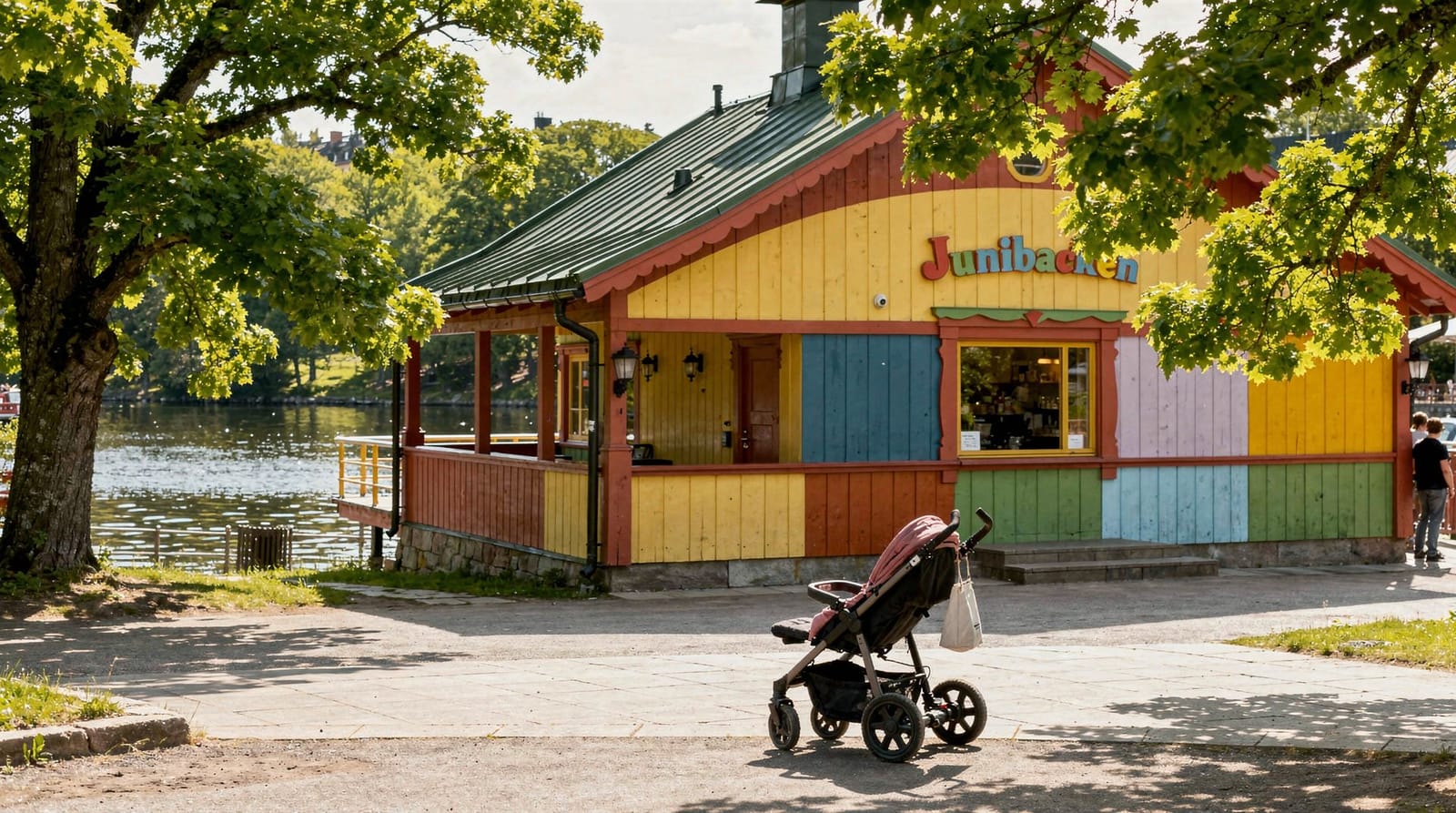
Junibacken is a museum and interactive experience centre dedicated to Astrid Lindgren (1907–2002), Sweden’s most beloved children’s author. Her characters — Pippi Longstocking, Emil of Lönneberga, Karlsson-on-the-Roof, Mio my Mio, Ronja Rövardotter — are woven through Swedish childhood. The museum translates these into walkable, touchable, rideable experiences.
The Story Train
The centrepiece of Junibacken is the Sagotåget (Story Train) — a dark ride through miniature dioramas depicting scenes from Lindgren’s books. The train carries guests through an illustrated landscape: Pippi’s Villa Villekulla, Emil’s farmhouse in Smaland, the forest of Ronja Rövardotter. The journey takes about 10 minutes.
This is the single most popular element and fills quickly. Book your specific time slot online (junibacken.se) before arriving. Summer queue times for walk-ups can exceed 90 minutes.
Villa Villekulla play area
An indoor recreation of Pippi Longstocking’s house, designed for children to climb, explore, and play. Multiple levels connected by ladders, slides, and tunnels. Ages 3–8 engage with it most actively; 2-year-olds can navigate some of it with adult assistance.
The permanent exhibition
Beyond the Story Train, Junibacken’s exhibition spaces cover other Lindgren characters through displays, audio, and interactive elements. Children who know the books will connect; those who do not may spend less time in the exhibition.
Practical
- Hours: 10:00–17:00 (Saturdays from 09:00). In 2026 it is closed on Mondays from September to November and on 24–25 December. Check junibacken.se.
- Price: day tickets from 140 SEK when booked online; under 2 free (own ticket required). Check junibacken.se for current prices.
- Café: Good quality, reasonable prices for a museum café. Children’s menu available.
- Facilities: Baby-changing, coat room, stroller parking outside the entrance (strollers are not allowed inside).
- Stockholm Pass: Verify current inclusion.
Honest assessment: Junibacken is genuinely excellent if your children are in the target range (2–10). The Story Train is a well-executed dark ride — not scary, but genuinely immersive. Adults with no prior knowledge of Lindgren’s work often enjoy it too. It is smaller than you expect for the price, but the quality of execution justifies the admission.
Skansen: best for ages 4–adults
What it is
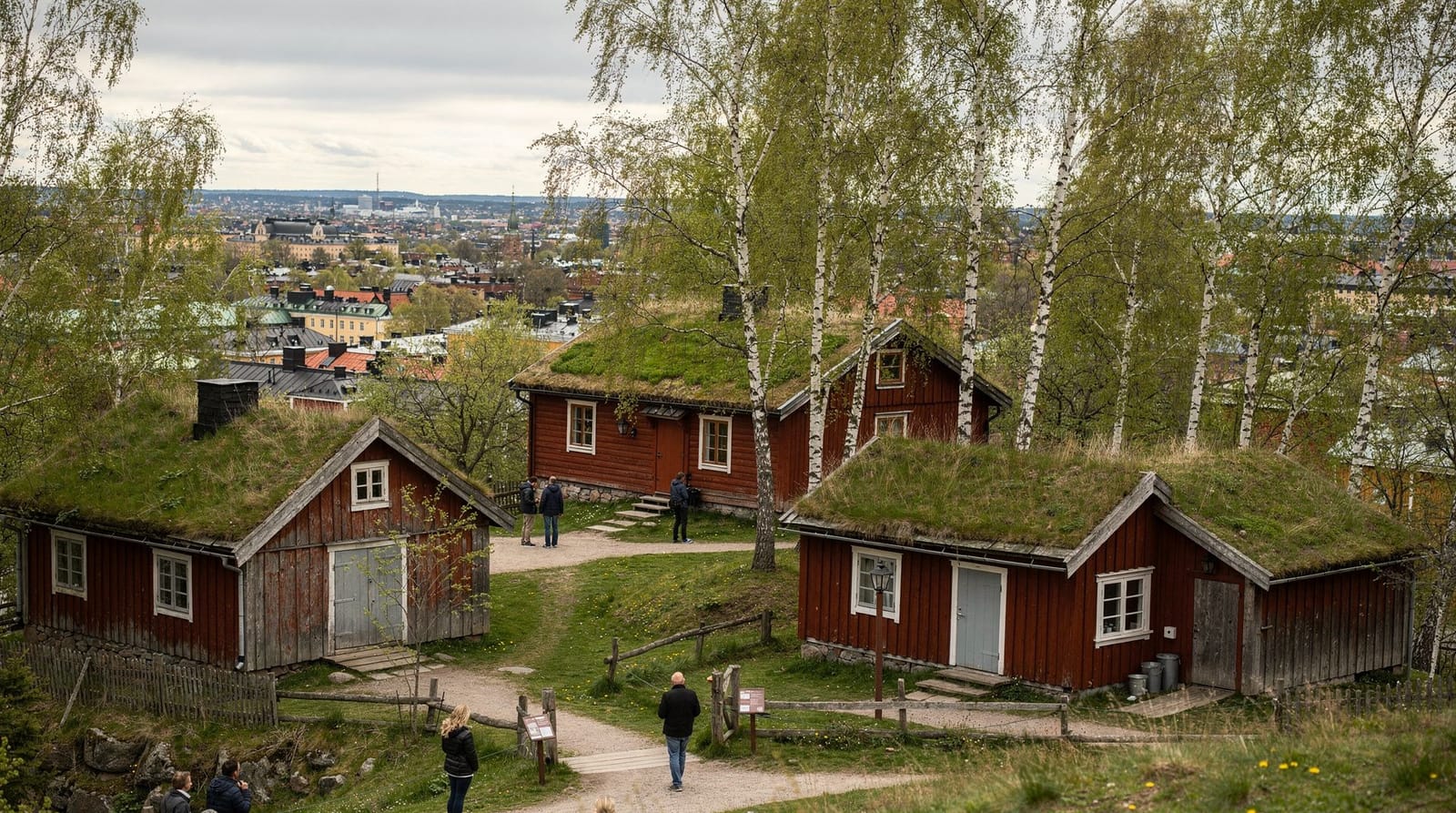
Skansen opened in 1891 and is the world’s oldest open-air museum. It preserves 150+ historic Swedish buildings — farmhouses, a full urban quarter from the 1800s, a glass works, a bakery, a pharmacy, a post office — all assembled from across Sweden on a 75-acre hillside site. Staff in period dress demonstrate traditional crafts and agricultural life. The Skansen Akvariet (aquarium) and the Nordic Zoo are integrated into the site.
The Nordic Zoo
Skansen houses Nordic and circumpolar animals in enclosures larger and more naturalistic than most city zoos: brown bears, grey wolves, wolverine, lynx, moose (elk), reindeer, musk ox, and smaller animals. The bear and wolf enclosures have viewing platforms at multiple levels. For children, the moose and reindeer are accessible at close range.
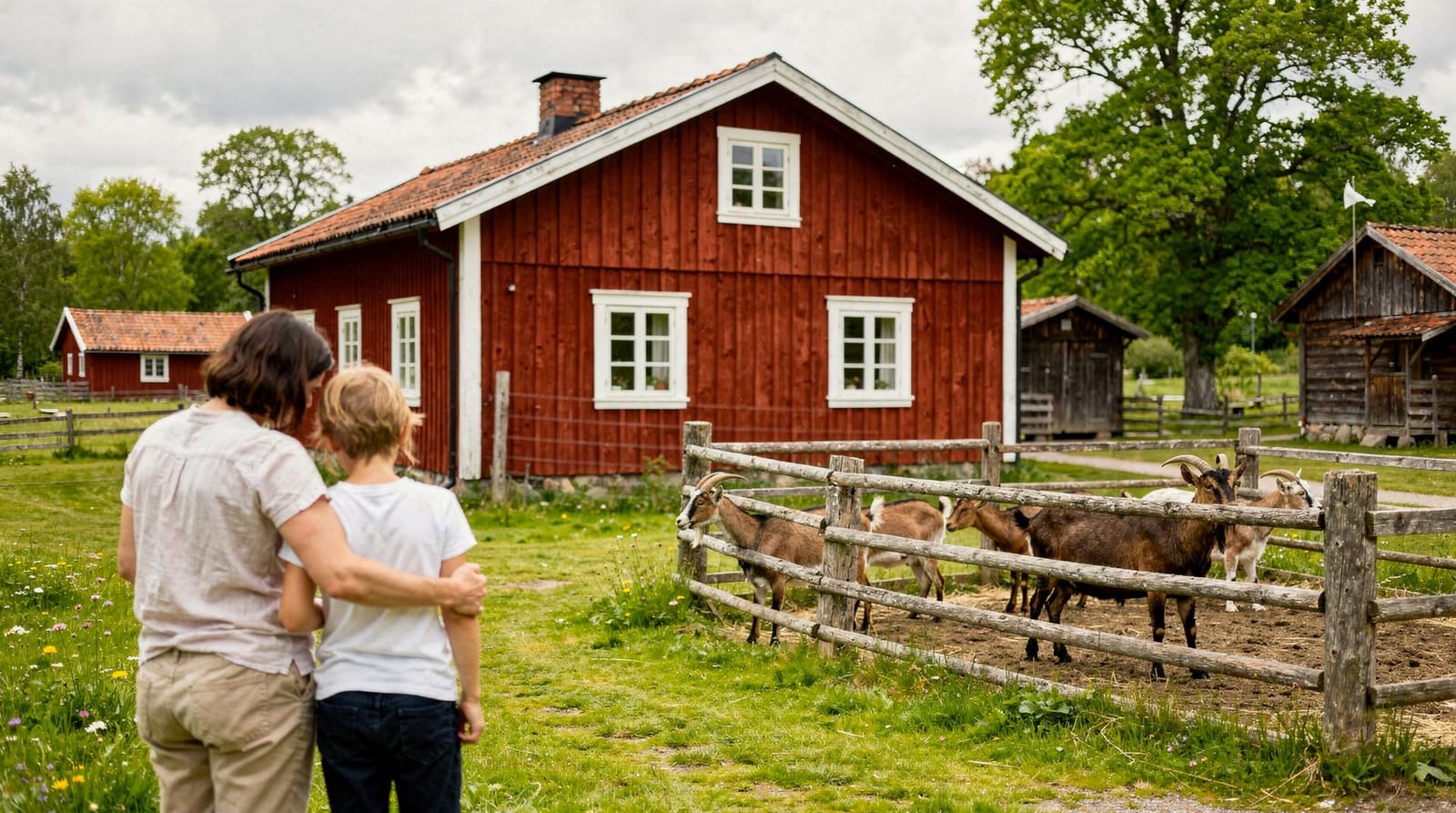
Lill-Skansen (petting zoo): Farm animals in a separate lower section of the park — goats, pigs, rabbits, and chickens. This is in the lower accessible area near the main entrance, reachable without climbing the main hill.
The open-air museum
The historic building collection is extraordinary if you have interest in Swedish social history. Children vary in engagement with historic buildings — some are fascinated by working crafts demonstrations (glassblowing, blacksmithing, bread-baking) while others are more interested in the animals. Build your Skansen visit around your children’s preferences.
Seasonal events
Skansen is particularly notable for its seasonal programming: the Christmas market (Julmarknad) is the finest in Sweden, Midsummer celebrations are large and traditional, and the Lucia celebration in December is one of Stockholm’s most photographed events.
Practical
- Hours: Daily year-round; summer opens earlier (10:00) and closes later
- Price: adult price varies by season and is cheapest online; check skansen.se for children’s prices and free-entry rules
- Getting there: Bus 69, Tram 7 (seasonal), or walk from Vasa Museum (~15 min)
- Within the site: Steep in parts. Main accessible path marked on the map. Buggies available to rent. Consider route before bringing large strollers.
- Stockholm Pass: Included in the Go City Stockholm Pass.
Honest assessment: Skansen is genuinely excellent for ages 4 and up who can handle a day of active walking. The combination of zoo, historic museum, and craft demonstrations is unique. The hill is manageable but requires sturdy footwear — it is not a flat park. Plan 3–4 hours minimum, all day if you want to be thorough. Bring lunch supplies or budget for the Skansen restaurants (priced for tourists — not cheap).
Gröna Lund: best for ages 6–adults
What it is
Gröna Lund is Stockholm’s amusement park, located on the waterfront of Djurgården directly facing Södermalm across the water. Founded in 1883, it occupies a compact urban site with rides ranging from gentle vintage attractions to modern roller coasters.
This is important: Gröna Lund is NOT a children’s theme park in the style of a Disneyland. It is a traditional Nordic amusement park with a mix of adult and family rides. Young children can enjoy it, but the majority of the major rides have height requirements.
Rides by age
- For the youngest (under 90 cm): Limited. A few carousel-style attractions, but the park is primarily oriented toward older children and adults.
- Family rides (90–120 cm): Ferris wheel, Barnbåten pirate ship, various gentle coasters. A child 4–6 years old can go on some rides.
- Teen/adult rides (120 cm+): Multiple roller coasters including the Ikaros (Europe’s tallest giant swing), Jetline wooden coaster, Twister. This is where most of the park’s rides concentrate.
Entry vs ride passes
Gröna Lund separates entry from rides. You pay for entry to the park, then you need either an unlimited rides wristband or individual ride tokens. Check current prices on gronalund.com.
Entry plus a ride pass for every family member adds up quickly before food. This is one of Stockholm’s most expensive half-days. For children too young for most rides, buying the unlimited pass makes little sense; pay per ride or buy individual tokens.
When it works best
Gröna Lund is most enjoyable in the evening, particularly in summer when long-hours concerts are staged. The park stays open late (often until 23:00 on weekends), and the combination of rides, food stalls, and live music from the Stora Scenen stage creates a lively atmosphere. This is when Stockholm residents use it most.
For tourist families, a summer evening Gröna Lund visit (17:00–21:00) after a Djurgården museum day is a logical combination.
Practical
- Season: May–September (check gronalund.com for exact dates)
- Price: entry and ride pass are priced separately; check current prices on gronalund.com
- Height requirements: Detailed on Gröna Lund website by ride
- Getting there: Walk from Skansen (~8 minutes); bus 69 or Tram 7
Honest assessment: Gröna Lund is genuinely fun for children 6+ who can go on multiple rides, and for teens and adults. For families with under-6s who cannot do most rides, the cost-to-fun ratio is poor. If your group includes a mix of ages, consider letting the older children ride while parents alternate.
Combining all three: suggested scheduling
For a family with children aged 3–8:
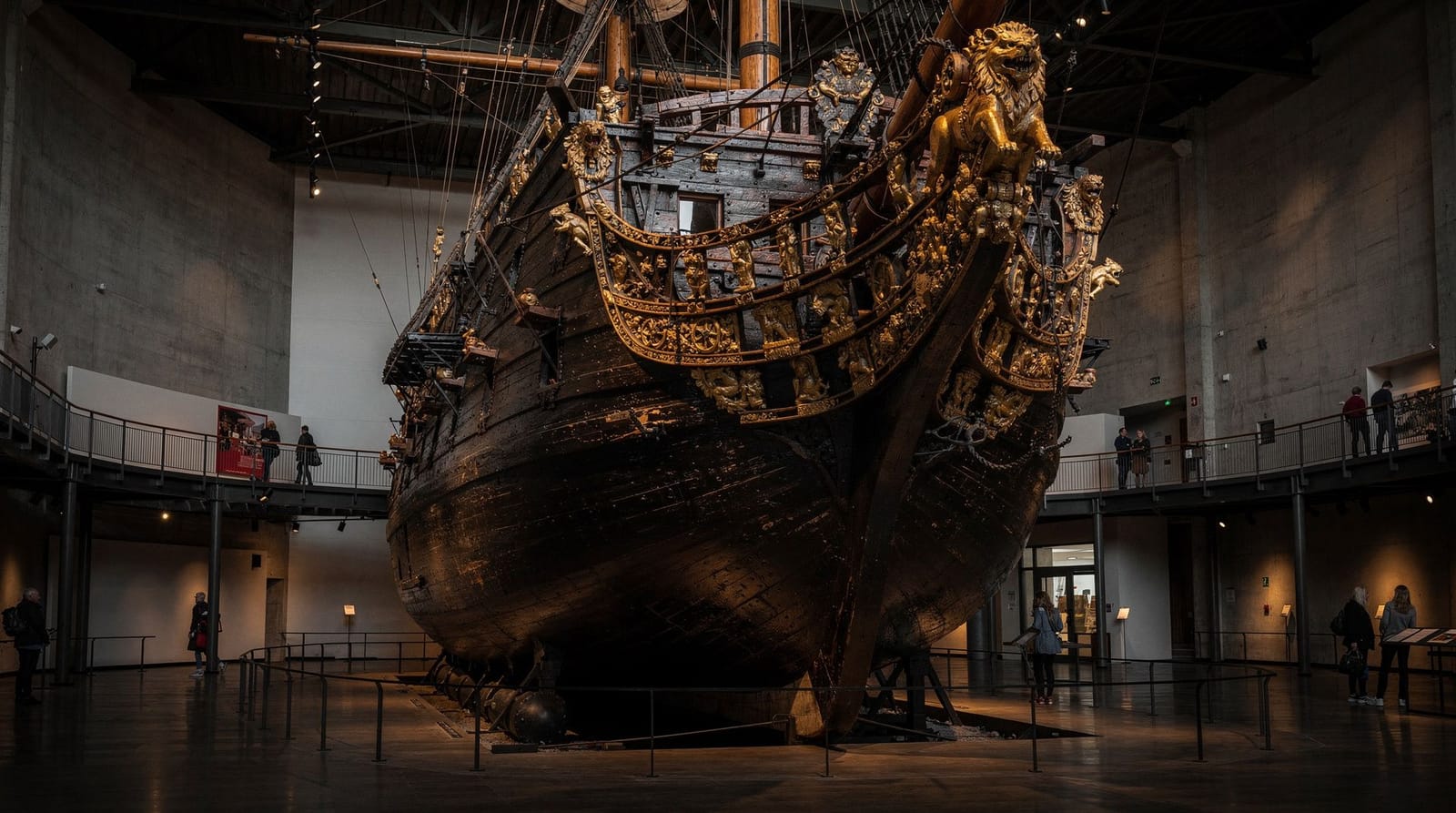
Day 1 morning: Junibacken (Story Train booked; Villa Villekulla; café lunch) Day 1 afternoon: Vasa Museum (free for under-18s; ship is impressive)
Day 2: Full day Skansen. Morning for animals; picnic lunch on the lawns; afternoon crafts demonstrations and historic buildings.
For a family with children aged 7–14:
Day 1: Skansen (full day — zoo emphasis for younger range, cultural for older) Evening: Gröna Lund for 2–3 hours after dinner if energy permits
Day 2: Vasa Museum morning; ABBA Museum afternoon (interactive, suits ages 8+) Vasa Museum and Skansen combined tour with fast-track entry
Ticket strategy: passes vs individual entries
Before buying tickets for all three, run the numbers against a Stockholm Pass. See the Stockholm Pass vs Go City vs SL guide for a full breakdown of what each pass actually covers — Skansen is typically included, Gröna Lund typically is not, and Junibacken’s inclusion varies by pass version and year. For families using public transport heavily across a multi-day Djurgården visit, the SL Pass guide is worth checking alongside any attraction pass, since the two are priced and bundled separately.
If the weather turns
Djurgården’s outdoor elements — Skansen’s hillside, Gröna Lund’s open-air rides — are considerably less appealing in rain. Junibacken is fully indoors and holds up regardless of weather, making it the natural fallback. If you need a full backup day, the Stockholm rainy day with kids guide has indoor alternatives across the city beyond Djurgården. For the broader question of when to schedule your Djurgården day at all, see best time to visit Stockholm — Gröna Lund’s May–September season is the main constraint if you want all three attractions open simultaneously.
What else shares the island
Because everything on Djurgården sits close together, it helps to see the island as a whole before you commit a day to any one venue. The Djurgården neighborhood deep dive maps what else is nearby, and the Djurgården destination page gives the wider picture. If your children enjoy walking between sights, the Djurgården walking route strings the main stops together in a sensible order, which pairs well with the scheduling ideas above.
Museums fill the gaps between the three family venues. The Vasa Museum guide explains what to expect from the ship, and the Skansen open-air guide goes deeper on the hillside layout than this comparison can. For a decision between the two most popular stops, the Vasa vs Skansen comparison is worth reading before you finalise a plan.
Pacing the day with children
Whatever combination you pick, the biggest lever is pacing. Children tire faster than adults expect, and a plan that looks reasonable on paper can fall apart by mid-afternoon. Build in a long lunch, leave a gap between the indoor and outdoor parts of the day, and be willing to drop the last item if energy runs out. Families who treat the third attraction as a bonus rather than an obligation tend to enjoy the whole trip more.
If you are travelling with a toddler or a baby, the rhythm changes again: naps, snacks and buggy logistics decide the day, not the attraction list. In that case, choose one anchor venue per half-day and leave the rest open. For a full multi-day plan that already handles this, the Stockholm with kids in 3 days itinerary shows how families usually spread Djurgården across a longer stay.
Fitting this into a wider family trip
For families building a longer Stockholm itinerary around young children, this Djurgården trio is usually one component among several. The Stockholm with kids family guide and the age-specific Stockholm with toddlers guide both help place Junibacken, Skansen, and Gröna Lund in the context of a full trip rather than treating Djurgården as the whole visit.
Frequently asked questions about Junibacken, Skansen and Gröna Lund
How much do Junibacken, Skansen, and Gröna Lund cost?
Junibacken: day tickets start from 140 SEK when booked online (children under 2 enter free but need their own ticket). Skansen and Gröna Lund: prices vary by season and age, so check skansen.se and gronalund.com. The Stockholm Pass (Go City) covers Skansen admission and some other Djurgården attractions — run the maths for your family before buying individual tickets.How much time do you need at Skansen?
A thorough Skansen visit takes 3–5 hours. The site is large — it covers 75 acres and includes the open-air museum (historic buildings), the Nordic zoo, Lill-Skansen petting zoo, craftspeople, restaurants, and gardens. Families with young children focused on the zoo and petting zoo can cover the most accessible parts in 2–3 hours.Is Gröna Lund worth the money for a family with young children?
Gröna Lund is best for children aged 6+ who can go on rides. Entry and the ride pass are sold separately, so a family of four pays a substantial amount before food and drinks — expensive. For families with mixed ages (some too young for rides), the economics improve but it is still a significant cost. The park is atmospheric on summer evenings with concerts.When is Gröna Lund open?
Gröna Lund operates seasonally, typically May through September. The opening date and closing date shift slightly each year. The park opens daily in peak summer (mid-June through August) and on weekends in shoulder season. Outside the main season it opens only for special events (for example Halloween in October). Check gronalund.com for current season dates.Is Junibacken covered by the Stockholm Pass?
Check the current Go City Stockholm Pass inclusion list at the time of purchase — coverage changes. Skansen is included in the Stockholm Pass. Gröna Lund entry is not included in most pass versions. Verify exact inclusions before buying the pass.Which of the three should we skip if we only have one day on Djurgården?
If children are under 6, skip Gröna Lund — most rides have height requirements and the entry-plus-ride-pass cost is poor value for a family who can't use most of the park. Spend the day on Junibacken (morning) and Skansen (afternoon) instead. If children are 8 or older and enjoy rides, Skansen plus an evening at Gröna Lund works well, with Junibacken skipped as it targets a younger age range.Can we do all three attractions plus the Vasa Museum in two days?
Yes, with realistic pacing. A common pattern is Junibacken and the Vasa Museum on day one (both moderate in length), then a full day at Skansen on day two with a Gröna Lund evening if energy and ages allow. Trying to add all four attractions into a single day usually means rushing at least one of them.
Top experiences
Bookable activities with verified prices and instant confirmation on GetYourGuide.