Stockholm with toddlers: practical guide for families with under-5s
Stockholm: 2-hour Djurgården sightseeing tour
Duration: 2 hours
Is Stockholm good for families with toddlers and babies?
Yes — Stockholm is one of Europe's most toddler-friendly cities. Junibacken (Astrid Lindgren museum) is specifically designed for ages 2–8. The T-bana has lifts at every station. Buses are low-floor accessible. Djurgården's park paths are flat and stroller-friendly. Swedish culture is genuinely inclusive of small children — café stops with toddlers are completely normal.
Stockholm through a toddler’s eyes
Stockholm was not designed with tourists in mind — it was designed for people to live in, and that includes families with young children. Swedish parental leave policy (one of the world’s most generous), a culture of active outdoor life, and a genuine normalcy around small children in public spaces makes Stockholm unusually comfortable for visitors travelling with toddlers and babies.
The practical advantages are tangible: every T-bana station has a lift, buses are low-floor with space for unfolded strollers, high chairs (barnstol) appear at even casual cafés without request, and changing facilities are widely available. This guide covers what works specifically for the under-5 age range.
| Base yourself near | Östermalm or Norrmalm — both close to Djurgården |
| Single best stop | Junibacken (ages 2–8) |
| Realistic pace | One major stop + one flat outdoor area per day |
| Free for toddlers | Vasa Museum entry (under 18), petting zoo interaction |
| Book ahead | Junibacken Story Train slot, especially July |
For the wider family picture beyond toddlers, see the Stockholm with kids guide, and for the fuller Djurgården trio comparison, Junibacken vs Skansen vs Gröna Lund.
The essentials: Djurgården for toddlers
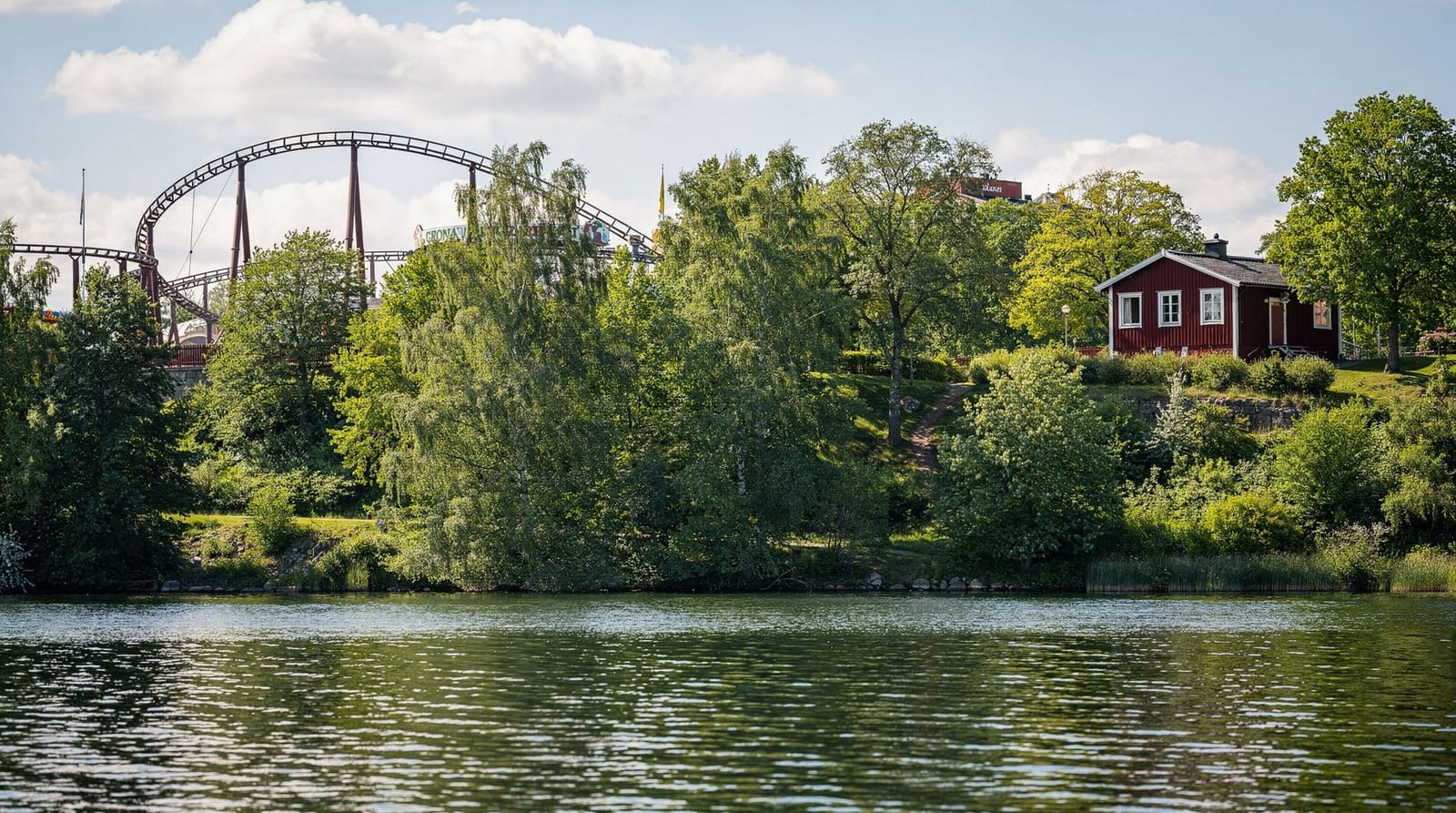
Djurgården is your home base for toddler Stockholm. The island combines:
- Flat stroller paths through the park (versus the cobblestones of Gamla Stan)
- Car-free park roads in most of the interior
- Junibacken (the single most important Stockholm stop for 2–8 year olds)
- Skansen’s petting zoo (goats, pigs, rabbits — immediate toddler engagement)
- Vasa Museum (free for under-18s; the ship is impressive for all ages)
- Rosendals Trädgård (organic garden café with outdoor seating and lawns for running)
You can spend two full days on Djurgården with a toddler and barely repeat yourself.
If you want to see how the island fits together before you commit to a plan, the Djurgården neighborhood deep dive maps the sights, while the Djurgården walking route shows how the flat paths link them. Both are useful for deciding where the stroller will have an easy time and where you might want a carrier instead.
A good rule with toddlers is to treat each stop as a bonus rather than an obligation. If your child is happy at the petting zoo for an hour, that hour is the highlight of the day, not a delay to the schedule. The island is compact enough that you can drop a stop, swap the order, or double back without losing much, and that flexibility is the main reason it works so well for this age group.
Junibacken in detail
Junibacken opened in 1996 as an immersive tribute to Astrid Lindgren — Sweden’s most beloved children’s author (Pippi Longstocking, Emil of Lönneberga, Mio my Mio, Karlsson-on-the-Roof). Every Swedish child grows up with these books. International visitors who do not know the books in advance often discover the stories here and become instant fans.
The Story Train: A 10-minute dark ride through miniature scenes from Lindgren’s books. Toddlers sit in your lap in the small open carriages. Age 18 months is theoretically the minimum (no formal age limit, but very young babies may find the darkness and sound disconcerting). By age 2, most children are captivated.
Villa Villekulla: A large indoor recreation of Pippi Longstocking’s house — designed for climbing, crawling, and hiding. Age 2–8 is the target. One of the better indoor play environments in Stockholm.
Booking: The Story Train has timed slots, and summer slots fill. Book online at junibacken.se before your visit. Arriving without a booking in peak season means a potentially long wait or missing out entirely.
Practical: Junibacken has an excellent café, baby-changing facilities, a cloakroom for coats (strollers are not allowed inside, so use the parking outside the entrance; baby carriers can be borrowed), and staff accustomed to managing small children. It is genuinely well-run for families.
Skansen petting zoo
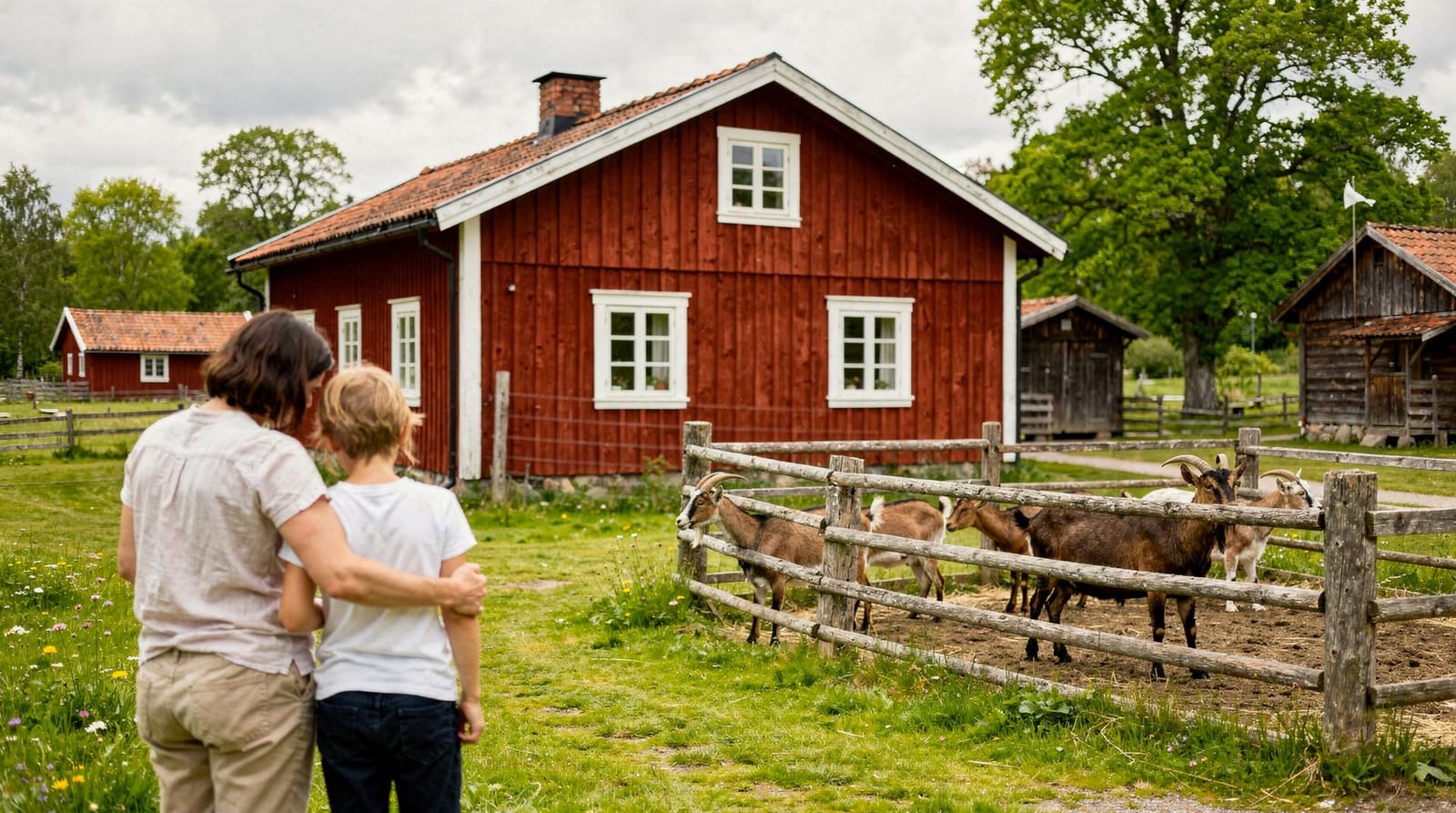
Skansen’s petting zoo (Lill-Skansen) contains goats, rabbits, guinea pigs, and small farm animals at child height. Feeding is sometimes permitted. This is in the lower part of Skansen, accessible without climbing the main hill — relevant for stroller management. The main zoo (elk, brown bear, wolverine) is higher up the site and requires more walking.
For toddlers, the petting zoo area and the immediate surroundings (traditional Swedish farmhouses, open lawns) are enough for 1–2 hours without tackling the whole Skansen site. The main Skansen entrance fee is required; a dedicated toddler who cannot do the full site may not justify the full adult admission — evaluate whether a shorter Skansen visit or the petting zoo alone meets your needs.
Vasa Museum with a small child
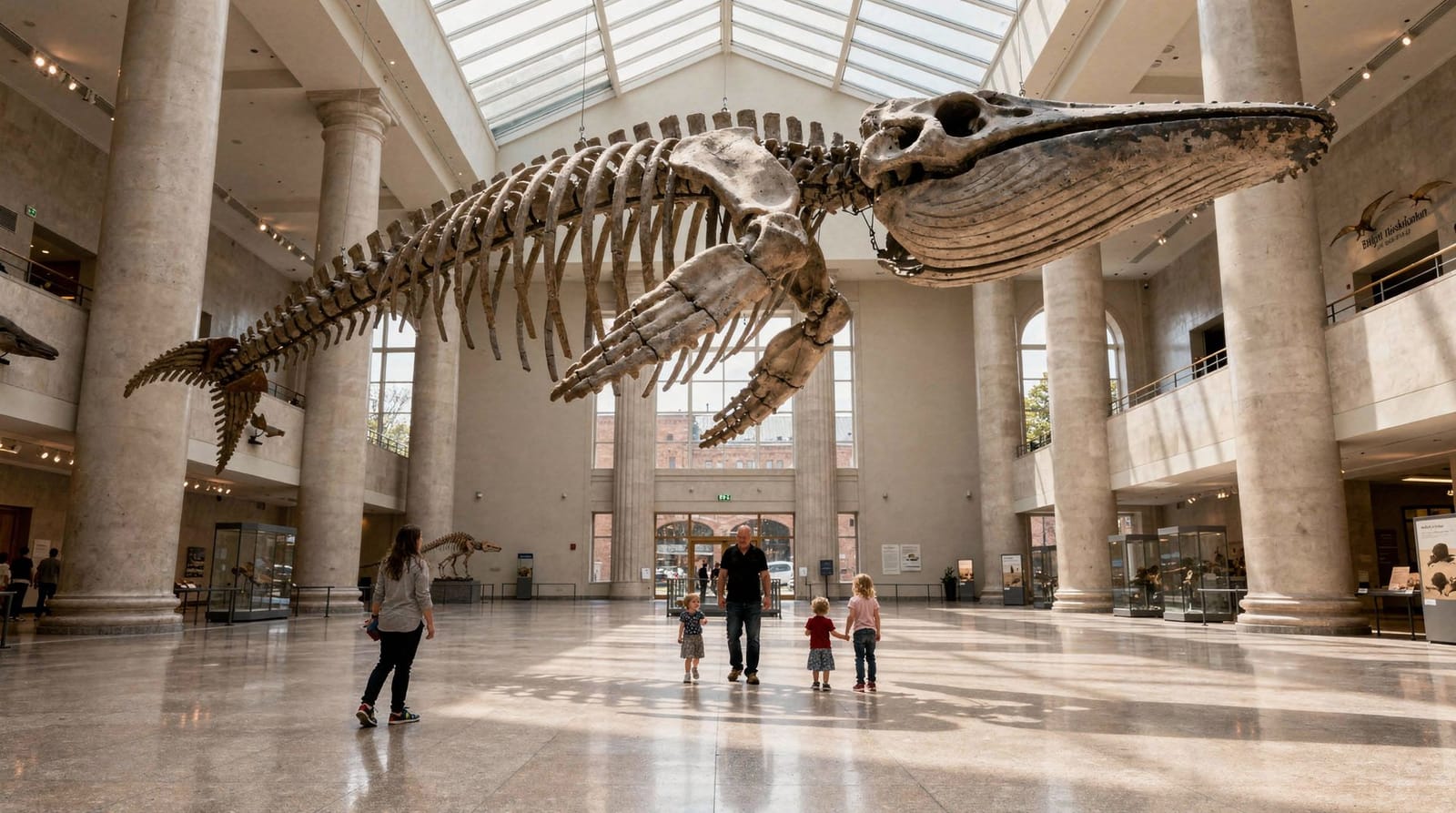
The Vasa hall is large and dim, which suits some toddlers and unsettles others. The ship is the draw: a huge wooden vessel you can walk around at several levels, which gives a restless child plenty to look at. Go in with modest expectations, treat it as a one-big-thing visit rather than a read-every-label museum, and leave when the mood turns. The full picture of what is inside is in the Vasa Museum guide, and if you are weighing it against the open-air option, Vasa vs Skansen compares them directly.
For families who like having the story explained, entry to the Vasa Museum can be arranged in advance, which saves standing at a ticket desk with a tired child.
Making Skansen work
Skansen rewards a short, targeted visit better than a full-site slog. Read the Skansen open-air guide before you go so you know which parts sit lower down and which require climbing the hill. With a toddler, the lower area is usually plenty, and you can always return another day if the weather and mood line up.
Transport with a stroller in Stockholm
T-bana lifts
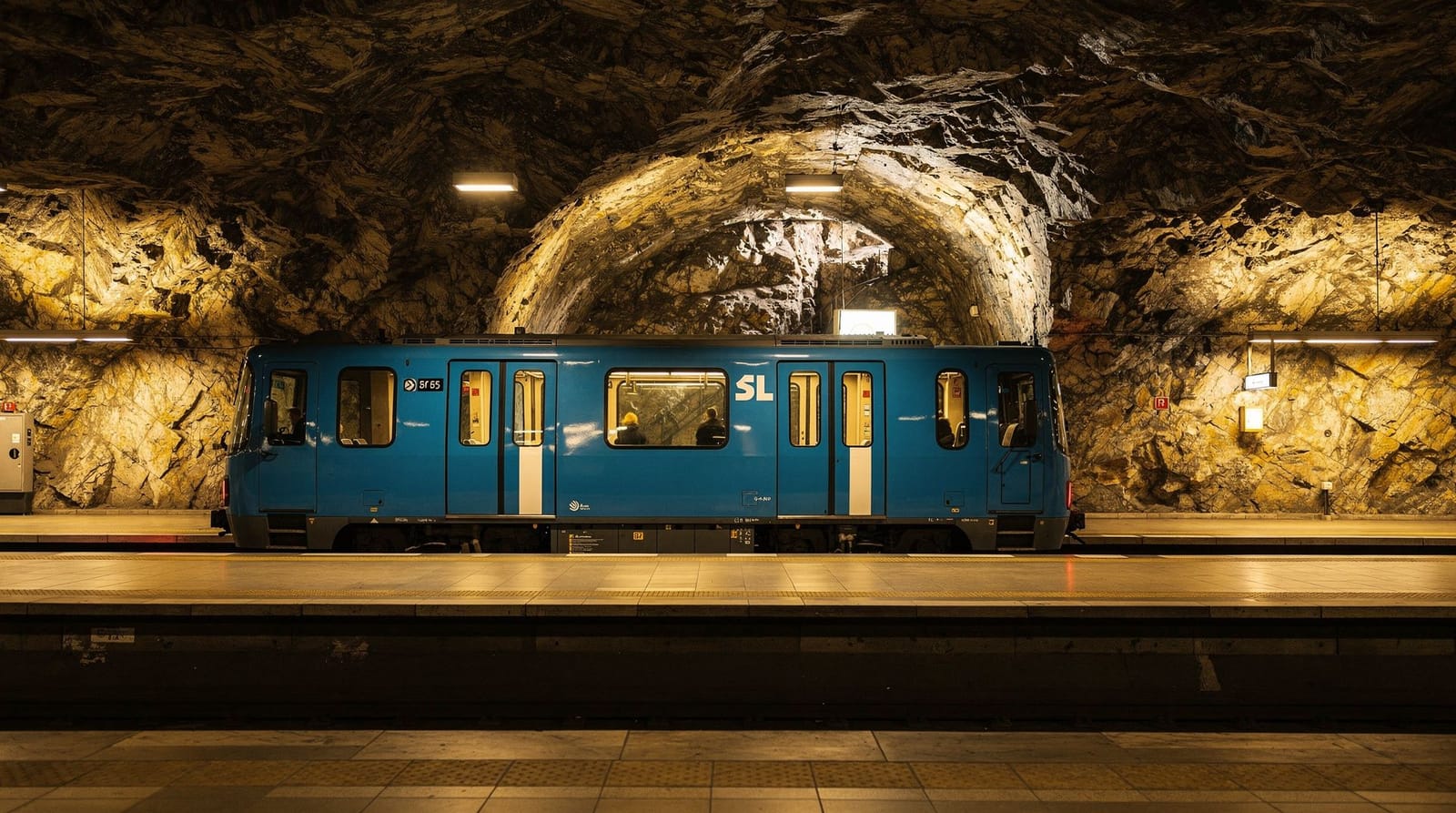
Every T-bana station has at least one passenger lift. The SL app shows accessible routes and lift locations at each station. Some older station entrances do not have lifts — use the app to identify the accessible entrance before arriving.
Key accessible T-bana stations for tourist areas:
- T-Centralen: multiple lifts, well-signposted
- Gamla Stan: lift on the east side of the station
- Slussen: recently rebuilt (opened 2023), fully accessible
- Kungsträdgården: lift access
- Tekniska Högskolan: for Djurgården by bus from this stop
For a broader explanation of how tickets, zones and modes fit together, Stockholm public transport explained is worth a skim, and the SL pass guide helps you decide whether a travel pass makes sense for a family moving between short hops all day. If anyone in your group has mobility needs beyond the stroller, the accessibility guide goes into more depth.
City buses
All Stockholm city buses are low-floor. Strollers do not need to be folded. Board through the middle doors (widest). There is enough space for two standard strollers in most buses. Payment at the front — tap your SL card as you board.
Tram 7 to Djurgården
Tram 7 runs from T-Centralen via Strandvägen to Djurgården. Low-floor, accessible, stroller-friendly. The tram along Strandvägen is a genuinely pleasant 12-minute journey with water views — small children enjoy watching from the windows.
Ferry to Fjäderholmarna (toddler-recommended)
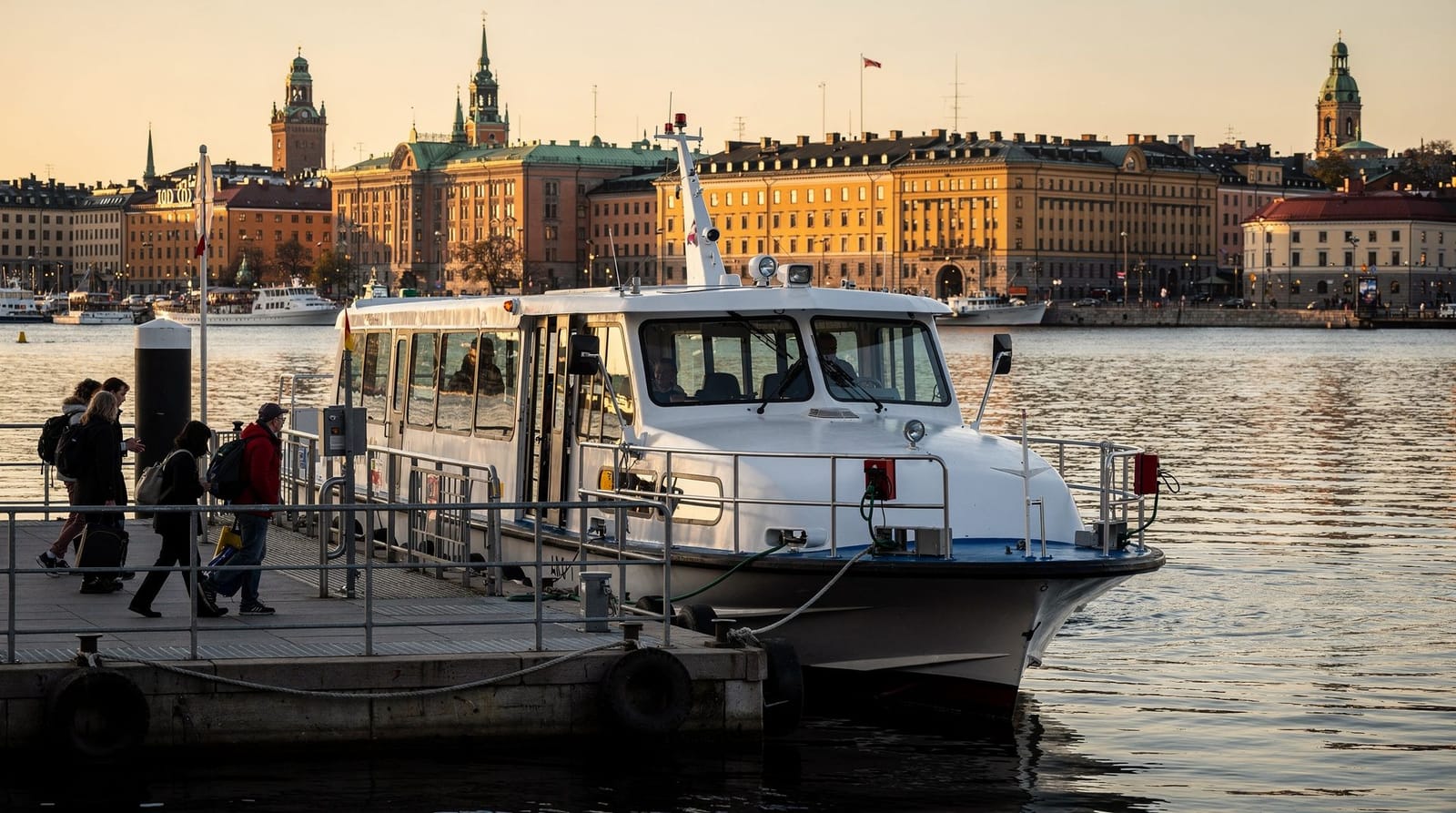
Fjäderholmarna is the closest archipelago island — 25 minutes by Waxholmsbolaget ferry from Strömkajen. For toddlers, the boat journey is a highlight in itself: seagulls, water, other boats. The island is small, flat, and safe. The harbour area has a restaurant and craft shops; a pebble beach near the pier is perfect for toddler pebble-throwing.
With an SL 72h pass, the ferry is included at no extra cost. A guided Fjäderholmarna archipelago trip takes the logistics off your plate entirely if planning it yourself feels like one thing too many with a toddler in tow. For other short, low-stress ferry options, see ferries for day trippers.
Read more about the island itself on the Fjäderholmarna destination page. The short crossing, the open space and the boats make it one of the gentlest first archipelago outings you can give a small child.
Nap strategy in Stockholm
Stockholm’s transit system is unusually good for facilitating naps. The T-bana carriages are smooth, relatively quiet (modern rolling stock), and the motion is consistent. Many Stockholm families use the metro for extending nap time — a useful trick for visitor parents.
Practical nap route: T-Centralen → Östermalm → back to T-Centralen on the red line takes about 8 minutes. Repeatable if needed.
Stroller nap logistics: Most Stockholm cafés, museum lobbies, and restaurants have space to park an occupied stroller. Swedish café etiquette is entirely accepting of parents with sleeping children in strollers. No one will hurry you or object to a 45-minute coffee stop while the child sleeps.
Feeding toddlers in Stockholm
Dagensrätt (lunch specials): Many Stockholm restaurants offer smaller child portions or share plates. The dagensrätt (lunch special) is sized for adults — a toddler can easily share one with a parent. Ask for “barnportion” (child portion) and most restaurants will reduce the size and price.
Supermarkets: ICA and Coop sell good fresh baby food, fruit, and toddler-appropriate snacks. Swedish supermarkets carry a good range of organic baby and toddler food comparable to what you would find in Germany or the UK. Baby formula is available at pharmacy (Apotek) chains.
Allergy notes: Swedish menus are required by law to indicate major allergens. Stockholm has good awareness of nut allergies and coeliac disease — most restaurants can accommodate with notice.
Breastfeeding: Sweden has a very open attitude toward breastfeeding in public. Nursing in cafés, parks, museums, and on public transport is completely normal and accepted. Most museums and large public buildings have quiet rooms or family rooms if you prefer privacy.
Packing and planning notes
Travelling with a toddler is mostly about being ready for the small things: a change of clothes in the stroller basket, snacks that survive a bumpy tram, and something to keep hands busy during queues and transit. Layers matter more than any single heavy item, since you move between warm interiors and the outdoors many times a day. The what to pack for Stockholm guide covers clothing by season and is a good checklist to adapt for a small child.
If you are planning a longer stay, the Stockholm with kids in 3 days itinerary shows how to spread attractions over several relaxed days, and the same one-big-stop rhythm applies. When a day falls apart because of mood or weather, the museum rainy day guide gives you indoor fallbacks close to the centre.
Finally, build slack into every day. A toddler who is allowed an unhurried snack, a sit on the grass and a nap will cope with surprising amounts of sightseeing. A toddler who is hurried between sights will not, and no attraction is worth that trade.
Weather and outdoor considerations for toddlers
Summer sun: Stockholm’s high-latitude sun in summer is deceptively intense. UV protection (SPF 50+ for toddlers, hats, UV-protective clothing) is important on long Djurgården or ferry days.
Rain: A compact rain cover for your stroller is essential — pack it even in summer. Stockholm’s weather can change within an hour. Many cafés and museum lobbies have covered stroller parking areas.
Winter: Taking toddlers to Stockholm in winter is absolutely manageable. Junibacken and Vasa Museum are heated and fully enclosed. The T-bana keeps you warm between destinations. A properly bundled toddler in a good stroller (with a footmuff) handles Stockholm winter better than an adult standing outside. Limit outdoor exposure to short walks between heated interiors. If it’s genuinely miserable outside regardless of season, the rainy day with kids guide has indoor-only backup plans that work equally well for toddlers.
Timing your trip around the mildest, longest-daylight months also makes the whole toddler logistics easier — see best time to visit Stockholm for how the seasons compare specifically for outdoor stroller time.
One-day sample itinerary for toddlers (summer)
09:30 Tram 7 from Norrmalm to Djurgården. Arrive at Junibacken for the 10:00 opening (09:00 on Saturdays), before queues build.
10:00–12:00 Junibacken: Story Train (book your slot), Villa Villekulla play, café break.
12:00–12:30 Walk to Rosendals Trädgård for lunch (15 minutes through the park, flat path).
12:30–13:30 Lunch at Rosendals. The garden seating is toddler-friendly; the organic buffet has options for all ages.
13:30–15:00 Nap in stroller while you walk through Djurgårdsparken toward Blockholmudden viewpoint. Or: take Tram 7 back and continue on the T-bana for a moving nap.
15:00–17:00 Vasa Museum: enter free (children under 18). The main hall with the ship is genuinely awe-inspiring even for 2-year-olds.
17:30 Ferry from Strömkajen to Fjäderholmarna (optional — 25 min, beautiful in late afternoon light). Or take Tram 7 back to the city for dinner.
Guided Djurgården sightseeing tour — family-friendly, flexible paceThe day at a glance
| Time | Activity | Toddler-friendliness |
|---|---|---|
| 09:30–10:00 | Tram to Djurgården | Easy, scenic, low-stress |
| 10:00–12:00 | Junibacken | High — designed for this age |
| 12:00–13:30 | Lunch at Rosendals Trädgård | Easy, outdoor space to run |
| 13:30–15:00 | Nap (stroller or transit) | Built into the plan, not an afterthought |
| 15:00–17:00 | Vasa Museum | High — free entry, huge visual impact |
| 17:30+ | Fjäderholmarna ferry or dinner | Optional, flexible |
Budgeting for a day like this is manageable — museum entries and a garden café lunch for a family of three typically land within the ranges covered in the Stockholm budget per day guide, even before factoring in that under-18s enter Vasa Museum free.
Frequently asked questions about Stockholm with toddlers
What is the best Stockholm attraction for toddlers aged 2–4?
Junibacken, without question. The Astrid Lindgren museum on Djurgården has the Story Train (a dark ride through illustrated book scenes), Villa Villekulla play house (Pippi Longstocking's house to climb in), and a large indoor play area for under-5s. Age 2 is old enough to enjoy it; age 3–5 is peak enjoyment range.Are Stockholm museums baby-friendly with a pram/stroller?
Yes. Vasa Museum, Nordiska Museet, and Aquaria all have lift access and wide corridors suitable for large strollers. Junibacken is the exception: strollers are not allowed inside (fire safety), but there is stroller parking outside the entrance and baby carriers can be borrowed. Some older buildings have limited space. Skansen's outdoor paths suit strollers on the main paths but historic buildings have original narrow doors. Most museums have changing tables in accessible toilets.Where can I find changing facilities in Stockholm?
Most Stockholm museums have baby-changing facilities (blöjbytesrum) in at least one accessible toilet. T-bana stations at Central, Slussen, Gamla Stan, and Kungsträdgården have accessible toilets with changing tables. IKEA (accessible by commuter train from T-Centralen to Kungens Kurva) has exemplary changing and feeding facilities if you need a reliable base.What is the best Stockholm neighbourhood to stay in with a toddler?
Djurgården has no hotels but staying nearby in Östermalm puts you a 10-minute walk from Junibacken. Norrmalm near Central Station has stroller-friendly streets and is a 20-minute tram or bus ride from Djurgården. Södermalm works but is slightly hillier.Is the Stockholm archipelago suitable for families with toddlers?
Fjäderholmarna (25 minutes by ferry) is excellent for toddlers — a small island, mostly flat, with a pebble beach and outdoor seating. The ferry journey itself is a treat for small children fascinated by boats. Avoid outer archipelago islands with long ferry journeys for toddlers — 2.5–3.5 hours each way is too much for under-3s.How much walking should we realistically plan with a toddler in Stockholm?
Plan for shorter, slower days than an adult itinerary would suggest — one major stop (Junibacken or Vasa Museum) plus one flat outdoor area (Djurgårdsparken or Rosendals Trädgård) is a realistic full day for a 2–3 year old. Trying to combine Gamla Stan's cobblestones with a Djurgården museum day in one go usually tires toddlers out faster than either activity alone would.Do we need to book anything in advance for a toddler-focused day?
Junibacken's Story Train time slot is the one booking that genuinely matters, especially in July when queues build within the first hour of opening. Vasa Museum is comfortable to visit without a booking outside peak summer weeks. Everything else on a toddler itinerary — Rosendals Trädgård, the petting zoo, the Fjäderholmarna ferry — accepts walk-ins.
Top experiences
Bookable activities with verified prices and instant confirmation on GetYourGuide.