Stockholm royal palaces compared: which to visit and when
Stockholm: Royal Palace museums & Gamla Stan skip-the-line tour
Duration: ~4 hours
Should I visit the Royal Palace, Drottningholm, or Gripsholm Castle in Stockholm?
If you have 1 day: Royal Palace (Gamla Stan) for the Treasury, State Apartments, and Changing of the Guard — it is in the city centre and efficiently combined with Gamla Stan. If you have 2+ days: add Drottningholm for the Court Theatre and UNESCO architecture. Gripsholm requires a full day trip (65 km from Stockholm) and is best for Swedish history enthusiasts specifically interested in the National Portrait Collection.
Three palaces, three different Stockholm experiences
Stockholm’s environs contain three major royal palaces accessible to visitors — each representing a different era, function, and visitor experience. They are not interchangeable, and the question of which to visit is less about preference and more about understanding what each actually offers.
This guide compares them directly — by practical logistics, content quality, visitor type fit, and honest assessment of where each is strongest and weakest. Use the quick comparison table below for a fast decision, then read the individual sections for the reasoning behind it — the table alone will get you to a reasonable choice, but the detail underneath explains why that choice holds up for your specific trip length and interests.
Quick comparison
| Royal Palace (Gamla Stan) | Drottningholm | Gripsholm (Mariefred) | |
|---|---|---|---|
| Distance from Stockholm | In the city | 10 km west | 65 km west |
| Travel time | 10 min walk from T-Centralen | 50 min by boat (summer) / 45 min T-bana+bus | 60–70 min train+bus |
| Time needed | 2–3 hours | 3–5 hours | 4–6 hours |
| UNESCO status | No | Yes | No |
| Still a working palace | Yes (official) | Yes (private residence) | No (museum only) |
| Crown jewels / regalia | Yes (Treasury) | No | No |
| Exceptional theatre | No | Yes (1766 original) | Yes (16th c, smaller) |
| Portrait collection | No | No | Yes (4,000+ works) |
| Best season | Year-round | May–Sep (boat); year-round (T-bana) | May–Sep (full access) |
| Adult ticket | 220 SEK (May–Sep 240 SEK) | 170 SEK | 170 SEK |
The Royal Palace, Gamla Stan
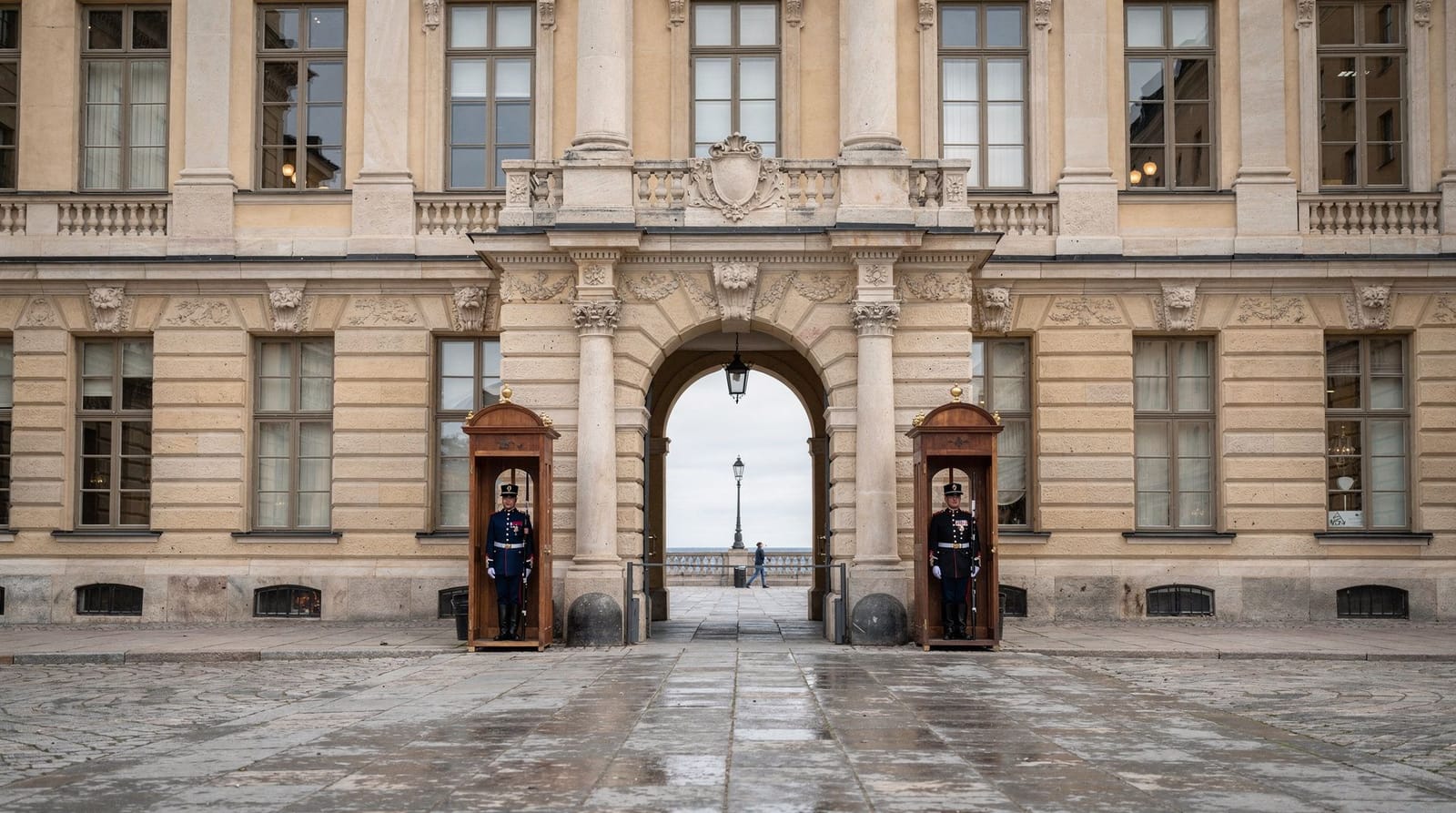
What makes it unique: The Treasury with Sweden’s crown jewels — Erik XIV’s crown (1561), the coronation sword, orb and sceptre — is the single most spectacular royal collection in Stockholm. The State Apartments are the ceremonial rooms of Sweden’s working state palace, with the Hall of State still used for the annual opening of parliament. The Tre Kronor Museum shows the medieval castle beneath the baroque structure.
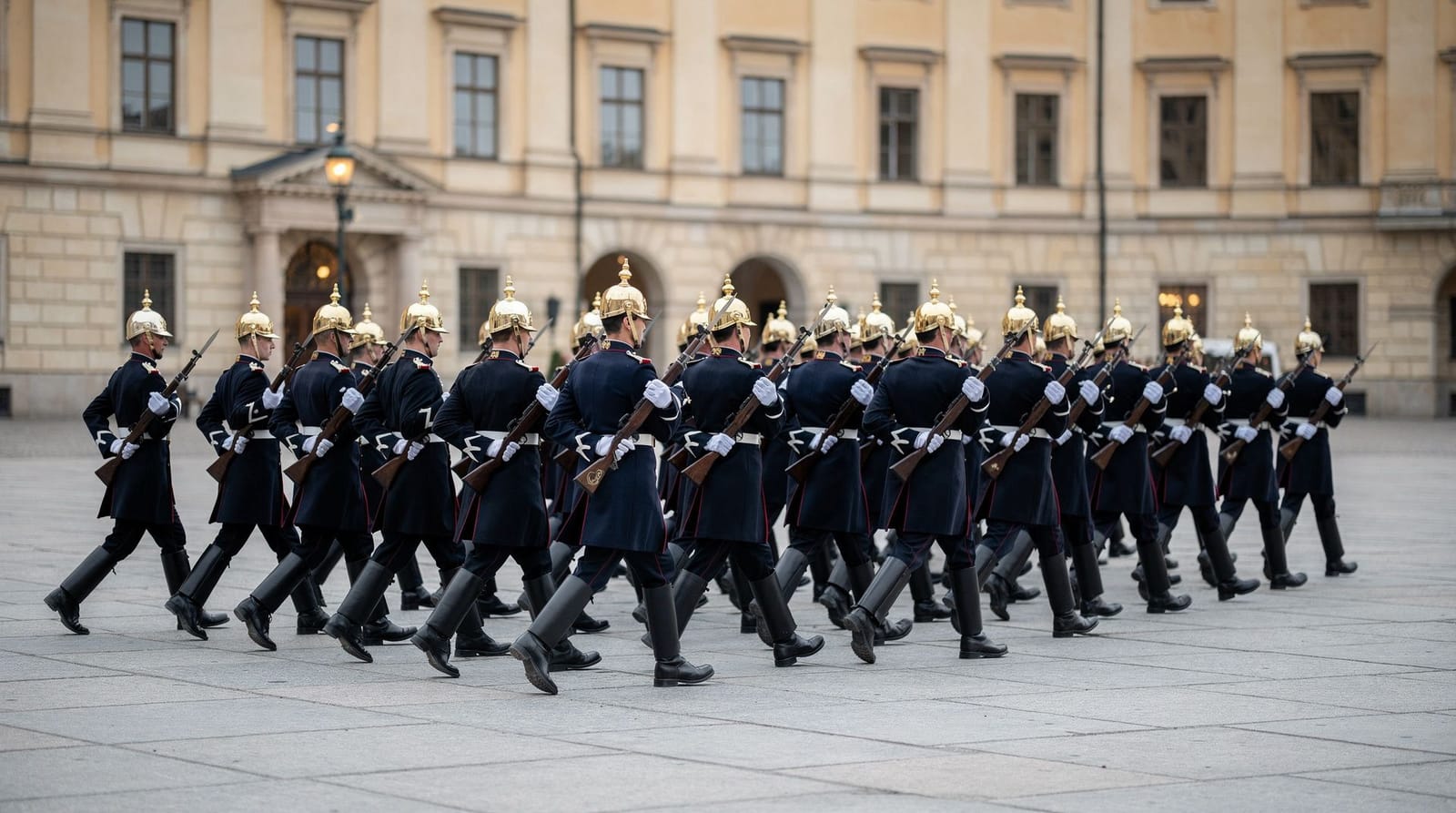
The Changing of the Guard: Free to watch from the outer courtyard at 12:15 Monday–Saturday or 13:15 Sundays and public holidays, all year. The most accessible royal ceremony in Stockholm. See the Changing of the Guard guide for full details.
Best for: First-time visitors to Stockholm who want the central royal symbol plus crown jewels in a city-centre location. Efficiently combined with Gamla Stan walking — the Gamla Stan walking tour guide and the Gamla Stan neighbourhood deep dive help you plan the rest of the day around the palace. The natural day-one palace.
Weakness: The interior is baroque ceremonial — impressive but not especially warm or historically textured. The medieval Tre Kronor Museum is interesting but incomplete.
The full Royal Palace guide covers all four museum sections, ticket options, and the Treasury’s crown jewels in complete detail.
Stockholm: Royal Palace museums and Gamla Stan skip-the-line tourDrottningholm Palace (UNESCO)
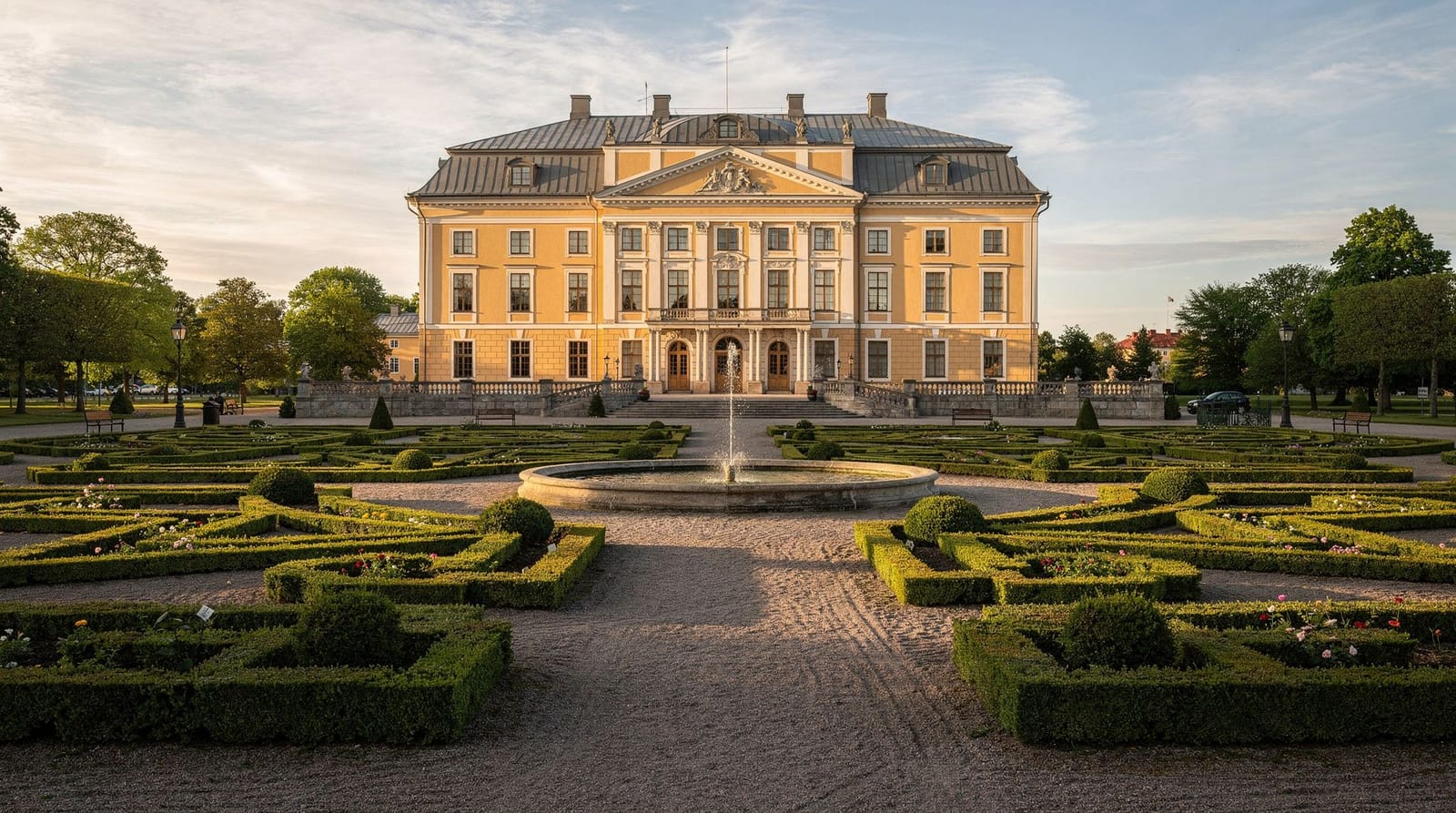
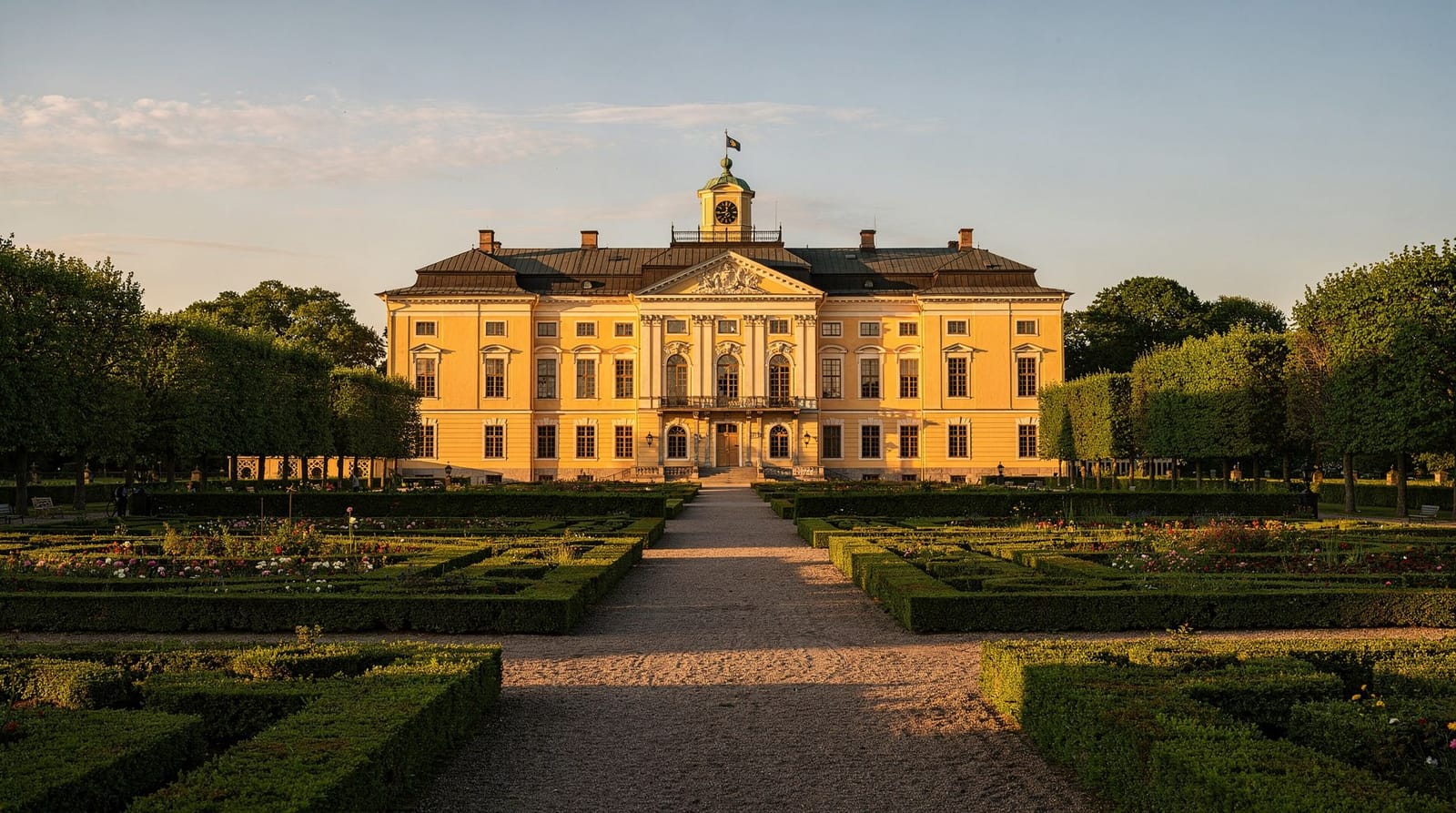
What makes it unique: The Court Theatre — the best-preserved 18th-century theatre in the world with fully functional original stage machinery from 1766. The painted backdrops, counterweights, wave machine, and wind machine all operational and demonstrable. Summer opera performances in the original space. UNESCO World Heritage for the complete estate.
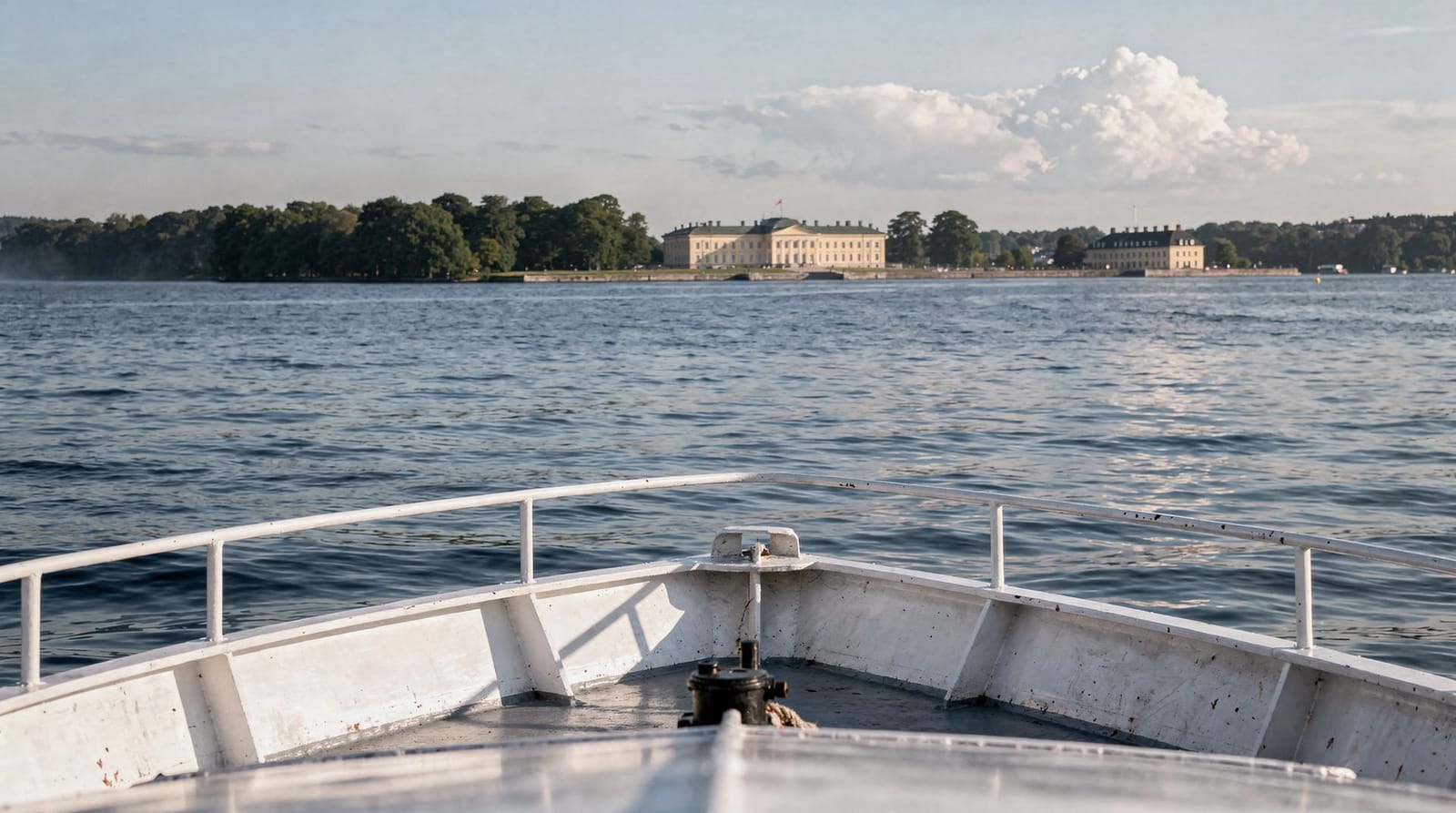
The approach by boat: The summer ferry from Stadshusbron (50 minutes, May–September) is a significant part of the Drottningholm experience — arriving by water at the palace’s lake-facing facade, as 18th-century visitors did. See the Drottningholm by boat guide for logistics.
Best for: Visitors interested in 18th-century European court culture, opera, architecture, and garden history. The second palace to visit after the Royal Palace for anyone with 2+ days. The best Stockholm palace for architecture.
Weakness: More distant than the Royal Palace; requires dedicated logistics. In winter, access is very limited. Without the Court Theatre tour, the state apartments are good but not uniquely compelling.
See the Drottningholm Palace guide for the full breakdown of the state apartments, Court Theatre tour options, and the Chinese Pavilion.
Book Drottningholm Palace skip-the-line tour by summer ferryGripsholm Castle, Mariefred
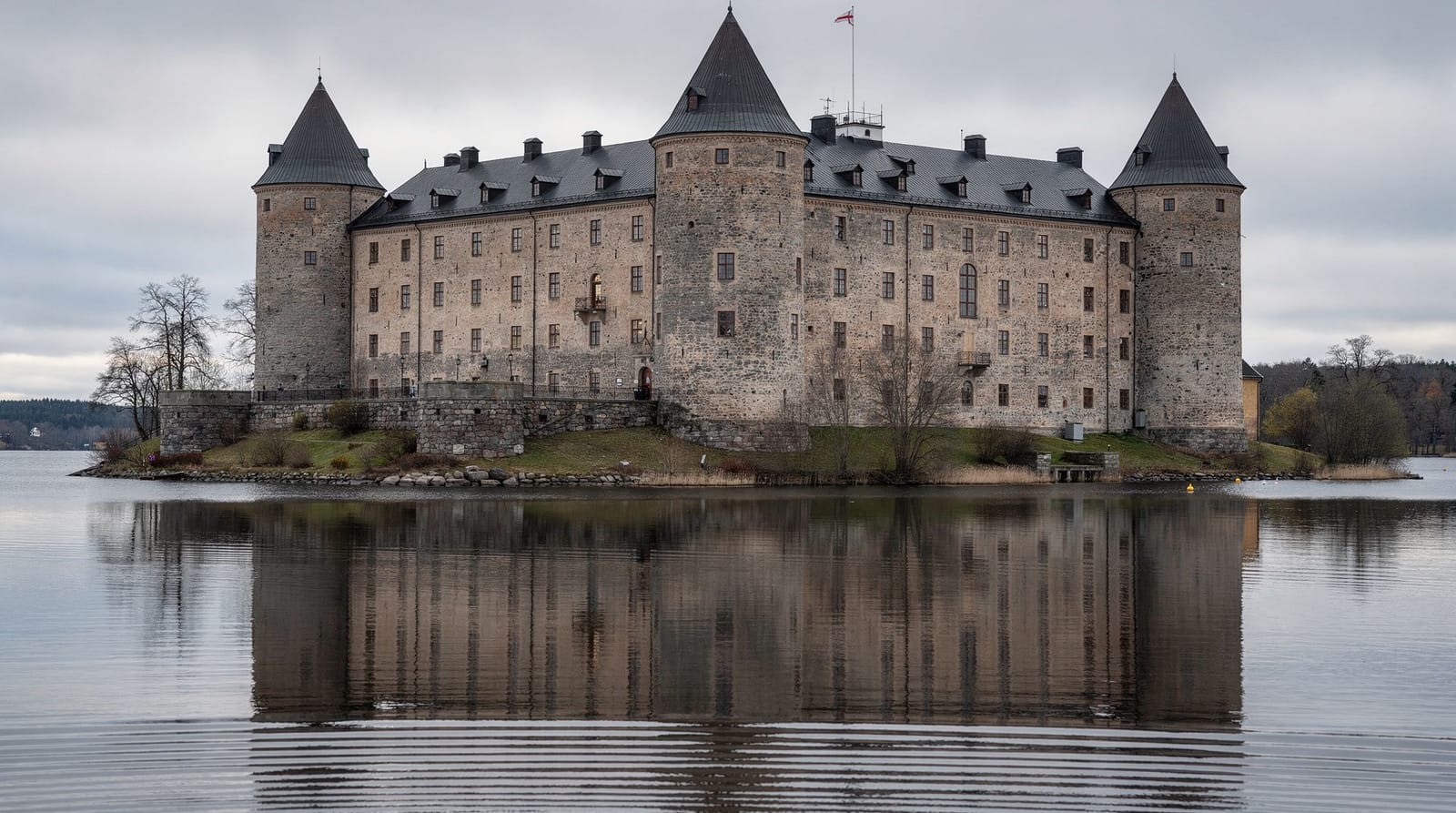
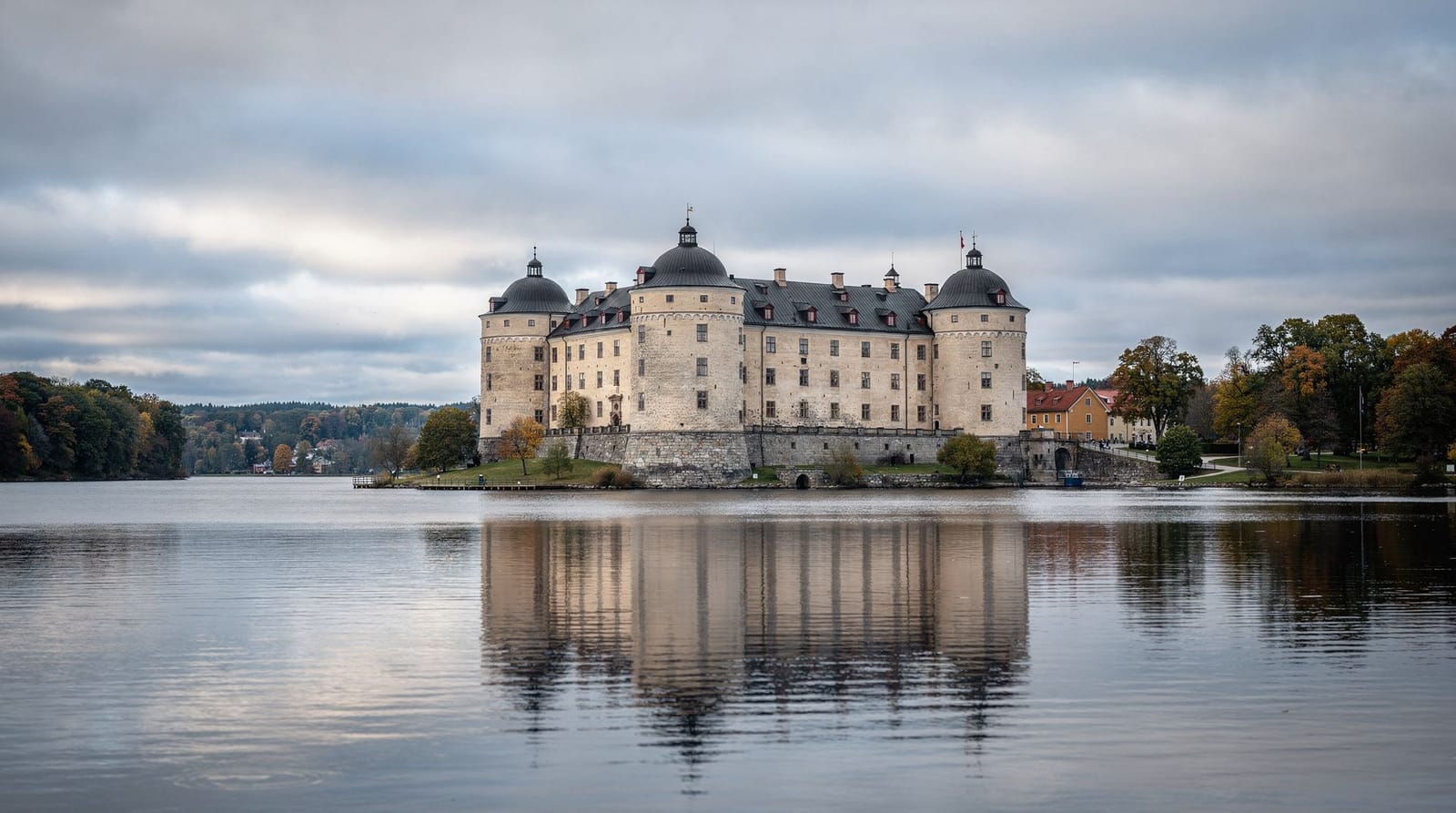
What makes it unique: The National Portrait Collection — 4,000+ portraits of Swedish historical figures from the 16th century onward. The castle itself is the most authentic Renaissance military architecture in the Stockholm region (1537, Gustav Vasa). Mariefred town is a genuine 18th-century Swedish lakeside town that has not been heavily commercialised.
The steamboat option: The vintage S/S Mariefred (Saturdays in summer) makes the 3.5-hour crossing of Lake Mälaren from Stockholm to the castle — a genuinely extraordinary way to arrive, though time-consuming.
Best for: Visitors specifically interested in Swedish history and portraiture, architecture enthusiasts who want the Renaissance fortress type, and those who want a town-plus-castle day trip rather than a palace-only visit.
Weakness: The distance (65 km) requires the most committed logistics. The portrait collection is not inherently engaging for casual visitors — it rewards those who bring historical curiosity. Less spectacular per hour than the Royal Palace or Drottningholm for visitors without specific interest.
The Gripsholm Castle guide has the full details on the Portrait Collection, the steamboat option, and how to structure the Mariefred day trip.
Stockholm: Mariefred and Gripsholm Castle private day tripRecommended itineraries
1 day in Stockholm (palace focus)
Royal Palace only. Arrive at 10:00, spend 2–3 hours across the sections, time the 12:15 Changing of the Guard. Spend the afternoon in Gamla Stan. No other palace is reachable without sacrificing too much of the day.
3 days in Stockholm
Day 1: Royal Palace + Gamla Stan. Day 2: Djurgården museums (Vasa, ABBA, Skansen) or Södermalm. Day 3: Drottningholm (morning boat at 10:00, return by 16:00, afternoon free).
5 days in Stockholm
Day 1: Royal Palace + Gamla Stan. Day 2–3: City museums and neighbourhoods. Day 4: Drottningholm (including Court Theatre tour, stay for afternoon gardens). Day 5: Gripsholm/Mariefred (full day, return by train for evening in Stockholm).
Historical connections between the palaces
All three palaces are products of the same Swedish royal dynasty, built at different times and for different functions:
Royal Palace (Gamla Stan): Built from 1697, the official royal residence where state business is conducted — coronations (historically), parliamentary openings, state receptions. The permanent symbol of Swedish state authority.
Drottningholm: Acquired by the royal family in 1669, developed as a private country palace and cultural centre. Gustav III’s investment in the Court Theatre made it the centre of 18th-century Swedish cultural life. Now the private residence of the current royal family.
Gripsholm: Built 1537 by Gustav Vasa, the king who founded the modern Swedish state by breaking with Catholicism, defeating the Danish, and establishing the Vasa dynasty. Used intermittently as a royal residence for 200 years before becoming a museum. The portrait collection’s origin in royal collection makes it conceptually linked to royal history throughout.
Together, they span Swedish royal history from the Reformation to the present — Gustav Vasa’s Renaissance fortress, the baroque ceremonial palace, and the 18th-century cultural retreat.
Cost comparison
| Palace | Adult ticket | What’s included |
|---|---|---|
| Royal Palace | 220 SEK (May–Sep 240 SEK) | State Apartments + Treasury + Tre Kronor + Chapel |
| Drottningholm | 170 SEK | State apartments (Chinese Pavilion: 250 SEK combined ticket; Court Theatre tour separate) |
| Gripsholm | 170 SEK | All castle rooms including Portrait Collection |
For visitors planning all three, the combined cost is approximately 560–580 SEK. The Stockholm Pass may include some or all palace admissions — verify current inclusions.
Visitor experience compared: what each palace feels like
Royal Palace: Formal, urban, institutional. The palace operates as a working royal residence and the experience reflects this — visitor access is managed through timed circuits, the rooms are grand but not intimate, and the Treasury is the emotional centre of the visit. The palace feels like what it is: a ceremonial machine for state occasions, opened to the public on the days when the state is not using it. This is not a criticism — the scale and the crown jewels are impressive by any standard — but visitors expecting a warm or personal experience may find the formality somewhat impersonal.
Drottningholm: Warmer and more layered. The family residence character comes through in the less rigidly managed circulation through the state apartments; the Court Theatre adds genuine theatre-history excitement rather than mere historical interest; the Chinese Pavilion’s rococo strangeness offers whimsy that the Royal Palace lacks. The gardens give a sense of landscape and proportion that urban palaces cannot provide. Drottningholm rewards a slower visit — 3–4 hours versus the Royal Palace’s 2–3.
Gripsholm: Intimate and historically dense. The castle’s scale is human rather than imperial — the rooms are large but not overwhelmingly grand. The National Portrait Collection creates a specific atmosphere: being surrounded by 4,000 faces of Swedish history, many rendered with great skill and idiosyncrasy, produces a cumulative effect that is different from any other royal palace experience in Sweden. The town of Mariefred adds a completeness and authenticity that neither Stockholm palace can offer. For historians and portrait enthusiasts, this is the most rewarding of the three.
Practical sequencing for different visit lengths
1 day in Stockholm: Royal Palace only (combined with Gamla Stan and the 12:15 Changing of the Guard). The Treasury is the essential stop; the State Apartments extend the visit to 2.5–3 hours.
2 days: Day 1 Royal Palace + Gamla Stan. Day 2 Drottningholm (boat May–September) + the afternoon free for Djurgården or Södermalm.
3 days: Above plus Gripsholm as a full day trip on Day 3.
4–5 days with interest in castles: Consider the 1-day castle tour product that includes Drottningholm, Wenngarn, and Skokloster as a single guided excursion — it covers additional palaces not accessible independently without a car.
Budgeting time realistically across a trip
A common planning mistake is treating all three palaces as roughly interchangeable half-day stops, when in practice their time costs differ enough to genuinely affect a trip’s shape. The Royal Palace’s 2–3 hours fits comfortably inside a single Gamla Stan day alongside other sights. Drottningholm’s 3–5 hours, once travel time is included, effectively consumes an entire day if you want to see the Court Theatre and gardens properly rather than rushing; the Drottningholm half-day guide shows how to compress it if you must, and the Drottningholm destination page gives the wider context.
Gripsholm’s 4–6 hours, including the 60–70 minute journey each way, is a full day trip in its own right and does not combine well with anything else in central Stockholm on the same day. The Gripsholm and Mariefred day trip guide and the Mariefred and Gripsholm destination page cover how to structure that day.
The practical implication: build your itinerary around the palace with the most time cost first, then fit the Royal Palace — the most flexible of the three — into whichever gaps remain. Visitors who plan the Royal Palace first and try to add Drottningholm or Gripsholm as an afterthought often find they have to cut one short or skip it entirely.
Children at the palaces
Royal Palace with children: The Changing of the Guard (free, outdoor, visually dramatic with the military band) is excellent for children aged 3+. The Treasury’s crown jewels engage children aged 6+. The State Apartments are less compelling for young children — the walking-through-rooms format has limited interactive elements.
Drottningholm with children: The Court Theatre machinery demonstration (counterweights, wind machines, wave machines) is excellent for children aged 8+. The Chinese Pavilion’s whimsical interior works well for children with imagination. The gardens offer outdoor space and the lake for informal play near the water’s edge.
Gripsholm with children: The least child-focused of the three. The Portrait Collection is not inherently engaging for young children, though older children (12+) with historical interest may find it worthwhile. The Mariefred town and the lake views provide some compensation. The narrow-gauge railway (ÖSIJ) between Mariefred and Läggesta is a genuine draw for children who like trains.
The architecture across the three palaces: a progression
Viewing the three palaces as an architectural sequence reveals the history of Swedish state ambition across three centuries.
Gripsholm (1537): The earliest of the three represents the Renaissance fortress as a model of royal power — circular towers designed to deflect cannon fire, high curtain walls, a moat (now partly retained as a decorative lake), and the concentrated mass of a defensive stronghold adapted for residential use. The power statement is one of fortification: the king is safe, the king is protected, the king controls access. Gustav Vasa built Gripsholm as he was consolidating the Swedish state by force; the architecture reflects the precariousness of his position.
Royal Palace, Gamla Stan (1697–1760): The baroque palace represents the next stage — power expressed through magnificence rather than fortification. The 17th and 18th centuries brought the baroque as the architectural language of absolute monarchy: symmetrical facades, pilasters and pediments, monumental scale, and the deliberate impression of controlled grandeur. The Royal Palace’s 600 rooms and its position on the highest point of Gamla Stan island make it legible from every approach to the city — a claim of central authority, visible from the water, from across the channels, and from the heights of Södermalm.
Drottningholm (1662, developed through 18th century): The third stage is the retreat — the country palace as a place of culture, pleasure, and private life. Drottningholm’s architecture is still formal baroque in its main structure, but the Chinese Pavilion, the Court Theatre, and the landscape park reflect a different ambition: the cultivation of the self, the patronage of art, the construction of an ideal environment. Gustav III’s Drottningholm was less interested in impressing foreign diplomats (the Royal Palace’s function) than in creating the conditions for a specific kind of 18th-century cultural life.
Together the three constitute a three-part story of Swedish royal self-presentation: Gripsholm as survival, Royal Palace as dominance, Drottningholm as cultivation.
Which palace suits which kind of traveller
Beyond the practical logistics, the three palaces reward genuinely different kinds of curiosity, and matching your own interests to the right palace matters more than trying to see all three regardless of fit.
The history-and-regalia traveller — drawn to objects with a documented, dramatic past — gets the most from the Royal Palace’s Treasury, where Erik XIV’s crown and the coronation sword carry centuries of specific political weight. This traveller should prioritise the Royal Palace and treat the other two as optional additions.
The architecture-and-design traveller — interested in how spaces are built and why — will find Drottningholm the most rewarding, particularly the Court Theatre’s still-functional 1766 stage machinery, a genuinely rare survival that has no equivalent at the other two sites.
The slow-travel, off-the-main-circuit traveller — someone who prefers a full day somewhere quieter over ticking off central landmarks — is the ideal candidate for Gripsholm. The Mariefred day trip offers a town, a lake, a castle, and a portrait collection that together form a complete, unhurried day rather than a quick stop between other commitments.
If you are still shaping the wider trip, the 3-day first-timer itinerary and the Stockholm in 3 days overview show where a palace visit fits among the other highlights.
Most visitors are some mixture of these types, which is exactly why the recommended itineraries above weight the Royal Palace as universal and treat Drottningholm and Gripsholm as additions layered on for longer stays.
Photography at the three palaces
Royal Palace: Best shot from Skeppsbron (the quay facing the palace’s south facade) or from the canal boat as it passes through Strömmen. The baroque facade is too large to photograph well from the courtyard. The Treasury’s crown jewels are photographable (no flash; check current restrictions).
Drottningholm: Best shot from the boat approaching the lake landing stage — the formal garden and palace in a single composition. From land, the view from the upper formal garden terrace gives the garden’s geometry with the palace behind. The Court Theatre interior requires permission for photography; the exterior can be photographed freely.
Gripsholm: From the Mariefred waterfront across the lake — the two round towers and the residential block reflected in calm water. This is the classic Gripsholm image; morning or late afternoon light gives the best conditions for the reflection shot.
Frequently asked questions about Stockholm’s royal palaces
Which palace is most important for understanding Swedish history?
Gripsholm has the most historical depth (National Portrait Collection) but requires the most travel time. The Royal Palace is most central to the story of Swedish state formation. For a quick, concentrated historical experience: the Royal Palace. For those who want to spend time with Swedish history specifically: Gripsholm.
Are any palaces free to visit?
The palace exteriors and gardens are free. The Royal Palace’s outer courtyard (Changing of the Guard) is free. Drottningholm’s formal gardens and park are free. Gripsholm Castle’s exterior is visible from the water/town without a ticket. All interior museum sections require tickets.
What about the other Swedish castles near Stockholm?
The 1-day castle tour product includes Drottningholm, Wenngarn (Renaissance manor), and Skokloster Castle (17th-century), offering a wider range for serious castle enthusiasts. Gripsholm is not on this tour. The day trips from Stockholm guide covers the full range of castle and palace options within reach.
Is the Stockholm Pass worth it specifically for the royal palaces?
The Stockholm Pass (Go City pass, from 649 SEK; All-Inclusive from 949 SEK) includes entry to multiple palaces and museums. If your itinerary includes: Royal Palace + Vasa Museum + ABBA Museum + one or two other included attractions, the pass breaks even. If you are specifically visiting the royal palaces without the major Djurgården museums, buying individual tickets is more economical. The pass is best justified when you are covering 5+ included attractions in a single visit.
How do the Swedish royal palaces compare to other European royal palace visits?
The Royal Palace in Stockholm is comparable in formality to the Royal Palace of Madrid and slightly below Buckingham Palace in public-display grandeur, but superior to both in terms of visiting accessibility — you can walk to the changing of the guard without roping, the Treasury is well-lit and intimately presented, and crowds are manageable outside July. Drottningholm as a country palace is comparable to Hampton Court (London) or Versailles (Paris) in its 18th-century cultural significance, though smaller in scale than Versailles. Gripsholm is most closely comparable to a British regional castle-museum — the National Portrait Collection equivalent being the Scottish National Portrait Gallery. The three together provide a range and depth that justifies dedicated palace-focused visits to Stockholm.
Top experiences
Bookable activities with verified prices and instant confirmation on GetYourGuide.