Östermalm neighborhood deep dive: Stockholm's upscale east side
Stockholm: Djurgården & Östermalm island tour
Duration: 2 hours
Is Östermalm worth visiting as a tourist?
Yes — Strandvägen is one of Stockholm's most beautiful streets and the Östermalmstorg Saluhallen (food market) is excellent for lunch and food shopping. The neighbourhood has a distinct upscale character that contrasts well with Södermalm. Allow 2–3 hours; combine with a walk to Djurgården via Djurgårdsbroen.
Östermalm: old money, elegant streets, and the best food market in Stockholm
Östermalm is Stockholm’s wealthiest neighbourhood — the area east of Norrmalm where the city’s establishment has lived since the late 19th century. It is characterised by grand boulevard architecture, foreign embassies in palatial buildings, the finest department stores in Sweden, and a general atmosphere of quiet prosperity.
For the visitor, Östermalm is worth understanding as a distinct character zone: the counterpoint to Södermalm’s creative-class energy, the older wealth side of a city that has always had significant internal social contrast. It is not a neighbourhood primarily oriented towards tourists, which is part of what makes exploring it interesting — you are navigating streets designed for people who live and work here, not for visitors.
The two anchors are Strandvägen (arguably Stockholm’s most beautiful street) and Östermalmstorg with its Saluhallen food market (the finest market hall in the city). Both justify the walk east from Norrmalm.
| What it is | Stockholm’s wealthiest, most established neighbourhood |
| Highlights | Strandvägen, Östermalmshallen, Sturegallerian, embassy quarter |
| Time needed | 2–3 hours |
| Getting there | Östermalmstorg (red line T-bana) |
| Best time | Weekday morning for the Saluhallen; dusk for Strandvägen in summer |
| Pair with | Djurgården via Djurgårdsbroen bridge |
Strandvägen: the boulevard
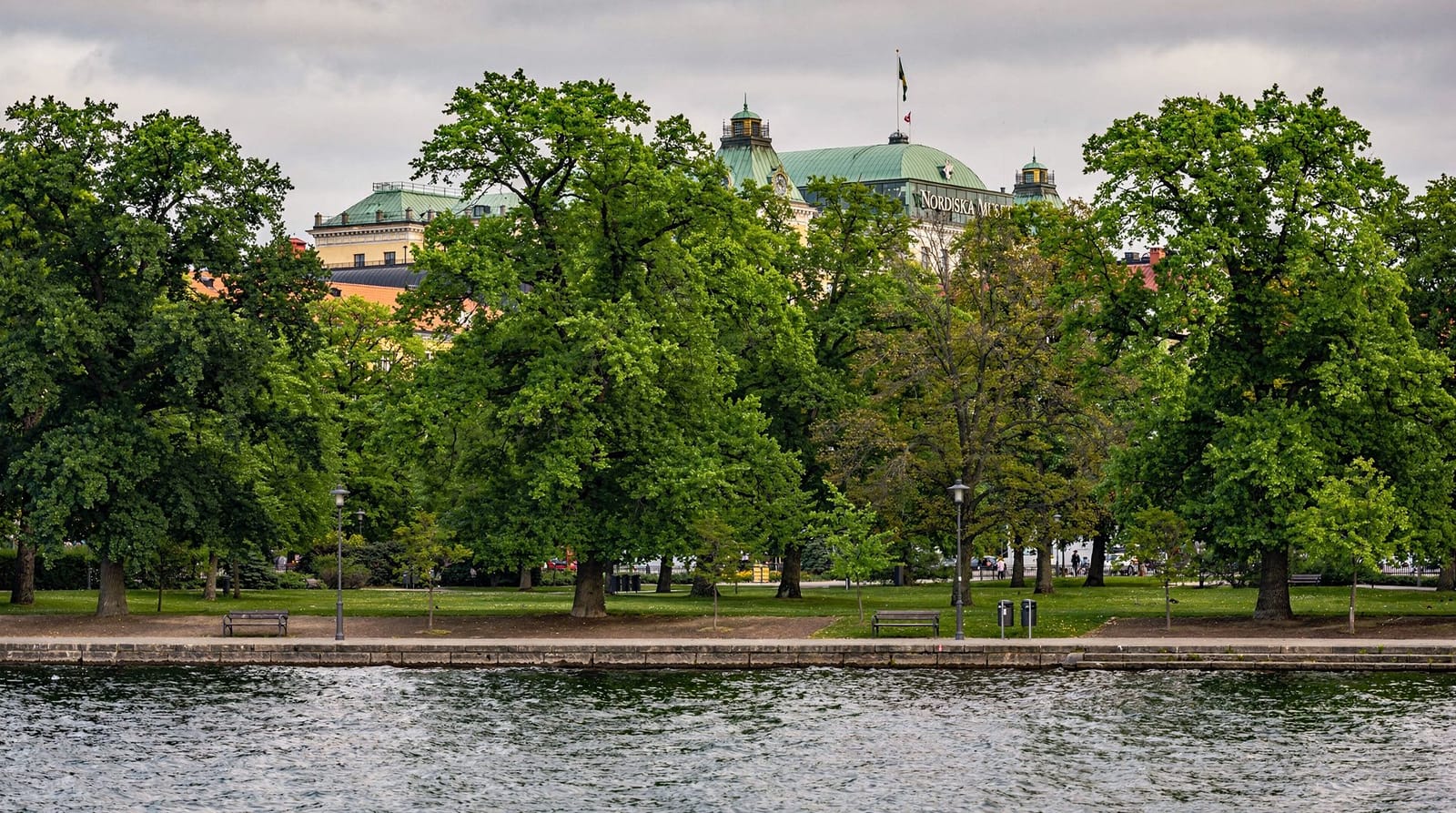
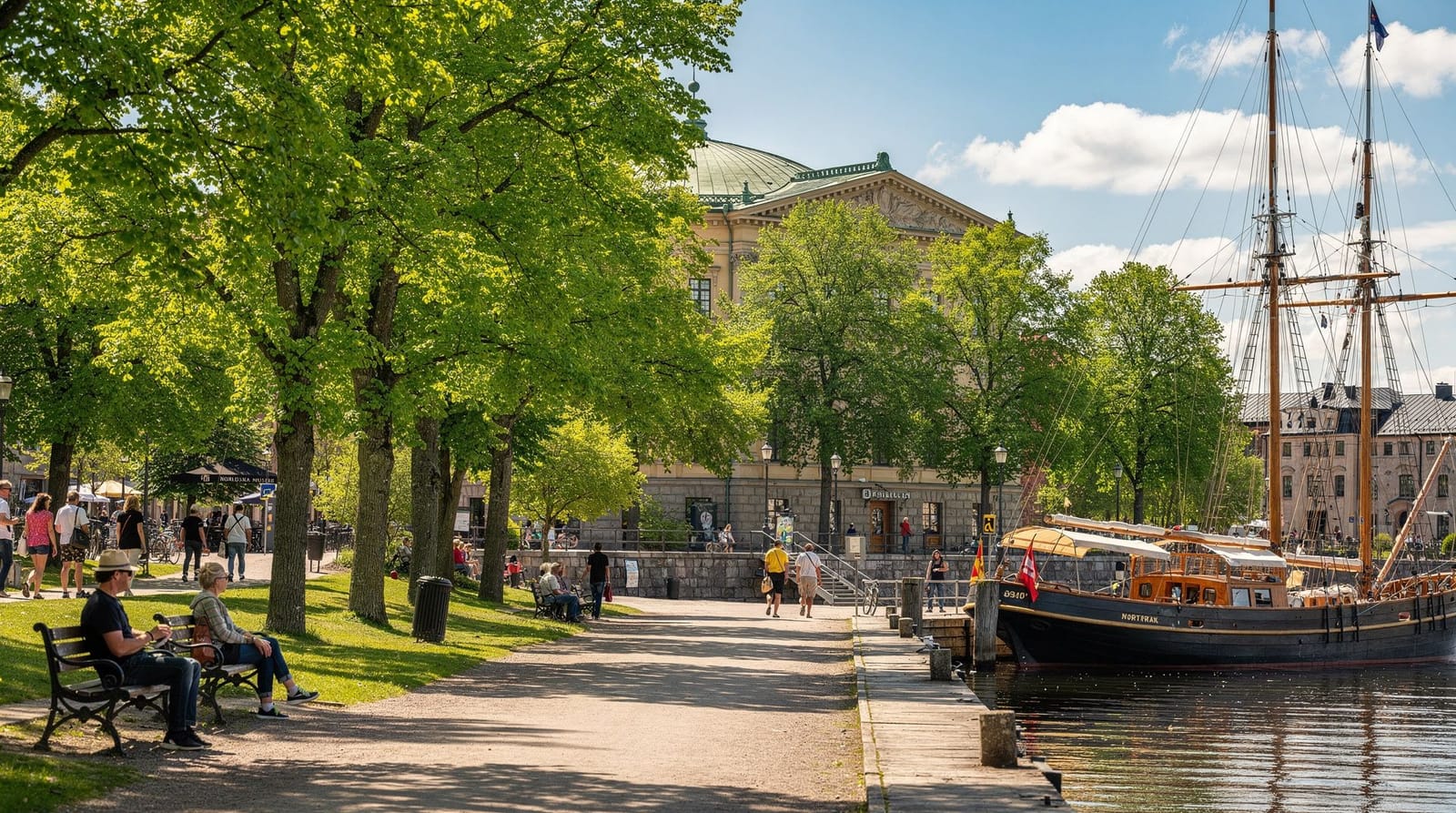
Strandvägen runs for approximately 900 metres along the waterfront between Djurgårdsbroen (the bridge to Djurgården) in the east and Nybrokajen in the west. It is lined on the water side with moored traditional wooden boats — privately owned, lived-in, maintained with varying degrees of care — and on the land side with a continuous row of late-19th-century apartment buildings in a range of historicist styles (neo-baroque, Renaissance revival, National Romantic).
The buildings on Strandvägen were constructed between 1895 and 1910, during the period when Stockholm’s merchant elite competed to build the most impressive apartment palaces. The result is a coherent streetscape of remarkable quality — unlike many European boulevards where the original fabric has been disrupted by later infill, Strandvägen maintains its period character almost intact.
Walking Strandvägen: The waterfront side has a wide promenade between the moored boats and the road. At dusk in June and July, with the evening light on the water and the boat owners sitting on their decks, this is one of Stockholm’s most pleasant urban walks. Allow 20–30 minutes at a slow pace from one end to the other.
The boats: The wooden boats moored along Strandvägen range from small day boats to serious sailing vessels. Many are lived aboard; others serve as summer weekend boats stored here during the season. The boat register (båtklubb) at the western end of Strandvägen is one of Stockholm’s most recognisable scenes. Photography is welcome from the promenade side.
Östermalmstorg — the square and the Saluhallen
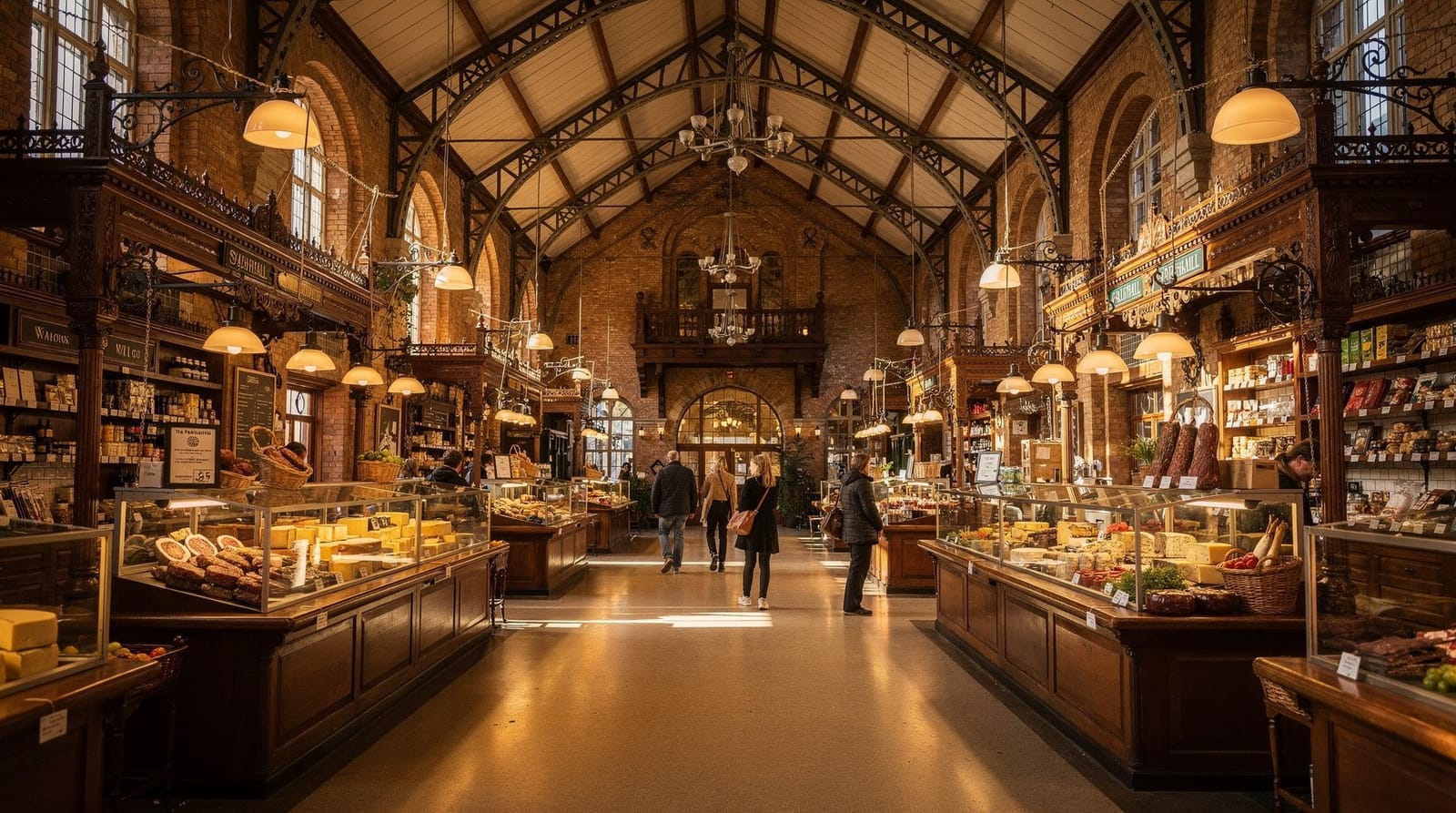
The main square of Östermalm, Östermalmstorg, is marked on its north side by the Östermalmshallen (Saluhallen) — Stockholm’s finest covered food market. The building dates from 1888, in red brick with cast-iron interior arches; the market it houses is genuinely outstanding.
What the Saluhallen has: Premium Swedish food products — cheese counters, seafood (live lobster, cured fish, traditional gravlax), traditional Swedish deli items (knäckebröd varieties, lingonberry preserves, elk sausage), wine merchants, fresh bread, and several sit-down restaurants and food stalls.
Lunch at the Saluhallen: The food stalls inside serve lunch from around 11am. The range includes seafood platters, Swedish classics (meatballs, herring plates), open sandwiches (smörgåsar), and modern Swedish fare. Prices are high (this is Östermalm) but the quality matches — a seafood smörgåsbord plate at one of the counters is a very good Stockholm lunch.
Market versus tourist market: The Saluhallen is a working market used by Östermalm residents for their daily food shopping. It is not primarily a tourist attraction, which means the quality is higher and the atmosphere more genuine than a purpose-built food hall elsewhere in the city. Go on a weekday morning for the least tourist density.
The embassy quarter
Several blocks of Östermalm host a concentration of foreign embassies, particularly on Strandvägen, Djurgårdsvägen, and the streets between them. Many of the buildings are former aristocratic palaces or merchant mansions from the turn of the 20th century, retrofitted for diplomatic use.
Walking the embassy streets: The architecture of Djurgårdsvägen and Nobelgatan is particularly good — the buildings here represent the full range of Stockholm’s turn-of-century residential construction. Most are not accessible for entry but the street-level facades are well worth slow examination.
Sturegallerian — premium shopping
Sturegallerian is a covered shopping arcade on Stureplan (the square at the heart of Östermalm), housed in a neoclassical building from 1885 with a glass-roofed interior arcade added later. The tenants are premium Swedish and international brands — significantly more expensive than the Norrmalm shopping streets.
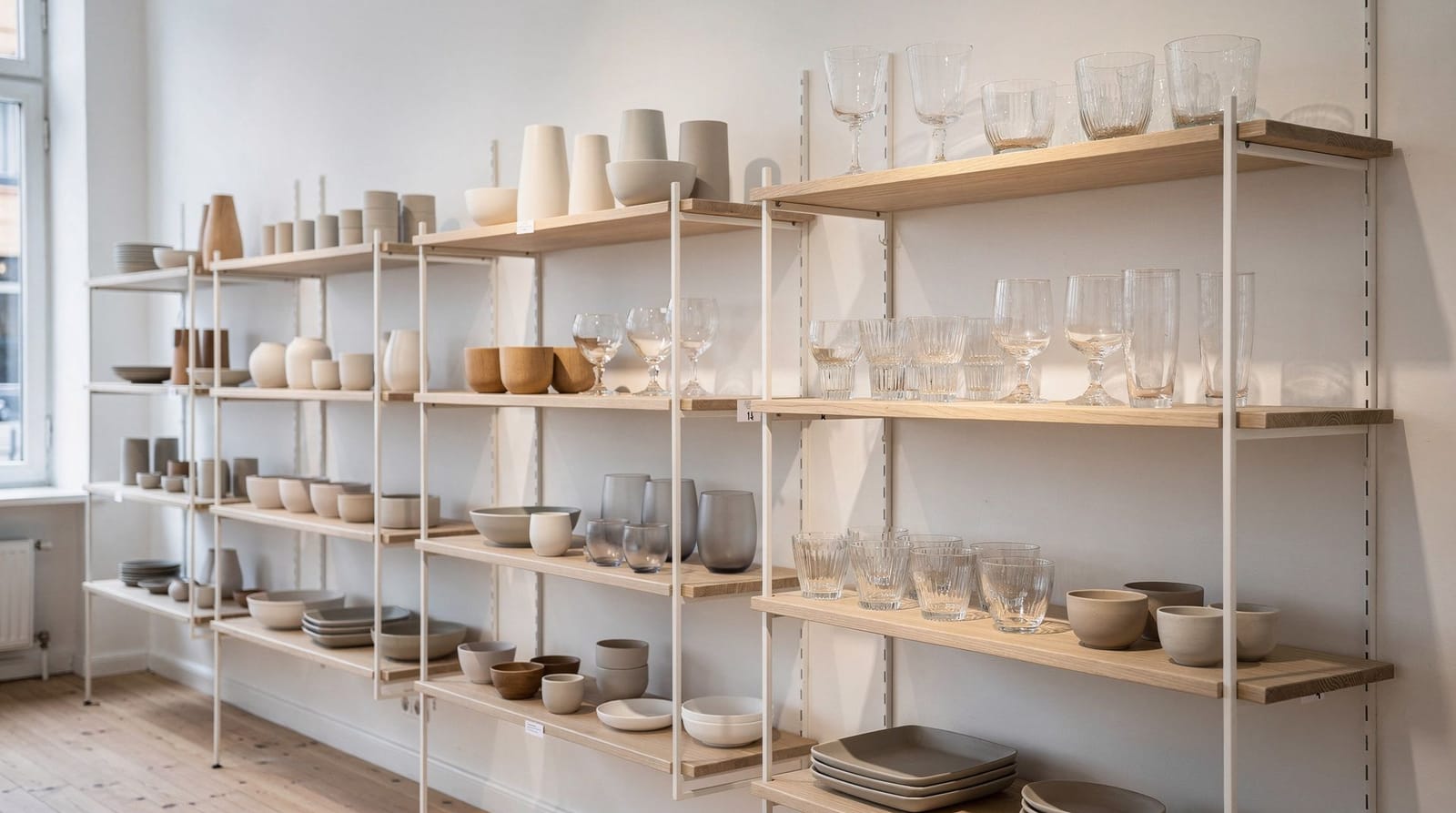
Who shops here: Östermalm residents doing their premium fashion and housewares shopping. Tourists looking for Swedish design brands (several Swedish labels have Sturegallerian as their main Stockholm outlet).
Worth visiting: Even if you are not shopping, the building interior (the glass-roofed arcade) is architecturally pleasant and worth walking through. The square outside (Stureplan) is a hub of Stockholm’s visible social life — the outdoor terraces of the restaurants and bars around the square are busy on warm evenings. For the wider Stockholm design retail picture, see the design shopping guide.
What to eat in Östermalm
Östermalm has Stockholm’s highest concentration of upscale restaurants. The food quality is genuine; the prices are the highest in the city. For visitors on a budget, the Saluhallen food stalls provide excellent value relative to the sit-down restaurant market.
Saluhallen stalls: Best value for the quality — 150–250 SEK for an excellent lunch.
Sturekatten (Riddargatan 4): Stockholm’s most famous traditional tearoom, in a 1920s apartment above a courtyard. Open daytime only; extremely popular for traditional Swedish afternoon coffee and cake. Queue outside on weekends.
Dining at the higher end: Lisa Elmqvist (in the Saluhallen) for seafood; Rolfs Kök and Sturehof are consistently good but require reservations.
Getting to Östermalm
T-bana: Östermalmstorg station (red line), in the centre of the neighbourhood. Stureplan is immediately outside.
On foot from Norrmalm: Walk east on Hamngatan from Sergels Torg or T-Centralen — 10 minutes to Stureplan, 15 minutes to Strandvägen.
On foot from Djurgården: Cross the Djurgårdsbroen bridge westward to the junction with Strandvägen — immediate access to the boulevard and a 10-minute walk to Östermalmstorg. See the Djurgården walking route and the Djurgården neighbourhood deep dive for what’s on the other side of the bridge.
Building a route around Östermalm
The neighbourhood works best as a loose loop rather than a checklist. Start at Östermalmstorg and the Saluhallen while the market is at its calmest, then drift towards Stureplan and Sturegallerian, and finish on Strandvägen as the afternoon light softens. Taken in that order, the day moves from food to shopping to waterfront, and each stage leaves you slightly more relaxed than the one before.
If you prefer a guided introduction to the flavours of the area, a walking food tour built around Swedish classics is a useful complement to wandering the market alone, and our food tour guide compares the options. For a pace-setting overview of the whole city, the Stockholm in 24 hours itinerary and the two-day essential itinerary both slot Östermalm in as a morning or late-afternoon stop.
Östermalm through the seasons
Östermalm changes character with the weather more than most districts, mostly because so much of its appeal is outdoors and along the water. In the long light of summer, the Strandvägen promenade and the terraces around Stureplan fill up, and the summer white nights guide explains why evening walks here feel so unhurried. In winter the mood turns quieter and more intimate: the market hall, the tearooms and the covered arcade become the main attractions, and the winter guide covers how to dress and plan for the shorter days.
Shoulder seasons suit the neighbourhood particularly well. Crowds are thinner, the boulevard is easy to photograph, and the spring shoulder season guide and autumn colours guide both show how the city looks when the pace slows. For the question of when to come overall, see the best time to visit Stockholm.
Coffee, cake and the fika habit
Östermalm is a natural place to practise fika, the Swedish coffee break that structures so much of daily life. The district’s old tearooms and bakeries suit it well: sit down, take your time, and treat the pause as part of the visit rather than an interruption. Our fika culture guide explains the customs, and the cinnamon bun guide helps you choose what to order. If you want to compare with another historic quarter afterwards, a guided walk through the old town with a fika stop pairs nicely with a day spent here, and the Swedish breakfast guide is handy if you are staying nearby.
Planning around transport and payment
Because Östermalm sits so close to the centre, you rarely need more than a short ride or a walk. The SL pass guide and the public transport explainer cover how to move between neighbourhoods, while Swish and payments for tourists is worth a read before you reach the market stalls and tearooms, where cards are the norm. If you are tempted by the more theatrical restaurants elsewhere in town, the tourist traps guide explains what to avoid, and the Östermalm luxury walking guide goes deeper into the upscale side of the district.
Östermalm versus Södermalm: the character contrast
These two neighbourhoods represent the clearest expression of Stockholm’s internal contrasts:
| Feature | Östermalm | Södermalm |
|---|---|---|
| Social character | Established, conservative | Creative, bohemian |
| Architecture | Grand 19th-century | Mixed; cliff-face setting |
| Food | High-end, traditional | Independent, diverse |
| Shopping | Premium brands | Vintage, independent |
| Viewpoints | Strandvägen waterfront | Monteliusvägen, Fjällgatan |
| Price level | Highest | Below Östermalm |
| Tourist density | Moderate | Lower than Gamla Stan |
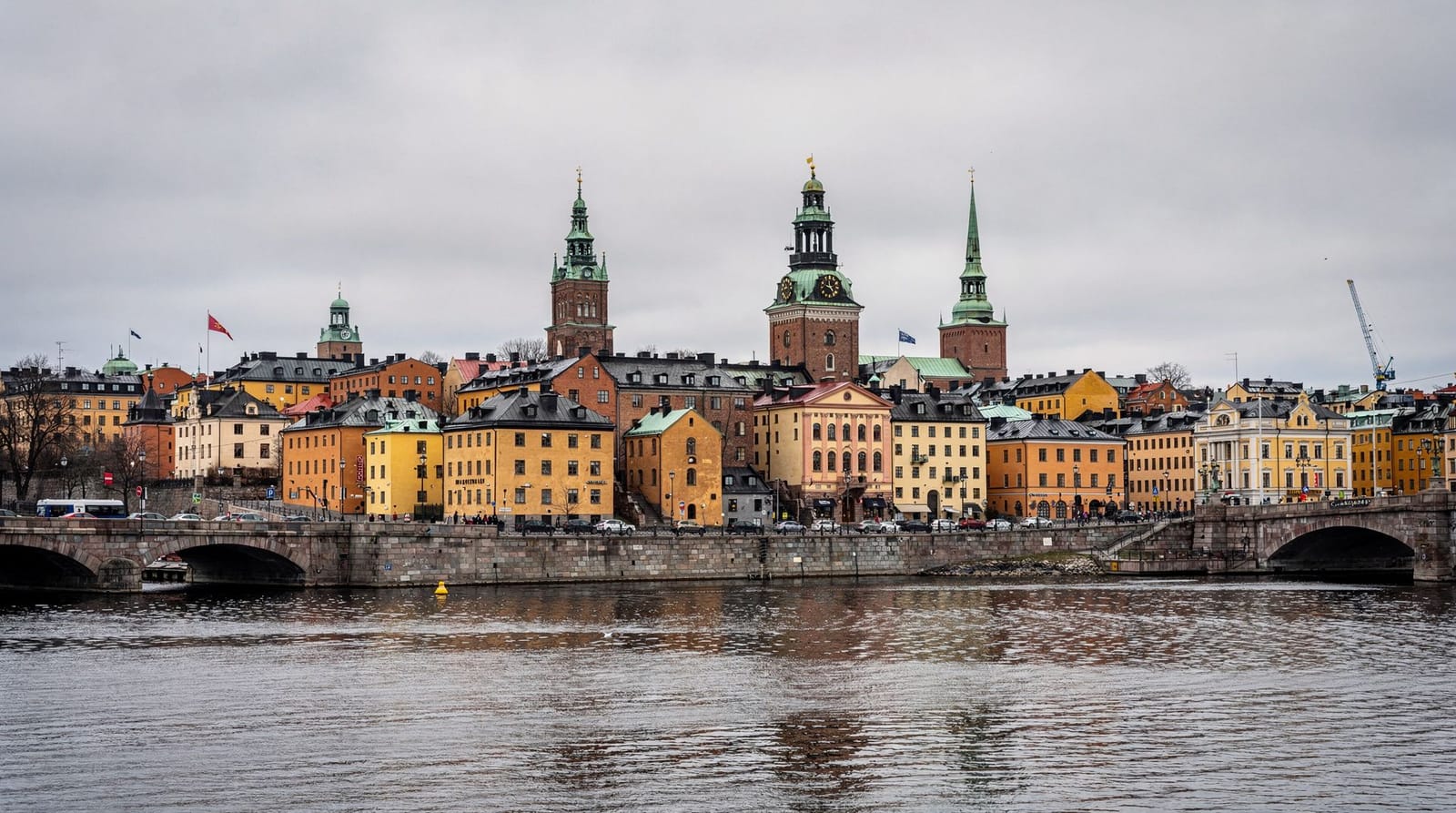
For a visitor with limited time, Södermalm gives more character per hour at lower cost. Östermalm rewards visitors specifically interested in the food market, the boulevard architecture, or the connection to Djurgården. For the equivalent deep dive on Stockholm’s old town, see the Gamla Stan neighbourhood guide.
Book a Djurgården and Östermalm island tourFrequently asked questions about Östermalm
Is Östermalm expensive for tourists?
Relative to other Stockholm neighbourhoods, yes — it is the most expensive area for restaurants, bars, and shopping. The Saluhallen food stalls are the notable exception: the quality is the best in the city and lunch prices, while higher than Södermalm, reflect the ingredients. Coffee at cafés here tends to run 50–65 SEK (vs 40–50 SEK in Södermalm).
What is the Saluhallen and when does it open?
The Östermalmshallen (commonly called Saluhallen) is Stockholm’s finest covered food market, in a 19th-century red-brick hall on Östermalmstorg. It opens Monday–Friday from about 9:30am to 6:30pm, Saturday 9:30am to 4pm. Closed Sundays. Individual stall hours vary slightly.
How do I get from Östermalm to Djurgården?
The Djurgårdsbroen bridge connects Strandvägen (at its eastern end) directly to Djurgården. Walk east along Strandvägen until you reach the bridge — about 15 minutes from Stureplan. You are then immediately at the museum cluster entrance. This combination (Strandvägen walk + Djurgården museums) is one of Stockholm’s best half-day routings.
Does Östermalm have good views?
Not elevated views comparable to Södermalm or Söder. The waterfront along Strandvägen gives good views across the water towards Djurgården and, from the eastern end, across Lidingöfjärden. The views are horizontal rather than elevated — different in character from the cliff viewpoints of Södermalm.
What is Stureplan?
Stureplan is the main square of central Östermalm, at the intersection of Storgatan, Birger Jarlsgatan, and Sturegatan. It is surrounded by restaurants and bars (several with large outdoor terraces in summer) and the entrance to Sturegallerian. A distinctive mushroom-shaped shelter (svampen) in the centre of the square is a traditional Stockholm meeting point. In the evening, Stureplan is one of the busier social hubs in the city.
Is Östermalm worth an overnight stay?
For visitors who value quiet streets and easy access to Djurgården’s museums, yes — Östermalm hotels put you a short walk from Strandvägen and the Vasa Museum without the tourist density of Gamla Stan. The trade-off is that Östermalm itself goes fairly quiet in the evening outside Stureplan, and dining options within easy walking distance skew toward the expensive end. Visitors prioritising nightlife or a livelier street scene after dark generally find Södermalm a better base.
Does Östermalm have good hotels for families?
Several mid-range and upscale hotels in Östermalm work well for families, largely because of the neighbourhood’s calm streets and proximity to Djurgården’s museum cluster — a genuine advantage when travelling with children who tire of long T-bana connections. The trade-off is cost: family rooms here tend to run higher than equivalent options in Norrmalm or further from the centre.
Top experiences
Bookable activities with verified prices and instant confirmation on GetYourGuide.