ABBA The Museum — an honest review
We should be transparent: neither of us are ABBA fans in the active, playlist sense. We know the songs. Everyone knows the songs. We went to the ABBA Museum because we were on Djurgården anyway, it was a cold March afternoon, and the Skansen was not yet open for the season.
Our expectations were calibrated to “large gift shop with some costumes.”
We stayed for two and a half hours.
| Where | Djurgården, next to the Gröna Lund entrance |
| Cost | around 250 SEK (about €22) per adult |
| Time needed | 1.5–2.5 hours |
| Getting there | tram 7 or bus 67 from the city, or the Djurgården ferry from Slussen/Nybroplan |
| Best time | weekday mornings; book online well ahead in summer |
What it actually is
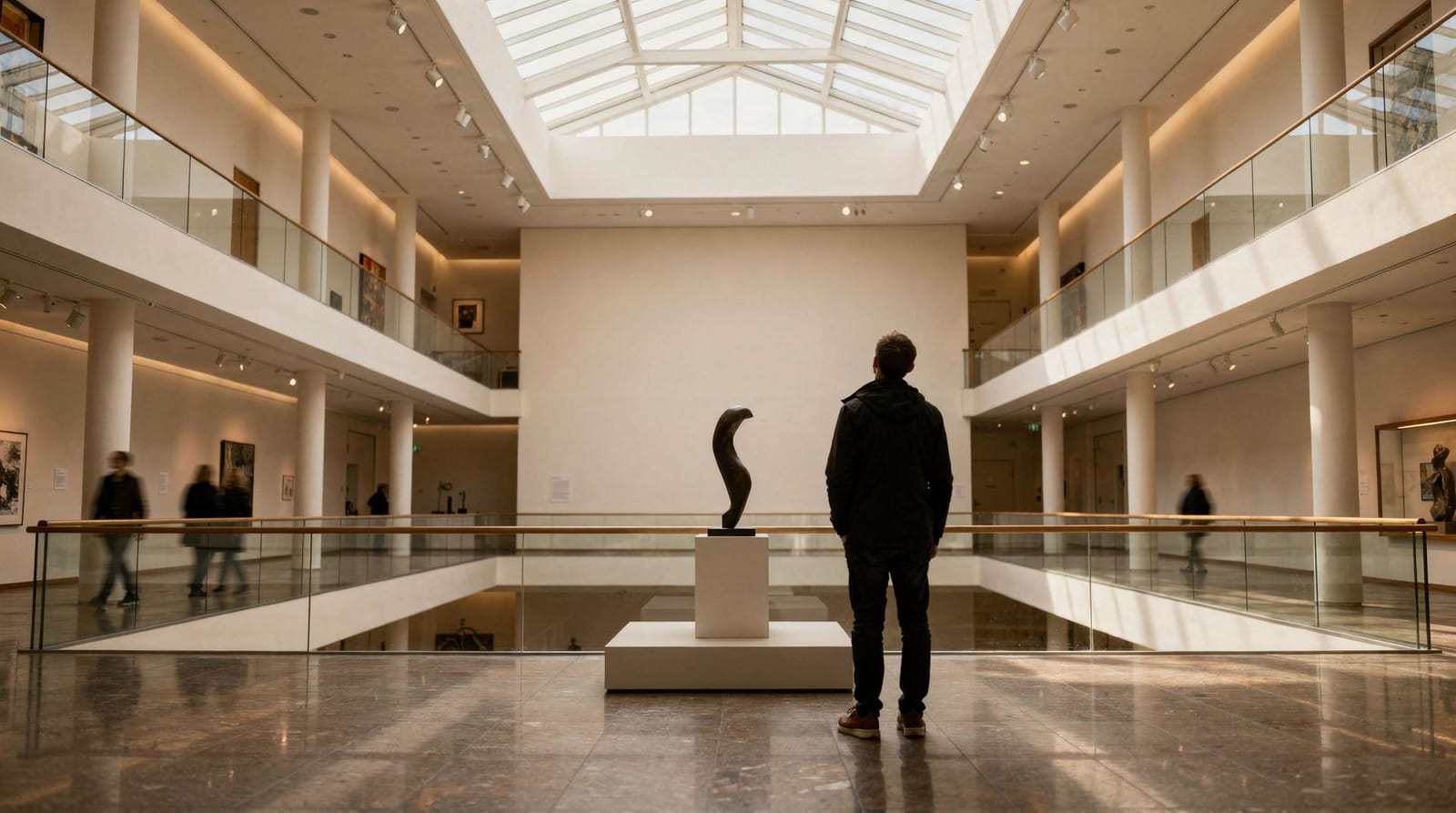
The ABBA The Museum, which opened in 2013 on Djurgården, is a well-designed interactive pop museum that happens to be about ABBA. The distinction matters. It is not a reverent shrine with exhibits in cases and small plaques. It’s a hands-on experience — recording studios where you can sing over ABBA backing tracks, a floor that lights up for dancing, holographic bandmembers you can join onstage for a performance, a 4D cinema experience, and an archive of costumes, instruments, and memorabilia that is genuinely comprehensive.
The quality of the exhibit design is higher than most music museums we’ve visited. The costumes alone — those Stage costumes — are displayed under careful lighting that makes you understand why they looked the way they did under concert lights in the 1970s.
The non-ABBA-fan experience
Here’s the thing about ABBA: if you grew up hearing them in the background of your parents’ record collection, a museum visit activates a kind of cultural recognition that bypasses the question of whether you chose to listen. Walking past the original recording desk where “Dancing Queen” was mixed is not a neutral experience even if you’d never queue for concert tickets.
The museum is also, quietly, a pop culture history of the 1970s. What it cost to make a record in 1974. What Swedish entertainment culture looked like. What it meant for four people from a small country to become the third-highest-grossing musical act in the world.
If you arrive as a non-fan, you leave with an appreciation for the scale of the achievement.
The honest criticisms
The price. 250 SEK per person (around €22) is steep for a museum visit, even by Stockholm standards. It’s justified by the level of production, but it’s not a budget option.
Book in advance. The ABBA Museum operates on timed entry and sells out weeks ahead in summer. In March, we walked in with no booking and got a slot forty minutes later. In July, this doesn’t happen. The experience inside can feel crowded even with timed entry; the interactive elements have queues when the museum is full.
The gift shop is unavoidable. You exit through it. This is a museum choice, not a design accident. The gift shop is large and the merchandise is priced accordingly.
The phone-in possibility is gimmicky but worth mentioning. The museum’s original marketing included the claim that ABBA members had the museum’s phone number and could call in unannounced. We cannot verify whether this has ever happened. It’s charming as a concept.
Who it’s for
ABBA fans: Obvious yes. This is the destination, the pilgrimage, the thing you came to Stockholm to do.
Couples where one person is more enthusiastic than the other: Works surprisingly well. The interactive elements give the less-invested partner something to do rather than staring at exhibits.
Parents with children old enough to enjoy interactive museum design (roughly 8+): Good choice. The experience is designed for engagement, not passive observation.
People who are explicitly indifferent to music of all kinds: Probably skip it. The 250 SEK goes further elsewhere.
The Djurgården combination
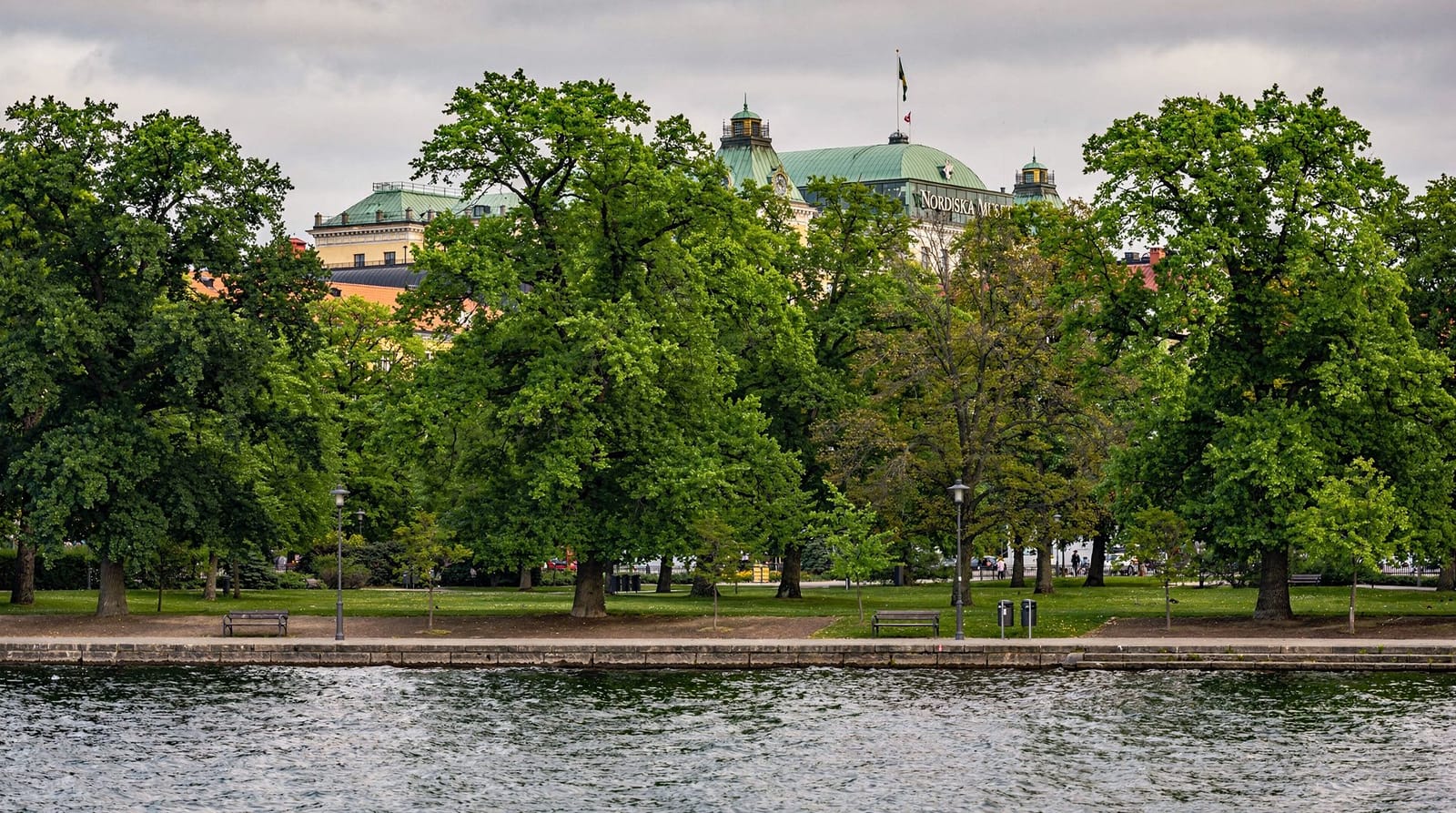
The ABBA Museum is on the same island as the Vasa Museum, Skansen, Fotografiska (on the Södermalm waterfront, technically adjacent), and the Nordic Museum. A Djurgården day that combines ABBA in the morning and Vasa in the afternoon — both pre-booked with timed entry — is a full, expensive, and genuinely excellent museum day.
Stockholm ABBA The Museum entrance ticketOur ABBA Museum guide has current opening hours, booking advice, and what to prioritise inside. For Stockholm Pass holders, check our pass comparison guide before buying separately. If you’re weighing it against the museum’s Djurgården neighbour, our ABBA versus Vasa comparison breaks down which to prioritise if you only have time for one.
Getting there and skipping the queue
Tram line 7 (the heritage line) and bus 67 both stop within a couple of minutes’ walk of the entrance, and both run frequently from the city centre. In summer, the Djurgården ferry from Slussen or Nybroplan is the more scenic option and drops you close to the door. Walking from Slussen along the Djurgårdsbroen bridge takes about 20 minutes and is pleasant in good weather.
On booking ahead: the honest advice from our March visit doesn’t scale to July. If you’re visiting June through August, book a timed slot at least a few days out — ideally with a skip-the-line option if your schedule is tight, since the entrance queue alone can run 20-30 minutes on a busy afternoon.
Stockholm ABBA Museum fast-track pop culture tourWhat we’d do differently next time
Book the first entry slot of the day. The museum is at its calmest in the first hour after opening — the holographic stage performance and the recording booth, both of which develop queues by midday, are walk-up-and-use experiences before 11 AM. We’d also budget less time for the gift shop than we did; the merchandise doesn’t change much between visits, so ten minutes is enough unless you’re buying gifts.
Frequently asked questions about ABBA The Museum
Do you need to book the ABBA Museum in advance?
In summer (June-August), yes — emphatically. Timed entry slots sell out weeks ahead. In March (our visit), 40 minutes’ notice was sufficient. In winter outside of school holiday periods, same-day booking usually works. The ABBA Museum website sells timed entry directly.
How long does the ABBA Museum take?
Plan for 90 minutes to 2 hours to go through properly. If you want to use every interactive element — recording studio, holographic stage, dancing floor — closer to 2.5 hours. There’s no time pressure once you’re inside.
Is the ABBA Museum worth it if you’re not an ABBA fan?
Surprisingly, often yes. The museum is designed for engagement rather than reverence, and the 1970s pop culture history element works independently of whether you have ABBA in your playlist. Our group included one non-fan who found the recording studio genuinely interesting and left knowing considerably more about the mechanics of Swedish pop production than before. That said, active fans will get substantially more from it.
What’s the difference between the ABBA Museum and the ABBA pop culture tour?
The museum is a fixed exhibition on Djurgården. The ABBA pop culture tour (available from several operators) takes you around Stockholm locations associated with ABBA — the studio where certain albums were recorded, the places they lived and performed. Different experience, aimed more specifically at dedicated fans.
Does the Stockholm Pass include the ABBA Museum?
Yes, most Stockholm sightseeing passes include ABBA Museum entry, but you still need to book a timed slot separately through the museum’s own system even with a pass — the pass covers the cost, not the queue. Check our pass comparison guide for which pass includes it and whether it’s worth it for your itinerary.
Can I combine the ABBA Museum with other Djurgården sights in one day?
Yes, and it’s the most efficient way to see the island. ABBA in the morning, Vasa Museum or Skansen in the afternoon is a realistic full day with both pre-booked. Fotografiska on the Södermalm waterfront is a short ferry hop away if you want a third stop, though by evening most visitors are museum-saturated.