Spritmuseum guide: Stockholm's museum of alcohol and Absolut art
Stockholm: Fotografiska museum entrance ticket
What is the Spritmuseum in Stockholm?
Spritmuseum (the Alcohol Museum) on Djurgården explores Swedish attitudes toward alcohol — from Viking mead to Absolut Vodka. It holds the world's largest collection of Absolut Vodka commissioned art. Adult tickets cost 190 SEK. It is a surprisingly engaging museum that covers cultural history alongside the drinks.
Alcohol, art, and Swedish cultural honesty
The Swedes have a complicated relationship with alcohol. The country has one of Europe’s more restrictive alcohol retail systems — Systembolaget, the state-owned monopoly chain, is the only place to buy wine, spirits, and strong beer in Sweden, operates limited hours, and was established in its modern form to address what the Swedish government considered a serious public health problem. At the same time, Sweden produces Absolut Vodka (one of the world’s best-selling spirit brands), has a deep tradition of aquavit (the caraway-flavoured spirit central to Swedish festive culture), and celebrates kräftskiva (the crayfish festival) and other seasonal occasions with considerable enthusiasm for strong spirits.
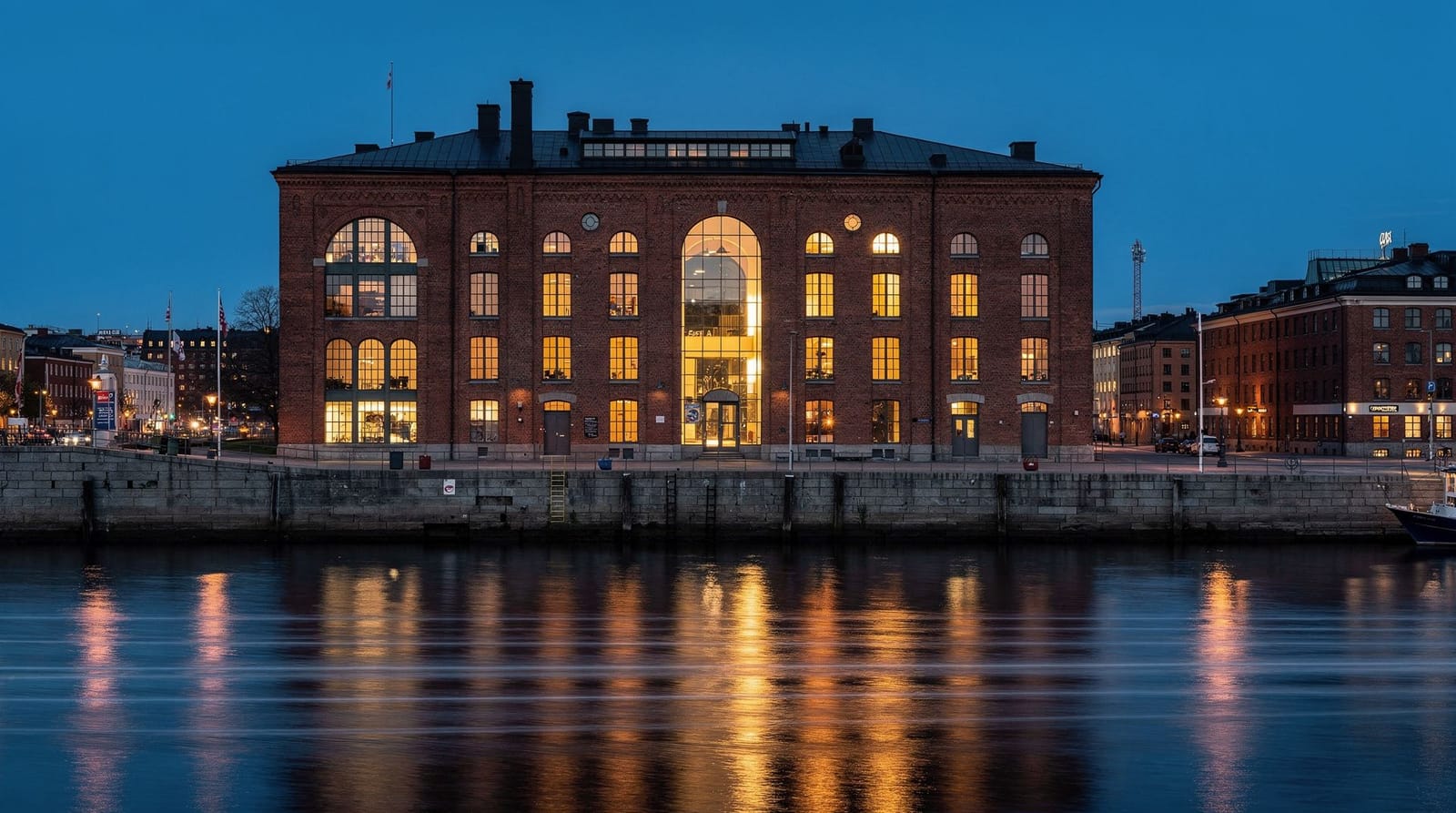
The Spritmuseum — Spirit Museum or Alcohol Museum — explores this ambivalence with intelligence and some humour. Located on Djurgårdsvägen in a building that was once part of the Vin & Sprit state monopoly’s storage complex, it covers the cultural history of alcohol in Sweden from the Viking Age to the present alongside the world’s largest commissioned art collection for a single brand: the Absolut Vodka art campaign.
The museum does not moralize in either direction. It is neither a celebration of drinking nor a temperance lecture. The result is one of Stockholm’s more interesting smaller museums.
| Where | Djurgårdsstrand 9, Djurgården |
| Cost | around 190 SEK adult, free under 15 |
| Time needed | 1–1.5 hours (longer with tasting or the restaurant) |
| Getting there | Bus 69 or Djurgårdslinjen tram from Nybroplan/Norrmalmstorg |
| Best time | Weekday late morning, or a summer evening for the terrace |
Practical essentials
| Detail | Information |
|---|---|
| Address | Djurgårdsstrand 9, Djurgården |
| Opening hours | Daily 11:00–22:00 (the restaurant is open the same hours; check the museum site for exceptions) |
| Adult ticket | 190 SEK (~18 USD) |
| Children under 15 | Free |
| Recommended time | 1–1.5 hours |
| T-bana/tram | Bus 69 or Djurgårdslinjen tram, Djurgårdsvägen |
What to see
The Absolut Art Collection
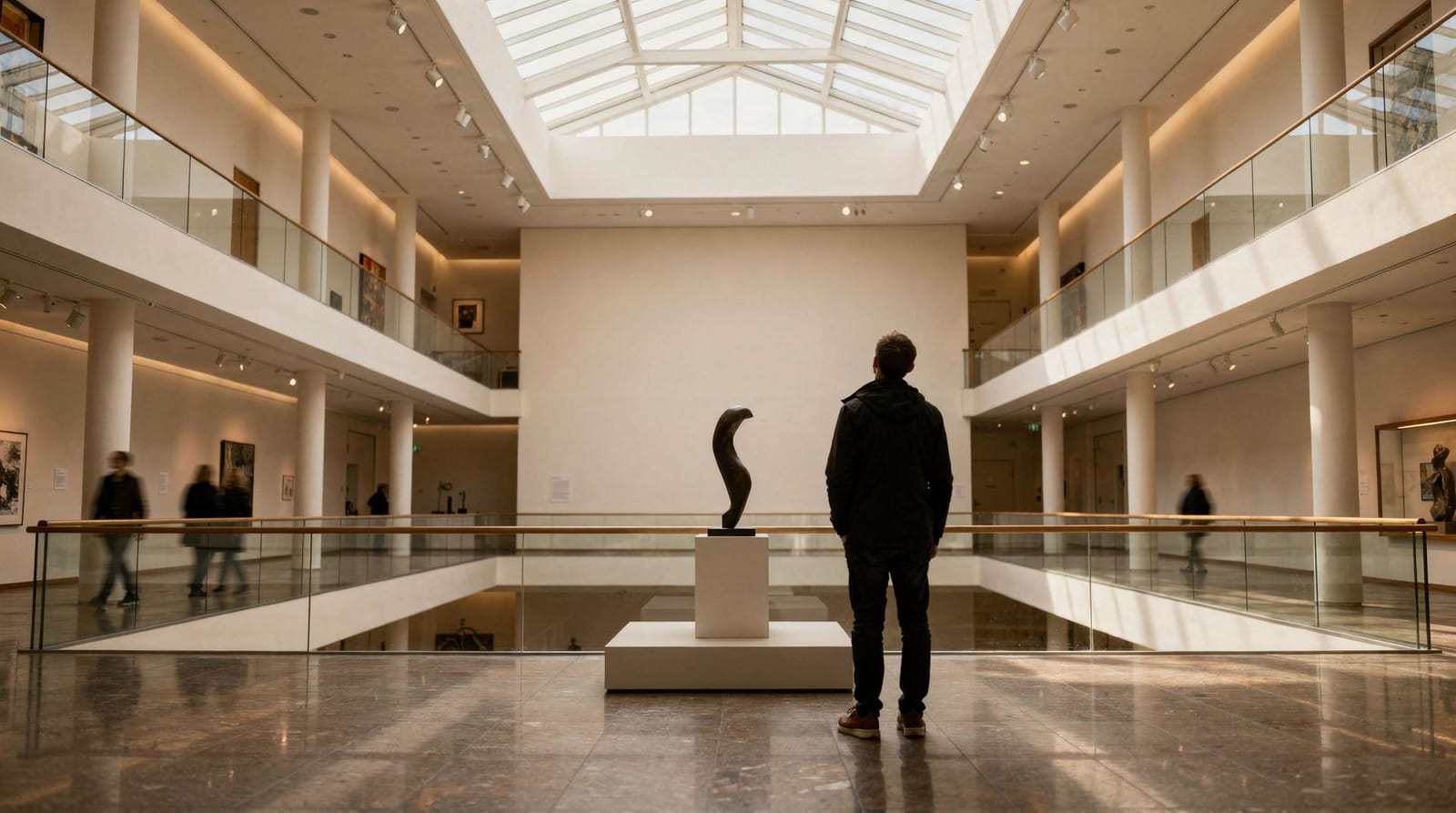
The Absolut Art Collection is the museum’s most internationally known element. Beginning in 1985 with Andy Warhol’s iconic four Absolut Vodka bottle paintings, the campaign commissioned original works from hundreds of artists worldwide over three decades. The artists include Keith Haring, Kenny Scharf, Helmut Newton, Annie Leibovitz, and several hundred others — the collection now spans over 850 works in various media.
The Warhol works are the anchor. Warhol’s four paintings — completed in 1986, shortly before his death — are considered among his late works and are displayed prominently. They started a commercial art campaign that became one of the longest-running and most consistently high-quality art commissions in advertising history.
The collection is not solely paintings: Absolut commissioned photographers, performance artists, ceramicists, glass artists, and fashion designers, resulting in a diverse archive that functions as a survey of contemporary art practice from the 1980s through the 2000s.
Swedish alcohol culture through the centuries
The permanent cultural history exhibition covers:
Viking Age and medieval brewing: Mead, beer, and the role of fermented beverages in pre-Christian Nordic ritual. The exhibition places alcohol in the context of Norse religious and social life with archaeological evidence.
Aquavit and Swedish spirits tradition: Aquavit — spiced spirit distilled from grain or potatoes — is central to Swedish festive culture. The kräftskiva (crayfish party, late summer), Midsummer celebrations, and Christmas julbord all feature aquavit as the ritual spirit. The museum covers the regional variations, production methods, and cultural role of aquavit in detail.
The temperance movement: Sweden’s 19th-century temperance movement was one of the strongest in Europe and directly influenced the 20th-century Systembolaget state monopoly system. The exhibition covers this honestly, including the genuine social problems that motivated the movement.
Systembolaget and state control: The modern Swedish alcohol retail system is explained — including the political debates around it, the EU challenges it has faced, and the ongoing tensions between Swedish public health policy and liberalisation pressure.
The Absolut Vodka story: The complete history of Absolut, from its origins as a regional Swedish product to its transformation into a global brand through the 1985–2015 art campaign. The advertising campaign that made Absolut one of the world’s most recognised spirit brands is examined as a marketing phenomenon as well as an art collection.
Tasting options
The museum occasionally offers guided tasting sessions of Swedish spirits — aquavit, schnapps, and Absolut variations. Check the current programme at the Spritmuseum website; these sessions are popular and often require advance booking.
Insider tips
The restaurant terrace is exceptional in summer. The Spritmuseum restaurant on the Djurgården waterfront is one of the better casual lunch options on the island. The terrace looks across toward Södermalm and the city; on a warm summer day it is genuinely one of Stockholm’s pleasanter places to sit.
Combine with Fotografiska. Both are on Stockholm’s waterfront — Spritmuseum on the Djurgården side, Fotografiska on the Södermalm side. They are connected by a 15-minute walk via Djurgårdsbroen and the Södermalm waterfront path.
The Absolut section works well for visitors without specific Swedish history interest. If the broader Swedish cultural history is less compelling for you, the Absolut Art Collection and the brand history section function as a standalone interesting hour.
History of the building
The museum occupies a former spirits storage building from the Vin & Sprit state monopoly complex — the physical infrastructure of the state alcohol system is the literal venue for the museum exploring its cultural context. The building dates from the early 20th century and retains its industrial character; the conversion to museum use retained the vault-like sections of the storage areas, which now function as exhibition spaces.
Tickets and passes
Admission: 190 SEK adult, free under 15.
Stockholm Pass: Included. Verify current coverage.
Tasting sessions: Additional cost; check prices and book in advance on the Spritmuseum website.
Accessibility
The museum is fully accessible. Lifts to all sections. Wheelchair-accessible toilets. The restaurant terrace has accessible routes.
Getting there
Bus 69: From Nybroplan — alight at Djurgårdsvägen near Spritmuseum.
Tram (Djurgårdslinjen): From Norrmalmstorg; alight at Beckholmen.
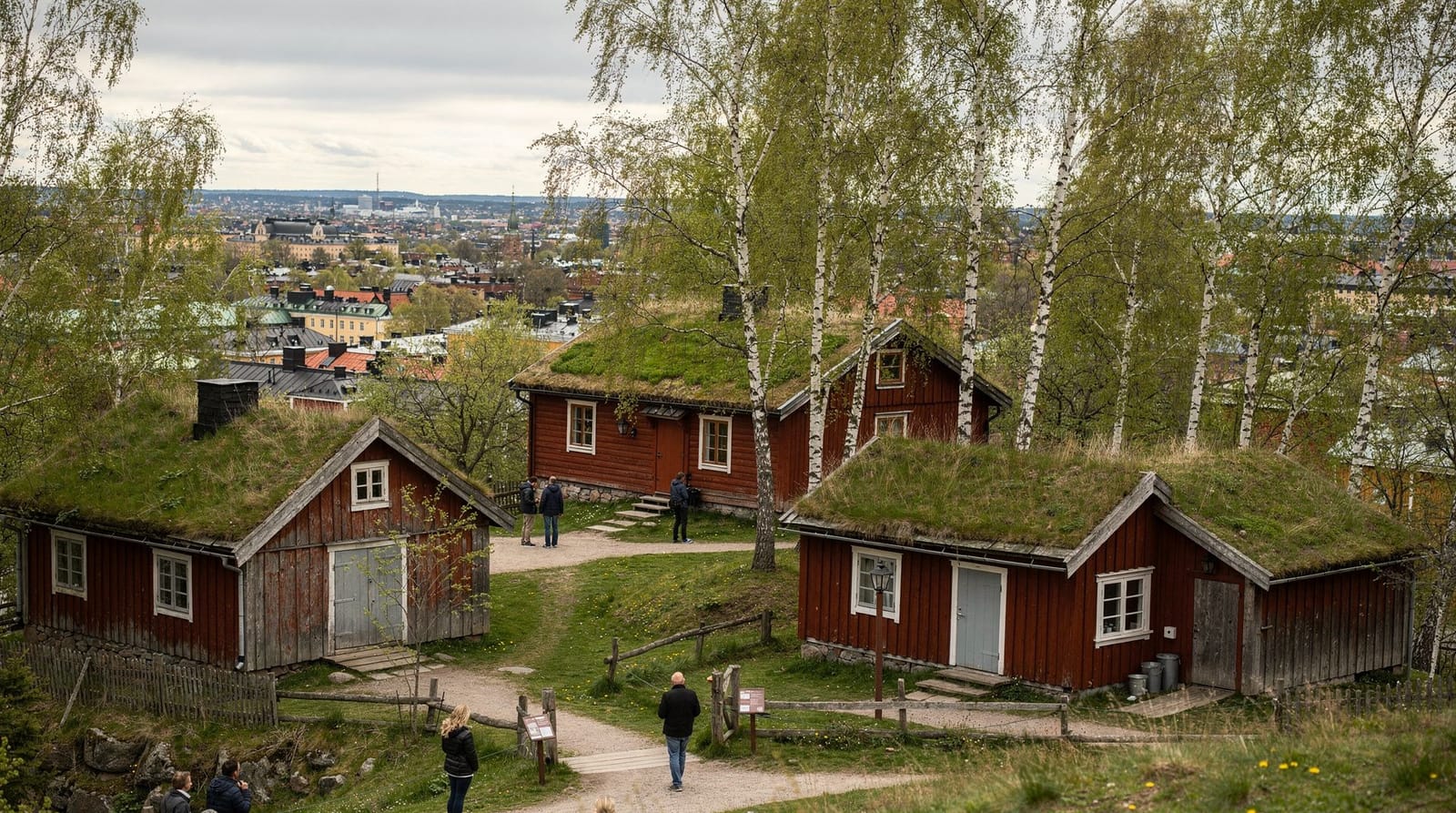
On foot from Skansen: A 10-minute walk west along Djurgårdsvägen.
On foot from ABBA Museum: A 5-minute walk west.
Where to eat
Spritmuseum Restaurant (on-site): Waterfront terrace; good Swedish modern lunch menu. Reserve ahead in summer.
Oaxen Slip (Beckholmsvägen 26): A 5-minute walk from Spritmuseum, the casual restaurant attached to the Michelin-starred Oaxen Krog serves smörgåsbord-style Swedish food. One of the better lunches on Djurgården.
Combine with
ABBA Museum: A 5-minute walk east — Swedish pop culture after Swedish spirits culture. See the ABBA Museum guide.
Fotografiska: On Södermalm’s waterfront, 15 minutes via Djurgårdsbroen. Contemporary photography after contemporary spirits culture. See the Fotografiska guide.
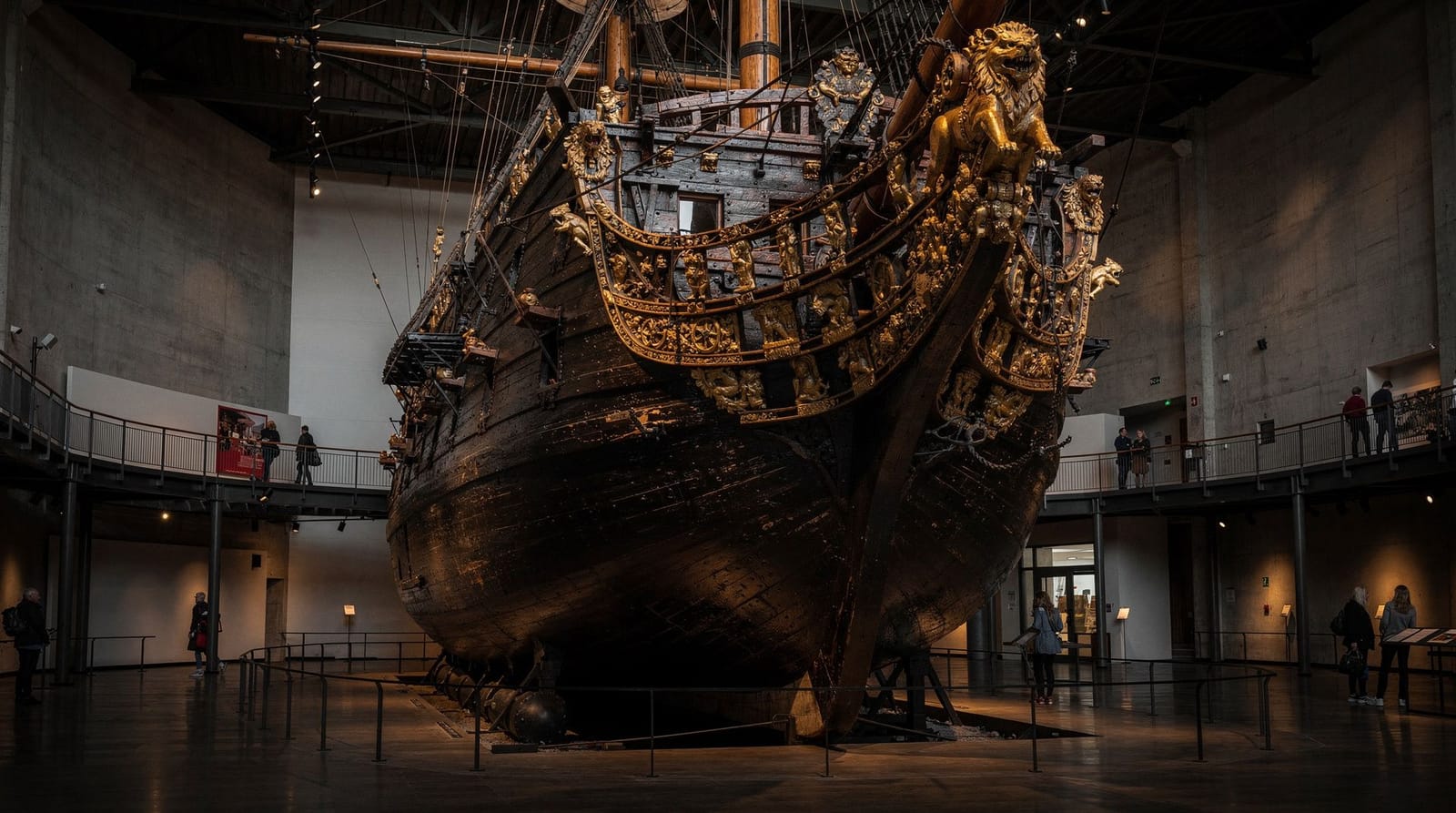
Vasa Museum: A 15-minute walk west along Djurgårdsvägen — the classic Djurgården combination. See the Vasa Museum guide.
If you are building a full Djurgården day around the Spritmuseum, it helps to sort out the bigger tickets before you leave the hotel. Visitors who plan to see the warship can reserve entry to the Vasa Museum ahead of time, and fans of Swedish pop who want a smooth visit can look at tickets for the ABBA Museum. Both sit close to the Spritmuseum, so the three fit naturally into one day. The Djurgården walking route and the Djurgården neighbourhood deep dive show how to string them together, and the Vasa vs ABBA Museum comparison helps if you must choose between them.
The Systembolaget system: understanding Swedish alcohol regulation
A significant section of the Spritmuseum addresses the retail system that surrounds Swedish alcohol culture. Understanding it adds context to visiting a country where buying wine at a supermarket is illegal.
Systembolaget is the state-owned retail monopoly for all beverages above 3.5% alcohol. It operates approximately 450 stores across Sweden — in Stockholm there are around 30 locations. The stores operate standard retail hours (typically Monday–Friday 10:00–19:00, Saturday 10:00–15:00, closed Sunday). You cannot buy wine or spirits in a supermarket, a convenience store, or most hotel gift shops.
The system was established in its modern form in 1955 as a successor to earlier 20th-century restrictions. The stated goals were public health: Sweden’s 19th-century temperance movement had identified what it regarded as serious alcohol-related social problems, and the monopoly was designed to limit consumption through controlled access and regulated pricing.
The EU has challenged elements of the Systembolaget monopoly since Sweden joined in 1995. Sweden has successfully defended the system on public health grounds, though several boundary cases (particularly around direct wine shipment from EU producers to Swedish consumers) have been contested in European courts.
For tourists: You can buy alcohol at restaurants, bars, and licensed hotel bars without restriction. For taking away, you need Systembolaget. The museum helps explain why this is not considered oppressive by most Swedes — the system is generally accepted as a reasonable public health trade-off rather than experienced as prohibition.
Alcohol and Swedish seasonal culture in more depth
Kräftskiva (crayfish party): The late August tradition of eating freshwater crayfish with aquavit and beer is one of Sweden’s most specifically national celebrations. The crayfish are boiled with dill, served cold at outdoor tables, and accompanied by snaps (small shots of aquavit) with traditional drinking songs (snapsvisor). The Spritmuseum has a section devoted to the kräftskiva tradition and the specific aquavit varieties typically consumed.
Midsommar and snaps: The Midsummer celebration (the Friday and Saturday nearest the summer solstice) involves traditional dance, herring, and multiple rounds of snaps. The connection between seasonal celebration and specific spirits is deeply embedded in Swedish culture and the museum addresses this with appropriate seriousness.
The julbord and julmust: The Christmas table (julbord) traditionally includes snaps alongside the herring, meatballs, and cold cuts. Interestingly, the most consumed beverage at Swedish Christmas is julmust — a dark, slightly sweet non-alcoholic soft drink with a caramel and spice flavour, created in 1910 and now outselling Coca-Cola in Sweden during the Christmas period. The museum addresses this beverage paradox with the appropriate bemusement.
Is Spritmuseum worth it compared to Djurgården’s other museums?
Djurgården has a dense cluster of museums, and visitors with limited time often ask whether Spritmuseum earns a slot alongside the Vasa Museum and the Skansen open-air museum. The honest answer: it depends on your interests, but it is genuinely underrated relative to how often it gets skipped.
Spritmuseum is smaller and faster than Vasa or Skansen — realistically 1–1.5 hours versus half a day — which makes it a natural add-on rather than a full-day anchor. It works particularly well as a second or third stop on a Djurgården day, after the bigger draws, when energy for a lighter, more focused museum experience is welcome. Visitors interested in design, advertising, or contemporary art often rate it above some of the island’s more famous stops, precisely because the Absolut Art Collection is a genuinely world-class holding in a low-key setting with none of the queues.
If your Djurgården day is tight, prioritise Vasa first, then Spritmuseum over a third heavyweight museum — the contrast between a 17th-century warship and 20th-century advertising art is one of the more interesting pairings on the island. For a fuller Djurgården plan, see the museum pass guide, which covers which combinations of Djurgården museums make financial sense together.
Book Fotografiska entry to pair with a Djurgården–Södermalm museum daySeasonal considerations
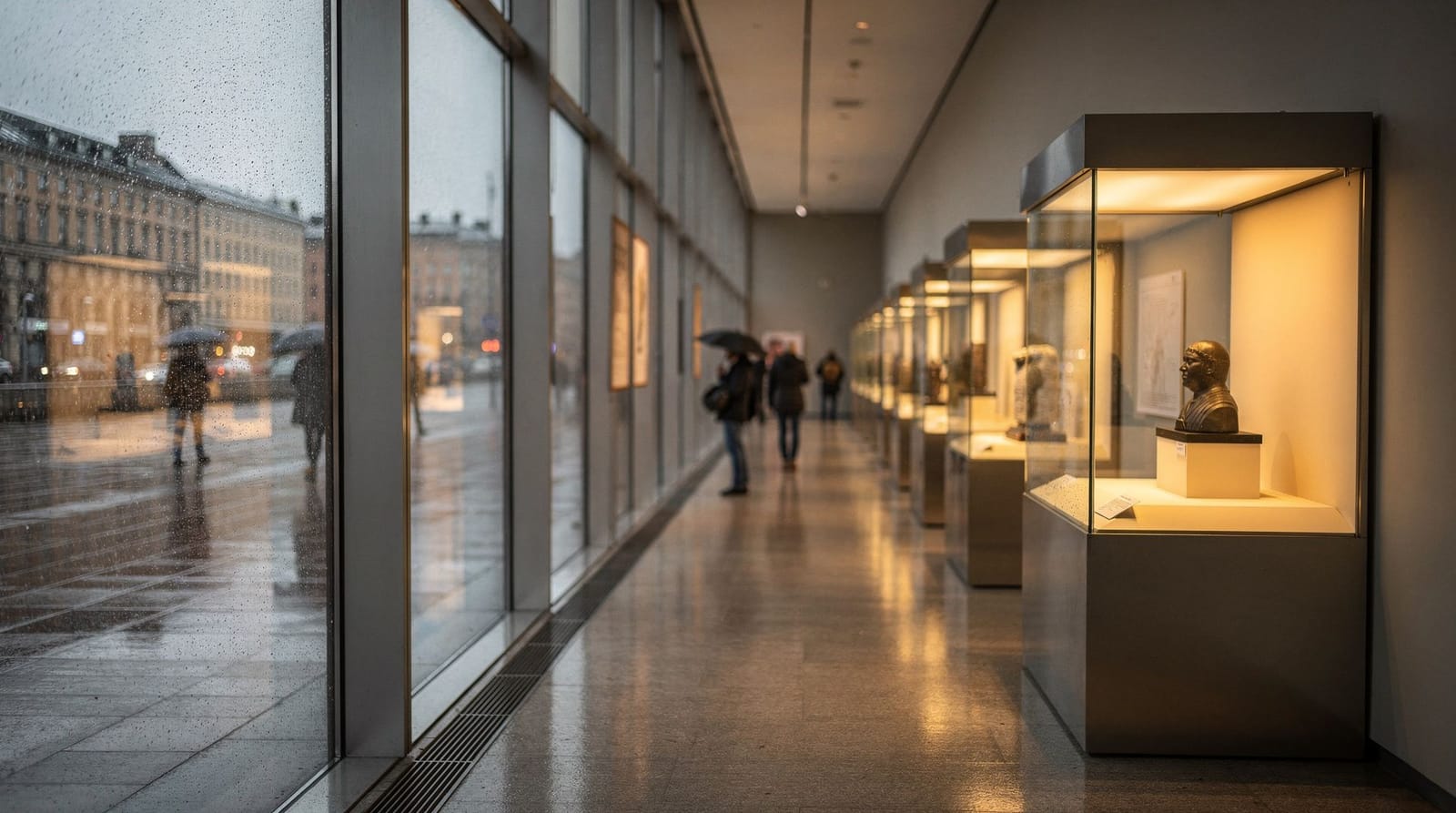
Spritmuseum’s indoor exhibitions run identically year-round, but the experience shifts significantly by season. In summer, the waterfront restaurant terrace is the strongest reason to linger — book ahead if you want an outdoor table at lunch. In winter, the museum makes a genuinely good rainy- or cold-day option precisely because it requires no outdoor waiting, unlike Skansen, and the tasting sessions (when scheduled) feel more appropriate on a dark afternoon. See the rainy day museums guide for how Spritmuseum fits into a wet-weather itinerary alongside other indoor options on Djurgården.
Frequently asked questions about Spritmuseum
Is Spritmuseum family-friendly?
The cultural history and art sections are suitable for older children and teenagers. The bar and restaurant are adult-oriented. The museum is generally appropriate for ages 12 and up; younger children will find more engagement at Skansen, the Viking Museum, or the Vasa Museum.
Does the Spritmuseum have original Andy Warhol paintings?
Yes. The Absolut Art Collection includes the four original Andy Warhol Absolut Vodka paintings from 1986, considered among his significant late works. The collection also includes work by Keith Haring, completed shortly before Haring’s death in 1990.
Is the Spritmuseum restaurant good?
Well-reviewed locally. The waterfront terrace and the Swedish modern menu at reasonable prices for the location make it a good option for lunch while on Djurgården, particularly on a warm day when the outdoor seating is available.
What is aquavit and can I taste it at Spritmuseum?
Aquavit (also spelled akvavit) is a Scandinavian spirit distilled from grain or potatoes and flavoured with caraway seed plus various other botanicals. It is the traditional spirit for Swedish seasonal celebrations. The museum covers aquavit in its cultural history section; tasting sessions that include aquavit are offered periodically — check the current programme at the museum website.
How long should I budget for Spritmuseum including the restaurant?
For the exhibitions alone, 1–1.5 hours is typical. Adding lunch or a drink at the waterfront restaurant extends this to 2–2.5 hours comfortably, longer if the terrace is busy in peak summer and you’re waiting for a table. Visitors combining Spritmuseum with a tasting session should budget closer to 2 hours for the museum portion alone.
Top experiences
Bookable activities with verified prices and instant confirmation on GetYourGuide.