Photo tour Stockholm guide: instructional tours and best options
Stockholm: Instagram photography tour
Duration: 3 hours
Are photography tours in Stockholm worth it?
Yes, if you want to improve your photography technique alongside visiting the best locations. Stockholm Photo Tours (run by Andreas Olsson) offers 3-hour instructional tours (price on the operator's booking page), covering composition, light, and Stockholm-specific techniques. For pure location scouting, the free walking tour format combined with the Instagram spots guide achieves similar coverage at no cost.
Photography tours in Stockholm: the honest overview
A photography tour of Stockholm differs from a standard sightseeing tour in its purpose: the goal is not just to visit the locations but to leave with better photographs and, ideally, better understanding of how to take them. The best operators combine destination knowledge with genuine photographic instruction.
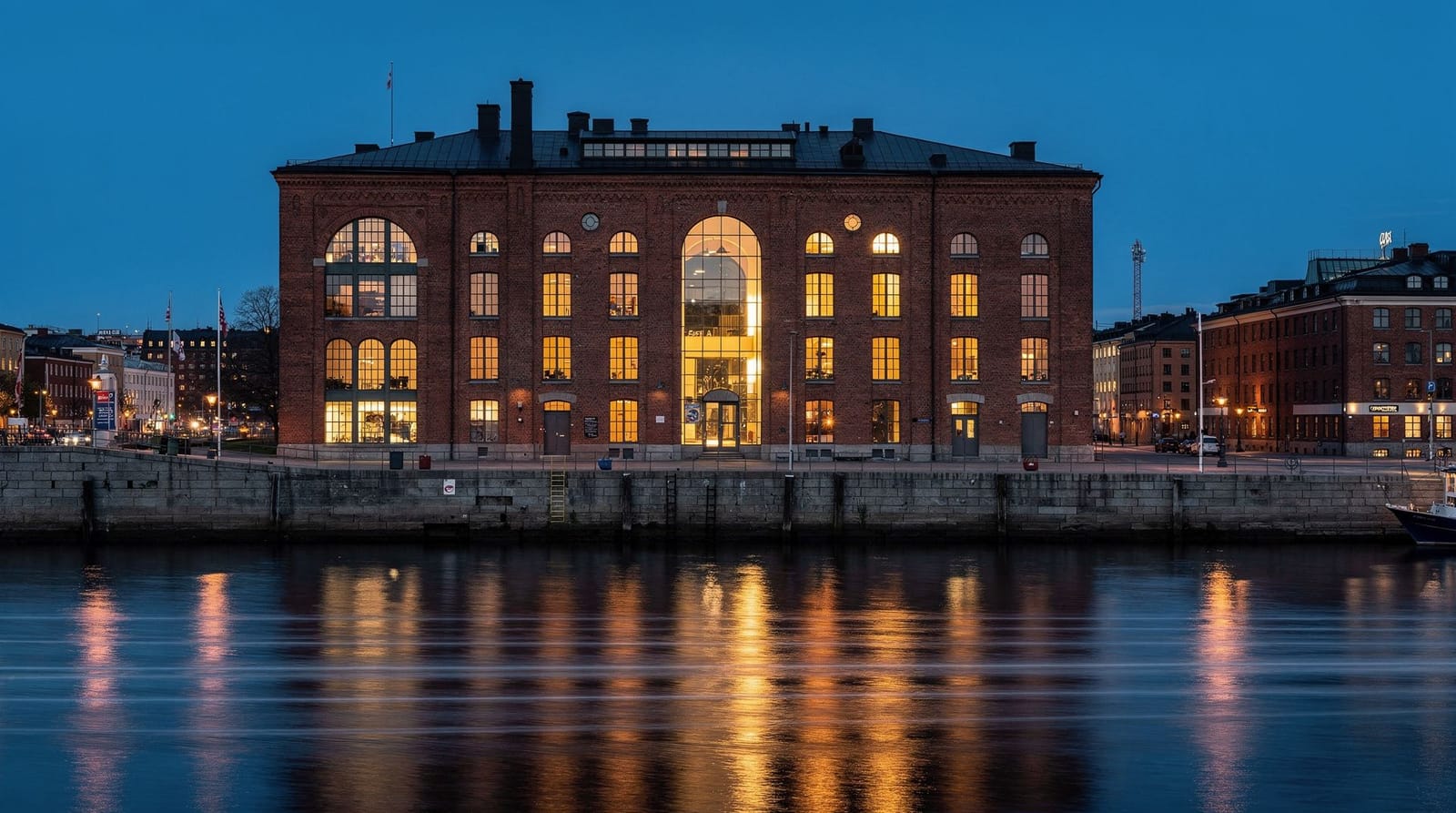
Stockholm is well-suited to this format. The city’s visual character — the golden-hour light, the waterside reflections, the Gamla Stan facades, the elevated viewpoints — creates conditions where technical guidance makes a real difference to the photographs you produce. The difference between a competent snapshot of Stortorget and a composed, well-lit photograph of the same square is entirely about timing, angle, and technique. A good tour guide will show you the difference in real time.
This guide covers the structured tour options, what to expect from each, and the self-guided alternatives for photographers who prefer to work independently.
| Where | Meeting points vary — usually Gamla Stan or Strandvägen |
| Cost | Set by the operator (group or private); see the booking page |
| Time needed | 3 hours (standard format) |
| Getting there | T-bana Gamla Stan or Kungsträdgården depending on operator |
| Best time | Golden hour, June–September; book 1–2 weeks ahead |
Stockholm Photo Tours — the main operator
Stockholm Photo Tours, run by photographer Andreas Olsson, is the most established instructional photography tour operator in the city. The standard format is a 3-hour walking tour focusing on central Stockholm locations — primarily Gamla Stan, Södermalm viewpoints, and the waterfront — with active instruction in composition, light reading, and camera settings throughout.
Price: Set by the operator; check the booking page. Private tours are available at a higher rate for 1–3 people.
What you learn:
- How to read Stockholm’s specific light conditions (the golden-hour timing, the reflective water quality)
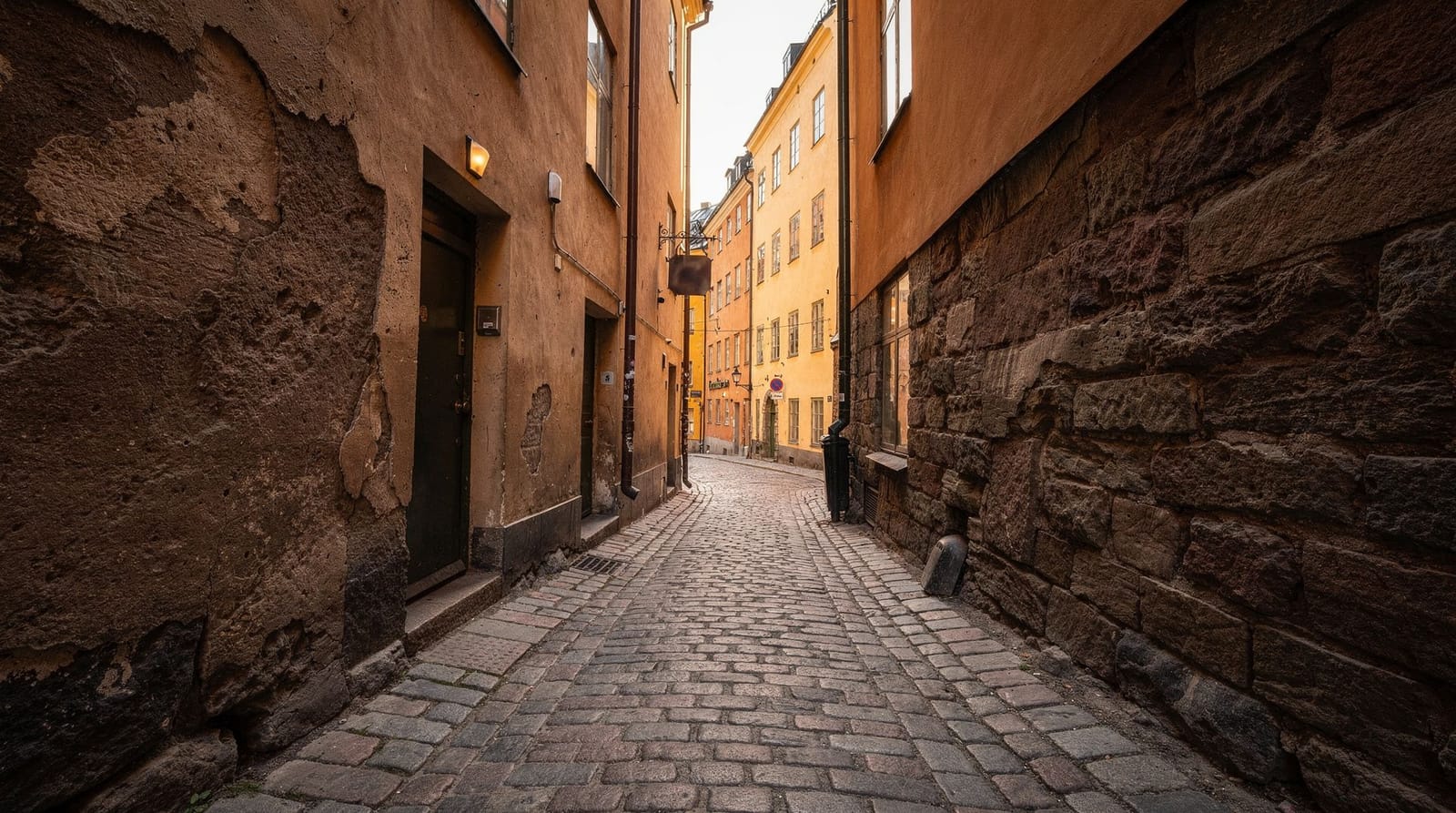
- Composition techniques for the city’s main locations (leading lines in Mårten Trotzigs Gränd, foreground interest on Strandvägen)
- When to use different exposure modes in Stockholm’s high-contrast conditions (bright water, darker lanes)
- How to photograph architecture without converging verticals
- Post-processing suggestions specific to the city’s colour palette
Group format: Small groups (typically 4–8 people). The small size means the instructor can look at your specific shots and give feedback rather than delivering general advice.
Equipment: The tour works with any camera — smartphone to professional mirrorless. The instruction is adapted to what participants are shooting with.
Booking: In advance via the Stockholm Photo Tours website or through GYG. Summer weekends and golden-hour evening sessions fill quickly; book 1–2 weeks ahead for these.
Book a Stockholm Instagram photography tourWhat the tour covers: typical route
While specific routes vary by season and conditions, a typical Stockholm Photo Tours session covers:
1. Gamla Stan (45–60 minutes) Stortorget facades in morning light; Mårten Trotzigs Gränd; the Royal Palace courtyard; Köpmantorget and the Iron Boy statue. Instruction focuses on managing the high-contrast light between dark lanes and bright sky, using a graduated approach to exposure.
2. Södermalm viewpoints (60 minutes) Monteliusvägen for the City Hall composition; Fjällgatan for the eastern panorama. The golden-hour session is particularly effective here — the instructor guides you through the 30–45-minute window when the light on the City Hall tower transitions from warm to golden.
3. Waterfront compositions (30–45 minutes) Söder Mälarstrand or Strandvägen for water reflection shots. Instruction covers the polariser filter for reducing glare and strengthening reflections, and how to time exposures for flat water between boat wakes.
The Instagram-specific tour
For photographers primarily interested in the best social media locations rather than photographic instruction, the Stockholm Instagram tour format (available through GYG) covers the key visual landmarks at a faster pace with a guide who knows the optimal angles and timing for each location.
The difference from the instructional tour: you get great locations and good timing, but less technical guidance. If your photography is already at a level where location and light matter more than technique, this format is more efficient. If you want to genuinely improve your photography, the instructional tour adds value that the Instagram tour format does not.
Self-guided photography: the alternative
For experienced photographers or those on a tight budget, a self-guided approach using the Instagram spots guide and the timing information there covers the same locations with full independence. The trade-off: you do not get feedback on your specific photographs, and you need to research the optimal timing for each location yourself.
Self-guided advantages:
- Full creative control — no need to follow a group’s pace
- No time pressure — you can spend 2 hours at Monteliusvägen waiting for the exact light you want
- Lower cost (essentially zero beyond your own transport)
- Better for professional or advanced photographers who have their own vision
Self-guided disadvantages:
- No real-time feedback on composition or technique
- You may miss local knowledge about less obvious locations
- Golden-hour timing requires more planning — the guides know exactly when the light hits specific spots
Neighbourhood-by-neighbourhood photography priorities
Stockholm’s photogenic value is not evenly distributed, and a photo tour’s route reflects that unevenness. Knowing the character of each district in advance helps you decide whether the standard route covers what you actually want, or whether a private tour redirected toward your interests makes more sense.
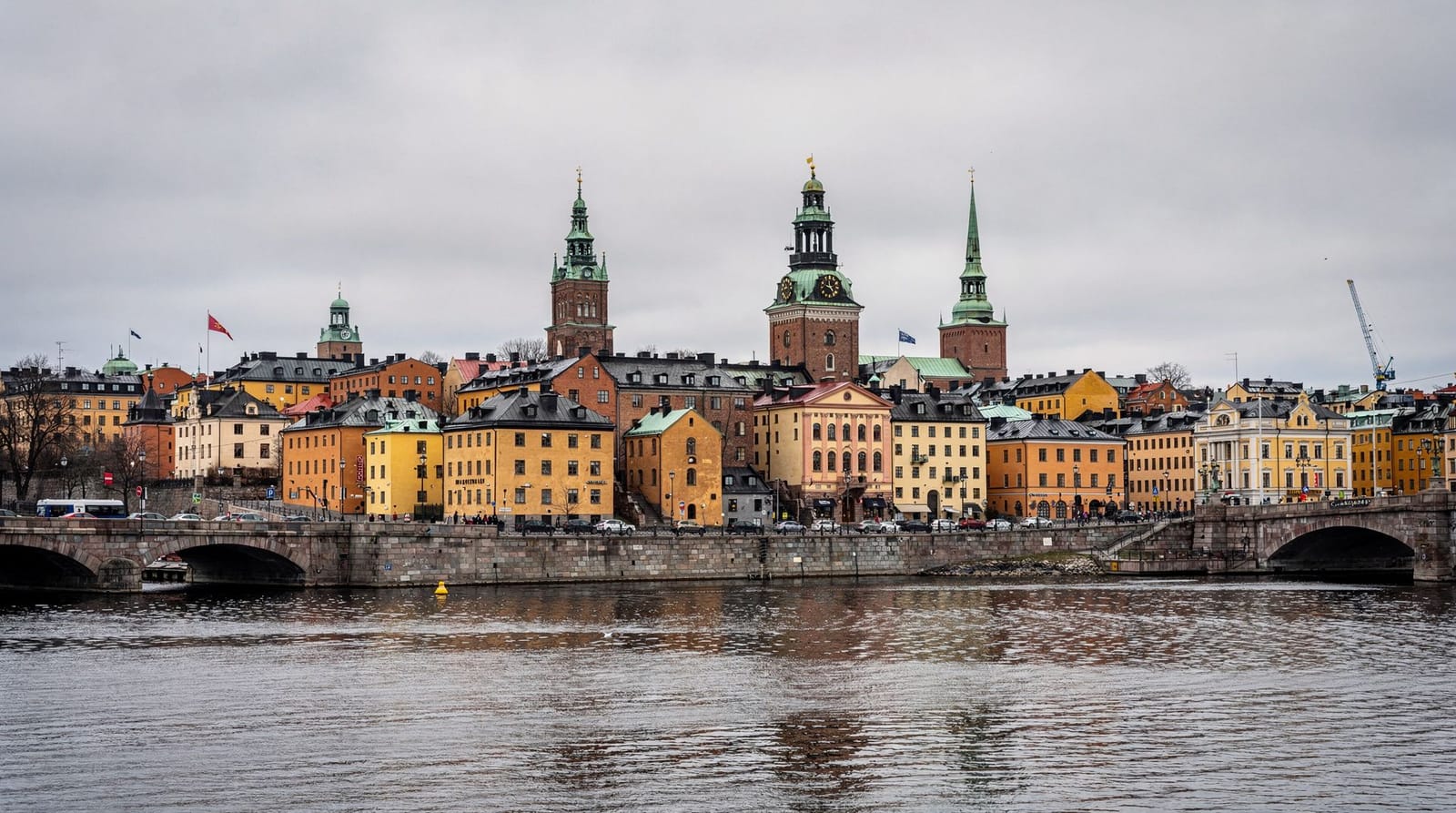
Gamla Stan delivers the highest density of classic Stockholm images per hour of walking — narrow lanes, coloured facades, the Royal Palace. The Gamla Stan neighbourhood deep dive covers the district in more depth than a photo tour has time for.
Södermalm is about elevation and panorama rather than street-level detail — Monteliusvägen and Fjällgatan are the payoff. The Södermalm neighbourhood deep dive covers the SoFo streets and viewpoints a standard photo tour route skips.
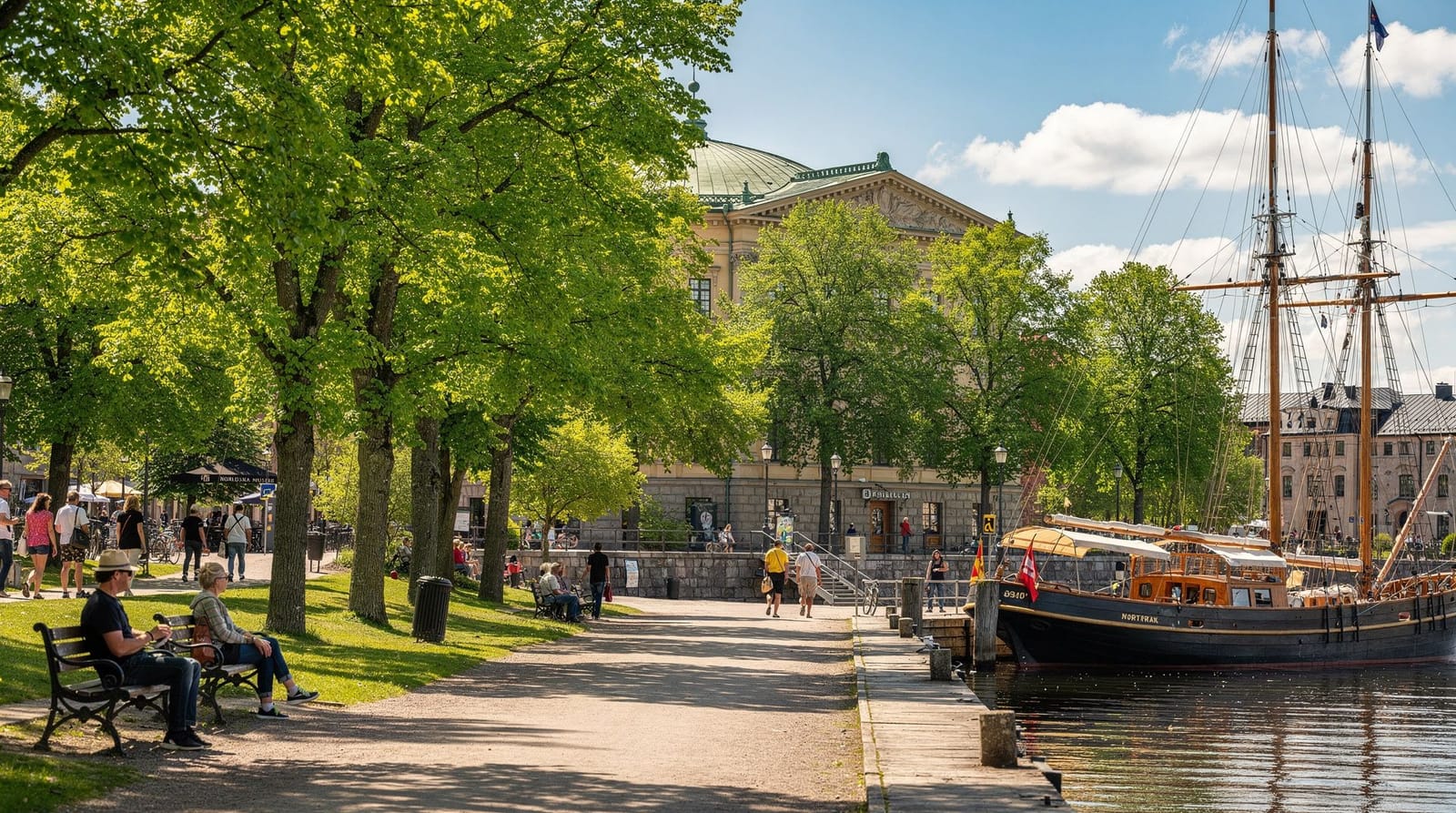
Djurgården offers water, greenery, and museum architecture rather than dense urban texture — a different register entirely, better suited to a slower morning than a fast-paced tour segment. See the Djurgården neighbourhood deep dive for the full island.
Combining a photo tour with active exploration
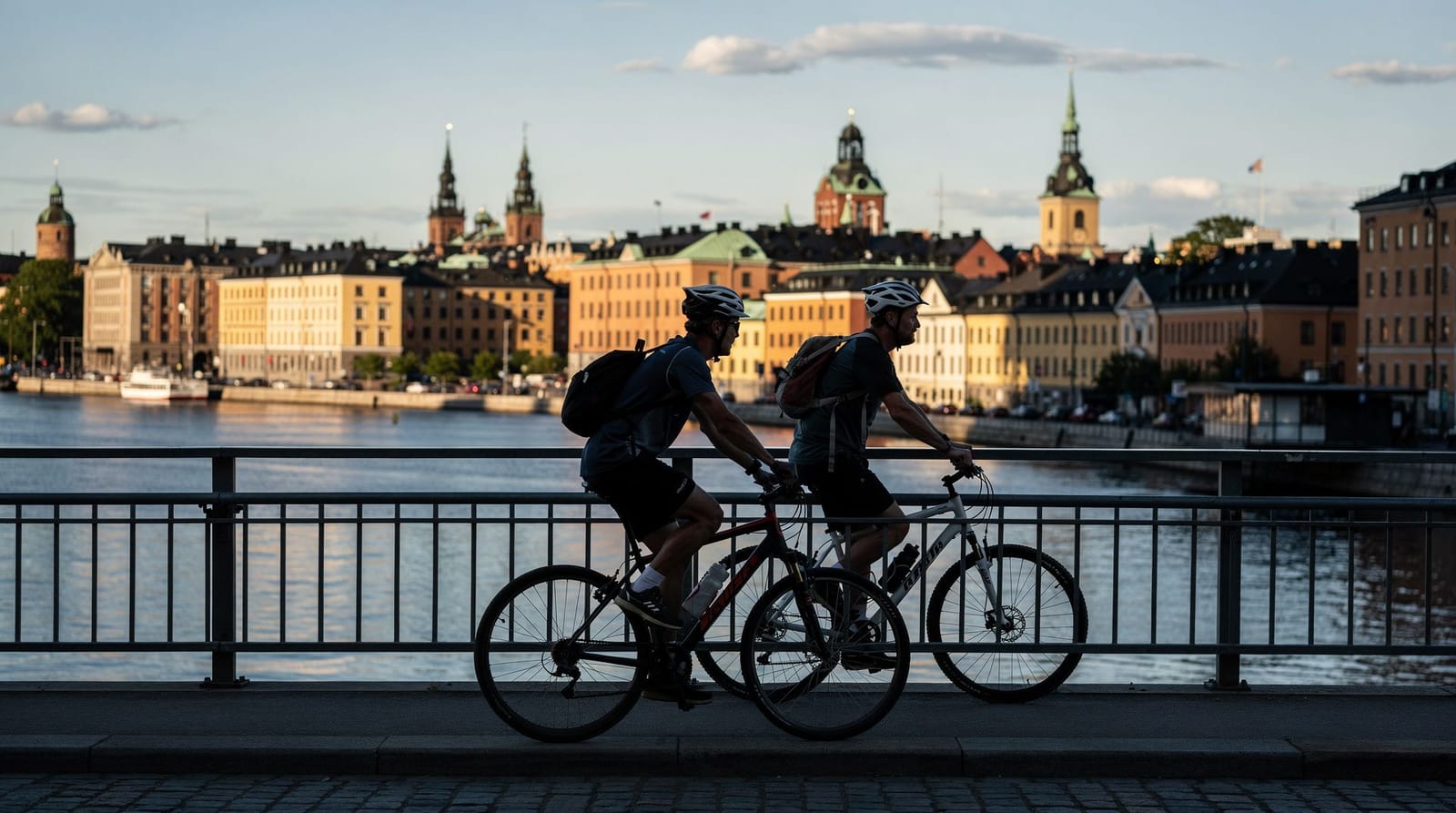
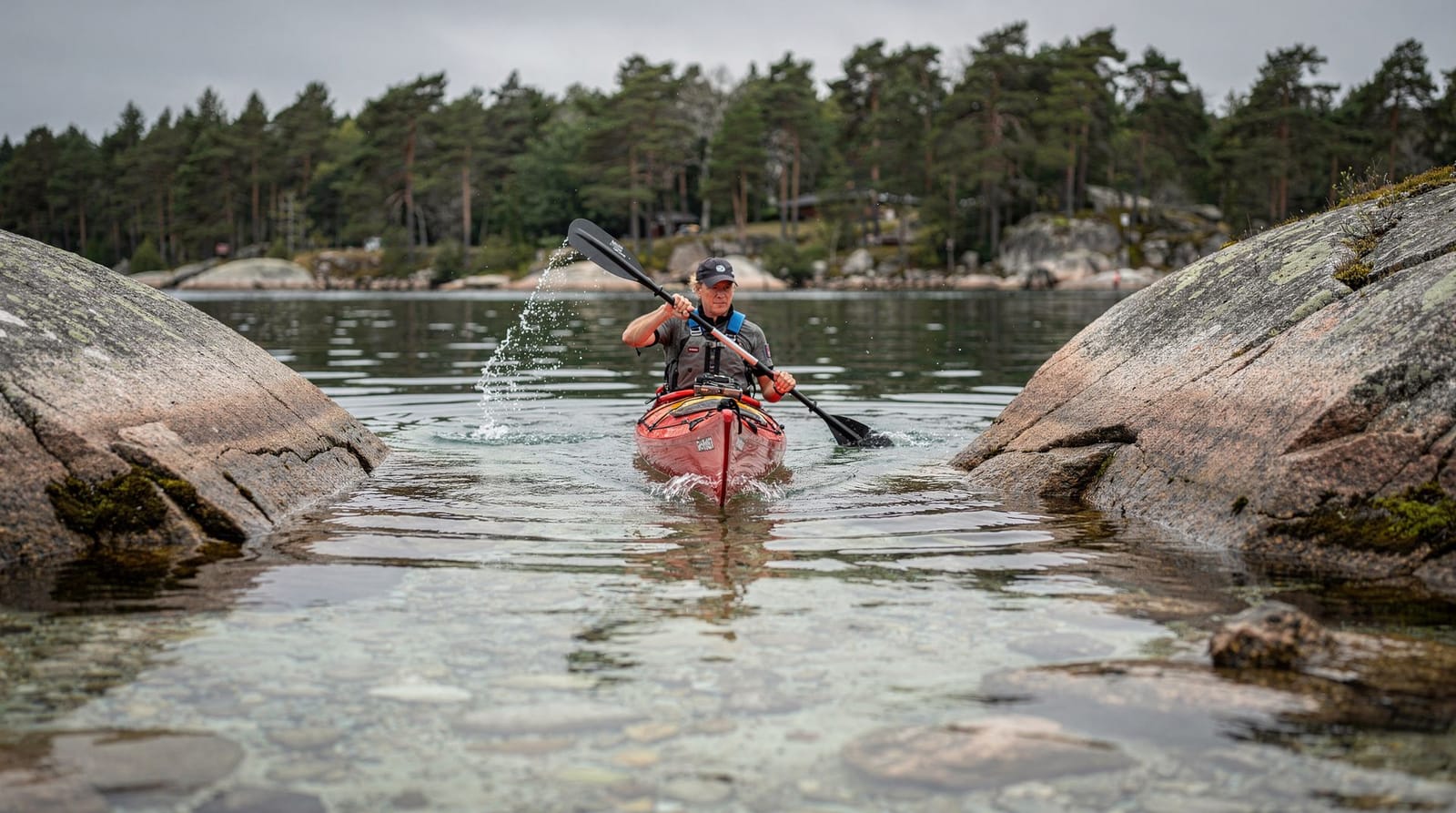
A photography tour pairs naturally with other ways of covering ground in Stockholm. A morning bike tour is a practical way to scout locations before returning on foot for a slower, tripod-assisted session at golden hour. For photographers who also want water-level images, a kayak trip in the archipelago opens up compositions — low horizon, water reflections, distant skerries — that no land-based tour route reaches.
If you prefer to cover ground on two wheels with someone who knows the routes, a guided bike tour of the city works as a scouting session: you see how the districts connect and note which corners deserve a return visit with a tripod. For the water-level option, a self-guided kayak outing lets you set your own pace and stop whenever the light changes.
Choosing the right season and walking route
Timing shapes the photographs more than any piece of equipment. The best time to visit Stockholm guide helps you match your travel dates to the kind of light you want, and the summer white nights guide explains why evening sessions in June stretch so late. If you are travelling later in the year, the autumn colours guide points to the softer tones that suit parks and waterfronts.
Whatever the season, a slow route on foot rewards patience. The Gamla Stan walking tour guide and the self-guided walking guide both lay out routes you can adapt, pausing wherever a lane or facade catches your eye. For interior photography, the Vasa Museum guide is worth reading before you go, so you know what to expect from the low light inside.
Planning a photography day in Stockholm
Best single-day itinerary for photography
7:00am: Gamla Stan — Stortorget and Mårten Trotzigs Gränd before the crowds. Eastern facades catch morning light well.
8:30am: Coffee break, then Djurgårdskanalen from the Djurgårdsbrunn end — morning light on the canal and museum buildings.
10:00am: Nordiska Museet and Vasa Museum exteriors (or enter if museum visits are planned) — midday light is less interesting for architectural photography but works for environmental shots.
12:30pm: Lunch. The Rosendal Trädgård café on Djurgården is both good and photogenic.
2:00pm: Rest or museum interior visits while midday light is harsh outdoors.
5:00pm: Strandvägen (Östermalm waterfront) — afternoon light from the west on the moored boats and boulevard buildings.
7:30pm: Södermalm — walk up to Monteliusvägen for the pre-golden-hour position.
8:30–9:30pm (June): Golden hour from Monteliusvägen. This is the primary session.
After 9:30pm: Gamla Stan and Slussplan in ambient twilight. The bridges and waterways at this hour have exceptional quality.
Equipment for Stockholm photography
| Situation | Recommended focal length | Notes |
|---|---|---|
| Stortorget facades | 24–35mm | Wide enough for full square |
| Mårten Trotzigs Gränd | 35–50mm | Leading lines; not too wide |
| Monteliusvägen panorama | 24–50mm | Wider for full cityscape |
| City Hall reflection | 85–135mm | Telephoto compresses distance |
| Archipelago from boat | 50–200mm | Variable for scale |
| Indoor museums | 24–35mm f/2.8 or faster | Low light without flash |
Tripod: Useful for the late-evening shots (after 9:30pm in June) when light levels are beautiful but low. Most Gamla Stan locations allow tripods on public streets; museums have varying tripod policies.
Polariser filter: Very useful for Stockholm’s water reflections — reduces surface glare and deepens colour in the water and sky. Most effective between 30–60 degrees to the water surface.
Post-processing for Stockholm images
Stockholm’s summer light has a characteristic quality that does not require heavy processing — the natural tones are already warm and golden. The post-processing approach that works best for Stockholm images tends toward:
White balance: Keep warm (do not cool down the golden hour tones). If anything, add +200–500 on the temperature slider for the warmest golden hour shots.
Highlights: Recover slightly in the sky while preserving the golden tones. Swedish summer skies can blow out easily.
Shadows: Lift gently in dark lanes (Gamla Stan) to reveal detail while preserving atmosphere.
Saturation: The ochre and terracotta facades of Gamla Stan have inherently rich tones — avoid over-saturating these or they lose authenticity.
Muted film aesthetic: Stockholm images also work well with a slightly desaturated, film-inspired treatment — reducing vibrance while boosting the warm midtones and adding a slight cool shadow tone.
Frequently asked questions about photography tours in Stockholm
What camera should I bring on a Stockholm photo tour?
Any camera works — the instructional tour is designed for all levels and the guides adapt their instruction to what participants are using. Smartphone photographers get the same instruction adapted to smartphone photography (composition, timing, HDR use, RAW capture on recent iPhones and Android). Professional photographers get technical guidance at the relevant level. The most important thing is the camera you are most comfortable using.
How much does a Stockholm photography tour cost?
Group instructional tours (Stockholm Photo Tours format) last 3 hours and are priced by the operator. Private tours are available for 1–3 people, 3 hours. The GYG Instagram tour format is usually cheaper. Self-guided photography costs only transport.
What is the best time of year for photography in Stockholm?
September combines the best light quality (clear, slightly lower angle, warm afternoon tones) with the onset of autumn colours and lower tourist density. June offers the most dramatic white-night light but requires late evenings (9–11pm) for the best golden hour. July is warm but crowded. December has very limited daylight but the Christmas lights and atmosphere create different photographic opportunities.
Do photography tours in Stockholm include access to museums?
Generally no — tours cover the exterior and street photography. Museum entry is separate. If you want to photograph the Vasa Museum interior (which is exceptional), book a separate museum ticket. The photography tour guides can advise on the best museum photography strategies.
Is a photography tour worth it for an experienced photographer?
It depends on what you want. An experienced photographer who already knows composition and light will benefit more from the local knowledge (best angles, best timing, less-obvious locations) than from the technical instruction. For this reason, the private tour format — where you can direct the guide to show you less-photographed locations rather than following a standard route — is often the better choice for advanced photographers.
Can a photo tour be combined with an archipelago boat trip?
Not directly — standard photography tours stay within the city centre and do not include boat transport. If archipelago photography interests you, book a separate kayaking trip or archipelago cruise for the water-level shots, and treat the city photo tour as a separate, complementary booking.
Is a private photo tour worth the extra cost over a group tour?
For most visitors, the group format covers the essential locations and instruction well. A private tour (for 1–3 people) is worth the premium specifically if you want a custom route — targeting Djurgården or Södermalm exclusively, for example — or if you are shooting for professional purposes and need the guide’s full attention rather than sharing it across a group of 4–8.
Top experiences
Bookable activities with verified prices and instant confirmation on GetYourGuide.