Gripsholm Castle and Mariefred day trip: the Lake Mälaren gem
Stockholm: Mariefred & Gripsholm Castle private day trip
Duration: ~8 hours
How do I get to Gripsholm Castle from Stockholm?
Three options: regular train from Stockholm Central to Läggesta, then a short taxi or seasonal shuttle to Mariefred (~1 hour total); the S/S Mariefred vintage steamboat from Klara Mälarstrand in summer (3.5 hours each way, spectacular but a full day); or the Östra Södermanlands Järnväg vintage train from Läggesta in summer. The castle itself is immediately above the lake in Mariefred town.
Mariefred and Gripsholm: the overlooked gem
Of all the day trips from Stockholm, Gripsholm Castle and Mariefred are the ones most frequently recommended by people who live in Sweden and least known among international visitors. This is partly because the journey is slightly more complicated than Uppsala or Drottningholm, and partly because Gripsholm does not have UNESCO listing or the fame of Birka’s Viking heritage.
What it does have is a compact, beautiful Renaissance castle sitting directly on the shore of Lake Mälaren, one of the best national portrait collections in Scandinavia, and a charming small town that has remained essentially unchanged for a century — all within a journey that, by the steamboat route, is one of the most enjoyable travel experiences near Stockholm. For the castle’s interior in more depth, see the dedicated Gripsholm Castle guide; this page focuses on the day-trip logistics.
| Where | Mariefred, on Lake Mälaren, 65 km west of Stockholm |
| Time needed | Half-day via train, full day via steamboat |
| Cost | Castle entry 170 SEK; steamboat and train fares extra |
| Getting there | Train to Läggesta (~1 hour) or S/S Mariefred steamboat (3.5 hours) |
| Best time | May–September; steamboat sails only on selected summer days (June to early August in 2026) |
The castle
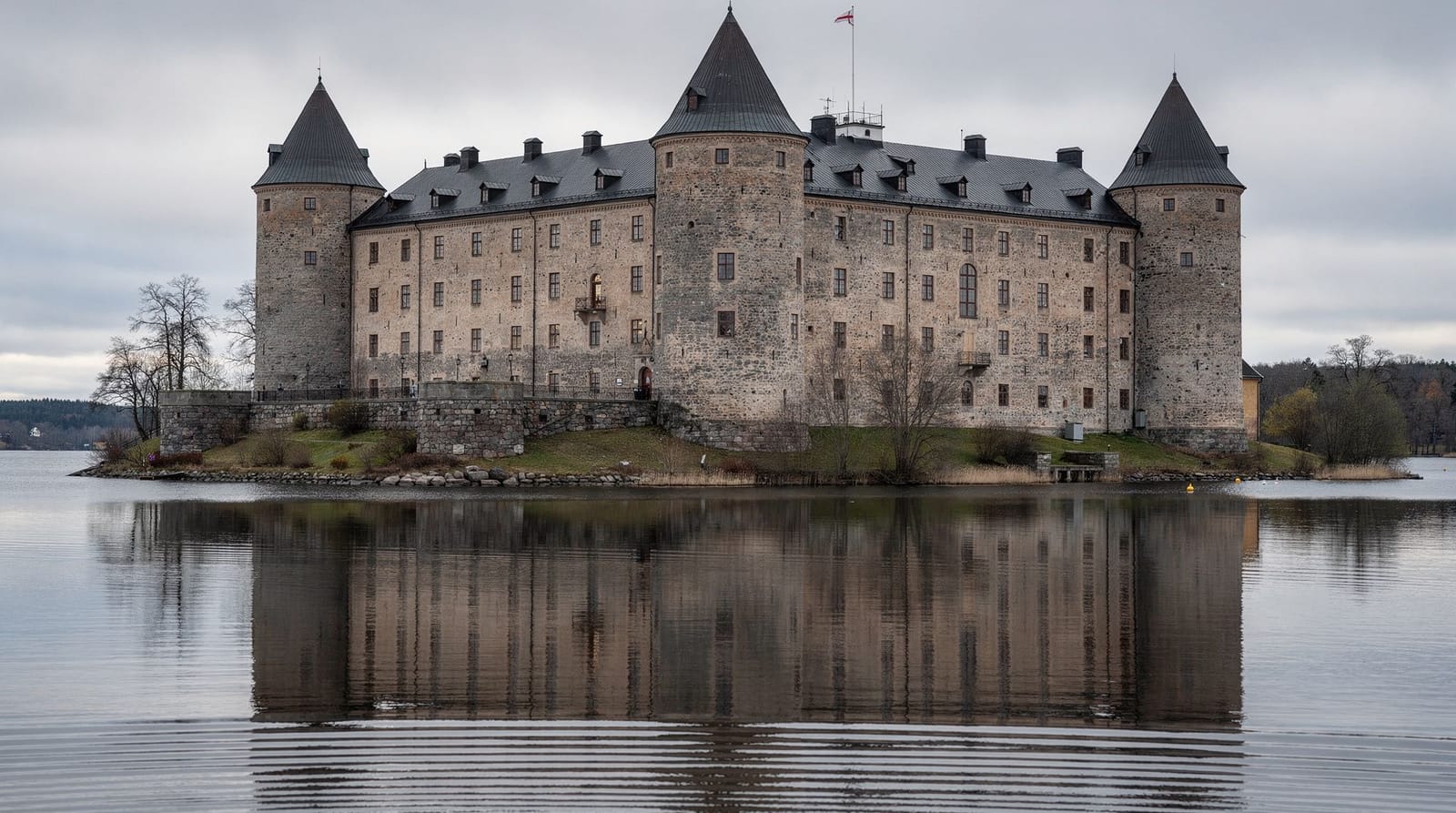
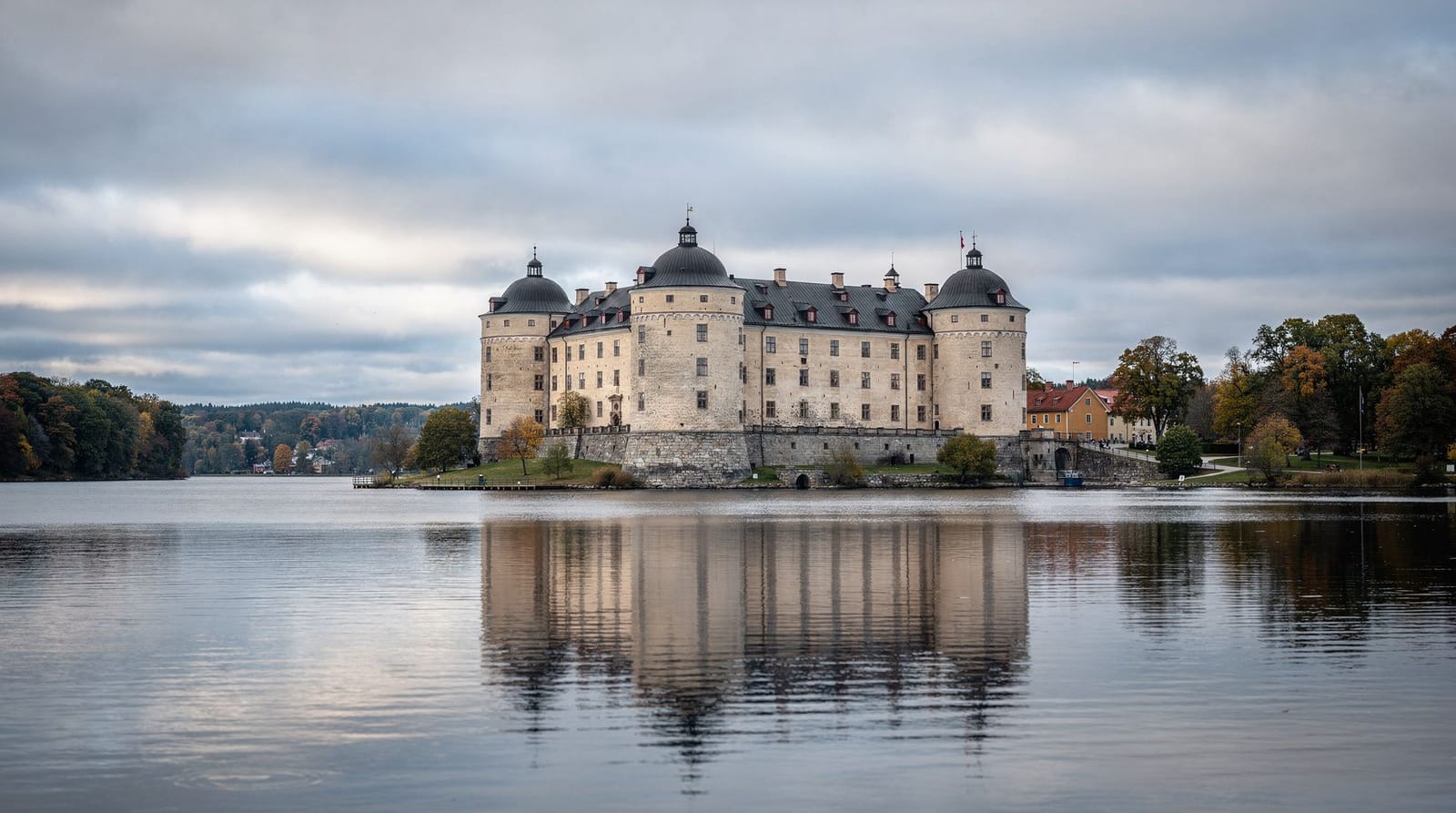
Gripsholm Castle was begun in 1537 on the orders of Gustav Vasa — the Swedish king who broke the Kalmar Union and established the Swedish state as an independent entity. The choice of location was strategic: the castle sits on a small peninsula above Lake Mälaren, with the water providing natural defence on three sides and a clear view of approaching boats.
Gustav Vasa’s original castle incorporated towers from an earlier 14th-century structure (the “grey towers” visible on the eastern approach). Subsequent Swedish monarchs added to and modified the building — it is less a single architectural statement than an accumulation of Swedish royal architectural preferences over four centuries.
The castle’s dominant feature from the water is the cluster of round towers and the Swedish flag above them. Arriving by steamboat from Stockholm, the castle visible from the approaching boat is the image that defines the visit.
The national portrait gallery
Sweden’s national portrait collection is distributed through the castle rooms — approximately 4,000 portraits spanning the 16th century to the present, displayed in their historical setting rather than in a conventional gallery format. The collection includes:
- Gustav Vasa’s portrait (several versions, the most famous in the castle where it was originally hung)
- Swedish royalty from the 16th century through the present royal family
- Military figures, nobles, politicians, and scientists from every Swedish historical era
- International rulers and notable figures who had diplomatic relations with Sweden
The collection is not just historical — Sweden continues to commission portraits of notable Swedes for the collection, making it a living document of Swedish cultural memory.
The Count’s Chamber and Round Tower rooms
The castle rooms range from the ceremonial (the Duke Karl’s Chamber with its original 16th-century décor) to the surprisingly intimate (the private apartments used by Swedish monarchs as a retreat from Stockholm). The Round Tower rooms have particularly good views over the lake.
Storteatern (the Court Theatre)
Gripsholm also has an 18th-century court theatre, built by Gustav III — the same monarch who built the Drottningholm court theatre. The Gripsholm theatre is smaller and less well-known than Drottningholm’s, but has original 18th-century machinery and staging.
Mariefred town
The town of Mariefred (population approximately 5,000) occupies the area between the castle and the surrounding farmland. It is one of Sweden’s better-preserved small historic towns:
Gripsholms Värdshus: The inn next to the castle, one of Sweden’s oldest hotels in continuous operation (the building dates from 1609). The restaurant serves Swedish food and is an appropriate place for lunch before or after the castle visit.
Salen Konditori: A traditional Swedish café in the town centre, appropriate for a fika stop.
Mariefred Church: A 17th-century church adjacent to the castle grounds.
The town is small enough (about 1 km across) that walking it thoroughly takes about 30–45 minutes.
How to spend your time in town
Mariefred rewards a slow pace. The streets near the water are lined with low wooden houses, and the easiest way to see the town is simply to wander without a plan, stopping where something catches your eye. If you enjoy the Swedish coffee-break tradition, the fika culture guide explains what to order and how locals treat the ritual, and the cinnamon bun guide will help you pick the right pastry at the café. Travellers who like to pair a castle with a proper sit-down meal can also browse the smörgåsbord guide for a sense of what traditional Swedish spreads look like before they order at the inn.
Getting to Gripsholm and Mariefred
Option 1: The S/S Mariefred steamboat (summer, most romantic)
The S/S Mariefred is a 19th-century paddlewheel steamboat that has operated this route since 1903. Departing from Klara Mälarstrand (near Stockholm City Hall) in the morning (check current schedule, typically around 10:00 in summer), it crosses Lake Mälaren to Mariefred in approximately 3.5 hours.
The return can be made on the same boat (leaving Mariefred at 16:30 and arriving back in Stockholm around 20:00) or by the heritage train to Läggesta and then the regular train to Stockholm — a shorter return journey.
This option commits the full day to travel, which is either the appeal or the limitation depending on what you want. The crossing itself is genuinely enjoyable — the lake is beautiful, the boat moves slowly, and the approach to Mariefred from the water (with the castle visible for the last 20 minutes) is the journey’s best moment.
Option 2: Regular train + Östra Södermanlands Järnväg vintage train (summer)
From Stockholm Central to Läggesta by regular train (about 40 minutes), then the Östra Södermanlands Järnväg heritage steam railway from Läggesta to Mariefred. It runs on specific days in summer — check the current ÖSlJ schedule. The heritage train is a genuine vintage steam locomotive, which adds to the experience.
Option 3: Regular train year-round
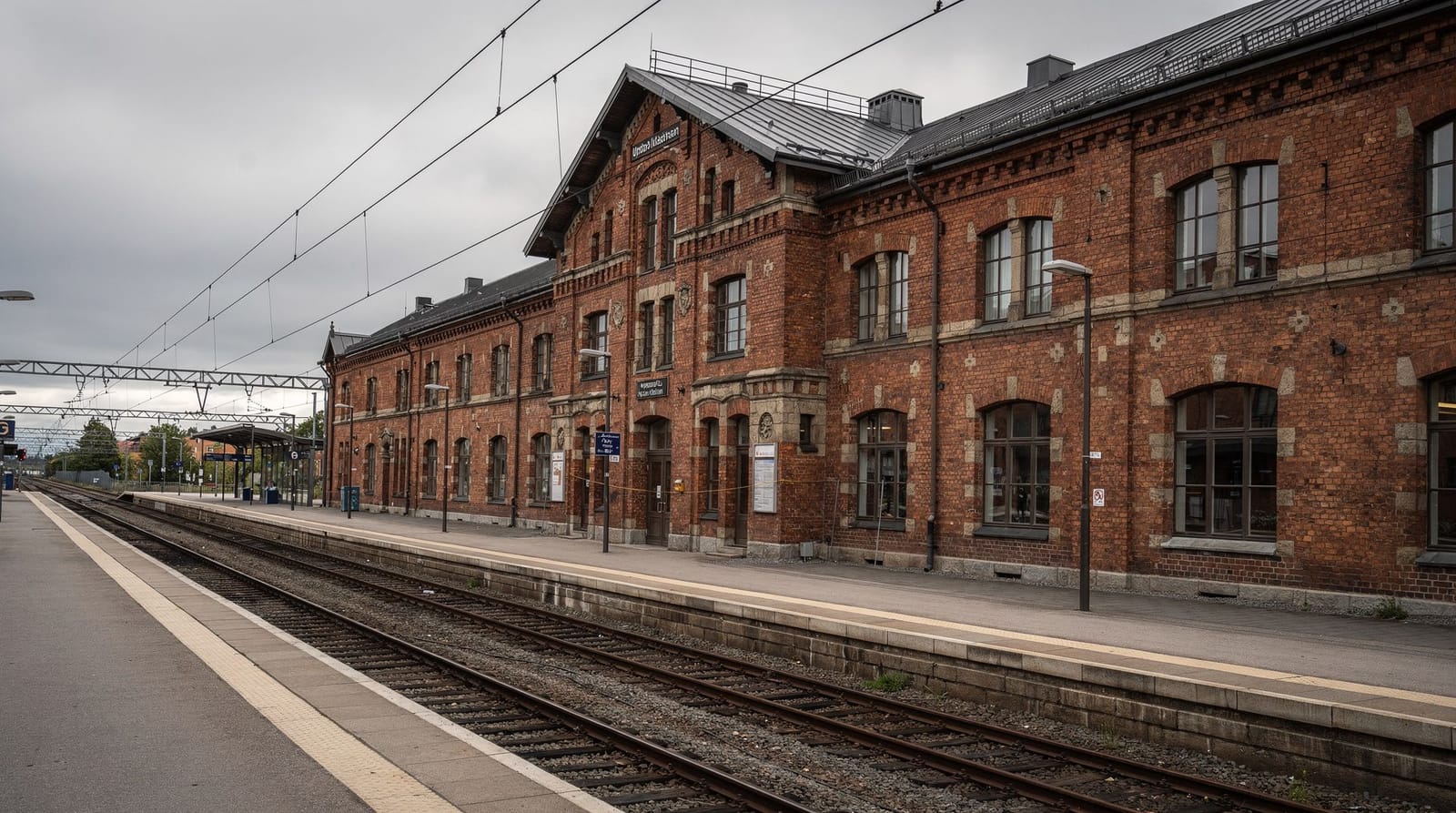
From Stockholm Central to Läggesta station by regular train towards Eskilstuna, about 40 minutes with no change. From Läggesta to Mariefred: approximately 4 km, reachable by local bus, taxi or, in summer, the heritage steam train.
This is the practical year-round option. Less atmospheric than the steamboat but significantly faster.
Book a private Mariefred and Gripsholm day trip Book a one-day royal palace and castle tour from StockholmFor a broader look at how this trip fits among Stockholm’s other rail-accessible day trips, see the day trips by train guide.
Tickets, transport and the rest of your trip
Whichever way you travel, check how the journey fits with the rest of your stay. If you plan to use public transport in Stockholm before and after the trip, the SL pass guide and the public transport explainer will help you understand which tickets cover which parts of the network. Arriving by air and heading straight out to Mariefred is possible but tiring, so the Arlanda airport to city options page is worth a look if you are planning a first-day excursion. For a personal impression from someone who made the trip, read the overlooked gem blog post, and for the destination background, see the Mariefred and Gripsholm destination page.
Why the extra effort is worth it
The journey to Mariefred asks a little more of you than the better-known excursions, and that is a large part of why the town feels calm. You are not following a crowd from a station to a ticket queue. Instead the day unfolds in a natural order: a journey that is itself a pleasure, a castle that feels lived in rather than staged, a town small enough to understand in an afternoon, and a slow meal before heading home. Visitors who normally prefer big-name sights often find that this quieter day becomes the one they describe to friends afterwards.
It also works well as a contrast. If your itinerary is heavy on museums and palaces in the city, a day beside the lake changes the rhythm. If you are building a longer visit, the three-day first-timer itinerary shows how to balance city days with an excursion, and the four days with archipelago itinerary is useful if you would like to mix water-based days.
Planning around the weather and the light
Because the castle and the town are best enjoyed outdoors as well as in, the weather matters more than it might for a pure museum day. On a clear day the lake views from the towers and the shoreline are the highlight; on a grey day the interior rooms and the portrait collection carry the visit, and a long lunch becomes more appealing. Pack for changeable conditions, and read the what to pack guide if you are unsure what to bring. The best time to visit Stockholm guide gives wider seasonal context for choosing your travel dates.
Suggested itinerary (steamboat route)
| Time | Activity |
|---|---|
| 10:00 | Depart Klara Mälarstrand by S/S Mariefred |
| 13:30 | Arrive Mariefred |
| 14:00–15:30 | Gripsholm Castle + portrait gallery |
| 15:30–16:00 | Walk Mariefred town, fika |
| 16:00–17:30 | Gripsholms Värdshus lunch/early dinner |
| 17:30 | Depart by heritage train to Läggesta, then regular train to Stockholm |
| ~19:30 | Arrive Stockholm |
Comparing Gripsholm with Drottningholm
| Feature | Gripsholm | Drottningholm |
|---|---|---|
| Style | Renaissance castle (1537) | Baroque palace (1680s) |
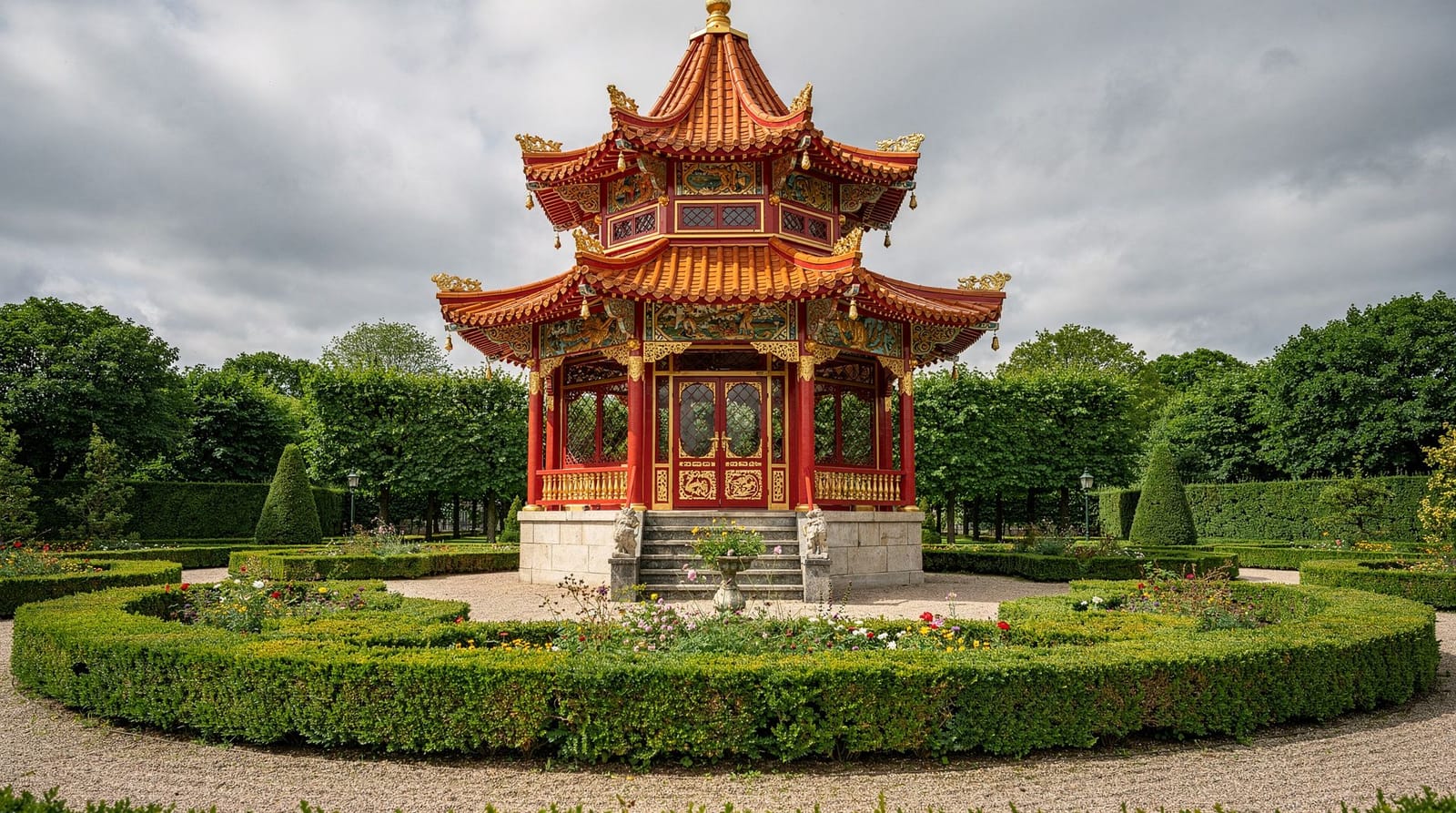
| Primary content | National portrait gallery | State Apartments, Chinese Pavilion |
| Crowds | Lower | Higher |
| Atmosphere | Intimate, castle-like | Grand palace |
| UNESCO listing | No | Yes |
| Best transport | Steamboat or train | SL boat or T-bana + bus |
| Setting | Lake Mälaren town | Formal Baroque garden |
Full comparison: Royal palaces Stockholm comparison guide. For Drottningholm’s own logistics if you decide to compare in person, see the Drottningholm half-day guide; for the broader menu of Stockholm day trips beyond these two, see the day trips from Stockholm guide.
Practical information
| Detail | Information |
|---|---|
| Distance from Stockholm | 65 km west |
| Transport (summer, scenic) | S/S Mariefred steamboat (3.5h) |
| Transport (year-round) | Train to Läggesta + shuttle (~1h) |
| Castle entry | 170 SEK (adult) |
| Best season | May–September (steamboat) |
| Duration | Half-day (train) to full day (steamboat) |
Choosing your route: train versus steamboat
The choice between the train and the steamboat is really a choice about what kind of day you want. The train route is efficient: about an hour each way, leaving a genuine half-day for the castle and town, and it runs year-round regardless of season. The steamboat route is the opposite proposition — the 3.5-hour crossing each way is slow by design, uses most of a full day, and only sails on selected summer days, but the experience of arriving at Mariefred by water, watching the castle appear ahead, is genuinely something the train cannot replicate. Families with young children or visitors with limited time should default to the train; visitors who see the journey as part of the destination, and who happen to be free on one of its sailing days, should build the whole day around the steamboat.
Frequently asked questions about Gripsholm and Mariefred day trip
Is Gripsholm Castle worth visiting compared to Drottningholm?
Gripsholm is more atmospheric and less visited. Drottningholm is architecturally more extraordinary. Gripsholm is better for Swedish history and portraits; Drottningholm for the grand palace experience.
What is the S/S Mariefred steamboat?
A 19th-century steamboat operating since 1903, taking 3.5 hours from Stockholm to Mariefred in summer. One of the most romantic transport experiences near Stockholm.
What is the national portrait gallery at Gripsholm?
Sweden’s national portrait collection (~4,000 portraits from the 16th century to present) displayed in the castle rooms. Gustav Vasa’s portrait is among the most famous.
Can I visit Gripsholm without a guide?
Yes — self-guided tours with audio guide or printed materials are available. Guided tours in summer provide more context.
What is the Östra Södermanlands Järnväg vintage train?
A heritage railway from Läggesta to Mariefred running in summer, often combined with the steamboat for a different outward and return journey.
Top experiences
Bookable activities with verified prices and instant confirmation on GetYourGuide.