Nordiska Museet is underrated — and how it compares to Skansen
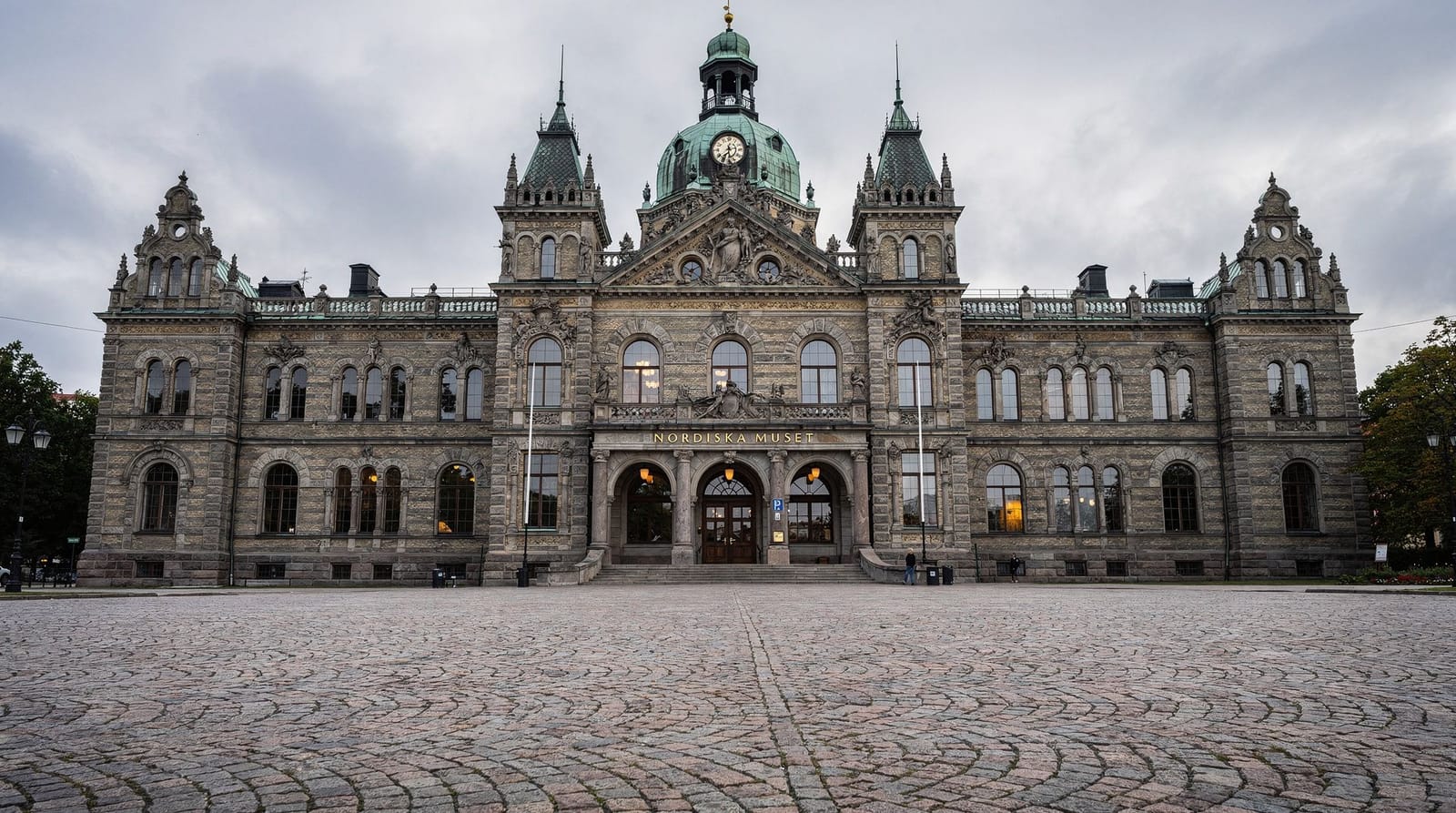
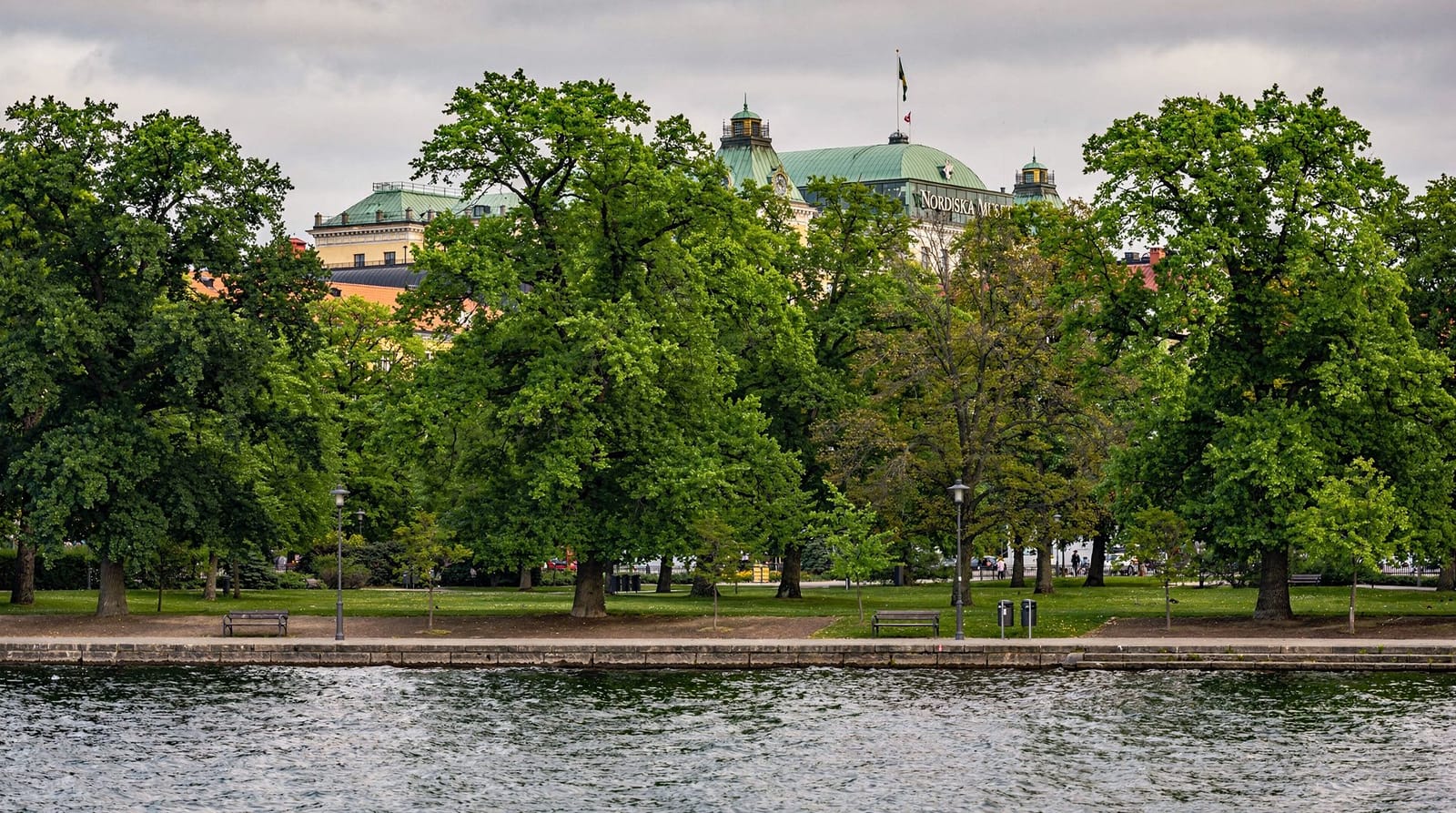
The Nordiska Museet building is the first thing you see when the ferry from Strömkajen arrives at Djurgårdsbroen. It’s large enough that it’s easy to mistake for something more famous — a castle, perhaps, or the entrance to Skansen. A Nordic Renaissance palace in red brick and spires, designed by Isak Gustaf Clason and built between 1888 and 1907. Inside is the national museum of Swedish cultural history, and it is consistently overlooked by approximately 90% of Djurgården visitors who walk past it on their way to Skansen and the Vasa Museum.
We don’t entirely blame them. Skansen is extraordinary. The Vasa Museum is extraordinary. The Nordiska Museet is the third thing on Djurgården, and it requires more from the visitor than the other two.
But it delivers.
| Where | Djurgården, next to the Djurgårdsbroen bridge |
| Cost | 170 SEK per adult, 75 SEK for ages 3–18 |
| Time needed | 2-3 hours for a thorough visit |
| Getting there | tram 7, bus 67, or the Djurgården ferry |
| Best time | weekday mornings, Wednesday evenings (open to 8 PM) |
What Nordiska Museet actually contains
The National Museum of Cultural History’s collection spans Swedish domestic life from 1520 to the present day. This sounds dry. It isn’t, particularly if you approach it as a conversation about how Sweden became what it is rather than a room of old furniture.
The permanent collection includes:
Strindberg. One of the world’s most significant collections of works by August Strindberg — Sweden’s great dramatist and painter — including his canvases, his letters, his apartment furniture. If you know who Strindberg is, this is a serious collection. If you don’t, the contextual material explains enough.
Sápmi and the Sami collection. Sweden’s relationship with its indigenous Sami population is complex and not always well-explained at tourist level. The Nordiska Museet’s Sami exhibition is the most nuanced treatment of this history available in the city.
Fashion and textiles. A permanent fashion collection that runs from 16th-century court dress to contemporary Swedish design. The wedding dress collection spans 300 years of domestic ceremony.
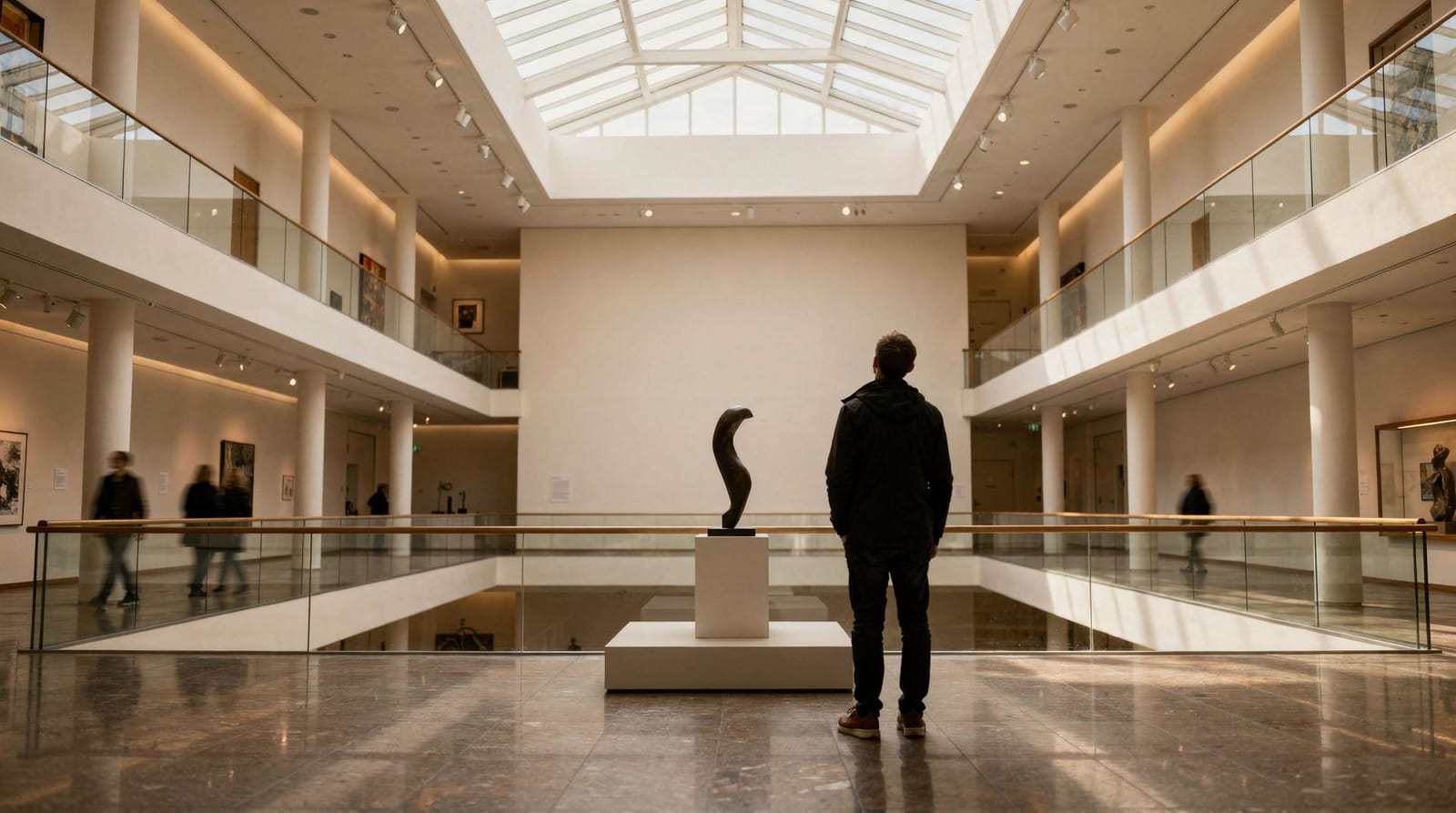
The ground floor. The main hall is capped by a vast painted ceiling and contains Carl Milles’s enormous Vasa statue — a standing king below the central dome — which is worth the entry ticket on its own terms as an architectural experience.
Interiors through the centuries. Reconstructed Swedish domestic rooms from different periods. This format risks being dull; here it mostly avoids it because the curation connects the objects to the lives of the people who used them rather than just cataloguing them.
How it compares to Skansen
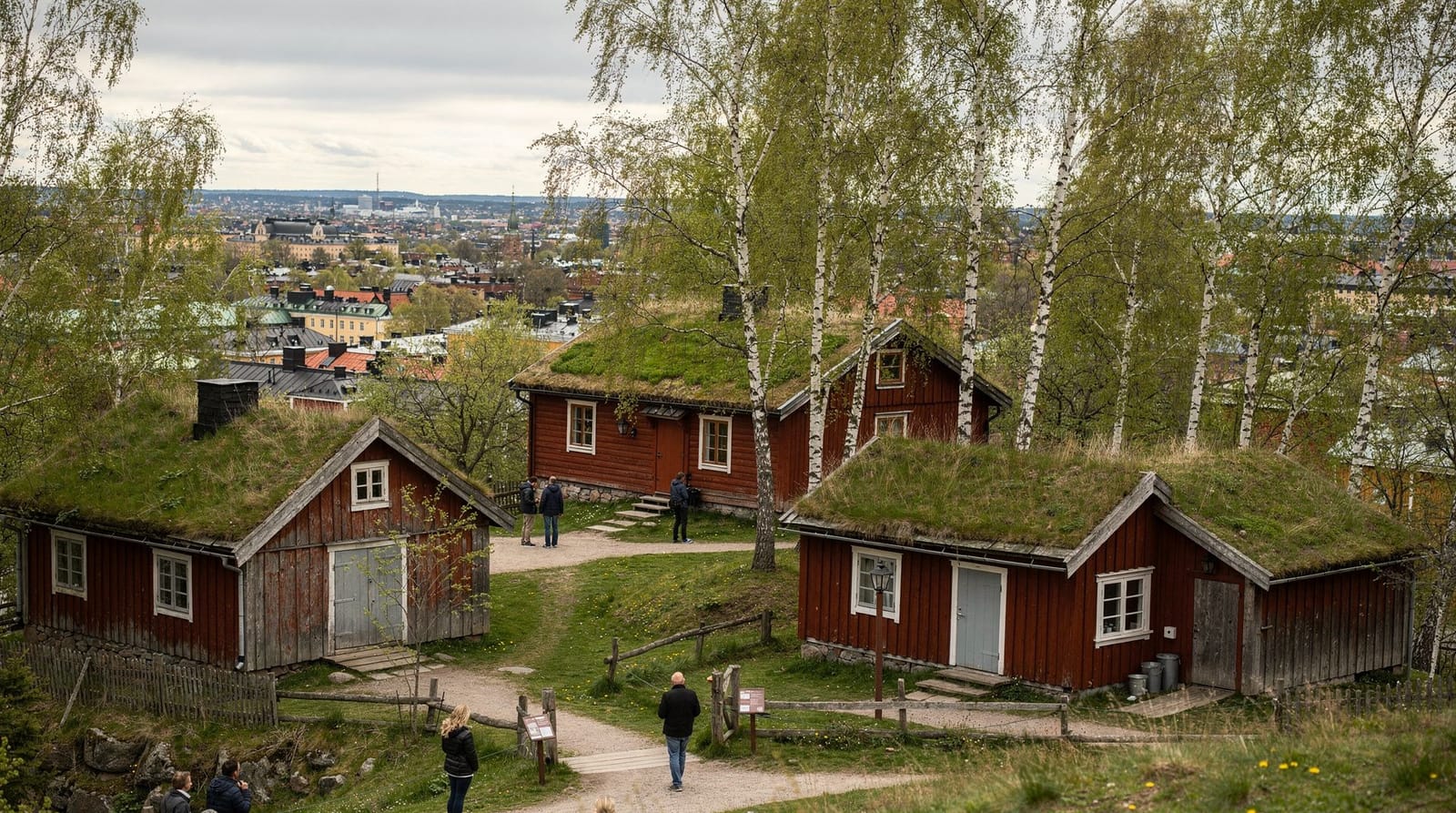
Skansen is experiential, outdoor, and largely aimed at families and visitors who want immediate sensory engagement: animals, historic buildings you can enter, folk demonstrations, food. Skansen rewards a few hours of wandering without a plan.
The Nordiska Museet is a traditional museum — indoors, exhibition rooms, text panels, objects in cases — that rewards reading and attention. It works for interested adults and older teenagers who are engaged with the question of what Swedish culture is and where it came from.
If you have one day on Djurgården: Vasa Museum + Skansen covers the experiential high ground. Nordiska Museet requires a different kind of attention than either.
If you have two days on Djurgården, or if you’re a museum person: Nordiska Museet is the one that most visitors regret missing when they look back. It’s less immediately spectacular and more deeply interesting.
Entry price: 170 SEK — lower than Skansen (250 SEK summer) and the Vasa (240 SEK). There is no combination ticket between Nordiska Museet and Skansen, which is a gap in the Stockholm museum infrastructure.
The building as experience
Walk to the top of the main staircase before you visit any of the galleries. Look back down at the main hall: the statue, the painted ceiling, the galleries arranged around the central void. The building is a 19th-century statement about what national identity means made in brick and vaulted plaster. It’s grandiose in a way that the collection inside implicitly questions.
This is not an accident.
What the collection is actually arguing
The Nordiska Museet’s founding mission, established by Artur Hazelius in 1873, was to document and preserve Swedish folk culture before modernisation erased it. The same impulse that led Hazelius to create Skansen (as an open-air adjunct to Nordiska Museet — he founded both) drove the indoor collection: a sense that something valuable was passing away and should be understood before it disappeared.
This gives the museum a specific intellectual character that the bigger national museums don’t always have. The objects aren’t simply fine things to be admired; they’re evidence in an argument about what Swedish culture is and how it formed. The domestic rooms section, which could easily feel like a furniture warehouse, works because the curators have thought about what a specific room from a specific decade in a specific class context tells you about how Sweden changed.
The Sami collection works for the same reason — it’s presented as part of a contested history rather than as ethnographic specimen display.
The Strindberg dimension
August Strindberg (1849-1912) is the most significant Swedish-born literary figure and arguably the most significant playwright of the late 19th century globally — his influence on modern drama equals or exceeds Ibsen’s. The Nordiska Museet has one of the most significant Strindberg collections in existence: his paintings (he was a serious visual artist), his photography (he was an early experimental photographer), his manuscripts, and reconstructed elements of his domestic world.
For visitors with any background in modernist literature or theatre, this collection alone justifies the entry price. Strindberg in Stockholm is something like Kafka in Prague or Joyce in Dublin — the city shaped him and he shaped how we understand the city. The collections here put faces and rooms and objects to the writer that the biographies can’t.
A suggested route
For a 2-hour visit:
- Ground floor main hall: Spend 15 minutes here. Look up at the ceiling, look at the Vasa statue, understand the building’s ambition.
- Sami collection (Level 2): 30 minutes. Context for Swedish history that you won’t get anywhere else in the city.
- Interiors through the centuries (Level 3): 30 minutes. The sequence from 16th-century farmhouse to 20th-century apartment tells the whole arc.
- Strindberg (Level 4, or designated gallery): 30 minutes. The paintings especially.
- Fashion/textiles (remaining time): The wedding dress collection if you have any interest in historical clothing; skip if not.
This route covers the essential material without trying to see everything.
Stockholm Nordiska Museet entry ticketOur Nordiska Museet guide has full practical information and a suggested route through the permanent collection. For the Djurgården day planning, see our Djurgården destination page and Skansen guide. If you’re weighing a museum pass, our museum pass guide explains which passes include Nordiska Museet and whether the maths works out for your itinerary.
Where it fits against Djurgården’s other museums
Djurgården has four major museums within a short walk of each other, and most visitors only manage two or three in a single day. The Vasa Museum is the essential first stop for almost everyone — a 17th-century warship recovered nearly intact is not something to skip. The ABBA Museum is the interactive pop-culture counterpoint. Nordiska Museet is the one that requires the most from the visitor and rewards it the most if you have the attention span for it. Our honest ranking, if you can only choose two: Vasa plus Nordiska Museet for depth, Vasa plus Skansen for a family day, ABBA plus Nordiska Museet if music and cultural history interest you more than ships or animals.
Planning the rest of your Djurgården time
If Nordiska Museet is going to be one of your Djurgården stops, it helps to decide early how the rest of the day will look. The Vasa versus Skansen comparison is a good place to settle the two big headline choices before you add a third. For the outdoor half of the equation, entry to the open-air museum is the simplest way to sort out the Skansen side in advance, so that your morning at Nordiska Museet isn’t interrupted by ticket queues later on.
Anyone who wants to keep the museum day compact should read our Djurgården walking route, which links the main sights in a sensible order, and the longer Djurgården neighbourhood deep dive for the quieter corners most visitors miss. If rain changes your plans, our museum rainy day guide shows how an indoor museum like this one can anchor a wet day, and our Vasa Museum return-visit post explains why a second look at the neighbourhood’s headline attraction can be just as rewarding as discovering something new.
Pairing it with another visit on a different day also works well. The Stockholm in 3 days overview shows how a museum morning can sit alongside the city’s other highlights without turning the trip into a checklist.
Frequently asked questions about Nordiska Museet
How long does the Nordiska Museet take?
A thorough visit takes 2-3 hours. The permanent collection is large, and the fashion and textiles section alone warrants 45-60 minutes for anyone interested in design history. If there’s a significant temporary exhibition running, add another 45 minutes.
Is Nordiska Museet worth it if you’re already visiting Skansen?
Yes, but they’re better as separate visits than as a single day if you’re trying to be thorough. The Nordiska Museet is an indoor, text-and-object experience; Skansen is an outdoor, experiential one. They complement each other across two days better than they combine in one.
What are the Nordiska Museet’s opening hours?
Open daily, 10 AM-5 PM (extended to 8 PM on Wednesdays from September to May). Check the museum website before visiting — holiday periods occasionally affect hours. Entry is 170 SEK for adults (150 SEK seniors and students); children aged 3-18 pay 75 SEK.
Does the Stockholm Pass include Nordiska Museet?
Yes. The Go City Stockholm Pass includes entry to Nordiska Museet. If you have the pass, this is one of the higher-value inclusions given the 170 SEK entry price.
Is Nordiska Museet good for children?
Less immediately engaging than Skansen for young children, since it’s a traditional indoor museum with text panels rather than animals and hands-on demonstrations. Older children and teenagers with an interest in history or design tend to do better with it. If you’re travelling with young kids, prioritise Skansen or the Vasa Museum first.
Nordiska Museet versus Skansen versus Vasa, compared
| Nordiska Museet | Skansen | Vasa Museum | |
|---|---|---|---|
| Format | indoor, exhibition rooms | outdoor, open-air | indoor, single large object |
| Best for | attentive adults, design/history interest | families, sensory engagement | almost everyone |
| Entry price | ~190 SEK | ~250 SEK (summer) | ~230 SEK |
| Time needed | 2-3 hours | half day+ | 1.5-2 hours |