Stockholm in 24 hours: the essential layover itinerary
Stockholm: secrets of Gamla Stan guided tour with fika option
Duration: ~2 hours
One day is enough to feel Stockholm
Twenty-four hours in Stockholm is tight, but it is not a disaster if you plan it right. This city compresses its essential character into a surprisingly small area: the medieval island of Gamla Stan, the museum-dense park island of Djurgården, and the waterfront connecting them. You can walk between these on a single continuous route, with one T-bana hop at most, and leave with a genuine sense of the city rather than a blur of rushed tourist stops.
This itinerary is designed for layover travellers — those arriving on an early flight or overnight train and leaving the following morning — and for cruise passengers with one port day. It assumes you are starting from the city centre around 9am and need to be back at Arlanda or the cruise terminal by early evening.
The three things Stockholm does that no other Scandinavian city does as well: a seventeenth-century warship preserved almost intact, a medieval city centre you can walk end-to-end in an hour, and an open-air museum that makes Scandinavian history legible and human rather than dryly academic. You have time for all three, plus lunch and a decent dinner, in 24 hours.
Skip on this trip: the ABBA Museum (genuinely good, but needs 2–3 hours you do not have), Drottningholm Palace (excellent but 45 minutes by boat each way), and the archipelago (a half-day minimum, save it for your next visit).
At a glance
| Time | Activity | Area | Duration |
|---|---|---|---|
| 9:00am | Gamla Stan walk | Gamla Stan | 2 hours |
| 11:00am | Royal Palace exterior + guards | Gamla Stan | 30 min |
| 11:30am | Nobel Museum | Gamla Stan | 45 min |
| 12:30pm | Lunch: Tradition or Fem Små Hus | Gamla Stan | 1 hour |
| 1:30pm | Boat to Djurgården | Slussen → Djurgården | 15 min |
| 2:00pm | Vasa Museum (pre-booked) | Djurgården | 2 hours |
| 4:15pm | Skansen sunset walk (summer) | Djurgården | 1.5 hours |
| 6:00pm | Return to city | Djurgården → Norrmalm | 20 min |
| 7:00pm | Dinner: Östermalm or Norrmalm | Central Stockholm | — |
Morning: Gamla Stan
9:00am — The medieval island on foot
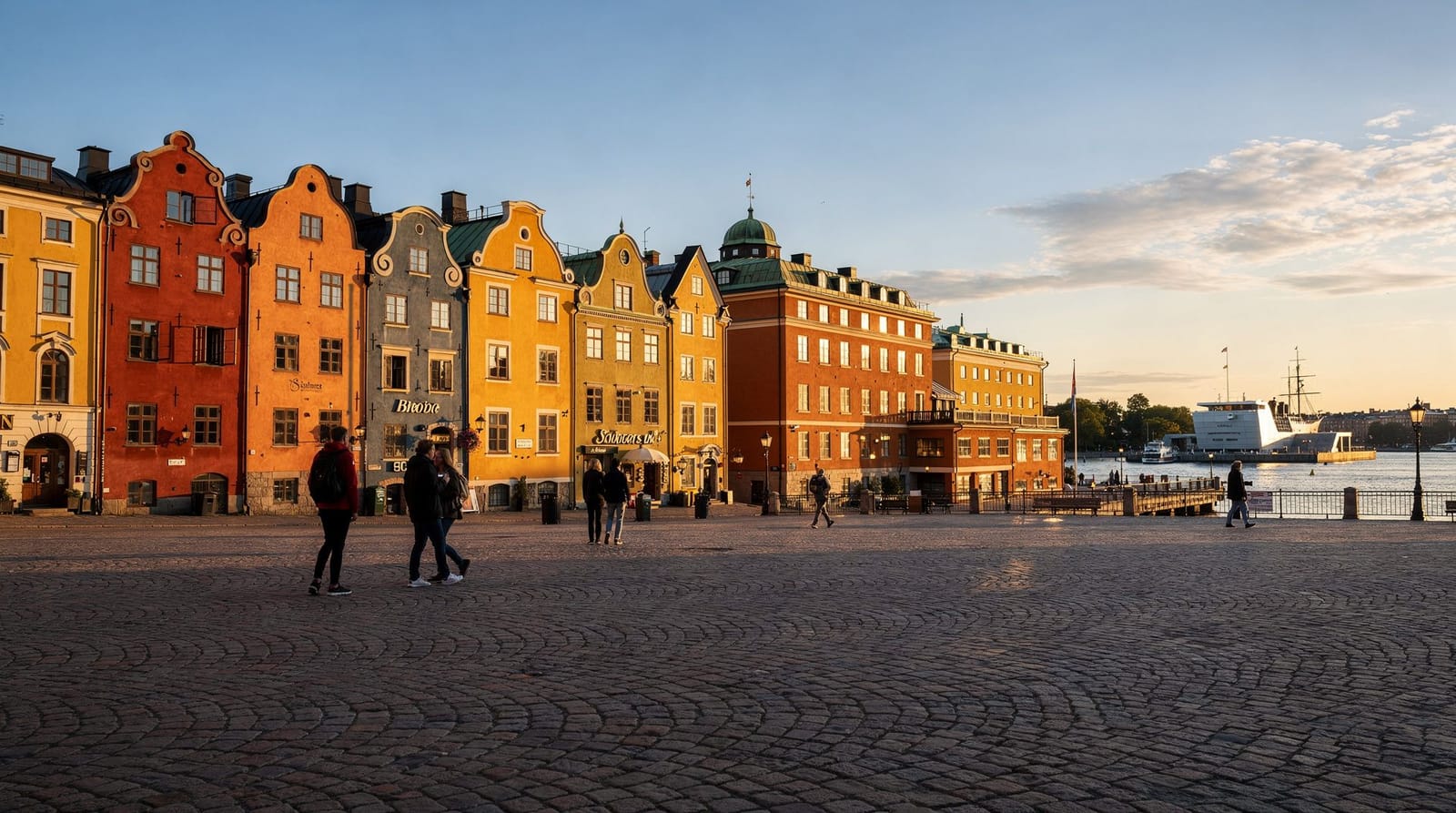
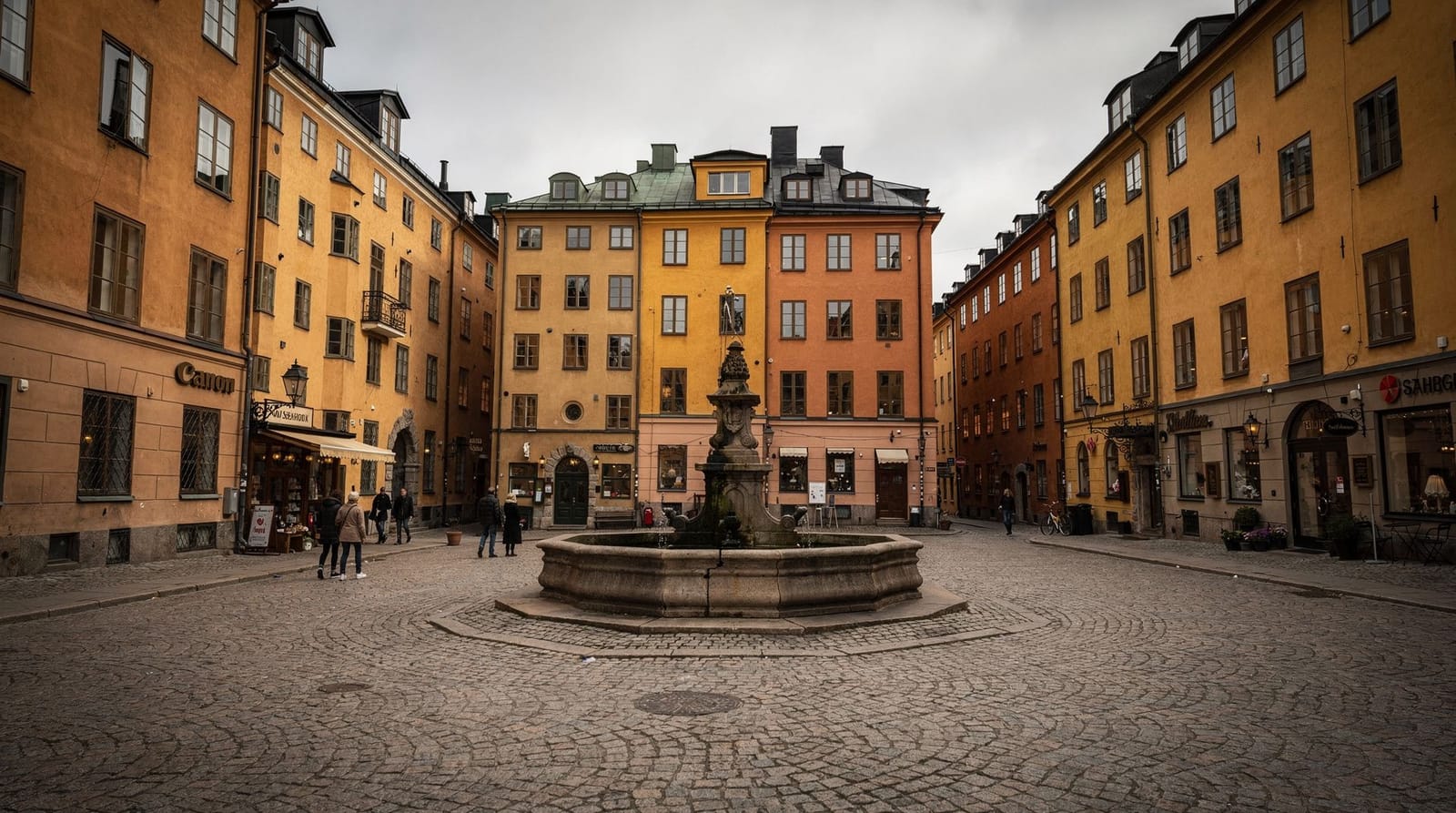
Begin at Slussen T-bana station and walk across the bridge onto Gamla Stan — Stockholm’s medieval Old Town island, continuously inhabited since the thirteenth century. The street plan has changed almost nothing since the fifteenth century: the main drag of Stortorget opens north-south through the island’s spine, while dozens of narrow alleyways (gränder) run off it in both directions.
Start your walk from the southern end of Gamla Stan at Järntorget, the historic iron market square, and work your way north. Detour through Mårten Trotzigs Gränd — at 90 centimetres wide, the narrowest alley in Stockholm — then emerge at Stortorget, the main square, surrounded by coloured merchant houses dating from the late medieval period.
The Gamla Stan guide covers every alley and hidden courtyard in detail. For a 24-hour visit, focus on the main square and the streets running east: Köpmantorget and the views over the water toward Djurgården.
A guided Gamla Stan tour with fika takes about two hours and adds historical depth that makes the architecture legible — the Blood Bath, the German Church, the distinction between which buildings were medieval and which were eighteenth-century infill. Worth it if you want more than surface-level photographs.
Tourist trap warning: the restaurants lining Västerlånggatan, the main shopping street, are almost universally overpriced with opaque menus targeting tourists. Do not eat here.
11:00am — Royal Palace and the changing of the guard
The Royal Palace at the northern end of Gamla Stan is the official residence of the Swedish royal family and the largest palace in Sweden by number of rooms. The exterior courtyard is free to enter. The changing of the guard takes place daily in summer (generally 12:15pm), which is worth timing your visit around if it aligns with your schedule.
The palace museum complex charges entry separately for each wing (State Apartments, Treasury, Armoury). For a 24-hour visit, the exterior and courtyard alone give you the sense of the building without the time investment.
A Royal Palace and Gamla Stan guided tour with skip-the-line entry is the efficient option if you want to see the interiors without queuing separately.
11:45am — Nobel Museum
The Nobel Museum on Stortorget is small, thoughtful, and routinely overlooked by travellers rushing toward larger museums. Entry costs 160 SEK. Pre-book your Nobel Prize Museum entrance ticket if you would rather not spend any of your limited 24 hours in a queue. The permanent exhibition presents the history of the Nobel Prize through the personal stories of laureates — the displays on Camus, Marie Curie, and Mandela are particularly well done. Allow 45 minutes.
The museum is directly on the main square and makes an efficient stop between the palace and lunch.
12:30pm — Lunch in Gamla Stan
Tradition (Österlånggatan 1): Swedish classics — meatballs, gravlax, herring — at honest prices for Gamla Stan. Budget 150–200 SEK for a lunch main.
Fem Små Hus (Nygränd 10): a cellar restaurant in a seventeenth-century building. Atmospheric, slightly more expensive, but a genuine Stockholm experience. Book ahead.
Avoid: the tourist menus with pictures posted outside on Västerlånggatan. The markup is significant and the food rarely matches the price.
Afternoon: Djurgården and the Vasa
1:30pm — Boat to Djurgården
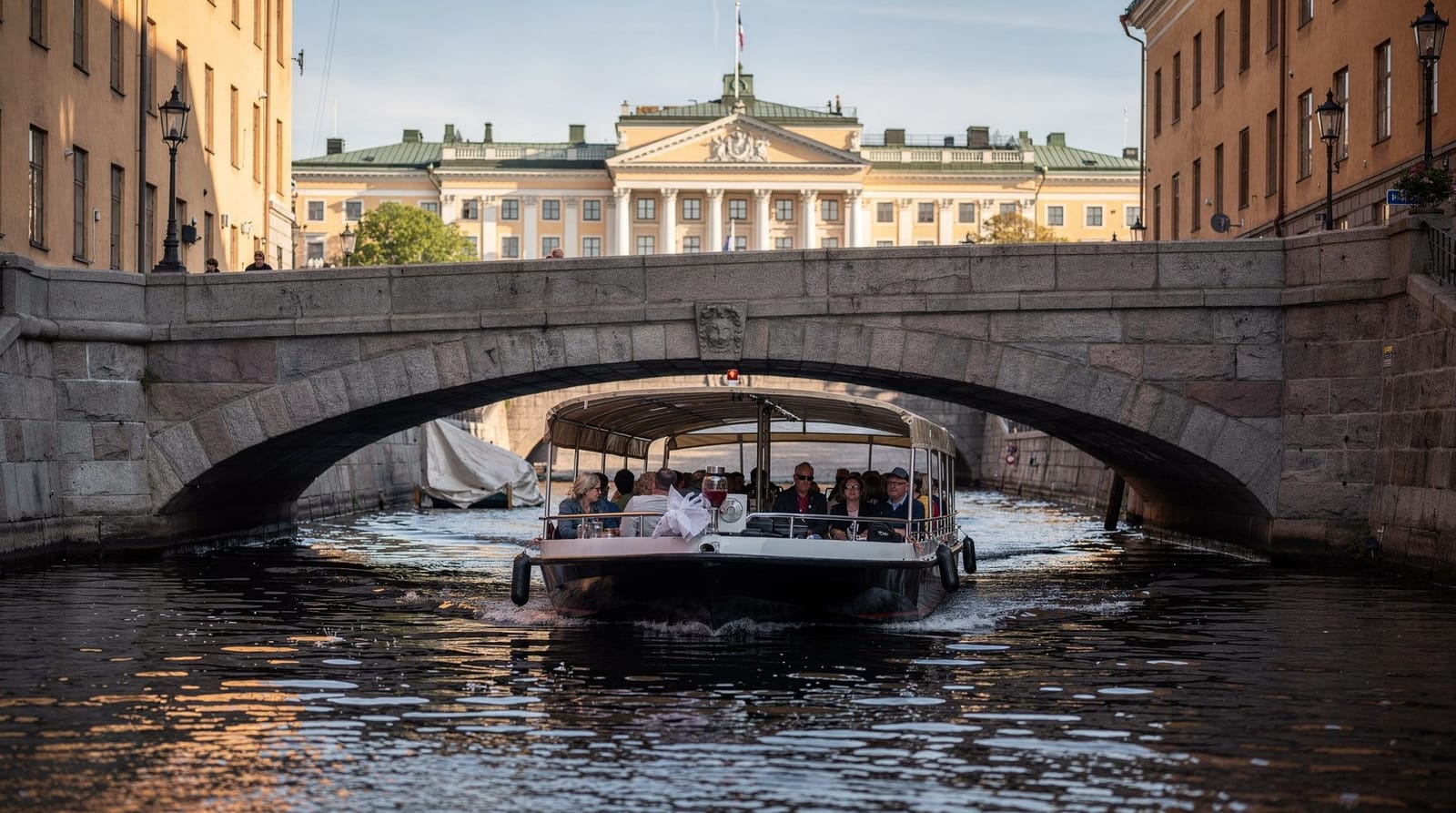
Take the ferry from Slussen or Gamla Stan ferry terminal to Djurgården. The boat takes about 15 minutes and gives you a first view of Stockholm’s waterfront that no bus or T-bana can match. The SL transit pass covers this ferry, or pay the single fare (around 43 SEK).
2:00pm — Vasa Museum
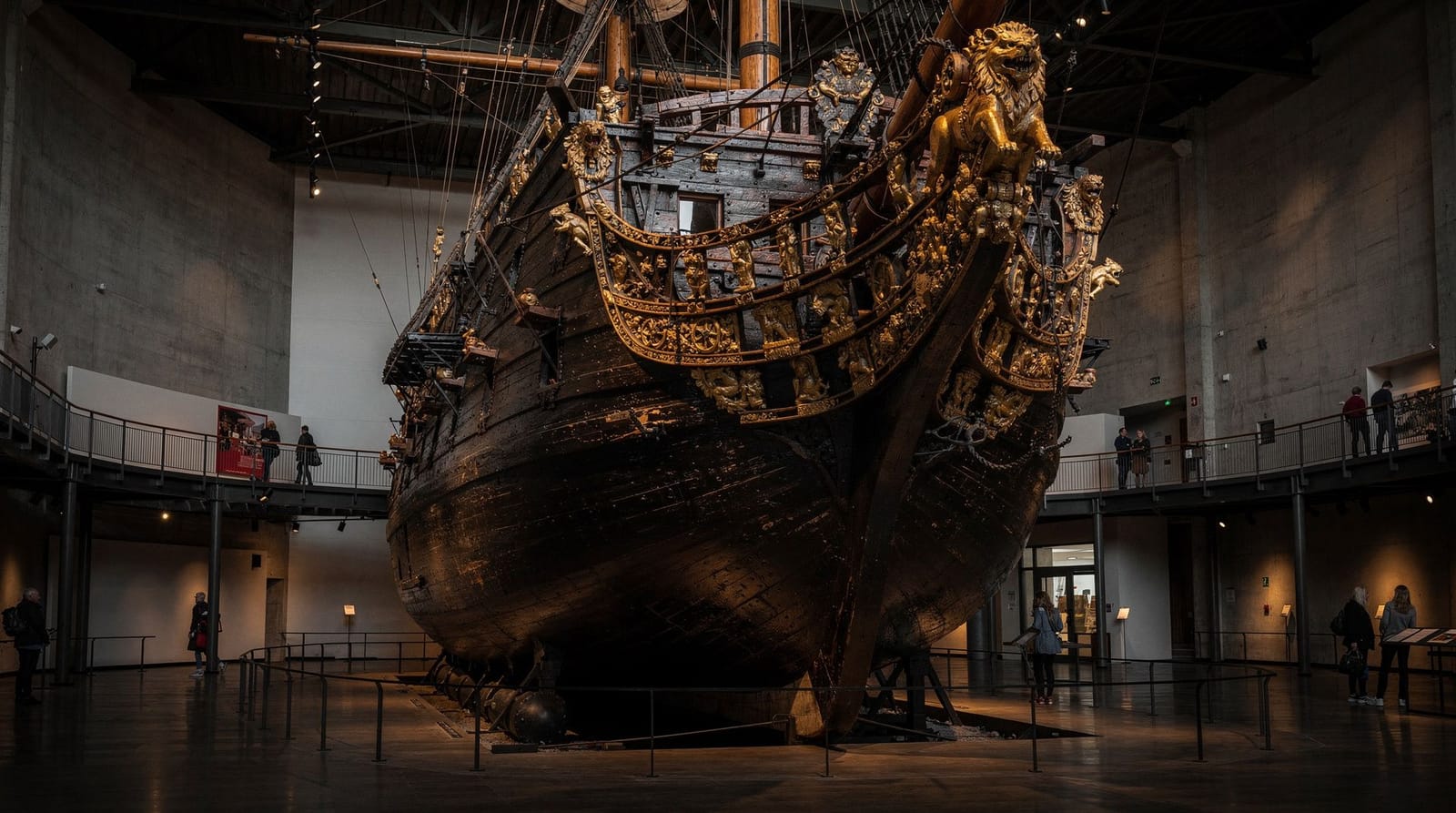
The Vasa Museum houses the Vasa warship, which sank in Stockholm harbour on its maiden voyage in 1628 and was raised in 1961 almost perfectly preserved. It is arguably the best single museum experience in Scandinavia.
Book your ticket online before arriving — this eliminates the queue. Vasa Museum entrance tickets are available to pre-purchase and come with a timed entry window. The museum itself is dim (controlled for conservation), atmospheric, and surprising: the scale of the ship — 69 metres long, seven decks — is genuinely startling even when you have seen photographs.
Allow 90 minutes to two hours. The permanent exhibition covers the history of the ship, its construction, the political context of Swedish imperial ambition under Gustavus Adolphus, and the forensic detective work of the excavation and conservation teams.
Cost: approximately 190 SEK adult.
4:00pm — Skansen (summer) or return to the city
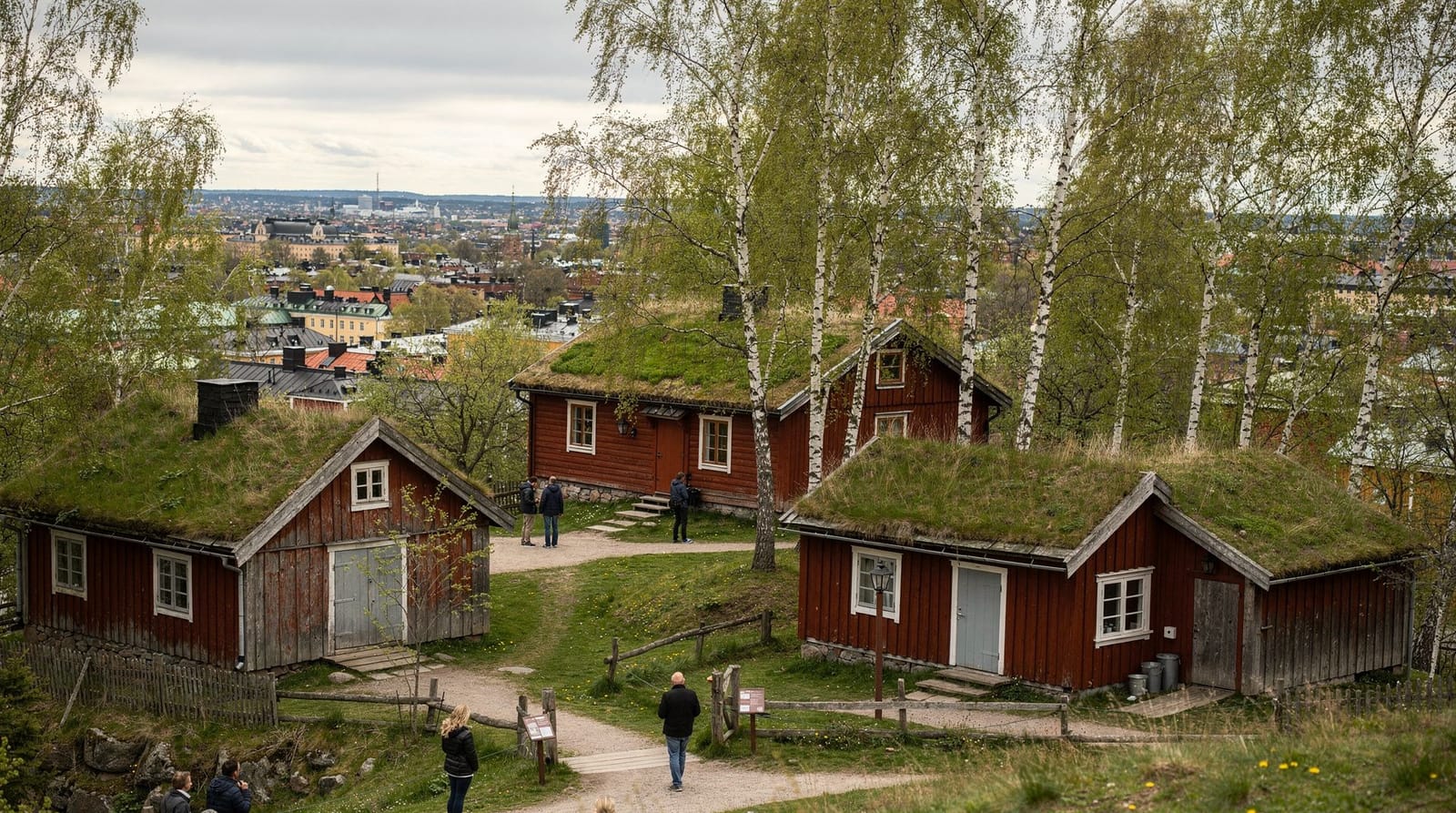
In summer (May to September): Walk 15 minutes through Djurgården park to Skansen open-air museum. Skansen admission includes the open-air museum’s 150+ historical buildings, the Nordic zoo, and the working craftspeople demonstrating glassblowing, breadmaking, and textile weaving. For a 24-hour visit, walk the upper section with views over the city and the harbour. Stay until closing time or until you need to return for dinner.
In winter (October to April): Skansen’s shorter opening hours and reduced programming make it a less compelling 90-minute stop. Return instead to the city and use the extra time to explore Södermalm or visit Fotografiska. The Stockholm winter itinerary has better cold-weather alternatives.
Sunset: Skansen’s hilltop position gives some of the best sunset views in Stockholm. In June, sunset is after 10pm — you can watch it from the museum grounds before leaving for dinner.
Evening: dinner in Stockholm
7:00pm — Österlånggatan or Östermalm
For dinner on a 24-hour visit, two clear choices stand out:
Stay in Gamla Stan: Return to Österlånggatan (the parallel street to the tourist drag) for smaller, more honest restaurants. Fjäderholmarnas Krog serves excellent Swedish food in a less performatively traditional setting than the cellar restaurants.
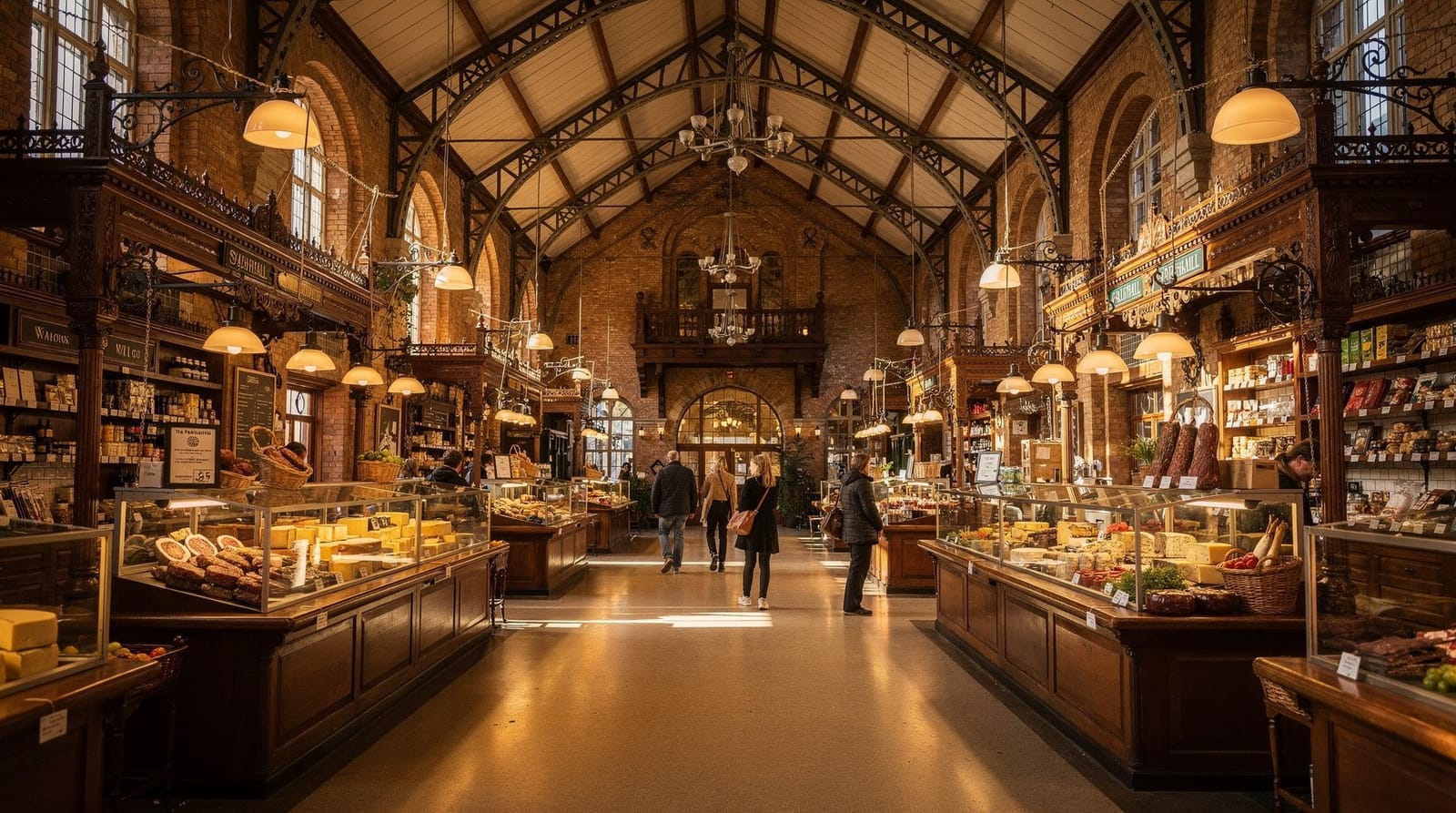
Go upmarket at Östermalm: Take the T-bana one stop to Östermalmstorg and explore the area around Humlegården park. Östermalmshallen, the covered food market, has high-end food stalls if you want to eat standing at quality price points. The restaurants around the market serve some of Stockholm’s best traditional Swedish food.
Budget for dinner: 250–400 SEK mid-range, 600+ SEK if you want fine dining.
Getting around on this itinerary
This route works entirely on foot and by ferry. You will cover approximately 8–10 kilometres on foot, mostly flat with one short hill at Skansen. The SL 24-hour travel pass costs 180 SEK and covers all T-bana, buses, and the Djurgården ferry — worth buying at the airport when you arrive.
From Arlanda: The commuter train (Pendeltåg) from Arlanda to Stockholm Central costs 183 SEK and takes 38–45 minutes. The Arlanda Express takes 18 minutes but costs 340 SEK. Use the commuter train on a 24-hour visit — the time saving is marginal relative to the cost.
Budget breakdown for 24 hours
| Item | Budget traveller (SEK) | Mid-range (SEK) |
|---|---|---|
| Airport transport | 43 (commuter train) | 340 (Arlanda Express) |
| SL day pass | 180 | 180 |
| Gamla Stan tour | 0 (self-guided) | 230 |
| Nobel Museum | 160 | 160 |
| Vasa Museum | 190 | 190 |
| Skansen | 260 | 260 |
| Lunch | 180 | 250 |
| Dinner | 200 | 400 |
| Total (approx.) | ~1,210 | ~2,010 |
Exchange rate approx. 1 USD = 10.5 SEK (2026).
What to skip on 24 hours
ABBA Museum: 2–3 hours minimum to do it justice. Skip for this visit; save it for a two-day trip.
Drottningholm Palace: superb, but the round trip by boat takes 90 minutes of your limited time for transit alone.
Archipelago: any island in the Stockholm archipelago requires at minimum a half-day commitment. Even the closest, Fjäderholmarna, takes a round-trip boat journey plus walking time. Save the archipelago for a longer visit.
Fotografiska: Stockholm’s photography museum is genuinely excellent but works better as a full afternoon in a three-day itinerary. On 24 hours, you cannot give it the attention it deserves and also cover Gamla Stan and the Vasa.
Stockholm in 24 hours: what you learn
A single day in Stockholm teaches you one thing clearly and many things imperfectly, and that is fine — a single day is not a complete visit.
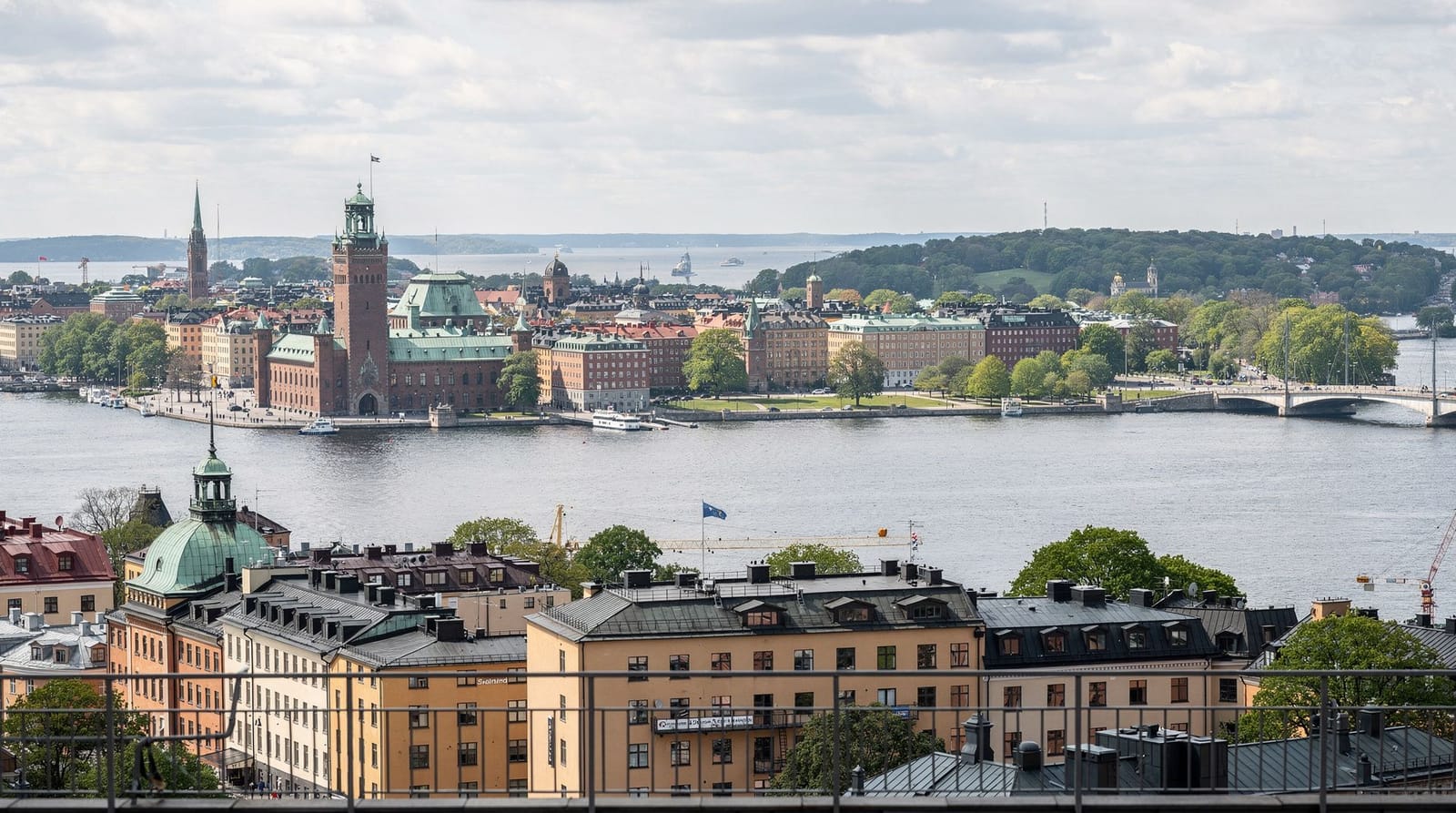
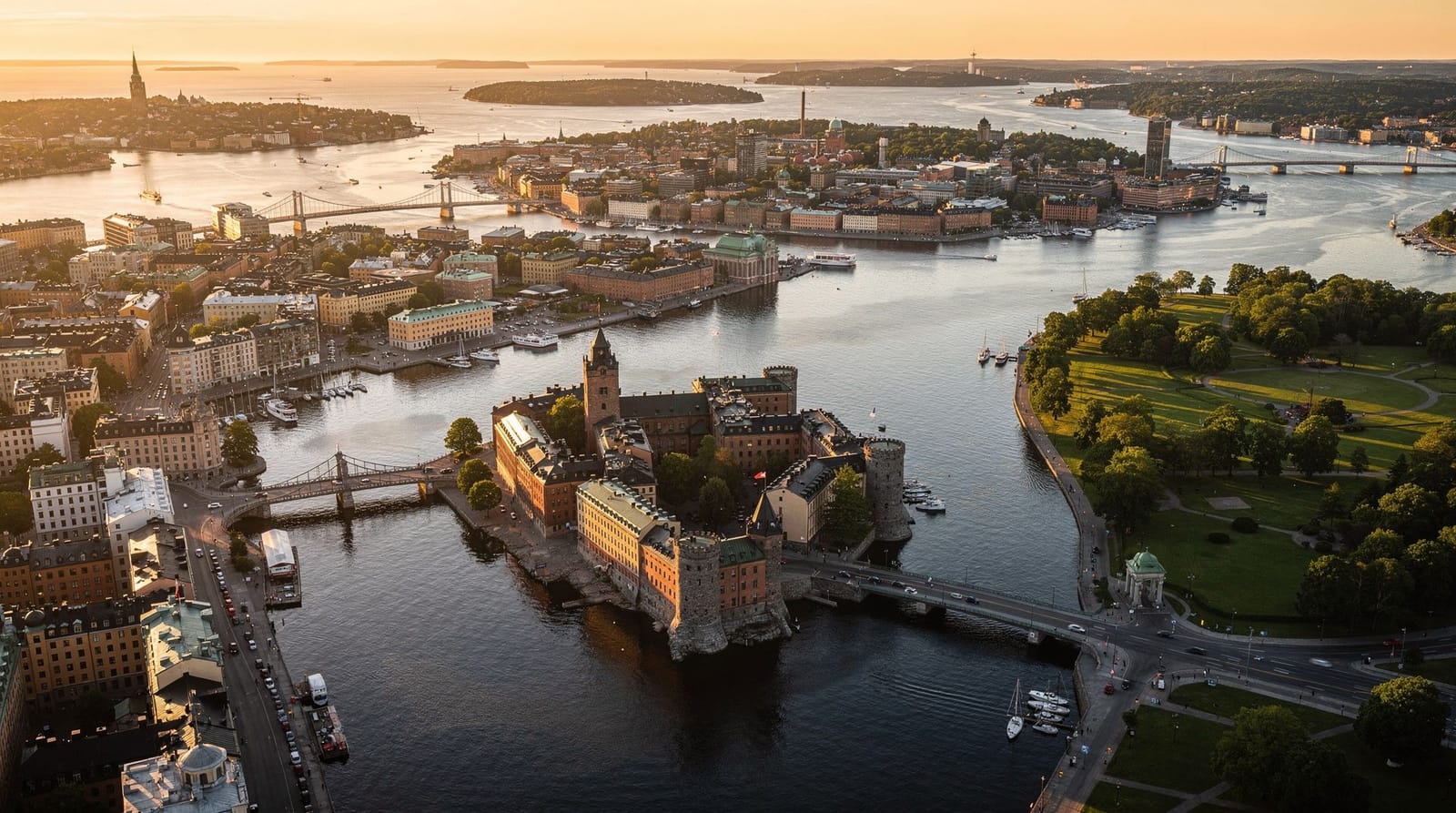
What you learn clearly: Stockholm is a city of water. The medieval island is surrounded by it. The museum island is reached by crossing it. The dinner neighbourhood sits above it. Every perspective in this itinerary involves the water in some way, and by the end of the day you understand instinctively why the city is described as being built on 14 islands — you have felt the transitions between them on foot and by ferry, not just read the number.
What you learn imperfectly: the distinction between Gamla Stan’s medieval character and Södermalm’s contemporary character, the way Östermalm’s wealth differs from Norrmalm’s commerce, and the complete story of why Stockholm became the city it is. For that, you need more time.
What is worth accepting: every major cultural city in Europe rewards depth over breadth. A single day in Stockholm, done well, is better than five rushed days — but less than three days done thoughtfully. Use this day to understand what you want to come back for.
How to handle Gamla Stan like a local
The main error tourists make in Gamla Stan is staying on Västerlånggatan — the main tourist shopping street that runs north-south through the island. This street has souvenir shops, tourist restaurants, and nothing else of interest. The actual city is to the east of it.
Locals on Gamla Stan use Prästgatan (one block east of Västerlånggatan) as the walking street. The side alleys between the two — Kåkbrinken, Bredgränd, Storkyrkobrinken — are the most atmospheric and least crowded passages on the island. The cafés on Österlånggatan (the street parallel to Västerlånggatan on the east side) are significantly better and cheaper than the tourist cafés on the western side.
For coffee and a kanelbulle (cinnamon bun) in Gamla Stan: Kafé Panini (Kåkbrinken) or Café Järntorget are both honest, non-tourist-trap options. Avoid any café with photographs on the menu or English-only signage.
The best hidden view in Gamla Stan: from the north end of the island, stand at Lejonbacken (the street running below the Royal Palace on its northern side) and look east. The water, Skeppsholmen island, and the museum buildings on the far shore form a view that most visitors miss because they are walking in the wrong direction.
What to pack for 24 hours
Comfortable walking shoes: 8–10km on mostly cobblestone. This is non-negotiable; unsuitable footwear ruins a one-day city visit faster than anything else.
Layers: Stockholm’s weather changes frequently. A packed waterproof jacket takes no space and saves a miserable wet afternoon.
Cards only, no cash: Sweden is 90%+ cashless. Every museum, café, restaurant, and transit machine accepts contactless card. Carrying cash creates problems (exchange fees, limited use) rather than solving them.
The SL app: Download it before arriving. Buy the 24-hour pass digitally. Show the app at the T-bana barrier. No physical ticket required.
Pre-booked Vasa ticket: This should be in your email before you land. A screenshot of the confirmation QR code works at the museum entrance.
When to use this itinerary
Best months: May, June, September. Long daylight hours in May–June mean evening activities extend naturally. September has Indian summer conditions and noticeably fewer crowds than July.
Avoid in July: Midsummer (usually 20–21 June) shuts down much of the city — most local businesses, some museums, many restaurants. If your 24 hours falls on Midsummer, plan for reduced services. July is also peak season with peak prices and peak queues.
December: a 24-hour visit in December can work around the Christmas markets at Stortorget and Gamla Stan. The Vasa Museum is perfect in dark weather. Replace Skansen with an indoor dinner or the Icebar. See the winter itinerary for fuller guidance.
Booking timing
- Vasa Museum: Book online 1–3 days ahead in high season (July–August). Off-season you can often book the same morning.
- ABBA Museum (if you extend your visit): Book weeks ahead in summer. The timed entry sells out.
- Drottningholm boat tours: Pre-book in summer, walk-up usually possible in shoulder season.
- Dinner reservations: Book Fem Små Hus and any Östermalm restaurant at least one day ahead.
Cruise passengers: a slightly different version of this day
Cruise ships calling at Stockholm typically dock at Frihamnen or Stadsgården, both a short taxi or bus ride from Slussen rather than the Arlanda-focused route described above. The core itinerary — Gamla Stan, the Vasa Museum, an optional Skansen close — works essentially unchanged, but the hard constraint is different: instead of a flight or train departure, it is the ship’s all-aboard time, which is usually stricter and less forgiving of a missed transit connection. Confirm the shuttle bus schedule back to the port before you commit to Skansen’s afternoon slot, since it is the first thing to cut if the day is running late. Many cruise lines also run their own shore excursions covering the same Gamla Stan and Vasa Museum ground — worth comparing against doing it independently, since the independent version described here is usually both cheaper and less rigidly timed.
If you have a connecting flight instead of a full 24 hours
Not every layover gives you a genuine 24 hours in the city. If you actually have closer to 8–10 hours between landing and needing to be back at Arlanda, cut to the two non-negotiables: Gamla Stan (shortened to 90 minutes, skip the Nobel Museum) and the Vasa Museum. Skip Skansen and dinner in the city entirely, and eat at the airport instead — trying to fit a sit-down Stockholm dinner into a genuinely short layover is the single most common way this kind of visit goes wrong, with travellers missing return trains or arriving at security later than planned. The Arlanda airport transfer guide covers the realistic timing for getting back to the airport from central Stockholm at different times of day.
Making the layover itinerary work with luggage
Arriving with check-in luggage or a large backpack changes the calculus of a one-day visit meaningfully — walking 8–10km with a full pack is unpleasant and slows you down. If you are between flights or trains, use a luggage storage service near Stockholm Central before starting the Gamla Stan walk; several operators cluster around the station and the T-bana entrances. The luggage storage guide covers the specific locations and price ranges. Carrying only a day bag also makes the ferry crossing to Djurgården and the walk up to Skansen far more comfortable than it otherwise would be.
Frequently asked questions about this itinerary
Is one day in Stockholm worth it?
Yes, with the right plan. Stockholm compresses its highlights — Gamla Stan, the Vasa Museum, and the waterfront — into a walkable area. A well-planned 24 hours gives you a genuine sense of the city rather than a frustrating list of places you almost saw.
How do I get from Arlanda Airport to Stockholm in 24 hours?
Take the commuter train (Pendeltåg) from Arlanda Central station to Stockholm Central. Cost: 183 SEK. Journey time: 38–45 minutes. This is significantly cheaper than the Arlanda Express (340 SEK, 18 minutes) and the time difference is rarely worth it on a tight itinerary where you are pacing yourself.
Do I need to pre-book anything for a one-day Stockholm visit?
Pre-book the Vasa Museum online — queues in summer can be 30–45 minutes and booking gives you a timed entry. Book dinner if you have a specific restaurant in mind. Everything else can be done on arrival.
Does this itinerary work for a cruise ship port day?
Yes, with one adjustment: treat the ship’s all-aboard time as the hard deadline instead of a flight, and confirm the shuttle schedule from the cruise terminal (Frihamnen or Stadsgården) back to the port before committing to the Skansen close in the late afternoon. See the cruise passenger notes above for the full comparison against ship-run shore excursions.
Can I do Gamla Stan and Djurgården in one day?
Yes. They are connected by a short ferry ride and the combination forms the core of any Stockholm visit. Gamla Stan takes 2–3 hours for a thorough walk; Djurgården and the Vasa Museum takes 2–3 hours. With an early start, you have time for both plus lunch and dinner.
What is the best single thing to do in Stockholm in 24 hours?
The Vasa Museum. Nothing else in Stockholm delivers such an undiluted sense of wonder at first sight. The preserved seventeenth-century warship — raised from the harbour floor intact after 333 years underwater — is unlike anything else in Scandinavia.
Should I get the Stockholm Pass for one day?
Probably not. The Stockholm Pass costs around 1,070 SEK for 24 hours. For the activities in this itinerary (Gamla Stan, Vasa, Skansen, Nobel), you would spend around 700–800 SEK buying tickets individually. You would need to visit additional expensive attractions to make the pass pay. Run the numbers for your specific plan using the transport cost comparator.
Can I do the archipelago on a 24-hour visit?
No, not in any meaningful way. Even the closest island, Fjäderholmarna, requires 30 minutes each way by boat plus time on the island — a minimum of 2–3 hours for a stripped-back visit. On 24 hours, that time is better spent at the Vasa Museum or Gamla Stan. Save the archipelago for a longer visit.
Where can I store luggage for a one-day Stockholm layover?
Several storage operators cluster around Stockholm Central and the main T-bana entrances, typically charging by the hour or a flat daily rate for a standard bag. Storing luggage before starting the Gamla Stan walk is worth the small cost — walking 8–10km with a full pack materially slows you down and adds fatigue by the afternoon. See the luggage storage guide for specific locations.
What if my layover is shorter than a full 24 hours?
Cut to Gamla Stan and the Vasa Museum only, and drop Skansen and the sit-down dinner. See the shorter-layover notes above for the specific timing adjustments, and check the Arlanda transfer guide to confirm you have left enough buffer to get back for your onward flight or train.
Top experiences
Bookable activities with verified prices and instant confirmation on GetYourGuide.