Vrak Museum of Wrecks guide: Stockholm's underwater Baltic story
Stockholm: Vasa Museum and Vrak Museum of Wrecks combo entry
What is the Vrak Museum and is it worth visiting alongside the Vasa Museum?
The Vrak Museum of Wrecks (Vrak — Museum of Wrecks) opened in 2021 on Djurgården. It explores Baltic shipwrecks from the Viking Age to the 20th century using underwater photography, recovered artefacts, and digital technology. Adult tickets are 185 SEK. A combined ticket with the Vasa Museum saves money and creates a comprehensive maritime day.
The Baltic as an underwater archive
The Baltic Sea is one of the world’s best natural maritime archives. The cold, brackish, low-oxygen water of the northern Baltic creates conditions in which organic material — wood, leather, textiles, rope, food remains — survives for centuries or millennia when it would quickly disappear in warmer, saltier, more oxygen-rich waters. An estimated 100,000 shipwrecks lie on the Baltic floor, ranging from Stone Age dugout canoes to 20th-century vessels. Many are substantially intact.
The Vrak Museum — opened on Djurgården in 2021 — was built to tell this story. It is the first museum dedicated specifically to Baltic maritime archaeology, combining recovered artefacts, large-scale underwater photography, and digital immersive installations to present wrecks that most visitors will never see in person.
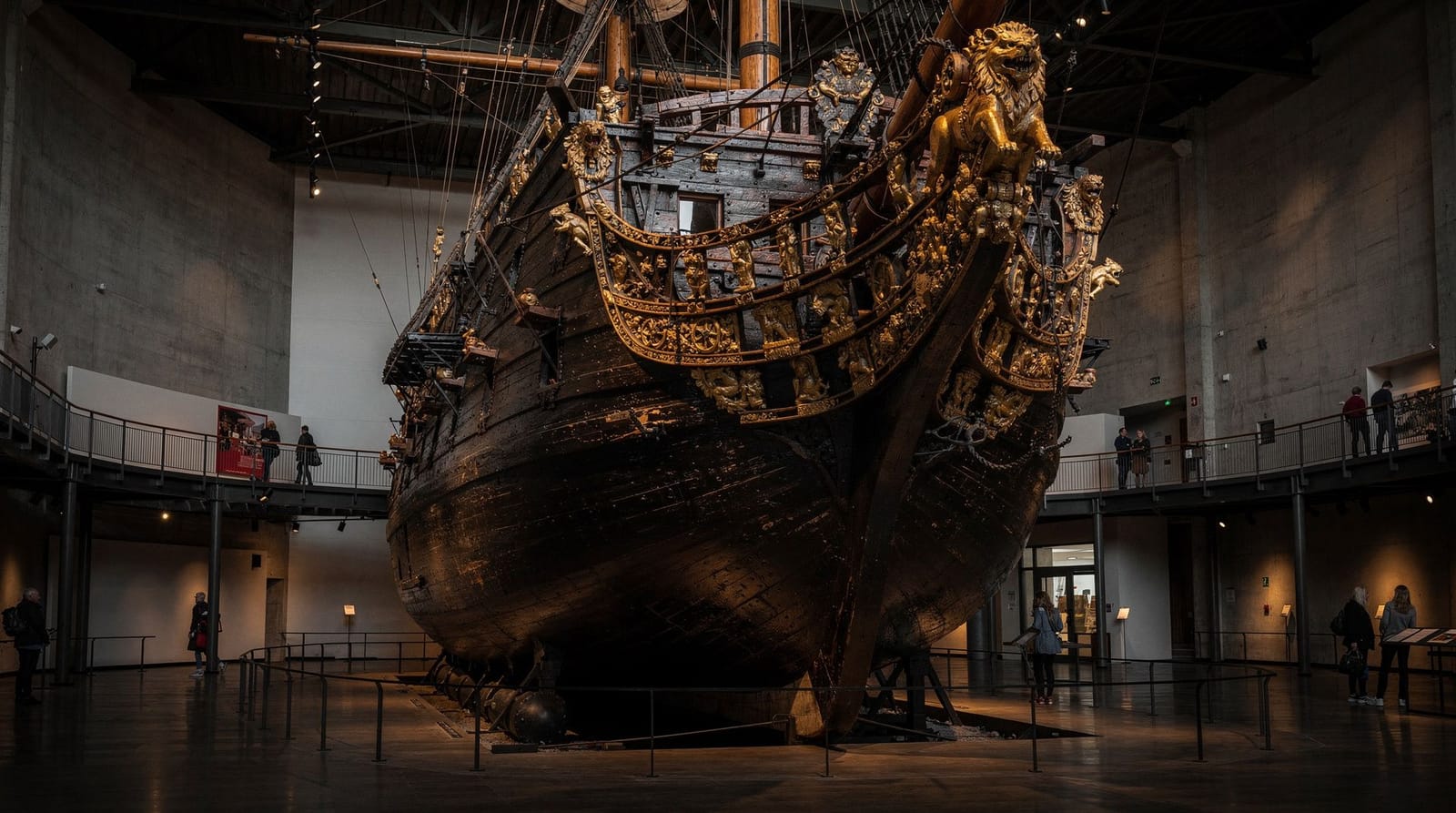
The Vasa Museum (a 10-minute walk along Galärvarvsvägen) shows what happens when one Baltic wreck is raised and preserved on land. The Vrak Museum shows the broader picture — the hundreds of thousands of wrecks still on the seabed, and what they tell us about Baltic maritime history.
Practical essentials
| Detail | Information |
|---|---|
| Address | Galärvarvsvägen 7, Djurgården |
| Opening hours | Daily 10:00–17:00 (Wednesdays until 20:00) |
| Adult ticket | 185 SEK (~18 USD) |
| Children and teens (0–18 years) | Free |
| Recommended time | 1–1.5 hours |
| T-bana/tram | Bus 69 or Djurgårdslinjen tram; 5 min walk from Vasa Museum |
The combined Vasa + Vrak ticket saves money and is the recommended option for visiting both.
Book the combined Vasa Museum and Vrak Museum entry ticketWhat to see
The Baltic environment: why wrecks survive here
The museum opens by explaining the preservation conditions that make the Baltic unique. The science section covers:
- Low salinity: The Baltic is far less salty than open oceans, which inhibits the wood-boring organisms (primarily Teredo navalis, the shipworm) that destroy wooden hulls in warmer salt waters within years.
- Cold water: Northern Baltic temperatures near the bottom reach 4–6°C, significantly slowing biological and chemical decomposition.
- Low oxygen: Particularly in the southern and central Baltic, low oxygen levels reduce the aerobic bacterial activity that would otherwise consume organic material.
The result: a wooden hull that sinks in the northern Baltic may remain structurally intact for 500 years or more. A hull in the Mediterranean would be consumed within decades.
The Viking Age: Foteviken and the early medieval Baltic
Several wrecks from the Viking Age and early medieval period are represented through artefacts and reconstructions. The Baltic was central to Viking Age commerce — the sea roads connecting Scandinavia, the Baltic states, and the routes to Byzantium and the Arab world passed through these waters. Sunken merchant vessels from this period have recovered cargo evidence of the trade goods that moved through the Baltic: furs, amber, silver, and slaves.
The Foteviken wreck material gives a sense of Viking Age naval technology — the clinker-built hull construction, the oar arrangements, and the shallow draft that allowed navigation in coastal and river waters.
The 17th century: warships and the Swedish Empire
The largest section covers the 17th-century Baltic. Sweden’s Stormaktstiden (Age of Greatness) was primarily a maritime empire — the Baltic was effectively a Swedish lake for much of the 17th century, with Swedish-controlled ports around its entire southern shore. The warships that enforced this empire form a significant portion of Baltic wrecks from the period.
A display on the Mars — a Swedish warship lost in 1564 in what is known as the Battle of Öland, one of the largest naval battles in Baltic history — demonstrates the state of the art in 16th-century maritime archaeology. The Mars site was investigated by a joint Swedish-American team beginning in 2011 and has yielded extraordinary material including recovered cannon, personal effects, and human remains.
Modern wrecks: 20th-century Baltic losses
The museum covers 20th-century wrecks including World War II vessels, commercial ships, and the Estonia disaster (1994) — the passenger ferry sinking in the Baltic that killed 852 people and remains one of Europe’s worst peacetime maritime disasters. The Estonia section is handled sensitively, acknowledging the ongoing controversy around the wreck site’s legal status and the families’ concerns about the treatment of the site as a grave.
The underwater photography installations
The Vrak Museum invests significantly in immersive display. The large-format underwater photography installations — showing actual Baltic wrecks in their current state, still on the seabed — are among the most striking museum environments in Stockholm. The experience of standing in a dark room surrounded by 360-degree underwater photography of a resting warship hull is genuinely atmospheric.
Insider tips
Get the combined Vasa + Vrak ticket. This is the most logical way to use the two museums. The Vasa shows what preservation looks like on land; the Vrak shows what it looks like in situ. Together they give a complete picture of Baltic maritime archaeology.
The immersive photography rooms are the highlight. Spend time in the large underwater photography installations rather than rushing to read all the text panels. The visual experience is what the museum does best.
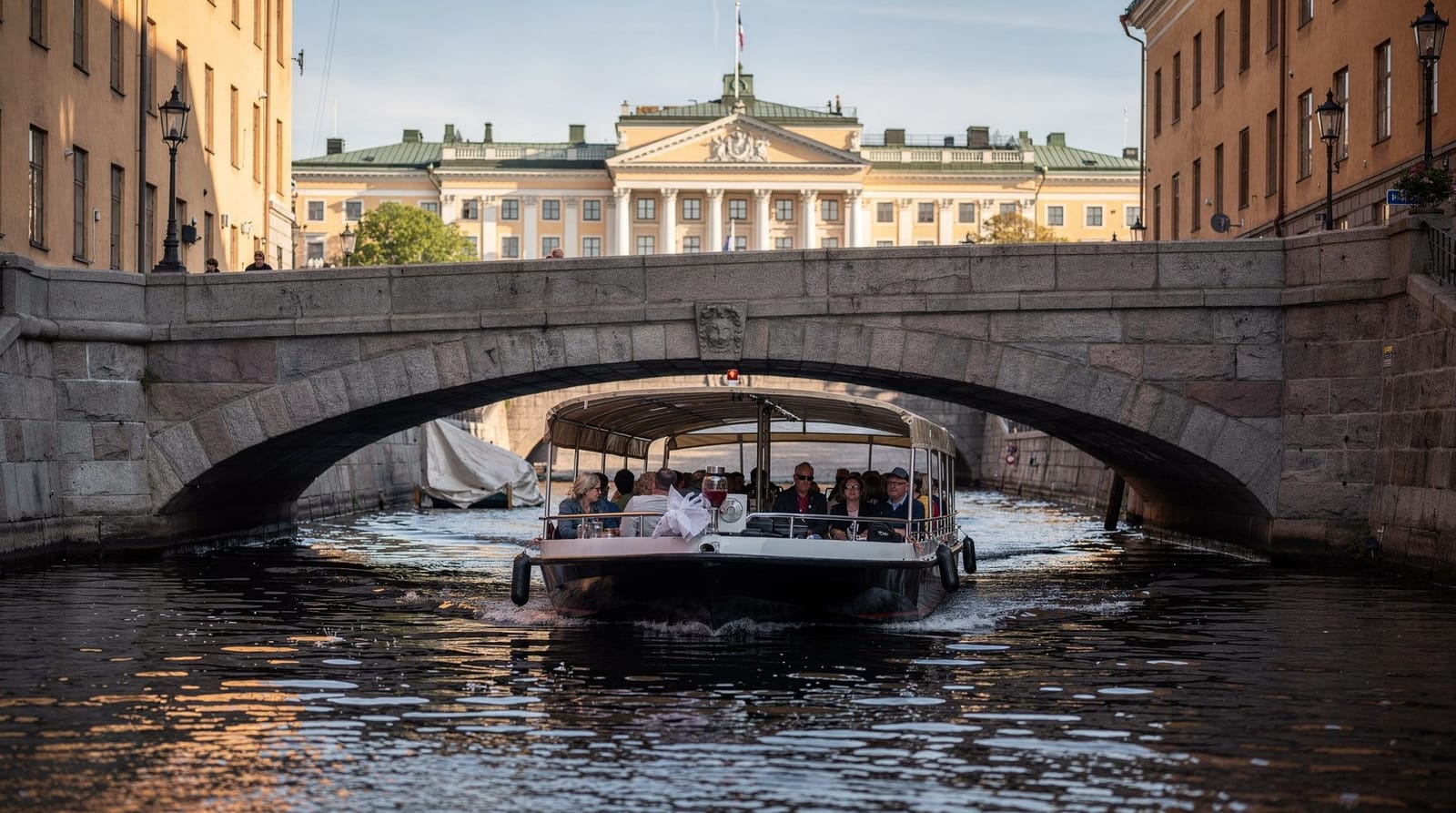
Consider the canal boat option. The Vasa Museum, Vrak Museum, and canal boat tour combination adds a water element to the Djurgården day — seeing Stockholm from the water while visiting two museums about the sea makes thematic sense.
Baltic shipwreck science: why the sea is an archive
One of the Vrak Museum’s strengths is its treatment of the science behind Baltic preservation. For a non-specialist visitor, understanding why Baltic wrecks survive in conditions that would destroy ships elsewhere gives the entire museum a richer context.
Salinity: The Baltic is the world’s second largest body of brackish water. At the sea surface, salinity is approximately 7–10 ppt (parts per thousand); in the northern Baltic, below the thermocline, it drops to near zero. Ocean salinity is approximately 35 ppt. The difference matters because the marine borer organism Teredo navalis — which destroys wooden hulls in oceanic waters by tunnelling through the wood to feed on the cellulose — cannot survive in low-salinity conditions. Below a salinity threshold of approximately 5–7 ppt, Teredo does not reproduce. Northern Baltic wrecks are largely Teredo-free.
Temperature: The deep Baltic maintains temperatures of 4–6°C year-round below the thermocline. Cold water reduces the metabolic rate of all biological processes, including the microbial decay that would otherwise consume organic materials.
Oxygen: The deepest sections of the Baltic (the Gotland Deep and similar basins) are persistently hypoxic — very low in dissolved oxygen. Anaerobic conditions prevent the aerobic bacteria responsible for rapid decomposition. This is the same principle that allows preservation in peat bogs and other oxygen-depleted environments.
The result: A wooden ship lost in the Baltic’s deep cold reaches may retain its hull planking, masts, deck furniture, organic cargo, and even the personal effects of its crew 300, 400, or 500 years later. The Vasa itself — recovered from the relatively shallow central harbour — survived primarily because of the cold and low oxygen, not the salinity (it was slightly too saline for Teredo at that depth). Wrecks in the northern archipelago depths have survived even better.
Radar and sonar survey work: Sweden has conducted extensive sonar surveys of the Baltic floor. The estimated 100,000 wreck figure comes from this survey work combined with historical research into known losses. The museum covers the survey methodology and what it has revealed about the density of historical maritime activity in the Baltic.
Specific highlighted wrecks
The Elefanten (1564): A Swedish warship lost at the Battle of Öland, one of the largest naval engagements in Baltic history. The wreck was identified in 1997 and subsequently surveyed by marine archaeologists. The museum covers the battle and the subsequent discovery.
World War II U-boats: The Baltic floor contains multiple German U-boat wrecks from World War II, some of which contain human remains. The museum addresses the legal and ethical complexity of these sites — they are simultaneously military graves, archaeological sites, and potential sources of contamination from residual fuel and ordnance.
Merchant vessels of the Hanseatic period: The Hanseatic League’s commercial network was the Baltic’s dominant trading system from the 13th to the 17th century. Cog-type merchant vessels from this period have been found in several Baltic locations; the construction style — flat-bottomed, carvel-built, with distinctive cargo capacity — is covered in the exhibition.
Tickets and passes
Vrak Museum only: 185 SEK adult, free for ages 0–18.
Combined Vasa + Vrak: Cheaper than buying separately. Available online through GetYourGuide.
Stockholm Pass: Verify current coverage.
Accessibility
The museum is fully accessible. Lifts to all levels. Wheelchair-accessible toilets. The Djurgården location is accessible by bus 69 or tram.
Getting there
From Vasa Museum: A 10-minute walk east along Galärvarvsvägen.
Bus 69: Direct from central Stockholm.
Tram (Djurgårdslinjen): Seasonal service from Norrmalmstorg; walk from Nordiska Museet stop.
Where to eat nearby
Vasa Museum café: Nearest option within 10 minutes.
Rosendals Trädgård: A 15-minute walk into Djurgården; the biodynamic garden café is one of the island’s best food options.
Making a day of Djurgården
The Vrak Museum sits comfortably inside a wider Djurgården day. The island is covered in the Djurgården destination page, and the Djurgården neighborhood deep dive explains how its museums, parks and waterside paths fit together. If you prefer to follow a ready-made route on foot, the Djurgården walking route links the main sights in a sensible order, and the Vrak Museum slots in naturally beside the Vasa.
Getting around is straightforward once you know the options. The SL pass guide explains how the public transport tickets work, and the Stockholm public transport explained page covers buses, trams and ferries in more detail. If you are weighing several sightseeing products, the Stockholm Pass vs Go City vs SL comparison helps you decide whether a pass makes sense for the museums you actually plan to enter.
Some visitors want more than one maritime-themed stop. If you have already read the Vasa Museum guide, the Vasa vs Skansen comparison and the Vasa vs ABBA Museum comparison show how to choose between the island’s big attractions when time is short. For a first-hand view of returning to the Vasa, see the blog post on visiting the Vasa Museum twice.
Combine with
Vasa Museum: The essential pairing. See the Vasa Museum guide.
Viking Museum: Five minutes east on Djurgårdsstranden. See the Viking Museum guide.
Swedish History Museum: For the land-based archaeological collections that complement the underwater focus of the Vrak Museum. See the Swedish History Museum guide.
Nordiska Museet: Another Djurgården museum, focused on everyday Swedish life rather than the sea. See the Nordiska Museet guide.
Skansen: The open-air museum nearby offers a very different, outdoor counterpart to a morning among wrecks. See the Skansen open-air guide.
A full Stockholm plan: If the Vrak Museum is one stop in a longer visit, the 3-day first-timer itinerary and the Stockholm in 3 days overview show where a Djurgården museum morning fits.
Frequently asked questions about the Vrak Museum
Is the Vrak Museum the same as the Vasa Museum?
No — they are separate museums. The Vasa Museum holds the raised and preserved 17th-century warship Vasa. The Vrak Museum covers Baltic wrecks generally — not a single raised ship but the broader story of maritime archaeology across multiple eras, using photography, artefacts, and digital technology to show wrecks that remain on the seabed.
Are there actual shipwreck artefacts in the Vrak Museum?
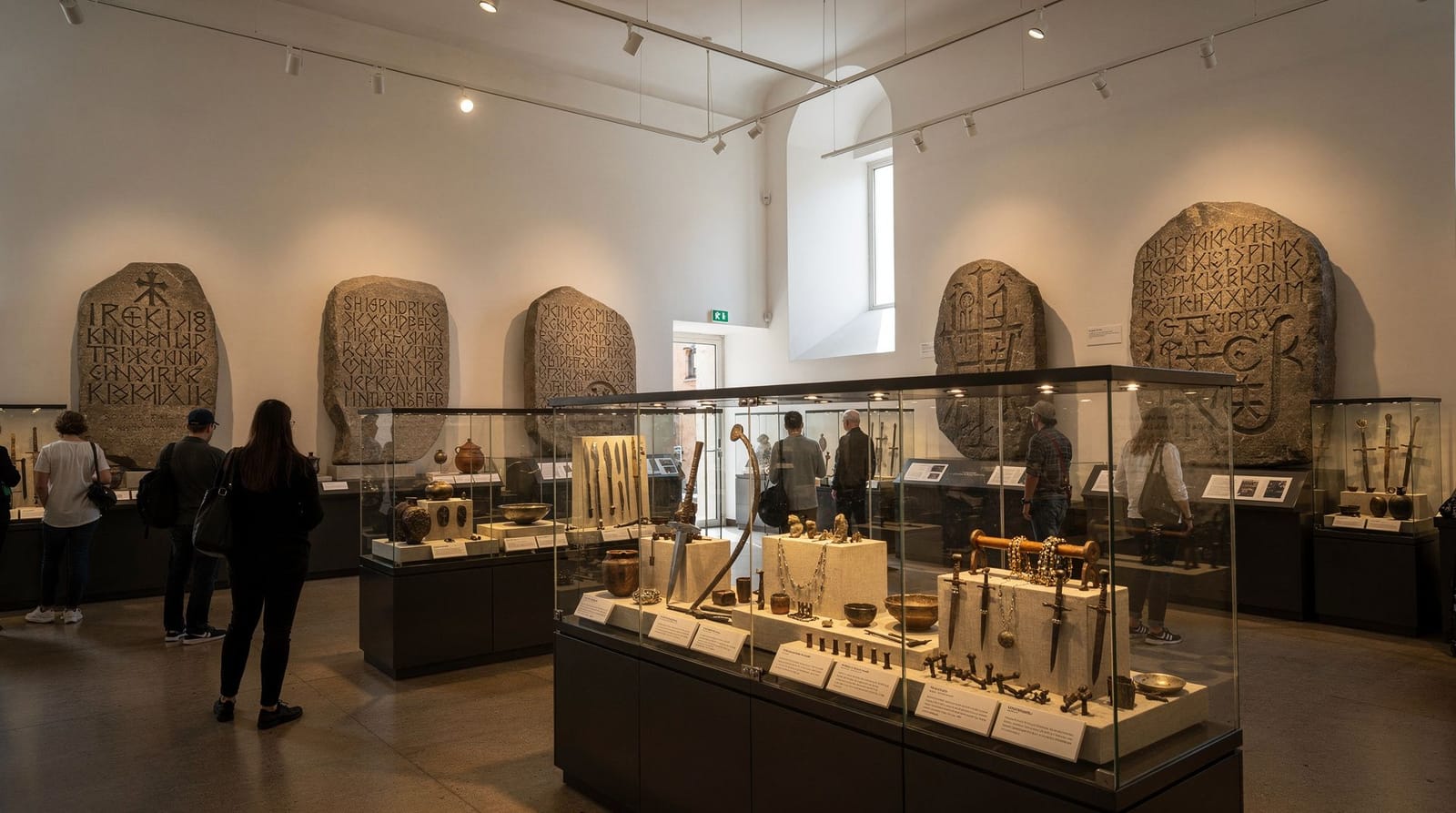
Yes. The museum holds recovered artefacts from several Baltic wrecks alongside the immersive photography and digital installations. However, the philosophy differs from traditional artefact-display museums — the Vrak Museum treats wrecks primarily as in situ archaeological sites rather than sources for object collection, and the most affecting displays are the photographic and immersive presentations of wrecks where they lie.
How long has the Vrak Museum been open?
It opened in 2021, making it one of Stockholm’s newest permanent museums. The modern display technology and approach reflect the most current thinking in museum design.
Is the Vrak Museum worth it if I have already seen the Vasa Museum?
Yes, because they do different things. The Vasa shows one exceptionally preserved ship in extraordinary detail. The Vrak Museum shows the broader maritime history — multiple eras, multiple types of vessel, and the Baltic preservation environment that makes it all possible. They are complementary rather than competitive.
Rainy-day value and museum passes
Because the Vrak Museum is entirely indoors and takes only 1–1.5 hours, it’s a reliable choice when the weather turns — see the museum rainy-day guide for how it fits into a full wet-weather Djurgården plan alongside the Vasa Museum and Viking Museum. If you’re comparing whether a multi-museum pass is worth buying for your trip, the Stockholm museum pass guide covers current coverage and value for the Djurgården museum cluster.
Top experiences
Bookable activities with verified prices and instant confirmation on GetYourGuide.